By everythingcryptoitclouds.com | Published July 10, 2025
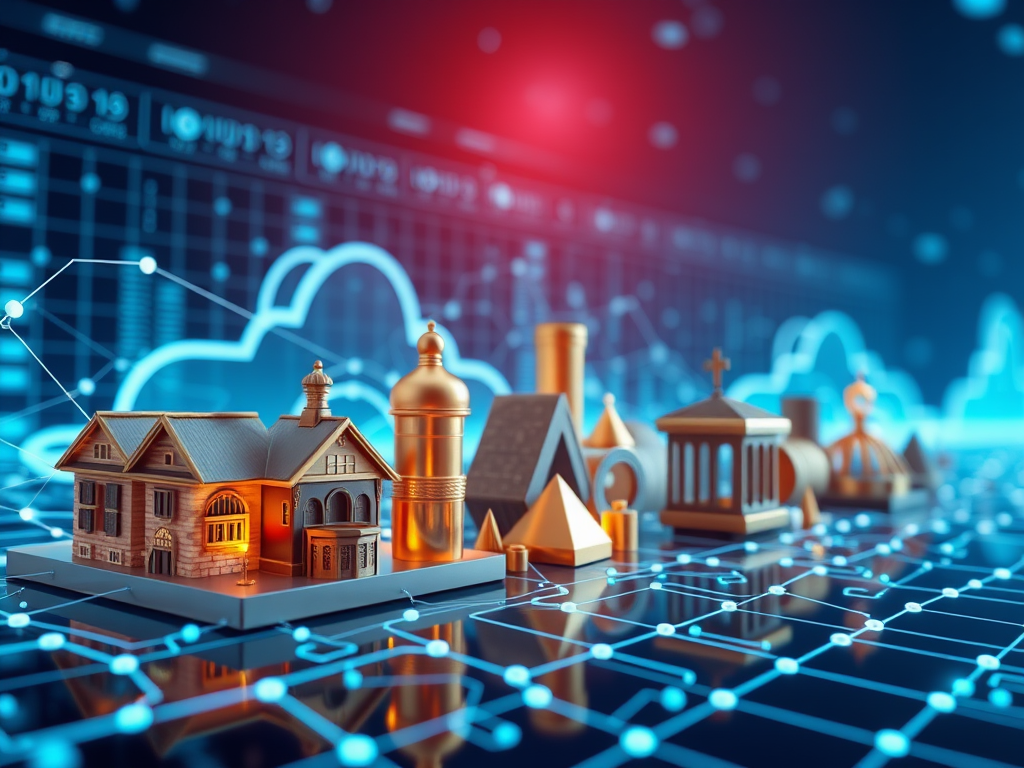
The tokenization of real-world assets represents one of the most transformative developments in the cryptocurrency space, bringing physical assets like real estate, commodities, and fine art onto the blockchain in ways that were previously impossible. This trend is becoming a game-changer that is reshaping how we think about asset ownership, liquidity, and investment accessibility [1]. The technical complexity of tokenizing physical assets while maintaining regulatory compliance and operational efficiency requires sophisticated cloud infrastructure that can bridge the gap between traditional asset management and blockchain technology.
The market opportunity for asset tokenization is enormous, with trillions of dollars in real-world assets potentially available for tokenization. Real estate alone represents a multi-trillion-dollar market that has historically been illiquid and accessible only to wealthy investors. Tokenization can democratize access to these assets while providing new liquidity mechanisms that benefit both asset owners and investors. However, realizing this potential requires overcoming significant technical, regulatory, and operational challenges that only sophisticated cloud-based solutions can address effectively.
Understanding how cloud computing enables real-world asset tokenization is essential for real estate professionals, asset managers, and blockchain developers who are exploring the opportunities that this transformation creates. The infrastructure requirements for managing tokenized assets—from legal compliance and regulatory reporting to asset valuation and investor management—present unique challenges that require innovative solutions combining traditional asset management expertise with cutting-edge blockchain technology.
The Asset Tokenization Revolution: Unlocking Trillions in Value
The tokenization of real-world assets represents a fundamental shift in how we conceptualize and manage ownership of physical assets. Traditional asset ownership involves complex legal structures, intermediaries, and processes that create friction, limit liquidity, and restrict access to wealthy investors. Blockchain technology and smart contracts offer the potential to streamline these processes while creating new forms of fractional ownership that can democratize access to high-value assets.
Real estate tokenization exemplifies the transformative potential of this technology. Commercial and residential real estate markets have historically been characterized by high barriers to entry, limited liquidity, and complex transaction processes that can take months to complete. Tokenization can enable fractional ownership of real estate assets, allowing smaller investors to participate in markets that were previously accessible only to institutional investors and high-net-worth individuals. This democratization of access can unlock new sources of capital for real estate development while providing new investment opportunities for retail investors.
Commodity tokenization presents similar opportunities for markets including precious metals, agricultural products, and energy resources. These markets often involve complex supply chains, storage requirements, and quality verification processes that create inefficiencies and limit investor access. Blockchain-based tokenization can provide transparent tracking of commodity provenance and quality while enabling fractional ownership and trading of physical commodities without the need for physical delivery and storage.
Art and collectibles represent another significant opportunity for tokenization, with markets worth hundreds of billions of dollars that have historically been opaque and accessible only to wealthy collectors and specialized dealers. Tokenization can provide transparent price discovery, fractional ownership opportunities, and new liquidity mechanisms that can benefit both collectors and investors while preserving the cultural and aesthetic value of these assets.
The technical challenges of asset tokenization are substantial, requiring sophisticated systems that can bridge the gap between physical assets and digital representations while maintaining legal compliance and operational efficiency. Cloud computing provides the infrastructure foundation needed to address these challenges by offering the scalability, integration capabilities, and specialized services that asset tokenization platforms require. The ability to integrate with traditional asset management systems, regulatory databases, and blockchain networks is essential for creating tokenization platforms that can operate at institutional scale.
Cloud Infrastructure for Asset Tokenization Platforms
The infrastructure requirements for asset tokenization platforms are complex and multifaceted, requiring sophisticated systems that can handle asset valuation, legal compliance, investor management, and blockchain integration while maintaining the security and reliability that institutional-grade asset management requires. Cloud computing provides the foundation for these platforms by offering the scalability, integration capabilities, and specialized services that asset tokenization demands.
Asset Verification and Valuation Systems
The tokenization of real-world assets begins with comprehensive verification and valuation processes that establish the authenticity, ownership, and value of the underlying assets. These processes require sophisticated systems that can integrate with multiple data sources, including property records, appraisal databases, insurance records, and regulatory filings. Cloud-based data integration platforms provide the capabilities needed to aggregate and analyze this information while maintaining the security and compliance standards that asset management requires.
Real estate tokenization requires integration with property databases, title companies, and government records to verify ownership and establish clear title to properties being tokenized. Cloud-based systems can automate much of this verification process while providing audit trails and documentation that regulators and investors require. The ability to access multiple databases and verification services through cloud APIs enables comprehensive due diligence processes that would be impractical to implement using traditional infrastructure.
Commodity tokenization requires specialized verification systems that can track the provenance, quality, and custody of physical commodities throughout complex supply chains. Internet of Things (IoT) sensors and tracking devices generate vast amounts of data that must be processed and analyzed to verify commodity authenticity and quality. Cloud-based IoT platforms provide the scalability and analytics capabilities needed to process this data while maintaining the real-time monitoring capabilities that commodity tokenization requires.
Art and collectibles tokenization requires specialized expertise in authentication, provenance research, and valuation that combines traditional art market knowledge with digital verification techniques. Cloud-based systems can integrate with art databases, auction records, and expert networks to provide comprehensive authentication and valuation services while maintaining the documentation and audit trails that tokenization platforms require.
Automated valuation models for tokenized assets require sophisticated analytics systems that can process market data, comparable sales information, and asset-specific factors to provide real-time valuation updates. Cloud-based machine learning platforms can develop and deploy valuation models that adapt to changing market conditions while providing the transparency and auditability that tokenization platforms require. These models must balance accuracy with computational efficiency, providing timely valuations that support trading and portfolio management activities.
Legal and Regulatory Compliance Infrastructure
The legal and regulatory requirements for asset tokenization are complex and vary significantly across different jurisdictions and asset types. Cloud-based compliance platforms provide the flexibility and scalability needed to manage these requirements while maintaining the documentation and reporting capabilities that regulators require. These systems must integrate with legal databases, regulatory filing systems, and compliance monitoring services to ensure ongoing compliance with applicable laws and regulations.
Securities law compliance for tokenized assets requires sophisticated systems that can determine the regulatory status of different tokens and implement appropriate investor protections and disclosure requirements. Cloud-based compliance platforms can automate much of this analysis while providing the documentation and reporting capabilities that securities regulators require. These systems must handle the complexity of different regulatory frameworks while providing clear guidance to platform operators and investors.
Anti-money laundering (AML) and know-your-customer (KYC) compliance for tokenization platforms requires comprehensive monitoring of investor activities and transaction patterns to identify potentially suspicious activities. Cloud-based compliance systems can process vast amounts of transaction data while providing the real-time monitoring and alerting capabilities that effective compliance programs require. These systems must balance compliance requirements with user privacy and experience considerations.
Tax compliance for tokenized assets presents unique challenges that require sophisticated systems capable of tracking ownership changes, income distributions, and capital gains across multiple jurisdictions. Cloud-based tax compliance platforms can automate much of this tracking and reporting while providing the integration capabilities needed to work with existing tax preparation and reporting systems. These systems must handle the complexity of different tax jurisdictions while providing accurate and timely reporting for both platform operators and investors.
Cross-border compliance for international asset tokenization requires systems that can navigate different regulatory frameworks while maintaining operational efficiency and user experience. Cloud-based compliance platforms provide the flexibility needed to adapt to different regulatory requirements while maintaining centralized management and reporting capabilities. These systems must handle currency conversion, regulatory reporting, and investor protection requirements across multiple jurisdictions.
Investor Management and Trading Infrastructure
The management of investors in tokenized asset platforms requires sophisticated systems that can handle investor onboarding, portfolio management, and communication while maintaining the security and compliance standards that asset management requires. Cloud-based investor management platforms provide the scalability and functionality needed to serve thousands of investors while maintaining personalized service and comprehensive record-keeping.
Investor onboarding for tokenization platforms requires comprehensive KYC and accreditation verification processes that can handle different investor types and regulatory requirements. Cloud-based onboarding systems can automate much of this process while providing the documentation and audit trails that compliance programs require. These systems must integrate with identity verification services, accreditation databases, and regulatory filing systems to ensure comprehensive investor verification.
Portfolio management for tokenized assets requires sophisticated systems that can track fractional ownership positions across multiple assets while providing real-time valuation and performance reporting. Cloud-based portfolio management platforms provide the computational resources needed for complex portfolio analytics while offering the user interface capabilities that investors expect from modern financial services. These systems must handle the unique characteristics of tokenized assets while maintaining compatibility with traditional portfolio management approaches.
Trading infrastructure for tokenized assets requires sophisticated systems that can handle order matching, settlement, and clearing while maintaining the security and compliance standards that financial markets require. Cloud-based trading platforms provide the scalability and reliability needed for high-volume trading while offering the integration capabilities needed to connect with blockchain networks and traditional financial infrastructure. These systems must handle the unique characteristics of tokenized assets while providing the performance and reliability that active traders require.
Secondary market development for tokenized assets requires sophisticated market-making and liquidity provision systems that can maintain orderly markets while providing fair pricing for all participants. Cloud-based market-making systems can analyze market conditions and provide automated liquidity while maintaining the risk management and compliance controls that market operators require. These systems must balance liquidity provision with risk management while maintaining the transparency and fairness that tokenization platforms promise.
Blockchain Integration and Smart Contract Management
The integration of asset tokenization platforms with blockchain networks requires sophisticated systems that can handle smart contract deployment, transaction processing, and blockchain monitoring while maintaining the security and reliability that asset management requires. Cloud-based blockchain integration platforms provide the scalability and functionality needed to support high-volume tokenization operations while offering the monitoring and alerting capabilities that operational teams require.
Smart contract development and deployment for tokenized assets requires specialized expertise in both blockchain technology and traditional asset management practices. Cloud-based development platforms provide the tools and services needed to develop, test, and deploy smart contracts while maintaining the security and compliance standards that tokenization platforms require. These platforms must support multiple blockchain networks while providing consistent development and deployment experiences.
Transaction processing for tokenized assets requires sophisticated systems that can handle high transaction volumes while maintaining low latency and high reliability. Cloud-based transaction processing systems provide the scalability needed for institutional-scale operations while offering the monitoring and optimization capabilities that performance-sensitive applications require. These systems must handle the unique characteristics of different blockchain networks while providing consistent user experiences.
Blockchain monitoring and analytics systems are essential for maintaining the security and performance of tokenization platforms. Cloud-based monitoring systems can track blockchain network conditions, smart contract performance, and transaction patterns while providing automated alerting and response capabilities. These systems must integrate with operational processes and incident response procedures to ensure rapid resolution of issues that could impact platform operations or user funds.
Cross-chain interoperability for tokenized assets enables platforms to leverage the unique capabilities of different blockchain networks while maintaining operational simplicity and user experience consistency. Cloud-based interoperability platforms provide the integration and orchestration capabilities needed to manage assets across multiple blockchain networks while maintaining security and compliance standards. These systems must handle the complexity of different blockchain protocols while providing seamless user experiences.
Implementation Strategies for Asset Tokenization Platforms
Successfully implementing asset tokenization platforms requires careful planning and execution across multiple technical, legal, and operational dimensions. The complexity of these systems demands a systematic approach that addresses asset verification, regulatory compliance, investor management, and blockchain integration while maintaining the trust and confidence that institutional and retail investors require.
Platform Architecture and Technology Stack Selection
The design of asset tokenization platforms requires careful consideration of scalability, security, and integration requirements that will determine the platform’s ability to serve institutional and retail clients effectively. Multi-tier architectures that separate presentation, business logic, and data storage layers enable independent scaling and optimization of different platform components while maintaining security and reliability. Cloud-based microservices architectures provide the flexibility and scalability needed for complex tokenization platforms while offering the operational benefits of managed services and automated scaling.
Blockchain network selection for tokenization platforms requires analysis of transaction costs, throughput capabilities, smart contract functionality, and ecosystem maturity. Different blockchain networks offer different advantages and limitations that must be evaluated based on specific use case requirements and target user bases. Cloud-based blockchain integration platforms enable platforms to support multiple blockchain networks while maintaining operational simplicity and cost efficiency.
Database architecture for tokenization platforms must handle complex relationships between assets, investors, transactions, and regulatory data while providing the performance and reliability that financial applications require. Cloud-based database services provide the scalability and reliability needed for institutional-scale operations while offering the backup, recovery, and monitoring capabilities that operational teams require. The choice between relational and NoSQL databases depends on specific data requirements and query patterns that vary across different tokenization use cases.
Integration architecture for tokenization platforms must handle connections to multiple external systems including blockchain networks, regulatory databases, payment processors, and traditional financial systems. Cloud-based integration platforms provide the connectivity and orchestration capabilities needed for complex integration scenarios while offering the monitoring and error handling capabilities that reliable operations require. These integrations must handle different data formats, communication protocols, and security requirements while maintaining performance and reliability.
Regulatory Strategy and Compliance Implementation
Regulatory strategy for asset tokenization platforms requires comprehensive analysis of applicable laws and regulations across different jurisdictions and asset types. The regulatory landscape for tokenized assets is complex and evolving, requiring platforms to implement flexible compliance systems that can adapt to changing requirements while maintaining operational efficiency. Cloud-based compliance platforms provide the flexibility and scalability needed to manage complex regulatory requirements while offering the documentation and reporting capabilities that regulators require.
Securities law compliance strategy requires careful analysis of token structure, investor protections, and disclosure requirements that vary across different jurisdictions and asset types. The classification of tokens as securities or other asset types has significant implications for platform operations and investor requirements. Cloud-based legal research and compliance platforms can help platform operators navigate these complex requirements while maintaining comprehensive documentation and audit trails.
International compliance strategy for global tokenization platforms requires coordination across multiple regulatory frameworks while maintaining operational efficiency and user experience consistency. Different jurisdictions have different requirements for investor protection, disclosure, and operational oversight that must be addressed through comprehensive compliance programs. Cloud-based compliance platforms provide the flexibility needed to adapt to different regulatory requirements while maintaining centralized management and reporting capabilities.
Ongoing compliance monitoring requires sophisticated systems that can track regulatory changes, assess their impact on platform operations, and implement necessary changes to maintain compliance. Cloud-based regulatory monitoring services can track regulatory developments across multiple jurisdictions while providing automated alerts and analysis of potential impacts. These systems must integrate with platform operations to ensure that compliance changes are implemented effectively and efficiently.
Asset Onboarding and Management Processes
Asset onboarding for tokenization platforms requires comprehensive due diligence processes that verify asset authenticity, ownership, and value while ensuring compliance with applicable laws and regulations. These processes must be efficient and cost-effective while maintaining the thoroughness and documentation that institutional-grade asset management requires. Cloud-based due diligence platforms can automate many aspects of asset verification while providing the integration capabilities needed to access multiple data sources and verification services.
Asset valuation processes for tokenization platforms require sophisticated methodologies that can provide accurate and defensible valuations while adapting to changing market conditions. Different asset types require different valuation approaches that must be implemented through flexible and scalable systems. Cloud-based valuation platforms can implement multiple valuation methodologies while providing the computational resources needed for complex analysis and modeling.
Asset custody and management for tokenized assets requires coordination between digital token management and physical asset custody while maintaining security and compliance standards. The relationship between digital tokens and physical assets must be clearly established and maintained through comprehensive documentation and monitoring systems. Cloud-based asset management platforms can coordinate these relationships while providing the transparency and auditability that tokenization platforms require.
Asset lifecycle management for tokenized assets requires systems that can handle asset maintenance, improvement, and disposition while maintaining accurate records and investor communication. These processes must integrate with traditional asset management practices while providing the transparency and efficiency that tokenization enables. Cloud-based lifecycle management platforms can automate many aspects of asset management while providing the integration capabilities needed to work with existing asset management systems.
Investor Experience and User Interface Design
User experience design for tokenization platforms must balance sophistication with accessibility, providing institutional-grade functionality while remaining accessible to retail investors who may be unfamiliar with blockchain technology. The user interface must abstract away technical complexity while providing the transparency and control that tokenization promises. Cloud-based user interface platforms provide the scalability and performance needed for high-quality user experiences while offering the integration capabilities needed to connect with backend systems.
Mobile application development for tokenization platforms requires specialized expertise in both financial applications and blockchain integration. Mobile applications must provide secure access to investor accounts and portfolio information while maintaining the user experience standards that modern consumers expect. Cloud-based mobile development platforms provide the tools and services needed to build sophisticated mobile applications while maintaining security and compliance standards.
Investor education and support systems are essential for successful tokenization platforms, as many investors may be unfamiliar with blockchain technology and tokenized assets. Cloud-based content management and communication platforms can provide comprehensive educational resources while offering personalized support and guidance for different investor types. These systems must integrate with platform operations to provide contextual help and guidance based on specific user activities and needs.
Customer support for tokenization platforms requires specialized expertise in both traditional asset management and blockchain technology. Cloud-based customer support platforms can provide comprehensive support capabilities while integrating with platform systems to access account information and transaction history. These systems must handle the unique characteristics of tokenized assets while providing the service quality that institutional and retail investors expect.
Future Outlook: The Transformation of Asset Ownership
The future of asset tokenization will be shaped by continued technological innovation, regulatory evolution, and expanding market adoption that builds on the infrastructure foundation being established today. The integration of artificial intelligence and machine learning capabilities will enable more sophisticated asset valuation, risk assessment, and portfolio optimization that can help investors make better decisions while reducing operational costs for platform operators.
The development of more sophisticated legal frameworks for tokenized assets will provide greater clarity and certainty for both platform operators and investors. As regulators gain experience with tokenized assets and develop specialized regulations, the compliance burden for tokenization platforms may actually decrease as clear rules replace regulatory uncertainty. Cloud-based compliance platforms will evolve to support these new regulatory frameworks while maintaining the flexibility needed to adapt to ongoing changes.
Cross-chain interoperability will become increasingly important as different blockchain networks develop specialized capabilities for different types of assets and use cases. The ability to move tokenized assets between different blockchain networks will create network effects that benefit all participants while enabling optimization for specific asset types and investor preferences. Cloud infrastructure will play a crucial role in enabling this interoperability by providing the integration and orchestration capabilities needed to coordinate across heterogeneous blockchain environments.
The integration of tokenized assets with traditional financial infrastructure will deepen, creating seamless experiences for investors who want to manage tokenized assets alongside traditional investments. This integration will require sophisticated systems that can handle the unique characteristics of tokenized assets while maintaining compatibility with existing portfolio management, risk management, and reporting systems that institutional investors rely on.
Environmental sustainability considerations will become increasingly important for asset tokenization platforms as ESG factors influence investment decisions. The tokenization of environmentally beneficial assets like renewable energy projects and carbon credits will create new investment opportunities while supporting sustainability goals. Cloud providers’ investments in renewable energy and carbon-neutral operations will enable tokenization platforms to reduce their environmental footprint while maintaining operational efficiency.
The emergence of central bank digital currencies (CBDCs) will create new opportunities for tokenized asset platforms by providing stable, government-backed digital currencies that can serve as base currencies for tokenized asset trading and settlement. The integration of tokenized assets with CBDC infrastructure will require sophisticated systems that cloud platforms can provide, enabling seamless transactions between tokenized assets and government-issued digital currencies.
Conclusion: Democratizing Access to Real-World Assets
The tokenization of real-world assets represents one of the most significant opportunities in the cryptocurrency and blockchain space, with the potential to democratize access to trillions of dollars in previously illiquid assets. The sophisticated cloud infrastructure that enables asset tokenization platforms addresses the complex technical, regulatory, and operational challenges that have historically limited access to high-value assets while creating new opportunities for both asset owners and investors.
The transformation of asset ownership through tokenization is already beginning to reshape markets for real estate, commodities, and collectibles by providing new liquidity mechanisms and fractional ownership opportunities that were previously impossible. The cloud-based infrastructure that enables these platforms provides the scalability, security, and integration capabilities needed to serve institutional and retail investors while maintaining the compliance and operational standards that regulated financial services require.
Cloud computing has emerged as the critical enabling technology that makes institutional-scale asset tokenization practical and cost-effective. The specialized services and infrastructure capabilities that cloud platforms provide are essential for addressing the complex requirements of asset verification, regulatory compliance, investor management, and blockchain integration that tokenization platforms require. The ability to integrate with traditional asset management systems while providing blockchain-native capabilities creates unique value propositions that neither traditional nor purely blockchain-based approaches can match.
The regulatory evolution supporting asset tokenization, combined with technological maturation and growing institutional interest, has created favorable conditions for the widespread adoption of tokenized assets. The implementation strategies and infrastructure approaches discussed in this analysis provide a roadmap for building successful tokenization platforms that can serve diverse asset types and investor bases while maintaining the trust and confidence that financial services require.
For organizations considering asset tokenization initiatives, the key to success lies in understanding how to leverage cloud infrastructure effectively while navigating the complex regulatory and operational requirements that tokenization entails. The platforms and services that are emerging today are establishing the foundation for a transformed asset management industry that provides greater access, liquidity, and efficiency than traditional approaches.
The future of asset ownership will likely be characterized by increased digitization, fractional ownership, and global accessibility that tokenization enables. Organizations that understand and embrace this transformation will be best positioned to capitalize on the significant opportunities that asset tokenization creates while contributing to the democratization of access to high-value assets that has historically been limited to wealthy investors and institutions.
The tokenization revolution is just beginning, and the cloud infrastructure that enables it will continue to evolve and improve, creating new opportunities for innovation and value creation in asset management and investment services. The combination of blockchain technology and cloud computing is creating new possibilities for asset ownership and investment that will reshape financial markets for decades to come.
References
[1] Forbes Digital Assets. “5 Top Cryptocurrency Trends Shaping The Second Half Of 2025.” May 24, 2025. https://www.forbes.com/sites/digital-assets/article/top-cryptocurreny-trends-second-half-2025/


 Crypto, IT & Cloud