AI Year in Review: The Biggest Stories of 2025

Author: everythingcryptoitclouds.com

Introduction: The Year AI Went from Hype to Hard Reality

The year 2025 will be remembered as the moment Artificial Intelligence transitioned from a futuristic concept to an undeniable, transformative force reshaping global commerce, finance, and labor. While 2024 was characterized by the initial shockwave of Generative AI, 2025 was the year of industrialization, where companies stopped experimenting and started integrating AI at scale. This shift was marked by unprecedented financial milestones, a dramatic re-prioritization of corporate capital, and the emergence of new AI paradigms that promise to redefine the digital landscape in 2026 [1].

1. The Trillion-Dollar Hardware War: Nvidia’s Unstoppable Ascendence

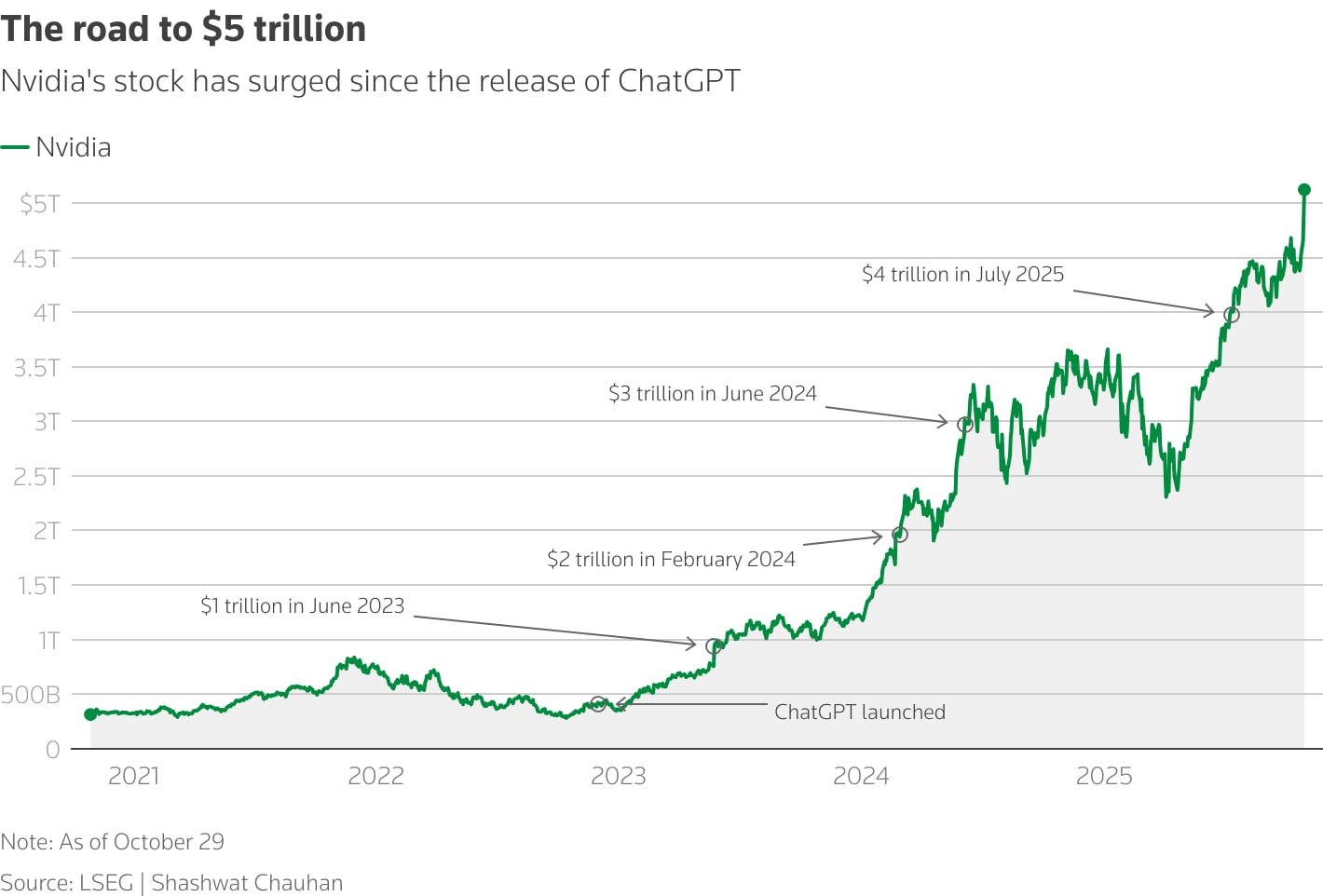
The most visible story of 2025 was the continued, explosive growth of the AI infrastructure market, dominated by Nvidia. The chipmaker cemented its status as the central enabler of the AI era, becoming the first company in history to exceed a $5 trillion market capitalization in October [2]. This staggering valuation was fueled by relentless demand for its high-performance GPUs, which are the backbone of large language model training and inference.

Nvidia’s influence extended beyond chip sales. The company made massive strategic investments, including a reported $100 billion into OpenAI, and unveiled new product lines like the Blackwell Ultra GPU and RTX Pro servers [3]. These servers, aimed at enterprise data centers, represent a multi-billion-dollar opportunity for infrastructure refresh, signaling that the AI hardware boom is far from over.

Meanwhile, legacy chipmaker Intel, while struggling with internal restructuring and executive changes, made a surprising move by entering a joint development deal with Nvidia. This partnership aims to integrate Intel’s custom CPU with Nvidia’s powerful platforms, illustrating that even competitors must collaborate to meet the immense computational demands of modern AI [4].

Nvidia $5 Trillion Chart

2. The Great Reallocation: Layoffs and the AI Investment Boom

The rapid shift to AI-first strategies had a profound and often painful impact on the workforce. 2025 saw a wave of mass layoffs across the technology sector, with giants like Amazon, Google, Microsoft, and Oracle making significant cuts [5].

While some companies attributed the downsizing to standard business evaluations, the underlying narrative was clear: a massive reallocation of capital towards AI investment. Companies were shedding non-AI-focused divisions to free up resources for the immense spending required to build and deploy AI infrastructure. The year was defined by a tension between the promise of AI-driven efficiency and the immediate human cost of corporate restructuring. The question for 2026 remains whether AI tools will begin to automate away entire job functions, moving beyond the automation of simple, manual tasks.

3. The Acquisition Frenzy: Tech Giants Buy Their Way to Dominance

To accelerate their AI capabilities, major technology vendors engaged in a multi-billion-dollar acquisition spree, buying up specialized AI startups and established players alike. This was a clear strategy to acquire talent, technology, and market share instantly.

Key acquisitions and planned deals have been done in 2025.

These deals not only consolidated power among the tech elite but also signaled the maturity of the AI market, where specialized capabilities like AI security, data governance, and AIOps became high-value targets [6].

AI Corporate Handshake

4. The Rise of the Agent: AI Moves to Autonomous Action

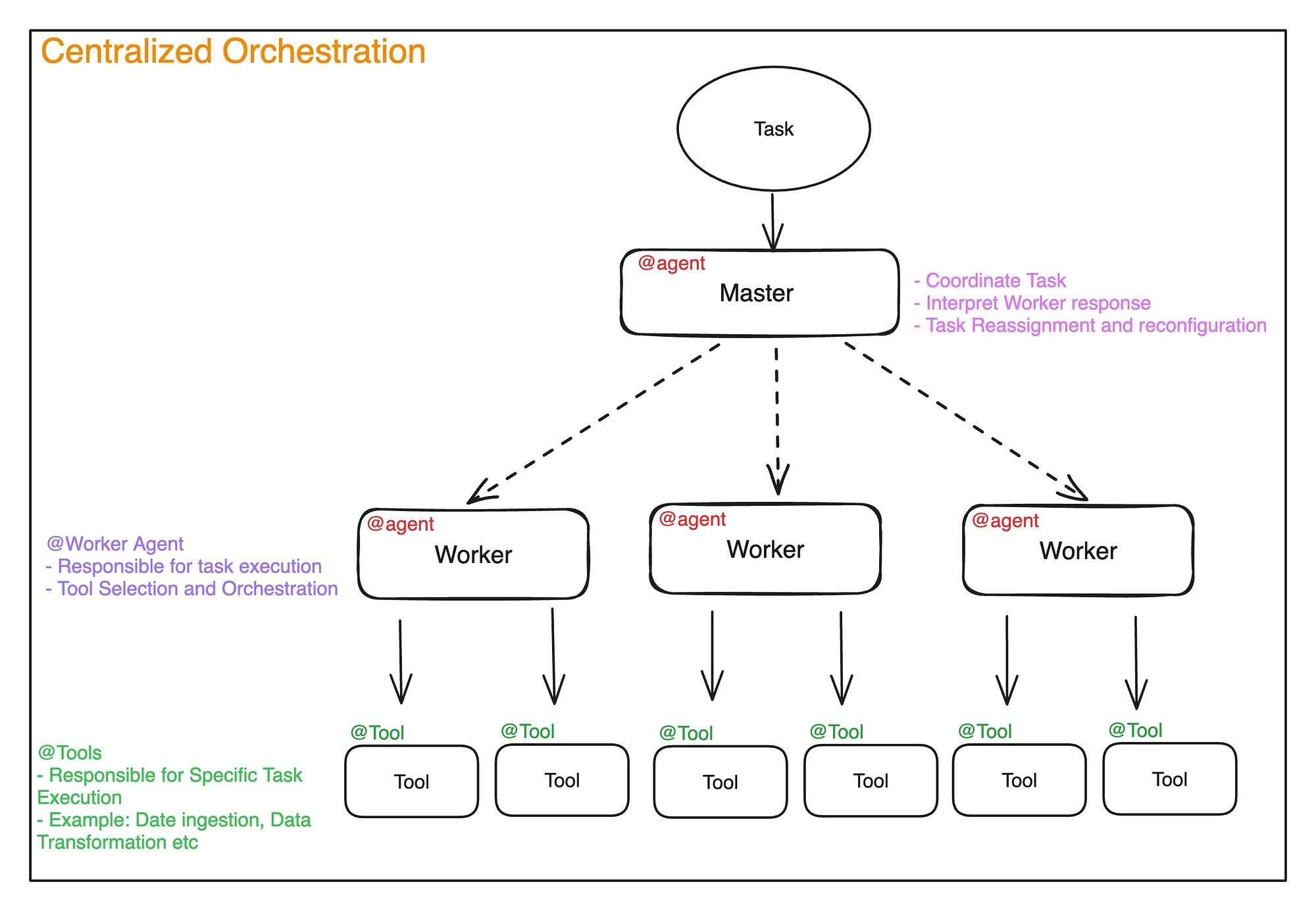
Perhaps the most significant technological leap of 2025 was the maturation of AI Agents and orchestration platforms. Moving beyond simple conversational chatbots, AI agents are designed to perform complex, multi-step tasks autonomously, such as managing customer service workflows, optimizing supply chains, or executing financial trades.

This shift was particularly evident in the Managed Service Provider (MSP) space, where new platforms like the Pax8 AI Agent Store and Rewst’s expanded automation tools emerged [7]. The industry narrative shifted from “AI as a tool” to “AI as a system of action,” with agents taking on more responsibility and transforming the service desk into a highly automated operation. Orchestration platforms, which manage the interaction between multiple specialized AI models, became essential infrastructure for enterprises [8].

AI Agent Orchestration

5. Generative AI Breakthroughs: Smaller, Faster, Smarter

While the commercial applications dominated the headlines, the underlying technology continued its rapid evolution. 2025 saw significant breakthroughs in model efficiency. New generative AI models were released that were smaller, faster, and cheaper to run than their predecessors, yet matched the performance of the massive models released in 2022 [9].

This trend of “shrinking AI” democratized access to powerful models, allowing smaller companies and even individual developers to deploy sophisticated AI without needing a multi-billion-dollar data center. The private investment in Generative AI remained robust, attracting over $33.9 billion globally, an 18.7% increase from the previous year, confirming that innovation is accelerating, not slowing down [10].

Conclusion: Looking Ahead to 2026

The year 2025 was a pivotal chapter in the AI story, defined by massive financial commitments and the shift from theoretical potential to practical, industrial-scale deployment. The hardware wars intensified, corporate capital was ruthlessly reallocated, and the rise of autonomous AI agents set the stage for a new era of automation. As we enter 2026, the focus will move from building the AI infrastructure to optimizing and securing the AI-driven enterprise, ensuring that the transformative power of this technology delivers tangible, sustained value.


References

[1] World Economic Forum. The top artificial intelligence stories from 2025. [URL: https://www.weforum.org/stories/2025/12/the-top-ai-stories-from-2025/%5D

[2] Financial Post. Nvidia becomes first US$5 trillion company. [URL: https://financialpost.com/investing/nvidia-becomes-first-us5-trillion-company%5D

[3] CRN. The 10 Biggest AI News Stories Of 2025. [URL: https://www.crn.com/news/ai/2025/the-10-biggest-ai-news-stories-of-2025%5D

[4] CRN. Nvidia’s Ascendence, Intel’s Struggles. [URL: https://www.crn.com/news/ai/2025/the-10-biggest-ai-news-stories-of-2025?page=4%5D

[5] CNN. How AI shook the world in 2025 and what comes next. [URL: https://www.cnn.com/2025/12/30/tech/how-ai-changed-world-predictions-2026-vis%5D

[6] CRN. Big-Money Vendor AI Acquisitions. [URL: https://www.crn.com/news/ai/2025/the-10-biggest-ai-news-stories-of-2025?page=5%5D

[7] CRN. Solution Providers Buy Innovative AI Practices. [URL: https://www.crn.com/news/ai/2025/the-10-biggest-ai-news-stories-of-2025?page=7%5D

[8] Mastercard. Agents of change: The rise of AI in 2025 and what’s coming next. [URL: https://www.mastercard.com/us/en/news-and-trends/stories/2025/AI-2025-year-in-review.html%5D

[9] Stanford HAI. Most-Read: The Stanford HAI Stories that Defined AI in 2025. [URL: https://hai.stanford.edu/news/most-read-the-stanford-hai-stories-that-defined-ai-in-2025%5D

[10] Stanford HAI. The 2025 AI Index Report. [URL: https://hai.stanford.edu/ai-index/2025-ai-index-report%5D

The Interest-Bearing CBDC: China’s Digital Yuan Upgrade and the Global Race for Adoption

Author: everythingcryptoitclouds.com

Introduction: A Paradigm Shift in Central Bank Digital Currency

The global race to develop Central Bank Digital Currencies (CBDCs) has been defined by a fundamental debate: should the digital currency bear interest? Most central banks, including the U.S. Federal Reserve and the European Central Bank, have historically answered with a resounding “No,” fearing the risk of “digital bank runs” that could destabilize commercial banks. However, China’s central bank, the People’s Bank of China (PBOC), has just shattered this consensus.

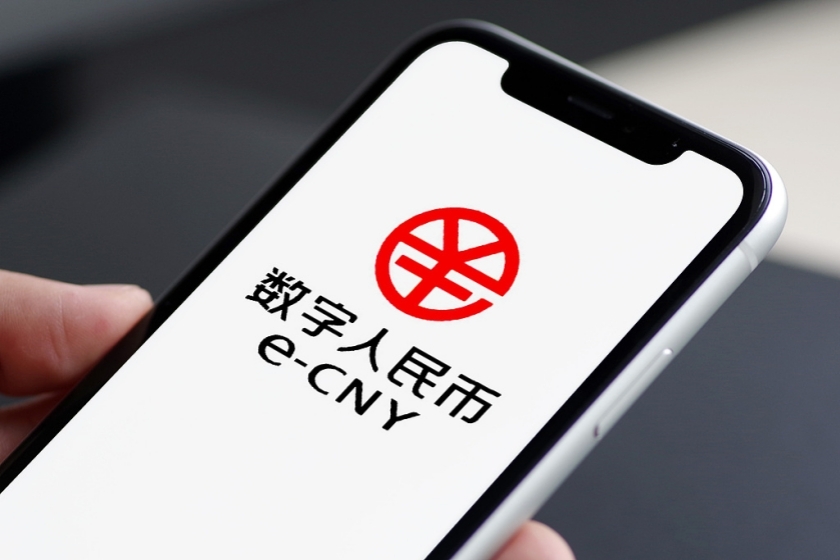
Effective January 1, 2026, the PBOC will implement a new framework requiring commercial banks to pay interest on balances held in Digital Yuan (e-CNY) wallets [1]. This strategic pivot transforms the e-CNY into the world’s first interest-bearing CBDC, marking a significant escalation in China’s efforts to drive mass adoption and setting a new precedent for the future of digital money.

e-CNY Interest Concept

The Adoption Challenge and the Interest Solution

Despite being the most advanced CBDC project globally, the e-CNY has faced a crucial challenge: gaining widespread usage against the dominance of private payment giants like Alipay and WeChat Pay. The e-CNY was initially designed to be non-interest-bearing, a feature intended to prevent users from pulling large amounts of money out of commercial bank deposits and into the central bank’s digital currency, which would have severely impacted the commercial banking sector.

However, this non-interest-bearing status made the e-CNY an unattractive store of value compared to traditional bank deposits, which earn interest. The PBOC’s new policy directly addresses this by linking the e-CNY interest rate to prevailing demand deposit rates, making the digital currency a more competitive financial instrument [2].

Implications for Commercial Banks: Intermediaries Under Pressure

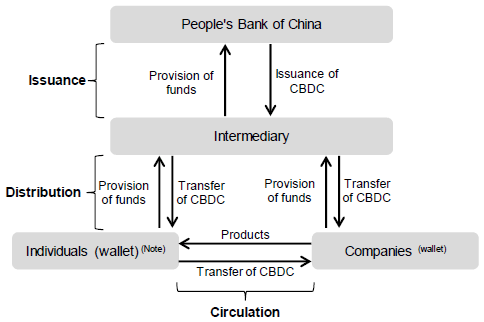
The PBOC’s two-tier system for the e-CNY relies on commercial banks as intermediaries for distribution and management. The new interest-bearing feature solidifies this role but also introduces a new dynamic of competition and cost.

Commercial banks have reportedly completed the necessary system upgrades to account for the digital yuan interest [3]. While this move forces banks to bear the cost of interest payments, it also ensures that the e-CNY is integrated directly into the existing financial ecosystem, rather than operating as a completely separate, disintermediating force.

The Global CBDC Race: A New Precedent

China’s decision to make its CBDC interest-bearing is a bold move that challenges the cautious approach taken by Western central banks.

  • The West’s Stance: The general consensus among central banks in the U.S. and Europe has been that a non-interest-bearing CBDC is necessary to protect the stability of the fractional reserve banking system.
  • China’s Strategy: By introducing interest, China is signaling that the benefits of mass adoption and increased usage—including greater monetary control and enhanced data visibility—outweigh the risks of disintermediation, or that they have developed sufficient tools to manage those risks.

This strategic shift places the e-CNY in direct competition with other global currencies and financial instruments, particularly in cross-border trade. An interest-bearing digital currency is inherently more appealing as a store of value, enhancing the e-CNY’s potential as a tool for internationalization [4].

CBDC Concept

Conclusion: The Future of Digital Money is Now

The introduction of interest payments on the Digital Yuan is a watershed moment in the evolution of CBDCs. It is a clear, aggressive strategy by the PBOC to overcome adoption hurdles and cement the e-CNY’s place in the daily lives of its citizens. By transforming the e-CNY from a mere payment token into a competitive financial asset, China is not only accelerating its own digital currency project but is also forcing other nations to re-evaluate their own CBDC designs. This development ensures that the e-CNY will remain a central topic in global finance and technology throughout 2026 and beyond.


References

[1] Bloomberg. China to Pay Interest on Digital Yuan in Bid to Boost Adoption. [URL: https://www.bloomberg.com/news/articles/2025-12-29/china-to-pay-interest-on-digital-yuan-in-bid-to-boost-adoption%5D

[2] Reuters. China’s digital yuan to become interest-bearing next year. [URL: https://www.reuters.com/world/asia-pacific/china-issue-digital-yuan-management-action-plan-2025-12-29/%5D

[3] Yicai Global. China to Require Banks to Pay Interest on Digital Yuan Wallets From 2026. [URL: https://www.yicaiglobal.com/news/china-to-require-banks-to-pay-interest-on-digital-yuan-wallets-from-2026%5D

[4] Ainvest. The Strategic Implications of China’s Interest-Bearing Digital Yuan. [URL: https://www.ainvest.com/news/strategic-implications-china-interest-bearing-digital-yuan-financial-institutions-cross-border-investors-2512/%5D

The $10 Trillion Bridge: Why Real-World Asset Tokenization is Crypto’s Mainstream Moment in 2026

Author: everythingcryptoitclouds.com

Introduction: The Convergence of Crypto and Traditional Finance

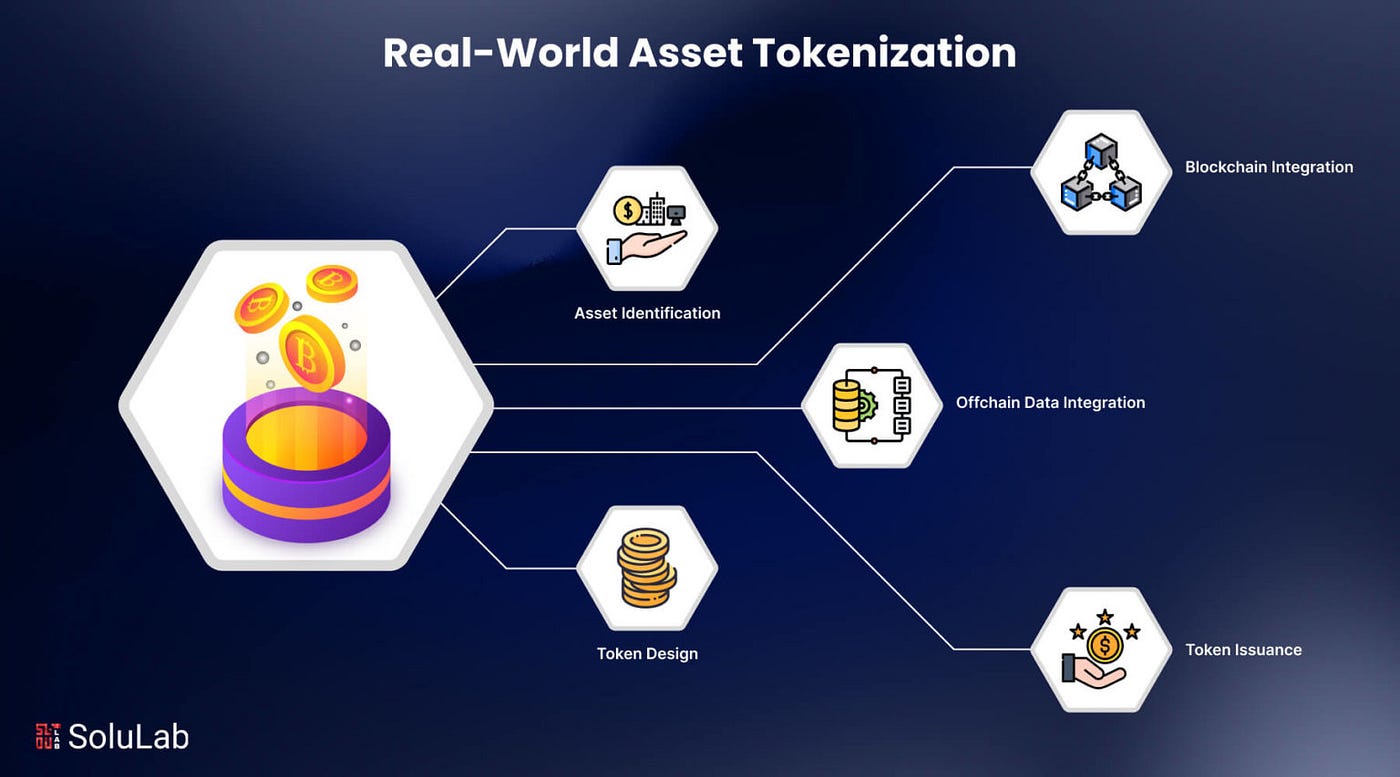
The narrative surrounding cryptocurrency is rapidly evolving. While the early years were dominated by speculative trading and decentralized finance (DeFi) experiments, 2026 is poised to be the year of Real-World Asset (RWA) Tokenization. This is the process of issuing blockchain-based tokens that represent ownership claims on tangible assets—from real estate and fine art to corporate bonds and private equity. This movement is not just a crypto trend; it is a fundamental restructuring of global finance, creating a seamless bridge between the multi-trillion-dollar traditional economy and the efficiency of decentralized ledgers [1].

The Tokenization Imperative: Unlocking Illiquid Value

Tokenization is the mechanism that unlocks value previously trapped in illiquid markets. By converting assets into digital tokens, it solves critical problems that have plagued traditional finance for decades: lack of liquidity, high transaction costs, and limited accessibility.

The process typically involves:

  1. Legal Structuring: Ensuring the token legally represents the underlying asset.
  2. Token Issuance: Minting the digital tokens on a blockchain (often Ethereum or a Layer 2 solution).
  3. On-Chain Management: Using smart contracts to automate governance, dividend payouts, and compliance [2].

RWA Tokenization Diagram

The Institutional Floodgate: BlackRock and Regulatory Clarity

The explosive growth forecast for RWA tokenization is being driven primarily by institutional adoption and a rapidly clarifying regulatory environment.

Major financial players, including BlackRock, are not just observing this trend—they are actively leading it. BlackRock is advancing tokenized Exchange-Traded Funds (ETFs), with the first generation of these on-chain products expected to appear by late 2025 or early 2026 [3]. When the world’s largest asset manager embraces a technology, it signals a profound shift in market confidence.

Furthermore, the outlook for regulatory clarity in the U.S. is highly optimistic for 2026. As the Grayscale 2026 Digital Asset Outlook suggests, bipartisan crypto market structure legislation is expected to cement blockchain-based finance in U.S. capital markets, facilitating continued institutional investment [4]. This clarity is the key that unlocks the massive pools of institutional capital waiting on the sidelines.

Market Potential: From Billions to Trillions

The current tokenized asset market is small, representing only about 0.01% of the global equity and bond market capitalization. However, the growth trajectory is steep. While some conservative forecasts place the market at over $612 billion by the end of 2026, more aggressive estimates suggest the total value of tokenized assets could soar to $10 trillion in the coming years [5] [6].

The Power of Fractional Ownership

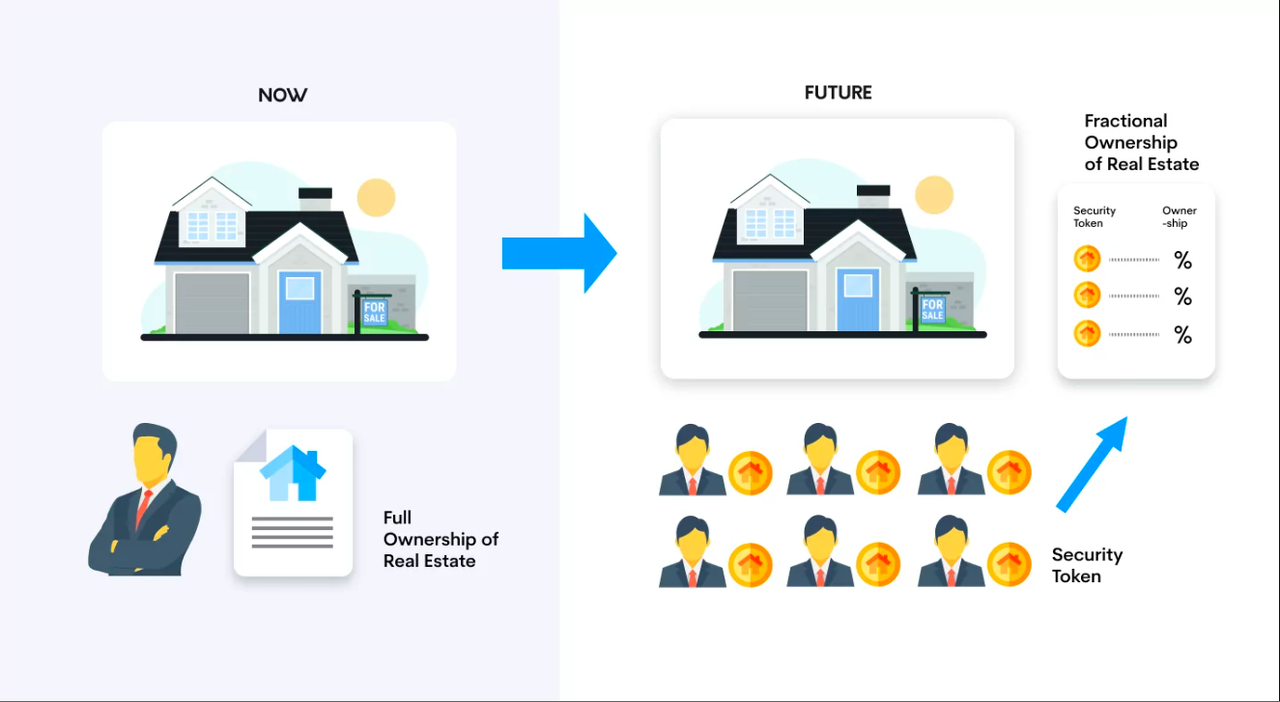
One of the most transformative aspects of RWA tokenization is the democratization of investment through fractional ownership. Historically, high-value assets like commercial real estate or rare art were only accessible to wealthy individuals or large institutions. Tokenization breaks these assets into thousands of digital pieces, allowing anyone to participate with a small investment [7]. This not only broadens the investor base but also provides the original asset owner with a much wider pool of capital for faster fundraising.

Fractional Ownership

Conclusion: The Future of Finance is On-Chain

The year 2026 will solidify RWA tokenization as the most significant crypto trend for institutional and retail investors alike. It represents the maturation of blockchain technology, moving beyond purely digital assets to fundamentally improve the efficiency, liquidity, and accessibility of the world’s most valuable assets. The convergence of institutional demand, regulatory progress, and the superior technology of decentralized ledgers is building a $10 trillion bridge between traditional finance and the crypto economy. For those looking for the next major wave in crypto, the tokenization of the real world is it.


References

[1] RWA.io. Tokenized Assets Opportunities for 2026. [URL: https://www.rwa.io/post/tokenized-assets-opportunities-for-2026%5D

[2] Medium. A Comprehensive Guide to Real-World Asset Tokenization. [URL: https://medium.com/@wisewaytec/why-real-world-asset-tokenization-are-the-future-of-finance-in-2026-cb5672f5a6cc%5D

[3] FinTech Weekly. BlackRock Advances Tokenized ETFs Amid Push for Regulation Clarity. [URL: https://www.fintechweekly.com/magazine/articles/blackrock-tokenized-etfs-regulation-clarity%5D

[4] Grayscale. 2026 Digital Asset Outlook: Dawn of the Institutional Era. [URL: https://research.grayscale.com/reports/2026-digital-asset-outlook-dawn-of-the-institutional-era%5D

[5] Medium. Why Real-World Asset Tokenization Are the Future of Finance in 2026. [URL: https://medium.com/@wisewaytec/why-real-world-asset-tokenization-are-the-future-of-finance-in-2026-cb5672f5a6cc%5D

[6] RWA.io. RWA Tokenization Investment for 2026. [URL: https://www.rwa.io/post/rwa-tokenization-investment-for-2026%5D

[7] Forbes. How Real-World Asset Tokenization Is Reshaping Modern Industries. [URL: https://www.forbes.com/councils/forbestechcouncil/2025/12/04/how-real-world-asset-tokenization-is-reshaping-modern-industries/%5D

The Settlement Revolution: Visa Launches USDC on Solana for U.S. Banks

Author: everythingcryptoitclouds.com

Introduction: Bridging Traditional Finance and Blockchain

In a landmark move that signals the deepening integration of digital assets into the traditional financial system, Visa Inc. announced on December 16, 2025, the launch of stablecoin settlement capabilities for U.S. banks [1]. This initiative allows Visa’s issuer and acquirer partners to settle their obligations with the network using Circle’s USDC—a fully reserved, dollar-denominated stablecoin—over the Solana blockchain. This development is not merely an experiment; it is a breakthrough that redefines the speed and efficiency of modern payment settlement, marking a major milestone in the modernization of global commerce.

Visa Solana USDC Settlement

The Mechanics of Modern Settlement

The core of this innovation lies in replacing the traditional, multi-day settlement process with the near-instantaneous finality of a high-performance blockchain. Initial banking participants, including Cross River Bank and Lead Bank, have begun settling with Visa in USDC via the Solana blockchain [1].

Solana was chosen for its exceptional speed and low transaction costs, which are critical for high-volume commercial activity. By leveraging the blockchain, Visa is effectively transforming its treasury operations, moving away from the legacy system that often requires pre-funding and operates only during traditional banking hours. This transition is built upon Visa’s successful stablecoin settlement pilots conducted globally over the past few years, which have already seen the network’s stablecoin settlement volume pass a $3.5 billion annualized run rate [1].

Advantages for the Financial Ecosystem

The shift to stablecoin settlement offers profound benefits for banks, fintechs, and ultimately, the end consumer. These advantages address long-standing pain points in the traditional payment system, primarily centered on speed, liquidity, and operational continuity.

The most immediate benefit is the introduction of 7-day settlement windows, which dramatically improves liquidity and funds movement for banks and fintechs [1]. This enhanced operational resilience means that settlement can occur across weekends and holidays without any change to the consumer card experience, a capability that is increasingly vital in a global, always-on economy. As Jackie Reses, CEO of Lead Bank, noted, this capability brings “speed and precision to treasury operations” [1].

Stablecoins: The Digital Dollar Bridge

This initiative underscores the growing role of stablecoins as the essential bridge between fiat currency and blockchain technology. Stablecoins, such as USDC, combine the stability of the U.S. dollar with the speed and borderless nature of crypto, making them an ideal tool for institutional payments [2].

The move by Visa validates the thesis that stablecoins are not just for crypto traders but are poised to become a core component of global financial infrastructure. As Gilles Gade, CEO of Cross River, stated, a “unified platform that natively supports both stablecoins and traditional payment networks is the foundation for how value will move globally” [1].

Stablecoin Primer

Future Outlook: Broader Adoption and Arc

Visa plans to roll out broader availability of USDC settlement across the U.S. through 2026, expanding the reach of this modernized system [1]. Furthermore, Visa is actively involved in shaping the future of stablecoin infrastructure as a design partner for Arc, a new Layer 1 blockchain developed by Circle. Arc is purpose-built to offer the performance and scalability needed to support Visa’s global commercial activity on-chain, and Visa intends to utilize it for future USDC settlement and even operate a validator node [1].

This commitment from a global payments giant like Visa, coupled with the selection of Solana for its current speed and the investment in Circle’s Arc for future scalability, confirms that the world’s largest financial institutions are now actively building on decentralized rails. The launch of USDC settlement on Solana is a powerful demonstration of how blockchain technology is fundamentally changing the way money moves, making payments faster, cheaper, and more resilient for everyone.


References

[1] Visa. Visa Launches Stablecoin Settlement in the United States, Marking a Breakthrough for Stablecoin Integration. [URL: https://usa.visa.com/about-visa/newsroom/press-releases.releaseId.21951.html%5D

[2] Visa. Empowering the future of payments with stablecoins. [URL: https://corporate.visa.com/en/solutions/crypto/stablecoins.html%5D

The 2026 Imperative: Why HP Gen 12 Servers are the Cornerstone of Your IT Refresh

Author: everythingcryptoitclouds.com

Introduction: The New Era of Compute

The year 2026 marks a critical inflection point for enterprise IT infrastructure. With the relentless growth of data, the operationalization of Artificial Intelligence (AI), and the ever-present threat of cyberattacks, legacy server hardware is no longer a viable foundation for modern business. The need for a strategic server refresh has never been more urgent. At the forefront of this technological shift is the Hewlett Packard Enterprise (HPE) ProLiant Compute Gen12 server family, engineered specifically to meet the demands of this new era [1]. This post explores the transformative capabilities of the HP Gen 12 platform and outlines the compelling advantages of making 2026 the year for your comprehensive server refresh.

HPE ProLiant Gen12 Servers

HPE ProLiant Gen 12: Engineered for the AI-Driven Enterprise

Announced in early 2025, the HPE ProLiant Gen12 servers represent a significant leap in compute power, efficiency, and security [2]. These systems are designed not just to run applications, but to serve as the backbone for next-generation AI and data-intensive workloads.

Unprecedented Performance

The Gen 12 platform delivers a massive performance boost through its support for the latest processor and memory technologies. The servers offer a choice between two industry-leading architectures:

The integration of DDR5 memory and the high core counts of the Intel Xeon 6 and AMD EPYC 9005 processors (as shown in the image below) dramatically increase transaction throughput and reduce latency, making the Gen 12 platform ideal for virtualization, database management, and high-performance computing [3].

AMD EPYC CPU

AI and Security at the Core

The Gen 12 family is built with AI and security as foundational elements. Certain models, such as those optimized for AI, feature integration with accelerators like the NVIDIA GH200 NVL2, making them ready to handle complex machine learning and deep learning models out of the box [4].

On the security front, HPE has further enhanced its Silicon Root of Trust technology, providing an unchangeable fingerprint in the server’s silicon to prevent unauthorized firmware access. This advanced security posture is essential in a landscape where firmware attacks are becoming increasingly sophisticated.

The 2026 Server Refresh Imperative

Beyond the raw technical specifications, a server refresh in 2026 offers compelling strategic and financial advantages that directly impact a business’s bottom line and competitive standing.

1. Strategic AI Readiness

The most significant driver for a 2026 refresh is the need for AI readiness. As AI moves from pilot projects to core business processes, organizations require infrastructure capable of supporting these compute-intensive workloads. Older servers simply lack the necessary GPU support, high-speed interconnects, and memory bandwidth to run modern AI models efficiently. Adopting Gen 12 servers ensures that your IT roadmap is aligned with the future of business intelligence and automation.

2. Enhanced Operational Efficiency and Cost Control

While the initial investment in new hardware is substantial, the long-term operational savings are significant. Newer servers are dramatically more power-efficient, leading to lower energy consumption and reduced cooling costs in the data center [5]. Furthermore, a refresh allows organizations to consolidate workloads onto fewer, more powerful machines, reducing licensing fees, maintenance overhead, and the risk associated with aging hardware. This strategic adoption of advanced technology is key to building a cost-effective IT roadmap for 2026 [6].

Data Center Refresh

3. Mitigating Security and Compliance Risk

The security features of the Gen 12 servers are a crucial advantage. Running outdated hardware exposes organizations to significant security vulnerabilities, as older systems often fall out of vendor support and lack modern security features like the Silicon Root of Trust. A refresh mitigates this risk, ensuring compliance with increasingly stringent data protection regulations and safeguarding critical business assets.

Conclusion: Investing in the Future

The decision to perform a server refresh in 2026 is not merely a hardware upgrade; it is a strategic investment in the future resilience, performance, and intelligence of your organization. The HPE ProLiant Gen 12 servers, with their focus on AI, security, and next-generation compute power, provide the ideal platform for this transition. By embracing this refresh, businesses can move beyond simply maintaining their infrastructure and instead enable the scalable, high-performance environment necessary to thrive in the AI-driven economy of 2026 and beyond.


References

[1] HPE. HPE introduces next-generation ProLiant servers engineered for advanced security, AI, automation and greater performance. [URL: https://www.hpe.com/us/en/newsroom/press-release/2025/02/hpe-introduces-next-generation-proliant-servers-engineered-for-advanced-security-ai-automation-and-greater-performance.html%5D

[2] Forbes. HPE Launches Next-Generation ProLiant Compute Servers. [URL: https://www.forbes.com/sites/moorinsights/2025/02/12/hpe-launches-next-generation-proliant-compute-servers/%5D

[3] HPE. HPE ProLiant Compute DL325 Gen12 – Features & Specs. [URL: https://buy.hpe.com/us/en/compute/rack-servers/proliant-dl300-servers/proliant-dl325-server/hpe-proliant-compute-dl325-gen12/p/1014896093%5D

[4] Wikipedia. ProLiant. [URL: https://en.wikipedia.org/wiki/ProLiant%5D

[5] Meriplex. How to Build a Cost-Effective IT Roadmap for 2026. [URL: https://meriplex.com/how-to-build-a-cost-effective-it-roadmap-for-2026/%5D

[6] Dymin Systems. Budgeting for 2026: Why IT Planning Starts Now. [URL: https://www.dyminsystems.com/about/blogs/business-intelligence/budgeting-for-2026-why-it-planning-starts-now/%5D

AI Reality Check: What Last Week’s Stock Crash Means for Broadcom, AMD, Oracle, and Meta

Author: everythingcryptoitclouds.com

Introduction: The Jolt to the AI Trade

Last week, the seemingly unstoppable AI stock rally hit a major speed bump. A sharp selloff, triggered by disappointing news from key players, sent shockwaves through the market, raising the specter of an “AI bubble.” While the overall AI narrative remains robust, the correction served as a crucial reality check, reminding investors that even the most promising growth stories are subject to market scrutiny.

The focus of this correction centered on two major infrastructure providers: Broadcom (AVGO) and Oracle (ORCL). Their struggles quickly dragged down other AI-exposed giants, including Advanced Micro Devices (AMD) and Meta Platforms (META). This article breaks down the reasons behind the crash, analyzes the short-term outlook for the next four weeks, and provides a forecast for early 2026.

AI Crash Visualization

Anatomy of the Selloff: Broadcom and Oracle’s One-Two Punch

The market correction was primarily ignited by a one-two punch from two companies whose fortunes are deeply tied to the AI infrastructure buildout.

Broadcom’s Margin Scare: Despite reporting better-than-expected quarterly results and strong guidance, Broadcom’s stock plummeted by 11%. The core concern was a warning from management that gross margins would be lower in the short term. This is due to the higher up-front costs associated with producing complex custom AI chip systems and server racks. Furthermore, the CEO tempered expectations for a major deal with OpenAI in 2026, suggesting the immediate revenue boost might not be as explosive as investors had hoped.

Oracle’s Financing Disappointment: Oracle’s stock had already plunged 10% before dropping another 4.5% in the wake of its mixed earnings report (beating on earnings per share but missing on revenue). Investors were particularly disappointed by the lack of detail on how the company plans to finance its massive, debt-fueled AI data center expansion. This raised questions about the sustainability and profitability of the aggressive infrastructure spending required to compete in the AI cloud space.

The combination of Broadcom’s margin concerns and Oracle’s financing uncertainty created a wave of “AI angst,” leading to a broader selloff in the sector.

Oracle Broadcom Chart

Short-Term Outlook: The Next Four Weeks

The next four weeks, often characterized by holiday trading and year-end portfolio adjustments, will be crucial for these stocks.

| Company | Crash Reason | Short-Term Outlook (Next 4 Weeks) |
| :— | :— | :— |
| Broadcom (AVGO) | Margin contraction on custom AI chips. | Analysts are largely recommending to “buy the dip,” viewing the selloff as an overreaction to short-term margin pressure. The underlying demand for their custom chips from hyperscalers remains robust. |
| Oracle (ORCL) | Missed revenue and financing uncertainty. | Volatility is likely as the market digests the debt concerns. A clear communication from management regarding their CapEx financing strategy could stabilize the stock, but until then, it remains under pressure. |
| Advanced Micro Devices (AMD) | General AI trade selloff. | Expected to stabilize quickly. The drop was largely collateral damage from the Broadcom/Oracle news. Strong demand for its EPYC CPUs and Instinct GPUs in the data center market provides a solid floor. |
| Meta Platforms (META) | General AI trade selloff. | Strongly positioned for a rebound. News of trimming the metaverse budget to prioritize AI spending is a positive signal for investors. The stock is likely to benefit from the “flight to quality” within the AI sector. |

Early 2026 Forecast: The Infrastructure Boom Continues

Despite the recent correction, the long-term forecast for the AI infrastructure sector remains overwhelmingly bullish, especially as we head into early 2026. The fundamental driver is the massive, non-negotiable capital expenditure (CapEx) being committed by the world’s largest tech companies.

Meta’s AI Commitment: Meta Platforms is a prime example of this long-term commitment. The company is aggressively shifting resources away from its metaverse division to focus on building out its AI capabilities. Analysts project Meta’s 2026 CapEx to reach an astonishing $109 billion, more than triple its 2023 spending. This colossal investment is primarily directed at AI infrastructure, including the purchase of chips and the construction of data centers.

The Demand for Silicon: This spending spree directly benefits chipmakers like Broadcom and AMD. Broadcom’s custom chip business, despite the short-term margin hit, is poised for massive growth as it supplies hyperscalers like Meta and Google. Similarly, AMD is forecast to see a 20%+ increase in revenue in 2026, driven by the insatiable demand for its high-performance EPYC and Instinct GPUs in the data center. The AI arms race is far from over, and these companies are the essential suppliers.

Oracle’s Long Game: While Oracle faces short-term financing questions, its long-term strategy hinges on becoming a major player in the AI cloud. The massive data center buildout, while costly, is a necessary step to capture future AI-driven revenue. If the company can effectively communicate its financing plan and execute on its AI pipeline, the stock could see a significant recovery in 2026.

AI Data Center

Conclusion: A Correction, Not a Collapse

The recent AI stock selloff was a healthy, albeit painful, market correction. It was driven by specific, company-level concerns about margins and financing, not a collapse in the underlying demand for artificial intelligence.

For investors, the message is clear: the AI revolution is still in its early stages, and the long-term trend of massive infrastructure spending is intact. The next four weeks may see continued volatility as the market finds its footing, but the outlook for early 2026 remains bright. The companies that are the essential building blocks of the AI future—Broadcom, AMD, Oracle, and Meta—are poised to be the biggest beneficiaries of this sustained, multi-year boom.

Crypto in 2026: From Speculation to Financial Revolution

Author: everythingcryptoitclouds.com

Introduction

The year is 2026, and the cryptocurrency landscape has transformed in ways that few could have predicted. What was once a niche, speculative asset class has now firmly planted its roots in the global financial system. The conversation has shifted from “if” to “how” cryptocurrencies will be integrated into our daily lives. This is not just another bull run; it’s a fundamental rewiring of our financial infrastructure. In this post, we’ll explore the key trends shaping the crypto world in 2026, from the maturation of the market to the tokenization of real-world assets and the evolution of decentralized finance (DeFi).

Blockchain Fintech

The Great Convergence: Crypto Meets Mainstream Finance

The most significant development in the crypto space is its convergence with traditional finance (TradFi). Major institutional players like BlackRock and JPMorgan, once skeptics, are now actively involved in the market. This has brought a new level of legitimacy and stability to the industry. The launch of spot Bitcoin ETFs has opened the floodgates for institutional capital, and we are now seeing a hybrid financial system emerge where digital assets are seen as “better tools” for a wide range of financial activities.

Tokenization: The Next Frontier

Tokenization, the process of converting real-world assets into digital tokens on a blockchain, is no longer a futuristic concept. It’s happening now, and it’s set to unlock trillions of dollars in value. From real estate to private credit, assets that were once illiquid are now being fractionalized and traded on-chain. This is democratizing access to investment opportunities and creating a more efficient and transparent financial system.

Asset Tokenization

DeFi 2.0: A More Mature and Regulated Ecosystem

Decentralized Finance (DeFi) has come a long way from its “wild west” days. In 2026, DeFi is a more mature and regulated ecosystem, with a focus on compliance and institutional-grade products. Stablecoins have become the new cash layer, facilitating seamless payments and cross-border transactions. The integration of AI is also making DeFi platforms more secure and efficient, with AI-driven risk management and automated yield optimization.

DeFi Concept

The Road Ahead: Scalability, AI, and Regulation

The crypto industry is still evolving, and there are several key developments that will shape its future. Layer 2 scaling solutions are making blockchains faster and cheaper to use, paving the way for mass adoption. Artificial intelligence is being integrated into every aspect of the crypto ecosystem, from security to trading. And finally, regulatory clarity is providing the certainty that businesses and investors need to confidently participate in the market.

Blockchain Network

What About the Price?

No discussion of crypto would be complete without mentioning the price. While the market remains volatile, the long-term outlook is bullish. Some analysts are predicting that Bitcoin could reach as high as $200,000 by the end of 2026, with other major cryptocurrencies like Ethereum also poised for significant growth. However, it’s important to remember that these are just predictions, and you should always do your own research before investing.

Conclusion

The crypto revolution is well underway. In 2026, we are witnessing the birth of a new financial system that is more open, transparent, and efficient than ever before. The journey has just begun, and the most exciting innovations are still to come. The future of finance is being built on the blockchain, and it’s a future that we can all be a part of.

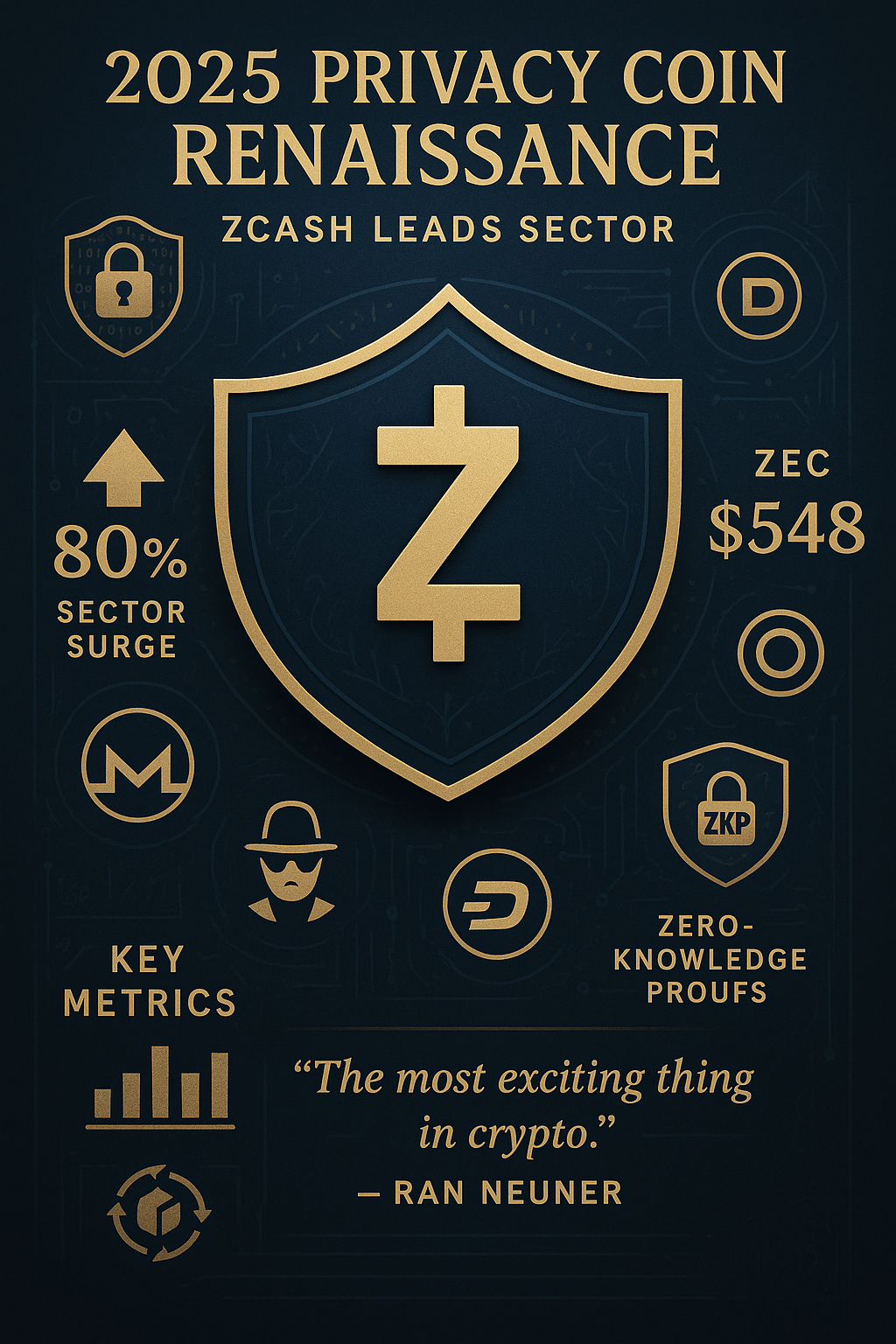
Zcash Surge: What’s Fueling the Momentum?

Over recent weeks, Zcash (ZEC) has transitioned from a quiet market participant to one of the most discussed assets in the privacy-focused crypto segment. Its abrupt upward movement has caught the attention of seasoned traders, analysts, and developers who previously considered ZEC a dormant project. A central question now dominates market discourse: what is driving this renewed momentum?

The rally appears to be rooted in the market’s shifting focus toward advanced privacy primitives. As global regulatory discussions intensify, sophisticated investors are reassessing assets that offer robust, cryptographically verifiable confidentiality. Zcash—powered by zk-SNARKs and admired for its pioneering role in zero-knowledge proof deployment—naturally stands to benefit from this resurgence.

Beyond narrative shifts, technological developments are boosting confidence. Zcash’s evolving roadmap emphasizes scalability, modern proving systems, and flexible privacy layers—features increasingly valued in today’s modular blockchain landscape. Market data also indicates meaningful liquidity inflows from institutional-grade accounts, a sign that the surge extends beyond speculative trading.

While volatility is inevitable, a broader truth is becoming clear: privacy is transitioning from an optional feature to a structural requirement in blockchain systems. As this thesis gains traction, Zcash may continue to reprice accordingly.

ZEC’s breakout serves as a reminder: in crypto, deep cryptographic credibility can reignite market attention when the narrative aligns.