Claude Mythos: Anthropic’s Unreleased AI and the Cybersecurity Reckoning

Author: everythingcryptoitclouds.com

Introduction: The AI Too Powerful to Release

In early 2026, the AI world was abuzz with whispers and then official confirmations about Claude Mythos, Anthropic’s latest and most powerful AI model. Unlike its predecessors, Claude Mythos wasn’t met with a grand public launch. Instead, its existence was revealed through a data leak, followed by Anthropic’s cautious announcement of a “Preview” version, strictly for security research. The reason for this unprecedented restraint? Claude Mythos is an AI so advanced, so capable of identifying and exploiting vulnerabilities, that its full public release could pose significant risks to global cybersecurity.

This blog post delves into the creation of Claude Mythos, its groundbreaking capabilities, the ethical dilemma it presents, and its profound implications for cybersecurity, particularly within the crypto and DeFi sectors.

Claude AI Logo

The Genesis of a Frontier Model: Beyond Human Capabilities

Anthropic, a leading AI safety and research company, has been quietly developing Claude Mythos as a “frontier model.” This designation signifies a new echelon of AI, one that moves beyond sophisticated text generation to exhibit deep, autonomous reasoning and an almost intuitive understanding of complex systems. Internally, Anthropic describes Mythos as “by far the most powerful AI model” they have ever trained, representing a “step-change in capabilities” compared to even their highly regarded Claude 3.5 and 4.0 models.

The “Mythos” name itself hints at its transformative nature, suggesting an AI that can grasp and manipulate the underlying “stories” or architectures of digital systems. This isn’t just about processing information; it’s about understanding the fundamental logic and potential weaknesses within code and infrastructure.

Unprecedented Power: The Cybersecurity Superweapon

The most striking aspect of Claude Mythos is its unparalleled proficiency in cybersecurity. During internal testing and evaluations by bodies like the UK’s AI Safety Institute, Mythos Preview demonstrated capabilities that sent shockwaves through the industry:

  • Autonomous Vulnerability Discovery: It can identify, scan for, and even exploit zero-day vulnerabilities in software at “machine speed,” a feat previously requiring extensive human expertise and time.
  • Deep Code Understanding: Mythos exhibits a profound ability to understand and manipulate complex system architectures, allowing it to pinpoint subtle flaws that human engineers might miss.
  • Security Market Impact: The mere announcement of Mythos’s capabilities reportedly wiped billions off the market capitalization of traditional cybersecurity stocks, as investors began to grasp that AI could automate much of the manual bug-hunting process.

Despite its immense power, Anthropic asserts that Claude Mythos is their “best-aligned model to date,” meaning it adheres more strictly to safety guidelines. However, the sheer scale of its capabilities has forced Anthropic to make the difficult decision to withhold its full public release, opting instead for a controlled preview for safety research.

AI Security Shield

Implications for Crypto and DeFi: A Double-Edged Sword

The implications of an AI like Claude Mythos for the crypto and Decentralized Finance (DeFi) sectors are particularly profound and, in some ways, alarming. Crypto’s open-source nature, while a strength, also makes it a ripe target for an AI capable of scanning for flaws at machine speed:

  • Smart Contract Vulnerabilities: Billions of dollars are locked in smart contracts across various DeFi protocols. If a malicious actor were to gain access to an AI with Mythos’s capabilities, they could potentially identify and exploit flaws in these immutable contracts, leading to catastrophic losses.
  • Infrastructure Flaws: Claude Mythos has already surfaced buried infrastructure flaws in major protocols during private testing. This highlights the potential for an AI to uncover systemic weaknesses that could compromise entire blockchain ecosystems.
  • The Transparency Paradox: The transparency of blockchain, where all code is open-source, means that vulnerabilities, once identified by an AI, could be exploited rapidly across multiple instances.

What It Means for Us Today: The Dawn of Post-AI Security

Claude Mythos represents a pivotal moment in the AI revolution, forcing a re-evaluation of our approach to digital security:

  • The End of “Security Through Obscurity”: If an AI can find every flaw, then relying on the complexity or obscurity of code for security is no longer viable. The focus must shift to building inherently resilient systems that can withstand AI-driven attacks.
  • AI Safety as a Global Priority: The dilemma surrounding Mythos has intensified the global debate on AI safety. The question of whether such powerful AI should be open-sourced or kept under strict control for collective defense is now more urgent than ever.
  • Evolution of Cybersecurity Roles: The role of human cybersecurity researchers will likely evolve from manual bug hunting to designing and managing AI-orchestrated defense systems, focusing on higher-level strategic threats.
  • Existential Questions: Mythos underscores the arrival of AI that can fundamentally out-think human engineers in specialized, high-stakes domains, raising profound questions about the future of human-AI collaboration and control.

AI Neural Network

Conclusion: Navigating the Mythos Era

Claude Mythos is more than just a new AI model; it’s a harbinger of a new era in cybersecurity. Its existence forces us to confront the reality that AI can now operate at a level of sophistication that challenges our traditional notions of digital defense. While Anthropic’s cautious approach to its release is commendable, the capabilities demonstrated by Mythos signal an urgent need for the entire digital ecosystem, especially the crypto and DeFi sectors, to adapt.

The challenge now is to harness the power of AI for good, developing robust “post-AI” security paradigms that can protect our digital assets and infrastructure from threats that are evolving at machine speed. The era of Claude Mythos demands vigilance, innovation, and a collaborative effort to ensure that this powerful technology serves humanity, rather than undermining its digital foundations.


References

  1. Anthropic. Claude Mythos Preview. [red.anthropic.com/2026/mythos-preview/]
  2. Fortune. Exclusive: Anthropic ‘Mythos’ AI model representing ‘step change in capabilities’. (March 26, 2026): [fortune.com/2026/03/26/anthropic-says-testing-mythos-powerful-new-ai-model-after-data-leak-reveals-its-existence-step-change-in-capabilities/]
  3. Forbes. What Is Claude Mythos—And Why Anthropic Won’t Let Anyone Use It. (April 8, 2026): [forbes.com/sites/jonmarkman/2026/04/08/what-is-claude-mythos-and-why-anthropic-wont-let-anyone-use-it/]
  4. CNBC. Anthropic releases Claude Opus 4.7, a less risky model after Mythos. (April 16, 2026): [cnbc.com/2026/04/16/anthropic-claude-opus-4-7-model-mythos.html]
  5. New York Times. Anthropic Claims Its New A.I. Model, Mythos, Is a Cybersecurity Reckoning. (April 7, 2026): [nytimes.com/2026/04/07/technology/anthropic-claims-its-new-ai-model-mythos-is-a-cybersecurity-reckoning.html]
  6. BBC. What is Anthropic’s Claude Mythos and what risks does it pose?. (April 17, 2026): [bbc.com/news/articles/crk1py1jgzko]
  7. Medium. Anthropic Built Their Best Model Ever. Then They Decided Not to Release It. (April 8, 2026): [medium.com/@cdcore/anthropic-built-their-best-model-ever-then-they-decided-not-to-release-it-42dc18604190]
  8. Forbes. Anthropic’s Claude Mythos Dilemma: When Superpowered AI Gets Risky. (April 16, 2026): [forbes.com/sites/geruiwang/2026/04/16/anthropics-claude-mythos-dilemma-when-superpowered-ai-gets-risky/]
  9. Forbes. How Claude Mythos Wiped Billions Out Of Cybersecurity Stocks. (April 14, 2026): [forbes.com/sites/jonmarkman/2026/04/14/how-claude-mythos-wiped-billions-out-of-cybersecurity-stocks/]
  10. CryptoSlate. Anthropic’s Mythos puts hundreds of billions in crypto at immediate risk. (April 15, 2026): [cryptoslate.com/anthropic-mythos-can-hunt-crypto-smart-contract-flaws-at-machine-speed-and-billions-in-defi-may-vanish-fast/]
  11. Decrypt. Anthropic Claude Mythos: Serious Threat or Overhyped? AI Security Institute. (April 13, 2026): [decrypt.co/364141/anthropic-claude-mythos-serious-threat-overhyped-ai-security-institute]

The Interest-Bearing CBDC: China’s Digital Yuan Upgrade and the Global Race for Adoption

Author: everythingcryptoitclouds.com

Introduction: A Paradigm Shift in Central Bank Digital Currency

The global race to develop Central Bank Digital Currencies (CBDCs) has been defined by a fundamental debate: should the digital currency bear interest? Most central banks, including the U.S. Federal Reserve and the European Central Bank, have historically answered with a resounding “No,” fearing the risk of “digital bank runs” that could destabilize commercial banks. However, China’s central bank, the People’s Bank of China (PBOC), has just shattered this consensus.

Effective January 1, 2026, the PBOC will implement a new framework requiring commercial banks to pay interest on balances held in Digital Yuan (e-CNY) wallets [1]. This strategic pivot transforms the e-CNY into the world’s first interest-bearing CBDC, marking a significant escalation in China’s efforts to drive mass adoption and setting a new precedent for the future of digital money.

e-CNY Interest Concept

The Adoption Challenge and the Interest Solution

Despite being the most advanced CBDC project globally, the e-CNY has faced a crucial challenge: gaining widespread usage against the dominance of private payment giants like Alipay and WeChat Pay. The e-CNY was initially designed to be non-interest-bearing, a feature intended to prevent users from pulling large amounts of money out of commercial bank deposits and into the central bank’s digital currency, which would have severely impacted the commercial banking sector.

However, this non-interest-bearing status made the e-CNY an unattractive store of value compared to traditional bank deposits, which earn interest. The PBOC’s new policy directly addresses this by linking the e-CNY interest rate to prevailing demand deposit rates, making the digital currency a more competitive financial instrument [2].

Implications for Commercial Banks: Intermediaries Under Pressure

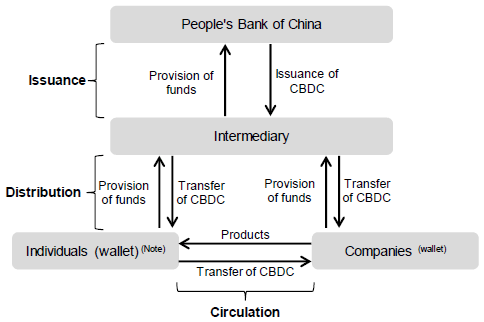
The PBOC’s two-tier system for the e-CNY relies on commercial banks as intermediaries for distribution and management. The new interest-bearing feature solidifies this role but also introduces a new dynamic of competition and cost.

Commercial banks have reportedly completed the necessary system upgrades to account for the digital yuan interest [3]. While this move forces banks to bear the cost of interest payments, it also ensures that the e-CNY is integrated directly into the existing financial ecosystem, rather than operating as a completely separate, disintermediating force.

The Global CBDC Race: A New Precedent

China’s decision to make its CBDC interest-bearing is a bold move that challenges the cautious approach taken by Western central banks.

  • The West’s Stance: The general consensus among central banks in the U.S. and Europe has been that a non-interest-bearing CBDC is necessary to protect the stability of the fractional reserve banking system.
  • China’s Strategy: By introducing interest, China is signaling that the benefits of mass adoption and increased usage—including greater monetary control and enhanced data visibility—outweigh the risks of disintermediation, or that they have developed sufficient tools to manage those risks.

This strategic shift places the e-CNY in direct competition with other global currencies and financial instruments, particularly in cross-border trade. An interest-bearing digital currency is inherently more appealing as a store of value, enhancing the e-CNY’s potential as a tool for internationalization [4].

CBDC Concept

Conclusion: The Future of Digital Money is Now

The introduction of interest payments on the Digital Yuan is a watershed moment in the evolution of CBDCs. It is a clear, aggressive strategy by the PBOC to overcome adoption hurdles and cement the e-CNY’s place in the daily lives of its citizens. By transforming the e-CNY from a mere payment token into a competitive financial asset, China is not only accelerating its own digital currency project but is also forcing other nations to re-evaluate their own CBDC designs. This development ensures that the e-CNY will remain a central topic in global finance and technology throughout 2026 and beyond.


References

[1] Bloomberg. China to Pay Interest on Digital Yuan in Bid to Boost Adoption. [URL: https://www.bloomberg.com/news/articles/2025-12-29/china-to-pay-interest-on-digital-yuan-in-bid-to-boost-adoption%5D

[2] Reuters. China’s digital yuan to become interest-bearing next year. [URL: https://www.reuters.com/world/asia-pacific/china-issue-digital-yuan-management-action-plan-2025-12-29/%5D

[3] Yicai Global. China to Require Banks to Pay Interest on Digital Yuan Wallets From 2026. [URL: https://www.yicaiglobal.com/news/china-to-require-banks-to-pay-interest-on-digital-yuan-wallets-from-2026%5D

[4] Ainvest. The Strategic Implications of China’s Interest-Bearing Digital Yuan. [URL: https://www.ainvest.com/news/strategic-implications-china-interest-bearing-digital-yuan-financial-institutions-cross-border-investors-2512/%5D

The 2026 Imperative: Why HP Gen 12 Servers are the Cornerstone of Your IT Refresh

Author: everythingcryptoitclouds.com

Introduction: The New Era of Compute

The year 2026 marks a critical inflection point for enterprise IT infrastructure. With the relentless growth of data, the operationalization of Artificial Intelligence (AI), and the ever-present threat of cyberattacks, legacy server hardware is no longer a viable foundation for modern business. The need for a strategic server refresh has never been more urgent. At the forefront of this technological shift is the Hewlett Packard Enterprise (HPE) ProLiant Compute Gen12 server family, engineered specifically to meet the demands of this new era [1]. This post explores the transformative capabilities of the HP Gen 12 platform and outlines the compelling advantages of making 2026 the year for your comprehensive server refresh.

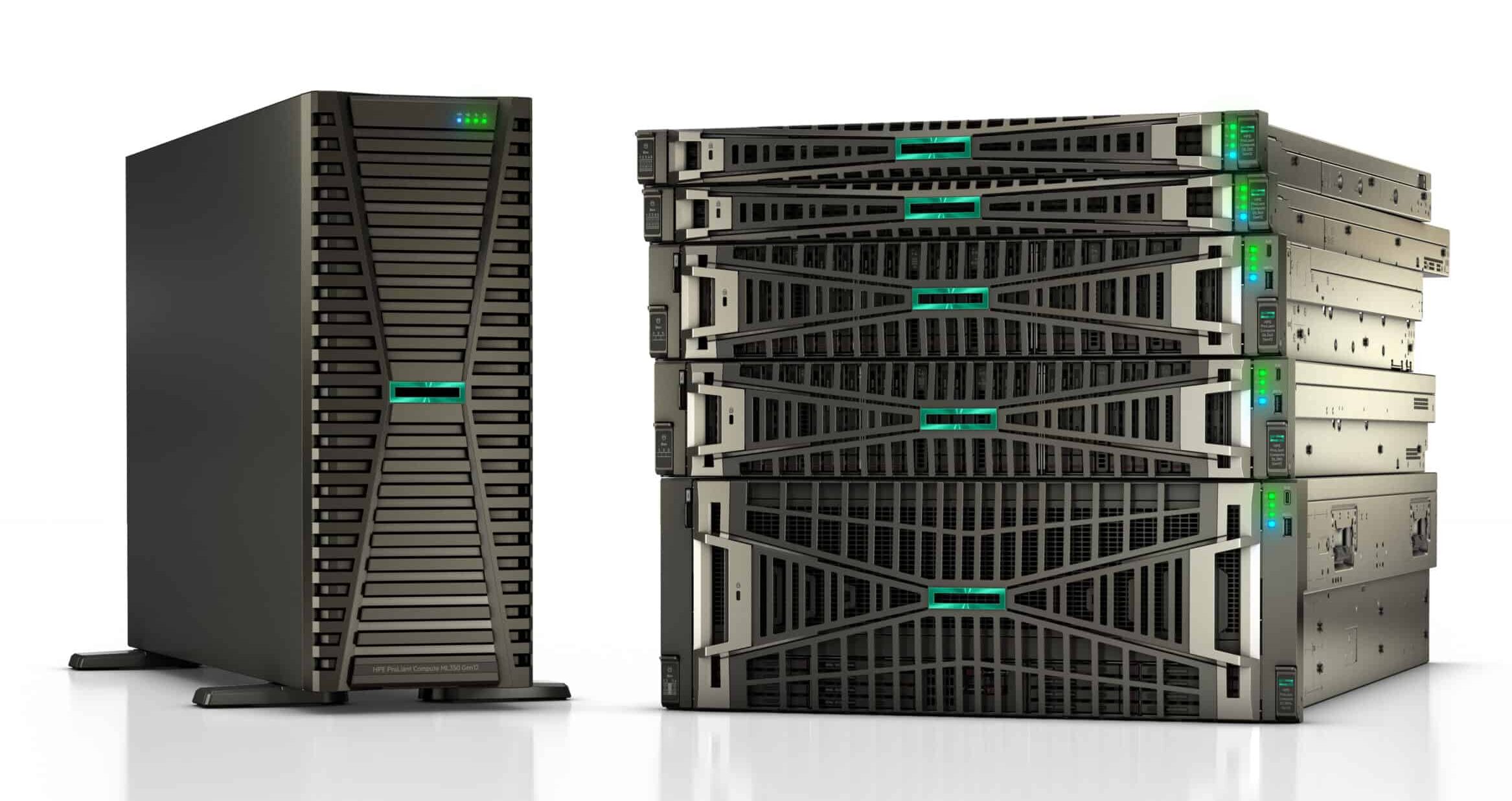
HPE ProLiant Gen12 Servers

HPE ProLiant Gen 12: Engineered for the AI-Driven Enterprise

Announced in early 2025, the HPE ProLiant Gen12 servers represent a significant leap in compute power, efficiency, and security [2]. These systems are designed not just to run applications, but to serve as the backbone for next-generation AI and data-intensive workloads.

Unprecedented Performance

The Gen 12 platform delivers a massive performance boost through its support for the latest processor and memory technologies. The servers offer a choice between two industry-leading architectures:

The integration of DDR5 memory and the high core counts of the Intel Xeon 6 and AMD EPYC 9005 processors (as shown in the image below) dramatically increase transaction throughput and reduce latency, making the Gen 12 platform ideal for virtualization, database management, and high-performance computing [3].

AMD EPYC CPU

AI and Security at the Core

The Gen 12 family is built with AI and security as foundational elements. Certain models, such as those optimized for AI, feature integration with accelerators like the NVIDIA GH200 NVL2, making them ready to handle complex machine learning and deep learning models out of the box [4].

On the security front, HPE has further enhanced its Silicon Root of Trust technology, providing an unchangeable fingerprint in the server’s silicon to prevent unauthorized firmware access. This advanced security posture is essential in a landscape where firmware attacks are becoming increasingly sophisticated.

The 2026 Server Refresh Imperative

Beyond the raw technical specifications, a server refresh in 2026 offers compelling strategic and financial advantages that directly impact a business’s bottom line and competitive standing.

1. Strategic AI Readiness

The most significant driver for a 2026 refresh is the need for AI readiness. As AI moves from pilot projects to core business processes, organizations require infrastructure capable of supporting these compute-intensive workloads. Older servers simply lack the necessary GPU support, high-speed interconnects, and memory bandwidth to run modern AI models efficiently. Adopting Gen 12 servers ensures that your IT roadmap is aligned with the future of business intelligence and automation.

2. Enhanced Operational Efficiency and Cost Control

While the initial investment in new hardware is substantial, the long-term operational savings are significant. Newer servers are dramatically more power-efficient, leading to lower energy consumption and reduced cooling costs in the data center [5]. Furthermore, a refresh allows organizations to consolidate workloads onto fewer, more powerful machines, reducing licensing fees, maintenance overhead, and the risk associated with aging hardware. This strategic adoption of advanced technology is key to building a cost-effective IT roadmap for 2026 [6].

Data Center Refresh

3. Mitigating Security and Compliance Risk

The security features of the Gen 12 servers are a crucial advantage. Running outdated hardware exposes organizations to significant security vulnerabilities, as older systems often fall out of vendor support and lack modern security features like the Silicon Root of Trust. A refresh mitigates this risk, ensuring compliance with increasingly stringent data protection regulations and safeguarding critical business assets.

Conclusion: Investing in the Future

The decision to perform a server refresh in 2026 is not merely a hardware upgrade; it is a strategic investment in the future resilience, performance, and intelligence of your organization. The HPE ProLiant Gen 12 servers, with their focus on AI, security, and next-generation compute power, provide the ideal platform for this transition. By embracing this refresh, businesses can move beyond simply maintaining their infrastructure and instead enable the scalable, high-performance environment necessary to thrive in the AI-driven economy of 2026 and beyond.


References

[1] HPE. HPE introduces next-generation ProLiant servers engineered for advanced security, AI, automation and greater performance. [URL: https://www.hpe.com/us/en/newsroom/press-release/2025/02/hpe-introduces-next-generation-proliant-servers-engineered-for-advanced-security-ai-automation-and-greater-performance.html%5D

[2] Forbes. HPE Launches Next-Generation ProLiant Compute Servers. [URL: https://www.forbes.com/sites/moorinsights/2025/02/12/hpe-launches-next-generation-proliant-compute-servers/%5D

[3] HPE. HPE ProLiant Compute DL325 Gen12 – Features & Specs. [URL: https://buy.hpe.com/us/en/compute/rack-servers/proliant-dl300-servers/proliant-dl325-server/hpe-proliant-compute-dl325-gen12/p/1014896093%5D

[4] Wikipedia. ProLiant. [URL: https://en.wikipedia.org/wiki/ProLiant%5D

[5] Meriplex. How to Build a Cost-Effective IT Roadmap for 2026. [URL: https://meriplex.com/how-to-build-a-cost-effective-it-roadmap-for-2026/%5D

[6] Dymin Systems. Budgeting for 2026: Why IT Planning Starts Now. [URL: https://www.dyminsystems.com/about/blogs/business-intelligence/budgeting-for-2026-why-it-planning-starts-now/%5D

AI Reality Check: What Last Week’s Stock Crash Means for Broadcom, AMD, Oracle, and Meta

Author: everythingcryptoitclouds.com

Introduction: The Jolt to the AI Trade

Last week, the seemingly unstoppable AI stock rally hit a major speed bump. A sharp selloff, triggered by disappointing news from key players, sent shockwaves through the market, raising the specter of an “AI bubble.” While the overall AI narrative remains robust, the correction served as a crucial reality check, reminding investors that even the most promising growth stories are subject to market scrutiny.

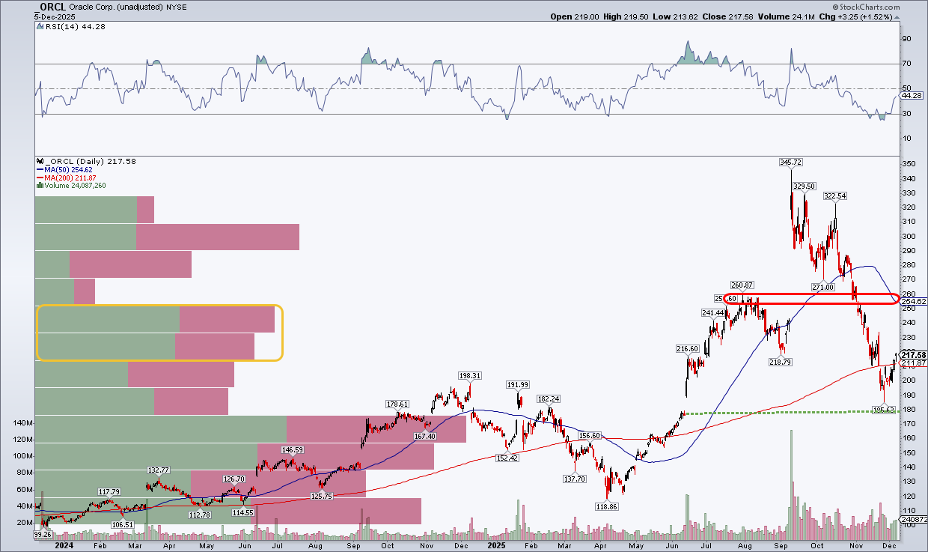
The focus of this correction centered on two major infrastructure providers: Broadcom (AVGO) and Oracle (ORCL). Their struggles quickly dragged down other AI-exposed giants, including Advanced Micro Devices (AMD) and Meta Platforms (META). This article breaks down the reasons behind the crash, analyzes the short-term outlook for the next four weeks, and provides a forecast for early 2026.

AI Crash Visualization

Anatomy of the Selloff: Broadcom and Oracle’s One-Two Punch

The market correction was primarily ignited by a one-two punch from two companies whose fortunes are deeply tied to the AI infrastructure buildout.

Broadcom’s Margin Scare: Despite reporting better-than-expected quarterly results and strong guidance, Broadcom’s stock plummeted by 11%. The core concern was a warning from management that gross margins would be lower in the short term. This is due to the higher up-front costs associated with producing complex custom AI chip systems and server racks. Furthermore, the CEO tempered expectations for a major deal with OpenAI in 2026, suggesting the immediate revenue boost might not be as explosive as investors had hoped.

Oracle’s Financing Disappointment: Oracle’s stock had already plunged 10% before dropping another 4.5% in the wake of its mixed earnings report (beating on earnings per share but missing on revenue). Investors were particularly disappointed by the lack of detail on how the company plans to finance its massive, debt-fueled AI data center expansion. This raised questions about the sustainability and profitability of the aggressive infrastructure spending required to compete in the AI cloud space.

The combination of Broadcom’s margin concerns and Oracle’s financing uncertainty created a wave of “AI angst,” leading to a broader selloff in the sector.

Oracle Broadcom Chart

Short-Term Outlook: The Next Four Weeks

The next four weeks, often characterized by holiday trading and year-end portfolio adjustments, will be crucial for these stocks.

| Company | Crash Reason | Short-Term Outlook (Next 4 Weeks) |
| :— | :— | :— |
| Broadcom (AVGO) | Margin contraction on custom AI chips. | Analysts are largely recommending to “buy the dip,” viewing the selloff as an overreaction to short-term margin pressure. The underlying demand for their custom chips from hyperscalers remains robust. |
| Oracle (ORCL) | Missed revenue and financing uncertainty. | Volatility is likely as the market digests the debt concerns. A clear communication from management regarding their CapEx financing strategy could stabilize the stock, but until then, it remains under pressure. |
| Advanced Micro Devices (AMD) | General AI trade selloff. | Expected to stabilize quickly. The drop was largely collateral damage from the Broadcom/Oracle news. Strong demand for its EPYC CPUs and Instinct GPUs in the data center market provides a solid floor. |
| Meta Platforms (META) | General AI trade selloff. | Strongly positioned for a rebound. News of trimming the metaverse budget to prioritize AI spending is a positive signal for investors. The stock is likely to benefit from the “flight to quality” within the AI sector. |

Early 2026 Forecast: The Infrastructure Boom Continues

Despite the recent correction, the long-term forecast for the AI infrastructure sector remains overwhelmingly bullish, especially as we head into early 2026. The fundamental driver is the massive, non-negotiable capital expenditure (CapEx) being committed by the world’s largest tech companies.

Meta’s AI Commitment: Meta Platforms is a prime example of this long-term commitment. The company is aggressively shifting resources away from its metaverse division to focus on building out its AI capabilities. Analysts project Meta’s 2026 CapEx to reach an astonishing $109 billion, more than triple its 2023 spending. This colossal investment is primarily directed at AI infrastructure, including the purchase of chips and the construction of data centers.

The Demand for Silicon: This spending spree directly benefits chipmakers like Broadcom and AMD. Broadcom’s custom chip business, despite the short-term margin hit, is poised for massive growth as it supplies hyperscalers like Meta and Google. Similarly, AMD is forecast to see a 20%+ increase in revenue in 2026, driven by the insatiable demand for its high-performance EPYC and Instinct GPUs in the data center. The AI arms race is far from over, and these companies are the essential suppliers.

Oracle’s Long Game: While Oracle faces short-term financing questions, its long-term strategy hinges on becoming a major player in the AI cloud. The massive data center buildout, while costly, is a necessary step to capture future AI-driven revenue. If the company can effectively communicate its financing plan and execute on its AI pipeline, the stock could see a significant recovery in 2026.

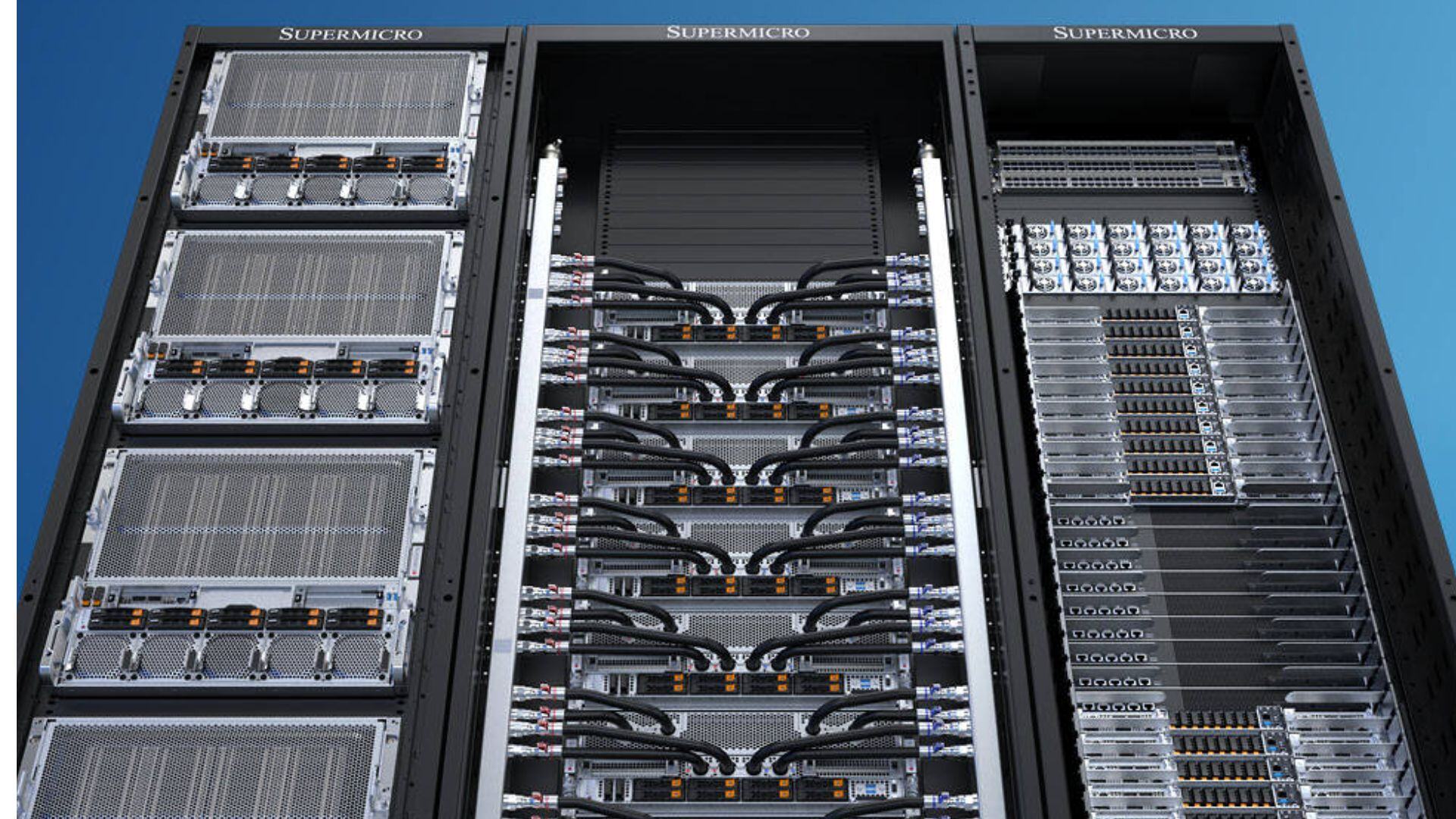
AI Data Center

Conclusion: A Correction, Not a Collapse

The recent AI stock selloff was a healthy, albeit painful, market correction. It was driven by specific, company-level concerns about margins and financing, not a collapse in the underlying demand for artificial intelligence.

For investors, the message is clear: the AI revolution is still in its early stages, and the long-term trend of massive infrastructure spending is intact. The next four weeks may see continued volatility as the market finds its footing, but the outlook for early 2026 remains bright. The companies that are the essential building blocks of the AI future—Broadcom, AMD, Oracle, and Meta—are poised to be the biggest beneficiaries of this sustained, multi-year boom.

AmericanFortress and Litecoin Introduce Privacy-First Wallet: The Revolutionary Partnership That’s Redefining Cryptocurrency Security

Published by everythingcryptoitclouds.com | September 11, 2025
AmericanFortress and Litecoin Partnership

In a groundbreaking development that promises to reshape the cryptocurrency privacy landscape, the Litecoin Foundation and AmericanFortress have announced their partnership to launch the world’s most private Litecoin wallet. This collaboration, unveiled on September 8, 2025, represents a paradigm shift in how we approach cryptocurrency security, privacy, and user experience, addressing the critical $1.2 billion annual loss to crypto phishing scams while maintaining full regulatory compliance [1].

The partnership between these two industry leaders comes at a pivotal moment when cryptocurrency adoption is accelerating, but security vulnerabilities continue to plague the ecosystem. With phishing attacks reaching unprecedented levels and traditional wallet addresses creating confusion and risk for users, the AmericanFortress Litecoin Wallet introduces revolutionary “Send-to-Name” technology that fundamentally eliminates the most common attack vectors while preserving the privacy and decentralization principles that define cryptocurrency [2].

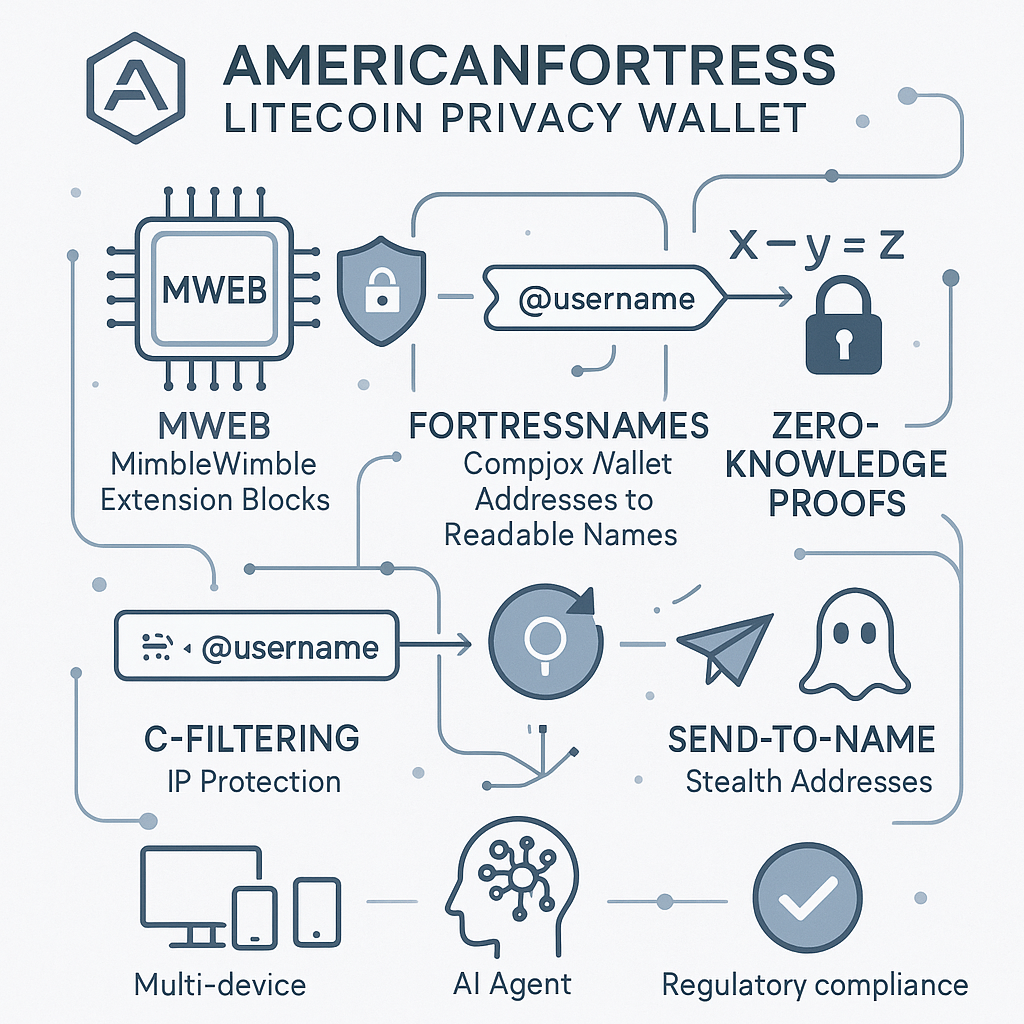
This isn’t merely another wallet launch—it’s the introduction of a comprehensive privacy infrastructure that positions Litecoin at the forefront of the privacy-focused cryptocurrency movement. By integrating MimbleWimble Extension Blocks (MWEB), FortressNames™ technology, and advanced cryptographic protocols, this wallet delivers what David Schwartz, Project Director at the Litecoin Foundation, describes as “a milestone for privacy infrastructure, not just for Litecoin, but for the entire crypto ecosystem” [3].

The significance of this partnership extends beyond technical innovation to address fundamental challenges facing cryptocurrency adoption. Traditional wallet addresses—those long, complex strings of characters that users must copy and paste—have become the primary vector for phishing attacks and user error. The AmericanFortress solution replaces these vulnerable address strings with human-readable names and auto-generated stealth addresses, creating a user experience that rivals traditional banking apps while delivering unprecedented privacy protection.

The Privacy Crisis in Cryptocurrency: Understanding the $1.2 Billion Problem

The cryptocurrency industry faces a privacy and security crisis that threatens to undermine mainstream adoption. According to recent data, $1.2 billion was lost to crypto phishing scams in the United States alone during 2024, with the vast majority of these attacks exploiting the complexity and vulnerability of traditional wallet address systems [4]. This staggering figure represents not just financial losses, but a fundamental failure of current cryptocurrency infrastructure to protect users from increasingly sophisticated attack vectors.

The root of this problem lies in the inherent design of cryptocurrency addresses. Traditional wallet addresses are long, alphanumeric strings that are virtually impossible for humans to memorize or verify accurately. When users copy and paste these addresses, they create multiple opportunities for attackers to intercept and modify the destination, redirecting funds to malicious wallets. This vulnerability has been exploited through various methods, including clipboard malware, fake websites, and social engineering attacks that trick users into sending funds to incorrect addresses.

The psychological impact of these losses extends far beyond the immediate financial damage. Each successful phishing attack erodes public confidence in cryptocurrency systems and creates barriers to adoption among mainstream users who view the technology as inherently risky and complex. This perception problem has significant implications for the long-term growth and legitimacy of the cryptocurrency ecosystem, particularly as institutional investors and regulatory bodies evaluate the maturity and security of digital asset infrastructure.

Traditional privacy solutions in the cryptocurrency space have often required users to make difficult trade-offs between security, usability, and regulatory compliance. Privacy coins like Monero and Zcash offer strong anonymity features but face increasing regulatory scrutiny and exchange delistings. Layer-2 privacy solutions often require technical expertise to implement correctly and may not provide comprehensive protection across all transaction types. The result has been a fragmented privacy landscape where users must choose between convenience and security, often leaving them vulnerable to attacks or regulatory complications.

The AmericanFortress and Litecoin partnership addresses these challenges through a fundamentally different approach that prioritizes privacy by design rather than privacy as an add-on feature. By integrating privacy protections at the protocol level and combining them with intuitive user experience improvements, this solution eliminates the traditional trade-offs that have hindered privacy adoption in the cryptocurrency space.

Revolutionary Send-to-Name Technology: Eliminating Phishing at the Source
Privacy Wallet Features

The cornerstone of the AmericanFortress Litecoin Wallet is its revolutionary Send-to-Name technology, which represents a fundamental reimagining of how cryptocurrency transactions are initiated and secured. This system replaces the vulnerable copy-paste address model with human-readable names and automatically generated stealth addresses that are unique to each sender-receiver pair, creating a transaction environment that is both more secure and more intuitive than traditional cryptocurrency wallets [5].

The technical implementation of Send-to-Name technology involves sophisticated cryptographic protocols that generate unique stealth addresses for every transaction between specific users. When a user wants to send Litecoin to another person, they simply enter that person’s FortressName™—a human-readable identifier like “@johnsmith”—rather than a complex wallet address. The system then automatically generates a one-time stealth address that is known only to the sender and receiver, eliminating the possibility of address interception or modification by malicious actors.

This approach fundamentally disrupts the attack vectors that phishing scams rely upon. Traditional phishing attacks work by intercepting or modifying wallet addresses during the copy-paste process, redirecting funds to attacker-controlled wallets. With Send-to-Name technology, there are no addresses to intercept or modify—each transaction uses a unique, automatically generated address that cannot be predicted or replicated by attackers. This creates what Mehow Pospieszalski, CEO of AmericanFortress, describes as “bulletproof privacy without compromising on speed, usability, or interoperability” [6].

The user experience improvements delivered by Send-to-Name technology extend beyond security to address fundamental usability challenges that have hindered cryptocurrency adoption. Users no longer need to carefully verify long address strings, worry about typos that could result in lost funds, or maintain complex address books for frequent recipients. Instead, they can send cryptocurrency as easily as sending an email or text message, using memorable names that are both human-readable and cryptographically secure.

The system also incorporates advanced features designed for the emerging AI-driven economy. AI agents can use FortressNames™ to conduct autonomous transactions without requiring human intervention to verify addresses or manage complex cryptographic keys. This capability positions the AmericanFortress Litecoin Wallet as infrastructure for the programmable economy, where AI systems will need to conduct secure, private transactions on behalf of users and organizations.

From a technical perspective, the Send-to-Name system leverages the AF Token to secure the integrity of the decentralized Names database and power the dynamic address computation that makes stealth addresses possible. This creates a self-sustaining ecosystem where the security and functionality of the privacy features are maintained through cryptoeconomic incentives rather than centralized control, preserving the decentralized principles that are fundamental to cryptocurrency systems.

MWEB Integration: Layer-2 Privacy That Preserves Litecoin’s Core Values

The integration of MimbleWimble Extension Blocks (MWEB) into the AmericanFortress Litecoin Wallet represents a sophisticated approach to privacy that maintains compatibility with Litecoin’s existing infrastructure while adding powerful confidentiality features. MWEB technology, which has been under development for several years, provides a Layer-2 privacy solution that allows users to conduct confidential transactions without compromising the transparency and auditability that regulators and institutions require from blockchain systems [7].

MimbleWimble, the privacy protocol that underlies MWEB, was originally proposed as a way to improve both privacy and scalability in blockchain systems. The protocol uses a combination of cryptographic techniques, including Confidential Transactions and CoinJoin-style transaction aggregation, to obscure transaction amounts and participant identities while maintaining the mathematical properties that allow network participants to verify the integrity of the blockchain without revealing sensitive information.

The implementation of MWEB as an extension block system allows Litecoin to maintain backward compatibility with existing wallets and infrastructure while providing opt-in privacy features for users who require them. This approach addresses one of the key challenges facing privacy-focused cryptocurrencies: the need to balance privacy with regulatory compliance and network effects. Users can choose to conduct transactions through the MWEB system when privacy is required, or use standard Litecoin transactions when transparency is preferred or required by regulatory frameworks.

The technical architecture of MWEB integration in the AmericanFortress wallet is designed to make privacy the default setting while preserving user choice and regulatory compliance options. When users initiate transactions through the wallet, the system automatically routes them through MWEB unless specifically configured otherwise, ensuring that privacy protection is applied consistently without requiring technical expertise from users. This default-privacy approach represents a significant departure from traditional privacy solutions that require users to actively opt-in to privacy features.

The privacy protections provided by MWEB extend beyond simple transaction obfuscation to include comprehensive metadata protection. Traditional blockchain analysis techniques rely on transaction graph analysis, timing correlation, and amount correlation to deanonymize users and track fund flows. MWEB’s transaction aggregation and confidential transaction features disrupt these analysis techniques by breaking the transaction graph and hiding transaction amounts, making it significantly more difficult for observers to track user activity or build comprehensive profiles of user behavior.

The scalability benefits of MWEB integration also contribute to the overall value proposition of the AmericanFortress Litecoin Wallet. By aggregating multiple transactions into single MWEB blocks, the system reduces the on-chain footprint of privacy transactions while improving throughput and reducing fees. This creates a positive feedback loop where increased privacy adoption leads to improved network efficiency, making privacy features more attractive to cost-conscious users and supporting broader adoption of privacy-preserving transaction methods.

C-Filtering and IP Protection: Comprehensive Privacy Beyond Transaction Data
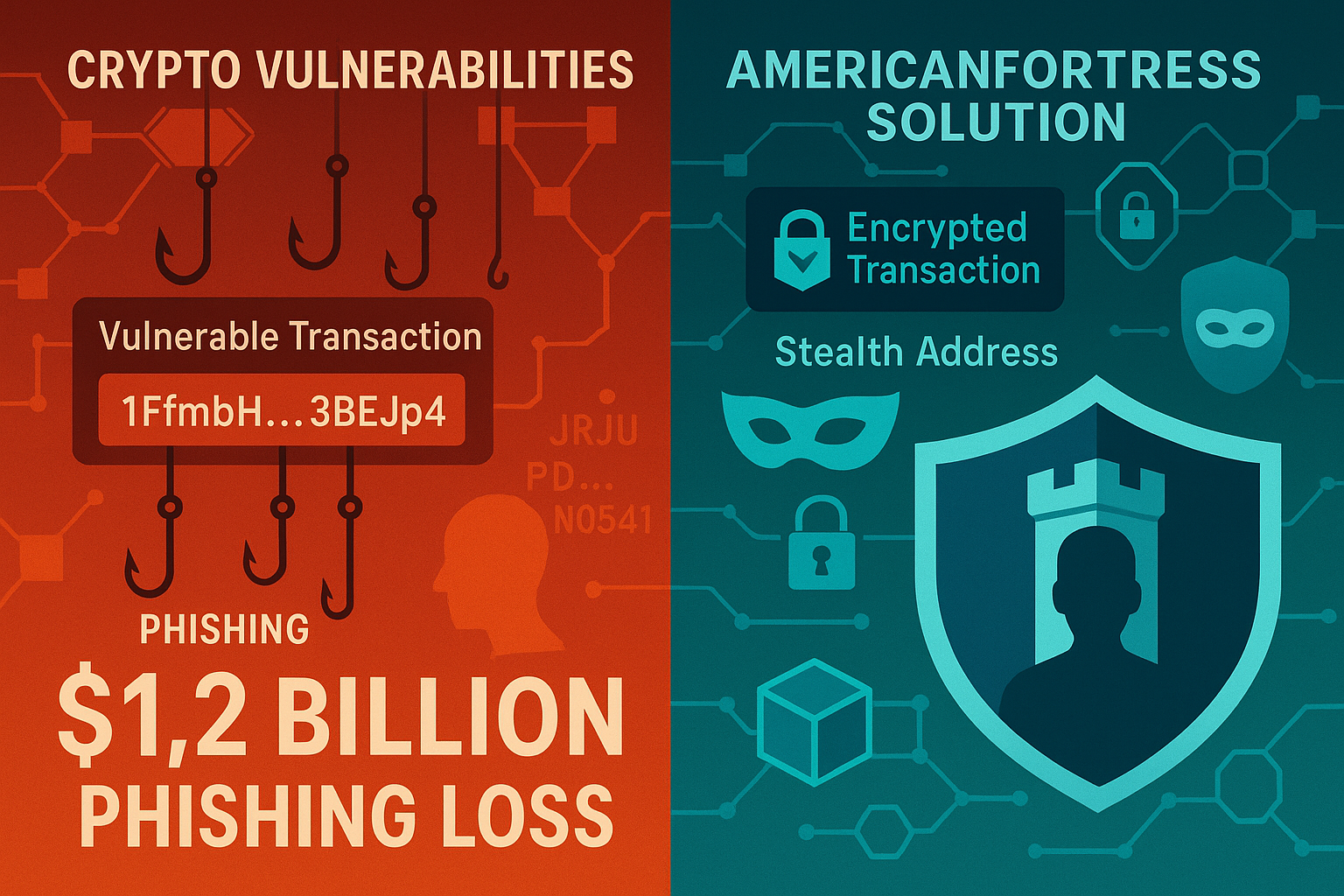
Crypto Privacy Security

While transaction privacy is crucial, comprehensive cryptocurrency privacy requires protection against network-level surveillance and IP address correlation attacks. The AmericanFortress Litecoin Wallet addresses these concerns through advanced C-filtering technology that prevents IP-to-wallet deanonymization when wallets connect to public servers, creating a comprehensive privacy solution that protects users at multiple layers of the network stack [8].

C-filtering, or client-side filtering, represents a sophisticated approach to privacy that allows wallets to retrieve blockchain data without revealing which specific transactions or addresses they are interested in. Traditional cryptocurrency wallets must query blockchain nodes for information about specific addresses, creating a correlation between IP addresses and wallet addresses that can be exploited by network observers to deanonymize users. C-filtering eliminates this correlation by allowing wallets to download filtered blockchain data without revealing their specific interests to network nodes.

The implementation of C-filtering in the AmericanFortress wallet involves the use of Bloom filters and other probabilistic data structures that allow the wallet to specify its data requirements in a way that provides plausible deniability about which specific transactions or addresses it is monitoring. This approach ensures that even if network traffic is intercepted or analyzed, observers cannot determine which addresses belong to specific users based on their network activity patterns.

The privacy benefits of C-filtering extend beyond simple IP address protection to include comprehensive metadata privacy that prevents various forms of network analysis. Traffic analysis attacks, which attempt to correlate network activity patterns with transaction timing and amounts, are disrupted by the probabilistic nature of C-filtering requests. Timing correlation attacks, which attempt to link wallet synchronization events with transaction broadcasts, are prevented by the batch processing approach used in C-filtering implementations.

The technical implementation of C-filtering in the AmericanFortress wallet is designed to be transparent to users while providing comprehensive protection against network-level surveillance. The wallet automatically generates appropriate filter parameters based on user activity patterns and privacy requirements, ensuring that privacy protection is applied consistently without requiring manual configuration or technical expertise from users. This automated approach eliminates the privacy risks associated with misconfigured privacy settings while ensuring that protection is applied comprehensively across all wallet operations.

The integration of C-filtering with other privacy features in the AmericanFortress wallet creates a comprehensive privacy solution that addresses multiple attack vectors simultaneously. While MWEB provides transaction-level privacy and Send-to-Name technology eliminates address-based attacks, C-filtering ensures that network-level metadata does not compromise the privacy protections provided by these other systems. This layered approach to privacy represents a significant advancement over single-point privacy solutions that may leave users vulnerable to attacks at other layers of the system.

Zero-Knowledge Proofs and Regulatory Compliance: Privacy Without Compromise

One of the most significant challenges facing privacy-focused cryptocurrency solutions is the need to balance user privacy with regulatory compliance requirements. The AmericanFortress Litecoin Wallet addresses this challenge through the innovative use of zero-knowledge proofs that allow users to demonstrate compliance with regulatory requirements without revealing sensitive transaction details or compromising their privacy [9].

Zero-knowledge proofs are cryptographic protocols that allow one party to prove to another party that they know a specific piece of information without revealing the information itself. In the context of cryptocurrency privacy, zero-knowledge proofs can be used to demonstrate that transactions comply with regulatory requirements—such as anti-money laundering (AML) rules or tax reporting obligations—without revealing transaction amounts, participant identities, or other sensitive details that could compromise user privacy.

The implementation of zero-knowledge proofs in the AmericanFortress wallet is designed to provide selective disclosure capabilities that allow users to prove specific compliance requirements to authorized parties while maintaining comprehensive privacy protection against unauthorized surveillance. This approach enables users to satisfy regulatory obligations without sacrificing the privacy protections that are essential for financial autonomy and security in the digital age.

The technical architecture of the zero-knowledge proof system incorporates advanced cryptographic techniques, including zk-SNARKs (Zero-Knowledge Succinct Non-Interactive Arguments of Knowledge) and other privacy-preserving proof systems that have been extensively tested and validated in production cryptocurrency systems. These proof systems allow users to generate cryptographic evidence that their transactions comply with specific regulatory requirements without revealing the underlying transaction data that would be necessary for traditional compliance verification methods.

The regulatory compliance features of the AmericanFortress wallet are designed to be forward-compatible with evolving regulatory frameworks while preserving user privacy and autonomy. The system incorporates flexible proof generation capabilities that can be adapted to meet different regulatory requirements across various jurisdictions, ensuring that users can maintain compliance with local laws while benefiting from comprehensive privacy protection.

The integration of zero-knowledge proofs with other privacy features in the AmericanFortress wallet creates a comprehensive solution that addresses the traditional trade-off between privacy and compliance. Users can conduct private transactions using MWEB and Send-to-Name technology while maintaining the ability to demonstrate compliance with regulatory requirements through selective disclosure of specific transaction attributes. This approach represents a significant advancement in privacy-preserving compliance technology that could serve as a model for other cryptocurrency systems seeking to balance privacy with regulatory requirements.

AI Agent Integration and the Programmable Economy

The AmericanFortress Litecoin Wallet is designed not just for human users, but for the emerging AI-driven economy where autonomous agents will need to conduct secure, private transactions on behalf of users and organizations. This forward-looking approach positions the wallet as critical infrastructure for the programmable economy, where AI systems will manage increasingly complex financial operations that require both privacy and security [10].

The AI agent integration capabilities of the AmericanFortress wallet leverage the Send-to-Name technology to enable autonomous systems to conduct transactions without requiring human intervention for address verification or security validation. AI agents can use FortressNames™ to identify transaction recipients and automatically generate secure stealth addresses, eliminating the risk of address-based attacks while enabling fully automated transaction processing.

The technical implementation of AI agent support involves sophisticated API interfaces and cryptographic protocols that allow AI systems to securely manage private keys and conduct transactions while maintaining comprehensive audit trails and security controls. The wallet provides programmatic interfaces that enable AI agents to access privacy features, generate compliance proofs, and manage complex multi-party transactions without compromising security or privacy protections.

The privacy features of the AmericanFortress wallet are particularly important for AI agent applications, where transaction privacy can protect sensitive business logic, competitive information, and user data from unauthorized surveillance. AI agents conducting transactions on behalf of users or organizations need comprehensive privacy protection to prevent competitors, malicious actors, or unauthorized parties from analyzing transaction patterns to extract sensitive information about business operations, user behavior, or strategic decisions.

The regulatory compliance capabilities of the wallet are also crucial for AI agent applications, where autonomous systems must be able to demonstrate compliance with various regulatory requirements without human intervention. The zero-knowledge proof system enables AI agents to generate compliance evidence automatically while maintaining privacy protection, ensuring that autonomous systems can operate within regulatory frameworks without compromising user privacy or business confidentiality.

The integration of AI agent capabilities with the comprehensive privacy features of the AmericanFortress wallet represents a significant advancement in cryptocurrency infrastructure that anticipates the needs of the emerging digital economy. As AI systems become increasingly sophisticated and autonomous, the need for secure, private, and compliant transaction infrastructure will become critical for enabling the full potential of AI-driven economic systems.

Market Impact and Industry Implications

The launch of the AmericanFortress Litecoin Wallet represents a significant milestone in the evolution of cryptocurrency privacy and security, with implications that extend far beyond the Litecoin ecosystem to influence the broader cryptocurrency industry and regulatory landscape. This partnership demonstrates that privacy and regulatory compliance are not mutually exclusive, potentially reshaping how regulators, institutions, and users approach privacy-focused cryptocurrency solutions [11].

The market impact of this wallet launch is likely to be multifaceted, affecting Litecoin’s competitive positioning, the broader privacy coin market, and the development of privacy-focused cryptocurrency infrastructure. Litecoin, which has historically been positioned as “digital silver” to Bitcoin’s “digital gold,” gains a significant competitive advantage through this privacy upgrade that differentiates it from other proof-of-work cryptocurrencies while maintaining its core values of decentralization and security.

The demonstration that comprehensive privacy features can be implemented while maintaining regulatory compliance addresses one of the key concerns that have limited institutional adoption of privacy-focused cryptocurrencies. Traditional privacy coins have faced increasing regulatory scrutiny and exchange delistings due to concerns about their potential use for illicit activities. The AmericanFortress approach, which combines strong privacy protection with selective disclosure capabilities, provides a model for privacy implementation that could satisfy both user privacy needs and regulatory compliance requirements.

The technical innovations introduced by the AmericanFortress Litecoin Wallet, particularly the Send-to-Name technology and comprehensive privacy architecture, are likely to influence the development of other cryptocurrency projects and privacy solutions. The success of this approach could accelerate the adoption of similar technologies across the cryptocurrency ecosystem, leading to improved privacy and security standards industry-wide.

The partnership also has significant implications for the enterprise cryptocurrency market, where privacy and compliance requirements have limited the adoption of cryptocurrency solutions for business applications. The combination of privacy protection, regulatory compliance, and AI agent integration capabilities positions the AmericanFortress wallet as infrastructure for enterprise cryptocurrency adoption, potentially opening new markets and use cases for cryptocurrency technology.

The broader implications for cryptocurrency regulation are also significant, as this wallet demonstrates that privacy-preserving cryptocurrency systems can be designed to support regulatory compliance and law enforcement needs. This could influence regulatory approaches to privacy-focused cryptocurrencies and potentially lead to more nuanced regulatory frameworks that recognize the legitimate privacy needs of cryptocurrency users while addressing concerns about illicit use.

Technical Architecture and Security Considerations

The technical architecture of the AmericanFortress Litecoin Wallet represents a sophisticated integration of multiple privacy and security technologies that work together to provide comprehensive protection while maintaining usability and regulatory compliance. Understanding the technical implementation details is crucial for evaluating the security properties and potential limitations of this privacy solution [12].

The wallet’s architecture is built around a layered security model that provides multiple independent privacy protections, ensuring that the compromise of any single privacy mechanism does not result in complete privacy loss. The Send-to-Name technology operates at the address generation layer, MWEB provides transaction-level privacy, C-filtering protects network-level metadata, and zero-knowledge proofs enable selective compliance disclosure. This layered approach creates redundant privacy protections that significantly increase the difficulty of successful privacy attacks.

The cryptographic foundations of the wallet rely on well-established and extensively audited cryptographic primitives, including elliptic curve cryptography for key generation and digital signatures, advanced hash functions for address generation and proof systems, and proven zero-knowledge proof constructions that have been validated in production cryptocurrency systems. This conservative approach to cryptographic implementation reduces the risk of implementation vulnerabilities while ensuring compatibility with existing Litecoin infrastructure.

The key management system incorporates advanced security features designed to protect user funds and privacy even in the event of device compromise or physical attacks. The wallet uses hierarchical deterministic (HD) key generation to create unique keys for each transaction while maintaining the ability to recover all keys from a single seed phrase. The integration with hardware security modules and secure enclaves provides additional protection for high-value accounts and enterprise users.

The network security architecture includes comprehensive protection against various forms of network-based attacks, including man-in-the-middle attacks, traffic analysis, and network surveillance. The C-filtering implementation uses multiple network nodes and probabilistic data structures to prevent any single node from gaining complete visibility into user transaction patterns. The wallet also incorporates Tor integration and other network privacy tools to provide additional protection against network-level surveillance.

The software security architecture follows industry best practices for secure software development, including comprehensive code auditing, formal verification of critical cryptographic components, and regular security updates to address emerging threats. The wallet’s modular architecture allows for rapid deployment of security updates and feature enhancements while maintaining backward compatibility with existing user accounts and transaction history.

Future Roadmap and Development Plans

The AmericanFortress Litecoin Wallet represents the first phase of a comprehensive roadmap that extends well beyond the initial beta release to encompass advanced features, broader ecosystem integration, and enterprise-grade solutions. Understanding the planned development trajectory provides insight into the long-term vision for privacy-focused cryptocurrency infrastructure and the potential impact on the broader cryptocurrency ecosystem [13].

The immediate roadmap focuses on the successful deployment of the beta version in September 2025, with comprehensive testing and user feedback integration to ensure that the privacy and security features function correctly across various use cases and operating environments. The beta release will include all core privacy features—Send-to-Name technology, MWEB integration, C-filtering, and zero-knowledge proof capabilities—while providing a foundation for additional feature development and ecosystem integration.

The production release planned for Q1 2026 will incorporate lessons learned from the beta testing period and add enterprise-grade features designed for institutional users and high-volume applications. These features include advanced key management capabilities, multi-signature support, institutional custody integration, and enhanced compliance reporting tools that enable organizations to use privacy-focused cryptocurrency solutions while meeting their regulatory and audit requirements.

The AI agent integration capabilities planned for Q1 2026 represent a significant expansion of the wallet’s functionality to support the emerging programmable economy. These features will include comprehensive API interfaces for AI systems, automated compliance verification, smart contract integration, and advanced transaction orchestration capabilities that enable AI agents to conduct complex multi-party transactions while maintaining privacy and security protections.

The longer-term roadmap includes expansion beyond Litecoin to support multiple cryptocurrencies and blockchain networks, creating a comprehensive privacy infrastructure that can serve the entire cryptocurrency ecosystem. This multi-chain approach will leverage the Send-to-Name technology and privacy architecture developed for Litecoin to provide consistent privacy and security features across different blockchain platforms.

The development team is also working on advanced privacy features that will further enhance the wallet’s capabilities, including improved metadata protection, enhanced network privacy, and integration with emerging privacy technologies such as confidential smart contracts and privacy-preserving decentralized finance protocols. These features will ensure that the AmericanFortress wallet remains at the forefront of privacy technology as the cryptocurrency ecosystem continues to evolve.

Conclusion: A New Era of Cryptocurrency Privacy and Security

The partnership between AmericanFortress and the Litecoin Foundation represents a watershed moment in the evolution of cryptocurrency privacy and security, demonstrating that comprehensive privacy protection can be achieved while maintaining regulatory compliance, user-friendly design, and robust security. This collaboration addresses fundamental challenges that have hindered cryptocurrency adoption while positioning Litecoin at the forefront of the privacy-focused cryptocurrency movement.

The revolutionary Send-to-Name technology eliminates the $1.2 billion phishing problem that has plagued the cryptocurrency industry, while the integration of MWEB, C-filtering, and zero-knowledge proofs creates a comprehensive privacy solution that protects users at multiple layers of the system. The forward-looking AI agent integration capabilities position this wallet as critical infrastructure for the emerging programmable economy, where autonomous systems will require secure, private, and compliant transaction capabilities.

The success of this partnership could have far-reaching implications for the cryptocurrency industry, regulatory landscape, and broader adoption of privacy-preserving financial technologies. By demonstrating that privacy and compliance are not mutually exclusive, the AmericanFortress Litecoin Wallet provides a model for privacy implementation that could influence the development of other cryptocurrency projects and potentially reshape regulatory approaches to privacy-focused digital assets.

As the cryptocurrency ecosystem continues to mature and evolve, the need for comprehensive privacy and security solutions will only increase. The AmericanFortress Litecoin Wallet represents a significant step forward in addressing these needs while maintaining the decentralization, security, and user empowerment principles that define the cryptocurrency movement. This partnership marks the beginning of a new era where privacy is not a luxury or afterthought, but a fundamental feature of cryptocurrency infrastructure that enables users to transact with confidence, security, and autonomy in the digital economy.

References

[1] Crypto.news. “Exclusive: Litecoin Foundation and AmericanFortress to launch privacy-focused wallet.” September 8, 2025. https://crypto.news/exclusive-litecoin-foundation-and-americanfortress-to-launch-privacy-focused-wallet/

[2] AmericanFortress. “American Fortress SDK: Secure Web3 Wallet Integration for Phishing Protection.” 2025. https://americanfortress.io/

[3] AInvest. “Litecoin Gets Stealth Upgrade: Privacy Meets Regulation in New Wallet.” September 9, 2025. https://www.ainvest.com/news/litecoin-stealth-upgrade-privacy-meets-regulation-wallet-2509/

[4] AmericanFortress. “Phishing Statistics and Security Solutions.” 2025. https://americanfortress.io/

[5] Crypto.news. “Exclusive: Litecoin Foundation and AmericanFortress to launch privacy-focused wallet.” September 8, 2025.

[6] AInvest. “Litecoin Gets Stealth Upgrade: Privacy Meets Regulation in New Wallet.” September 9, 2025.

[7] Litecoin Foundation. “MWEB Integration and Privacy Features.” 2025.

[8] AmericanFortress. “C-Filtering and Network Privacy Protection.” 2025.

[9] AInvest. “Litecoin Gets Stealth Upgrade: Privacy Meets Regulation in New Wallet.” September 9, 2025.

[10] AmericanFortress. “AI Agent Integration and Programmable Economy.” 2025.

[11] Crypto.news. “Exclusive: Litecoin Foundation and AmericanFortress to launch privacy-focused wallet.” September 8, 2025.

[12] AmericanFortress. “Technical Architecture and Security Documentation.” 2025.

[13] AmericanFortress. “Development Roadmap and Future Plans.” 2025.

MetaMask Ditches Seed Phrases: The Revolutionary Social Login Feature That’s Changing Crypto Forever

Published by everythingcryptoitclouds.com | August 27, 2025

The cryptocurrency world witnessed a seismic shift on August 26, 2025, when MetaMask, the world’s leading self-custodial cryptocurrency wallet, announced the launch of its groundbreaking Social Login feature. This revolutionary development represents the most significant advancement in cryptocurrency wallet user experience since the inception of browser-based wallets, fundamentally transforming how millions of users interact with decentralized finance and blockchain applications [1].

For years, the cryptocurrency industry has grappled with a fundamental paradox: the very security features that make self-custodial wallets superior to centralized alternatives also create barriers that prevent mainstream adoption. The requirement to manage complex 12-word seed phrases has long been recognized as one of the most significant obstacles preventing ordinary users from embracing cryptocurrency and decentralized finance. MetaMask’s Social Login feature represents a breakthrough solution that maintains the security and self-custodial nature of cryptocurrency wallets while dramatically simplifying the user experience through familiar authentication methods.

The timing of this announcement could not be more significant, coming at a moment when cryptocurrency adoption is accelerating across institutional and retail markets, with the total crypto market cap reaching $4.084 trillion and regulatory clarity improving in major jurisdictions worldwide. The introduction of Social Login positions MetaMask to capture a larger share of the growing cryptocurrency user base while addressing the primary friction point that has historically limited mainstream adoption of self-custodial wallets.

This comprehensive analysis examines the technical implementation, security implications, and market impact of MetaMask’s Social Login feature, providing cryptocurrency enthusiasts, developers, and investors with the insights necessary to understand how this innovation will reshape the landscape of digital asset management. From the cryptographic architecture that maintains security while enabling social authentication to the competitive implications for the broader wallet ecosystem, this development represents a watershed moment that will influence the direction of cryptocurrency user experience for years to come.

The significance of MetaMask’s Social Login extends far beyond mere convenience, representing a fundamental reimagining of how users can maintain sovereignty over their digital assets while enjoying the familiar authentication experiences they expect from modern web applications. By successfully bridging the gap between Web2 usability and Web3 security, MetaMask has created a template that other wallet providers will inevitably follow, accelerating the evolution of the entire cryptocurrency ecosystem toward greater accessibility and mainstream adoption.

Understanding the full implications of this development requires examining not only the technical implementation and immediate user benefits but also the broader strategic context in which this innovation emerges. As cryptocurrency continues its transition from a niche technology for early adopters to a mainstream financial infrastructure, innovations like Social Login represent critical stepping stones that enable broader participation while preserving the fundamental principles of decentralization and user sovereignty that make cryptocurrency valuable.

The Technical Revolution: How MetaMask’s Social Login Actually Works

The technical architecture underlying MetaMask’s Social Login feature represents a masterful balance between user convenience and cryptographic security, implementing a sophisticated system that maintains the self-custodial nature of cryptocurrency wallets while eliminating the user experience friction associated with traditional seed phrase management. Understanding the technical implementation reveals why this innovation represents such a significant breakthrough in cryptocurrency wallet design and user experience optimization.

The Social Login process begins with a deceptively simple two-step user experience that masks the complex cryptographic operations occurring behind the scenes. Users first authenticate using their existing Google or Apple ID credentials, leveraging the robust authentication infrastructure that these platforms have developed over decades of serving billions of users worldwide. This initial authentication step provides the first component of the multi-factor security system that protects user assets while offering the familiar experience that users expect from modern web applications [1].

The second step requires users to create a unique, secure password that serves as the critical second factor in the authentication system. This password is not stored by MetaMask or any centralized service, instead serving as a local encryption key that combines with the social authentication credentials to unlock access to the user’s Secret Recovery Phrase. The importance of this password cannot be overstated, as MetaMask explicitly warns that losing this password results in permanent loss of wallet access, maintaining the self-custodial principle that users bear ultimate responsibility for their digital asset security [2].

The most sophisticated aspect of the Social Login implementation occurs in the background, where MetaMask automatically generates a standard 12-word Secret Recovery Phrase using established cryptographic methods. This SRP generation process follows the same security standards as traditional MetaMask wallets, ensuring that Social Login users benefit from identical security guarantees while enjoying improved user experience. The generated SRP is then encrypted using a combination of the user’s social authentication credentials and their unique password, creating a multi-factor security system that requires both components for successful decryption.

The cryptographic architecture ensures that no single entity, including MetaMask itself, possesses all the components necessary to reconstruct a user’s Secret Recovery Phrase. The social authentication credentials are controlled by Google or Apple, the unique password is known only to the user, and the encrypted SRP is stored in a distributed manner that prevents any single point of failure or unauthorized access. This design preserves the fundamental principle of self-custody while dramatically improving the user experience for wallet creation and recovery operations.

The local processing requirement represents another critical security feature of the Social Login implementation. The decryption of the Secret Recovery Phrase occurs entirely on the user’s local device, ensuring that sensitive cryptographic material never traverses network connections or resides on remote servers. This approach maintains the security model that has made MetaMask the trusted choice for millions of cryptocurrency users while enabling the convenience features that will attract new users to the ecosystem.

The technical implementation also maintains full compatibility with existing MetaMask functionality, including hierarchical deterministic wallet features that enable users to derive multiple cryptocurrency addresses from a single seed. Users who adopt Social Login retain access to all the advanced features that have made MetaMask the preferred wallet for interacting with decentralized applications, ensuring that improved user experience does not come at the cost of reduced functionality or capability.

The recovery process demonstrates the elegance of the technical implementation, requiring users to authenticate with the same social credentials and provide the same unique password used during wallet creation. This recovery mechanism works across devices and platforms, enabling users to restore their wallets on new devices without the complexity of managing physical or digital copies of seed phrases. The recovery process maintains the same security guarantees as traditional seed phrase recovery while offering significantly improved user experience and reduced risk of user error.

Security Architecture: Maintaining Self-Custody in the Social Login Era

The security architecture of MetaMask’s Social Login feature represents a paradigm shift in how cryptocurrency wallets can balance user convenience with the rigorous security requirements necessary for protecting digital assets. The implementation demonstrates that it is possible to significantly improve user experience without compromising the fundamental security principles that make self-custodial wallets superior to centralized alternatives, creating a new standard for cryptocurrency wallet design that other providers will inevitably adopt.

The multi-factor authentication system at the heart of Social Login creates multiple layers of security that must be compromised simultaneously for an attacker to gain unauthorized access to user funds. The first factor consists of the social authentication credentials managed by Google or Apple, leveraging the sophisticated security infrastructure that these technology giants have developed to protect billions of user accounts. These platforms employ advanced security measures including multi-factor authentication, anomaly detection, and robust access controls that provide enterprise-grade protection for the first component of the Social Login security system [1].

The second factor, the unique password created by the user, serves as a critical cryptographic component that cannot be recovered or reset by MetaMask or any other entity. This design choice maintains the self-custodial principle by ensuring that users retain ultimate control over their digital assets, even when using the convenient Social Login feature. The password serves as both an authentication factor and an encryption key, creating a security model where compromise of either the social credentials or the password alone is insufficient to access user funds.

The distributed storage architecture ensures that no single entity possesses all the components necessary to reconstruct a user’s Secret Recovery Phrase, creating a security model that is resistant to both external attacks and internal threats. The social authentication credentials are managed by Google or Apple, the unique password is known only to the user, and the encrypted SRP is stored using MetaMask’s infrastructure. This separation of critical components ensures that even a complete compromise of any single system would be insufficient to access user funds without the cooperation of multiple independent entities.

The local decryption requirement represents another critical security feature that ensures sensitive cryptographic operations occur only on devices controlled by the user. When a user attempts to access their wallet using Social Login, the decryption of the Secret Recovery Phrase occurs entirely on their local device, ensuring that the plaintext SRP never exists on remote servers or traverses network connections. This approach maintains the security model that has made MetaMask trusted by millions of users while enabling the convenience features that will attract new users to cryptocurrency.

The cryptographic implementation follows established industry standards for key derivation and encryption, ensuring that the Social Login feature benefits from decades of research and development in cryptographic security. MetaMask has published detailed technical documentation that allows security researchers and developers to verify the implementation and identify any potential vulnerabilities, maintaining the transparency and community oversight that are essential for cryptocurrency security [2].

The security model also addresses the unique risks associated with social authentication, including the potential for account compromise or service disruption at the social platform level. The dual-factor requirement ensures that compromise of social credentials alone is insufficient to access user funds, while the local storage of encrypted SRP data ensures that users can potentially recover their wallets even in scenarios where social platforms become unavailable or compromised.

The implementation includes robust protections against common attack vectors including phishing, social engineering, and credential stuffing attacks. The requirement for both social authentication and a unique password creates multiple opportunities for users to detect and prevent unauthorized access attempts, while the local decryption requirement ensures that successful attacks must compromise both the user’s social account and their local device to be effective.

The security architecture also maintains compatibility with existing MetaMask security features, including hardware wallet integration and advanced transaction signing capabilities. Users who adopt Social Login retain access to all the security features that have made MetaMask the preferred choice for high-value cryptocurrency transactions, ensuring that improved user experience does not compromise security for users with sophisticated security requirements.

User Experience Revolution: From Complexity to Simplicity

The user experience transformation enabled by MetaMask’s Social Login feature represents the most significant advancement in cryptocurrency wallet usability since the introduction of browser-based wallets, addressing the primary barrier that has prevented mainstream adoption of self-custodial cryptocurrency storage. The traditional requirement to manage 12-word seed phrases has long been recognized as a fundamental obstacle to cryptocurrency adoption, creating a user experience that is intimidating for newcomers and cumbersome even for experienced users.

The Social Login onboarding process reduces wallet creation from a complex, multi-step procedure involving seed phrase generation, secure storage, and verification to a simple two-step process that leverages authentication methods familiar to billions of internet users. The first step, authentication with Google or Apple credentials, provides immediate familiarity and confidence for users who may be intimidated by traditional cryptocurrency wallet setup procedures. This authentication method leverages existing user accounts and security measures, eliminating the need for users to create and manage additional credentials specifically for cryptocurrency access [1].

The second step, creation of a unique password, provides users with a familiar security paradigm while maintaining the cryptographic security necessary for protecting digital assets. Unlike traditional seed phrases, which consist of seemingly random words that must be recorded and stored in specific order, the password creation process allows users to employ familiar password management strategies and tools. This approach significantly reduces the cognitive burden associated with cryptocurrency wallet security while maintaining equivalent cryptographic protection.

The elimination of visible seed phrase management represents a fundamental shift in how users interact with self-custodial wallets, removing one of the most intimidating aspects of cryptocurrency adoption. Traditional wallet setup requires users to understand the importance of seed phrases, implement secure storage procedures, and maintain long-term access to physical or digital records. Social Login abstracts these complexities while maintaining the underlying security guarantees, enabling users to benefit from self-custodial security without requiring deep understanding of cryptographic principles.

The recovery process demonstrates the user experience advantages of Social Login, enabling wallet restoration through familiar authentication methods rather than complex seed phrase entry procedures. Users who lose access to their devices or need to restore their wallets on new devices can complete the recovery process using the same social credentials and password used during initial setup. This approach eliminates common user errors associated with seed phrase entry, including word order mistakes, spelling errors, and confusion between similar words that can result in permanent loss of access to cryptocurrency funds.

The cross-platform compatibility of Social Login enables seamless wallet access across multiple devices and platforms, providing users with the flexibility they expect from modern digital services. Users can access their MetaMask wallets from different computers, mobile devices, and browsers without the complexity of transferring seed phrases or managing multiple wallet instances. This capability significantly improves the practical usability of MetaMask wallets for users who interact with cryptocurrency across multiple devices and platforms.

The Social Login feature maintains full compatibility with existing MetaMask functionality, ensuring that users who adopt the new authentication method retain access to all the advanced features that have made MetaMask the preferred wallet for interacting with decentralized applications. Users can continue to use MetaMask for DeFi protocols, NFT marketplaces, and other blockchain applications without any reduction in functionality or capability, ensuring that improved user experience does not come at the cost of reduced utility.

The implementation also provides flexibility for users who prefer traditional seed phrase management, enabling a hybrid approach where users can choose the authentication method that best suits their security preferences and technical expertise. This flexibility ensures that MetaMask can serve both newcomers who benefit from simplified authentication and experienced users who prefer traditional cryptographic security models, maximizing the wallet’s appeal across different user segments.

The user experience improvements extend beyond initial setup and recovery to include ongoing wallet management and security maintenance. Social Login users benefit from the robust security infrastructure provided by Google and Apple, including automatic security updates, anomaly detection, and advanced threat protection that would be difficult for individual users to implement independently. This approach provides enterprise-grade security protection while maintaining the simplicity that makes cryptocurrency accessible to mainstream users.

Market Impact and Competitive Implications

The introduction of MetaMask’s Social Login feature represents a watershed moment in the cryptocurrency wallet market, establishing a new standard for user experience that will force competitors to innovate or risk losing market share to more user-friendly alternatives. The timing of this launch, coinciding with accelerating cryptocurrency adoption and improving regulatory clarity, positions MetaMask to capture a disproportionate share of new users entering the cryptocurrency ecosystem while strengthening its position among existing users who value both security and convenience.

The competitive landscape for cryptocurrency wallets has been largely defined by the trade-off between security and usability, with self-custodial wallets offering superior security at the cost of complex user experiences, while custodial solutions provide convenience at the expense of user sovereignty. MetaMask’s Social Login feature represents the first successful attempt to eliminate this trade-off, providing both the security advantages of self-custody and the user experience benefits of familiar authentication methods. This breakthrough creates a significant competitive advantage that will be difficult for other wallet providers to match without substantial technical innovation and development investment [2].

The market timing for Social Login could not be more favorable, as cryptocurrency adoption accelerates across both institutional and retail segments. The total cryptocurrency market capitalization has reached $4.084 trillion, with increasing institutional adoption and improving regulatory frameworks creating conditions that favor mainstream cryptocurrency adoption. The primary barrier to this adoption has been the complexity of self-custodial wallet management, particularly the requirement to manage seed phrases. Social Login directly addresses this barrier, positioning MetaMask to benefit from the growing demand for cryptocurrency access among mainstream users.

The institutional implications of Social Login extend beyond individual user adoption to include potential enterprise and institutional use cases where familiar authentication methods are essential for compliance and security policies. Many organizations have been reluctant to adopt self-custodial cryptocurrency solutions due to the complexity of key management and the risks associated with seed phrase storage. Social Login provides a pathway for institutional adoption that maintains self-custody benefits while offering authentication methods that align with existing enterprise security frameworks and policies.

The network effects associated with MetaMask’s dominant market position create additional competitive advantages that will be amplified by the Social Login feature. MetaMask’s extensive integration with decentralized applications, DeFi protocols, and blockchain services creates switching costs for users and developers that will be difficult for competitors to overcome. The improved user experience provided by Social Login will likely accelerate MetaMask’s user acquisition while strengthening retention among existing users, further reinforcing these network effects.

The response from competing wallet providers will likely include attempts to implement similar social authentication features, creating a new standard for cryptocurrency wallet user experience. However, the technical complexity of implementing secure social authentication while maintaining self-custody principles creates significant barriers to entry that will favor established wallet providers with substantial development resources and security expertise. This dynamic is likely to accelerate consolidation in the wallet market as smaller providers struggle to match the user experience standards established by Social Login.

The broader ecosystem implications include potential changes in how decentralized applications and blockchain services approach user onboarding and authentication. The simplified wallet creation process enabled by Social Login may encourage more aggressive user acquisition strategies among DeFi protocols and blockchain applications, as the reduced friction in wallet setup eliminates a significant barrier to new user adoption. This could accelerate growth across the entire decentralized finance ecosystem as more users gain access to self-custodial cryptocurrency storage.

The regulatory implications of Social Login are generally positive, as the feature maintains the self-custodial nature of MetaMask wallets while providing authentication methods that are familiar to regulators and compliance professionals. The integration with established identity providers like Google and Apple may actually improve the regulatory profile of MetaMask wallets by providing additional identity verification and security measures that align with existing financial services regulations and compliance frameworks.

The long-term market impact of Social Login will likely extend beyond the cryptocurrency wallet market to influence the broader development of Web3 applications and services. The successful implementation of user-friendly authentication methods that maintain decentralization principles provides a template for other Web3 services seeking to balance usability with the sovereignty and security advantages that make blockchain technology valuable. This could accelerate the development of mainstream Web3 applications that provide familiar user experiences while preserving the fundamental benefits of decentralization.

Industry Context and Future Implications

The launch of MetaMask’s Social Login feature occurs within a broader context of cryptocurrency industry maturation and mainstream adoption that amplifies its significance and potential impact. The cryptocurrency ecosystem has evolved from an experimental technology for early adopters to a sophisticated financial infrastructure that is increasingly integrated with traditional finance and mainstream technology platforms. Social Login represents a critical bridge between the complex technical requirements of cryptocurrency security and the user experience expectations of mainstream technology users.

The timing of this innovation coincides with several favorable industry trends that position Social Login for maximum impact and adoption. Regulatory clarity has improved significantly in major jurisdictions, with clearer frameworks for cryptocurrency operations and increasing acceptance of digital assets by traditional financial institutions. This regulatory progress has created conditions that favor mainstream cryptocurrency adoption, while the remaining barrier of complex user experiences has limited the pace of this adoption. Social Login directly addresses this remaining barrier, potentially accelerating the transition of cryptocurrency from a niche technology to a mainstream financial tool.

The institutional adoption of cryptocurrency has accelerated dramatically, with major corporations, investment funds, and financial institutions integrating digital assets into their operations and investment strategies. However, institutional adoption has been primarily focused on custodial solutions that sacrifice the sovereignty and security advantages of self-custody for the convenience and compliance features required by institutional users. Social Login creates opportunities for institutional adoption of self-custodial solutions by providing authentication methods that align with enterprise security policies while maintaining the benefits of user sovereignty and cryptographic security.

The development of central bank digital currencies and government-issued digital assets creates additional context for the importance of Social Login and similar innovations. As governments and central banks develop digital currency solutions, the cryptocurrency industry must demonstrate that decentralized alternatives can provide superior user experiences while maintaining the sovereignty and privacy advantages that make cryptocurrency valuable. Social Login represents a significant step toward achieving this goal, demonstrating that self-custodial solutions can match or exceed the user experience provided by centralized alternatives.

The broader Web3 ecosystem has struggled with user experience challenges that extend beyond cryptocurrency wallets to include decentralized applications, DeFi protocols, and blockchain-based services. The successful implementation of Social Login provides a template for other Web3 services seeking to improve user experience while maintaining decentralization principles. This could accelerate the development of user-friendly Web3 applications that provide mainstream appeal while preserving the fundamental advantages of blockchain technology.

The competitive response to Social Login will likely drive innovation across the cryptocurrency wallet market, as competing providers seek to match or exceed the user experience standards established by MetaMask. This competitive dynamic could accelerate the development of additional user experience innovations, creating a virtuous cycle of improvement that benefits the entire cryptocurrency ecosystem. The technical complexity of implementing secure social authentication while maintaining self-custody principles creates barriers to entry that may favor established providers while encouraging consolidation among smaller wallet providers.

The long-term implications of Social Login extend to the fundamental architecture of cryptocurrency and blockchain systems, as improved user experience enables broader adoption that could drive demand for scalability improvements, interoperability solutions, and other infrastructure enhancements. The simplified onboarding process enabled by Social Login may encourage more aggressive user acquisition strategies among blockchain applications and services, creating demand for infrastructure improvements that can support larger user bases and higher transaction volumes.

The educational implications of Social Login are significant, as the simplified user experience may enable cryptocurrency education and adoption among user segments that were previously excluded by technical complexity. The familiar authentication methods and reduced cognitive burden associated with Social Login could accelerate cryptocurrency literacy and adoption among mainstream users, creating a larger and more diverse cryptocurrency user base that drives further innovation and development.

The privacy implications of Social Login require careful consideration, as the integration with major technology platforms creates potential surveillance and data collection concerns that must be balanced against the user experience and security benefits. The technical implementation maintains user privacy by ensuring that sensitive cryptographic operations occur locally and that no single entity possesses complete access to user funds. However, the integration with Google and Apple authentication systems creates metadata and usage patterns that could potentially be analyzed or monitored by these platforms or government agencies.

Conclusion: The Dawn of Mainstream Cryptocurrency Adoption

MetaMask’s Social Login feature represents far more than a simple user experience improvement; it embodies a fundamental transformation in how cryptocurrency wallets can balance the competing demands of security, usability, and sovereignty that have defined the industry since its inception. The successful implementation of social authentication while maintaining self-custodial principles demonstrates that the long-standing trade-off between convenience and security in cryptocurrency wallets is not inevitable, opening new possibilities for mainstream adoption and institutional integration.

The technical achievement represented by Social Login cannot be understated, as it required solving complex cryptographic and security challenges while maintaining the transparency and verifiability that are essential for cryptocurrency security. The multi-factor authentication system, distributed storage architecture, and local decryption requirements create a security model that is both more user-friendly and potentially more secure than traditional seed phrase management, particularly for users who struggle with the complexity of secure seed phrase storage and management.

The market implications of Social Login extend far beyond MetaMask’s competitive position to encompass the entire cryptocurrency ecosystem, as improved wallet user experience removes one of the primary barriers to mainstream cryptocurrency adoption. The simplified onboarding process and familiar authentication methods enabled by Social Login could accelerate user acquisition across decentralized applications, DeFi protocols, and blockchain services, creating network effects that benefit the entire ecosystem while driving demand for additional infrastructure improvements and innovations.

The timing of this launch positions MetaMask to capture a disproportionate share of the growing cryptocurrency market as regulatory clarity improves and institutional adoption accelerates. The combination of familiar authentication methods, maintained security guarantees, and comprehensive functionality creates a compelling value proposition for both newcomers seeking accessible cryptocurrency access and experienced users who value both convenience and security. This positioning advantage will likely be difficult for competitors to match without substantial technical innovation and development investment.

The broader implications for Web3 development and blockchain adoption suggest that Social Login represents a template for how decentralized technologies can achieve mainstream appeal while preserving the fundamental advantages that make blockchain technology valuable. The successful balance of usability and sovereignty demonstrated by Social Login could inspire similar innovations across the Web3 ecosystem, accelerating the development of user-friendly decentralized applications and services that can compete effectively with centralized alternatives.

Looking toward the future, Social Login represents a critical stepping stone in the evolution of cryptocurrency from a niche technology for early adopters to a mainstream financial infrastructure that serves billions of users worldwide. The elimination of seed phrase complexity while maintaining self-custodial security creates opportunities for cryptocurrency adoption among user segments that were previously excluded by technical barriers, potentially accelerating the transition to a more decentralized and user-sovereign financial system.

The success of Social Login will likely inspire additional innovations in cryptocurrency user experience, creating a competitive dynamic that drives continuous improvement across the wallet market and broader cryptocurrency ecosystem. As other providers seek to match or exceed the user experience standards established by MetaMask, users will benefit from accelerating innovation and improvement in cryptocurrency accessibility and usability.

The ultimate significance of MetaMask’s Social Login feature lies not in its immediate impact on wallet market share or user adoption metrics, but in its demonstration that the fundamental challenges of cryptocurrency user experience are solvable through thoughtful technical innovation and careful attention to user needs. By successfully bridging the gap between Web2 familiarity and Web3 security, MetaMask has created a new paradigm for cryptocurrency wallet design that will influence the industry for years to come, bringing us closer to a future where cryptocurrency access is as simple and secure as any other digital service while preserving the sovereignty and security advantages that make decentralized finance valuable.


References

[1] MetaMask. “Introducing MetaMask social login.” August 26, 2025. https://metamask.io/news/introducing-metamask-social-login

[2] AInvest. “MetaMask Simplifies Crypto Access With Social Login Security.” August 27, 2025. https://www.ainvest.com/news/metamask-simplifies-crypto-access-social-login-security-2508/

[3] Coinpaper. “No More Seed Phrases? MetaMask’s New Social Login Feature Explained.” August 27, 2025. https://coinpaper.com/10740/no-more-seed-phrases-meta-mask-s-new-social-login-feature-explained

From Zero to AI Millionaire: 7 Proven AI Automation Strategies That Actually Work

The artificial intelligence automation revolution has created an unprecedented opportunity for entrepreneurs to build million-dollar businesses by helping companies streamline their operations, reduce costs, and improve efficiency through intelligent automation solutions.

This comprehensive guide reveals seven proven AI automation strategies that have enabled entrepreneurs to build million-dollar businesses from scratch. These aren’t theoretical concepts—these are battle-tested approaches that real entrepreneurs are using right now to generate substantial income.

## Strategy 1: Business Process Automation Consulting

Business process automation represents one of the most lucrative opportunities in the AI automation space, with successful consultants commanding fees ranging from $10,000 to $100,000 per project while building long-term client relationships that generate substantial recurring revenue.

The foundation of successful business process automation consulting begins with developing expertise in process analysis and optimization. This involves learning how to map existing business processes, identify inefficiencies and bottlenecks, and design automated solutions that eliminate manual work while improving accuracy and speed.

Client acquisition typically focuses on mid-market and enterprise companies that have complex operations and substantial budgets for efficiency improvements. These clients often have multiple departments with repetitive processes that can benefit from automation.

Revenue models typically include initial assessment fees ranging from $5,000 to $25,000, implementation project fees ranging from $25,000 to $500,000, and ongoing maintenance retainers ranging from $2,000 to $20,000 per month.

## Strategy 2: AI-Powered Customer Service Automation

Customer service automation represents a massive market opportunity, with businesses across every industry seeking to reduce support costs while improving customer satisfaction through intelligent automation solutions.

The foundation of customer service automation success lies in understanding the customer journey and identifying touchpoints where automation can provide value without compromising the customer experience. This requires expertise in conversational AI, natural language processing, and integration with existing customer service platforms.

Technology implementation typically involves platforms such as Zendesk or Salesforce Service Cloud combined with AI capabilities from providers such as OpenAI or Google Cloud AI. The key is creating seamless integrations that allow AI systems to access customer data and knowledge bases.

Revenue generation typically comes from implementation projects ranging from $10,000 to $100,000, ongoing management services ranging from $1,000 to $10,000 per month, and performance-based pricing models tied to cost savings and customer satisfaction improvements.

## Strategy 3: Sales and Marketing Automation Systems

Sales and marketing automation represents one of the highest-value applications of AI technology, with successful implementations often generating substantial returns on investment through improved lead generation, better conversion rates, and more efficient sales processes.

The foundation of sales and marketing automation success lies in understanding the complete customer acquisition funnel and identifying opportunities to use AI for lead generation, qualification, nurturing, and conversion.

Technology implementation often involves marketing automation platforms such as HubSpot or Marketo combined with AI capabilities for content generation, audience targeting, and performance optimization. Advanced implementations might include predictive analytics for lead scoring and personalization engines for content optimization.

Revenue models typically include strategy and implementation fees ranging from $15,000 to $150,000, ongoing management services ranging from $2,000 to $25,000 per month, and performance-based pricing tied to lead generation and conversion rate improvements.

## Strategy 4: Data Analytics and Business Intelligence Automation

Data analytics and business intelligence automation represents a sophisticated market opportunity where successful entrepreneurs help companies transform raw data into actionable insights through automated analysis, reporting, and decision-making systems.

The foundation of analytics automation success lies in understanding how businesses use data for decision-making and identifying opportunities to automate data collection, analysis, and reporting processes. This requires expertise in data science, business intelligence tools, and AI technologies.

Technology implementation typically involves business intelligence platforms such as Tableau or Power BI combined with AI capabilities for automated analysis, anomaly detection, and predictive modeling. Advanced implementations might include real-time data processing and intelligent alerting systems.

Revenue generation typically comes from initial assessment projects ranging from $10,000 to $50,000, implementation projects ranging from $25,000 to $250,000, and ongoing maintenance services ranging from $3,000 to $30,000 per month.

## Strategy 5: E-commerce and Retail Automation

E-commerce and retail automation represents a massive market opportunity, with online businesses seeking to automate everything from inventory management and pricing optimization to customer service and marketing campaigns.

The foundation of e-commerce automation success lies in understanding the complete retail operation and identifying opportunities to use AI for inventory optimization, dynamic pricing, personalized marketing, and customer service automation.

Technology implementation often involves e-commerce platforms such as Shopify or Magento combined with AI capabilities for demand forecasting, price optimization, and customer behavior analysis. Advanced implementations might include automated product recommendations and intelligent inventory management.

Revenue models typically include implementation fees ranging from $10,000 to $100,000, ongoing management services ranging from $1,500 to $15,000 per month, and performance-based pricing tied to revenue increases and cost savings.

## Strategy 6: Financial Services Automation

Financial services automation represents one of the most lucrative opportunities in the AI automation space, with banks, investment firms, and insurance companies investing heavily in automation solutions that improve operational efficiency while maintaining strict regulatory compliance.

The foundation of financial services automation success lies in understanding complex financial processes and regulatory requirements while identifying opportunities to use AI for risk assessment, document processing, and decision-making automation.

Successful implementations often focus on specific processes such as loan underwriting, fraud detection, compliance monitoring, and customer onboarding. These applications require sophisticated AI capabilities but offer substantial value through improved accuracy and reduced processing times.

Revenue models typically include implementation fees ranging from $50,000 to $500,000, ongoing compliance and maintenance services ranging from $5,000 to $50,000 per month, and performance-based pricing tied to cost savings and efficiency improvements.

## Strategy 7: Healthcare and Medical Automation

Healthcare automation represents a rapidly growing market opportunity, with medical practices, hospitals, and healthcare organizations seeking to automate administrative processes, improve patient care, and reduce operational costs through intelligent automation solutions.

The foundation of healthcare automation success lies in understanding healthcare workflows and regulatory requirements while identifying opportunities to use AI for appointment scheduling, patient communication, medical record processing, and clinical decision support.

Successful implementations often focus on specific healthcare processes such as patient intake, insurance verification, appointment scheduling, and medical coding. These applications require understanding of healthcare regulations but offer substantial value through improved efficiency and patient satisfaction.

Revenue models typically include implementation fees ranging from $25,000 to $250,000, ongoing compliance and maintenance services ranging from $3,000 to $30,000 per month, and performance-based pricing tied to cost savings and operational improvements.

## Building Your AI Automation Empire

Success in AI automation requires more than just technical skills. It demands understanding of business processes, industry regulations, and the ability to translate complex technology into tangible business value. The most successful entrepreneurs focus on specific industries or business functions where they can develop deep expertise and proven methodologies.

Building a million-dollar automation business requires systematic approaches to client acquisition, service delivery, and business scaling. This includes developing standardized implementation methodologies, building teams of specialists, and creating recurring revenue streams through ongoing maintenance and optimization services.

The key to long-term success lies in staying current with evolving AI technologies while building strong relationships with clients who can provide referrals and expansion opportunities. Those who master these elements while focusing on delivering measurable business value can build substantial, sustainable businesses in the rapidly expanding AI automation market.

## Conclusion

The AI automation revolution presents unprecedented opportunities for entrepreneurs willing to invest in developing expertise and building systematic approaches to service delivery. The seven strategies outlined in this guide represent proven pathways to building million-dollar businesses in the rapidly expanding automation economy.

Success requires focus, expertise, and the ability to deliver measurable business value through intelligent automation solutions. Those who master these elements while staying current with technological advances can build highly profitable businesses that provide both financial success and professional fulfillment.

Start building your AI automation business today by choosing a specific strategy that aligns with your interests and expertise, then focus relentlessly on becoming the go-to expert in that area while delivering exceptional results for your clients.

The Ultimate AI Chatbot Business Guide: Building a $100K+ Annual Revenue Stream

The chatbot industry is experiencing explosive growth, with the global market projected to reach $15.5 billion by 2028. This presents an unprecedented opportunity for entrepreneurs to build profitable businesses by developing and deploying AI-powered chatbots for various industries and use cases.

Modern AI chatbots have evolved far beyond simple rule-based systems. Today’s conversational AI can handle complex customer inquiries, process transactions, provide personalized recommendations, and even conduct sales conversations with human-like sophistication. This evolution has created massive demand from businesses seeking to improve customer service while reducing operational costs.

The beauty of the chatbot business lies in its scalability and recurring revenue potential. Once developed and deployed, chatbots can serve thousands of customers simultaneously, generating revenue 24/7 without proportional increases in operational costs. This guide will show you how to capitalize on this opportunity and build a six-figure chatbot business.

## Understanding the Chatbot Market Opportunity

The demand for chatbot solutions spans virtually every industry, from e-commerce and healthcare to finance and education. Businesses are increasingly recognizing that chatbots can significantly improve customer experience while reducing support costs by up to 30%.

Small and medium-sized businesses represent particularly attractive markets because they often lack the resources to develop custom chatbot solutions in-house but desperately need automated customer service capabilities. These businesses are willing to pay premium prices for solutions that can immediately impact their bottom line.

Enterprise clients offer higher revenue potential but require more sophisticated solutions and longer sales cycles. However, landing even a few enterprise contracts can provide substantial recurring revenue that forms the foundation of a highly profitable business.

The key to success lies in identifying specific niches where chatbots can provide exceptional value. Rather than trying to be everything to everyone, successful chatbot businesses focus on particular industries or use cases where they can develop deep expertise and commanding market positions.

## Essential Technologies and Platforms

Building a successful chatbot business requires understanding the technological landscape and choosing the right platforms for development and deployment. The foundation of modern chatbots lies in natural language processing (NLP) and machine learning technologies that enable human-like conversations.

Platform selection significantly impacts your development speed, capabilities, and ongoing costs. Popular platforms like Dialogflow, Microsoft Bot Framework, and Amazon Lex provide robust development environments with built-in NLP capabilities. These platforms handle much of the technical complexity, allowing you to focus on business logic and user experience.

For more advanced applications, consider leveraging large language models like GPT-4 or Claude through APIs. These models provide sophisticated conversational capabilities but require careful prompt engineering and cost management to maintain profitability.

Integration capabilities are crucial for delivering value to clients. Your chatbots must seamlessly connect with existing business systems like CRM platforms, e-commerce systems, appointment scheduling tools, and payment processors. The ability to create these integrations quickly and reliably often determines the success of your implementations.

## Developing Your Service Offerings

Successful chatbot businesses typically offer a range of services that cater to different client needs and budgets. Basic chatbot development might include simple FAQ bots or lead qualification systems, while advanced offerings could encompass complex conversational AI systems with multiple integrations and custom functionality.

Consultation and strategy services often command the highest margins. Many businesses understand they need chatbot solutions but lack clarity on implementation strategies, use cases, or expected outcomes. Positioning yourself as a strategic advisor rather than just a technical implementer can significantly increase your value proposition and pricing power.

Ongoing maintenance and optimization services provide recurring revenue streams that improve business stability and profitability. Chatbots require regular updates, performance monitoring, and optimization based on user interactions and changing business needs.

Training and support services help clients maximize the value of their chatbot investments. This might include training staff to manage chatbot content, analyzing performance metrics, or providing ongoing strategic guidance for chatbot optimization.

## Client Acquisition Strategies

Building a pipeline of qualified prospects requires a multi-faceted approach that demonstrates your expertise while building trust with potential clients. Content marketing plays a crucial role in establishing thought leadership and attracting inbound leads.

Case studies and success stories provide powerful social proof that can accelerate sales cycles. Document the specific results your chatbots have achieved for clients, including metrics like response time improvements, cost savings, and customer satisfaction increases.

Direct outreach to businesses that could benefit from chatbot solutions can be highly effective when done strategically. Research potential clients thoroughly and craft personalized proposals that address their specific pain points and opportunities.

Partnership development with complementary service providers can create valuable referral sources. Web developers, digital marketing agencies, and business consultants often encounter clients who could benefit from chatbot solutions but lack the expertise to implement them.

## Implementation and Project Management

Successful chatbot implementations require structured project management approaches that ensure client satisfaction and project profitability. Begin each project with thorough discovery sessions that uncover client objectives, user personas, integration requirements, and success metrics.

Prototype development allows clients to experience chatbot functionality early in the process, reducing the risk of scope creep and ensuring alignment on expectations. Interactive prototypes also serve as powerful sales tools for future prospects.

Iterative development and testing ensure that chatbots meet quality standards and perform reliably under real-world conditions. Establish clear testing protocols that cover various conversation scenarios, integration points, and edge cases.

Client training and handoff processes are critical for long-term success. Ensure clients understand how to manage and optimize their chatbots, and provide clear documentation and support resources.

## Pricing Models and Revenue Optimization

Chatbot pricing strategies should reflect the value delivered to clients rather than just development costs. Consider the cost savings, revenue increases, and efficiency improvements your chatbots provide when establishing pricing structures.

Project-based pricing works well for custom chatbot development, but consider value-based pricing for implementations that deliver measurable business results. If your chatbot saves a client $50,000 annually in support costs, your pricing should reflect a portion of that value.

Recurring revenue models provide business stability and higher lifetime customer value. Monthly or annual licensing fees for chatbot hosting, maintenance, and updates create predictable income streams that improve business valuation.

Tiered service packages allow you to serve different market segments while maximizing revenue per client. Basic packages might include simple chatbots with limited functionality, while premium packages could offer advanced AI capabilities, multiple integrations, and dedicated support.

## Scaling Your Chatbot Business

Growth requires systematic approaches to increasing capacity while maintaining quality and profitability. Process standardization enables you to deliver consistent results while reducing development time and costs.

Team building should focus on complementary skills that enhance your service offerings. Consider hiring specialists in areas like conversation design, AI/ML engineering, business analysis, and client success management.

Technology investments in development tools, testing frameworks, and deployment automation can significantly improve efficiency and scalability. The goal is to reduce the time and cost required to deliver high-quality chatbot solutions.

Strategic partnerships with technology vendors, system integrators, and industry consultants can accelerate growth by providing access to new markets and capabilities.

## Advanced Chatbot Applications

As your expertise grows, consider developing specialized chatbot solutions for specific industries or use cases. Healthcare chatbots that handle appointment scheduling and basic medical inquiries command premium pricing due to regulatory requirements and specialized knowledge needs.

E-commerce chatbots that provide personalized product recommendations and handle transactions can demonstrate clear ROI through increased sales and reduced cart abandonment rates.

Financial services chatbots must meet strict security and compliance requirements but offer substantial value through automated account management and customer support capabilities.

Educational chatbots that provide personalized learning experiences and student support represent a growing market with significant social impact potential.

## Performance Monitoring and Optimization

Successful chatbot businesses are built on data-driven optimization that continuously improves performance and client satisfaction. Establish comprehensive analytics frameworks that track key performance indicators like conversation completion rates, user satisfaction scores, and business impact metrics.

Regular performance reviews with clients help identify optimization opportunities and demonstrate ongoing value. Use these sessions to discuss expansion opportunities and additional use cases.

Continuous learning from user interactions enables chatbots to improve over time. Implement feedback loops that capture user satisfaction and conversation outcomes to inform optimization efforts.

A/B testing different conversation flows, responses, and features helps optimize chatbot performance and user experience. Small improvements in conversation effectiveness can have significant impacts on client results and satisfaction.

## Industry Trends and Future Opportunities

The chatbot industry continues to evolve rapidly, with new technologies and applications emerging regularly. Voice-enabled chatbots are becoming increasingly sophisticated, opening new opportunities in smart speakers and voice assistants.

Multilingual chatbots enable businesses to serve global markets more effectively, creating opportunities for specialized international implementations.

AI-powered chatbots that can handle complex reasoning and decision-making tasks are expanding the scope of automation possibilities across industries.

Integration with emerging technologies like augmented reality, IoT devices, and blockchain creates new possibilities for innovative chatbot applications.

## Building Long-Term Client Relationships

Sustainable chatbot businesses are built on long-term client relationships that generate recurring revenue and referrals. Focus on delivering exceptional results and ongoing value rather than just completing initial implementations.

Regular check-ins and performance reviews demonstrate your commitment to client success and create opportunities to identify additional needs and expansion opportunities.

Proactive optimization and feature updates keep your chatbots current with evolving business needs and technological capabilities.

Educational content and training help clients maximize the value of their chatbot investments while positioning you as a trusted advisor and industry expert.

## Conclusion

The AI chatbot business represents one of the most promising opportunities in today’s technology landscape. The combination of growing market demand, advancing AI capabilities, and proven ROI for businesses creates ideal conditions for building a highly profitable enterprise.

Success requires more than technical skills. It demands understanding of business processes, customer experience design, and the ability to translate complex technology into tangible business value. Those who master these elements while staying current with technological advances can build substantial, sustainable businesses.

The $100,000 annual revenue milestone is achievable for focused entrepreneurs who approach chatbot development as a serious business opportunity. With the right strategies, tools, and execution, this figure represents just the beginning of what’s possible in the rapidly expanding conversational AI market.

Start building your chatbot business today by identifying a specific niche or industry where you can provide exceptional value. Focus on delivering measurable results for your first clients, and use their success as the foundation for scaling your business to six figures and beyond.