The Fall of a Crypto Empire: Do Kwon’s Guilty Plea Marks the End of the $40 Billion Terra Luna Saga

Published by everythingcryptoitclouds.com | August 17, 2025

In a dramatic conclusion to one of cryptocurrency’s most devastating collapses, Do Hyeong Kwon, the 33-year-old South Korean entrepreneur behind the Terra Luna ecosystem, pleaded guilty to fraud charges in a New York federal court on August 12, 2025. The case represents not just the downfall of a once-promising blockchain project, but a watershed moment that exposes the vulnerabilities inherent in algorithmic stablecoins and the devastating consequences of deceptive practices in the rapidly evolving digital asset space.

Kwon’s guilty plea to conspiracy to defraud and wire fraud charges caps a spectacular fall from grace for the former Stanford computer science graduate who once commanded a cryptocurrency empire valued at over $50 billion. The collapse of TerraUSD (UST) and Luna in May 2022 sent shockwaves through global financial markets, wiping out an estimated $40 billion in investor value and triggering a broader cryptocurrency market downturn that continues to influence regulatory approaches worldwide [1].

Do Kwon Photo

The case serves as a stark reminder of the importance of transparency, regulatory compliance, and genuine innovation in the cryptocurrency sector. As the industry continues to mature and seek mainstream adoption, the lessons learned from the Terra Luna debacle will undoubtedly shape the future development of stablecoins, decentralized finance protocols, and the broader digital asset ecosystem.

The Rise and Promise of Terra Luna

To understand the magnitude of Do Kwon’s fraud, it’s essential to examine the ambitious vision that initially attracted billions of dollars in investment to the Terra ecosystem. Founded in 2018, Terraform Labs positioned itself at the forefront of the decentralized finance revolution, promising to create a new financial infrastructure that would democratize access to financial services and eliminate the need for traditional banking intermediaries [2].

The Terra blockchain distinguished itself from competing platforms through its innovative approach to stablecoin design. Unlike traditional stablecoins that maintain their dollar peg through collateral reserves of fiat currency or other assets, TerraUSD was designed as an “algorithmic stablecoin” that would maintain its $1 value through a complex mechanism involving the burning and minting of Luna tokens. This approach promised to create a truly decentralized stablecoin that wouldn’t rely on centralized entities or traditional financial infrastructure.

The elegance of the Terra Protocol, as it was marketed, lay in its supposed ability to automatically maintain price stability through market forces. When TerraUSD traded above $1, the protocol would mint new UST and burn Luna, increasing the supply of UST and reducing the supply of Luna. Conversely, when UST traded below $1, users could burn UST to mint Luna, reducing UST supply and increasing Luna supply. This mechanism was presented as a self-regulating system that would maintain the dollar peg without human intervention or centralized control.

The Terra ecosystem expanded rapidly beyond its core stablecoin functionality. The platform hosted a growing array of decentralized finance applications, including Anchor Protocol, which offered an attractive 20% annual return on UST deposits, and Mirror Protocol, which allowed users to trade synthetic versions of traditional financial assets. These applications created a comprehensive DeFi ecosystem that attracted both retail and institutional investors seeking high yields and innovative financial products.

By early 2022, the Terra ecosystem had achieved remarkable growth metrics that seemed to validate Kwon’s vision. The total value locked in Terra-based protocols exceeded $30 billion, making it one of the largest DeFi ecosystems in the cryptocurrency space. Luna had become one of the top ten cryptocurrencies by market capitalization, while UST had grown to become the third-largest stablecoin after Tether and USD Coin. The success attracted high-profile investors and partnerships, including backing from major venture capital firms and integration with leading cryptocurrency exchanges.

However, beneath this veneer of success lay a web of deception and market manipulation that would ultimately lead to the ecosystem’s catastrophic collapse. As prosecutors would later reveal, the stability and growth of the Terra ecosystem were built not on innovative technology and market forces, but on a foundation of lies, secret interventions, and fraudulent misrepresentations that misled investors about the true nature of the system they were investing in.

The Anatomy of Deception: How the Fraud Unfolded

The criminal charges against Do Kwon reveal a sophisticated scheme of deception that spanned multiple years and involved systematic misrepresentation of virtually every aspect of the Terra ecosystem. Rather than the decentralized, algorithmic system that was promised to investors, the Terra Protocol operated through a series of secret interventions and manipulative practices designed to create the illusion of stability and organic growth [2].

The most damaging revelation centers on the events of May 2021, when TerraUSD experienced its first major depeg, falling significantly below its intended $1 value. This incident represented a critical test of the algorithmic stabilization mechanism that formed the core of Terra’s value proposition. According to Kwon’s own admission in court, when faced with this crisis, he chose deception over transparency, telling investors that the Terra Protocol’s computer algorithm had successfully restored the coin’s value [1].

In reality, Kwon had secretly arranged for a high-frequency trading firm to purchase millions of dollars worth of TerraUSD tokens to artificially prop up the price and restore the peg. This intervention directly contradicted the fundamental premise of the Terra ecosystem—that it operated through decentralized, algorithmic mechanisms without human intervention or centralized control. By failing to disclose this crucial information, Kwon misled investors about the true nature of the system and its ability to maintain stability through purely algorithmic means.

The deception extended far beyond this single incident. Prosecutors detailed a comprehensive pattern of misrepresentation that touched every major component of the Terra ecosystem. The Luna Foundation Guard (LFG), which was presented to investors as an independent governing body tasked with defending UST’s peg through strategic reserve management, was actually under Kwon’s direct control. Rather than operating as the decentralized governance mechanism it was portrayed as, the LFG served as a vehicle for Kwon to manipulate markets and misappropriate hundreds of millions of dollars in assets.

Terra Luna Ecosystem

The Mirror Protocol, one of Terra’s flagship DeFi applications, was similarly misrepresented to investors and users. While marketed as a decentralized platform that operated autonomously through smart contracts and community governance, Kwon maintained secret control over the protocol’s operations. He used automated trading bots to manipulate the prices of synthetic assets traded on Mirror, creating artificial market conditions that benefited the Terra ecosystem while misleading users about the true nature of the platform’s operations.

Perhaps most egregiously, Kwon made false claims about the real-world adoption and utility of the Terra blockchain. He repeatedly stated that the Terra network was processing billions of dollars in financial transactions for Chai, a popular Korean payment platform. These claims were central to Terra’s value proposition, as they suggested that the blockchain had achieved meaningful real-world adoption beyond speculative trading. In reality, Chai processed transactions through traditional financial networks, not the Terra blockchain, making these claims entirely fabricated.

The Genesis Stablecoins represented another layer of deception in Kwon’s scheme. He made false representations about the use of a supply of one billion stablecoins that were supposedly held in reserve for Terraform’s operations. Rather than serving their stated purpose, Kwon used at least $145 million worth of these tokens to fund fake blockchain transactions and manipulate trading bot activities designed to artificially inflate the prices of synthetic assets on Mirror Protocol.

These fraudulent activities created a false impression of organic growth and adoption that attracted billions of dollars in additional investment. As prosecutors noted, Kwon’s constructed financial world was built on lies and manipulative techniques designed to mislead investors, users, business partners, and government regulators about Terraform’s actual business operations and the true risks associated with the Terra ecosystem.

The Technical Illusion: Understanding Algorithmic Stablecoin Vulnerabilities

The Terra Luna collapse exposed fundamental flaws in the algorithmic stablecoin model that extend far beyond Do Kwon’s fraudulent activities. While the criminal charges focus on specific acts of deception and market manipulation, the technical failure of the Terra Protocol reveals deeper issues with the concept of purely algorithmic price stability that have important implications for the broader cryptocurrency industry.

Algorithmic stablecoins represent an ambitious attempt to solve one of the most challenging problems in cryptocurrency design: creating a digital asset that maintains a stable value without relying on centralized entities or traditional financial infrastructure. The theoretical appeal of such systems is obvious—they promise to combine the benefits of stable value with the decentralized, permissionless nature of blockchain technology. However, the Terra Luna collapse demonstrated that the practical implementation of these systems faces significant challenges that may be insurmountable.

The core vulnerability in the Terra Protocol lay in its reliance on market confidence and positive feedback loops to maintain stability. The system worked effectively when demand for UST was growing and Luna prices were rising, creating a virtuous cycle that reinforced the peg. However, this same mechanism created the potential for devastating death spirals when market conditions reversed. When large-scale selling pressure emerged in May 2022, the protocol’s response—minting massive amounts of Luna to defend the UST peg—created hyperinflationary conditions that destroyed the value of both tokens.

The technical analysis of the collapse reveals that the Terra Protocol was fundamentally vulnerable to coordinated attacks or large-scale redemptions that could overwhelm the system’s stabilization mechanisms. Unlike traditional stablecoins backed by fiat currency reserves, algorithmic stablecoins have no external source of value to fall back on during periods of extreme stress. Their stability depends entirely on market participants’ continued belief in the system’s ability to maintain the peg, creating a fragile equilibrium that can be shattered by loss of confidence.

The role of Anchor Protocol in the Terra ecosystem’s collapse cannot be understated. By offering a 20% annual return on UST deposits, Anchor created massive demand for the stablecoin that helped fuel the ecosystem’s growth. However, this yield was unsustainable and was effectively subsidized by Luna token inflation and external funding. When the subsidies became insufficient to maintain the high yields, the resulting outflows from Anchor created selling pressure on UST that the algorithmic stabilization mechanism could not handle.

The interconnected nature of the Terra ecosystem amplified these vulnerabilities. Rather than creating resilience through diversification, the tight coupling between UST, Luna, and various DeFi protocols created systemic risk that caused the entire ecosystem to collapse simultaneously. When UST lost its peg, the resulting Luna inflation destroyed the value of the collateral backing other Terra-based protocols, creating a cascade of failures that wiped out the entire ecosystem within a matter of days.

From a technical perspective, the Terra collapse highlighted the importance of robust stress testing and conservative design principles in cryptocurrency systems. The protocol’s designers had modeled various scenarios and believed they had created sufficient safeguards to maintain stability. However, they underestimated the speed and scale at which modern cryptocurrency markets can move, particularly when leveraged positions and algorithmic trading systems amplify selling pressure.

The incident also demonstrated the challenges of creating truly decentralized governance systems for complex financial protocols. While the Terra ecosystem was marketed as being governed by its community of token holders, the reality was that key decisions were made by a small group of insiders who had disproportionate influence over the system’s operations. This concentration of power made the system vulnerable to the kind of manipulation that Kwon engaged in, while also limiting the community’s ability to respond effectively to emerging threats.

The Regulatory Response: Implications for the Cryptocurrency Industry

Do Kwon’s guilty plea and the broader Terra Luna collapse have had profound implications for cryptocurrency regulation worldwide, accelerating efforts by governments and regulatory agencies to establish comprehensive frameworks for digital asset oversight. The case has become a touchstone for policymakers seeking to balance innovation with investor protection, and its lessons are being incorporated into regulatory approaches across multiple jurisdictions.

In the United States, the Securities and Exchange Commission’s successful civil enforcement action against Kwon and Terraform Labs has strengthened the agency’s position that many cryptocurrency tokens should be classified as securities subject to federal securities laws. The SEC’s $4.55 billion settlement with Terraform Labs represents one of the largest enforcement actions in the agency’s history and sends a clear message that cryptocurrency projects cannot operate outside the bounds of existing financial regulations [1].

The criminal prosecution by the Southern District of New York has demonstrated that traditional fraud statutes apply fully to cryptocurrency schemes, regardless of the technological complexity or innovative nature of the underlying systems. U.S. Attorney Jay Clayton’s characterization of Kwon’s actions as “one of the largest frauds in history” reflects the government’s commitment to treating cryptocurrency fraud with the same seriousness as traditional financial crimes [2].

The international dimensions of the case have also highlighted the importance of cross-border cooperation in cryptocurrency enforcement. Kwon’s extradition from Montenegro, where he had been detained while attempting to travel on false documents, required coordination between multiple law enforcement agencies and demonstrated that geographic boundaries provide little protection for cryptocurrency fraudsters in an increasingly connected world.

The regulatory response has extended beyond enforcement actions to include new rules and guidance designed to prevent similar incidents in the future. The collapse of Terra Luna, along with other high-profile cryptocurrency failures in 2022, has accelerated efforts to establish comprehensive stablecoin regulations that would require issuers to back their tokens with high-quality, liquid assets and submit to regular audits and oversight.

European regulators have incorporated lessons from the Terra Luna collapse into the Markets in Crypto-Assets (MiCA) regulation, which establishes comprehensive rules for cryptocurrency operations across the European Union. The regulation includes specific provisions for stablecoins that would have prevented many of the practices that led to Terra’s collapse, including requirements for full reserve backing and restrictions on the use of algorithmic stabilization mechanisms.

In Asia, where Terra Luna had significant adoption and where the collapse caused substantial losses for retail investors, regulators have taken increasingly aggressive stances toward cryptocurrency oversight. South Korea, Kwon’s home country, has implemented new rules requiring cryptocurrency exchanges to implement stronger customer protection measures and has increased penalties for cryptocurrency-related crimes.

The regulatory response has also focused on the role of cryptocurrency exchanges and other intermediaries in facilitating fraudulent schemes. Many exchanges that listed UST and Luna tokens have faced scrutiny over their due diligence processes and their responsibility to protect customers from fraudulent projects. This has led to enhanced listing standards and more rigorous ongoing monitoring of listed tokens.

The Terra Luna case has also influenced the development of central bank digital currencies (CBDCs), with many central banks citing the risks demonstrated by algorithmic stablecoins as justification for developing government-issued digital currencies. The collapse has strengthened arguments that only central banks have the credibility and resources necessary to maintain stable digital currencies at scale.

The Human Cost: Investor Losses and Market Impact

Behind the technical details and legal proceedings of the Terra Luna collapse lies a devastating human story of financial loss and shattered trust that extends far beyond the $40 billion in direct investor losses. The collapse affected millions of individuals worldwide, from sophisticated institutional investors to retail participants who had been attracted by the promise of high yields and innovative financial products.

The scale of the losses was unprecedented in cryptocurrency history. At its peak in April 2022, the combined market capitalization of UST and Luna exceeded $80 billion, making Terra one of the largest cryptocurrency ecosystems in the world. When the collapse occurred in May 2022, virtually all of this value was wiped out within a matter of days, creating losses that dwarfed previous cryptocurrency market crashes.

Retail investors bore a disproportionate share of these losses. Many had been attracted to the Terra ecosystem by Anchor Protocol’s promise of 20% annual returns on UST deposits, yields that seemed too good to be true but were marketed as sustainable through innovative DeFi mechanisms. These investors, many of whom were new to cryptocurrency and lacked the technical knowledge to understand the risks they were taking, lost their life savings when the ecosystem collapsed.

The psychological impact of the collapse extended beyond financial losses. Many investors had been drawn to cryptocurrency by the promise of financial independence and the opportunity to participate in a revolutionary new financial system. The Terra Luna collapse shattered these dreams and created lasting skepticism about the cryptocurrency industry’s claims of innovation and democratization.

Blockchain Security

The collapse also had significant impacts on institutional investors and cryptocurrency funds that had allocated substantial portions of their portfolios to Terra-based assets. Several prominent cryptocurrency hedge funds and investment firms suffered massive losses that forced them to close or significantly reduce their operations. The Three Arrows Capital hedge fund, which had been one of the largest investors in the Terra ecosystem, collapsed shortly after the Terra Luna crash, creating additional contagion effects throughout the cryptocurrency industry.

The broader cryptocurrency market experienced severe volatility in the wake of the Terra Luna collapse. The incident triggered a broader loss of confidence in algorithmic stablecoins and DeFi protocols, leading to significant outflows from other projects and contributing to a prolonged bear market that lasted through 2022 and into 2023. Bitcoin, Ethereum, and other major cryptocurrencies all experienced significant declines as investors reassessed the risks associated with digital assets.

The collapse also had real-world economic impacts in countries where Terra Luna had achieved significant adoption. In South Korea, where Kwon was a prominent figure in the local technology scene, the collapse led to protests and calls for stronger cryptocurrency regulation. Many Korean investors had been particularly exposed to Terra-based assets, and the losses contributed to broader skepticism about cryptocurrency investments in the country.

The incident highlighted the interconnected nature of modern financial markets and the potential for cryptocurrency events to have broader economic implications. While the direct losses were concentrated among cryptocurrency investors, the collapse contributed to broader market volatility and influenced monetary policy discussions as central banks grappled with the implications of digital asset adoption.

The human cost of the Terra Luna collapse serves as a sobering reminder of the real-world consequences of financial fraud and the importance of robust investor protection measures in emerging markets. The victims of Kwon’s scheme were not abstract market participants but real people whose lives were significantly impacted by his fraudulent activities.

Lessons for the Future: Building a More Resilient Cryptocurrency Ecosystem

The Terra Luna collapse and Do Kwon’s subsequent conviction offer crucial lessons for the cryptocurrency industry as it continues to evolve and seek mainstream adoption. These lessons extend beyond the specific technical and regulatory issues raised by the case to encompass broader questions about innovation, risk management, and the social responsibility of technology entrepreneurs.

The most fundamental lesson concerns the importance of transparency and honest communication in cryptocurrency projects. Kwon’s fraud was enabled by his ability to misrepresent the true nature of the Terra ecosystem to investors and users. The cryptocurrency industry’s culture of rapid innovation and bold claims about revolutionary technology can create environments where exaggeration and misrepresentation become normalized. The Terra Luna case demonstrates the devastating consequences that can result when this culture crosses the line into outright fraud.

The incident also highlights the critical importance of robust technical design and conservative risk management in cryptocurrency systems. The Terra Protocol’s vulnerability to death spirals was a known theoretical risk that the project’s developers believed they had adequately addressed through various safeguards and mechanisms. However, the collapse demonstrated that theoretical models and stress tests may be insufficient to predict the behavior of complex systems under extreme market conditions.

The role of economic incentives in cryptocurrency systems deserves particular attention. Anchor Protocol’s unsustainable 20% yields were a key driver of demand for UST, but they also created systemic risks that ultimately contributed to the ecosystem’s collapse. The incident demonstrates the importance of ensuring that yield-generating mechanisms in DeFi protocols are genuinely sustainable rather than relying on token inflation or external subsidies that may not be available during periods of stress.

The Terra Luna case also underscores the importance of genuine decentralization in cryptocurrency projects. While the Terra ecosystem was marketed as being decentralized and governed by its community, the reality was that Kwon maintained significant control over key components of the system. This concentration of power enabled his fraudulent activities while also making the system vulnerable to single points of failure. True decentralization requires not just technical distribution of control but also governance structures that prevent any individual or small group from exercising disproportionate influence.

The regulatory implications of the case suggest that the cryptocurrency industry must embrace compliance and work constructively with regulators rather than attempting to operate in legal gray areas. Kwon’s attempts to evade regulatory oversight ultimately contributed to his downfall and created additional legal risks for the entire Terra ecosystem. Projects that proactively engage with regulators and implement robust compliance programs are likely to be more successful in the long term.

The incident also demonstrates the importance of investor education and due diligence in cryptocurrency markets. Many Terra Luna investors were attracted by high yields and innovative technology without fully understanding the risks they were taking. The cryptocurrency industry has a responsibility to provide clear, accurate information about the risks associated with different types of investments and to avoid marketing practices that may mislead unsophisticated investors.

From a technical perspective, the collapse highlights the need for more conservative approaches to stablecoin design. While algorithmic stablecoins remain an active area of research and development, the Terra Luna case suggests that purely algorithmic approaches may be inherently unstable. Future stablecoin projects may need to incorporate hybrid models that combine algorithmic mechanisms with more traditional forms of collateral backing.

The case also underscores the importance of stress testing and scenario planning in cryptocurrency system design. The Terra Protocol’s developers had conducted various forms of analysis and believed their system was robust, but they failed to adequately account for the speed and scale at which modern cryptocurrency markets can move. Future projects should incorporate more comprehensive stress testing that accounts for extreme scenarios and the potential for coordinated attacks or mass redemptions.

The Path Forward: Rebuilding Trust in Digital Assets

As the cryptocurrency industry processes the lessons of the Terra Luna collapse and Do Kwon’s conviction, the focus must shift toward rebuilding trust and demonstrating that digital assets can provide genuine value to users and investors. This process will require sustained effort across multiple dimensions, from technical innovation to regulatory compliance to cultural change within the industry.

The development of more robust stablecoin designs represents one of the most important technical challenges facing the industry. While the Terra Luna collapse has cast doubt on purely algorithmic approaches, it has also accelerated research into hybrid models that combine the benefits of algorithmic mechanisms with more traditional forms of backing. These new approaches may incorporate features such as partial collateralization, dynamic reserve requirements, and circuit breakers that can halt operations during periods of extreme stress.

The regulatory landscape for cryptocurrencies will continue to evolve in response to incidents like the Terra Luna collapse. Rather than viewing regulation as an obstacle to innovation, the industry should embrace clear rules and oversight as essential components of a mature financial system. Projects that proactively engage with regulators and implement robust compliance programs will be better positioned to succeed in an increasingly regulated environment.

The role of cryptocurrency exchanges and other intermediaries in protecting investors will also continue to evolve. The Terra Luna collapse has highlighted the importance of due diligence in token listings and ongoing monitoring of listed projects. Exchanges that implement more rigorous standards and provide better investor protection are likely to gain competitive advantages as the market matures.

Investor education remains a critical component of building a more resilient cryptocurrency ecosystem. The industry must move beyond marketing hype and provide clear, accurate information about the risks and benefits of different types of digital assets. This includes developing better tools and resources to help investors understand complex technical concepts and make informed decisions about their investments.

The development of better governance mechanisms for decentralized projects represents another important area for innovation. The Terra Luna case demonstrated the risks associated with concentrated control in supposedly decentralized systems. Future projects will need to develop more robust governance structures that genuinely distribute power among stakeholders while maintaining the ability to respond effectively to emerging threats and opportunities.

The cryptocurrency industry must also grapple with questions of social responsibility and the broader impact of digital asset innovation. The Terra Luna collapse affected millions of people worldwide and contributed to broader skepticism about cryptocurrency technology. Industry participants have a responsibility to consider the potential consequences of their innovations and to prioritize the interests of users and investors over short-term profits.

The integration of traditional financial institutions into the cryptocurrency ecosystem will continue to accelerate, bringing both opportunities and challenges. These institutions bring valuable expertise in risk management and regulatory compliance, but they also introduce new forms of centralization and potential systemic risk. The industry will need to find ways to benefit from institutional participation while preserving the innovative and decentralized characteristics that make cryptocurrencies valuable.

The development of central bank digital currencies (CBDCs) will also influence the future of the cryptocurrency ecosystem. While CBDCs may compete with some cryptocurrency use cases, they may also provide important infrastructure and legitimacy that benefits the broader digital asset ecosystem. The industry will need to adapt to a world where government-issued digital currencies coexist with private cryptocurrencies.

Conclusion: A Turning Point for Cryptocurrency

Do Kwon’s guilty plea represents more than just the conclusion of a high-profile fraud case—it marks a turning point for the cryptocurrency industry as it transitions from its experimental early phase to a more mature and regulated financial sector. The $40 billion Terra Luna collapse serves as a stark reminder of the real-world consequences of financial fraud and the importance of building robust, transparent, and genuinely innovative systems.

The case has exposed fundamental vulnerabilities in algorithmic stablecoin designs and highlighted the risks associated with concentrated control in supposedly decentralized systems. It has also demonstrated the global reach of cryptocurrency fraud and the determination of law enforcement agencies to hold bad actors accountable, regardless of the technological complexity of their schemes.

As Kwon faces up to 25 years in prison for his crimes, the cryptocurrency industry must confront the difficult questions raised by the Terra Luna collapse. How can the promise of decentralized finance be realized without creating new forms of systemic risk? How can innovation be encouraged while protecting investors from fraud and manipulation? How can the industry build trust and legitimacy while preserving the characteristics that make cryptocurrencies valuable?

The answers to these questions will shape the future of digital assets and determine whether cryptocurrencies can fulfill their potential to create a more open, accessible, and efficient financial system. The Terra Luna collapse was a devastating setback for the industry, but it also provides valuable lessons that can inform better practices and more robust systems going forward.

The victims of Kwon’s fraud deserve justice, and his conviction represents an important step toward accountability. However, the ultimate measure of the industry’s response to this crisis will be whether it can learn from these mistakes and build a more resilient and trustworthy ecosystem that genuinely serves the interests of users and investors.

The cryptocurrency industry stands at a crossroads. The path forward requires embracing transparency, regulatory compliance, and genuine innovation while rejecting the kind of fraudulent practices that led to the Terra Luna collapse. Only by taking this path can the industry rebuild trust and demonstrate that digital assets can provide real value to society.

As the sentencing phase of Kwon’s case approaches in December 2025, the cryptocurrency community will be watching closely to see how justice is served and what precedents are set for future cases. The outcome will send important signals about the consequences of cryptocurrency fraud and the commitment of the legal system to protecting investors in this emerging asset class.

The Terra Luna saga is far from over, but Do Kwon’s guilty plea marks the beginning of the end of one of cryptocurrency’s darkest chapters. The industry now has the opportunity to learn from this experience and build a better future for digital assets—one based on transparency, innovation, and genuine value creation rather than deception and manipulation.


References

[1] Reuters. “Do Kwon pleads guilty to US fraud charges in $40 billion crypto collapse.” Reuters Legal, August 12, 2025. https://www.reuters.com/legal/government/do-kwon-pleads-guilty-us-fraud-charges-40-billion-crypto-collapse-2025-08-12/

[2] U.S. Department of Justice, Southern District of New York. “Do Kwon Pleads Guilty To Fraud.” Press Release, August 12, 2025. https://www.justice.gov/usao-sdny/pr/do-kwon-pleads-guilty-fraud

The Great Divergence: How CPI and PPI Data Exposed the Fault Lines Between Traditional and Crypto Markets

Published by everythingcryptoitclouds.com | August 16, 2025

This week delivered a masterclass in market psychology and the fundamental differences between traditional finance and cryptocurrency markets. What started as a unified rally across both asset classes quickly transformed into a tale of two markets, with traditional equities demonstrating remarkable resilience while crypto assets experienced dramatic volatility. The catalyst? Two seemingly routine economic reports that revealed just how differently these markets interpret and react to inflationary pressures.

The S&P 500 climbed a solid 1.78% for the week, while the Nasdaq rose 1.60%, showcasing the steady confidence that has characterized traditional markets throughout 2025 [1]. Meanwhile, the cryptocurrency landscape painted a starkly different picture. Bitcoin managed only a modest 0.97% gain despite touching new record highs above $124,000, while Ethereum surged an impressive 17.18%, highlighting the growing divergence even within crypto markets themselves [2]. The total cryptocurrency market capitalization rose 3.13% to $4.084 trillion, but this headline figure masks the intense volatility that saw nearly $900 million in long positions liquidated in a single day [2].

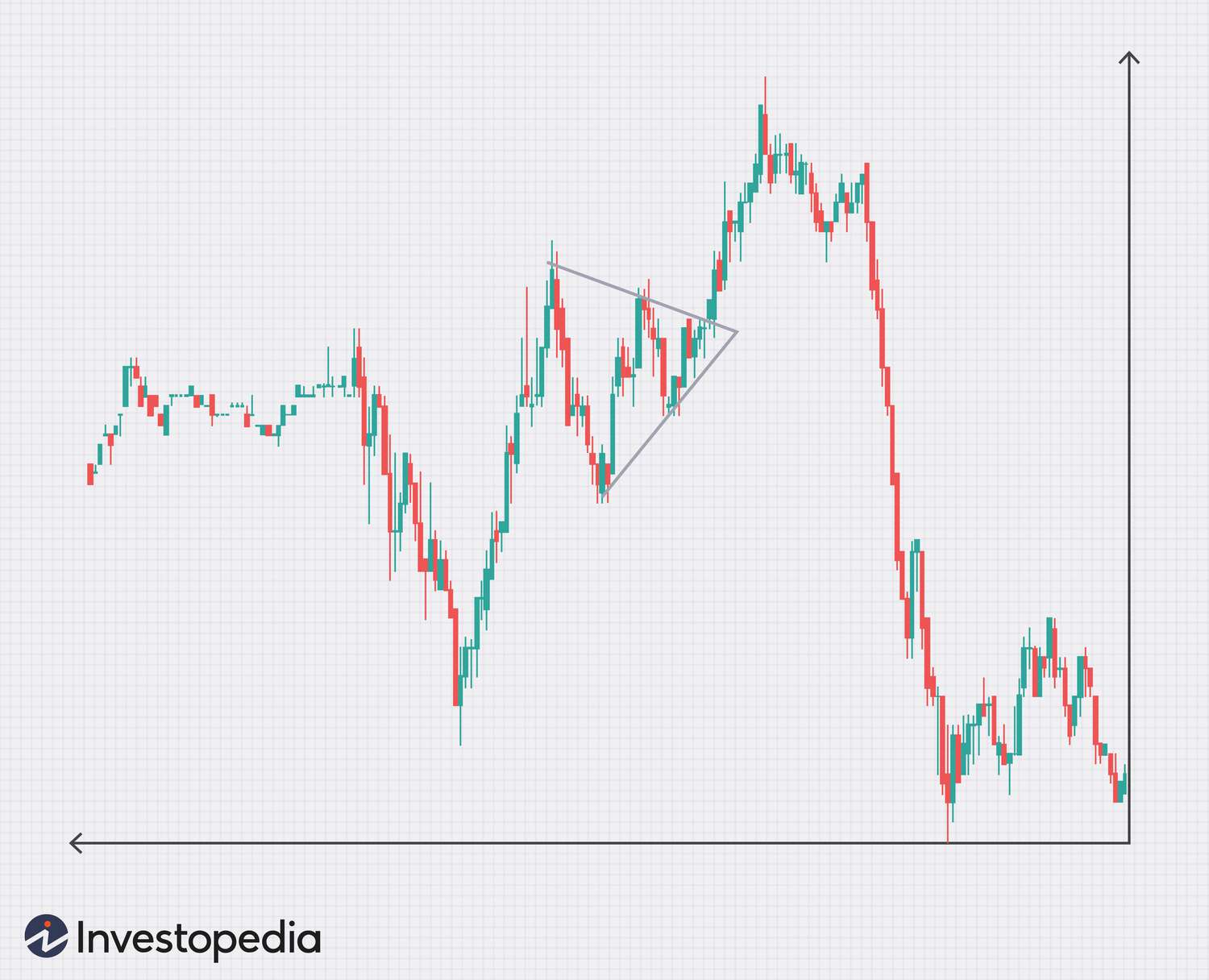
Stock Market Chart Patterns

The week’s events underscore a critical evolution in how different asset classes respond to economic data, revealing fault lines that could reshape investment strategies and risk management approaches for years to come. Understanding these dynamics isn’t just academic—it’s essential for anyone navigating the increasingly complex landscape where traditional finance and digital assets intersect.

The CPI Calm: When Good News Was Actually Good News

Tuesday, August 12th began with what markets had been eagerly anticipating: the July Consumer Price Index (CPI) report. In an environment where inflation data has become the primary driver of Federal Reserve policy and market sentiment, the numbers delivered exactly what investors wanted to hear [3].

The headline CPI rose 2.7% annually, coming in below the expected 2.8%, while the monthly increase of 0.2% met expectations precisely. More importantly, core CPI—which excludes volatile food and energy prices and is closely watched by Federal Reserve officials—increased 0.3% monthly and 3.1% annually, just slightly above the forecasted 3.0% [3]. These numbers represented a goldilocks scenario: inflation was cooling but not collapsing, providing the Federal Reserve with the flexibility to consider rate cuts without signaling economic distress.

The market reaction was swift and decisive. Stock market averages posted strong gains immediately following the release, while Treasury yields remained mixed as investors recalibrated their expectations for monetary policy [3]. The data reinforced growing confidence that the Federal Reserve would begin cutting interest rates at their September meeting, with traders ramping up bets on this outcome throughout the day.

What made this CPI report particularly significant was its treatment of tariff impacts. Despite widespread concerns that President Trump’s expanded tariff policies would drive inflation higher, the data showed only modest effects in tariff-sensitive categories. Household furnishings and supplies showed a 0.7% increase, but apparel prices rose just 0.1%, and core commodity prices increased only 0.2% [3]. This suggested that businesses were absorbing much of the tariff costs rather than immediately passing them through to consumers.

The benign inflation reading provided validation for the Federal Reserve’s patient approach to monetary policy. Fed officials had been expressing increasing concern about labor market weakness, and the CPI data gave them cover to shift focus from inflation fighting to economic support. Market-implied probabilities for a September rate cut jumped significantly, with traders also increasing bets on additional cuts later in the year.

For traditional equity markets, this represented an ideal scenario. Lower interest rates would reduce borrowing costs for corporations, potentially boosting earnings and making stocks more attractive relative to bonds. The technology-heavy Nasdaq was particularly responsive, as growth stocks tend to benefit disproportionately from lower discount rates applied to their future cash flows.

The PPI Shock: When Markets Chose Their Own Adventure

If Tuesday’s CPI report was a gentle breeze that lifted all boats, Thursday’s Producer Price Index (PPI) data was a hurricane that separated the wheat from the chaff. The numbers were nothing short of stunning in their deviation from expectations, and the divergent market reactions that followed would define the week’s narrative [4].

The PPI jumped 0.9% in July, compared to the Dow Jones estimate of just 0.2%—a massive miss that represented the biggest monthly increase since June 2022 [4]. Core PPI, excluding food and energy, rose 0.9% against forecasts of 0.3%, while the measure excluding food, energy, and trade services climbed 0.6%, the largest gain since March 2022 [4]. On an annual basis, headline PPI increased 3.3%, well above the Federal Reserve’s 2% inflation target and the biggest 12-month move since February.

The details behind these numbers were equally concerning. Services inflation provided much of the upward pressure, rising 1.1% for the largest gain since March 2022. Trade services margins climbed 2%, reflecting ongoing developments in tariff implementations. Machinery and equipment wholesaling surged 3.8%, while portfolio management fees jumped 5.4% and airline passenger services prices climbed 1% [4].

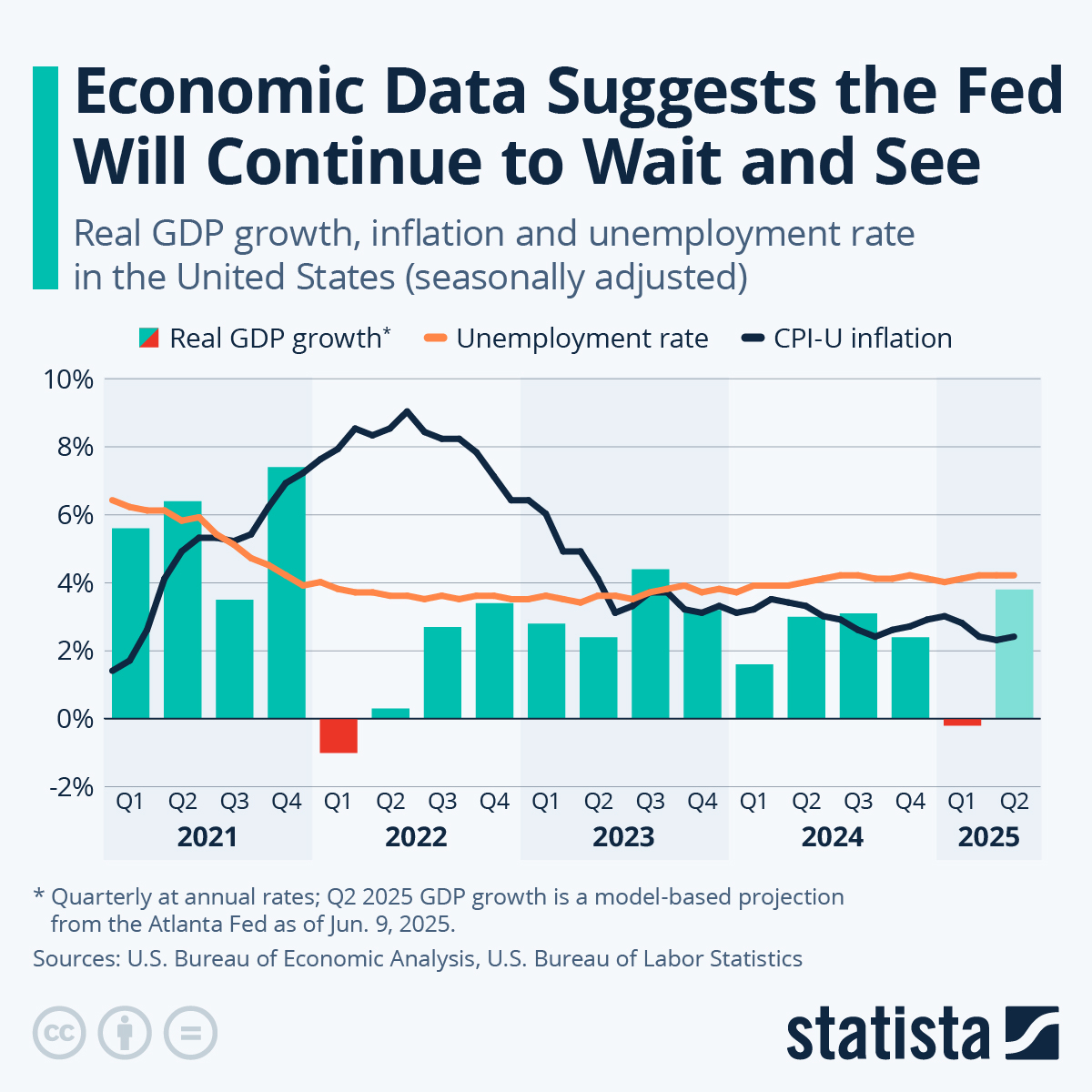
Economic Data Chart

This is where the story becomes fascinating from a market structure perspective. Traditional equity markets, which had celebrated the benign CPI data just two days earlier, largely shrugged off the PPI surprise. Stock market futures fell initially following the release, and shorter-duration Treasury yields moved higher, but the reaction was measured and contained [4]. The S&P 500 and Nasdaq continued their weekly gains, demonstrating remarkable resilience in the face of what should have been concerning inflationary data.

Cryptocurrency markets, however, told a completely different story. The PPI release triggered significant selling pressure across digital assets, with nearly $900 million in long positions liquidated as traders rushed for the exits [2]. The reaction was swift, brutal, and indiscriminate, affecting everything from Bitcoin to smaller altcoins. Funding rates, which had been falling generally across the crypto ecosystem, reflected the sudden shift in sentiment as leveraged positions were unwound.

This divergence reveals something profound about market structure and participant behavior. Traditional equity markets, dominated by institutional investors with longer time horizons and sophisticated risk management systems, were able to contextualize the PPI data within the broader economic picture. They recognized that producer prices often don’t translate directly to consumer prices, especially when businesses are absorbing costs to maintain market share.

Cryptocurrency markets, with their higher concentration of retail investors, algorithmic trading systems, and leveraged positions, reacted more viscerally to the inflation surprise. The 24/7 nature of crypto trading meant there was no circuit breaker, no closing bell to provide a pause for reflection. The result was a cascade of selling that fed on itself as stop-losses were triggered and margin calls forced additional liquidations.

Institutional Resilience vs. Retail Volatility

The contrasting reactions to the PPI data illuminate fundamental differences in market structure that extend far beyond simple asset class distinctions. Traditional equity markets have evolved over decades to incorporate sophisticated risk management systems, institutional oversight, and regulatory frameworks designed to prevent excessive volatility. When unexpected data emerges, there are mechanisms in place—both formal and informal—that encourage measured responses.

Institutional investors, who dominate traditional equity trading, typically operate with longer investment horizons and more comprehensive analytical frameworks. When the PPI data was released, these investors could quickly contextualize it within their existing economic models. They understood that producer price inflation doesn’t automatically translate to consumer price inflation, especially in an environment where businesses are facing competitive pressures and may choose to absorb costs rather than pass them through immediately.

The presence of professional risk managers, compliance departments, and fiduciary responsibilities also creates natural dampening effects on volatility. Institutional investors can’t simply panic-sell based on a single data point—they have processes, committees, and oversight mechanisms that encourage deliberate decision-making. This institutional infrastructure acts as a stabilizing force during periods of uncertainty.

Cryptocurrency markets, by contrast, operate in a fundamentally different ecosystem. While institutional participation has grown significantly over the past few years, the market structure remains heavily influenced by retail investors, algorithmic trading systems, and leveraged speculation. The absence of traditional market-making mechanisms and the 24/7 trading environment create conditions where volatility can amplify rapidly.

The role of leverage in cryptocurrency markets cannot be overstated. With many platforms offering 10x, 50x, or even 100x leverage, small price movements can trigger massive liquidation cascades. When the PPI data surprised to the upside, algorithmic systems programmed to respond to inflation concerns began selling, which triggered stop-losses and margin calls, which created additional selling pressure in a self-reinforcing cycle.

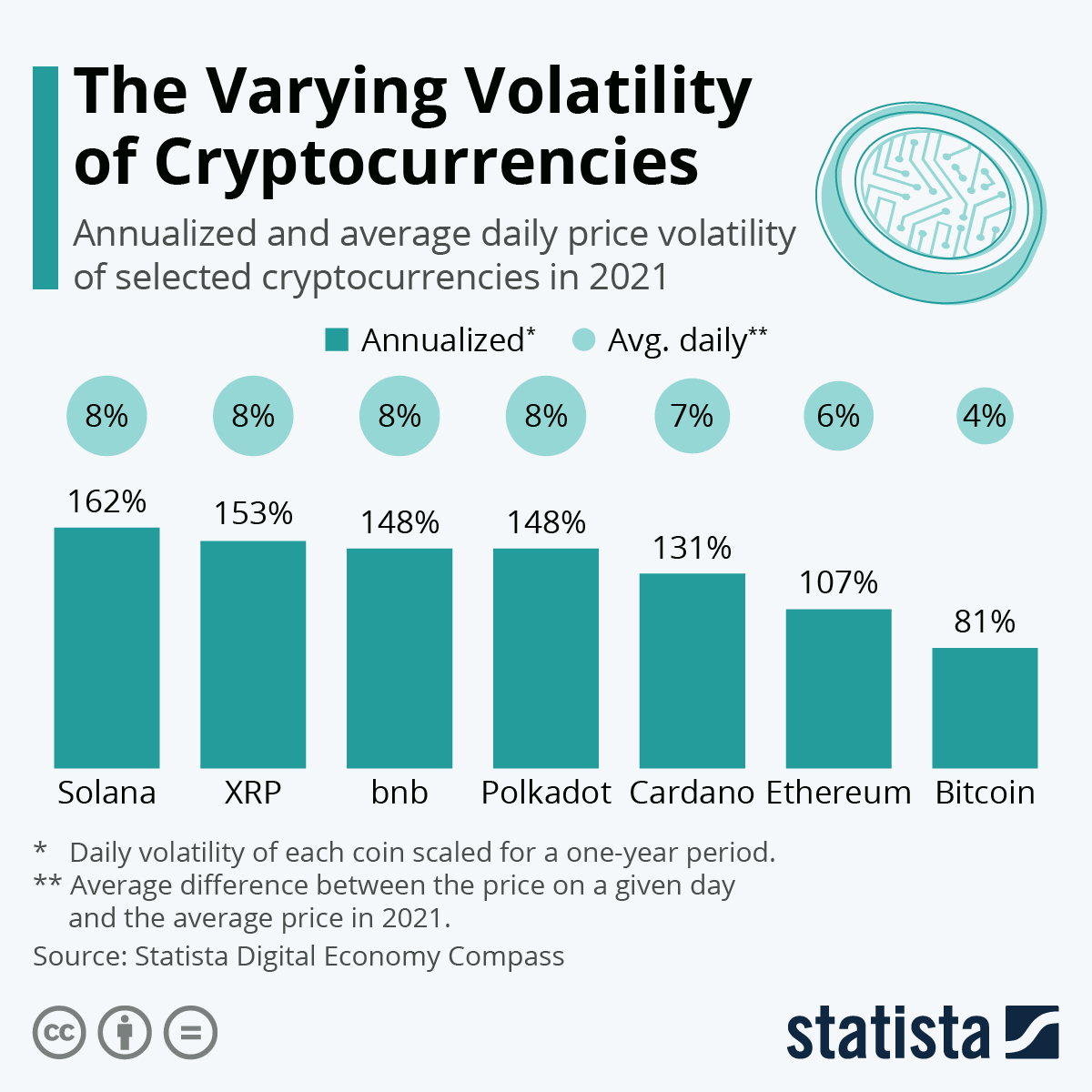
Cryptocurrency Volatility Chart

The psychological factors are equally important. Cryptocurrency investors, particularly retail participants, tend to be more sensitive to macroeconomic developments that could influence regulatory policy or institutional adoption. Inflation concerns raise the specter of more aggressive Federal Reserve action, which could reduce liquidity and risk appetite across all speculative assets. In a market where sentiment can shift rapidly, the PPI surprise was enough to trigger a broad reassessment of risk.

The Federal Reserve’s Delicate Balancing Act

The divergent market reactions to CPI and PPI data this week highlight the complex challenge facing Federal Reserve policymakers as they navigate between competing economic signals. The central bank finds itself in the unusual position of receiving mixed messages from different inflation measures, each telling a different story about underlying price pressures in the economy.

The benign CPI reading provided ammunition for Fed officials who have been advocating for rate cuts to support a weakening labor market. Consumer price inflation at 2.7% annually, while above the Fed’s 2% target, represents significant progress from the peaks reached in 2021 and 2022. The fact that core inflation came in only slightly above expectations, and that tariff impacts appeared contained, suggested that the disinflationary process remains intact.

However, the PPI surge complicates this narrative significantly. Producer prices are often considered a leading indicator of consumer price trends, as businesses eventually pass through higher input costs to customers. The 0.9% monthly jump in PPI, particularly the strength in services inflation, raises questions about whether the disinflationary trend is as durable as the CPI data suggests.

Fed officials now face the challenge of determining which measure provides a more accurate picture of underlying inflation dynamics. The divergence between CPI and PPI could reflect temporary factors—businesses absorbing tariff costs in the short term, seasonal adjustments, or measurement issues—or it could signal the beginning of a renewed inflationary cycle.

The market’s divergent reactions add another layer of complexity to the Fed’s decision-making process. Traditional equity markets are clearly pricing in rate cuts, with the expectation that the central bank will prioritize economic growth over inflation concerns. Cryptocurrency markets, however, are signaling greater concern about inflation persistence and the potential for more restrictive monetary policy.

This creates a communication challenge for Fed officials. Any signal that they’re taking the PPI data seriously could trigger broader market volatility, while dismissing producer price inflation could undermine their credibility if consumer prices begin accelerating later. The September Federal Open Market Committee meeting has become a critical inflection point where the Fed will need to balance these competing considerations.

Crypto’s Ethereum Outperformance: A Silver Lining in the Storm

While the broader cryptocurrency market struggled with the PPI-induced volatility, Ethereum’s remarkable 17.18% weekly gain stands out as a beacon of strength that deserves deeper analysis [2]. This outperformance occurred against a backdrop of significant market stress and provides important insights into the evolving dynamics within the cryptocurrency ecosystem.

Ethereum’s strength can be attributed to several converging factors that differentiate it from Bitcoin and other digital assets. The network’s transition to proof-of-stake consensus and the ongoing development of layer-2 scaling solutions have positioned it as the infrastructure backbone for decentralized finance (DeFi), non-fungible tokens (NFTs), and emerging Web3 applications. This utility-driven demand provides a different value proposition than Bitcoin’s store-of-value narrative.

The week’s news that BitMine Immersion Technologies, a leading Ethereum treasury company, filed for a $20 billion stock offering to accelerate their ETH purchases likely contributed to the positive sentiment [2]. This represents a significant institutional endorsement of Ethereum’s long-term prospects and demonstrates the growing trend of corporate treasury diversification into digital assets beyond Bitcoin.

Ethereum’s outperformance also reflects the network’s resilience during periods of market stress. While Bitcoin often trades more like a macro asset, correlating with traditional risk assets during periods of uncertainty, Ethereum’s price action is increasingly driven by network fundamentals and ecosystem development. The ongoing growth in DeFi total value locked, increasing transaction volumes, and expanding use cases provide fundamental support that can offset broader market concerns.

The technical infrastructure improvements continue to enhance Ethereum’s appeal to institutional investors. The successful implementation of EIP-1559, which introduced a fee-burning mechanism, has created deflationary pressure on ETH supply during periods of high network activity. Combined with the staking rewards available through proof-of-stake, Ethereum offers multiple sources of yield that are attractive in a low-interest-rate environment.

From a portfolio construction perspective, Ethereum’s outperformance during a week of crypto market stress demonstrates its potential role as a diversifier within digital asset allocations. While it remains correlated with broader crypto market movements, the magnitude and direction of its price action can differ significantly from Bitcoin and other cryptocurrencies, providing opportunities for active management and risk reduction.

The Liquidation Cascade: Anatomy of a Crypto Market Meltdown

The $900 million in long liquidations that occurred on Thursday represents one of the most significant single-day deleveraging events in recent cryptocurrency market history [2]. Understanding the mechanics of this cascade provides crucial insights into the structural vulnerabilities that continue to plague digital asset markets and the amplifying effects of excessive leverage.

The liquidation event began with the PPI data release at 8:30 AM Eastern Time on Thursday. Within minutes of the surprisingly high inflation reading, algorithmic trading systems began executing pre-programmed sell orders based on macroeconomic triggers. These initial sales created downward pressure on Bitcoin and other major cryptocurrencies, which in turn triggered the first wave of automated liquidations on leveraged positions.

Cryptocurrency derivatives markets, which have grown exponentially in recent years, played a central role in amplifying the selling pressure. Platforms offering perpetual futures contracts with high leverage ratios saw massive position closures as prices moved against highly leveraged long positions. The interconnected nature of these markets meant that liquidations on one platform quickly spread to others, creating a domino effect across the entire ecosystem.

The timing of the liquidations was particularly problematic from a market structure perspective. Thursday’s PPI release occurred during Asian trading hours for many cryptocurrency markets, when liquidity is typically lower than during U.S. or European sessions. This reduced liquidity environment meant that the same amount of selling pressure had a more pronounced impact on prices, accelerating the liquidation cascade.

Funding rates, which had been falling generally across the cryptocurrency ecosystem, provided an early warning signal of the stress building in the system [2]. As leveraged long positions accumulated throughout the week following the positive CPI data, funding rates began to normalize from previously negative levels. However, the rapid shift in sentiment following the PPI release caught many traders off-guard, particularly those who had increased their leverage based on the earlier positive inflation data.

The cascade also highlighted the role of cross-margining and portfolio-based risk management systems used by many cryptocurrency exchanges. When Bitcoin and Ethereum prices began falling rapidly, traders with diversified cryptocurrency portfolios found their entire positions at risk, not just their exposure to the specific assets that were declining. This forced additional selling across the entire cryptocurrency spectrum, including altcoins that had no direct relationship to the macroeconomic data that triggered the initial selling.

Traditional Markets: The Wisdom of Institutional Patience

The resilience demonstrated by traditional equity markets in the face of the PPI surprise offers valuable lessons about the benefits of institutional market structure and long-term investment approaches. While cryptocurrency markets were experiencing their liquidation cascade, the S&P 500 and Nasdaq continued their steady weekly gains, demonstrating a level of maturity and stability that comes from decades of institutional development.

Professional portfolio managers approached the PPI data with the context that comes from experience managing through multiple economic cycles. They understood that producer price inflation, while concerning, doesn’t automatically translate to consumer price inflation, especially in an environment where businesses are facing competitive pressures and may choose to absorb costs rather than pass them through immediately. This institutional knowledge prevented the kind of panic selling that characterized cryptocurrency markets.

The presence of sophisticated risk management systems also played a crucial role in maintaining stability. Institutional investors operate with position limits, diversification requirements, and oversight mechanisms that prevent excessive concentration in any single bet. When unexpected data emerges, these systems encourage measured responses rather than emotional reactions. Portfolio managers can’t simply liquidate entire positions based on a single data point—they have processes and procedures that encourage deliberate decision-making.

The longer investment horizons typical of institutional investors also contributed to market stability. While cryptocurrency traders often operate with daily or weekly time frames, institutional equity investors typically think in terms of quarters or years. From this perspective, a single month’s PPI reading, while noteworthy, doesn’t fundamentally alter long-term investment theses or require immediate portfolio adjustments.

Market-making mechanisms in traditional equity markets also provided crucial stability during the volatility. Designated market makers and high-frequency trading firms have obligations to provide liquidity even during periods of stress, which helps prevent the kind of air pockets that can develop in less mature markets. These mechanisms aren’t perfect, but they provide a foundation of liquidity that helps absorb selling pressure without causing excessive price dislocations.

The regulatory framework surrounding traditional equity markets also contributes to stability through transparency requirements, position reporting, and oversight mechanisms. While these regulations can sometimes be seen as burdensome, they create an environment where market participants have better information about underlying conditions and can make more informed decisions about risk management.

Looking Ahead: Implications for Multi-Asset Portfolios

The events of this week provide important insights for investors constructing portfolios that span both traditional and digital assets. The divergent reactions to the same economic data highlight the importance of understanding correlation dynamics and the potential for diversification benefits, even as they also reveal new sources of risk that require careful management.

For investors who maintain exposure to both traditional equities and cryptocurrencies, this week demonstrated both the benefits and challenges of such diversification. On one hand, the resilience of traditional markets provided a stabilizing influence during cryptocurrency volatility. Investors with balanced allocations would have experienced less overall portfolio volatility than those concentrated exclusively in digital assets.

However, the week also highlighted that correlations between asset classes can shift rapidly during periods of stress. While cryptocurrencies and traditional equities often move together during broad risk-on or risk-off periods, they can diverge significantly when reacting to specific types of economic data. This creates both opportunities and risks that require active monitoring and potentially dynamic allocation adjustments.

The role of leverage in amplifying volatility across different asset classes also deserves careful consideration. While traditional equity markets generally operate with lower leverage ratios, the availability of margin trading and derivatives means that excessive leverage can create similar cascade effects. The cryptocurrency market’s experience this week serves as a cautionary tale about the systemic risks that can emerge when leverage becomes too concentrated.

From a risk management perspective, the week’s events underscore the importance of position sizing and diversification across different types of assets and investment strategies. Investors who had concentrated their cryptocurrency exposure in highly leveraged positions experienced disproportionate losses, while those who maintained more conservative position sizes were better able to weather the volatility.

The different time horizons and market structures that characterize traditional and digital asset markets also suggest the need for different approaches to portfolio management. Strategies that work well in traditional equity markets may not be appropriate for cryptocurrency investments, and vice versa. This requires investors to develop expertise across multiple asset classes and investment approaches.

The Broader Economic Context: Inflation, Policy, and Market Evolution

This week’s market divergence occurred against the backdrop of broader economic and policy developments that continue to shape the investment landscape. The mixed signals from CPI and PPI data reflect the complex inflationary dynamics that policymakers and investors are grappling with as the economy navigates the aftermath of pandemic-era fiscal and monetary stimulus.

The tariff policies implemented by the Trump administration add another layer of complexity to inflation dynamics. While the CPI data suggested that tariff impacts have been relatively contained so far, the PPI surge raises questions about whether businesses will be able to continue absorbing these costs indefinitely. The divergence between consumer and producer prices may represent a temporary phenomenon that eventually resolves through higher consumer prices, lower business margins, or some combination of both.

Federal Reserve policy remains the crucial variable that will determine how these inflationary pressures ultimately resolve. The central bank’s September meeting has taken on heightened importance as officials weigh the competing signals from different inflation measures. The market’s divergent reactions to CPI and PPI data provide additional complexity, as Fed officials must consider not just the economic data but also the financial stability implications of their policy decisions.

The international context also matters significantly for both traditional and digital asset markets. Central banks around the world are grappling with similar inflation challenges, and policy coordination—or the lack thereof—can have significant implications for capital flows and currency dynamics. Cryptocurrency markets, in particular, are sensitive to regulatory developments in major jurisdictions, which can create additional sources of volatility beyond purely economic factors.

The ongoing evolution of market structure in both traditional and digital asset markets continues to create new dynamics that investors must navigate. The growth of algorithmic trading, the expansion of derivatives markets, and the increasing interconnectedness of global financial systems all contribute to the complexity of modern portfolio management.

Conclusion: Navigating the New Reality of Multi-Asset Investing

This week’s divergent market reactions to CPI and PPI data provide a compelling case study in the evolving dynamics of modern financial markets. The resilience of traditional equities in the face of concerning producer price inflation, contrasted with the violent reaction in cryptocurrency markets, highlights fundamental differences in market structure, participant behavior, and risk management approaches that investors ignore at their peril.

The $900 million liquidation cascade in cryptocurrency markets serves as a stark reminder of the amplifying effects of excessive leverage and the importance of understanding the structural vulnerabilities that exist in less mature markets [2]. While Ethereum’s 17.18% weekly gain demonstrates that opportunities exist even during periods of broader market stress, the overall cryptocurrency market’s reaction to the PPI surprise underscores the continued importance of careful risk management and position sizing.

For traditional equity investors, the week provided validation of the benefits that come from institutional market structure and long-term investment approaches. The S&P 500’s 1.78% gain and the Nasdaq’s 1.60% advance occurred despite economic data that could have justified significant concern about inflation persistence [1]. This resilience reflects the maturity and stability that comes from decades of institutional development and regulatory oversight.

The Federal Reserve faces an increasingly complex challenge as it navigates between competing economic signals and divergent market reactions. The September FOMC meeting will provide crucial insights into how policymakers weigh the benign CPI data against the concerning PPI surge, and how they factor in the different messages being sent by traditional and digital asset markets.

Looking ahead, investors must prepare for a world where correlation dynamics can shift rapidly and where different asset classes may react very differently to the same economic developments. The events of this week demonstrate both the potential benefits of diversification across traditional and digital assets, as well as the new sources of risk that such diversification can create.

The key to successful navigation of this environment lies in understanding the fundamental differences between asset classes, maintaining appropriate position sizes and leverage levels, and developing the expertise necessary to manage across multiple types of markets and investment strategies. As the lines between traditional finance and digital assets continue to blur, the ability to understand and manage these dynamics will become increasingly important for investment success.

The great divergence of this week may be just the beginning of a new era in which traditional and digital asset markets increasingly march to the beat of different drummers. Investors who can understand and adapt to these evolving dynamics will be best positioned to capitalize on the opportunities while managing the risks that this new reality presents.


References

[1] User-provided market data for week ending August 15, 2025

[2] User-provided cryptocurrency market data and liquidation information

[3] CNBC. “CPI inflation report July 2025.” CNBC Economy, August 12, 2025. https://www.cnbc.com/2025/08/12/cpi-inflation-report-july-2025.html

[4] CNBC. “PPI inflation report July 2025: Wholesale prices rose 0.9% in July, much more than expected.” CNBC Economy, August 14, 2025. https://www.cnbc.com/2025/08/14/ppi-inflation-report-july-2025-.html

Bitcoin Needs to Be Used—Not Just HODLed: Why Utility Matters More Than Speculation

By everythingcryptoitclouds.com

Published: July 21, 2025

Reading time: 12 minutes

Introduction

In the world of cryptocurrency, few phrases have become as iconic—or as problematic—as “HODL.” Originally a typo for “hold” that emerged from a Bitcoin forum post in 2013, HODL has evolved into a rallying cry for Bitcoin enthusiasts who advocate for buying and holding the digital currency indefinitely [1]. The philosophy is simple: buy Bitcoin, store it securely, and never sell, regardless of market volatility. While this strategy has created substantial wealth for early adopters and helped establish Bitcoin’s reputation as “digital gold,” it has also created an unintended consequence that threatens Bitcoin’s fundamental purpose and long-term success.

The uncomfortable truth that the Bitcoin community must confront is this: the very culture that helped Bitcoin survive its early years may now be preventing it from achieving its ultimate potential. Recent data reveals a stark reality—barely 2% of Americans and Australians use Bitcoin for its intended purpose: to buy things [2]. Instead, Bitcoin has become primarily a speculative asset, with 52% of British crypto holders admitting they own it as a “fun investment”—essentially a euphemism for gambling [3].

This transformation from revolutionary payment system to speculative commodity represents more than just a shift in use cases; it represents a fundamental betrayal of Bitcoin’s original vision. When Satoshi Nakamoto published the Bitcoin whitepaper in 2008, the opening sentence was crystal clear: “A purely peer-to-peer version of electronic cash would allow online payments to be sent directly from one party to another without going through a financial institution” [4]. The emphasis was on payments, on utility, on creating a new form of money—not on creating a new asset class for speculation.

The HODL culture, while well-intentioned, has created a self-defeating paradox. By treating Bitcoin primarily as an investment vehicle rather than a currency, the community has inadvertently undermined the very network effects that could drive Bitcoin’s mass adoption and long-term value. This article explores why Bitcoin’s future depends not on more people holding it, but on more people using it—and why the transition from speculation to utility is not just beneficial, but essential for Bitcoin’s survival and success in an increasingly competitive digital currency landscape.

The Current State: Bitcoin as Speculation, Not Currency

The Numbers Don’t Lie

The data on Bitcoin usage paints a sobering picture of how far the cryptocurrency has drifted from its original purpose. According to comprehensive surveys conducted by central banks across multiple developed nations, Bitcoin’s adoption as a payment method remains virtually nonexistent. The Reserve Bank of Australia’s 2023 survey of 1,000 adults found that cryptocurrency is “making almost no impression as a payments instrument, being used by no more than 2% of adults” [5]. This finding is consistent with data from the US Federal Reserve, which reported identical usage rates of just 2% for cryptocurrency payments among American adults [6].

Perhaps even more telling is the comparison with other payment innovations. While Bitcoin struggles to achieve even minimal adoption after more than a decade of existence, newer payment technologies have rapidly gained traction. “Buy now, pay later” services and digital payment platforms like PayID are being used by approximately one-third of consumers in these same markets [7]. This stark contrast highlights that the problem isn’t consumer resistance to new payment technologies—it’s something specific to Bitcoin’s current implementation and culture.

The situation becomes even more concerning when examining countries that have attempted to mandate Bitcoin adoption. El Salvador, which made Bitcoin legal tender in 2021, provides a real-world case study of Bitcoin’s practical limitations. Despite legal requirements for businesses to accept Bitcoin, only 20% of firms actually do so, and a mere 5% of sales are conducted in Bitcoin [8]. The Central African Republic, which briefly adopted Bitcoin as legal tender, has already revoked this status, citing practical implementation challenges [9].

The Volatility Problem

One of the primary reasons Bitcoin fails as a practical currency is its extreme price volatility. The Bank for International Settlements’ analysis of major cryptocurrencies shows that Bitcoin’s 90-day rolling standard deviation of daily returns far exceeds that of traditional currencies like the Euro or Japanese Yen [10]. This volatility creates practical impossibilities for merchants and consumers alike.

Consider the operational nightmare this creates for businesses. A coffee shop that prices a latte at 0.0001 Bitcoin in the morning might find that same amount worth significantly more or less by afternoon. The constant need to adjust prices makes Bitcoin impractical for the vast majority of commercial transactions. This isn’t a theoretical problem—it’s a daily reality that prevents meaningful adoption.

The volatility issue extends beyond mere inconvenience. It fundamentally undermines Bitcoin’s utility as a unit of account, one of the three essential functions of money alongside medium of exchange and store of value. Without price stability, Bitcoin cannot serve as a reliable measure of value, making it unsuitable for contracts, accounting, or any economic activity that requires predictable pricing over time.

The Speculation Trap

The transformation of Bitcoin from currency to speculative asset has created what economists call a “speculation trap.” When an asset’s primary value proposition becomes its potential for price appreciation rather than its utility, it creates a self-reinforcing cycle that actually reduces its practical usefulness. This phenomenon is clearly visible in Bitcoin’s current market dynamics.

Research from the Bank for International Settlements found that the majority of Bitcoin buyers globally between August 2015 and December 2022 have made losses [11]. This finding contradicts the popular narrative of Bitcoin as a reliable store of value and highlights the gambling-like nature of much Bitcoin investment. The cryptocurrency market’s peak valuation of $3 trillion in November 2021 has since collapsed to approximately $1 trillion, with Bitcoin’s price following a similar trajectory from highs of $60,000 in 2021 to current levels around $30,000 [12].

The speculative nature of Bitcoin investment is perhaps most clearly illustrated by survey data from the United Kingdom. Government research published in 2022 found that 52% of British crypto holders owned it as a “fun investment”—a phrase that barely conceals its gambling-like nature. An additional 8% explicitly acknowledged using cryptocurrency for gambling purposes [13]. These findings suggest that for the majority of Bitcoin holders, the cryptocurrency serves as entertainment rather than a serious financial tool.

This speculation-driven approach has created a fundamental disconnect between Bitcoin’s market valuation and its practical utility. The UK Parliament’s Treasury Committee has recommended regulating cryptocurrency as a form of gambling rather than as a financial product, arguing that treating “unbacked crypto assets as a financial service will create a ‘halo’ effect that leads consumers to believe that this activity is safer than it is” [14]. This regulatory perspective reflects growing recognition that Bitcoin’s current use case bears more resemblance to casino gambling than to monetary innovation.

The Network Effects Imperative: Why Usage Drives Value

Understanding Network Effects in Currency

Network effects represent one of the most powerful economic phenomena in the digital age, and they are particularly crucial for understanding Bitcoin’s potential trajectory. A network effect occurs when the value of a product or service increases as more people use it [15]. For currencies, this principle is especially important because money’s primary function is to facilitate exchange between parties—a function that becomes more valuable as more people accept and use the currency.

The concept is intuitive when applied to communication technologies. A telephone network with only two users has limited value, but as more people join the network, each additional user makes the system exponentially more valuable for everyone. The same principle applies to currencies, but with an important distinction: currencies require active usage, not just ownership, to generate network effects.

Bitcoin’s network effects operate on multiple levels. At the most basic level, each additional person who accepts Bitcoin as payment makes it more valuable for everyone who wants to spend Bitcoin. This creates a positive feedback loop where increased acceptance drives increased utility, which in turn drives increased adoption. However, this virtuous cycle only functions when Bitcoin is actually being used for transactions, not when it’s simply being held as an investment.

The Lock-in Effect of Established Currencies

Bitcoin faces a significant challenge in overcoming what economists call the “lock-in effect” of established currencies. Existing monetary systems benefit from massive network effects built up over decades or centuries of use. The US dollar, for example, enjoys network effects from its use in international trade, its role as a reserve currency, and its acceptance by billions of people worldwide [16].

This lock-in effect creates a chicken-and-egg problem for Bitcoin adoption. Merchants are reluctant to accept Bitcoin because few customers want to spend it, while customers are reluctant to acquire Bitcoin for spending because few merchants accept it. Breaking this cycle requires a critical mass of both merchants and consumers to simultaneously embrace Bitcoin as a medium of exchange.

The challenge is compounded by the fact that network effects favor the incumbent. As River Financial’s analysis notes, “currencies that are well-established with large user bases have strong lock-in effects, incentivizing people to continue using them” [17]. This means Bitcoin must not only match the utility of existing currencies but significantly exceed it to justify the switching costs and network effects disadvantage.

The HODL Paradox

The HODL culture, while successful in creating price appreciation and attracting investment, has inadvertently undermined Bitcoin’s ability to build the network effects necessary for long-term success. When Bitcoin holders refuse to spend their cryptocurrency, they prevent the development of the merchant ecosystem and consumer habits that would drive genuine adoption.

This creates what we might call the “HODL Paradox”: the very behavior that has driven Bitcoin’s price appreciation in the short term may be preventing the utility-driven adoption that would ensure its long-term success. By treating Bitcoin as a collectible rather than a currency, HODLers are essentially betting that Bitcoin can maintain its value without fulfilling its intended function—a proposition that becomes increasingly tenuous as competition in the digital currency space intensifies.

The paradox becomes even more pronounced when considering Bitcoin’s finite supply. While the 21 million coin limit is often cited as a source of value, it only matters if Bitcoin maintains its relevance as a monetary technology. A finite supply of an obsolete technology is worthless, as anyone who owns a collection of Betamax tapes can attest. Bitcoin’s scarcity only creates value if Bitcoin itself remains valuable, which requires ongoing utility and adoption.

Network Effects in Action: The Lightning Network Case Study

The Lightning Network provides an illuminating case study of how usage drives network effects in Bitcoin’s ecosystem. As a second-layer payment protocol built on top of Bitcoin, the Lightning Network enables faster and cheaper transactions, making Bitcoin more practical for everyday use [18].

Recent data shows encouraging growth in Lightning Network adoption, with the share of Bitcoin payments made via Lightning increasing from 5.98% in 2022 to 14.51% in 2024 [19]. The network’s capacity has grown to over 5,000 BTC, representing approximately $475-509 million at current prices—a 384% increase since 2020 [20]. This growth demonstrates that when Bitcoin becomes more practical to use, adoption follows.

However, the Lightning Network’s growth also highlights the limitations of the current HODL-dominated culture. Despite significant technical improvements and growing infrastructure, Lightning Network usage remains a small fraction of overall Bitcoin activity. The network processes approximately 8 million monthly transactions, a substantial number but still dwarfed by traditional payment networks [21].

The Lightning Network’s trajectory suggests that Bitcoin’s future depends on continued improvements in usability and a cultural shift toward spending rather than hoarding. As more merchants integrate Lightning payments and more consumers become comfortable with the technology, the network effects could accelerate Bitcoin’s adoption as a practical currency. However, this requires overcoming the cultural resistance to spending Bitcoin that has become entrenched in the HODL mentality.

The HODL Culture: Well-Intentioned but Counterproductive

The Origins and Evolution of HODL

The HODL phenomenon began innocuously enough. In December 2013, a Bitcoin forum user named GameKyuubi posted a drunken rant titled “I AM HODLING,” misspelling “holding” in what would become one of cryptocurrency’s most enduring memes [22]. The post, written during a period of significant Bitcoin price volatility, expressed frustration with trying to time the market and advocated for simply holding Bitcoin regardless of short-term price movements.

What started as a personal investment strategy quickly evolved into a cultural movement and, eventually, a quasi-religious doctrine within the Bitcoin community. HODL became an acronym for “Hold On for Dear Life,” transforming from a simple investment approach into an identity and belief system. The culture promotes virtues of patience, delayed gratification, and resistance to emotional trading—all admirable qualities that have helped many investors avoid costly mistakes.

However, the HODL culture has also fostered some problematic attitudes and behaviors that work against Bitcoin’s long-term interests. The movement has developed an almost cult-like devotion to never selling Bitcoin under any circumstances, with community members often shaming those who spend or sell their holdings. This cultural pressure has created an environment where using Bitcoin for its intended purpose—making payments—is seen as betraying the cause.

The Psychological Appeal of HODL

Understanding why HODL culture has become so dominant requires examining its psychological appeal. For many Bitcoin holders, HODLing provides a sense of control and purpose in an otherwise chaotic and unpredictable market. The strategy offers a simple, easy-to-follow rule that removes the stress and complexity of active trading while providing a sense of moral superiority over “weak hands” who sell during downturns.

The HODL mentality also taps into powerful psychological biases, particularly loss aversion and the endowment effect. Once people own Bitcoin, they tend to overvalue it and become reluctant to part with it, even for purchases they would otherwise make. This psychological attachment is reinforced by the community’s emphasis on Bitcoin’s scarcity and potential for future appreciation.

Research into Bitcoin holder behavior reveals that HODLing often reflects a strategy to avoid emotional trading decisions. Many investors lose money through panic selling during price dips, and HODL culture encourages people to resist these impulses [23]. From this perspective, HODL serves as a useful psychological framework for managing investment emotions and maintaining long-term perspective.

However, the same psychological mechanisms that make HODL effective as an investment strategy also make it problematic as a monetary philosophy. When Bitcoin holders become emotionally attached to their holdings and view spending as a loss rather than an exchange, they undermine Bitcoin’s utility as a currency. This emotional attachment transforms Bitcoin from a tool into a totem, reducing its practical value while inflating its symbolic importance.

The Economic Consequences of Excessive HODLing

While some level of saving and holding is natural and healthy in any monetary system, the extreme HODLing culture that has developed around Bitcoin creates several economic problems that hinder its development as a currency. The most immediate issue is the reduction in transaction volume and merchant adoption that results from widespread reluctance to spend Bitcoin.

When Bitcoin holders refuse to make purchases with their cryptocurrency, merchants have little incentive to accept it as payment. This creates a vicious cycle where low merchant adoption justifies low consumer spending, which in turn justifies continued low merchant adoption. Breaking this cycle requires a critical mass of Bitcoin users willing to actually use their holdings for transactions, something that HODL culture actively discourages.

The economic literature on money and payments suggests that currencies need a certain level of “velocity”—the rate at which money changes hands—to function effectively. When money velocity is too low, it indicates that the currency is not fulfilling its primary function as a medium of exchange. Bitcoin’s current velocity is extremely low compared to traditional currencies, reflecting its use primarily as a speculative asset rather than a functional currency [24].

Furthermore, excessive HODLing can create deflationary pressures that actually harm Bitcoin’s utility as a currency. When people expect a currency to appreciate significantly over time, they have strong incentives to delay purchases, leading to reduced economic activity. This deflationary spiral can make Bitcoin less attractive for merchants and consumers alike, as the expectation of future price increases makes current transactions seem economically irrational.

The Social and Cultural Problems

Beyond the economic issues, HODL culture has fostered some troubling social dynamics within the Bitcoin community. The movement often exhibits characteristics of financial tribalism, with HODLers viewing themselves as enlightened early adopters while dismissing critics as ignorant or malicious. This attitude creates an echo chamber that discourages critical thinking and constructive criticism.

The culture has also developed an unfortunate classist undertone, exemplified by the popular meme “Have fun staying poor” directed at Bitcoin skeptics [25]. This attitude reflects a belief that Bitcoin ownership is a marker of intelligence and financial sophistication, while non-ownership indicates ignorance or poverty. Such attitudes are not only morally problematic but also counterproductive for Bitcoin adoption, as they alienate potential users and reinforce perceptions of Bitcoin as an elitist phenomenon.

The HODL culture’s emphasis on never selling has also created unrealistic expectations about Bitcoin’s price trajectory. Many HODLers seem to believe that Bitcoin’s price will continue rising indefinitely without any need for underlying utility or adoption. This magical thinking ignores basic economic principles and sets up the community for disappointment when reality fails to match expectations.

Perhaps most problematically, the HODL culture has created a disconnect between Bitcoin’s stated goals and its actual use. While Bitcoin was designed to be a peer-to-peer electronic cash system, HODL culture treats it as a digital collectible or store of value. This fundamental misalignment between purpose and practice undermines Bitcoin’s credibility and makes it vulnerable to competition from cryptocurrencies that prioritize utility over speculation.

The Case for Bitcoin Usage: Building a Circular Economy

What a Healthy Bitcoin Economy Looks Like

A truly successful Bitcoin ecosystem would be characterized by robust circular economy where Bitcoin flows freely between users, merchants, and service providers. In this vision, people earn Bitcoin through work or business, spend it on goods and services, and merchants in turn use their Bitcoin revenue to pay suppliers, employees, and other expenses. This creates a self-sustaining economic cycle that reduces dependence on traditional financial systems and maximizes Bitcoin’s utility.

The circular economy model has been successfully demonstrated in smaller communities and specific use cases. El Salvador’s Bitcoin Beach project, despite the country’s broader struggles with Bitcoin adoption, showed how a local circular economy could function. In the beach town of El Zonte, residents began earning, spending, and saving in Bitcoin, creating a localized ecosystem where the cryptocurrency served its intended function as a medium of exchange [26].

Similarly, certain online communities and businesses have created Bitcoin-native economies where participants primarily transact in Bitcoin. These examples demonstrate that when Bitcoin is used as intended, it can provide significant benefits including reduced transaction costs, increased financial privacy, faster settlement times, and independence from traditional banking infrastructure.

A healthy Bitcoin economy would also feature price stability mechanisms that make the currency more practical for everyday use. While Bitcoin’s volatility is often cited as a fundamental barrier to adoption, this volatility is largely a function of its current speculative nature. As Bitcoin’s use as a currency increases and its speculative premium decreases, price stability should naturally improve, creating a positive feedback loop that encourages further adoption.

The Benefits of Spending Bitcoin

Contrary to HODL orthodoxy, spending Bitcoin provides numerous benefits both for individual users and the broader Bitcoin ecosystem. For users, spending Bitcoin offers practical advantages including enhanced privacy, reduced reliance on traditional financial institutions, and access to global markets without currency conversion fees. These benefits become more pronounced as merchant adoption increases and Bitcoin payment infrastructure improves.

From a privacy perspective, Bitcoin transactions offer significant advantages over traditional payment methods. While Bitcoin transactions are recorded on a public blockchain, they don’t inherently contain personal information like credit card transactions do. For users concerned about financial surveillance or data breaches, Bitcoin payments can provide enhanced privacy protection, especially when combined with proper privacy practices.

Bitcoin payments also offer superior settlement characteristics compared to traditional payment methods. While credit card transactions can take days to settle and can be reversed through chargebacks, Bitcoin transactions are typically final within an hour and irreversible once confirmed. This provides certainty for merchants and can reduce transaction costs by eliminating chargeback risks and processing delays.

For international transactions, Bitcoin offers particularly compelling advantages. Traditional international wire transfers can take days to complete and involve multiple intermediaries, each taking fees and adding delays. Bitcoin transactions, especially those using the Lightning Network, can settle internationally in minutes with minimal fees, making them ideal for cross-border commerce and remittances.

Network Effects and Merchant Adoption

Every Bitcoin transaction contributes to the network effects that drive broader adoption. When consumers spend Bitcoin, they demonstrate demand for Bitcoin payment options, encouraging more merchants to accept the cryptocurrency. When merchants accept Bitcoin, they make it more useful for consumers, encouraging more people to acquire and use Bitcoin. This virtuous cycle is essential for Bitcoin’s long-term success but can only function when people actually use Bitcoin for transactions.

The importance of merchant adoption cannot be overstated. Merchants serve as crucial bridges between the Bitcoin ecosystem and the broader economy, converting Bitcoin’s theoretical utility into practical value. However, merchants will only invest in Bitcoin payment infrastructure if they see genuine consumer demand. This creates a coordination problem that can only be solved through increased Bitcoin spending.

Recent data suggests that merchant adoption is beginning to accelerate in certain sectors. The restaurant industry, for example, has seen growing cryptocurrency adoption, with major franchisors like FAT Brands accepting Bitcoin for royalty payments [27]. Payment processors report that cryptocurrency payment adoption is set to surge 82.1% over two years, driven by crypto-friendly regulatory changes and payment provider expansion [28].

However, this growth remains limited by the HODL culture’s influence on consumer behavior. Even as payment infrastructure improves and merchant adoption increases, many Bitcoin holders remain reluctant to spend their cryptocurrency. This reluctance limits the network effects that could drive broader adoption and keeps Bitcoin trapped in its current speculative phase.

The Lightning Network: Bitcoin’s Payment Future

The Lightning Network represents Bitcoin’s most promising path toward practical utility as a payment system. By enabling instant, low-cost transactions, Lightning addresses many of the technical barriers that have prevented Bitcoin from functioning as an everyday currency. The network’s growth demonstrates that when Bitcoin becomes more practical to use, adoption follows.

Lightning Network statistics show encouraging trends in both capacity and usage. The network now reaches over 650 million users through integrations with mainstream products, and public Lightning capacity has surpassed 5,000 BTC, representing nearly half a billion dollars in value [29]. Transaction volume has grown by over 266% year-over-year, indicating increasing real-world usage [30].

The Lightning Network’s success also demonstrates the importance of infrastructure development in driving Bitcoin adoption. As payment processing becomes faster and cheaper, more merchants are willing to accept Bitcoin, and more consumers are willing to spend it. This creates the positive feedback loops necessary for sustainable growth in Bitcoin’s utility.

However, Lightning Network adoption also highlights the cultural barriers to Bitcoin usage. Despite significant technical improvements and growing infrastructure, Lightning transactions still represent a small fraction of overall Bitcoin activity. This suggests that technical solutions alone are insufficient—cultural change is also necessary to realize Bitcoin’s potential as a currency.

The Lightning Network’s trajectory provides a roadmap for Bitcoin’s future development. As the technology continues to improve and more applications are built on top of it, Bitcoin could become increasingly practical for everyday transactions. However, realizing this potential requires a cultural shift away from pure HODLing toward a more balanced approach that includes both saving and spending Bitcoin.

Toward a Balanced Approach: Practical Recommendations

Redefining Bitcoin Strategy

The path forward for Bitcoin requires a fundamental reframing of how the community thinks about the cryptocurrency’s purpose and optimal use. Rather than viewing Bitcoin exclusively as an investment vehicle to be hoarded indefinitely, the community should embrace a more nuanced approach that recognizes Bitcoin’s dual nature as both a store of value and a medium of exchange. This balanced perspective acknowledges that Bitcoin’s long-term value depends on its utility, not just its scarcity.

A balanced Bitcoin strategy might involve allocating holdings across different use cases. For example, individuals might designate a portion of their Bitcoin holdings for long-term savings while maintaining a separate allocation for regular transactions and purchases. This approach allows people to benefit from Bitcoin’s potential appreciation while also contributing to the network effects that drive adoption and utility.

The concept of “Bitcoin budgeting” could help normalize spending while maintaining investment discipline. Just as people budget portions of their traditional income for different purposes—savings, investments, and expenses—Bitcoin holders could adopt similar frameworks for their cryptocurrency holdings. This approach would help overcome the psychological barriers that make spending Bitcoin feel like a loss rather than an exchange.

Educational initiatives could play a crucial role in promoting this balanced approach. The Bitcoin community has invested heavily in educating people about Bitcoin’s technical properties and investment potential, but relatively little effort has been devoted to teaching practical usage skills. Comprehensive education programs that cover both investment strategies and practical usage could help create a more balanced Bitcoin culture.

Encouraging Merchant Adoption

Accelerating merchant adoption requires coordinated efforts from multiple stakeholders in the Bitcoin ecosystem. Payment processors, wallet providers, and point-of-sale system manufacturers all have roles to play in making Bitcoin payments more accessible and user-friendly. However, the most important factor in driving merchant adoption is demonstrable consumer demand, which can only come from Bitcoin holders willing to spend their cryptocurrency.

Bitcoin holders can contribute to merchant adoption by actively seeking out businesses that accept Bitcoin and making purchases when possible. This creates positive feedback loops where merchants see real revenue from Bitcoin payments, encouraging them to maintain and expand their cryptocurrency payment options. Even small purchases can have significant impact by demonstrating that Bitcoin payments represent real business opportunities rather than just marketing gimmicks.

The restaurant and retail sectors have shown particular promise for Bitcoin adoption, with several major chains beginning to accept cryptocurrency payments. Supporting these early adopters through actual purchases helps validate their decision to accept Bitcoin and encourages other businesses to follow suit. This grassroots approach to driving adoption can be more effective than top-down initiatives because it demonstrates genuine market demand.

Local Bitcoin meetups and community groups can also play important roles in encouraging merchant adoption. By organizing group purchases at Bitcoin-accepting businesses or coordinating with local merchants to add Bitcoin payment options, these communities can create localized circular economies that demonstrate Bitcoin’s practical value. These efforts help build the foundation for broader adoption while creating positive experiences for both merchants and consumers.

Overcoming Psychological Barriers

The psychological barriers to spending Bitcoin are real and significant, but they can be overcome through education, practice, and community support. One of the most effective approaches is to start small, making minor purchases with Bitcoin to become comfortable with the process and overcome the emotional attachment to holdings. This gradual approach helps normalize Bitcoin spending while minimizing the psychological impact of “losing” Bitcoin.

Reframing Bitcoin transactions as exchanges rather than losses can help overcome the endowment effect that makes spending feel painful. When people view Bitcoin payments as trading one form of value for another—rather than giving up a scarce asset—the psychological barriers become more manageable. This reframing is particularly important for helping people understand that spending Bitcoin doesn’t necessarily mean missing out on future appreciation.

The concept of “Bitcoin velocity” can help people understand why spending is beneficial for the ecosystem. Just as blood circulation is essential for bodily health, Bitcoin circulation is essential for the cryptocurrency’s economic health. When Bitcoin holders understand that their spending contributes to network effects and long-term value creation, they may become more willing to use their holdings for transactions.

Community support and social proof can also help overcome psychological barriers. When Bitcoin holders see respected community members spending Bitcoin and advocating for practical usage, it helps normalize this behavior and reduces the social pressure to HODL exclusively. Creating positive social reinforcement for Bitcoin spending can help counteract the current cultural bias against using Bitcoin for transactions.

Building Infrastructure and Tools

The technical infrastructure for Bitcoin payments has improved dramatically in recent years, but continued development is essential for mainstream adoption. User experience improvements, particularly around mobile payments and point-of-sale integration, can make Bitcoin transactions more convenient and accessible for both merchants and consumers. The easier it becomes to spend Bitcoin, the more likely people are to do so.

Wallet developers have a crucial role to play in encouraging Bitcoin usage. Wallets that make it easy to allocate funds between savings and spending, provide clear transaction histories, and integrate with merchant payment systems can help users overcome the practical barriers to Bitcoin spending. Features like automatic Bitcoin purchasing to replace spent amounts can help users maintain their investment positions while still using Bitcoin for transactions.

Payment processors and merchant service providers can contribute by developing more sophisticated Bitcoin payment solutions that address merchant concerns about volatility and accounting. Services that provide instant conversion to fiat currency, detailed transaction reporting, and integration with existing business systems can make Bitcoin acceptance more attractive for merchants who are hesitant about cryptocurrency volatility.

The Lightning Network’s continued development is particularly important for Bitcoin’s future as a payment system. As Lightning becomes more reliable, user-friendly, and widely supported, it could provide the technical foundation for Bitcoin to compete effectively with traditional payment methods. However, technical improvements alone are insufficient—cultural change is also necessary to realize Lightning’s potential.

Measuring Success

The success of efforts to promote Bitcoin usage should be measured through multiple metrics that capture both adoption and utility. Transaction volume, merchant adoption rates, and Lightning Network growth are important quantitative measures, but qualitative factors like user experience and community sentiment are equally important. Regular surveys of Bitcoin holders about their usage patterns and attitudes could help track progress in shifting from speculation to utility.

Geographic analysis of Bitcoin adoption can provide insights into which approaches are most effective. Regions or communities that successfully develop circular Bitcoin economies can serve as models for broader adoption efforts. Understanding the factors that contribute to successful local adoption can help inform strategies for scaling Bitcoin usage globally.

Long-term success should be measured by Bitcoin’s ability to function as both a store of value and a medium of exchange. A healthy Bitcoin ecosystem would show steady growth in both metrics, with transaction volume and merchant adoption increasing alongside price appreciation. This balanced growth would indicate that Bitcoin is fulfilling its potential as a comprehensive monetary technology rather than just a speculative asset.

Conclusion: Bitcoin’s Crossroads

Bitcoin stands at a critical juncture in its evolution. After more than a decade of existence, the cryptocurrency has achieved remarkable success as a speculative asset and store of value, creating substantial wealth for early adopters and establishing itself as a legitimate asset class. However, this success has come at the cost of its original vision as a peer-to-peer electronic cash system. The HODL culture that helped Bitcoin survive its early years has become a barrier to its ultimate potential.

The data is clear: Bitcoin is not functioning as a currency. With only 2% of people using it for payments and the vast majority treating it as a speculative investment or gambling vehicle, Bitcoin has drifted far from Satoshi Nakamoto’s original vision. This transformation is not merely a philosophical concern—it represents a fundamental threat to Bitcoin’s long-term viability and value proposition.

Network effects are the key to understanding why this matters. Currencies derive their value from their utility as mediums of exchange, and this utility increases exponentially as more people use them for transactions. Bitcoin’s current trajectory as a speculative asset prevents it from building the network effects necessary for long-term success. Without genuine utility, Bitcoin risks becoming a historical curiosity—a fascinating experiment that failed to achieve its potential.

The solution is not to abandon Bitcoin as an investment, but to embrace a more balanced approach that recognizes both its store of value properties and its potential as a medium of exchange. This requires a cultural shift away from pure HODLing toward a more nuanced strategy that includes both saving and spending Bitcoin. It requires overcoming psychological barriers, supporting merchant adoption, and building the infrastructure necessary for practical Bitcoin usage.

The Lightning Network and other technological developments provide the technical foundation for Bitcoin’s transformation into a practical currency. However, technology alone is insufficient. Cultural change is equally important, and this change must come from the Bitcoin community itself. Every Bitcoin holder who chooses to make a purchase with their cryptocurrency contributes to the network effects that could drive broader adoption. Every merchant who accepts Bitcoin payments helps build the infrastructure for a Bitcoin-based economy.

The choice facing the Bitcoin community is clear: continue down the path of pure speculation and risk irrelevance, or embrace Bitcoin’s original vision and work toward building a genuine monetary alternative. The HODL culture served its purpose in Bitcoin’s early years, helping the cryptocurrency survive and establish itself. But survival is no longer the goal—the goal is to fulfill Bitcoin’s revolutionary potential.

Bitcoin’s future depends not on more people holding it, but on more people using it. The cryptocurrency’s ultimate success will be measured not by its price in dollars, but by its utility as a medium of exchange and its ability to provide an alternative to traditional monetary systems. This transformation requires courage, vision, and a willingness to move beyond the comfortable certainties of HODL culture toward the uncertain but promising future of a truly functional digital currency.

The time has come for the Bitcoin community to choose: will Bitcoin remain a speculative curiosity, or will it become the revolutionary monetary technology it was designed to be? The answer lies not in the hands of developers, regulators, or institutions, but in the daily decisions of Bitcoin holders around the world. Every transaction matters. Every purchase counts. The future of Bitcoin depends on using it, not just holding it.


References

[1] Investopedia. “HODL: The Cryptocurrency Strategy of ‘Hold on for Dear Life.'” https://www.investopedia.com/terms/h/hodl.asp

[2] The Conversation. “Almost no one uses Bitcoin as currency, new data proves. It’s actually more like gambling.” June 22, 2023. https://theconversation.com/almost-no-one-uses-bitcoin-as-currency-new-data-proves-its-actually-more-like-gambling-207909

[3] Ibid.

[4] Nakamoto, Satoshi. “Bitcoin: A Peer-to-Peer Electronic Cash System.” 2008. https://bitcoin.org/bitcoin.pdf

[5] The Conversation. “Almost no one uses Bitcoin as currency, new data proves. It’s actually more like gambling.” June 22, 2023.

[6] Ibid.

[7] Ibid.

[8] Ibid.

[9] Ibid.

[10] Bank for International Settlements. “The Crypto Multiplier.” BIS Working Papers, No. 1104.

[11] The Conversation. “Almost no one uses Bitcoin as currency, new data proves. It’s actually more like gambling.” June 22, 2023.

[12] Ibid.

[13] Ibid.

[14] Ibid.

[15] River Financial. “Bitcoin’s Network Effect.” https://river.com/learn/bitcoins-network-effect/

[16] Ibid.

[17] Ibid.

[18] Fidelity Digital Assets. “The Lightning Network: Expanding Bitcoin Use Cases.” February 13, 2025.

[19] CoinGate. “Lightning Network Stats: Year-over-Year Data Shows Rising Adoption.” https://coingate.com/blog/post/lightning-network-year-over-year-data

[20] Aurpay. “Lightning Network 2025: Enterprise Adoption Cuts Fees 50%.” May 31, 2025.

[21] Breez. “2025 Lightning Network Report: Bitcoin As Money.” February 26, 2025.

[22] Bitcoinwiki. “HODL.” http://bitcoinwiki.org/wiki/hodl

[23] OSL. “The Meaning of ‘HODL’ in Crypto Culture.” June 11, 2025.

[24] ScienceDirect. “Transaction flows and holding time scaling laws of bitcoin.” https://www.sciencedirect.com/science/article/pii/S0378437124008045

[25] Jacobin. “Crypto Is Making Everything Worse.” March 2022.

[26] Bitcoin Magazine. “El Salvador’s Bitcoin Beach: A Case Study in Circular Economy.” 2021.

[27] Restaurant Technology News. “Cryptocurrency Adoption in Restaurants Gains Momentum Amid Growing Consumer Demand.” July 2025.

[28] eMarketer. “US Crypto Payments Forecast 2025.” February 11, 2025.

[29] Blink. “Deep Dive Into Breez’ 2025 Lightning Network Report: Bitcoin As Money.” February 26, 2025.

[30] Reddit. “Public Lightning transaction volume +266% in over a year.” March 19, 2025.

Altcoin day trading madness: 100% rebound in hours for Polygon, Maker

The volatility of the cryptocurrency space was on full display again on Monday, as several altcoins experienced gigantic price rebounds following the market crash of the past week or so.

Two altcoins in particular doubled in value in just over 12 hours leading into Monday morning, as Polygon (MATIC) and Maker (MAKER) recorded over 100% growth amid a strong market bounce.

Polygon climbed from a valuation of $0.75 late on Sunday afternoon, to a peak of $1.51 by early on Monday morning — marking 101% gains in less than a day.

The rapid rebound comes shortly after Polygon suffered 72% losses in less than a week, as it fell from a valuation of $2.68 to $0.74 since May 18.

A similar pattern was observed in the governance token of the MakerDAO protocol, Maker, on Monday. The coin price rose from $1,835 on Sunday, to $3,694 by Monday morning, equating to a 101% increase.

Like Polygon, Maker’s miraculous pump follows a 71% decline since the coin hit an all-time high in early May, and a 63% decline in the past week alone.

The intensity of the rebounds experienced by coins on the day appeared to be tied to the severity of their recent market crashes. As such, the altcoin market proved to be the ripest venue for day traders on Monday, many of whom could feasibly have doubled their money between supper and breakfast.

Bitcoin (BTC) and Ether (ETH) were subject to less dramatic rebounds, with the foremost cryptocurrencies gaining 17% and 32% respectively. Both coins experienced less volatility throughout the duration of the recent market pump, and their subsequent losses proved to be less severe, with BTC and ETH losing 51% and 60% respectively since their recent all-time highs.

Many traders rejoice in such volatility, yet the harsh fact remains that day trading is a full-time job, and according to some estimates as little as 1% of day traders actually turn a profit.

Microsoft to invest $1BN in Malaysian data centres

Microsoft is set to invest $1bn in Malaysia to set up data centres in the country over the next five years, reported Reuters on Monday.

According to a statement from the Malaysian Prime Minister, the technology giant will make the investment through a partnership programme with government agencies and local companies.

In February, the government had granted special permission to Microsoft, Google, Amazon and Telekom Malaysia to build data centres and provide cloud services.

Investments from those cloud service providers were expected to total between $2.91bn-$3.64bn over the next five years.


As part of the Bersama Malaysia initiative, Microsoft would establish its first “datacentre region”, consisting of multiple data centres in Malaysia to manage data from several countries, Prime Minister Muhyiddin Yassin said at an event marking the launch of the programme.

“The upcoming datacenter region will be a game-changer for Malaysia,” Microsoft Executive Vice President Jean-Philippe Courtois said in a statement, adding that it would enable the government and businesses to “transform” their operations.

Included in the programme was assistance from Microsoft to help up to a million Malaysians sharpen their digital skills by the end of 2023.

Ledger - Crypto Beginners Pack

BlackRock Has Begun Trading Bitcoin Futures

Investments giant BlackRock has indeed “started to dabble” in the bitcoin market, according to regulatory filings published Wednesday.

A source familiar with the matter told CoinDesk the asset manager held $6.5 million in CME bitcoin futures contracts earlier this year. Those contracts had appreciated $360,457 on reporting day, according to documents reviewed by CoinDesk.

The holdings represented 0.03% of BlackRock’s massive Global Allocation Fund on reporting day Jan. 31 – “very small,” the source said. (The gains represent just 0.0014%.) BlackRock’s original 37 contracts expired on March 26.

Ledger - Crypto Beginners Pack

PayPal launches crypto checkout service

PayPal Holdings Inc will announce later on Tuesday that it has started allowing U.S. consumers to use their cryptocurrency holdings to pay at millions of its online merchants globally, a move that could significantly boost use of digital assets in everyday commerce.

Customers who hold bitcoin, ether, bitcoin cash and litecoin in PayPal digital wallets will now be able to convert their holdings into fiat currencies at checkouts to make purchases, the company said.

The service, which PayPal revealed it was working on late last year, will be available at all of its 29 million merchants in the coming months, the company said.

“This is the first time you can seamlessly use cryptocurrencies in the same way as a credit card or a debit card inside your PayPal wallet,” President and CEO Dan Schulman told Reuters ahead of a formal announcement.

Checkout with Crypto builds on the ability for PayPal users to buy, sell and hold cryptocurrencies, which the San Jose, California-based payments company launched in October.

The offering made PayPal one of the largest mainstream financial companies to open its network to cryptocurrencies and helped fuel a rally in virtual coin prices.

Bitcoin has nearly doubled in value since the start of this year, boosted by increased interest from larger financial firms that are betting on greater adoption and see it as a hedge against inflation.

PayPal’s launch comes less than a week after Tesla Inc said it would start accepting bitcoin payments for its cars. Unlike PayPal transactions where merchants will be receiving fiat currency, Tesla said it will hold the bitcoin used as payment.

Still, while the nascent asset is gaining traction among mainstream investors, it has yet to become a widespread form of payment, due in part to its continued volatility.

PayPal hopes its service can change that, as by settling the transaction in fiat currency, merchants will not take on the volatility risk.

“We think it is a transitional point where cryptocurrencies move from being predominantly an asset class that you buy, hold and or sell to now becoming a legitimate funding source to make transactions in the real world at millions of merchants,” Schulman said.

The company will charge no transaction fee to checkout with crypto and only one type of coin can be used for each purchase, it said.

Market movers and shakers

Market Movers

FTSE 100 (UKX) 6,782.94 0.69%

FTSE 250 (MCX) 21,550.02 0.53%

techMARK (TASX) 4,249.84 0.37%

FTSE 100 – Risers

Legal & General Group (LGEN) 282.50p 2.43%

HSBC Holdings (HSBA) 427.60p 2.27%

Land Securities Group (LAND) 708.70p 2.22%

International Consolidated Airlines Group SA (CDI) (IAG) 196.45p 2.21%

Antofagasta (ANTO) 1,687.50p 2.12%

British Land Company (BLND) 522.20p 2.07%

Barclays (BARC) 183.66p 1.82%

Whitbread (WTB) 3,478.00p 1.79%

Evraz (EVR) 571.60p 1.78%

Entain (ENT) 1,536.50p 1.75%

FTSE 100 – Fallers

AstraZeneca (AZN) 7,344.00p -0.68%

Bunzl (BNZL) 2,284.00p -0.61%

Rentokil Initial (RTO) 489.80p -0.53%

Severn Trent (SVT) 2,330.00p -0.51%

B&M European Value Retail S.A. (DI) (BME) 530.20p -0.45%

Imperial Brands (IMB) 1,505.00p -0.43%

Experian (EXPN) 2,511.00p -0.40%

Next (NXT) 7,886.00p -0.30%

Scottish Mortgage Inv Trust (SMT) 1,097.00p -0.27%

Just Eat Takeaway.Com N.V. (CDI) (JET) 6,658.00p -0.21%

FTSE 250 – Risers

Hammerson (HMSO) 35.19p 5.08%

Just Group (JUST) 101.00p 3.80%

Victrex plc (VCT) 2,210.00p 3.76%

CMC Markets (CMCX) 491.00p 3.26%

Provident Financial (PFG) 216.40p 3.05%

Capital & Counties Properties (CAPC) 170.90p 2.70%

IP Group (IPO) 123.20p 2.67%

easyJet (EZJ) 962.40p 2.60%

Meggitt (MGGT) 478.70p 2.37%

Virgin Money UK (VMUK) 191.95p 2.32%

FTSE 250 – Fallers

Cineworld Group (CINE) 100.50p -5.77%

Gamesys Group (GYS) 1,910.00p -3.05%

Pennon Group (PNN) 972.40p -2.07%

Euromoney Institutional Investor (ERM) 940.00p -1.26%

XP Power Ltd. (DI) (XPP) 4,730.00p -1.05%

888 Holdings (888) 400.50p -0.99%

Jlen Environmental Assets Group Limited NPV (JLEN) 110.50p -0.90%

Bytes Technology Group (BYIT) 406.80p -0.78%

Morgan Sindall Group (MGNS) 1,752.00p -0.68%

Baillie Gifford US Growth Trust (USA) 298.00p -0.67%