The Fall of a Giant: Hyperunit Whale Suffers Brutal Ether Collapse

Author: everythingcryptoitclouds.com

Introduction: From Windfall to Wipeout

In the high-stakes world of cryptocurrency, fortunes can be made and lost in the blink of an eye. Few stories illustrate this brutal reality as vividly as that of the “Hyperunit whale,” a prominent trader who, in a dramatic turn of events, saw a $200 million windfall transform into a $250 million Ether (ETH) loss in early February 2026. This epic collapse, which left the whale with a mere $53 in their Hyperliquid account, serves as a cautionary tale about the perils of extreme leverage and the unforgiving nature of crypto markets.

This blog post delves into the rise and fall of the Hyperunit whale, examining the market dynamics that led to this brutal liquidation and the critical lessons for all crypto investors.

Digital Whale Concept

The Rise: A Master of Market Timing

The Hyperunit whale first gained notoriety in October 2025. At a time of heightened geopolitical tension, specifically around former President Trump’s tariff announcements, the whale made a strategic move: shorting over $1 billion in Bitcoin (BTC) and Ether (ETH). This prescient bet paid off handsomely, reportedly netting the trader a staggering $200 million windfall as the market reacted sharply to the news.

Linked to Garrett Jin, co-founder of WaveLabs/GroupFi, the whale’s identity became a subject of intense speculation. While Jin claimed the funds belonged to clients, the market was captivated by the apparent genius of a trader who could so accurately time a major market downturn.

The Fall: When Conviction Meets Catastrophe

Flush with success, the Hyperunit whale shifted strategy in mid-January 2026, taking a massive long position on Ethereum. Their total long exposure, encompassing ETH, Solana (SOL), and Bitcoin, exceeded $900 million, with a significant portion dedicated to Ether, valued at over $730 million.

However, the market had other plans. As February dawned, a confluence of macroeconomic headwinds and a broader crypto market downturn—dubbed “Black Sunday II”—sent Ether spiraling. The price of ETH broke below a critical support level of $2,620, accelerating its descent towards the $2,247-$2,400 range. This rapid depreciation triggered a cascade of liquidations across the market, and the Hyperunit whale’s highly leveraged position became unsustainable.

In a brutal 24-hour period, the whale was forced to exit their entire ETH long position on Hyperliquid, realizing an estimated $250 million loss. The once-mighty account was reduced to a mere $53, a stark symbol of how quickly fortunes can reverse in the crypto space.

Ethereum Crash Chart

The Aftermath: Lessons from the Abyss

The Hyperunit whale’s collapse sent shockwaves through the crypto community, contributing to a broader market liquidation event that saw over $2.5 billion wiped out. This incident offers several critical lessons for both seasoned and novice investors:

1. The Double-Edged Sword of Leverage

Leverage amplifies both gains and losses. While it allowed the Hyperunit whale to achieve a $200 million windfall, it also led to a $250 million loss. Even with a massive capital base, excessive leverage can lead to total ruin when the market moves against a position. The lesson is clear: use leverage sparingly and with extreme caution.

2. Market Timing is a Fickle Friend

The whale’s initial success in timing the October 2025 crash was remarkable. However, the subsequent failure to anticipate or react to the February 2026 downturn highlights that consistent market timing is incredibly difficult, if not impossible. Relying solely on timing, especially with high leverage, is a recipe for disaster.

3. Risk Management is Paramount

Even for a trader with deep pockets, proper risk management is non-negotiable. The absence of adequate stop-losses or a sufficient margin buffer meant that a relatively modest percentage drop in Ether’s price led to a complete liquidation. Diversification, conservative position sizing, and strict stop-loss orders are essential safeguards against such catastrophic losses.

4. The Unforgiving Nature of Decentralized Finance

Platforms like Hyperliquid, while offering unprecedented access to leveraged trading, operate with automated liquidation mechanisms. There are no bailouts or second chances when margin requirements are breached. This transparent and unforgiving system ensures market integrity but demands extreme discipline from its participants.
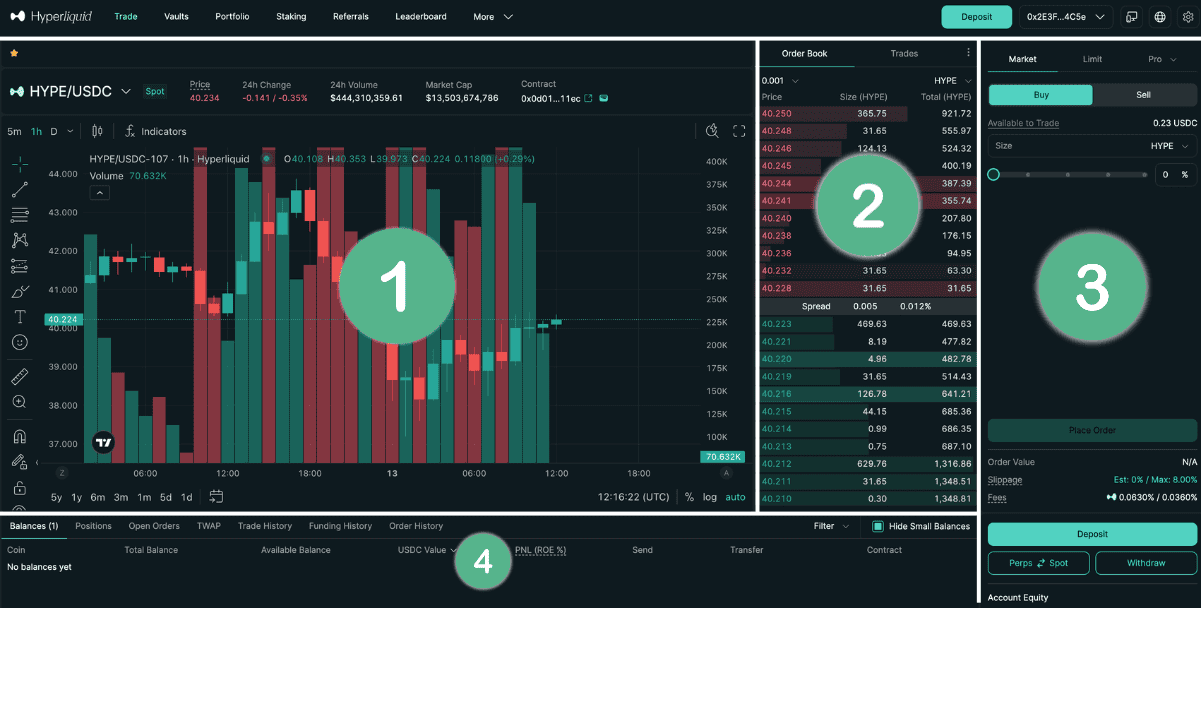
Hyperliquid Interface

Conclusion: A Cautionary Tale for All

The story of the Hyperunit whale is a powerful cautionary tale for anyone venturing into the volatile world of cryptocurrency. It underscores that even the most successful traders are not immune to the market’s brutal forces, especially when fueled by excessive leverage. While the allure of massive gains is undeniable, the potential for equally massive losses is ever-present.

For retail investors, the message is stark: learn from the mistakes of giants. Prioritize capital preservation, embrace conservative risk management, and never underestimate the market’s capacity for unexpected turns. In crypto, survival often means living to trade another day, even if it means missing out on some potential gains. The Hyperunit whale’s $53 balance is a sobering reminder of this fundamental truth.


References

[1] Cryptopolitan. Hyperunit whale’s $200M Trump-Tariff windfall turns into $250M Ether loss. [URL: https://www.cryptopolitan.com/hyperunit-whales-gain-turn-to-250m-loss/%5D
[2] Ainvest. ETH’s $2.6B Liquidation Wave: Flow-Driven Breakdown & Whale’s $250M Loss. [URL: https://www.ainvest.com/news/eth-2-6b-liquidation-wave-flow-driven-breakdown-whale-250m-loss-2602/%5D
[3] BingX. Hyperunit whale closes Ethereum long with $250M loss as ETH trades near $2,400. [URL: https://bingx.com/en/news/post/hyperunit-whale-closes-ethereum-long-with-m-loss-as-eth-trades-near%5D
[4] MEXC. Crypto Whale Suffers $250M Loss After Closing Massive Ethereum Long Position. [URL: https://www.mexc.com/en-GB/news/609282%5D
[5] CoinDesk. Single trader just lost $220 million as ether plunged 10%. [URL: https://www.coindesk.com/markets/2026/02/01/single-trader-just-lost-usd220-million-as-ether-plunged-10%5D
[6] Forklog. Hyperliquid Whale Loses $250 Million on Failed Ethereum Long, Leaving Just $53. [URL: https://forklog.com/en/hyperliquid-whale-loses-250-million-on-failed-ethereum-long-leaving-just-53/%5D

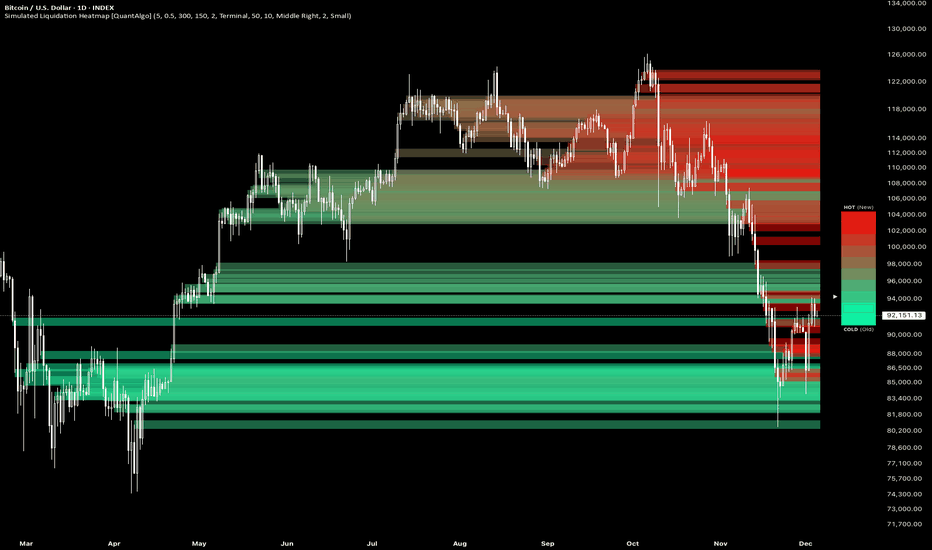
Liquidations Broke Records: The $2.2 Billion "Black Sunday II" Event

Author: everythingcryptoitclouds.com

Introduction: When Leverage Turns Deadly

February 1, 2026, will be remembered as “Black Sunday II”—the day when cryptocurrency futures markets experienced one of the largest single-day liquidation events in history. In just 24 hours, $2.2 billion in leveraged positions were forcibly closed, wiping out over 335,000 traders. This catastrophic event serves as a stark reminder of the dangers inherent in margin trading and the cascading effects that can occur when market conditions turn against overleveraged positions.

This blog post examines what happened, why it happened, and the critical lessons traders must learn to avoid becoming another statistic in the next liquidation cascade.

The Perfect Storm: How $2.2 Billion Evaporated

The liquidation event on February 1, 2026, was not a random market fluctuation. Rather, it was the result of several converging factors that created a perfect storm of selling pressure and forced position closures.

The Timeline of Destruction

The most violent hour of the cascade occurred during the Asia/US session overlap, a classic window for liquidity vacuums and cascading stops. Bitcoin opened the day around $82,800 but rapidly descended to $77,400 during peak liquidation hours, eventually touching a low of $76,100. Ethereum, meanwhile, plummeted from $2,900 to below $2,800, with a low of $2,780. This rapid descent triggered a cascade of margin calls and forced liquidations across all major exchanges.

The timeline tells the story: between 06:00 and 12:00 UTC, approximately $1.18 billion in liquidations occurred, with peak-hour liquidations reaching $380 million. By the time the US session began, the damage was already catastrophic.

Liquidation Heatmap

The Breakdown: Which Assets Suffered Most?

The liquidation event was not evenly distributed across the crypto market. Ethereum bore the brunt of the damage, with $961 million (44% of total liquidations) wiped out. Bitcoin followed with $679 million (31%), while Solana accounted for $168 million (8%). Smaller altcoins like XRP, DASH, and others collectively saw another $392 million in liquidations.

What’s particularly striking is the composition of these liquidations: approximately 80–85% were long positions. This reveals a critical insight into market sentiment at the time—traders had been overwhelmingly bullish, with the majority holding leveraged long positions. When the market turned against them, the cascade was inevitable.

The Root Causes: Why Did This Happen?

Understanding the causes of the February 1 liquidation event is essential for predicting and potentially avoiding similar events in the future.

Macroeconomic Headwinds

The primary catalyst was a shift in macroeconomic sentiment. The nomination of Kevin Warsh for Federal Reserve Chair was perceived by markets as a hawkish signal, suggesting a potential continuation of higher interest rates and tighter monetary policy. This triggered a broad retreat from risk assets, affecting not just cryptocurrencies but also traditional equities and commodities.

Technical Breakdown and Stop-Hunting

Bitcoin’s breach of the critical $84,000–$85,000 support cluster triggered a cascade of algorithmic stop-loss orders. In the crypto market, where many traders use automated stop-losses at round numbers or key technical levels, this technical breakdown can act as a trigger for a waterfall of selling. Algorithms designed to hunt for these stops exacerbated the move, pushing prices lower and triggering more stops in a vicious cycle.

Extreme Leverage and Euphoria Washout

The December 2025 and January 2026 rally had created a complacent market filled with overleveraged longs. Many traders had entered positions with leverage ratios of 10×, 20×, or even higher, betting that the bull market would continue indefinitely. When the market turned, these positions became liabilities. A mere 5% adverse move on a 20× leveraged position results in a complete wipeout—and the market moved far more than 5%.

Liquidity Vacuum

Weekend and early-week Asian trading sessions are notoriously thin in liquidity. With fewer market participants and lower trading volumes, even modest selling pressure can result in outsized price moves. The timing of this event—occurring during a low-liquidity period—meant that the cascade was far more severe than it might have been during a well-liquidity session.

Stressed Trader

The Human Cost: 335,000 Traders Wiped Out

Behind the numbers lies a human tragedy. Over 335,000 traders saw their accounts liquidated, many of them retail investors who had risked money they could not afford to lose. The average retail trader, lacking the risk management discipline of professional traders, often enters positions with inadequate stop-losses or margin buffers, making them particularly vulnerable to liquidation cascades.

The psychological impact of such events cannot be overstated. Many traders who were liquidated on February 1 will likely exit the crypto market entirely, having suffered devastating losses. Others may return with a healthier respect for risk management, but the damage to their financial and emotional well-being is real.

Lessons for the Future: How to Avoid Liquidation

The February 1 liquidation event, while catastrophic, offers valuable lessons for traders seeking to protect themselves in volatile markets.

1. Use Conservative Leverage

The most critical lesson is to use conservative leverage. Professional traders typically limit themselves to 3–5× leverage at most, and many use even lower ratios. A 3× leverage position requires only a 33% adverse move to result in liquidation, providing a substantial margin of safety. In contrast, a 20× position liquidates on a 5% move—and in crypto, 5% moves happen regularly.

2. Always Set Hard Stop-Losses

Every trader should establish hard stop-losses before entering a position. These should be placed at technical support levels or at a predetermined percentage below entry, whichever is more conservative. Without stop-losses, a trader is essentially gambling that the market will never move against them—a bet that will eventually lose.

3. Monitor Your Liquidation Price

Every major exchange displays the exact liquidation price for open positions. Traders should calculate this price before entering a trade and ensure that it provides an adequate buffer from current market price. If the liquidation price is too close to the current price, the position is too leveraged.

4. Maintain a Margin Buffer

During high-volatility periods, traders should maintain 20–50% excess collateral in their accounts. This buffer absorbs temporary price wicks and prevents forced liquidations during normal market fluctuations. Many traders who were liquidated on February 1 likely had minimal margin buffers and were liquidated on temporary price spikes rather than sustained moves.

5. Avoid Overexposure During Low-Liquidity Periods

Traders should reduce position sizes or flatten positions entirely during weekends, holidays, and Asian session gaps when liquidity is thin. The risk/reward profile is unfavorable during these periods, and the potential for extreme price moves is elevated.

Bitcoin Price Crash

The Bigger Picture: What This Means for Crypto Markets

The $2.2 billion liquidation event is not an isolated incident but rather a symptom of a broader market dynamic. The crypto market continues to attract overleveraged retail traders who lack the discipline and experience of professional traders. Until this changes—either through education, regulation, or natural selection—we can expect to see similar liquidation cascades in the future.

However, from a contrarian perspective, such extreme liquidation events often mark local bottoms. When the Fear & Greed Index hits “Extreme Fear” (as it did on February 1), and when over 80% of liquidations are longs (indicating capitulation), historical patterns suggest that a recovery is often near. Indeed, Bitcoin rebounded to $79,000–$80,500 within hours of the low, suggesting that many traders were quick to accumulate at the depressed prices.

Conclusion: A Cautionary Tale

The “Black Sunday II” liquidation event of February 1, 2026, is a cautionary tale for all traders. It demonstrates the dangers of excessive leverage, the importance of risk management, and the brutal efficiency of markets in punishing those who ignore these principles. While the event was devastating for those caught on the wrong side, it also presented opportunities for disciplined traders who had maintained cash reserves and were ready to accumulate at depressed prices.

As you navigate the crypto markets, remember: the goal is not to make the biggest gains, but to survive long enough to compound those gains over time. Conservative leverage, hard stop-losses, and adequate margin buffers are not exciting, but they are the tools that separate successful traders from those who become liquidation statistics.


References

[1] Tapbit Blog. Crypto Futures Liquidations Hit $2.2 Billion on February 1, 2026 – Full Breakdown & Lessons. [URL: https://blog.tapbit.com/crypto-futures-liquidations-hit-2-2-billion-on-february-1-2026-full-breakdown-lessons/%5D
[2] Yahoo Finance. Crypto Liquidations Surge to $1.7 Billion Amid Heightened Market Volatility. [URL: https://finance.yahoo.com/news/crypto-liquidations-surge-1-7-041531574.html%5D
[3] Coindesk. Bitcoin price moves end up liquidating $1.7 billion in bullish crypto bets. [URL: https://www.coindesk.com/markets/2026/01/30/rollercoaster-bitcoin-price-moves-end-up-liquidating-usd1-7-billion-in-bullish-crypto-bets%5D
[4] KuCoin News. Crypto Market Sees $2.2B in Liquidations as Bitcoin Drops Below $76K. [URL: https://www.kucoin.com/news/flash/crypto-market-sees-2-2b-in-liquidations-as-bitcoin-drops-below-76k%5D
[5] AMBCrypto. Ethereum slides to $2,300 – $1.16B liquidations trigger whale buying. [URL: https://ambcrypto.com/ethereum-slides-to-2300-1-16b-liquidations-trigger-whale-buying/%5D

Bitcoin Hits Its Lowest Point This Cycle: Is the Bottom In?

Author: everythingcryptoitclouds.com

Introduction: A Turbulent Start to February

February 2026 has kicked off with a jolt for Bitcoin investors. After a promising start to the year that saw the digital asset flirt with new highs, the past weekend delivered a sharp correction, pushing Bitcoin to its lowest point in the current cycle. This dramatic downturn has sparked intense debate across the crypto community: Is this the capitulation event we’ve been waiting for, or is there more pain to come?

This blog post delves into the recent price action, analyzes the underlying market sentiment, and explores what this cycle low could mean for Bitcoin in the coming months.

The Weekend Rout: $290 Billion Wiped Out

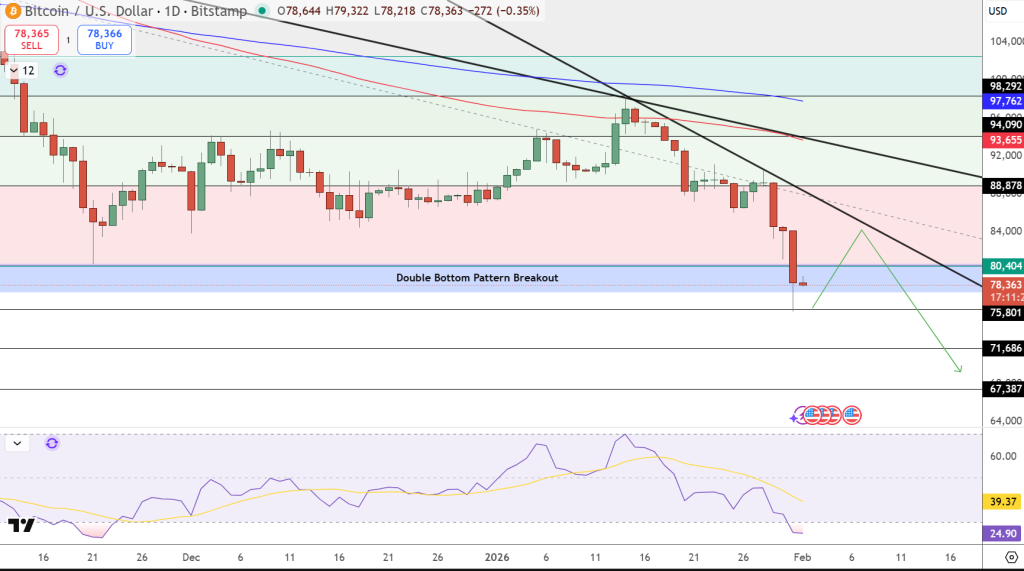
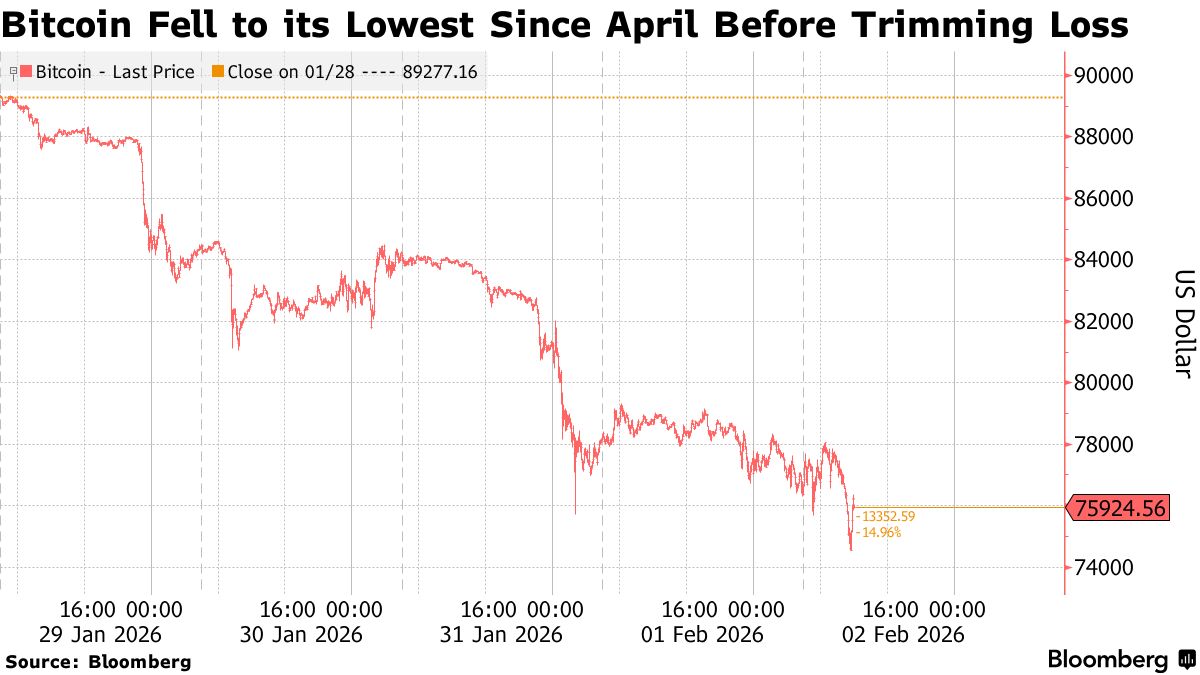
Over the weekend of February 1-2, 2026, Bitcoin experienced a significant sell-off, plummeting to as low as $74,541 – $74,674. This marked a critical juncture, as it represented the lowest price point since Donald Trump’s return to office and levels not seen since between April and June of 2025. The broader crypto market felt the ripple effect, with nearly $290 billion in total market capitalization erased during the low-liquidity rout.

Several factors converged to create this perfect storm:

  • Thin Liquidity: Weekend trading often sees lower volumes, making the market more susceptible to large price swings. This low liquidity exacerbated the sell-off.
  • Macroeconomic Headwinds: The nomination of Kevin Warsh for Federal Reserve Chair, perceived as a hawkish signal, triggered a broad retreat from risk assets across traditional and crypto markets. This “Warsh Effect” indicated a potential shift towards tighter monetary policy.
  • Massive Liquidations: The sharp price drop led to over $800 million in leveraged long positions being force-closed across exchanges, creating a cascade effect that further drove down prices.

Bitcoin Price Low Chart

Extreme Fear: A Contrarian Signal?

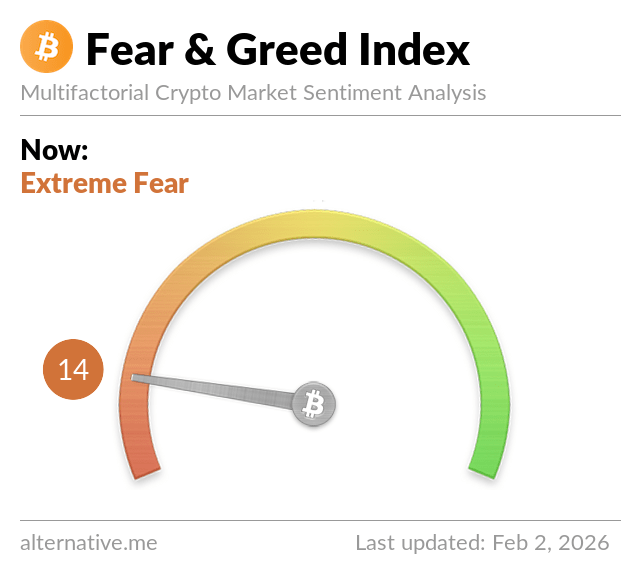
Market sentiment, often a lagging indicator, plunged into “Extreme Fear.” The Crypto Fear & Greed Index hit a critical low of 14, a level historically associated with significant bottoms and potential buying opportunities for contrarian investors. While painful in the short term, such extreme fear often precedes periods of recovery.

However, the question remains: Is this truly the bottom, or merely a temporary pause before further declines? Analysts are divided:

  • Potential Bottom: Some, like analyst PlanC, suggest the $75,000–$80,000 range could mark the deepest pullback of this bull run, signaling a capitulation-style cycle low.
  • Further Downside: Others, including Doctor Profit, have revised their projections, suggesting a final cycle low could be between $44,000 and $54,000. This indicates a belief that the market has not yet fully flushed out weak hands.
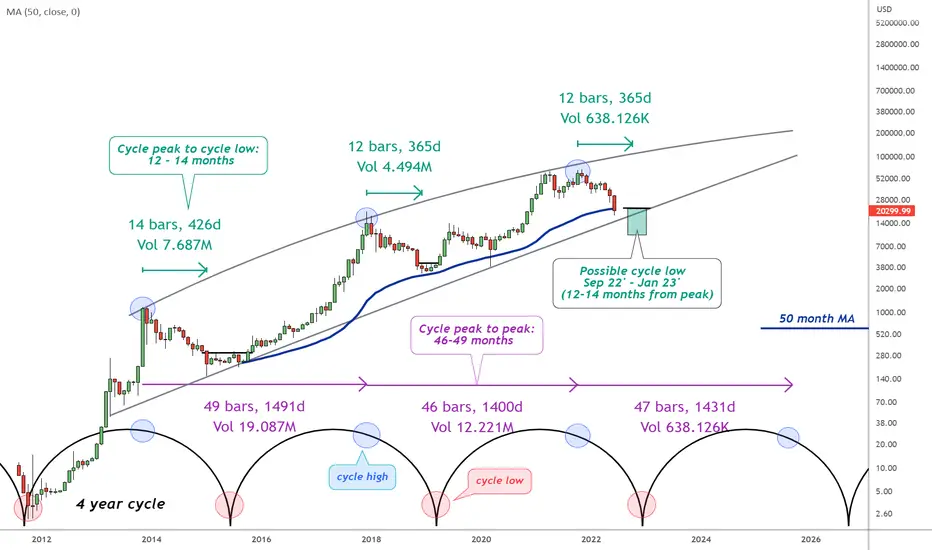
  • Bear Market Climax: Long-term cycle analysis from TradingView points to a potential “bear market climax” in Q2-Q3 2026, with major lows potentially occurring in July or October.

Fear and Greed Index Extreme Fear

What Lies Ahead: Navigating the Uncertainty

The path forward for Bitcoin is fraught with uncertainty. While the current price action is undoubtedly challenging, several factors could influence its trajectory:

  • Derivatives Market: Open interest in the derivatives market has dropped to its lowest since April 2025, indicating a significant deleveraging. This cleansing of excessive leverage can create a healthier foundation for future growth.
  • CME Gap: The gap created by Bitcoin opening lower on the CME futures market ($77,730 from Friday’s close of $84,105) could act as a magnet, potentially drawing the price back up towards $80,000 to “fill the gap.”
  • Macroeconomic Environment: The broader economic landscape, particularly the Federal Reserve’s monetary policy under its new leadership, will continue to play a pivotal role. Any signs of easing inflation or a more dovish stance could provide tailwinds for risk assets like Bitcoin.

Investors are now closely watching for signs of stabilization and accumulation. While the “Bitcoin is dead” narrative may resurface, historical data suggests that extreme fear often presents the best opportunities for long-term investors.

Bitcoin Cycle Analysis

Conclusion: A Test of Conviction

Bitcoin hitting its lowest point this cycle is a stark reminder of the volatility inherent in cryptocurrency markets. However, it also serves as a crucial test of conviction for investors. While the short-term outlook remains uncertain, the underlying technology and its long-term potential continue to attract dedicated proponents. Whether this is the final bottom or a stepping stone to further declines, one thing is clear: the current cycle low is a defining moment that will shape Bitcoin’s narrative for the remainder of 2026 and beyond.


References

[1] Coindesk. Bitcoin, ether rebound after weekend low-liquidity rout. [URL: https://www.coindesk.com/markets/2026/02/02/weekend-selloff-wipes-out-usd290-billion-before-bitcoin-steadies-crypto-markets-today%5D
[2] Yahoo Finance. Bitcoin hovers at $77000 with ‘broader downtrend intact’. [URL: https://finance.yahoo.com/news/bitcoin-hovers-at-77000-with-broader-downtrend-intact-031855857.html%5D
[3] Bloomberg. Bitcoin Flirts With Lowest Price Since Trump’s Return to Office. [URL: https://www.bloomberg.com/news/articles/2026-02-02/bitcoin-flirts-with-lowest-price-since-trump-s-return-to-office%5D
[4] CryptoPotato. Bitcoin Rebounds Above $76K, but Analysts See Cycle Bottom Much Lower. [URL: https://cryptopotato.com/bitcoin-rebounds-above-76k-but-analysts-see-cycle-bottom-much-lower/%5D
[5] Ainvest. Bitcoin ETF Outflows and Market Sentiment in February 2026. [URL: https://www.ainvest.com/news/bitcoin-etf-outflows-market-sentiment-february-2026-2602/%5D
[6] Crypto.news. PlanC Flags $75K–$80K as Potential Bitcoin Cycle Bottom. [URL: https://crypto.news/bitcoin-75k-80k-zone-may-be-the-final-major-dip/%5D
[7] TradingView. Bitcoin long-term: Full analysis year 2026 including 2027 & 2029. [URL: https://www.tradingview.com/chart/BTCUSD/XUphZ4qP-Bitcoin-long-term-Full-analysis-year-2026-including-2027-2029/%5D

The Zcash Paradox: Why ZEC Rallied Despite a Leadership Meltdown

Author: everythingcryptoitclouds.com

Introduction: When Corporate Chaos Meets Crypto Resilience

In the world of traditional finance, a company’s entire core development team resigning en masse is a catastrophic event, typically leading to a swift and brutal collapse in stock price. Yet, in the decentralized world of cryptocurrency, the rules are often inverted. This paradox was on full display in early January 2026, when the privacy-focused cryptocurrency Zcash (ZEC) experienced a dramatic, public leadership meltdown, only to see its price not just stabilize, but stage a significant rally.

This extraordinary event offers a powerful lesson on the true nature of decentralized protocols, proving that the technology’s resilience can often trump corporate drama.

Zcash Logo 3D

The Meltdown: Corporate Governance vs. Decentralized Mission

The crisis erupted on January 7, 2026, when Josh Swihart, the then-CEO of the Electric Coin Company (ECC)—the primary developer behind Zcash—announced the resignation of the entire ECC team. The reason was a bitter governance dispute with Bootstrap, the 501(c)(3) nonprofit created to oversee ECC and support the Zcash ecosystem.

Swihart alleged that a majority of the Bootstrap board had become “misaligned with the mission of Zcash,” creating working conditions so intolerable that the team felt “constructively discharged.” This conflict was rooted in fundamental disagreements over the project’s direction and its development funding model.

The market reacted instantly and violently. ZEC’s price plunged by approximately 20% in a single day, wiping out around $1.6 billion in market capitalization. For a brief moment, it seemed the corporate chaos would derail one of the most technically advanced privacy coins in the market.

The Rally: The Protocol is Unstoppable

What happened next is the core of the Zcash paradox. Within days, ZEC not only halted its decline but began a sharp rebound, driven by a surge in investor confidence. This rally was a direct testament to the fundamental principle of decentralization: the protocol is sovereign, not the company that builds on it.

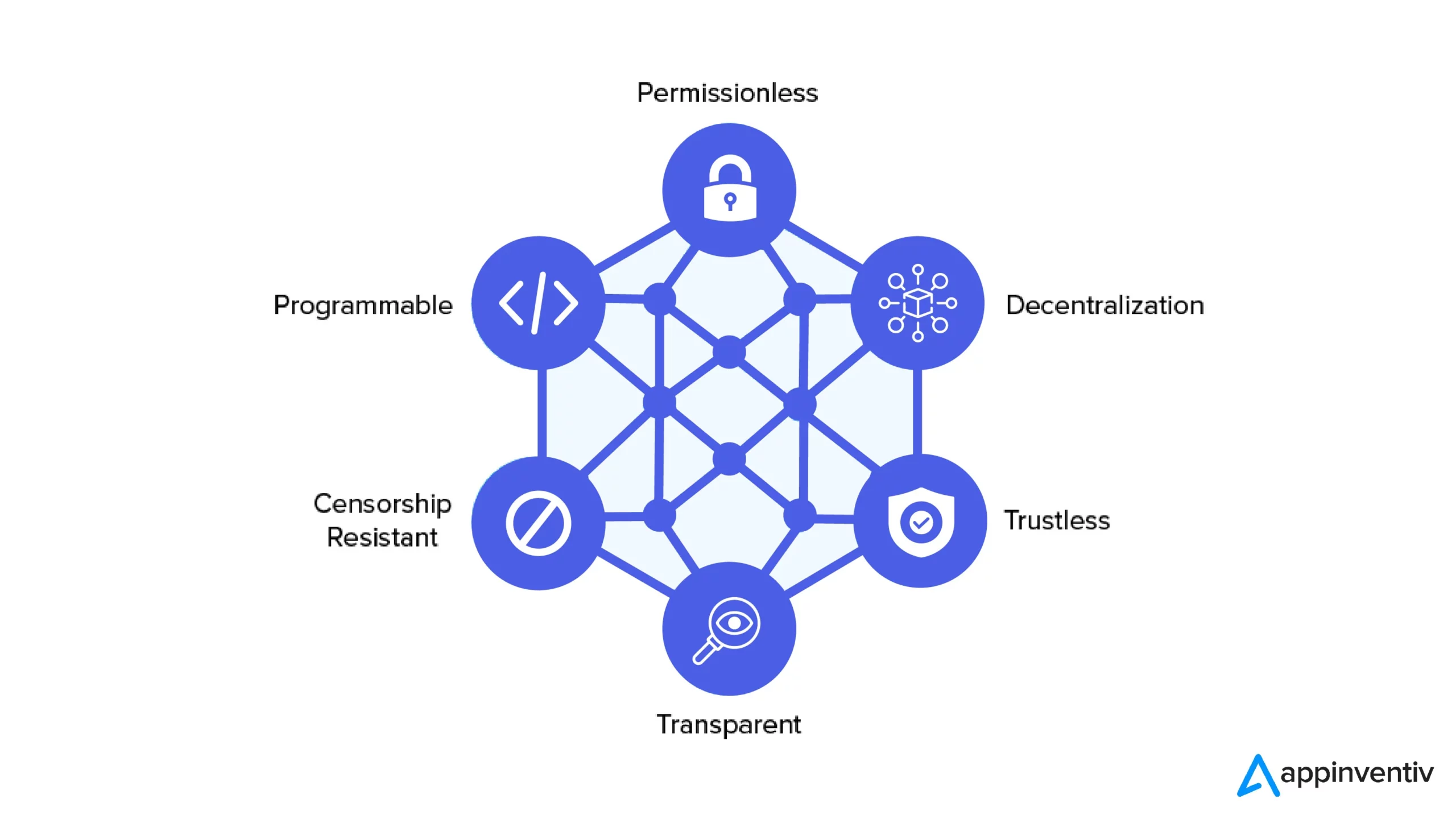
Zcash founder Zooko Wilcox quickly stepped in to clarify the situation, emphasizing a crucial point: the Zcash protocol remains open-source, secure, and permissionless. The dispute was a corporate governance issue, not a technical one. The blockchain itself continued to function flawlessly, processing transactions and maintaining its core privacy features without interruption.

This realization—that the code is more important than the company—reassured the market. The former ECC team’s plan to immediately form a new company focused on “building unstoppable private money” further solidified the idea that the mission, and the talent, would continue, regardless of the ECC’s fate.

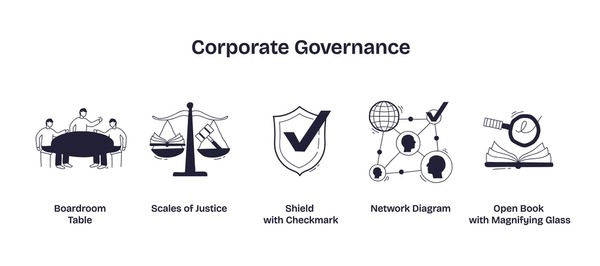
Corporate Governance

The Mechanics of the Surge: Supply and Speculation

Beyond the philosophical victory of decentralization, the ZEC rally was fueled by two key market mechanics:

  1. Supply Shock and Accumulation: Data showed that Zcash balances on exchanges dropped sharply by over 44% in the wake of the news. This is a classic sign of long-term holders moving their coins off exchanges and into cold storage, indicating a strong belief in the asset’s future. This accumulation reduces the immediate selling pressure and signals a bullish sentiment.
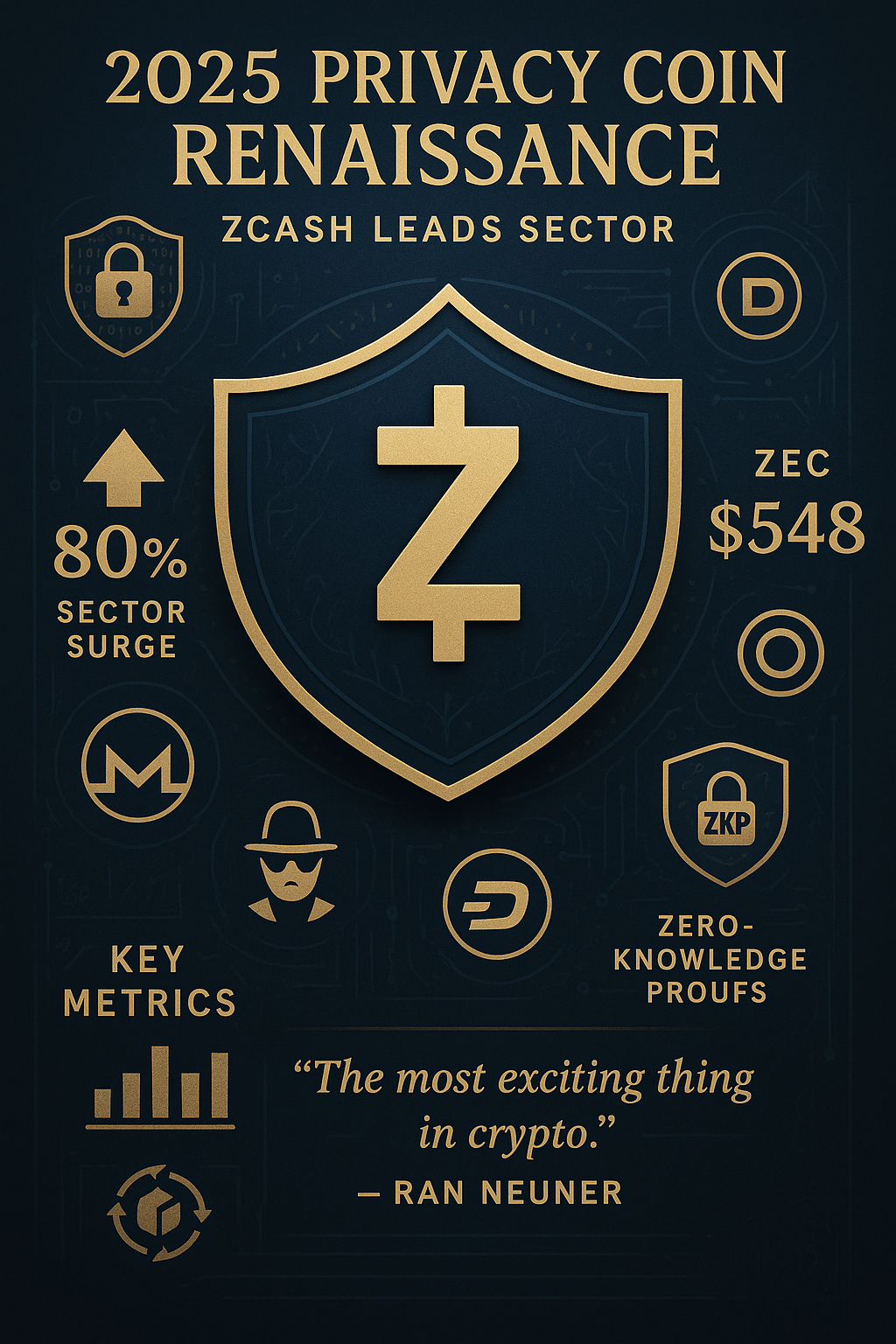
  2. Broader Privacy Coin Trend: The Zcash rally coincided with a broader surge in the privacy coin sector in early 2026, with reports indicating that over 80% of privacy tokens were experiencing significant gains. This suggests that institutional and retail investors are increasingly recognizing the value of truly private, untraceable transactions in a world of increasing financial surveillance.

The combination of technical resilience, a clear path forward for development talent, and strong market fundamentals propelled ZEC toward analyst price targets in the $500-$560 range, a remarkable recovery from the initial panic.

Conclusion: A Blueprint for Decentralization

The Zcash leadership meltdown and subsequent rally serve as a powerful case study for the entire crypto industry. It demonstrates that while the organizations supporting a decentralized project can be subject to human conflict and corporate failure, the underlying technology—if truly decentralized and open-source—is anti-fragile.

The Zcash community proved that a project’s value is not tied to the stability of a single corporate entity, but to the robustness of its code and the unwavering commitment of its community. For investors, the lesson is clear: in crypto, always bet on the protocol, not the politics.


References

[1] Yahoo Finance. Zcash Developer Team Resigns: What the Governance Crisis Means for ZEC Price. [URL: https://finance.yahoo.com/news/zcash-developer-team-resigns-governance-100044870.html%5D
[2] The Block. Zcash developers quit, form new company after board clash. [URL: https://www.theblock.co/post/384737/zcash-developers-form-new-company%5D
[3] BeInCrypto. Zcash Price Prepares For $500 as Exchanges’ ZEC Balance Falls 44%. [URL: https://beincrypto.com/zcash-price-prepares-for-rise/%5D
[4] Intellectia.ai. Privacy Coins Surge in 2026, Zcash Market Cap Reaches $7.1 Billion. [URL: https://intellectia.ai/news/stock/privacy-coins-surge-in-2026-zcash-market-cap-reaches-71-billion%5D
[5] MEXC News. The Zcash team has resigned—should we fear a -30% drop?. [URL: https://www.binance.com/en/square/post/34819787525289%5D

AI Year in Review: The Biggest Stories of 2025

Author: everythingcryptoitclouds.com

Introduction: The Year AI Went from Hype to Hard Reality

The year 2025 will be remembered as the moment Artificial Intelligence transitioned from a futuristic concept to an undeniable, transformative force reshaping global commerce, finance, and labor. While 2024 was characterized by the initial shockwave of Generative AI, 2025 was the year of industrialization, where companies stopped experimenting and started integrating AI at scale. This shift was marked by unprecedented financial milestones, a dramatic re-prioritization of corporate capital, and the emergence of new AI paradigms that promise to redefine the digital landscape in 2026 [1].

1. The Trillion-Dollar Hardware War: Nvidia’s Unstoppable Ascendence

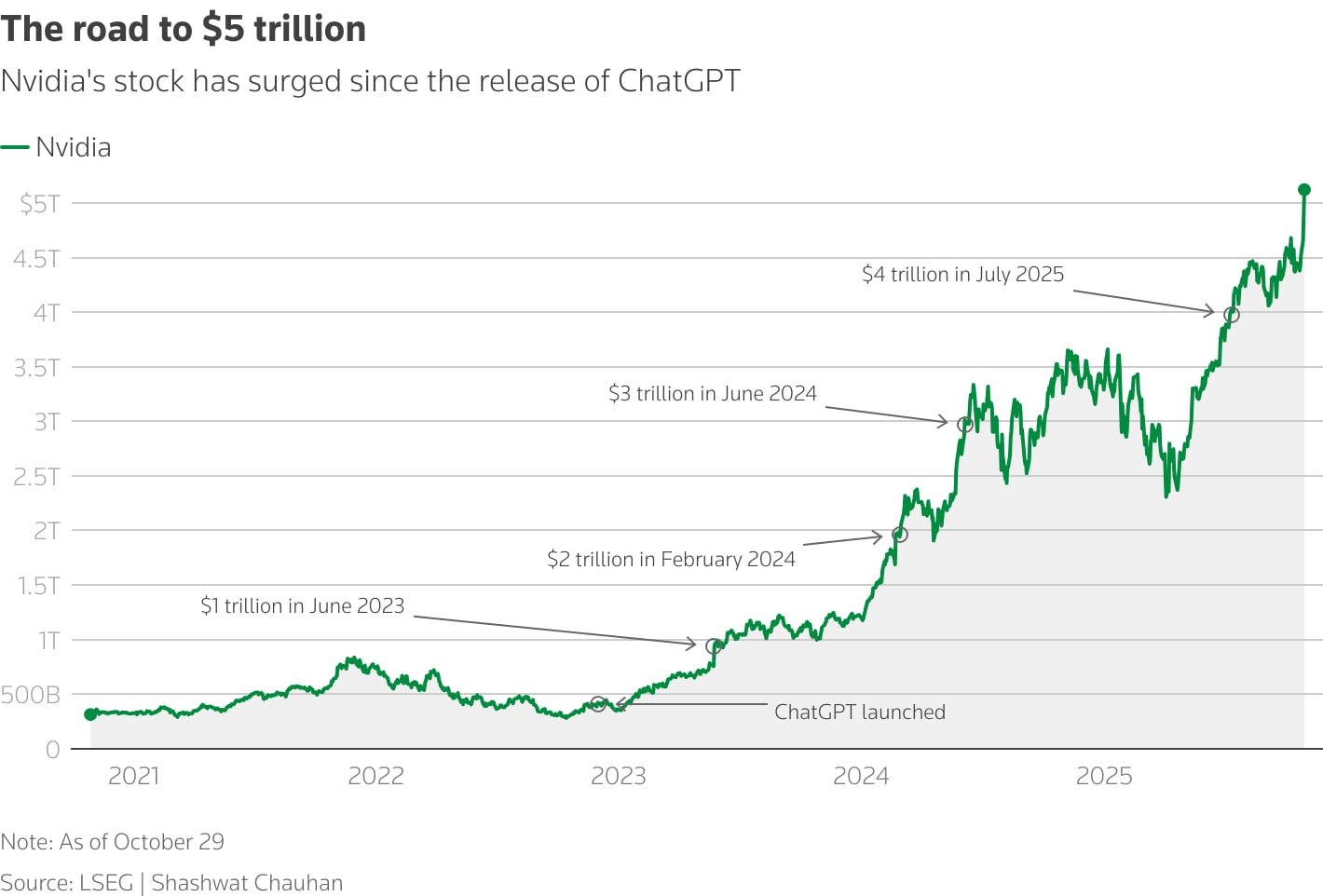
The most visible story of 2025 was the continued, explosive growth of the AI infrastructure market, dominated by Nvidia. The chipmaker cemented its status as the central enabler of the AI era, becoming the first company in history to exceed a $5 trillion market capitalization in October [2]. This staggering valuation was fueled by relentless demand for its high-performance GPUs, which are the backbone of large language model training and inference.

Nvidia’s influence extended beyond chip sales. The company made massive strategic investments, including a reported $100 billion into OpenAI, and unveiled new product lines like the Blackwell Ultra GPU and RTX Pro servers [3]. These servers, aimed at enterprise data centers, represent a multi-billion-dollar opportunity for infrastructure refresh, signaling that the AI hardware boom is far from over.

Meanwhile, legacy chipmaker Intel, while struggling with internal restructuring and executive changes, made a surprising move by entering a joint development deal with Nvidia. This partnership aims to integrate Intel’s custom CPU with Nvidia’s powerful platforms, illustrating that even competitors must collaborate to meet the immense computational demands of modern AI [4].

Nvidia $5 Trillion Chart

2. The Great Reallocation: Layoffs and the AI Investment Boom

The rapid shift to AI-first strategies had a profound and often painful impact on the workforce. 2025 saw a wave of mass layoffs across the technology sector, with giants like Amazon, Google, Microsoft, and Oracle making significant cuts [5].

While some companies attributed the downsizing to standard business evaluations, the underlying narrative was clear: a massive reallocation of capital towards AI investment. Companies were shedding non-AI-focused divisions to free up resources for the immense spending required to build and deploy AI infrastructure. The year was defined by a tension between the promise of AI-driven efficiency and the immediate human cost of corporate restructuring. The question for 2026 remains whether AI tools will begin to automate away entire job functions, moving beyond the automation of simple, manual tasks.

3. The Acquisition Frenzy: Tech Giants Buy Their Way to Dominance

To accelerate their AI capabilities, major technology vendors engaged in a multi-billion-dollar acquisition spree, buying up specialized AI startups and established players alike. This was a clear strategy to acquire talent, technology, and market share instantly.

Key acquisitions and planned deals have been done in 2025.

These deals not only consolidated power among the tech elite but also signaled the maturity of the AI market, where specialized capabilities like AI security, data governance, and AIOps became high-value targets [6].

AI Corporate Handshake

4. The Rise of the Agent: AI Moves to Autonomous Action

Perhaps the most significant technological leap of 2025 was the maturation of AI Agents and orchestration platforms. Moving beyond simple conversational chatbots, AI agents are designed to perform complex, multi-step tasks autonomously, such as managing customer service workflows, optimizing supply chains, or executing financial trades.

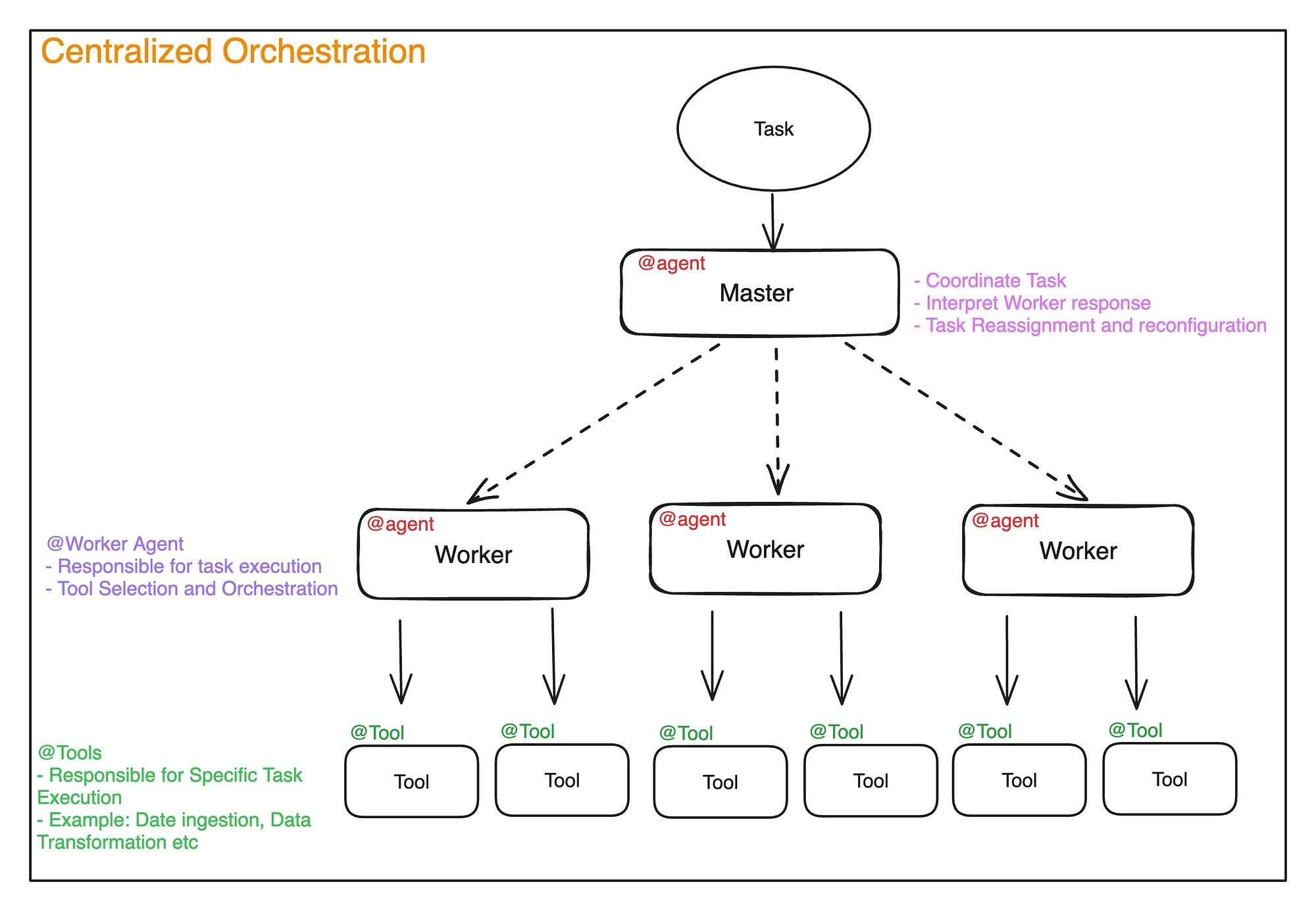
This shift was particularly evident in the Managed Service Provider (MSP) space, where new platforms like the Pax8 AI Agent Store and Rewst’s expanded automation tools emerged [7]. The industry narrative shifted from “AI as a tool” to “AI as a system of action,” with agents taking on more responsibility and transforming the service desk into a highly automated operation. Orchestration platforms, which manage the interaction between multiple specialized AI models, became essential infrastructure for enterprises [8].

AI Agent Orchestration

5. Generative AI Breakthroughs: Smaller, Faster, Smarter

While the commercial applications dominated the headlines, the underlying technology continued its rapid evolution. 2025 saw significant breakthroughs in model efficiency. New generative AI models were released that were smaller, faster, and cheaper to run than their predecessors, yet matched the performance of the massive models released in 2022 [9].

This trend of “shrinking AI” democratized access to powerful models, allowing smaller companies and even individual developers to deploy sophisticated AI without needing a multi-billion-dollar data center. The private investment in Generative AI remained robust, attracting over $33.9 billion globally, an 18.7% increase from the previous year, confirming that innovation is accelerating, not slowing down [10].

Conclusion: Looking Ahead to 2026

The year 2025 was a pivotal chapter in the AI story, defined by massive financial commitments and the shift from theoretical potential to practical, industrial-scale deployment. The hardware wars intensified, corporate capital was ruthlessly reallocated, and the rise of autonomous AI agents set the stage for a new era of automation. As we enter 2026, the focus will move from building the AI infrastructure to optimizing and securing the AI-driven enterprise, ensuring that the transformative power of this technology delivers tangible, sustained value.


References

[1] World Economic Forum. The top artificial intelligence stories from 2025. [URL: https://www.weforum.org/stories/2025/12/the-top-ai-stories-from-2025/%5D

[2] Financial Post. Nvidia becomes first US$5 trillion company. [URL: https://financialpost.com/investing/nvidia-becomes-first-us5-trillion-company%5D

[3] CRN. The 10 Biggest AI News Stories Of 2025. [URL: https://www.crn.com/news/ai/2025/the-10-biggest-ai-news-stories-of-2025%5D

[4] CRN. Nvidia’s Ascendence, Intel’s Struggles. [URL: https://www.crn.com/news/ai/2025/the-10-biggest-ai-news-stories-of-2025?page=4%5D

[5] CNN. How AI shook the world in 2025 and what comes next. [URL: https://www.cnn.com/2025/12/30/tech/how-ai-changed-world-predictions-2026-vis%5D

[6] CRN. Big-Money Vendor AI Acquisitions. [URL: https://www.crn.com/news/ai/2025/the-10-biggest-ai-news-stories-of-2025?page=5%5D

[7] CRN. Solution Providers Buy Innovative AI Practices. [URL: https://www.crn.com/news/ai/2025/the-10-biggest-ai-news-stories-of-2025?page=7%5D

[8] Mastercard. Agents of change: The rise of AI in 2025 and what’s coming next. [URL: https://www.mastercard.com/us/en/news-and-trends/stories/2025/AI-2025-year-in-review.html%5D

[9] Stanford HAI. Most-Read: The Stanford HAI Stories that Defined AI in 2025. [URL: https://hai.stanford.edu/news/most-read-the-stanford-hai-stories-that-defined-ai-in-2025%5D

[10] Stanford HAI. The 2025 AI Index Report. [URL: https://hai.stanford.edu/ai-index/2025-ai-index-report%5D

The $10 Trillion Bridge: Why Real-World Asset Tokenization is Crypto’s Mainstream Moment in 2026

Author: everythingcryptoitclouds.com

Introduction: The Convergence of Crypto and Traditional Finance

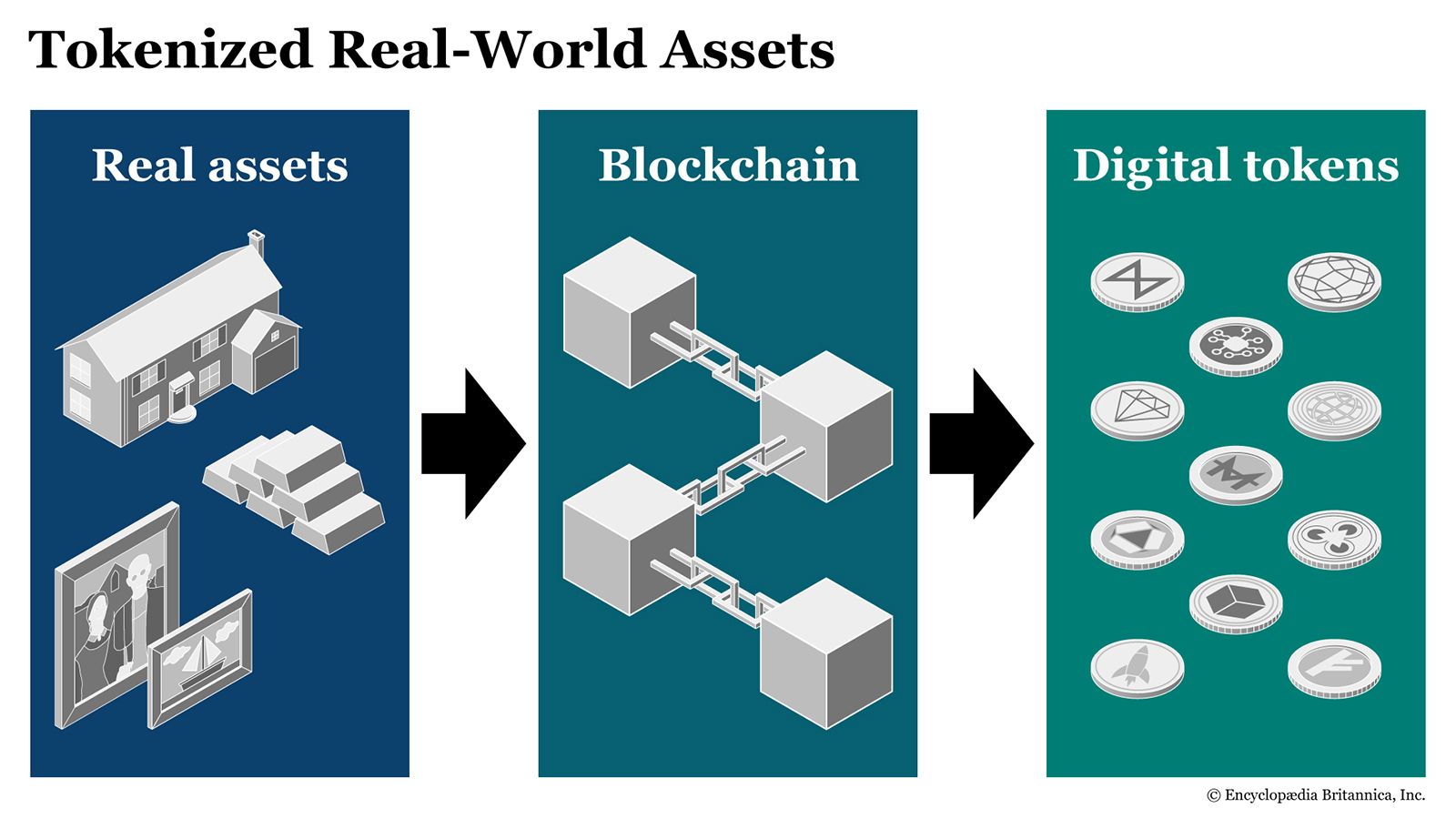
The narrative surrounding cryptocurrency is rapidly evolving. While the early years were dominated by speculative trading and decentralized finance (DeFi) experiments, 2026 is poised to be the year of Real-World Asset (RWA) Tokenization. This is the process of issuing blockchain-based tokens that represent ownership claims on tangible assets—from real estate and fine art to corporate bonds and private equity. This movement is not just a crypto trend; it is a fundamental restructuring of global finance, creating a seamless bridge between the multi-trillion-dollar traditional economy and the efficiency of decentralized ledgers [1].

The Tokenization Imperative: Unlocking Illiquid Value

Tokenization is the mechanism that unlocks value previously trapped in illiquid markets. By converting assets into digital tokens, it solves critical problems that have plagued traditional finance for decades: lack of liquidity, high transaction costs, and limited accessibility.

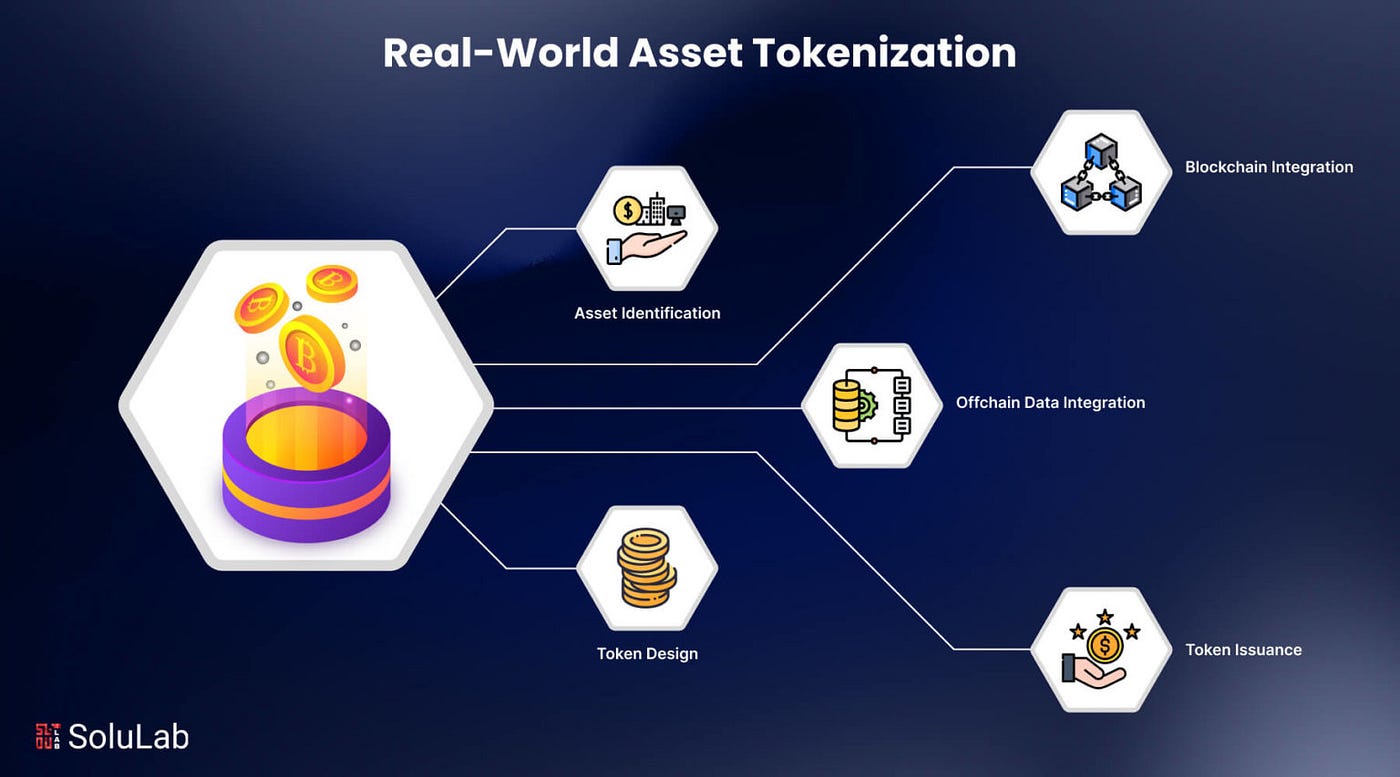
The process typically involves:

  1. Legal Structuring: Ensuring the token legally represents the underlying asset.
  2. Token Issuance: Minting the digital tokens on a blockchain (often Ethereum or a Layer 2 solution).
  3. On-Chain Management: Using smart contracts to automate governance, dividend payouts, and compliance [2].

RWA Tokenization Diagram

The Institutional Floodgate: BlackRock and Regulatory Clarity

The explosive growth forecast for RWA tokenization is being driven primarily by institutional adoption and a rapidly clarifying regulatory environment.

Major financial players, including BlackRock, are not just observing this trend—they are actively leading it. BlackRock is advancing tokenized Exchange-Traded Funds (ETFs), with the first generation of these on-chain products expected to appear by late 2025 or early 2026 [3]. When the world’s largest asset manager embraces a technology, it signals a profound shift in market confidence.

Furthermore, the outlook for regulatory clarity in the U.S. is highly optimistic for 2026. As the Grayscale 2026 Digital Asset Outlook suggests, bipartisan crypto market structure legislation is expected to cement blockchain-based finance in U.S. capital markets, facilitating continued institutional investment [4]. This clarity is the key that unlocks the massive pools of institutional capital waiting on the sidelines.

Market Potential: From Billions to Trillions

The current tokenized asset market is small, representing only about 0.01% of the global equity and bond market capitalization. However, the growth trajectory is steep. While some conservative forecasts place the market at over $612 billion by the end of 2026, more aggressive estimates suggest the total value of tokenized assets could soar to $10 trillion in the coming years [5] [6].

The Power of Fractional Ownership

One of the most transformative aspects of RWA tokenization is the democratization of investment through fractional ownership. Historically, high-value assets like commercial real estate or rare art were only accessible to wealthy individuals or large institutions. Tokenization breaks these assets into thousands of digital pieces, allowing anyone to participate with a small investment [7]. This not only broadens the investor base but also provides the original asset owner with a much wider pool of capital for faster fundraising.

Fractional Ownership

Conclusion: The Future of Finance is On-Chain

The year 2026 will solidify RWA tokenization as the most significant crypto trend for institutional and retail investors alike. It represents the maturation of blockchain technology, moving beyond purely digital assets to fundamentally improve the efficiency, liquidity, and accessibility of the world’s most valuable assets. The convergence of institutional demand, regulatory progress, and the superior technology of decentralized ledgers is building a $10 trillion bridge between traditional finance and the crypto economy. For those looking for the next major wave in crypto, the tokenization of the real world is it.


References

[1] RWA.io. Tokenized Assets Opportunities for 2026. [URL: https://www.rwa.io/post/tokenized-assets-opportunities-for-2026%5D

[2] Medium. A Comprehensive Guide to Real-World Asset Tokenization. [URL: https://medium.com/@wisewaytec/why-real-world-asset-tokenization-are-the-future-of-finance-in-2026-cb5672f5a6cc%5D

[3] FinTech Weekly. BlackRock Advances Tokenized ETFs Amid Push for Regulation Clarity. [URL: https://www.fintechweekly.com/magazine/articles/blackrock-tokenized-etfs-regulation-clarity%5D

[4] Grayscale. 2026 Digital Asset Outlook: Dawn of the Institutional Era. [URL: https://research.grayscale.com/reports/2026-digital-asset-outlook-dawn-of-the-institutional-era%5D

[5] Medium. Why Real-World Asset Tokenization Are the Future of Finance in 2026. [URL: https://medium.com/@wisewaytec/why-real-world-asset-tokenization-are-the-future-of-finance-in-2026-cb5672f5a6cc%5D

[6] RWA.io. RWA Tokenization Investment for 2026. [URL: https://www.rwa.io/post/rwa-tokenization-investment-for-2026%5D

[7] Forbes. How Real-World Asset Tokenization Is Reshaping Modern Industries. [URL: https://www.forbes.com/councils/forbestechcouncil/2025/12/04/how-real-world-asset-tokenization-is-reshaping-modern-industries/%5D

The Settlement Revolution: Visa Launches USDC on Solana for U.S. Banks

Author: everythingcryptoitclouds.com

Introduction: Bridging Traditional Finance and Blockchain

In a landmark move that signals the deepening integration of digital assets into the traditional financial system, Visa Inc. announced on December 16, 2025, the launch of stablecoin settlement capabilities for U.S. banks [1]. This initiative allows Visa’s issuer and acquirer partners to settle their obligations with the network using Circle’s USDC—a fully reserved, dollar-denominated stablecoin—over the Solana blockchain. This development is not merely an experiment; it is a breakthrough that redefines the speed and efficiency of modern payment settlement, marking a major milestone in the modernization of global commerce.

Visa Solana USDC Settlement

The Mechanics of Modern Settlement

The core of this innovation lies in replacing the traditional, multi-day settlement process with the near-instantaneous finality of a high-performance blockchain. Initial banking participants, including Cross River Bank and Lead Bank, have begun settling with Visa in USDC via the Solana blockchain [1].

Solana was chosen for its exceptional speed and low transaction costs, which are critical for high-volume commercial activity. By leveraging the blockchain, Visa is effectively transforming its treasury operations, moving away from the legacy system that often requires pre-funding and operates only during traditional banking hours. This transition is built upon Visa’s successful stablecoin settlement pilots conducted globally over the past few years, which have already seen the network’s stablecoin settlement volume pass a $3.5 billion annualized run rate [1].

Advantages for the Financial Ecosystem

The shift to stablecoin settlement offers profound benefits for banks, fintechs, and ultimately, the end consumer. These advantages address long-standing pain points in the traditional payment system, primarily centered on speed, liquidity, and operational continuity.

The most immediate benefit is the introduction of 7-day settlement windows, which dramatically improves liquidity and funds movement for banks and fintechs [1]. This enhanced operational resilience means that settlement can occur across weekends and holidays without any change to the consumer card experience, a capability that is increasingly vital in a global, always-on economy. As Jackie Reses, CEO of Lead Bank, noted, this capability brings “speed and precision to treasury operations” [1].

Stablecoins: The Digital Dollar Bridge

This initiative underscores the growing role of stablecoins as the essential bridge between fiat currency and blockchain technology. Stablecoins, such as USDC, combine the stability of the U.S. dollar with the speed and borderless nature of crypto, making them an ideal tool for institutional payments [2].

The move by Visa validates the thesis that stablecoins are not just for crypto traders but are poised to become a core component of global financial infrastructure. As Gilles Gade, CEO of Cross River, stated, a “unified platform that natively supports both stablecoins and traditional payment networks is the foundation for how value will move globally” [1].

Stablecoin Primer

Future Outlook: Broader Adoption and Arc

Visa plans to roll out broader availability of USDC settlement across the U.S. through 2026, expanding the reach of this modernized system [1]. Furthermore, Visa is actively involved in shaping the future of stablecoin infrastructure as a design partner for Arc, a new Layer 1 blockchain developed by Circle. Arc is purpose-built to offer the performance and scalability needed to support Visa’s global commercial activity on-chain, and Visa intends to utilize it for future USDC settlement and even operate a validator node [1].

This commitment from a global payments giant like Visa, coupled with the selection of Solana for its current speed and the investment in Circle’s Arc for future scalability, confirms that the world’s largest financial institutions are now actively building on decentralized rails. The launch of USDC settlement on Solana is a powerful demonstration of how blockchain technology is fundamentally changing the way money moves, making payments faster, cheaper, and more resilient for everyone.


References

[1] Visa. Visa Launches Stablecoin Settlement in the United States, Marking a Breakthrough for Stablecoin Integration. [URL: https://usa.visa.com/about-visa/newsroom/press-releases.releaseId.21951.html%5D

[2] Visa. Empowering the future of payments with stablecoins. [URL: https://corporate.visa.com/en/solutions/crypto/stablecoins.html%5D

Crypto in 2026: From Speculation to Financial Revolution

Author: everythingcryptoitclouds.com

Introduction

The year is 2026, and the cryptocurrency landscape has transformed in ways that few could have predicted. What was once a niche, speculative asset class has now firmly planted its roots in the global financial system. The conversation has shifted from “if” to “how” cryptocurrencies will be integrated into our daily lives. This is not just another bull run; it’s a fundamental rewiring of our financial infrastructure. In this post, we’ll explore the key trends shaping the crypto world in 2026, from the maturation of the market to the tokenization of real-world assets and the evolution of decentralized finance (DeFi).

Blockchain Fintech

The Great Convergence: Crypto Meets Mainstream Finance

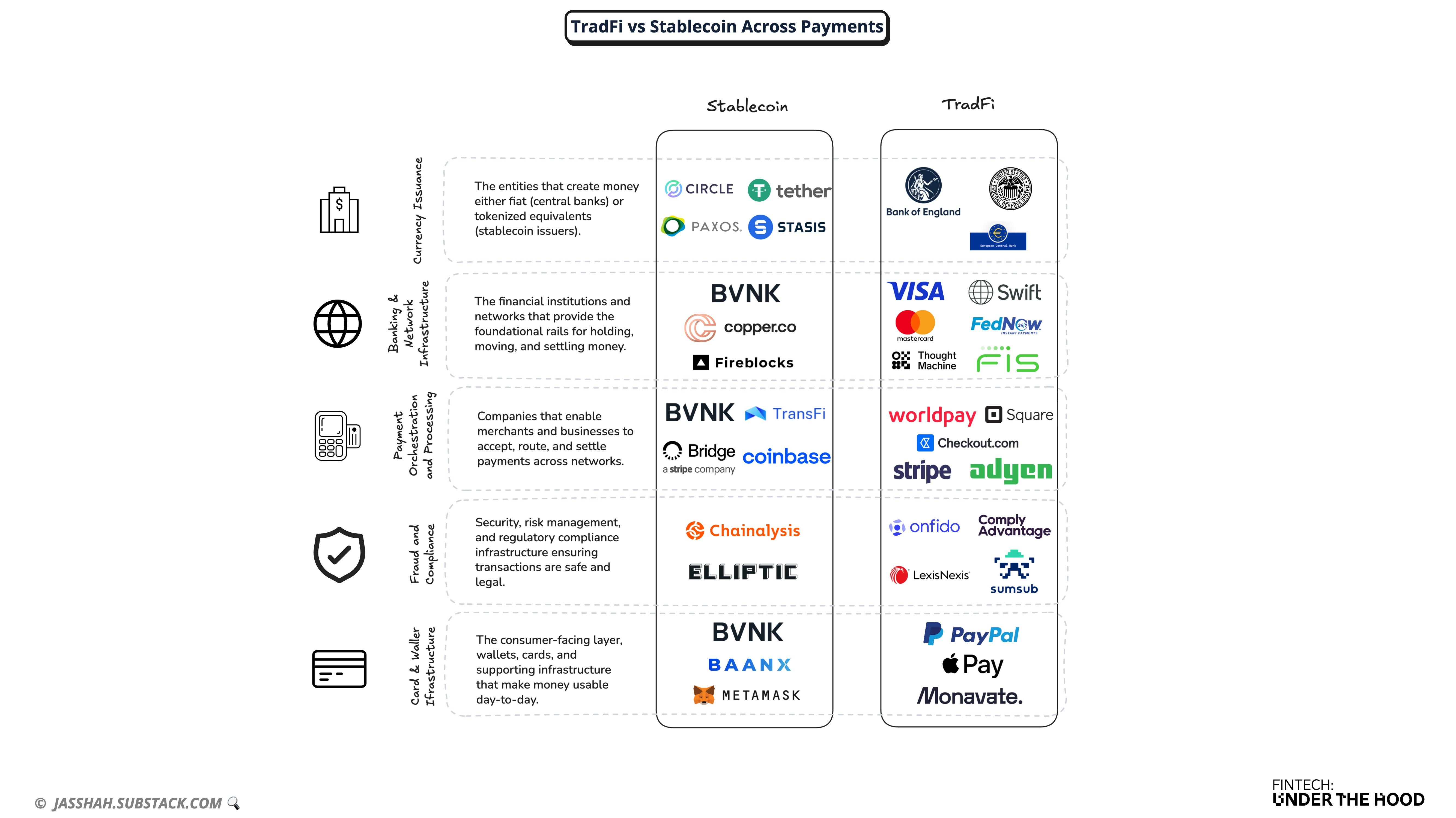
The most significant development in the crypto space is its convergence with traditional finance (TradFi). Major institutional players like BlackRock and JPMorgan, once skeptics, are now actively involved in the market. This has brought a new level of legitimacy and stability to the industry. The launch of spot Bitcoin ETFs has opened the floodgates for institutional capital, and we are now seeing a hybrid financial system emerge where digital assets are seen as “better tools” for a wide range of financial activities.

Tokenization: The Next Frontier

Tokenization, the process of converting real-world assets into digital tokens on a blockchain, is no longer a futuristic concept. It’s happening now, and it’s set to unlock trillions of dollars in value. From real estate to private credit, assets that were once illiquid are now being fractionalized and traded on-chain. This is democratizing access to investment opportunities and creating a more efficient and transparent financial system.

Asset Tokenization

DeFi 2.0: A More Mature and Regulated Ecosystem

Decentralized Finance (DeFi) has come a long way from its “wild west” days. In 2026, DeFi is a more mature and regulated ecosystem, with a focus on compliance and institutional-grade products. Stablecoins have become the new cash layer, facilitating seamless payments and cross-border transactions. The integration of AI is also making DeFi platforms more secure and efficient, with AI-driven risk management and automated yield optimization.

DeFi Concept

The Road Ahead: Scalability, AI, and Regulation

The crypto industry is still evolving, and there are several key developments that will shape its future. Layer 2 scaling solutions are making blockchains faster and cheaper to use, paving the way for mass adoption. Artificial intelligence is being integrated into every aspect of the crypto ecosystem, from security to trading. And finally, regulatory clarity is providing the certainty that businesses and investors need to confidently participate in the market.

Blockchain Network

What About the Price?

No discussion of crypto would be complete without mentioning the price. While the market remains volatile, the long-term outlook is bullish. Some analysts are predicting that Bitcoin could reach as high as $200,000 by the end of 2026, with other major cryptocurrencies like Ethereum also poised for significant growth. However, it’s important to remember that these are just predictions, and you should always do your own research before investing.

Conclusion

The crypto revolution is well underway. In 2026, we are witnessing the birth of a new financial system that is more open, transparent, and efficient than ever before. The journey has just begun, and the most exciting innovations are still to come. The future of finance is being built on the blockchain, and it’s a future that we can all be a part of.