The Great Awakening: Why a $1.6 Billion Bitcoin Whale Just Panic-Sold for Ethereum After Seven Years of Diamond Hands

Published by everythingcryptoitclouds.com | August 22, 2025

In one of the most dramatic moves witnessed in the cryptocurrency space this year, a Bitcoin whale that had remained dormant for seven years suddenly awakened on August 21, 2025, and immediately began rotating millions of dollars worth of Bitcoin into leveraged Ethereum positions. This wasn’t just any ordinary whale—this was an original gangster (OG) Bitcoin holder sitting on a staggering 14,837 BTC worth over $1.6 billion, who had diamond-handed their position through multiple market cycles without a single transaction.

The magnitude of this move sent shockwaves through the cryptocurrency community. In a matter of hours, this mysterious whale sold 670 Bitcoin worth approximately $76 million and used those funds to open massive leveraged long positions totaling 68,130 ETH valued at $295 million. But this was just the beginning. Over the following days, the whale continued their rotation strategy, ultimately selling over 3,142 BTC worth $356 million and accumulating a combined Ethereum position exceeding $577 million.

Bitcoin Whale Movement

What makes this story particularly compelling is not just the scale of the transaction, but the timing and methodology behind it. This whale had weathered the crypto winter of 2018, the COVID-19 crash of 2020, the bull run of 2021, and the bear market of 2022-2023, never once moving their Bitcoin. Yet, just one week after Bitcoin reached a new all-time high of $124,128, they chose to break their seven-year silence and make one of the most aggressive rotations from Bitcoin to Ethereum ever recorded.

The question that has captivated the cryptocurrency community is simple yet profound: what drove this whale to abandon their Bitcoin maximalist position and bet big on Ethereum? The answer reveals deeper currents in the cryptocurrency market that could signal a fundamental shift in how institutional and sophisticated investors view the relative value proposition of Bitcoin versus Ethereum.

The Anatomy of a Whale: Understanding the Player Behind the Move

To understand the significance of this rotation, we must first examine the profile of the whale in question. This is not a newcomer to the cryptocurrency space or a speculative trader looking for quick gains. The on-chain data reveals a sophisticated investor who originally accumulated 100,784 BTC worth $642 million approximately seven years ago, primarily through purchases on major exchanges including Binance and HTX.

The whale’s acquisition timeline places their initial purchases around 2017-2018, during a period when Bitcoin was trading between $6,000 and $20,000. This timing suggests they were either early institutional adopters or high-net-worth individuals who recognized Bitcoin’s potential during its first major mainstream adoption cycle. The fact that they held through the subsequent bear market, when Bitcoin fell to as low as $3,200 in late 2018, demonstrates the kind of conviction and risk tolerance that characterizes true long-term believers.

What makes this whale particularly interesting is their complete dormancy over the seven-year period. Unlike many large Bitcoin holders who periodically move funds for security reasons, rebalancing, or partial profit-taking, this whale’s addresses showed zero activity. This pattern is characteristic of what the cryptocurrency community calls “diamond hands”—investors who refuse to sell regardless of market conditions, viewing their holdings as a long-term store of value rather than a trading instrument.

The whale’s holdings of 14,837 BTC at the time of the rotation represented approximately 0.07% of Bitcoin’s total supply, placing them among the top 100 Bitcoin addresses globally. At current prices, this position would rank them alongside some of the largest institutional Bitcoin holders, including publicly traded companies and investment funds. The decision to break such a significant accumulation pattern after seven years of unwavering commitment suggests that something fundamental had changed in their investment thesis.

The methodology of the rotation also reveals sophisticated trading knowledge. Rather than dumping their entire Bitcoin position at once, which could have caused significant market impact, the whale executed their strategy in measured tranches. They utilized Hyperliquid, a decentralized exchange known for its advanced derivatives trading capabilities, suggesting familiarity with cutting-edge DeFi protocols and sophisticated trading strategies.

The Transaction Breakdown: A Masterclass in Strategic Rotation

The whale’s rotation strategy unfolded over several days and demonstrated a level of sophistication that goes far beyond simple panic selling. The initial transaction on August 21 saw the whale sell 670.1 BTC for approximately $76 million, but this was just the opening move in a carefully orchestrated strategy that would ultimately involve hundreds of millions of dollars.

The proceeds from the Bitcoin sale were immediately deployed into Ethereum positions, but not through simple spot purchases. Instead, the whale opened leveraged long positions totaling 68,130 ETH with a notional value of $295 million. The leverage structure was particularly revealing: the majority of the position was opened with 10x leverage, while a smaller portion of 2,449 ETH was opened with 3x leverage. This suggests a high-conviction bet on Ethereum’s near-term price appreciation, with the whale willing to accept significant liquidation risk in exchange for amplified returns.
Bitcoin vs Ethereum

The timing of the initial rotation was strategically significant. The whale executed their first major transaction just as Bitcoin was experiencing a correction from its recent all-time high, selling at approximately $113,000 per Bitcoin. This timing suggests either exceptional market timing ability or access to information that suggested Bitcoin’s momentum was waning relative to Ethereum’s prospects.

Over the subsequent days, the whale continued their rotation strategy with additional transactions. According to blockchain analytics firm Lookonchain, the whale ultimately sold 3,142 BTC worth $356.47 million over a two-day period. The Ethereum accumulation was equally impressive, with the whale acquiring 55,039 ETH worth $237 million through spot trading and an additional 62,914 ETH worth $267 million through additional spot purchases.

The final position structure reveals the whale’s ultimate strategy: a combination of spot Ethereum holdings and leveraged long positions totaling 135,265 ETH with a notional value of approximately $577 million. This represents a complete transformation from a conservative, long-term Bitcoin holding strategy to an aggressive, leveraged bet on Ethereum’s outperformance.

The execution of these trades also demonstrates sophisticated understanding of market microstructure. By spreading the transactions across multiple days and utilizing both spot and derivatives markets, the whale minimized market impact while maximizing their ability to accumulate large positions. The use of Hyperliquid, a relatively new but technologically advanced decentralized exchange, suggests the whale was not only sophisticated in their market analysis but also technically proficient in navigating the latest DeFi infrastructure.

Market Context: The Perfect Storm for Rotation

Understanding the whale’s decision requires examining the broader market context in which this rotation occurred. The timing was not coincidental—it came at a moment when multiple factors were aligning to create what many analysts viewed as a potential inflection point between Bitcoin and Ethereum’s relative performance.

Bitcoin had just reached a new all-time high of $124,128 on August 14, 2025, representing a significant milestone that many long-term holders had been waiting for. However, the celebration was short-lived, as Bitcoin quickly entered a correction phase, falling to around $112,460 by the time the whale executed their first major transaction. This correction occurred against a backdrop of uncertainty surrounding Federal Reserve policy, with traders nervously awaiting Chairman Jerome Powell’s remarks at the Jackson Hole Symposium.

Ethereum, meanwhile, was displaying relative strength during the same period. While Bitcoin was correcting from its all-time high, Ethereum was approaching its own 2021 record of $4,878, showing resilience that caught the attention of institutional investors. The ETH/BTC ratio had been steadily improving, suggesting that capital was already beginning to rotate from Bitcoin to Ethereum even before the whale’s dramatic move.

The institutional landscape was also shifting in Ethereum’s favor. August 2025 had seen massive inflows into spot Ethereum ETFs, with institutional investors increasingly viewing Ethereum as a complementary or alternative allocation to Bitcoin. Companies like BitMine Immersion Technologies had been aggressively accumulating Ethereum, adding 52,475 ETH to bring their total holdings to 1.52 million tokens worth $6.6 billion. Other publicly traded companies, including SharpLink Gaming, BitDigital, The Ether Machine, and GameSquare, were also adding Ethereum to their corporate treasuries.

The derivatives market was providing additional signals of shifting sentiment. Ethereum futures on the Chicago Mercantile Exchange (CME) had reached record open interest of over $8.3 billion, marking the highest level ever recorded for ETH derivatives on the exchange. This institutional interest in Ethereum derivatives suggested that sophisticated investors were increasingly viewing Ethereum as a mature asset class worthy of significant allocation.

The broader cryptocurrency market was also showing signs of what many analysts termed “altcoin season”—a period when alternative cryptocurrencies outperform Bitcoin. Historical patterns suggest that such rotations often begin with large holders and institutional investors before trickling down to retail participants. The whale’s move could be seen as either a catalyst for or a confirmation of this broader trend.

The Psychology of Panic: Why Diamond Hands Finally Let Go

The characterization of the whale’s move as a “panic sell” might seem counterintuitive given the sophisticated execution and strategic timing. However, the decision to break a seven-year holding pattern and immediately rotate into leveraged positions suggests a fundamental shift in conviction that goes beyond normal portfolio rebalancing.

Several psychological factors likely contributed to the whale’s decision. First, the concept of opportunity cost had likely been weighing heavily on their mind. While Bitcoin had performed exceptionally well over the seven-year holding period, Ethereum had actually outperformed Bitcoin during several key periods, particularly during the DeFi summer of 2020 and the NFT boom of 2021. The whale may have been watching Ethereum’s ecosystem development with growing interest, finally reaching a tipping point where the potential for future outperformance outweighed their Bitcoin maximalist convictions.
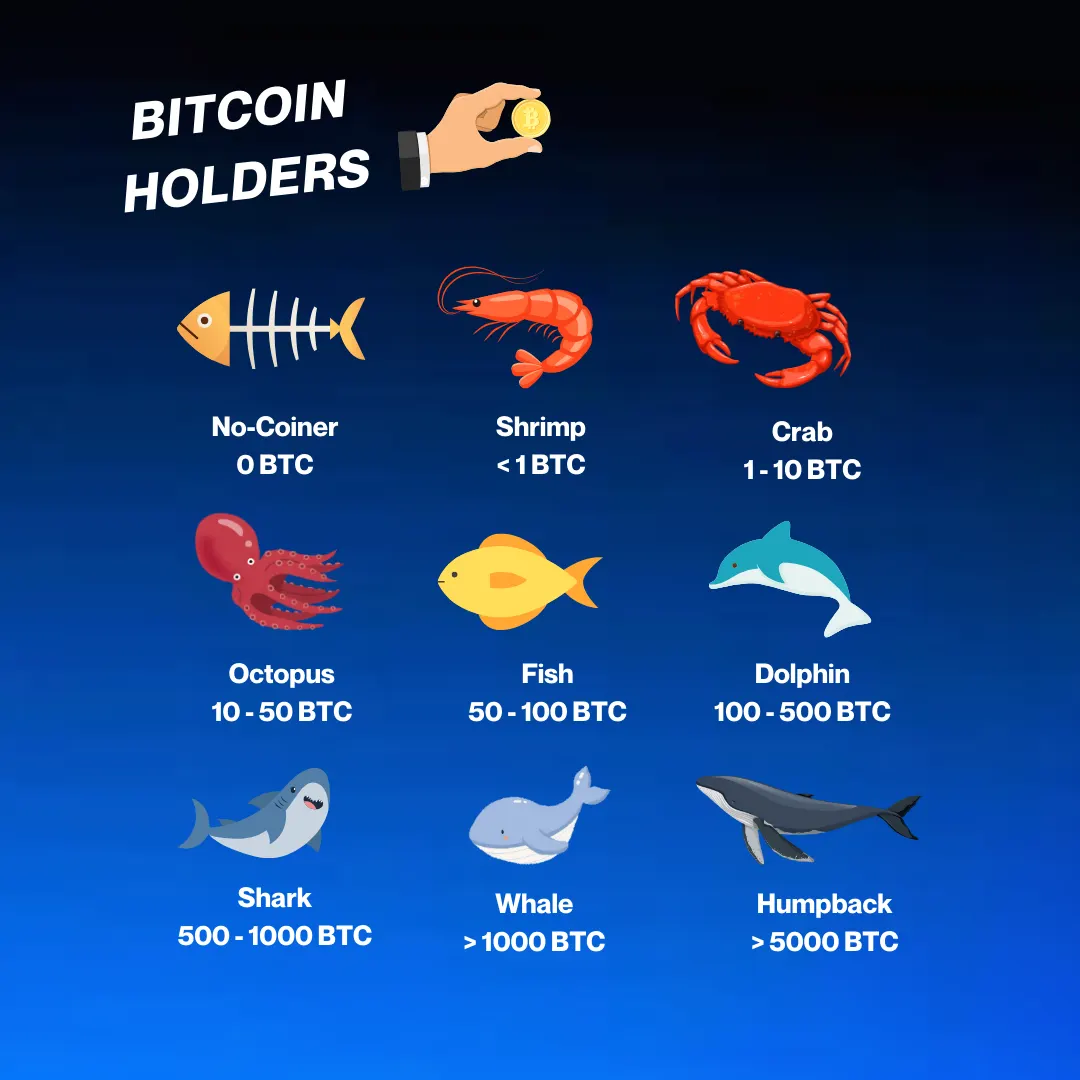
Crypto Whale Categories

The timing of the rotation, coming just after Bitcoin’s new all-time high, suggests that the whale may have been waiting for a psychological milestone before making their move. Reaching new highs often serves as a validation of long-term investment theses, providing the confidence needed to make major portfolio changes. The whale may have viewed Bitcoin’s new all-time high as the perfect exit opportunity, allowing them to realize the success of their seven-year bet while positioning for what they perceived as the next phase of cryptocurrency market evolution.

The choice to use leverage in the Ethereum positions reveals another psychological dimension: urgency. The whale wasn’t content to simply rotate from Bitcoin to Ethereum on a one-to-one basis. Instead, they chose to amplify their exposure through 10x leverage, suggesting they believed time was of the essence in capturing Ethereum’s potential outperformance. This urgency could stem from several factors, including upcoming Ethereum network upgrades, anticipated regulatory developments, or simply a belief that the market was on the verge of recognizing Ethereum’s superior fundamentals.

The whale’s complete dormancy over seven years also suggests a personality type that makes decisions infrequently but with high conviction. When such investors finally move, it often represents a fundamental shift in their worldview rather than tactical trading. The whale’s decision to not only sell Bitcoin but to immediately rotate into leveraged Ethereum positions suggests they had been contemplating this move for some time, waiting for the right moment to execute a complete strategic pivot.

Ethereum’s Compelling Value Proposition: What the Whale Saw

To understand why the whale chose Ethereum as their rotation target, we must examine the fundamental value proposition that Ethereum offers compared to Bitcoin. While Bitcoin has established itself as digital gold and a store of value, Ethereum has evolved into something far more complex and potentially valuable: a global computing platform that enables an entire ecosystem of decentralized applications, financial services, and digital assets.

The whale’s decision likely reflected a growing recognition that Ethereum’s utility extends far beyond simple value storage. The Ethereum network hosts the majority of decentralized finance (DeFi) protocols, which have grown to manage hundreds of billions of dollars in total value locked (TVL). This ecosystem includes lending protocols, decentralized exchanges, yield farming opportunities, and synthetic asset platforms that generate real economic activity and fees for the network.

Ethereum’s transition to proof-of-stake through “The Merge” in 2022 had also fundamentally altered its economic model. Unlike Bitcoin, which requires continuous energy expenditure for mining, Ethereum now operates on a more energy-efficient consensus mechanism that allows ETH holders to earn staking rewards. This creates a yield-bearing component to Ethereum ownership that Bitcoin lacks, potentially making it more attractive to institutional investors seeking income-generating assets.

The network’s upcoming upgrades and scaling solutions also present significant growth potential. Layer 2 solutions like Arbitrum, Optimism, and Polygon have been gaining traction, allowing Ethereum to process more transactions at lower costs while maintaining security. These developments address one of Ethereum’s primary limitations—scalability—while preserving its decentralized nature and security guarantees.

From an institutional adoption perspective, Ethereum offers several advantages over Bitcoin. The programmable nature of Ethereum allows for more sophisticated financial products and services, making it attractive to traditional financial institutions looking to build blockchain-based solutions. The success of Ethereum-based stablecoins, which represent the majority of stablecoin market capitalization, demonstrates the network’s utility for real-world financial applications.

The whale may have also been influenced by Ethereum’s superior developer activity and ecosystem growth. Ethereum consistently ranks at the top of developer activity metrics, with thousands of developers building applications on the platform. This developer mindshare often translates into innovation and network effects that can drive long-term value appreciation.

Institutional Validation: The Ethereum Treasury Trend

The whale’s rotation into Ethereum coincided with a broader trend of institutional Ethereum adoption that has been gaining momentum throughout 2025. This institutional validation likely played a significant role in the whale’s decision-making process, as it reduces the perceived risk of being an early adopter while confirming the investment thesis through the actions of other sophisticated investors.

BitMine Immersion Technologies has emerged as the most prominent example of corporate Ethereum adoption, building a treasury strategy focused specifically on Ethereum rather than Bitcoin. The company’s recent addition of 52,475 ETH brought their total holdings to 1.52 million tokens worth $6.6 billion, making them one of the largest corporate holders of Ethereum globally. This strategy represents a significant departure from the Bitcoin-focused treasury strategies popularized by companies like MicroStrategy, suggesting that institutional investors are increasingly viewing Ethereum as a legitimate treasury asset.

The success of spot Ethereum ETFs has provided another avenue for institutional adoption. August 2025 saw massive inflows into these products, with institutional investors increasingly viewing Ethereum as a complementary or alternative allocation to Bitcoin. The ETF structure allows traditional investors to gain Ethereum exposure through familiar investment vehicles, creating a steady stream of demand that wasn’t present in previous market cycles.

Other publicly traded companies have also begun adding Ethereum to their balance sheets. SharpLink Gaming made headlines with their acquisition of over $667 million in ETH, while companies like BitDigital, The Ether Machine, and GameSquare have also announced Ethereum treasury strategies. This trend suggests that corporate adoption of Ethereum is moving beyond early adopters to become a more mainstream corporate finance strategy.

The institutional derivatives market has also shown strong growth, with Ethereum futures on the Chicago Mercantile Exchange reaching record open interest levels. This institutional interest in Ethereum derivatives suggests that sophisticated investors are increasingly viewing Ethereum as a mature asset class worthy of significant allocation and risk management strategies.

The Leverage Gambit: High Risk, High Reward Strategy

One of the most striking aspects of the whale’s rotation was the decision to use significant leverage in their Ethereum positions. Rather than simply swapping Bitcoin for Ethereum on a one-to-one basis, the whale chose to amplify their exposure through 10x leverage on the majority of their position, with a smaller portion using 3x leverage. This decision reveals both the whale’s high conviction in Ethereum’s near-term prospects and their willingness to accept substantial liquidation risk.

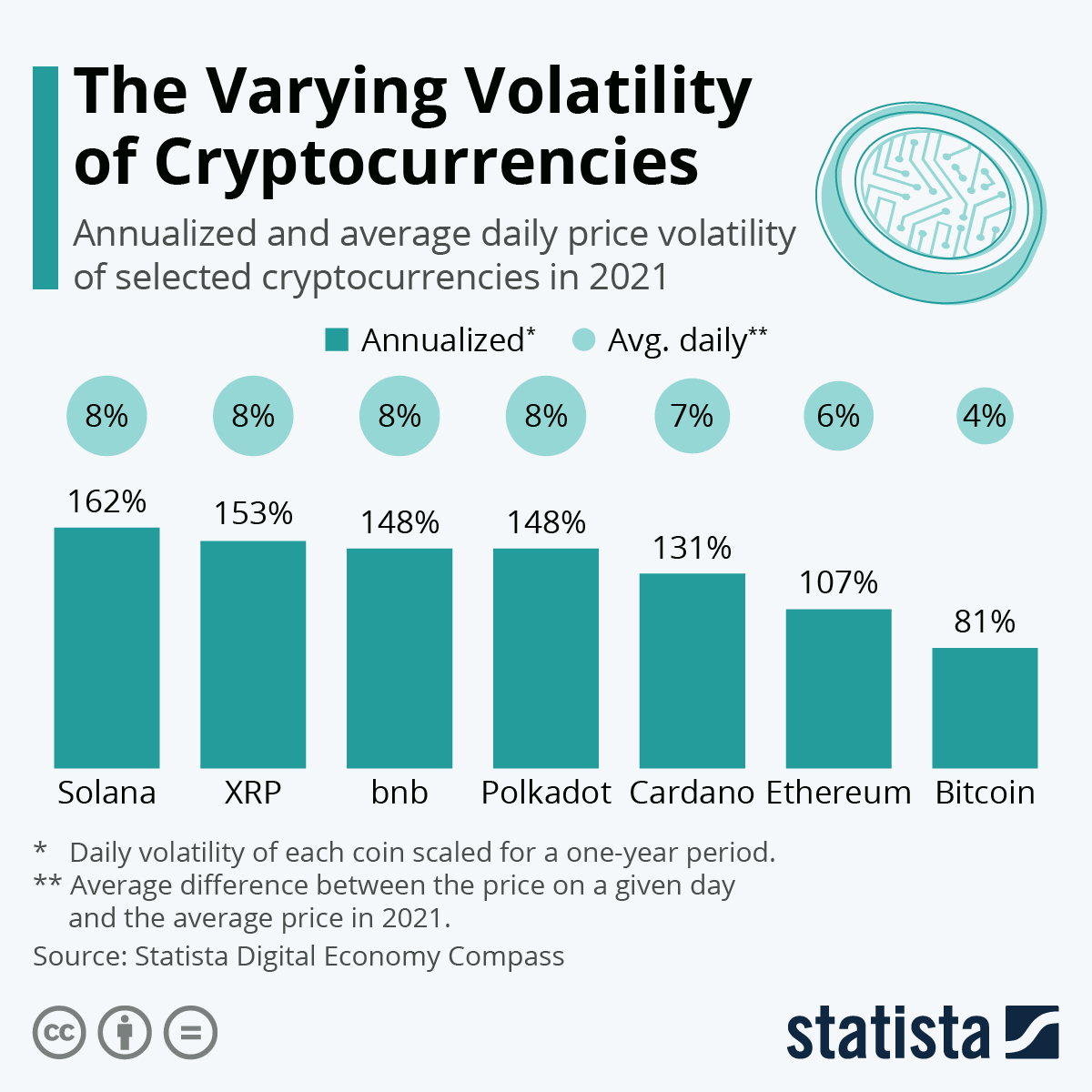
The use of 10x leverage means that a 10% decline in Ethereum’s price would completely wipe out the leveraged portion of the whale’s position. Given Ethereum’s historical volatility, this represents a significant risk that only the most confident investors would be willing to accept. The whale’s decision to use such high leverage suggests they believed Ethereum was poised for significant near-term appreciation that would more than compensate for the additional risk.

The immediate aftermath of the whale’s position opening provided a stark reminder of these risks. Ethereum’s price dropped to $4,080 shortly after the positions were established, putting three of the whale’s positions within $300 of their liquidation prices of $3,699, $3,700, and $3,732. This near-miss with liquidation demonstrated both the risks inherent in leveraged trading and the whale’s willingness to accept such risks in pursuit of amplified returns.

The choice of Hyperliquid as the trading platform for these leveraged positions also reveals sophisticated understanding of the DeFi ecosystem. Hyperliquid is a relatively new but technologically advanced decentralized exchange that offers sophisticated derivatives trading capabilities. The platform’s use of an on-chain order book and advanced risk management features makes it attractive to institutional traders seeking to execute large, complex trades without the counterparty risk associated with centralized exchanges.

The leverage strategy also reflects a broader trend in institutional cryptocurrency trading toward more sophisticated risk management and return enhancement strategies. Rather than simply buying and holding cryptocurrencies, institutional investors are increasingly using derivatives, leverage, and complex trading strategies to optimize their risk-adjusted returns. The whale’s approach represents an evolution from the simple “HODL” strategy that characterized early Bitcoin adoption to a more nuanced approach that seeks to maximize returns while managing downside risk.

Market Impact and Immediate Consequences

The whale’s massive rotation had immediate and significant impacts on both Bitcoin and Ethereum markets, demonstrating the outsized influence that large holders can have on cryptocurrency price discovery and market sentiment. The $76 million Bitcoin sale, while representing only a small fraction of daily Bitcoin trading volume, occurred during a period of market uncertainty and likely contributed to additional selling pressure.

Bitcoin’s price action around the time of the whale’s initial transaction showed increased volatility, with the cryptocurrency struggling to maintain support above the $113,000 level. While it’s impossible to attribute Bitcoin’s weakness solely to the whale’s selling, the timing and scale of the transaction likely contributed to negative sentiment among other market participants. The psychological impact of seeing a seven-year holder finally capitulate may have been more significant than the actual selling pressure.

Ethereum, conversely, showed relative strength during the same period, with the whale’s massive accumulation providing significant buying pressure. The combination of spot purchases and leveraged long positions created substantial demand for Ethereum, helping to support the price even as broader cryptocurrency markets experienced volatility. Ethereum’s ability to maintain its price level despite the broader market uncertainty likely reinforced the whale’s conviction in their rotation strategy.

The derivatives markets also showed immediate reactions to the whale’s activity. Ethereum funding rates increased as the whale’s leveraged long positions contributed to overall long interest in the market. This increase in funding rates made it more expensive for other traders to maintain leveraged long positions, potentially discouraging additional speculative buying while rewarding those willing to take the other side of the trade.

The whale’s near-liquidation experience also provided a real-time demonstration of the risks associated with high-leverage trading in volatile markets. The fact that Ethereum’s price dropped to within $300 of the whale’s liquidation levels shortly after position establishment served as a reminder that even sophisticated investors with strong convictions can face significant losses when using leverage in volatile markets.

Broader Implications: A Signal of Market Evolution

The whale’s dramatic rotation from Bitcoin to Ethereum represents more than just an individual investment decision—it signals a potential evolution in how sophisticated investors view the cryptocurrency market and the relative value propositions of different digital assets. This move could mark the beginning of a broader rotation from Bitcoin to Ethereum among institutional and high-net-worth investors.

The timing of the rotation, coming just after Bitcoin reached new all-time highs, suggests that some long-term holders may view current levels as an opportune time to diversify into other cryptocurrency assets. This pattern of profit-taking from Bitcoin and rotation into alternative cryptocurrencies has historically marked the beginning of “altcoin seasons,” periods when alternative cryptocurrencies outperform Bitcoin.

The whale’s choice of Ethereum as their rotation target also validates the growing institutional narrative around Ethereum as a complementary or alternative investment to Bitcoin. While Bitcoin has established itself as digital gold and a store of value, Ethereum’s utility as a platform for decentralized applications and financial services offers a different value proposition that may be more attractive to investors seeking exposure to the broader cryptocurrency ecosystem.

The use of leverage in the rotation strategy also reflects the increasing sophistication of cryptocurrency markets and the availability of advanced trading tools and strategies. The whale’s ability to execute complex leveraged trades on decentralized exchanges demonstrates the maturation of DeFi infrastructure and its growing appeal to institutional investors.

From a market structure perspective, the whale’s move highlights the continued importance of large holders in cryptocurrency price discovery. Despite the growth of institutional adoption and retail participation, individual whales still possess the ability to significantly impact market dynamics through their trading decisions. This concentration of holdings remains a unique characteristic of cryptocurrency markets compared to traditional financial markets.

Risk Assessment: The Perils of Leveraged Conviction

While the whale’s rotation strategy demonstrates sophisticated market analysis and strong conviction, it also exposes them to significant risks that could result in substantial losses. The use of 10x leverage means that relatively small adverse price movements could result in complete loss of the leveraged portion of their position, representing hundreds of millions of dollars in potential losses.

The immediate aftermath of the position opening provided a stark reminder of these risks. Ethereum’s decline to $4,080 brought the whale’s positions dangerously close to liquidation, with three positions coming within $300 of their liquidation prices. This near-miss demonstrates that even sophisticated investors with strong fundamental convictions can face significant losses when market volatility exceeds expectations.

The correlation between Bitcoin and Ethereum during periods of market stress also presents additional risks to the whale’s strategy. While Ethereum has shown relative strength during normal market conditions, both assets tend to move in the same direction during periods of significant market stress or macroeconomic uncertainty. This correlation could limit the diversification benefits of the rotation and expose the whale to similar risks they faced with their Bitcoin holdings.

Regulatory risks also present potential challenges to the whale’s strategy. Changes in cryptocurrency regulation, particularly those affecting Ethereum’s status as a security or the operation of DeFi protocols, could significantly impact Ethereum’s price and the whale’s ability to maintain their leveraged positions. The whale’s use of decentralized exchanges and DeFi protocols also exposes them to smart contract risks and potential protocol failures.

The liquidity risks associated with such large positions also deserve consideration. While the whale was able to accumulate their Ethereum positions during a period of normal market conditions, unwinding such large leveraged positions during periods of market stress could prove challenging and potentially result in significant slippage and market impact.

The Ripple Effect: Inspiring Institutional Rotation

The whale’s dramatic rotation has already begun to inspire similar moves among other institutional and high-net-worth investors, creating a potential ripple effect that could accelerate the trend of Bitcoin-to-Ethereum rotation. The visibility of the whale’s move, combined with its sophisticated execution and strong conviction, has provided a template for other large holders considering similar strategies.

Several other whales have been observed making similar moves in the days following the initial rotation. Blockchain analytics firms have identified additional large Bitcoin holders moving funds to exchanges and accumulating Ethereum positions, suggesting that the original whale’s move may have catalyzed broader rotation activity. This copycat behavior is common in cryptocurrency markets, where the actions of sophisticated investors are closely watched and often emulated by others.

The institutional response has also been notable, with several cryptocurrency investment funds and family offices reportedly increasing their Ethereum allocations relative to Bitcoin. The whale’s move has provided additional validation for investment committees and risk management teams that may have been considering similar allocation changes but needed additional confirmation of the strategy’s viability.

The media attention surrounding the whale’s move has also contributed to broader awareness of Ethereum’s investment merits among institutional investors who may have previously focused primarily on Bitcoin. The narrative of a sophisticated, long-term Bitcoin holder choosing to rotate into Ethereum has resonated with institutional investors seeking to understand the evolving cryptocurrency landscape.

Future Implications: What This Means for Crypto Markets

The whale’s rotation from Bitcoin to Ethereum could mark the beginning of a significant shift in cryptocurrency market dynamics, with implications that extend far beyond the immediate price impacts on both assets. This move represents a potential inflection point in how institutional and sophisticated investors view the relative merits of different cryptocurrency investments.

If the whale’s strategy proves successful and Ethereum outperforms Bitcoin over the coming months, it could accelerate the trend of institutional rotation from Bitcoin to Ethereum. This could lead to a sustained period of Ethereum outperformance, similar to previous “altcoin seasons” but driven by institutional rather than retail demand. Such a rotation could fundamentally alter the market capitalization rankings and relative valuations of major cryptocurrencies.

The success of leveraged Ethereum strategies could also encourage the development of more sophisticated cryptocurrency investment products and strategies. Traditional financial institutions may begin offering leveraged Ethereum exposure through structured products, ETFs, or other investment vehicles, making such strategies accessible to a broader range of institutional investors.

The whale’s use of decentralized exchanges and DeFi protocols for their rotation also highlights the growing institutional adoption of decentralized finance. As more institutional investors become comfortable with DeFi protocols, it could drive significant additional capital into the Ethereum ecosystem and further validate Ethereum’s utility as a platform for financial innovation.

From a technological perspective, the whale’s move could accelerate development and adoption of Ethereum scaling solutions and infrastructure improvements. The attention and capital flowing into the Ethereum ecosystem could fund additional research and development, potentially solving some of the network’s current limitations and further enhancing its value proposition.

Conclusion: The Dawn of a New Era

The awakening of a $1.6 billion Bitcoin whale after seven years of dormancy and their immediate rotation into leveraged Ethereum positions represents one of the most significant individual investment moves in cryptocurrency history. This dramatic shift from diamond-handed Bitcoin maximalism to aggressive Ethereum speculation signals a potential evolution in how sophisticated investors view the cryptocurrency landscape.

The whale’s decision was not made in isolation but reflects broader trends in institutional cryptocurrency adoption, Ethereum ecosystem development, and the maturation of DeFi infrastructure. The timing of the move, coming just after Bitcoin reached new all-time highs and as Ethereum approaches its own records, suggests a sophisticated understanding of market cycles and relative value opportunities.

While the whale’s use of significant leverage introduces substantial risks, their willingness to accept such risks demonstrates extraordinary conviction in Ethereum’s near-term prospects. The near-liquidation experience shortly after position establishment serves as a reminder of the volatility and risks inherent in cryptocurrency markets, even for the most sophisticated investors.

The broader implications of this move extend far beyond the immediate market impacts. The whale’s rotation could catalyze similar moves among other institutional investors, potentially marking the beginning of a sustained period of capital rotation from Bitcoin to Ethereum. This shift could fundamentally alter the cryptocurrency market landscape and accelerate the adoption of more sophisticated investment strategies and products.

As the cryptocurrency market continues to mature and evolve, the actions of sophisticated investors like this whale provide valuable insights into the changing dynamics and emerging opportunities within the space. Whether this rotation proves to be a prescient move or a costly mistake will likely be determined over the coming months, but its impact on market sentiment and institutional behavior has already begun to reshape the cryptocurrency investment landscape.

The great awakening of this Bitcoin whale may well mark the dawn of a new era in cryptocurrency investing, where utility and ecosystem development begin to matter as much as, or more than, simple store-of-value narratives. For investors and market participants, the whale’s bold move serves as both inspiration and warning—a reminder of the potential rewards and risks that define the ever-evolving world of cryptocurrency investment.


References

[1] Cointelegraph. “Bitcoin whale who held for 7 years sells $76M to go long on Ether.” Cointelegraph, August 21, 2025. https://cointelegraph.com/news/bitcoin-whale-dumps-btc-for-295m-eth-long-position

[2] U.Today. “Bitcoin Whale Suddenly Pivots to Ethereum After Exiting 7 Years of Dormancy.” U.Today, August 22, 2025. https://u.today/bitcoin-whale-suddenly-pivots-to-ethereum-after-exiting-7-years-of-dormancy

[3] ZyCrypto. “Bitcoin OG Dumps $76 Million BTC After 7 Years Of HODLing To Go Long On Ether.” ZyCrypto, August 21, 2025. https://zycrypto.com/bitcoin-og-dumps-76-million-btc-after-7-years-of-hodling-to-go-long-on-ether/
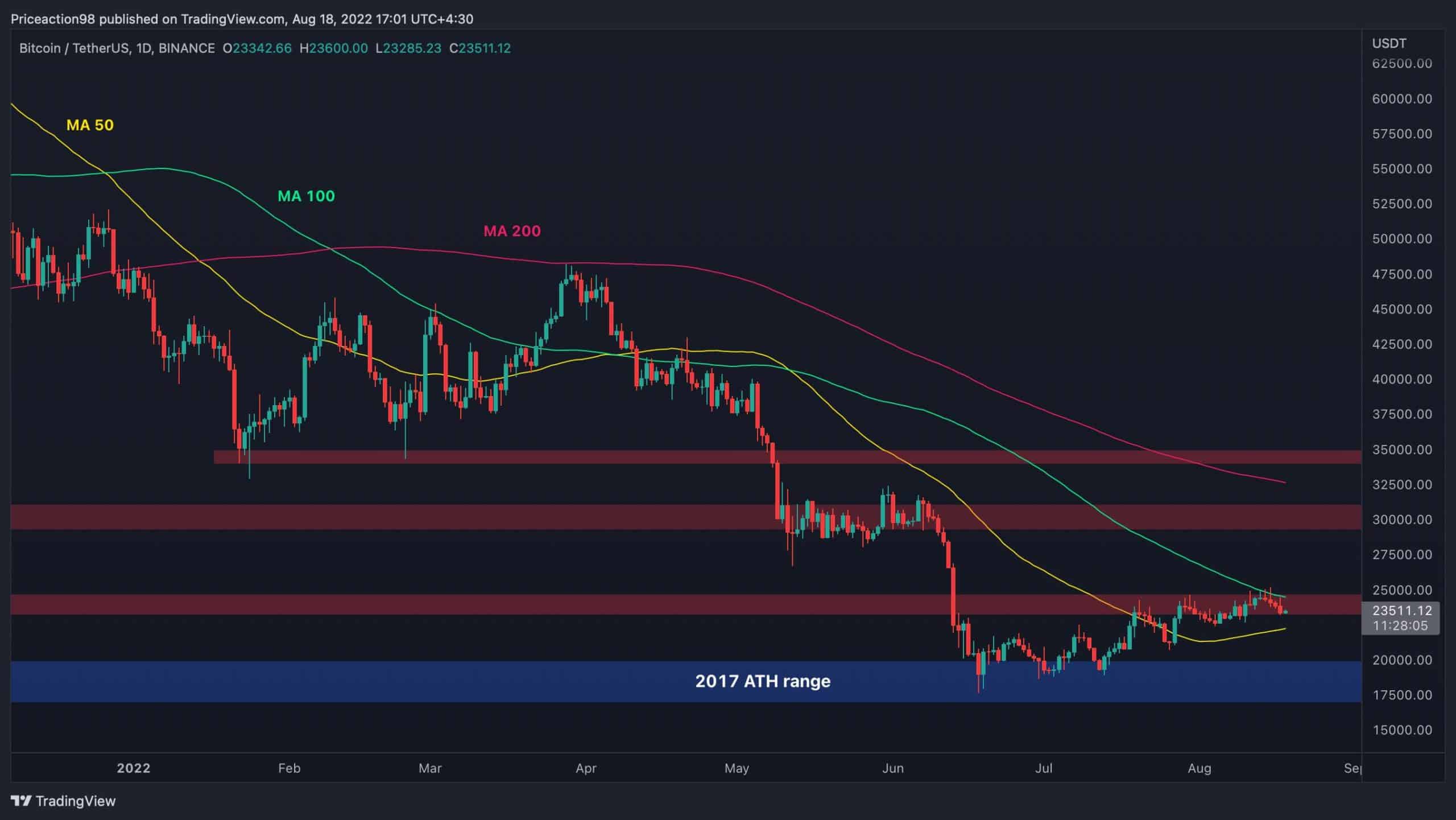
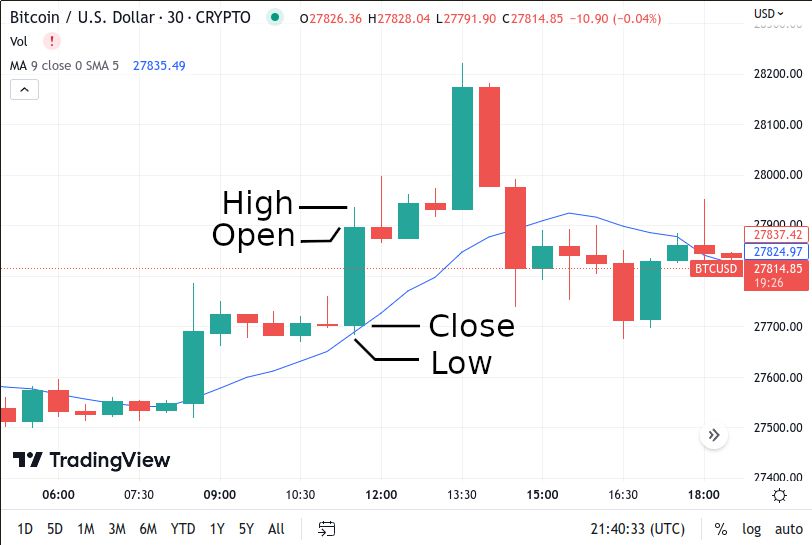
What’s Coming Next for BTC — Breakdown or Bounce? A Critical Analysis of Bitcoin’s $113K Crossroads

Published by everythingcryptoitclouds.com | August 21, 2025

Bitcoin stands at one of its most critical junctures in 2025, trading around $113,800 after a notable correction from its recent all-time high of $124,533. As the world’s leading cryptocurrency consolidates within a narrow range, traders and investors are asking the same pressing question: will Bitcoin break down from current levels or stage a powerful bounce toward new highs? The answer to this question could determine the trajectory of the entire cryptocurrency market for the remainder of 2025.

The current market structure presents a fascinating case study in technical analysis, institutional adoption, and market psychology. After reaching unprecedented heights earlier this month, Bitcoin has entered a consolidation phase that has left both bulls and bears positioning for what could be the next major directional move. With $150 billion in Bitcoin ETF assets providing institutional support and the 2024 halving continuing to constrain supply, the fundamental backdrop remains robust. However, technical indicators are painting a more nuanced picture that demands careful analysis.

Bitcoin Price Analysis

The stakes couldn’t be higher. A successful bounce from current levels could propel Bitcoin toward the $120,000-$125,000 zone and potentially establish new all-time highs before year-end. Conversely, a breakdown below key support levels could trigger a more significant correction that tests the resolve of both institutional and retail investors. Understanding the technical, fundamental, and sentiment factors at play is crucial for anyone seeking to navigate this critical period in Bitcoin’s evolution.

The Technical Landscape: Mapping Bitcoin’s Critical Levels

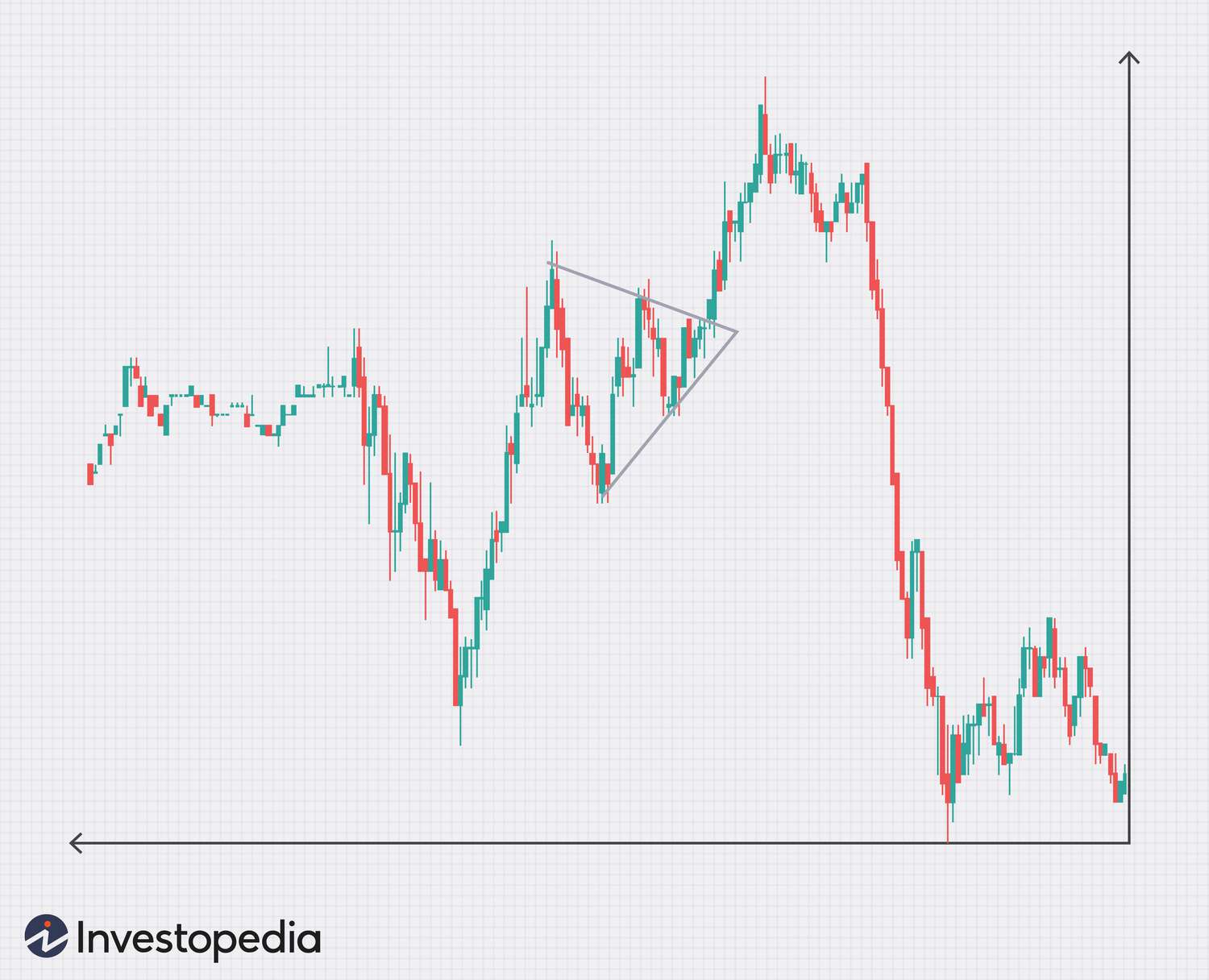
Bitcoin’s current price action is defined by a series of well-established technical levels that have emerged through months of trading activity and institutional accumulation. The $113,000 zone where Bitcoin currently trades represents more than just a price level—it’s a battleground where the forces of supply and demand are engaged in a high-stakes contest that will determine the cryptocurrency’s near-term direction.

The most critical support level lies at $112,000, a threshold that has repeatedly attracted buying interest during recent corrections. This level has transformed from resistance to support following Bitcoin’s breakthrough earlier in the year, demonstrating the classic technical principle of role reversal. The strength of this support has been tested multiple times, with each successful defense reinforcing its significance in the minds of market participants. A sustained break below $112,000 would represent a significant technical failure that could trigger algorithmic selling and force leveraged positions to liquidate.

Below the immediate $112,000 support, a series of deeper support levels provide potential landing zones for any corrective move. The $110,000-$111,900 zone represents the next major support cluster, aligning with previous resistance levels and key Fibonacci retracement levels from Bitcoin’s recent advance. This area has historical significance as a accumulation zone where institutional buyers have previously stepped in during market weakness.

Should Bitcoin break below the $110,000 threshold, the next major support levels emerge at $107,400 and $105,200. These levels correspond to significant technical markers including the 200-day exponential moving average and major Fibonacci retracement levels. The psychological $100,000 level looms as the ultimate support test, representing not just a round number but a critical threshold that has captured the imagination of both institutional and retail investors.

On the upside, Bitcoin faces a series of resistance levels that could cap any rally attempt. The immediate resistance zone spans $114,000 to $115,000, representing the area where Bitcoin has struggled to maintain momentum during recent bounce attempts. This zone aligns with the 50-day simple moving average, which has been acting as dynamic resistance during the current consolidation phase.

The $117,500 level has emerged as a critical intermediate target for any bullish breakout. While not a direct Fibonacci extension, this level has shown significant importance in recent price action and represents a logical target for traders positioning for a bounce scenario. A successful break above $117,500 would likely trigger momentum-based buying and could accelerate Bitcoin’s advance toward higher targets.

The major resistance zone spans $120,000 to $123,000, encompassing the 0.768 Fibonacci extension of Bitcoin’s current bull cycle and representing the gateway to new all-time highs. This area has acted as a magnet for price action, with multiple attempts to break through resulting in rejection and subsequent consolidation. The volume and conviction required to break through this zone would likely signal the beginning of a new leg higher in Bitcoin’s bull market.

Institutional Dynamics: The New Market Structure

The landscape of Bitcoin trading has been fundamentally transformed by institutional adoption, creating a market structure that differs significantly from previous cycles. With over $150 billion in Bitcoin ETF assets and companies like MicroStrategy holding more than 629,000 BTC, institutional participation has introduced new dynamics that influence both support and resistance levels [1].

The presence of institutional investors has created what many analysts describe as a “floor” under Bitcoin prices, with large-scale accumulation occurring during any significant weakness. This institutional support has been evident during recent corrections, where buying interest has emerged consistently around key technical levels. The ETF structure allows traditional investors to gain Bitcoin exposure through familiar investment vehicles, creating a steady stream of demand that wasn’t present in previous market cycles.

However, institutional participation is a double-edged sword. While it provides support during corrections, it also introduces new sources of volatility when institutional flows reverse. Recent data shows moderate ETF outflows, reflecting some profit-taking by institutional investors following Bitcoin’s advance to all-time highs. These flows are closely monitored by market participants as they can provide early signals of changing institutional sentiment.

The derivatives market provides additional insight into institutional positioning and sentiment. Open interest in Bitcoin futures has been declining, indicating reduced speculative positioning and potentially setting the stage for a more sustainable move in either direction. The funding rate remains elevated and positive, confirming a bullish bias among leveraged traders, but this premium may actually hinder demand for new long positions as the cost of carrying leveraged exposure increases.

Wall Street’s involvement in Bitcoin has also introduced new trading patterns and volatility characteristics. The concentration of trading volume during New York market hours has become more pronounced, with significant price movements often coinciding with the opening and closing of traditional financial markets. This synchronization with traditional finance creates both opportunities and risks, as Bitcoin becomes more susceptible to broader market sentiment and macroeconomic developments.

The institutional adoption story extends beyond direct Bitcoin holdings to encompass the broader cryptocurrency ecosystem. The success of Bitcoin ETFs has paved the way for additional cryptocurrency investment products, creating a positive feedback loop that could drive further institutional adoption. However, this integration also means that Bitcoin is increasingly subject to the same regulatory and compliance considerations that govern traditional financial markets.

Market Sentiment and Psychology: Reading Between the Lines

Understanding market sentiment is crucial for predicting Bitcoin’s next move, as psychological factors often drive short-term price action even when fundamental and technical factors suggest a different direction. The current sentiment landscape presents a complex picture that reflects both the maturation of the cryptocurrency market and the ongoing tension between fear and greed that characterizes all financial markets.

The Fear and Greed Index, a widely followed sentiment indicator, currently shows a reading of “Fear,” representing a significant shift from the euphoric conditions that prevailed during Bitcoin’s advance to all-time highs. This shift in sentiment often precedes major market moves, as extreme readings in either direction tend to mark turning points in market psychology. The current fear reading suggests that negative sentiment may be reaching levels where contrarian investors begin to see value.

Technical Analysis Charts

Social media sentiment and on-chain metrics provide additional insight into market psychology. The decline in social media mentions and engagement around Bitcoin suggests that retail interest has cooled following the recent correction. This reduction in retail participation often creates conditions for more sustainable price movements, as the absence of speculative excess allows fundamental factors to play a larger role in price discovery.

The behavior of long-term holders provides another window into market sentiment. On-chain analysis shows that long-term holders have been relatively stable during the recent correction, suggesting that the selling pressure has come primarily from shorter-term traders and speculators. This pattern is generally viewed as healthy for long-term price appreciation, as it represents a transfer of Bitcoin from weak hands to strong hands.

Institutional sentiment, while more difficult to measure directly, can be inferred from ETF flows and corporate treasury decisions. The recent moderate outflows from Bitcoin ETFs suggest some institutional profit-taking, but the scale of these outflows remains relatively modest compared to the overall institutional holdings. This pattern suggests that institutional investors are engaging in tactical rebalancing rather than wholesale abandonment of their Bitcoin positions.

The options market provides additional insight into sentiment and expectations. The put-call ratio and implied volatility levels suggest that investors are positioning for increased volatility in the near term, but the distribution of strikes indicates that most participants expect Bitcoin to remain within a relatively narrow range. This positioning could create conditions for a significant move in either direction if Bitcoin breaks out of its current consolidation range.

The Bullish Case: Factors Supporting a Bounce

The argument for a Bitcoin bounce from current levels rests on a combination of technical, fundamental, and structural factors that suggest the recent correction may represent a healthy consolidation rather than the beginning of a more significant decline. Understanding these bullish factors is essential for evaluating the probability of a successful bounce and the potential targets for any resulting rally.

From a technical perspective, Bitcoin’s ability to hold above the critical $112,000 support level demonstrates the underlying strength of the current bull market. This level has been tested multiple times during the recent consolidation, with each successful defense reinforcing its significance as a floor for Bitcoin prices. The fact that Bitcoin has not experienced a significant breakdown despite weeks of consolidation suggests that selling pressure is being absorbed by willing buyers at these levels.

The moving average structure remains supportive of higher prices, with the 50-day and 200-day moving averages both trending higher and providing dynamic support during any weakness. The 50-day simple moving average, currently around $113,500, has been acting as a key reference point for traders and could serve as a launching pad for any bounce attempt. A sustained close above this level would likely trigger momentum-based buying from technical traders and algorithmic systems.

Volume analysis provides additional support for the bullish case. Despite the recent correction, weekly trading volumes have increased by 34% to $48 billion, indicating renewed market engagement rather than capitulation. This increase in volume during a consolidation phase often precedes significant directional moves, as it suggests that market participants are actively positioning for the next leg of the trend.

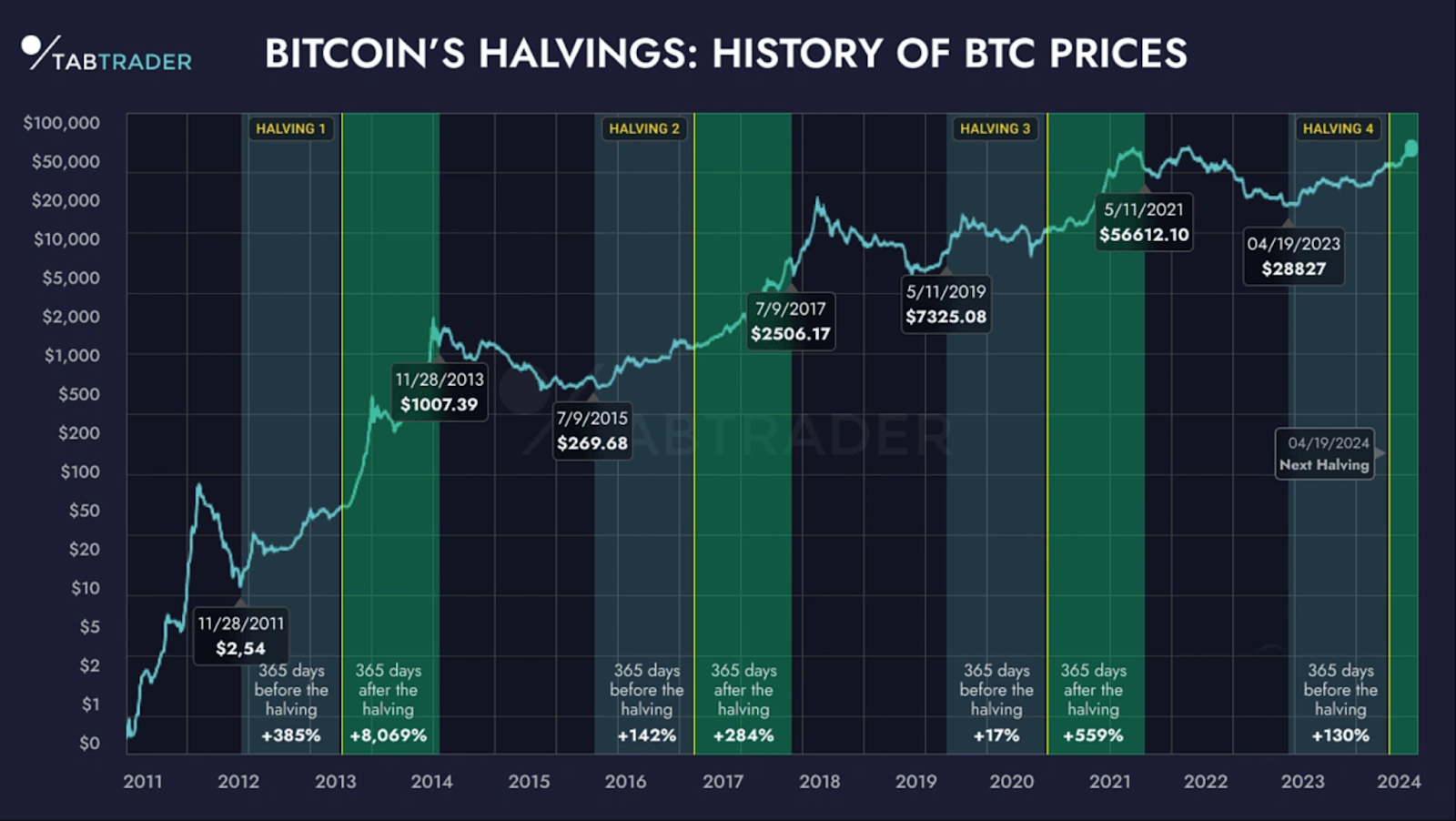
The fundamental backdrop for Bitcoin remains exceptionally strong, with the 2024 halving continuing to constrain new supply while institutional demand shows no signs of abating. The reduction in daily Bitcoin issuance to just 900 BTC has created a supply-demand imbalance that should theoretically support higher prices over time. This supply constraint becomes more significant as institutional adoption continues to grow and more Bitcoin is removed from active trading through long-term holding strategies.

Macroeconomic factors also support the bullish case for Bitcoin. The ongoing concerns about inflation, currency debasement, and geopolitical instability continue to drive interest in alternative stores of value. Bitcoin’s performance relative to traditional assets during periods of economic uncertainty has established its credentials as a hedge against systemic risks, attracting both institutional and retail investors seeking portfolio diversification.

The regulatory environment, while still evolving, has become increasingly favorable for Bitcoin adoption. The approval and success of Bitcoin ETFs has provided regulatory clarity and legitimacy that was previously lacking. This regulatory progress has opened the door for additional institutional participation and has reduced the regulatory overhang that previously weighed on Bitcoin prices.

Technical indicators also support the bullish case, with the Relative Strength Index (RSI) currently in the mid-60s, indicating room for further upside without reaching overbought conditions. The Average Directional Index (ADX) reading of 18.81 suggests weak directional momentum, but this often precedes sharp moves in either direction as market participants position for a breakout.

The Bearish Case: Warning Signs of a Breakdown

While the bullish case for Bitcoin presents compelling arguments, a thorough analysis must also consider the factors that could lead to a breakdown from current levels. Understanding these bearish risks is crucial for developing a balanced perspective on Bitcoin’s near-term prospects and for implementing appropriate risk management strategies.

The most immediate concern for Bitcoin bulls is the failure to reclaim and hold above key resistance levels despite multiple attempts. The repeated rejections at the $115,000-$117,500 zone suggest that selling pressure remains significant at these levels, potentially indicating that institutional or large-scale holders are using rallies as opportunities to reduce their positions. This distribution pattern, if confirmed, could lead to a more significant correction as the supply overhang weighs on prices.

Technical momentum indicators are showing signs of deterioration that could precede a breakdown. While the RSI remains in neutral territory, the failure to generate positive divergence during recent bounce attempts suggests that buying interest may be waning. The declining open interest in Bitcoin futures markets indicates reduced speculative positioning, which could limit the fuel available for a sustained rally.

The broader cryptocurrency market context also presents bearish risks for Bitcoin. The recent underperformance of altcoins relative to Bitcoin suggests that risk appetite in the cryptocurrency space may be diminishing. Historically, periods of altcoin weakness have often preceded broader cryptocurrency market corrections, as they indicate a flight to quality that eventually encompasses even Bitcoin.

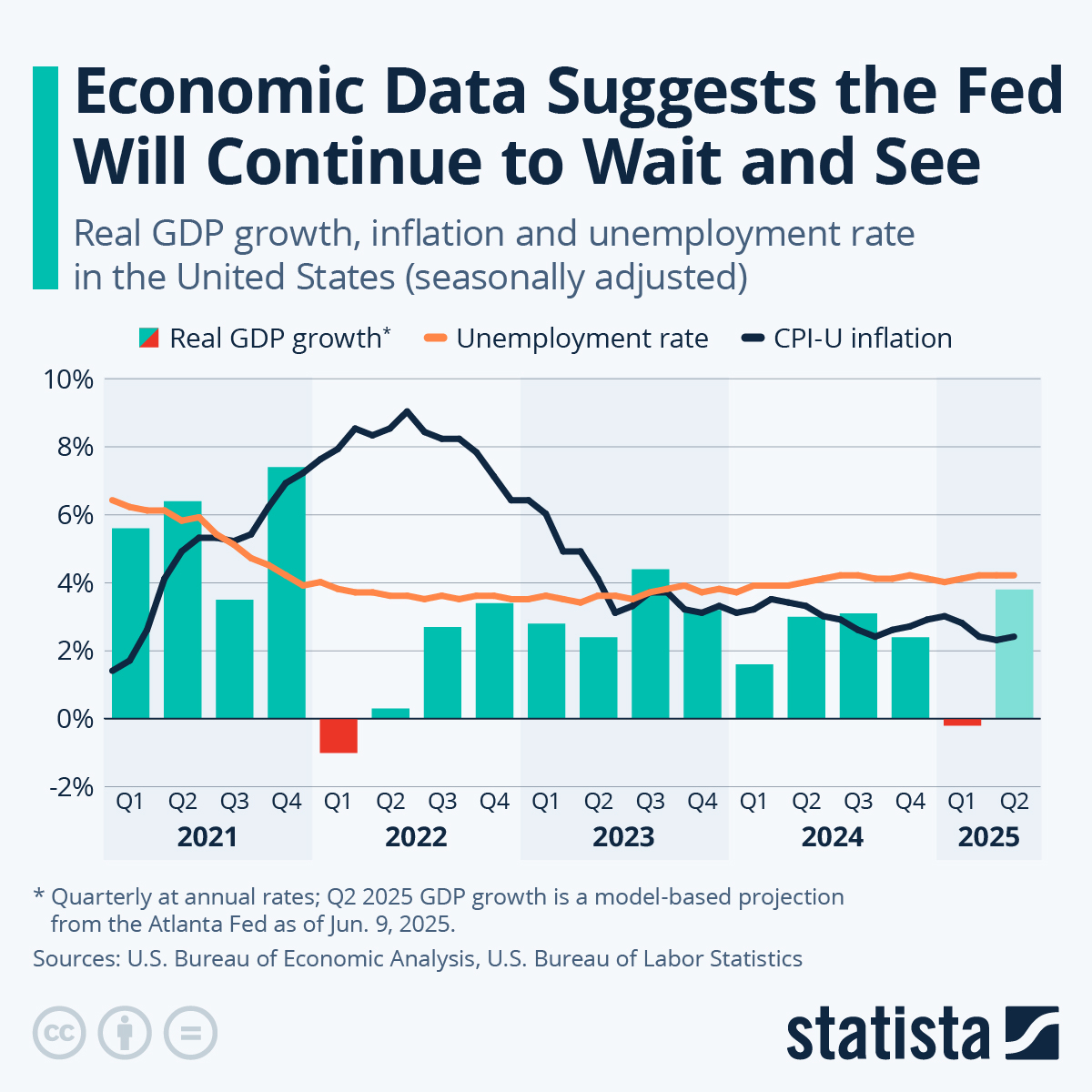
Macroeconomic headwinds pose additional risks to Bitcoin’s near-term prospects. The Federal Reserve’s monetary policy outlook remains uncertain, with markets pricing in potential changes to interest rate policy that could affect risk asset valuations. Bitcoin’s correlation with traditional risk assets has increased during periods of market stress, making it vulnerable to broader market selloffs driven by macroeconomic concerns.

Bitcoin Market Trends

The institutional flow data presents a mixed picture that could turn more negative if current trends continue. While ETF outflows have been moderate, any acceleration in institutional selling could create significant downward pressure on Bitcoin prices. The concentration of Bitcoin holdings among a relatively small number of institutional players means that changes in their positioning can have outsized impacts on market dynamics.

Sentiment indicators, while not at extreme levels, show a clear deterioration from the euphoric conditions that prevailed during Bitcoin’s advance to all-time highs. The shift in the Fear and Greed Index to “Fear” territory suggests that market psychology is becoming more negative, potentially setting the stage for further selling if technical support levels fail.

The derivatives market structure also presents bearish risks. The high funding rates in perpetual futures markets indicate that leveraged long positions are paying a significant premium to maintain their exposure. This situation creates conditions for potential liquidation cascades if Bitcoin breaks below key support levels, as leveraged positions are forced to close and add to selling pressure.

On-chain metrics provide additional warning signs that could precede a breakdown. While long-term holders have remained relatively stable, there are signs of increased activity among shorter-term holders that could indicate preparation for selling. The exchange inflow data shows periodic spikes that suggest some holders are moving Bitcoin to exchanges in preparation for potential sales.

Critical Scenarios: Mapping the Paths Forward

Understanding the specific scenarios that could unfold from Bitcoin’s current position is essential for traders and investors seeking to position themselves for the next major move. The technical setup presents two primary scenarios, each with distinct triggers, targets, and implications for the broader cryptocurrency market.

The bullish scenario hinges on Bitcoin’s ability to reclaim and hold above the $113,500 level, which aligns with the 50-day simple moving average and represents a critical technical threshold. A sustained close above this level would likely trigger momentum-based buying from both technical traders and algorithmic systems, potentially accelerating Bitcoin’s advance toward higher targets. The initial target in this scenario would be the $117,500 level, representing approximately a 3-4% gain from current levels.

A successful break above $117,500 would open the door to a test of the major resistance zone between $120,000 and $123,000. This area encompasses the 0.768 Fibonacci extension of Bitcoin’s current bull cycle and represents the gateway to new all-time highs. A break above this zone could trigger a momentum-driven advance toward the $127,000-$132,000 area, representing potential gains of 15-17% from current levels.

The bullish scenario would likely be accompanied by increasing trading volumes and improving sentiment indicators. The Fear and Greed Index would likely shift back toward “Greed” territory, while social media engagement and retail interest would probably increase. Institutional flows would need to turn positive to support a sustained rally, with ETF inflows providing the fuel for higher prices.

The bearish scenario begins with a break below the critical $112,000 support level, which would represent a significant technical failure and likely trigger algorithmic selling. The initial target in this scenario would be the $110,000-$111,900 support zone, representing a 2-3% decline from current levels. However, the real risk in the bearish scenario lies in the potential for a cascade of selling that could drive Bitcoin toward much lower levels.

A break below $110,000 would likely accelerate the decline toward the $107,400 and $105,200 support levels, representing potential losses of 6-8% from current levels. The ultimate downside target in the bearish scenario would be the psychological $100,000 level, which could be reached if selling pressure intensifies and leveraged positions are forced to liquidate.

The bearish scenario would likely be characterized by increasing volatility and deteriorating sentiment indicators. The Fear and Greed Index would probably shift toward “Extreme Fear” territory, while institutional flows would turn negative as ETFs experience sustained outflows. The broader cryptocurrency market would likely follow Bitcoin lower, with altcoins experiencing even more significant declines.

Both scenarios have specific risk management implications that traders and investors must consider. In the bullish scenario, stop-loss levels should be placed below the $112,000 support to limit downside risk, while position sizing should account for Bitcoin’s inherent volatility. In the bearish scenario, any long positions should be protected with tight stops, while short-term traders might consider waiting for a clearer directional signal before establishing new positions.

Expert Analysis and Market Commentary

The current Bitcoin market structure has attracted significant attention from technical analysts, institutional strategists, and cryptocurrency experts, each offering unique perspectives on the potential outcomes of the current consolidation phase. Understanding these expert viewpoints provides valuable context for evaluating the competing scenarios and their relative probabilities.

Christopher Lewis, a veteran forex and cryptocurrency analyst with over 20 years of experience in financial markets, maintains a constructive view on Bitcoin’s near-term prospects. In his recent analysis, Lewis emphasized the importance of the $112,000 support level, noting that “Bitcoin bounced quite nicely during the trading session on Wednesday, as we have seen the $112,000 level reassert itself at an important level” [2]. His analysis suggests that as long as Bitcoin can maintain this support, the path of least resistance remains higher, with the $120,000 level serving as a “magnet for price.”

Lewis’s perspective is particularly noteworthy given his emphasis on the role of institutional participation in Bitcoin’s current market structure. He notes that “Wall Street is heavily involved in bitcoin now, so it will pay close attention to the volume coming out of New York.” This observation highlights the importance of monitoring institutional flows and trading patterns during New York market hours, as these have become increasingly influential in determining Bitcoin’s direction.

The technical analysis team at BlockByte, a prominent cryptocurrency research firm, has characterized the current setup as a “strategic breakout play” with well-defined risk-reward parameters. Their analysis identifies the $113,000 zone as a “pivotal battleground for bulls and bears,” with the potential for either a bullish breakout toward $117,500 or a bearish breakdown toward $100,000. This binary outlook reflects the compressed nature of Bitcoin’s current trading range and the potential for significant moves in either direction.

BlockByte’s analysis emphasizes the importance of risk management in the current environment, recommending strategic entry points in the $112,000-$113,000 range with stop-loss levels below $110,000. Their approach reflects the high-probability nature of the current setup while acknowledging the significant risks associated with Bitcoin’s volatility.

The technical analysis team at CoinTribune provides a more nuanced perspective that acknowledges both the underlying strength of Bitcoin’s long-term trend and the short-term challenges facing the cryptocurrency. Their analysis notes that “Bitcoin is trading in a consolidation phase, where the strength of the underlying trend contrasts with short-term fragilities.” This observation captures the tension between Bitcoin’s strong fundamental backdrop and the technical challenges it faces in the near term.

CoinTribune’s analysis places particular emphasis on the role of macroeconomic factors in determining Bitcoin’s next move. They note that “reactions to key technical thresholds and the macroeconomic climate will be decisive, especially as markets remain shaken by the notion that the Fed might not cut rates in September.” This perspective highlights the increasing correlation between Bitcoin and traditional financial markets, particularly during periods of macroeconomic uncertainty.

Institutional analysts have also weighed in on Bitcoin’s current situation, with many emphasizing the importance of ETF flows and corporate treasury decisions. The moderate outflows from Bitcoin ETFs in recent weeks have been interpreted by some analysts as healthy profit-taking rather than a fundamental shift in institutional sentiment. However, the sustainability of institutional demand remains a key factor that could determine Bitcoin’s ability to break out of its current range.

Risk Management and Strategic Considerations

Navigating Bitcoin’s current market environment requires a sophisticated approach to risk management that accounts for the cryptocurrency’s inherent volatility, the binary nature of the current setup, and the potential for significant moves in either direction. Developing an appropriate risk management framework is essential for both preserving capital and positioning for potential opportunities.

The first principle of risk management in the current environment is position sizing. Given Bitcoin’s volatility and the potential for significant moves in either direction, investors should limit their exposure to levels that allow them to withstand adverse price movements without compromising their overall portfolio objectives. A common rule of thumb suggests limiting cryptocurrency exposure to no more than 5-10% of a total investment portfolio, though this percentage may vary based on individual risk tolerance and investment objectives.

Stop-loss placement represents another critical component of risk management in the current environment. For investors maintaining long positions, stop-loss levels should be placed below the $110,000 support zone to limit downside risk while allowing for normal market volatility. This placement provides a buffer against false breakdowns while protecting against more significant losses if Bitcoin’s support structure fails.

The timing of entries and exits becomes particularly important in the current environment, where Bitcoin is trading within a relatively narrow range with well-defined support and resistance levels. Investors seeking to establish new long positions might consider waiting for a successful test and hold of the $112,000 support level, while those looking to reduce exposure might use rallies toward the $115,000-$117,500 resistance zone as opportunities to take profits.

Diversification within the cryptocurrency space also requires careful consideration in the current environment. While Bitcoin’s dominance has increased during the recent consolidation phase, the performance of altcoins and the broader cryptocurrency market could provide important signals about the sustainability of any Bitcoin rally. Investors should monitor the relative performance of major altcoins and cryptocurrency market indices as leading indicators of broader market sentiment.

The role of leverage in the current environment deserves special attention, as the potential for significant moves in either direction creates both opportunities and risks for leveraged positions. The high funding rates in perpetual futures markets indicate that leveraged long positions are expensive to maintain, while the potential for liquidation cascades creates additional risks for highly leveraged traders.

Hedging strategies may be appropriate for investors with significant Bitcoin exposure who want to maintain their long-term positions while protecting against near-term volatility. Options strategies, including protective puts or collar strategies, can provide downside protection while allowing for participation in any upside moves. However, the cost of options protection should be weighed against the potential benefits, particularly in a high-volatility environment.

Conclusion: Preparing for Bitcoin’s Next Chapter

As Bitcoin consolidates around the critical $113,000 level, the cryptocurrency market finds itself at a pivotal moment that could determine the trajectory of digital assets for the remainder of 2025. The technical setup presents a classic high-probability scenario with well-defined risk-reward parameters, clear support and resistance levels, and the potential for significant moves in either direction.

The bullish case for Bitcoin remains compelling, supported by strong institutional adoption, supply constraints from the 2024 halving, and a technical structure that suggests the recent correction may represent a healthy consolidation rather than the beginning of a more significant decline. The ability of Bitcoin to hold above the $112,000 support level despite weeks of consolidation demonstrates the underlying strength of the current bull market and suggests that selling pressure is being absorbed by willing buyers.

However, the bearish risks cannot be ignored, particularly given the repeated failures to break above key resistance levels and the deteriorating momentum indicators. The shift in market sentiment from euphoria to fear, combined with moderate institutional outflows and elevated funding rates, creates conditions where a breakdown below support could trigger a more significant correction.

The path forward for Bitcoin will likely be determined by its ability to navigate the critical technical levels that define the current trading range. A successful bounce from current levels that reclaims the $115,000-$117,500 resistance zone could open the door to new all-time highs and a continuation of the current bull market. Conversely, a breakdown below the $112,000 support level could trigger a correction toward the $100,000 psychological threshold and potentially delay Bitcoin’s advance to higher levels.

For investors and traders, the current environment demands a disciplined approach that emphasizes risk management, appropriate position sizing, and clear entry and exit strategies. The binary nature of the current setup creates both opportunities and risks that require careful navigation and a thorough understanding of the factors that could influence Bitcoin’s next move.

As we look ahead, the interplay between technical factors, institutional flows, and macroeconomic developments will likely determine whether Bitcoin breaks down or bounces from current levels. The outcome of this critical juncture will not only affect Bitcoin’s price trajectory but could also influence the broader cryptocurrency market and the pace of digital asset adoption.

The question of whether Bitcoin will experience a breakdown or bounce from current levels remains unanswered, but the framework for understanding the potential outcomes is clear. By monitoring the key technical levels, institutional flows, and sentiment indicators discussed in this analysis, market participants can position themselves to navigate whatever scenario ultimately unfolds.

Bitcoin’s journey to this critical juncture reflects the maturation of the cryptocurrency market and the increasing influence of institutional participants. As the market continues to evolve, the lessons learned from navigating this pivotal moment will likely inform investment strategies and risk management approaches for years to come.


References

[1] AInvest. “Bitcoin’s Critical Support and Resistance: A Strategic Breakout Play at $113K.” AInvest, August 21, 2025. https://www.ainvest.com/news/bitcoin-critical-support-resistance-strategic-breakout-play-113k-2508/

[2] Daily Forex. “BTC/USD Forecast: Support Holds at $112K.” Daily Forex, August 21, 2025. https://www.dailyforex.com/forex-technical-analysis/2025/08/btcusd-forecast-21-august-2025/232942

Breaking Barriers: Solana Shatters Records with 107,664 TPS, Redefining Blockchain Performance Standards

Published by everythingcryptoitclouds.com | August 19, 2025

In a groundbreaking achievement that has sent shockwaves through the blockchain industry, Solana has officially become the first major blockchain network to exceed 100,000 transactions per second (TPS) on its mainnet. On August 17, 2025, the high-performance blockchain reached an unprecedented peak of 107,664 TPS within a single block, setting a new benchmark that fundamentally challenges our understanding of what’s possible in decentralized network architecture [1].

This milestone represents more than just a technical achievement—it’s a paradigm shift that positions Solana at the forefront of blockchain scalability solutions and demonstrates the potential for decentralized networks to compete directly with traditional payment processing systems. To put this achievement in perspective, Solana’s peak performance now exceeds Visa’s theoretical maximum of 65,000 TPS, marking a historic moment where blockchain technology has definitively surpassed traditional financial infrastructure in raw processing capability [2].

Solana Logo

The implications of this breakthrough extend far beyond mere numbers. As the cryptocurrency industry continues to grapple with scalability challenges that have long hindered mass adoption, Solana’s achievement provides a compelling proof-of-concept that blockchain networks can indeed scale to meet the demands of global financial systems. This development comes at a critical juncture when institutional adoption is accelerating and regulatory frameworks are crystallizing, positioning high-performance blockchains as viable alternatives to traditional financial infrastructure.

The Technical Marvel Behind the Numbers

Understanding the significance of Solana’s 107,664 TPS achievement requires a deep dive into the technical architecture that makes such performance possible. Unlike traditional blockchain networks that rely on sequential block processing and energy-intensive consensus mechanisms, Solana has pioneered a unique combination of innovations that collectively enable unprecedented throughput while maintaining the security and decentralization properties that define blockchain technology.

At the heart of Solana’s performance advantage lies its revolutionary Proof of History (PoH) consensus mechanism, which creates a cryptographic timestamp for every transaction before it enters the network. This innovation eliminates the need for validators to communicate extensively about transaction ordering, dramatically reducing the computational overhead typically associated with consensus processes. By establishing a verifiable passage of time between events, PoH enables the network to process transactions in parallel rather than sequentially, unlocking massive scalability improvements.

The network’s architecture also incorporates several other cutting-edge technologies that contribute to its exceptional performance. Tower BFT, Solana’s implementation of practical Byzantine Fault Tolerance, leverages the PoH clock to reduce messaging overhead and enable faster finality. Gulf Stream, the network’s mempool-less transaction forwarding protocol, pushes transactions to validators before the current block is finished, enabling continuous transaction processing without the typical delays associated with block transitions.

Turbine, Solana’s block propagation protocol, breaks data into smaller packets and transmits them across the network using a technique similar to BitTorrent, ensuring that large blocks can be distributed efficiently across thousands of validators. Sealevel, the network’s parallel smart contract runtime, enables simultaneous execution of multiple smart contracts, further enhancing throughput by eliminating the bottlenecks associated with sequential contract execution.

The record-breaking block that achieved 107,664 TPS contained 43,016 successful transactions and 50 failed transactions, demonstrating not only the network’s capacity to handle high volumes but also its ability to maintain reliability under extreme stress conditions [1]. This achievement was primarily driven by no-operation (noop) program calls—lightweight transactions designed specifically for stress testing network capacity without performing meaningful computational work.

While critics might argue that noop transactions don’t represent real-world usage patterns, blockchain developers and researchers understand their critical importance in establishing theoretical performance baselines. As Mert Mumtaz, co-founder of Helius and a prominent Solana developer, noted, the ability to process over 100,000 noop transactions per second indicates that the network could theoretically handle 80,000 to 100,000 TPS for real-world operations such as token transfers, oracle updates, and other practical applications [1].

Bridging Theory and Reality: Understanding Solana’s Practical Performance

While Solana’s record-breaking 107,664 TPS achievement represents a remarkable technical milestone, it’s crucial to understand the distinction between theoretical maximum capacity and real-world operational performance. This nuanced perspective provides valuable insights into both the current state of blockchain scalability and the potential for future improvements as the technology continues to mature.

In practical terms, Solana’s current operational throughput is significantly lower than its theoretical maximum. Real-time network monitoring shows that the blockchain typically processes around 3,700 total TPS under normal operating conditions, with approximately 1,050 TPS representing genuine user-driven transactions [2]. The remainder consists primarily of voting transactions generated by the network’s validators as part of the consensus process, which are essential for network security but don’t represent user activity.

This gap between theoretical and practical performance is not unique to Solana—it’s a common characteristic across all blockchain networks and reflects the complex interplay between network capacity, user demand, and operational constraints. However, Solana’s ability to demonstrate such exceptional peak performance provides compelling evidence of the network’s scalability potential and its capacity to handle massive transaction volumes when demand requires it.

The composition of Solana’s current transaction volume offers fascinating insights into the evolving blockchain ecosystem. Memecoin trading and creation, facilitated primarily through the Pump.fun platform, accounts for approximately 62% of the network’s total value locked, highlighting the significant role that speculative trading plays in driving blockchain adoption [2]. While some observers might view this as frivolous activity, it actually serves an important function in stress-testing network infrastructure and demonstrating real-world scalability under high-demand conditions.

High Performance Computing

The network’s decentralized finance (DeFi) ecosystem has also shown remarkable growth, with total value locked reaching $10.7 billion, approaching the all-time high achieved in January 2025 [2]. This growth demonstrates that Solana’s high-performance infrastructure is attracting serious financial applications that require reliable, fast transaction processing. The diversity of applications built on Solana—from high-frequency trading platforms to complex DeFi protocols—validates the network’s ability to support sophisticated financial operations at scale.

Understanding the relationship between peak capacity and operational performance also illuminates the path forward for blockchain scalability. As user adoption increases and applications become more sophisticated, networks like Solana will gradually approach their theoretical maximums under real-world conditions. The 107,664 TPS achievement serves as a crucial proof-of-concept that the infrastructure exists to support massive scale when the demand materializes.

Competitive Landscape: Solana’s Position in the Blockchain Performance Race

Solana’s achievement of 107,664 TPS fundamentally reshapes the competitive landscape among blockchain networks and establishes new benchmarks for what constitutes high-performance decentralized infrastructure. To fully appreciate the significance of this milestone, it’s essential to examine how Solana’s performance compares to other major blockchain networks and traditional payment processing systems.

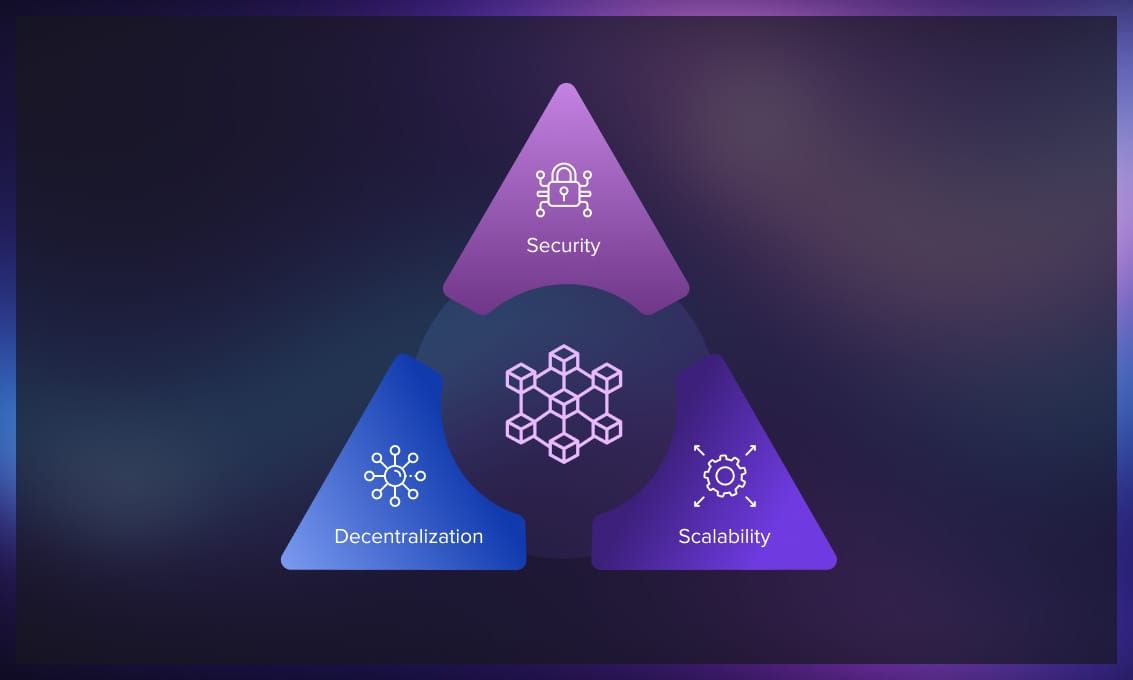
Ethereum, the world’s second-largest blockchain by market capitalization, currently processes approximately 15 TPS on its base layer, though this figure can increase significantly with Layer 2 scaling solutions such as Arbitrum and Optimism. Even with these scaling solutions, Ethereum’s combined throughput remains orders of magnitude below Solana’s demonstrated capacity. This performance gap has significant implications for application developers who must choose between Ethereum’s established ecosystem and mature tooling versus Solana’s superior performance characteristics.

Bitcoin, the original and largest cryptocurrency network, processes approximately 7 TPS under normal conditions, reflecting its design priorities that emphasize security and decentralization over raw throughput. While Bitcoin’s Lightning Network can theoretically enable much higher transaction volumes, the complexity of channel management and liquidity requirements limit its practical scalability for many use cases.

Other high-performance blockchain networks have also made significant strides in scalability, but none have achieved Solana’s demonstrated peak performance. Avalanche can process approximately 4,500 TPS, while Polygon can handle around 7,000 TPS. Binance Smart Chain, despite its centralized characteristics, processes roughly 160 TPS. These comparisons highlight the exceptional nature of Solana’s achievement and its position as the clear leader in blockchain performance.

The comparison with traditional payment processing systems is equally revealing. Visa’s network can theoretically handle 65,000 TPS, though its actual average throughput is much lower at approximately 1,700 TPS. Mastercard processes roughly 5,000 TPS on average, while PayPal handles around 193 TPS. Solana’s peak performance of 107,664 TPS exceeds all of these traditional systems, marking the first time a decentralized blockchain network has demonstrated superior raw performance compared to established financial infrastructure.

This performance advantage has profound implications for the future of financial services and digital payments. Traditional payment processors achieve their throughput through centralized infrastructure that requires significant trust in intermediary institutions. Solana’s achievement demonstrates that decentralized networks can match or exceed this performance while maintaining the transparency, programmability, and censorship resistance that define blockchain technology.

The competitive implications extend beyond raw performance metrics to encompass developer adoption, institutional interest, and ecosystem growth. High-performance blockchains like Solana are increasingly attractive to developers building applications that require fast transaction processing, low latency, and predictable costs. This technical superiority translates into competitive advantages in attracting projects, users, and capital to the ecosystem.

The Architecture of Speed: Deep Dive into Solana’s Technical Innovations

Solana’s record-breaking performance is the result of a carefully orchestrated combination of architectural innovations that work synergistically to eliminate the bottlenecks that plague traditional blockchain networks. Understanding these technical components provides crucial insights into how blockchain technology can evolve to meet the scalability demands of global financial systems.

The foundation of Solana’s performance advantage lies in its revolutionary approach to consensus through Proof of History (PoH). Traditional blockchain networks require validators to communicate extensively to agree on the order of transactions, creating significant computational and communication overhead. PoH eliminates this bottleneck by creating a cryptographic clock that timestamps events before they enter the consensus process, enabling validators to process transactions without extensive coordination.

The PoH mechanism works by using a verifiable delay function (VDF) that produces a unique output that can only be generated by running the function for a specific amount of time. This creates an immutable sequence of timestamps that serves as a historical record of when events occurred. Validators can reference this cryptographic clock to order transactions without needing to communicate with other validators, dramatically reducing the latency and computational overhead associated with consensus.

Tower BFT, Solana’s implementation of practical Byzantine Fault Tolerance, leverages the PoH clock to optimize the consensus process further. Traditional BFT algorithms require multiple rounds of communication between validators to reach agreement, creating significant delays as network size increases. Tower BFT uses the PoH clock as a source of truth for timing, enabling validators to make consensus decisions more efficiently and reducing the overall time required to finalize transactions.

Gulf Stream represents another crucial innovation that contributes to Solana’s exceptional performance. Traditional blockchain networks use mempools to store pending transactions, creating bottlenecks when transaction volume exceeds processing capacity. Gulf Stream eliminates the mempool entirely by forwarding transactions directly to upcoming validators before the current block is finished processing. This approach enables continuous transaction processing and eliminates the delays typically associated with block transitions.

Blockchain Scalability

Turbine, Solana’s block propagation protocol, addresses the challenge of distributing large blocks across a network of thousands of validators. Traditional blockchain networks struggle with block propagation as block sizes increase, creating delays that limit overall throughput. Turbine breaks blocks into smaller packets and uses a technique similar to BitTorrent to distribute them efficiently across the network, ensuring that even large blocks can be propagated quickly to all validators.

Sealevel, Solana’s parallel smart contract runtime, enables simultaneous execution of multiple smart contracts, eliminating the sequential processing bottlenecks that limit throughput on other blockchain networks. Traditional virtual machines process smart contracts one at a time, creating significant delays when multiple contracts need to execute simultaneously. Sealevel analyzes smart contracts to identify which ones can run in parallel without conflicts, enabling much higher throughput for complex applications.

The integration of these technologies creates a synergistic effect that enables performance far beyond what any single innovation could achieve. The PoH clock enables efficient consensus, Gulf Stream eliminates mempool bottlenecks, Turbine ensures fast block propagation, and Sealevel enables parallel execution. Together, these innovations create a blockchain architecture capable of processing over 100,000 transactions per second while maintaining the security and decentralization properties that define blockchain technology.

Market Implications and Industry Response

Solana’s achievement of 107,664 TPS has generated significant attention across the cryptocurrency industry and beyond, with implications that extend far beyond technical bragging rights. The milestone has reinforced Solana’s position as a leading high-performance blockchain and has influenced market perceptions, developer adoption patterns, and institutional investment strategies.

Despite the technical achievement, Solana’s native token (SOL) has experienced mixed market performance in the immediate aftermath of the announcement. The token traded around $177-187 following the TPS record, representing a decline from recent highs near $208 and remaining approximately 36% below its January 2025 all-time high of $293 [2]. This price action reflects the complex relationship between technical achievements and market valuations in the cryptocurrency space, where factors such as overall market sentiment, regulatory developments, and macroeconomic conditions often outweigh individual project milestones.

The muted price response also highlights the maturation of the cryptocurrency market, where investors have become more sophisticated in evaluating technical achievements within broader contexts. While Solana’s TPS record is undoubtedly impressive, market participants recognize that sustainable value creation depends on translating technical capabilities into real-world adoption and revenue generation.

From an institutional perspective, Solana’s performance milestone has strengthened its position as a viable platform for enterprise applications and institutional financial services. The network’s ability to demonstrate throughput that exceeds traditional payment processors provides compelling evidence for institutions considering blockchain adoption for high-volume applications. This technical validation is particularly important as regulatory frameworks continue to evolve and institutions seek blockchain platforms that can meet their performance and compliance requirements.

The developer community has responded enthusiastically to Solana’s achievement, with many viewing it as validation of the network’s architectural choices and long-term viability. High-performance blockchains are increasingly attractive to developers building applications that require fast transaction processing, low latency, and predictable costs. Solana’s demonstrated scalability provides confidence that applications built on the platform can scale to serve millions of users without encountering the performance bottlenecks that have plagued other blockchain networks.

The achievement has also influenced competitive dynamics within the blockchain space, with other high-performance networks likely to accelerate their own scalability initiatives in response to Solana’s milestone. This competitive pressure benefits the entire blockchain ecosystem by driving continued innovation in scalability solutions and pushing the boundaries of what’s possible with decentralized technology.

Industry analysts have noted that Solana’s TPS record comes at a crucial time for blockchain adoption, as traditional financial institutions and technology companies are increasingly exploring blockchain integration for various applications. The ability to demonstrate performance that exceeds traditional systems provides a compelling value proposition for these potential adopters and helps address one of the primary concerns about blockchain scalability.

Real-World Applications and Use Cases

Solana’s record-breaking throughput capability opens up possibilities for blockchain applications that were previously impractical due to scalability constraints. The network’s ability to process over 100,000 transactions per second in peak conditions, combined with its demonstrated real-world performance of over 1,000 TPS, enables use cases that require high-frequency transaction processing and low latency.

High-frequency trading represents one of the most demanding applications for blockchain infrastructure, requiring the ability to process thousands of transactions per second with minimal latency. Traditional blockchain networks have struggled to support sophisticated trading applications due to throughput limitations and unpredictable transaction costs. Solana’s performance characteristics make it viable for professional trading applications that require institutional-grade performance and reliability.

Decentralized exchanges (DEXs) built on Solana have already demonstrated the practical benefits of high-performance blockchain infrastructure. Platforms such as Serum and Raydium can provide trading experiences that approach the performance of centralized exchanges while maintaining the transparency and non-custodial benefits of decentralized systems. The network’s ability to handle high transaction volumes enables these platforms to support sophisticated trading strategies and serve professional traders who require fast execution and low slippage.

Gaming applications represent another area where Solana’s performance advantages are particularly valuable. Blockchain-based games often require frequent microtransactions for in-game purchases, asset transfers, and gameplay mechanics. Traditional blockchain networks struggle to support gaming applications due to high transaction costs and slow confirmation times. Solana’s high throughput and low costs enable gaming experiences that feel responsive and natural to users accustomed to traditional gaming platforms.

Non-fungible token (NFT) marketplaces have also benefited significantly from Solana’s performance characteristics. The network’s ability to handle high transaction volumes at low costs has enabled the development of NFT platforms that can support large-scale minting events and high-frequency trading without the congestion and cost spikes that have plagued NFT activities on other networks.

Payment applications represent perhaps the most obvious use case for high-performance blockchain infrastructure. Solana’s demonstrated ability to exceed Visa’s theoretical throughput makes it a viable platform for payment processors, remittance services, and other financial applications that require the ability to handle large transaction volumes reliably and cost-effectively.

The network’s performance also enables more sophisticated DeFi applications that require complex multi-step transactions and frequent updates. Automated market makers, lending protocols, and derivatives platforms can operate more efficiently on high-performance networks, enabling more sophisticated financial products and better user experiences.

Supply chain management and logistics applications can also benefit from Solana’s high throughput, as these use cases often require frequent updates and the ability to track large numbers of items or transactions. The network’s performance characteristics enable real-time tracking and verification of supply chain events at scale.

Challenges and Limitations

While Solana’s achievement of 107,664 TPS represents a remarkable technical milestone, it’s important to acknowledge the challenges and limitations that accompany high-performance blockchain architectures. Understanding these trade-offs provides a balanced perspective on the current state of blockchain scalability and the areas where continued development is needed.

One of the primary challenges facing high-performance blockchains like Solana is the increased hardware requirements for validators. The network’s ability to process transactions at such high speeds requires validators to operate powerful hardware with significant computational resources, fast storage systems, and high-bandwidth internet connections. These requirements can create barriers to entry for potential validators and may contribute to centralization pressures as only well-resourced operators can effectively participate in network validation.

The hardware requirements also translate into higher operational costs for validators, which must be offset by sufficient rewards to maintain network security. As transaction volumes increase and hardware requirements grow, the economic sustainability of validator operations becomes increasingly important for long-term network health. Solana has addressed this challenge through its fee structure and validator reward mechanisms, but continued monitoring and adjustment may be necessary as the network scales.

Network stability has been another area of concern for Solana, with the network experiencing several outages and performance degradations during periods of high demand. While these incidents have become less frequent as the network has matured, they highlight the challenges associated with operating high-performance blockchain infrastructure at scale. The complexity of Solana’s architecture, while enabling exceptional performance, also creates more potential points of failure compared to simpler blockchain designs.

The concentration of transaction volume in specific applications, particularly memecoin trading, raises questions about the sustainability and diversity of network usage. While high transaction volumes demonstrate the network’s capacity, over-reliance on speculative trading activities could create volatility in network usage patterns and fee revenue. Developing a more diverse ecosystem of applications and use cases remains important for long-term network health and stability.

Interoperability with other blockchain networks presents another challenge for high-performance blockchains. While Solana’s exceptional performance is advantageous for applications built natively on the network, integrating with other blockchain ecosystems can be complex and may not fully leverage Solana’s performance advantages. Cross-chain bridges and interoperability protocols continue to evolve, but they remain areas of active development and potential security risk.

The regulatory environment for high-performance blockchains also presents ongoing challenges. As blockchain networks become more capable of supporting traditional financial applications, they may face increased regulatory scrutiny and compliance requirements. Ensuring that high-performance networks can meet regulatory expectations while maintaining their technical advantages will be crucial for long-term success.

The Future of Blockchain Scalability

Solana’s achievement of 107,664 TPS represents a significant milestone in the evolution of blockchain scalability, but it also points toward even more ambitious possibilities for the future of decentralized technology. As the blockchain industry continues to mature and face increasing demands for performance and scalability, the lessons learned from Solana’s success will inform the development of next-generation blockchain architectures.

The success of Solana’s architectural innovations demonstrates that fundamental improvements in blockchain performance are possible through careful engineering and innovative design choices. The combination of Proof of History, parallel processing, and optimized networking protocols shows that blockchain networks can achieve performance levels that compete directly with traditional centralized systems while maintaining the benefits of decentralization.

Future developments in blockchain scalability are likely to build upon Solana’s innovations while addressing some of the current limitations. Advances in hardware technology, including more powerful processors, faster storage systems, and improved networking infrastructure, will enable even higher performance levels. The continued development of specialized blockchain hardware, similar to the ASIC miners used in Bitcoin, could further optimize performance for specific blockchain architectures.

Sharding and layer-2 scaling solutions represent another avenue for future scalability improvements. While Solana has achieved remarkable performance on a single chain, combining high-performance base layers with sophisticated scaling solutions could enable even greater throughput. The development of more efficient cross-shard communication protocols and layer-2 integration mechanisms will be crucial for realizing these possibilities.

The integration of artificial intelligence and machine learning technologies with blockchain infrastructure presents exciting possibilities for future performance optimization. AI-powered transaction routing, predictive resource allocation, and automated network optimization could enable blockchain networks to adapt dynamically to changing demand patterns and optimize performance in real-time.

Quantum computing represents both a challenge and an opportunity for future blockchain development. While quantum computers could potentially threaten current cryptographic security assumptions, they could also enable new forms of consensus mechanisms and transaction processing that achieve even higher performance levels. The development of quantum-resistant cryptographic protocols will be essential for long-term blockchain security and performance.

The evolution of consensus mechanisms will continue to drive improvements in blockchain scalability. While Proof of History has proven highly effective for Solana, future innovations in consensus design could enable even better performance, security, and decentralization trade-offs. Research into new consensus algorithms, including those based on verifiable delay functions, threshold signatures, and other cryptographic primitives, will likely yield further improvements.

Conclusion: A New Era of Blockchain Performance

Solana’s achievement of 107,664 TPS marks a watershed moment in blockchain technology, demonstrating that decentralized networks can not only compete with traditional financial infrastructure but actually exceed their performance capabilities. This milestone represents the culmination of years of architectural innovation and engineering excellence, validating the potential for blockchain technology to serve as the foundation for next-generation financial systems.

The significance of this achievement extends far beyond the impressive numbers. By proving that blockchain networks can process over 100,000 transactions per second while maintaining decentralization and security, Solana has fundamentally shifted the conversation about blockchain scalability from theoretical possibility to demonstrated reality. This proof-of-concept provides crucial validation for the entire blockchain industry and demonstrates that the scalability challenges that have long hindered mass adoption are not insurmountable.

The technical innovations that enabled this achievement—including Proof of History, parallel processing, and optimized networking protocols—represent important contributions to the broader blockchain technology stack. These innovations will likely influence the development of future blockchain networks and contribute to continued improvements in performance and scalability across the industry.

While challenges remain, including hardware requirements, network stability, and regulatory considerations, Solana’s achievement provides a compelling vision of what’s possible when blockchain technology is pushed to its limits. The network’s ability to demonstrate such exceptional performance while maintaining real-world operational stability shows that high-performance blockchain infrastructure is not just a theoretical concept but a practical reality.

As the blockchain industry continues to evolve and mature, Solana’s TPS record will likely be remembered as a pivotal moment that demonstrated the true potential of decentralized technology. The achievement provides a foundation for continued innovation and development, inspiring other projects to push the boundaries of what’s possible with blockchain architecture.

The future of blockchain scalability looks brighter than ever, with Solana’s achievement serving as both a milestone and a stepping stone toward even greater possibilities. As hardware continues to improve, new architectural innovations emerge, and the ecosystem matures, we can expect to see even more impressive achievements in blockchain performance and scalability.

For developers, investors, and users in the blockchain space, Solana’s TPS record represents validation that high-performance decentralized infrastructure is not just possible but available today. This achievement opens up new possibilities for applications and use cases that were previously impractical, potentially accelerating the adoption of blockchain technology across a wide range of industries and applications.

The record-breaking 107,664 TPS achievement stands as a testament to the power of innovation, engineering excellence, and the relentless pursuit of performance improvements in blockchain technology. As we look toward the future, this milestone will serve as inspiration for continued advancement and a reminder that the limits of what’s possible with decentralized technology are constantly expanding.


References

[1] Cointelegraph. “Solana hits 100K TPS milestone with stress test transaction spike.” Cointelegraph, August 18, 2025. https://cointelegraph.com/news/solana-taps-100k-tps-stress-test-dev

[2] Multiple sources including Binance, CoinMarketCap, and blockchain analytics platforms reporting on Solana’s August 17, 2025 TPS achievement and current network performance metrics.

The Fall of a Crypto Empire: Do Kwon’s Guilty Plea Marks the End of the $40 Billion Terra Luna Saga

Published by everythingcryptoitclouds.com | August 17, 2025

In a dramatic conclusion to one of cryptocurrency’s most devastating collapses, Do Hyeong Kwon, the 33-year-old South Korean entrepreneur behind the Terra Luna ecosystem, pleaded guilty to fraud charges in a New York federal court on August 12, 2025. The case represents not just the downfall of a once-promising blockchain project, but a watershed moment that exposes the vulnerabilities inherent in algorithmic stablecoins and the devastating consequences of deceptive practices in the rapidly evolving digital asset space.

Kwon’s guilty plea to conspiracy to defraud and wire fraud charges caps a spectacular fall from grace for the former Stanford computer science graduate who once commanded a cryptocurrency empire valued at over $50 billion. The collapse of TerraUSD (UST) and Luna in May 2022 sent shockwaves through global financial markets, wiping out an estimated $40 billion in investor value and triggering a broader cryptocurrency market downturn that continues to influence regulatory approaches worldwide [1].

Do Kwon Photo

The case serves as a stark reminder of the importance of transparency, regulatory compliance, and genuine innovation in the cryptocurrency sector. As the industry continues to mature and seek mainstream adoption, the lessons learned from the Terra Luna debacle will undoubtedly shape the future development of stablecoins, decentralized finance protocols, and the broader digital asset ecosystem.

The Rise and Promise of Terra Luna

To understand the magnitude of Do Kwon’s fraud, it’s essential to examine the ambitious vision that initially attracted billions of dollars in investment to the Terra ecosystem. Founded in 2018, Terraform Labs positioned itself at the forefront of the decentralized finance revolution, promising to create a new financial infrastructure that would democratize access to financial services and eliminate the need for traditional banking intermediaries [2].

The Terra blockchain distinguished itself from competing platforms through its innovative approach to stablecoin design. Unlike traditional stablecoins that maintain their dollar peg through collateral reserves of fiat currency or other assets, TerraUSD was designed as an “algorithmic stablecoin” that would maintain its $1 value through a complex mechanism involving the burning and minting of Luna tokens. This approach promised to create a truly decentralized stablecoin that wouldn’t rely on centralized entities or traditional financial infrastructure.

The elegance of the Terra Protocol, as it was marketed, lay in its supposed ability to automatically maintain price stability through market forces. When TerraUSD traded above $1, the protocol would mint new UST and burn Luna, increasing the supply of UST and reducing the supply of Luna. Conversely, when UST traded below $1, users could burn UST to mint Luna, reducing UST supply and increasing Luna supply. This mechanism was presented as a self-regulating system that would maintain the dollar peg without human intervention or centralized control.

The Terra ecosystem expanded rapidly beyond its core stablecoin functionality. The platform hosted a growing array of decentralized finance applications, including Anchor Protocol, which offered an attractive 20% annual return on UST deposits, and Mirror Protocol, which allowed users to trade synthetic versions of traditional financial assets. These applications created a comprehensive DeFi ecosystem that attracted both retail and institutional investors seeking high yields and innovative financial products.

By early 2022, the Terra ecosystem had achieved remarkable growth metrics that seemed to validate Kwon’s vision. The total value locked in Terra-based protocols exceeded $30 billion, making it one of the largest DeFi ecosystems in the cryptocurrency space. Luna had become one of the top ten cryptocurrencies by market capitalization, while UST had grown to become the third-largest stablecoin after Tether and USD Coin. The success attracted high-profile investors and partnerships, including backing from major venture capital firms and integration with leading cryptocurrency exchanges.

However, beneath this veneer of success lay a web of deception and market manipulation that would ultimately lead to the ecosystem’s catastrophic collapse. As prosecutors would later reveal, the stability and growth of the Terra ecosystem were built not on innovative technology and market forces, but on a foundation of lies, secret interventions, and fraudulent misrepresentations that misled investors about the true nature of the system they were investing in.

The Anatomy of Deception: How the Fraud Unfolded

The criminal charges against Do Kwon reveal a sophisticated scheme of deception that spanned multiple years and involved systematic misrepresentation of virtually every aspect of the Terra ecosystem. Rather than the decentralized, algorithmic system that was promised to investors, the Terra Protocol operated through a series of secret interventions and manipulative practices designed to create the illusion of stability and organic growth [2].

The most damaging revelation centers on the events of May 2021, when TerraUSD experienced its first major depeg, falling significantly below its intended $1 value. This incident represented a critical test of the algorithmic stabilization mechanism that formed the core of Terra’s value proposition. According to Kwon’s own admission in court, when faced with this crisis, he chose deception over transparency, telling investors that the Terra Protocol’s computer algorithm had successfully restored the coin’s value [1].

In reality, Kwon had secretly arranged for a high-frequency trading firm to purchase millions of dollars worth of TerraUSD tokens to artificially prop up the price and restore the peg. This intervention directly contradicted the fundamental premise of the Terra ecosystem—that it operated through decentralized, algorithmic mechanisms without human intervention or centralized control. By failing to disclose this crucial information, Kwon misled investors about the true nature of the system and its ability to maintain stability through purely algorithmic means.

The deception extended far beyond this single incident. Prosecutors detailed a comprehensive pattern of misrepresentation that touched every major component of the Terra ecosystem. The Luna Foundation Guard (LFG), which was presented to investors as an independent governing body tasked with defending UST’s peg through strategic reserve management, was actually under Kwon’s direct control. Rather than operating as the decentralized governance mechanism it was portrayed as, the LFG served as a vehicle for Kwon to manipulate markets and misappropriate hundreds of millions of dollars in assets.

Terra Luna Ecosystem

The Mirror Protocol, one of Terra’s flagship DeFi applications, was similarly misrepresented to investors and users. While marketed as a decentralized platform that operated autonomously through smart contracts and community governance, Kwon maintained secret control over the protocol’s operations. He used automated trading bots to manipulate the prices of synthetic assets traded on Mirror, creating artificial market conditions that benefited the Terra ecosystem while misleading users about the true nature of the platform’s operations.

Perhaps most egregiously, Kwon made false claims about the real-world adoption and utility of the Terra blockchain. He repeatedly stated that the Terra network was processing billions of dollars in financial transactions for Chai, a popular Korean payment platform. These claims were central to Terra’s value proposition, as they suggested that the blockchain had achieved meaningful real-world adoption beyond speculative trading. In reality, Chai processed transactions through traditional financial networks, not the Terra blockchain, making these claims entirely fabricated.

The Genesis Stablecoins represented another layer of deception in Kwon’s scheme. He made false representations about the use of a supply of one billion stablecoins that were supposedly held in reserve for Terraform’s operations. Rather than serving their stated purpose, Kwon used at least $145 million worth of these tokens to fund fake blockchain transactions and manipulate trading bot activities designed to artificially inflate the prices of synthetic assets on Mirror Protocol.

These fraudulent activities created a false impression of organic growth and adoption that attracted billions of dollars in additional investment. As prosecutors noted, Kwon’s constructed financial world was built on lies and manipulative techniques designed to mislead investors, users, business partners, and government regulators about Terraform’s actual business operations and the true risks associated with the Terra ecosystem.

The Technical Illusion: Understanding Algorithmic Stablecoin Vulnerabilities

The Terra Luna collapse exposed fundamental flaws in the algorithmic stablecoin model that extend far beyond Do Kwon’s fraudulent activities. While the criminal charges focus on specific acts of deception and market manipulation, the technical failure of the Terra Protocol reveals deeper issues with the concept of purely algorithmic price stability that have important implications for the broader cryptocurrency industry.

Algorithmic stablecoins represent an ambitious attempt to solve one of the most challenging problems in cryptocurrency design: creating a digital asset that maintains a stable value without relying on centralized entities or traditional financial infrastructure. The theoretical appeal of such systems is obvious—they promise to combine the benefits of stable value with the decentralized, permissionless nature of blockchain technology. However, the Terra Luna collapse demonstrated that the practical implementation of these systems faces significant challenges that may be insurmountable.

The core vulnerability in the Terra Protocol lay in its reliance on market confidence and positive feedback loops to maintain stability. The system worked effectively when demand for UST was growing and Luna prices were rising, creating a virtuous cycle that reinforced the peg. However, this same mechanism created the potential for devastating death spirals when market conditions reversed. When large-scale selling pressure emerged in May 2022, the protocol’s response—minting massive amounts of Luna to defend the UST peg—created hyperinflationary conditions that destroyed the value of both tokens.

The technical analysis of the collapse reveals that the Terra Protocol was fundamentally vulnerable to coordinated attacks or large-scale redemptions that could overwhelm the system’s stabilization mechanisms. Unlike traditional stablecoins backed by fiat currency reserves, algorithmic stablecoins have no external source of value to fall back on during periods of extreme stress. Their stability depends entirely on market participants’ continued belief in the system’s ability to maintain the peg, creating a fragile equilibrium that can be shattered by loss of confidence.

The role of Anchor Protocol in the Terra ecosystem’s collapse cannot be understated. By offering a 20% annual return on UST deposits, Anchor created massive demand for the stablecoin that helped fuel the ecosystem’s growth. However, this yield was unsustainable and was effectively subsidized by Luna token inflation and external funding. When the subsidies became insufficient to maintain the high yields, the resulting outflows from Anchor created selling pressure on UST that the algorithmic stabilization mechanism could not handle.

The interconnected nature of the Terra ecosystem amplified these vulnerabilities. Rather than creating resilience through diversification, the tight coupling between UST, Luna, and various DeFi protocols created systemic risk that caused the entire ecosystem to collapse simultaneously. When UST lost its peg, the resulting Luna inflation destroyed the value of the collateral backing other Terra-based protocols, creating a cascade of failures that wiped out the entire ecosystem within a matter of days.

From a technical perspective, the Terra collapse highlighted the importance of robust stress testing and conservative design principles in cryptocurrency systems. The protocol’s designers had modeled various scenarios and believed they had created sufficient safeguards to maintain stability. However, they underestimated the speed and scale at which modern cryptocurrency markets can move, particularly when leveraged positions and algorithmic trading systems amplify selling pressure.

The incident also demonstrated the challenges of creating truly decentralized governance systems for complex financial protocols. While the Terra ecosystem was marketed as being governed by its community of token holders, the reality was that key decisions were made by a small group of insiders who had disproportionate influence over the system’s operations. This concentration of power made the system vulnerable to the kind of manipulation that Kwon engaged in, while also limiting the community’s ability to respond effectively to emerging threats.

The Regulatory Response: Implications for the Cryptocurrency Industry

Do Kwon’s guilty plea and the broader Terra Luna collapse have had profound implications for cryptocurrency regulation worldwide, accelerating efforts by governments and regulatory agencies to establish comprehensive frameworks for digital asset oversight. The case has become a touchstone for policymakers seeking to balance innovation with investor protection, and its lessons are being incorporated into regulatory approaches across multiple jurisdictions.

In the United States, the Securities and Exchange Commission’s successful civil enforcement action against Kwon and Terraform Labs has strengthened the agency’s position that many cryptocurrency tokens should be classified as securities subject to federal securities laws. The SEC’s $4.55 billion settlement with Terraform Labs represents one of the largest enforcement actions in the agency’s history and sends a clear message that cryptocurrency projects cannot operate outside the bounds of existing financial regulations [1].

The criminal prosecution by the Southern District of New York has demonstrated that traditional fraud statutes apply fully to cryptocurrency schemes, regardless of the technological complexity or innovative nature of the underlying systems. U.S. Attorney Jay Clayton’s characterization of Kwon’s actions as “one of the largest frauds in history” reflects the government’s commitment to treating cryptocurrency fraud with the same seriousness as traditional financial crimes [2].

The international dimensions of the case have also highlighted the importance of cross-border cooperation in cryptocurrency enforcement. Kwon’s extradition from Montenegro, where he had been detained while attempting to travel on false documents, required coordination between multiple law enforcement agencies and demonstrated that geographic boundaries provide little protection for cryptocurrency fraudsters in an increasingly connected world.

The regulatory response has extended beyond enforcement actions to include new rules and guidance designed to prevent similar incidents in the future. The collapse of Terra Luna, along with other high-profile cryptocurrency failures in 2022, has accelerated efforts to establish comprehensive stablecoin regulations that would require issuers to back their tokens with high-quality, liquid assets and submit to regular audits and oversight.

European regulators have incorporated lessons from the Terra Luna collapse into the Markets in Crypto-Assets (MiCA) regulation, which establishes comprehensive rules for cryptocurrency operations across the European Union. The regulation includes specific provisions for stablecoins that would have prevented many of the practices that led to Terra’s collapse, including requirements for full reserve backing and restrictions on the use of algorithmic stabilization mechanisms.

In Asia, where Terra Luna had significant adoption and where the collapse caused substantial losses for retail investors, regulators have taken increasingly aggressive stances toward cryptocurrency oversight. South Korea, Kwon’s home country, has implemented new rules requiring cryptocurrency exchanges to implement stronger customer protection measures and has increased penalties for cryptocurrency-related crimes.

The regulatory response has also focused on the role of cryptocurrency exchanges and other intermediaries in facilitating fraudulent schemes. Many exchanges that listed UST and Luna tokens have faced scrutiny over their due diligence processes and their responsibility to protect customers from fraudulent projects. This has led to enhanced listing standards and more rigorous ongoing monitoring of listed tokens.

The Terra Luna case has also influenced the development of central bank digital currencies (CBDCs), with many central banks citing the risks demonstrated by algorithmic stablecoins as justification for developing government-issued digital currencies. The collapse has strengthened arguments that only central banks have the credibility and resources necessary to maintain stable digital currencies at scale.

The Human Cost: Investor Losses and Market Impact

Behind the technical details and legal proceedings of the Terra Luna collapse lies a devastating human story of financial loss and shattered trust that extends far beyond the $40 billion in direct investor losses. The collapse affected millions of individuals worldwide, from sophisticated institutional investors to retail participants who had been attracted by the promise of high yields and innovative financial products.

The scale of the losses was unprecedented in cryptocurrency history. At its peak in April 2022, the combined market capitalization of UST and Luna exceeded $80 billion, making Terra one of the largest cryptocurrency ecosystems in the world. When the collapse occurred in May 2022, virtually all of this value was wiped out within a matter of days, creating losses that dwarfed previous cryptocurrency market crashes.

Retail investors bore a disproportionate share of these losses. Many had been attracted to the Terra ecosystem by Anchor Protocol’s promise of 20% annual returns on UST deposits, yields that seemed too good to be true but were marketed as sustainable through innovative DeFi mechanisms. These investors, many of whom were new to cryptocurrency and lacked the technical knowledge to understand the risks they were taking, lost their life savings when the ecosystem collapsed.

The psychological impact of the collapse extended beyond financial losses. Many investors had been drawn to cryptocurrency by the promise of financial independence and the opportunity to participate in a revolutionary new financial system. The Terra Luna collapse shattered these dreams and created lasting skepticism about the cryptocurrency industry’s claims of innovation and democratization.

Blockchain Security

The collapse also had significant impacts on institutional investors and cryptocurrency funds that had allocated substantial portions of their portfolios to Terra-based assets. Several prominent cryptocurrency hedge funds and investment firms suffered massive losses that forced them to close or significantly reduce their operations. The Three Arrows Capital hedge fund, which had been one of the largest investors in the Terra ecosystem, collapsed shortly after the Terra Luna crash, creating additional contagion effects throughout the cryptocurrency industry.

The broader cryptocurrency market experienced severe volatility in the wake of the Terra Luna collapse. The incident triggered a broader loss of confidence in algorithmic stablecoins and DeFi protocols, leading to significant outflows from other projects and contributing to a prolonged bear market that lasted through 2022 and into 2023. Bitcoin, Ethereum, and other major cryptocurrencies all experienced significant declines as investors reassessed the risks associated with digital assets.

The collapse also had real-world economic impacts in countries where Terra Luna had achieved significant adoption. In South Korea, where Kwon was a prominent figure in the local technology scene, the collapse led to protests and calls for stronger cryptocurrency regulation. Many Korean investors had been particularly exposed to Terra-based assets, and the losses contributed to broader skepticism about cryptocurrency investments in the country.

The incident highlighted the interconnected nature of modern financial markets and the potential for cryptocurrency events to have broader economic implications. While the direct losses were concentrated among cryptocurrency investors, the collapse contributed to broader market volatility and influenced monetary policy discussions as central banks grappled with the implications of digital asset adoption.

The human cost of the Terra Luna collapse serves as a sobering reminder of the real-world consequences of financial fraud and the importance of robust investor protection measures in emerging markets. The victims of Kwon’s scheme were not abstract market participants but real people whose lives were significantly impacted by his fraudulent activities.

Lessons for the Future: Building a More Resilient Cryptocurrency Ecosystem

The Terra Luna collapse and Do Kwon’s subsequent conviction offer crucial lessons for the cryptocurrency industry as it continues to evolve and seek mainstream adoption. These lessons extend beyond the specific technical and regulatory issues raised by the case to encompass broader questions about innovation, risk management, and the social responsibility of technology entrepreneurs.

The most fundamental lesson concerns the importance of transparency and honest communication in cryptocurrency projects. Kwon’s fraud was enabled by his ability to misrepresent the true nature of the Terra ecosystem to investors and users. The cryptocurrency industry’s culture of rapid innovation and bold claims about revolutionary technology can create environments where exaggeration and misrepresentation become normalized. The Terra Luna case demonstrates the devastating consequences that can result when this culture crosses the line into outright fraud.

The incident also highlights the critical importance of robust technical design and conservative risk management in cryptocurrency systems. The Terra Protocol’s vulnerability to death spirals was a known theoretical risk that the project’s developers believed they had adequately addressed through various safeguards and mechanisms. However, the collapse demonstrated that theoretical models and stress tests may be insufficient to predict the behavior of complex systems under extreme market conditions.

The role of economic incentives in cryptocurrency systems deserves particular attention. Anchor Protocol’s unsustainable 20% yields were a key driver of demand for UST, but they also created systemic risks that ultimately contributed to the ecosystem’s collapse. The incident demonstrates the importance of ensuring that yield-generating mechanisms in DeFi protocols are genuinely sustainable rather than relying on token inflation or external subsidies that may not be available during periods of stress.

The Terra Luna case also underscores the importance of genuine decentralization in cryptocurrency projects. While the Terra ecosystem was marketed as being decentralized and governed by its community, the reality was that Kwon maintained significant control over key components of the system. This concentration of power enabled his fraudulent activities while also making the system vulnerable to single points of failure. True decentralization requires not just technical distribution of control but also governance structures that prevent any individual or small group from exercising disproportionate influence.

The regulatory implications of the case suggest that the cryptocurrency industry must embrace compliance and work constructively with regulators rather than attempting to operate in legal gray areas. Kwon’s attempts to evade regulatory oversight ultimately contributed to his downfall and created additional legal risks for the entire Terra ecosystem. Projects that proactively engage with regulators and implement robust compliance programs are likely to be more successful in the long term.

The incident also demonstrates the importance of investor education and due diligence in cryptocurrency markets. Many Terra Luna investors were attracted by high yields and innovative technology without fully understanding the risks they were taking. The cryptocurrency industry has a responsibility to provide clear, accurate information about the risks associated with different types of investments and to avoid marketing practices that may mislead unsophisticated investors.

From a technical perspective, the collapse highlights the need for more conservative approaches to stablecoin design. While algorithmic stablecoins remain an active area of research and development, the Terra Luna case suggests that purely algorithmic approaches may be inherently unstable. Future stablecoin projects may need to incorporate hybrid models that combine algorithmic mechanisms with more traditional forms of collateral backing.

The case also underscores the importance of stress testing and scenario planning in cryptocurrency system design. The Terra Protocol’s developers had conducted various forms of analysis and believed their system was robust, but they failed to adequately account for the speed and scale at which modern cryptocurrency markets can move. Future projects should incorporate more comprehensive stress testing that accounts for extreme scenarios and the potential for coordinated attacks or mass redemptions.

The Path Forward: Rebuilding Trust in Digital Assets

As the cryptocurrency industry processes the lessons of the Terra Luna collapse and Do Kwon’s conviction, the focus must shift toward rebuilding trust and demonstrating that digital assets can provide genuine value to users and investors. This process will require sustained effort across multiple dimensions, from technical innovation to regulatory compliance to cultural change within the industry.

The development of more robust stablecoin designs represents one of the most important technical challenges facing the industry. While the Terra Luna collapse has cast doubt on purely algorithmic approaches, it has also accelerated research into hybrid models that combine the benefits of algorithmic mechanisms with more traditional forms of backing. These new approaches may incorporate features such as partial collateralization, dynamic reserve requirements, and circuit breakers that can halt operations during periods of extreme stress.

The regulatory landscape for cryptocurrencies will continue to evolve in response to incidents like the Terra Luna collapse. Rather than viewing regulation as an obstacle to innovation, the industry should embrace clear rules and oversight as essential components of a mature financial system. Projects that proactively engage with regulators and implement robust compliance programs will be better positioned to succeed in an increasingly regulated environment.

The role of cryptocurrency exchanges and other intermediaries in protecting investors will also continue to evolve. The Terra Luna collapse has highlighted the importance of due diligence in token listings and ongoing monitoring of listed projects. Exchanges that implement more rigorous standards and provide better investor protection are likely to gain competitive advantages as the market matures.

Investor education remains a critical component of building a more resilient cryptocurrency ecosystem. The industry must move beyond marketing hype and provide clear, accurate information about the risks and benefits of different types of digital assets. This includes developing better tools and resources to help investors understand complex technical concepts and make informed decisions about their investments.

The development of better governance mechanisms for decentralized projects represents another important area for innovation. The Terra Luna case demonstrated the risks associated with concentrated control in supposedly decentralized systems. Future projects will need to develop more robust governance structures that genuinely distribute power among stakeholders while maintaining the ability to respond effectively to emerging threats and opportunities.

The cryptocurrency industry must also grapple with questions of social responsibility and the broader impact of digital asset innovation. The Terra Luna collapse affected millions of people worldwide and contributed to broader skepticism about cryptocurrency technology. Industry participants have a responsibility to consider the potential consequences of their innovations and to prioritize the interests of users and investors over short-term profits.

The integration of traditional financial institutions into the cryptocurrency ecosystem will continue to accelerate, bringing both opportunities and challenges. These institutions bring valuable expertise in risk management and regulatory compliance, but they also introduce new forms of centralization and potential systemic risk. The industry will need to find ways to benefit from institutional participation while preserving the innovative and decentralized characteristics that make cryptocurrencies valuable.

The development of central bank digital currencies (CBDCs) will also influence the future of the cryptocurrency ecosystem. While CBDCs may compete with some cryptocurrency use cases, they may also provide important infrastructure and legitimacy that benefits the broader digital asset ecosystem. The industry will need to adapt to a world where government-issued digital currencies coexist with private cryptocurrencies.

Conclusion: A Turning Point for Cryptocurrency

Do Kwon’s guilty plea represents more than just the conclusion of a high-profile fraud case—it marks a turning point for the cryptocurrency industry as it transitions from its experimental early phase to a more mature and regulated financial sector. The $40 billion Terra Luna collapse serves as a stark reminder of the real-world consequences of financial fraud and the importance of building robust, transparent, and genuinely innovative systems.

The case has exposed fundamental vulnerabilities in algorithmic stablecoin designs and highlighted the risks associated with concentrated control in supposedly decentralized systems. It has also demonstrated the global reach of cryptocurrency fraud and the determination of law enforcement agencies to hold bad actors accountable, regardless of the technological complexity of their schemes.

As Kwon faces up to 25 years in prison for his crimes, the cryptocurrency industry must confront the difficult questions raised by the Terra Luna collapse. How can the promise of decentralized finance be realized without creating new forms of systemic risk? How can innovation be encouraged while protecting investors from fraud and manipulation? How can the industry build trust and legitimacy while preserving the characteristics that make cryptocurrencies valuable?

The answers to these questions will shape the future of digital assets and determine whether cryptocurrencies can fulfill their potential to create a more open, accessible, and efficient financial system. The Terra Luna collapse was a devastating setback for the industry, but it also provides valuable lessons that can inform better practices and more robust systems going forward.

The victims of Kwon’s fraud deserve justice, and his conviction represents an important step toward accountability. However, the ultimate measure of the industry’s response to this crisis will be whether it can learn from these mistakes and build a more resilient and trustworthy ecosystem that genuinely serves the interests of users and investors.

The cryptocurrency industry stands at a crossroads. The path forward requires embracing transparency, regulatory compliance, and genuine innovation while rejecting the kind of fraudulent practices that led to the Terra Luna collapse. Only by taking this path can the industry rebuild trust and demonstrate that digital assets can provide real value to society.

As the sentencing phase of Kwon’s case approaches in December 2025, the cryptocurrency community will be watching closely to see how justice is served and what precedents are set for future cases. The outcome will send important signals about the consequences of cryptocurrency fraud and the commitment of the legal system to protecting investors in this emerging asset class.

The Terra Luna saga is far from over, but Do Kwon’s guilty plea marks the beginning of the end of one of cryptocurrency’s darkest chapters. The industry now has the opportunity to learn from this experience and build a better future for digital assets—one based on transparency, innovation, and genuine value creation rather than deception and manipulation.


References

[1] Reuters. “Do Kwon pleads guilty to US fraud charges in $40 billion crypto collapse.” Reuters Legal, August 12, 2025. https://www.reuters.com/legal/government/do-kwon-pleads-guilty-us-fraud-charges-40-billion-crypto-collapse-2025-08-12/

[2] U.S. Department of Justice, Southern District of New York. “Do Kwon Pleads Guilty To Fraud.” Press Release, August 12, 2025. https://www.justice.gov/usao-sdny/pr/do-kwon-pleads-guilty-fraud

The Great Divergence: How CPI and PPI Data Exposed the Fault Lines Between Traditional and Crypto Markets

Published by everythingcryptoitclouds.com | August 16, 2025

This week delivered a masterclass in market psychology and the fundamental differences between traditional finance and cryptocurrency markets. What started as a unified rally across both asset classes quickly transformed into a tale of two markets, with traditional equities demonstrating remarkable resilience while crypto assets experienced dramatic volatility. The catalyst? Two seemingly routine economic reports that revealed just how differently these markets interpret and react to inflationary pressures.

The S&P 500 climbed a solid 1.78% for the week, while the Nasdaq rose 1.60%, showcasing the steady confidence that has characterized traditional markets throughout 2025 [1]. Meanwhile, the cryptocurrency landscape painted a starkly different picture. Bitcoin managed only a modest 0.97% gain despite touching new record highs above $124,000, while Ethereum surged an impressive 17.18%, highlighting the growing divergence even within crypto markets themselves [2]. The total cryptocurrency market capitalization rose 3.13% to $4.084 trillion, but this headline figure masks the intense volatility that saw nearly $900 million in long positions liquidated in a single day [2].

Stock Market Chart Patterns

The week’s events underscore a critical evolution in how different asset classes respond to economic data, revealing fault lines that could reshape investment strategies and risk management approaches for years to come. Understanding these dynamics isn’t just academic—it’s essential for anyone navigating the increasingly complex landscape where traditional finance and digital assets intersect.

The CPI Calm: When Good News Was Actually Good News

Tuesday, August 12th began with what markets had been eagerly anticipating: the July Consumer Price Index (CPI) report. In an environment where inflation data has become the primary driver of Federal Reserve policy and market sentiment, the numbers delivered exactly what investors wanted to hear [3].

The headline CPI rose 2.7% annually, coming in below the expected 2.8%, while the monthly increase of 0.2% met expectations precisely. More importantly, core CPI—which excludes volatile food and energy prices and is closely watched by Federal Reserve officials—increased 0.3% monthly and 3.1% annually, just slightly above the forecasted 3.0% [3]. These numbers represented a goldilocks scenario: inflation was cooling but not collapsing, providing the Federal Reserve with the flexibility to consider rate cuts without signaling economic distress.

The market reaction was swift and decisive. Stock market averages posted strong gains immediately following the release, while Treasury yields remained mixed as investors recalibrated their expectations for monetary policy [3]. The data reinforced growing confidence that the Federal Reserve would begin cutting interest rates at their September meeting, with traders ramping up bets on this outcome throughout the day.

What made this CPI report particularly significant was its treatment of tariff impacts. Despite widespread concerns that President Trump’s expanded tariff policies would drive inflation higher, the data showed only modest effects in tariff-sensitive categories. Household furnishings and supplies showed a 0.7% increase, but apparel prices rose just 0.1%, and core commodity prices increased only 0.2% [3]. This suggested that businesses were absorbing much of the tariff costs rather than immediately passing them through to consumers.

The benign inflation reading provided validation for the Federal Reserve’s patient approach to monetary policy. Fed officials had been expressing increasing concern about labor market weakness, and the CPI data gave them cover to shift focus from inflation fighting to economic support. Market-implied probabilities for a September rate cut jumped significantly, with traders also increasing bets on additional cuts later in the year.

For traditional equity markets, this represented an ideal scenario. Lower interest rates would reduce borrowing costs for corporations, potentially boosting earnings and making stocks more attractive relative to bonds. The technology-heavy Nasdaq was particularly responsive, as growth stocks tend to benefit disproportionately from lower discount rates applied to their future cash flows.

The PPI Shock: When Markets Chose Their Own Adventure

If Tuesday’s CPI report was a gentle breeze that lifted all boats, Thursday’s Producer Price Index (PPI) data was a hurricane that separated the wheat from the chaff. The numbers were nothing short of stunning in their deviation from expectations, and the divergent market reactions that followed would define the week’s narrative [4].

The PPI jumped 0.9% in July, compared to the Dow Jones estimate of just 0.2%—a massive miss that represented the biggest monthly increase since June 2022 [4]. Core PPI, excluding food and energy, rose 0.9% against forecasts of 0.3%, while the measure excluding food, energy, and trade services climbed 0.6%, the largest gain since March 2022 [4]. On an annual basis, headline PPI increased 3.3%, well above the Federal Reserve’s 2% inflation target and the biggest 12-month move since February.

The details behind these numbers were equally concerning. Services inflation provided much of the upward pressure, rising 1.1% for the largest gain since March 2022. Trade services margins climbed 2%, reflecting ongoing developments in tariff implementations. Machinery and equipment wholesaling surged 3.8%, while portfolio management fees jumped 5.4% and airline passenger services prices climbed 1% [4].

Economic Data Chart

This is where the story becomes fascinating from a market structure perspective. Traditional equity markets, which had celebrated the benign CPI data just two days earlier, largely shrugged off the PPI surprise. Stock market futures fell initially following the release, and shorter-duration Treasury yields moved higher, but the reaction was measured and contained [4]. The S&P 500 and Nasdaq continued their weekly gains, demonstrating remarkable resilience in the face of what should have been concerning inflationary data.

Cryptocurrency markets, however, told a completely different story. The PPI release triggered significant selling pressure across digital assets, with nearly $900 million in long positions liquidated as traders rushed for the exits [2]. The reaction was swift, brutal, and indiscriminate, affecting everything from Bitcoin to smaller altcoins. Funding rates, which had been falling generally across the crypto ecosystem, reflected the sudden shift in sentiment as leveraged positions were unwound.

This divergence reveals something profound about market structure and participant behavior. Traditional equity markets, dominated by institutional investors with longer time horizons and sophisticated risk management systems, were able to contextualize the PPI data within the broader economic picture. They recognized that producer prices often don’t translate directly to consumer prices, especially when businesses are absorbing costs to maintain market share.

Cryptocurrency markets, with their higher concentration of retail investors, algorithmic trading systems, and leveraged positions, reacted more viscerally to the inflation surprise. The 24/7 nature of crypto trading meant there was no circuit breaker, no closing bell to provide a pause for reflection. The result was a cascade of selling that fed on itself as stop-losses were triggered and margin calls forced additional liquidations.

Institutional Resilience vs. Retail Volatility

The contrasting reactions to the PPI data illuminate fundamental differences in market structure that extend far beyond simple asset class distinctions. Traditional equity markets have evolved over decades to incorporate sophisticated risk management systems, institutional oversight, and regulatory frameworks designed to prevent excessive volatility. When unexpected data emerges, there are mechanisms in place—both formal and informal—that encourage measured responses.

Institutional investors, who dominate traditional equity trading, typically operate with longer investment horizons and more comprehensive analytical frameworks. When the PPI data was released, these investors could quickly contextualize it within their existing economic models. They understood that producer price inflation doesn’t automatically translate to consumer price inflation, especially in an environment where businesses are facing competitive pressures and may choose to absorb costs rather than pass them through immediately.

The presence of professional risk managers, compliance departments, and fiduciary responsibilities also creates natural dampening effects on volatility. Institutional investors can’t simply panic-sell based on a single data point—they have processes, committees, and oversight mechanisms that encourage deliberate decision-making. This institutional infrastructure acts as a stabilizing force during periods of uncertainty.

Cryptocurrency markets, by contrast, operate in a fundamentally different ecosystem. While institutional participation has grown significantly over the past few years, the market structure remains heavily influenced by retail investors, algorithmic trading systems, and leveraged speculation. The absence of traditional market-making mechanisms and the 24/7 trading environment create conditions where volatility can amplify rapidly.

The role of leverage in cryptocurrency markets cannot be overstated. With many platforms offering 10x, 50x, or even 100x leverage, small price movements can trigger massive liquidation cascades. When the PPI data surprised to the upside, algorithmic systems programmed to respond to inflation concerns began selling, which triggered stop-losses and margin calls, which created additional selling pressure in a self-reinforcing cycle.

Cryptocurrency Volatility Chart

The psychological factors are equally important. Cryptocurrency investors, particularly retail participants, tend to be more sensitive to macroeconomic developments that could influence regulatory policy or institutional adoption. Inflation concerns raise the specter of more aggressive Federal Reserve action, which could reduce liquidity and risk appetite across all speculative assets. In a market where sentiment can shift rapidly, the PPI surprise was enough to trigger a broad reassessment of risk.

The Federal Reserve’s Delicate Balancing Act

The divergent market reactions to CPI and PPI data this week highlight the complex challenge facing Federal Reserve policymakers as they navigate between competing economic signals. The central bank finds itself in the unusual position of receiving mixed messages from different inflation measures, each telling a different story about underlying price pressures in the economy.

The benign CPI reading provided ammunition for Fed officials who have been advocating for rate cuts to support a weakening labor market. Consumer price inflation at 2.7% annually, while above the Fed’s 2% target, represents significant progress from the peaks reached in 2021 and 2022. The fact that core inflation came in only slightly above expectations, and that tariff impacts appeared contained, suggested that the disinflationary process remains intact.

However, the PPI surge complicates this narrative significantly. Producer prices are often considered a leading indicator of consumer price trends, as businesses eventually pass through higher input costs to customers. The 0.9% monthly jump in PPI, particularly the strength in services inflation, raises questions about whether the disinflationary trend is as durable as the CPI data suggests.

Fed officials now face the challenge of determining which measure provides a more accurate picture of underlying inflation dynamics. The divergence between CPI and PPI could reflect temporary factors—businesses absorbing tariff costs in the short term, seasonal adjustments, or measurement issues—or it could signal the beginning of a renewed inflationary cycle.

The market’s divergent reactions add another layer of complexity to the Fed’s decision-making process. Traditional equity markets are clearly pricing in rate cuts, with the expectation that the central bank will prioritize economic growth over inflation concerns. Cryptocurrency markets, however, are signaling greater concern about inflation persistence and the potential for more restrictive monetary policy.

This creates a communication challenge for Fed officials. Any signal that they’re taking the PPI data seriously could trigger broader market volatility, while dismissing producer price inflation could undermine their credibility if consumer prices begin accelerating later. The September Federal Open Market Committee meeting has become a critical inflection point where the Fed will need to balance these competing considerations.

Crypto’s Ethereum Outperformance: A Silver Lining in the Storm

While the broader cryptocurrency market struggled with the PPI-induced volatility, Ethereum’s remarkable 17.18% weekly gain stands out as a beacon of strength that deserves deeper analysis [2]. This outperformance occurred against a backdrop of significant market stress and provides important insights into the evolving dynamics within the cryptocurrency ecosystem.

Ethereum’s strength can be attributed to several converging factors that differentiate it from Bitcoin and other digital assets. The network’s transition to proof-of-stake consensus and the ongoing development of layer-2 scaling solutions have positioned it as the infrastructure backbone for decentralized finance (DeFi), non-fungible tokens (NFTs), and emerging Web3 applications. This utility-driven demand provides a different value proposition than Bitcoin’s store-of-value narrative.

The week’s news that BitMine Immersion Technologies, a leading Ethereum treasury company, filed for a $20 billion stock offering to accelerate their ETH purchases likely contributed to the positive sentiment [2]. This represents a significant institutional endorsement of Ethereum’s long-term prospects and demonstrates the growing trend of corporate treasury diversification into digital assets beyond Bitcoin.

Ethereum’s outperformance also reflects the network’s resilience during periods of market stress. While Bitcoin often trades more like a macro asset, correlating with traditional risk assets during periods of uncertainty, Ethereum’s price action is increasingly driven by network fundamentals and ecosystem development. The ongoing growth in DeFi total value locked, increasing transaction volumes, and expanding use cases provide fundamental support that can offset broader market concerns.

The technical infrastructure improvements continue to enhance Ethereum’s appeal to institutional investors. The successful implementation of EIP-1559, which introduced a fee-burning mechanism, has created deflationary pressure on ETH supply during periods of high network activity. Combined with the staking rewards available through proof-of-stake, Ethereum offers multiple sources of yield that are attractive in a low-interest-rate environment.

From a portfolio construction perspective, Ethereum’s outperformance during a week of crypto market stress demonstrates its potential role as a diversifier within digital asset allocations. While it remains correlated with broader crypto market movements, the magnitude and direction of its price action can differ significantly from Bitcoin and other cryptocurrencies, providing opportunities for active management and risk reduction.

The Liquidation Cascade: Anatomy of a Crypto Market Meltdown

The $900 million in long liquidations that occurred on Thursday represents one of the most significant single-day deleveraging events in recent cryptocurrency market history [2]. Understanding the mechanics of this cascade provides crucial insights into the structural vulnerabilities that continue to plague digital asset markets and the amplifying effects of excessive leverage.

The liquidation event began with the PPI data release at 8:30 AM Eastern Time on Thursday. Within minutes of the surprisingly high inflation reading, algorithmic trading systems began executing pre-programmed sell orders based on macroeconomic triggers. These initial sales created downward pressure on Bitcoin and other major cryptocurrencies, which in turn triggered the first wave of automated liquidations on leveraged positions.

Cryptocurrency derivatives markets, which have grown exponentially in recent years, played a central role in amplifying the selling pressure. Platforms offering perpetual futures contracts with high leverage ratios saw massive position closures as prices moved against highly leveraged long positions. The interconnected nature of these markets meant that liquidations on one platform quickly spread to others, creating a domino effect across the entire ecosystem.

The timing of the liquidations was particularly problematic from a market structure perspective. Thursday’s PPI release occurred during Asian trading hours for many cryptocurrency markets, when liquidity is typically lower than during U.S. or European sessions. This reduced liquidity environment meant that the same amount of selling pressure had a more pronounced impact on prices, accelerating the liquidation cascade.

Funding rates, which had been falling generally across the cryptocurrency ecosystem, provided an early warning signal of the stress building in the system [2]. As leveraged long positions accumulated throughout the week following the positive CPI data, funding rates began to normalize from previously negative levels. However, the rapid shift in sentiment following the PPI release caught many traders off-guard, particularly those who had increased their leverage based on the earlier positive inflation data.

The cascade also highlighted the role of cross-margining and portfolio-based risk management systems used by many cryptocurrency exchanges. When Bitcoin and Ethereum prices began falling rapidly, traders with diversified cryptocurrency portfolios found their entire positions at risk, not just their exposure to the specific assets that were declining. This forced additional selling across the entire cryptocurrency spectrum, including altcoins that had no direct relationship to the macroeconomic data that triggered the initial selling.

Traditional Markets: The Wisdom of Institutional Patience

The resilience demonstrated by traditional equity markets in the face of the PPI surprise offers valuable lessons about the benefits of institutional market structure and long-term investment approaches. While cryptocurrency markets were experiencing their liquidation cascade, the S&P 500 and Nasdaq continued their steady weekly gains, demonstrating a level of maturity and stability that comes from decades of institutional development.

Professional portfolio managers approached the PPI data with the context that comes from experience managing through multiple economic cycles. They understood that producer price inflation, while concerning, doesn’t automatically translate to consumer price inflation, especially in an environment where businesses are facing competitive pressures and may choose to absorb costs rather than pass them through immediately. This institutional knowledge prevented the kind of panic selling that characterized cryptocurrency markets.

The presence of sophisticated risk management systems also played a crucial role in maintaining stability. Institutional investors operate with position limits, diversification requirements, and oversight mechanisms that prevent excessive concentration in any single bet. When unexpected data emerges, these systems encourage measured responses rather than emotional reactions. Portfolio managers can’t simply liquidate entire positions based on a single data point—they have processes and procedures that encourage deliberate decision-making.

The longer investment horizons typical of institutional investors also contributed to market stability. While cryptocurrency traders often operate with daily or weekly time frames, institutional equity investors typically think in terms of quarters or years. From this perspective, a single month’s PPI reading, while noteworthy, doesn’t fundamentally alter long-term investment theses or require immediate portfolio adjustments.

Market-making mechanisms in traditional equity markets also provided crucial stability during the volatility. Designated market makers and high-frequency trading firms have obligations to provide liquidity even during periods of stress, which helps prevent the kind of air pockets that can develop in less mature markets. These mechanisms aren’t perfect, but they provide a foundation of liquidity that helps absorb selling pressure without causing excessive price dislocations.

The regulatory framework surrounding traditional equity markets also contributes to stability through transparency requirements, position reporting, and oversight mechanisms. While these regulations can sometimes be seen as burdensome, they create an environment where market participants have better information about underlying conditions and can make more informed decisions about risk management.

Looking Ahead: Implications for Multi-Asset Portfolios

The events of this week provide important insights for investors constructing portfolios that span both traditional and digital assets. The divergent reactions to the same economic data highlight the importance of understanding correlation dynamics and the potential for diversification benefits, even as they also reveal new sources of risk that require careful management.

For investors who maintain exposure to both traditional equities and cryptocurrencies, this week demonstrated both the benefits and challenges of such diversification. On one hand, the resilience of traditional markets provided a stabilizing influence during cryptocurrency volatility. Investors with balanced allocations would have experienced less overall portfolio volatility than those concentrated exclusively in digital assets.

However, the week also highlighted that correlations between asset classes can shift rapidly during periods of stress. While cryptocurrencies and traditional equities often move together during broad risk-on or risk-off periods, they can diverge significantly when reacting to specific types of economic data. This creates both opportunities and risks that require active monitoring and potentially dynamic allocation adjustments.

The role of leverage in amplifying volatility across different asset classes also deserves careful consideration. While traditional equity markets generally operate with lower leverage ratios, the availability of margin trading and derivatives means that excessive leverage can create similar cascade effects. The cryptocurrency market’s experience this week serves as a cautionary tale about the systemic risks that can emerge when leverage becomes too concentrated.

From a risk management perspective, the week’s events underscore the importance of position sizing and diversification across different types of assets and investment strategies. Investors who had concentrated their cryptocurrency exposure in highly leveraged positions experienced disproportionate losses, while those who maintained more conservative position sizes were better able to weather the volatility.

The different time horizons and market structures that characterize traditional and digital asset markets also suggest the need for different approaches to portfolio management. Strategies that work well in traditional equity markets may not be appropriate for cryptocurrency investments, and vice versa. This requires investors to develop expertise across multiple asset classes and investment approaches.

The Broader Economic Context: Inflation, Policy, and Market Evolution

This week’s market divergence occurred against the backdrop of broader economic and policy developments that continue to shape the investment landscape. The mixed signals from CPI and PPI data reflect the complex inflationary dynamics that policymakers and investors are grappling with as the economy navigates the aftermath of pandemic-era fiscal and monetary stimulus.

The tariff policies implemented by the Trump administration add another layer of complexity to inflation dynamics. While the CPI data suggested that tariff impacts have been relatively contained so far, the PPI surge raises questions about whether businesses will be able to continue absorbing these costs indefinitely. The divergence between consumer and producer prices may represent a temporary phenomenon that eventually resolves through higher consumer prices, lower business margins, or some combination of both.

Federal Reserve policy remains the crucial variable that will determine how these inflationary pressures ultimately resolve. The central bank’s September meeting has taken on heightened importance as officials weigh the competing signals from different inflation measures. The market’s divergent reactions to CPI and PPI data provide additional complexity, as Fed officials must consider not just the economic data but also the financial stability implications of their policy decisions.

The international context also matters significantly for both traditional and digital asset markets. Central banks around the world are grappling with similar inflation challenges, and policy coordination—or the lack thereof—can have significant implications for capital flows and currency dynamics. Cryptocurrency markets, in particular, are sensitive to regulatory developments in major jurisdictions, which can create additional sources of volatility beyond purely economic factors.

The ongoing evolution of market structure in both traditional and digital asset markets continues to create new dynamics that investors must navigate. The growth of algorithmic trading, the expansion of derivatives markets, and the increasing interconnectedness of global financial systems all contribute to the complexity of modern portfolio management.

Conclusion: Navigating the New Reality of Multi-Asset Investing

This week’s divergent market reactions to CPI and PPI data provide a compelling case study in the evolving dynamics of modern financial markets. The resilience of traditional equities in the face of concerning producer price inflation, contrasted with the violent reaction in cryptocurrency markets, highlights fundamental differences in market structure, participant behavior, and risk management approaches that investors ignore at their peril.

The $900 million liquidation cascade in cryptocurrency markets serves as a stark reminder of the amplifying effects of excessive leverage and the importance of understanding the structural vulnerabilities that exist in less mature markets [2]. While Ethereum’s 17.18% weekly gain demonstrates that opportunities exist even during periods of broader market stress, the overall cryptocurrency market’s reaction to the PPI surprise underscores the continued importance of careful risk management and position sizing.

For traditional equity investors, the week provided validation of the benefits that come from institutional market structure and long-term investment approaches. The S&P 500’s 1.78% gain and the Nasdaq’s 1.60% advance occurred despite economic data that could have justified significant concern about inflation persistence [1]. This resilience reflects the maturity and stability that comes from decades of institutional development and regulatory oversight.

The Federal Reserve faces an increasingly complex challenge as it navigates between competing economic signals and divergent market reactions. The September FOMC meeting will provide crucial insights into how policymakers weigh the benign CPI data against the concerning PPI surge, and how they factor in the different messages being sent by traditional and digital asset markets.

Looking ahead, investors must prepare for a world where correlation dynamics can shift rapidly and where different asset classes may react very differently to the same economic developments. The events of this week demonstrate both the potential benefits of diversification across traditional and digital assets, as well as the new sources of risk that such diversification can create.

The key to successful navigation of this environment lies in understanding the fundamental differences between asset classes, maintaining appropriate position sizes and leverage levels, and developing the expertise necessary to manage across multiple types of markets and investment strategies. As the lines between traditional finance and digital assets continue to blur, the ability to understand and manage these dynamics will become increasingly important for investment success.

The great divergence of this week may be just the beginning of a new era in which traditional and digital asset markets increasingly march to the beat of different drummers. Investors who can understand and adapt to these evolving dynamics will be best positioned to capitalize on the opportunities while managing the risks that this new reality presents.


References

[1] User-provided market data for week ending August 15, 2025

[2] User-provided cryptocurrency market data and liquidation information

[3] CNBC. “CPI inflation report July 2025.” CNBC Economy, August 12, 2025. https://www.cnbc.com/2025/08/12/cpi-inflation-report-july-2025.html

[4] CNBC. “PPI inflation report July 2025: Wholesale prices rose 0.9% in July, much more than expected.” CNBC Economy, August 14, 2025. https://www.cnbc.com/2025/08/14/ppi-inflation-report-july-2025-.html

Bitcoin Breaks $123,000: Navigating the New Era of Crypto Investment in 2025

By everythingcryptoitclouds.com | July 16, 2025

The cryptocurrency market is experiencing a seismic shift that goes far beyond the typical boom-bust cycles we’ve witnessed in previous years. As Bitcoin shattered through the $123,000 barrier on July 14, 2025, reaching an unprecedented all-time high of $123,153.22, investors worldwide are asking the same question: Is this just another speculative bubble, or are we witnessing the dawn of a new era in digital finance?

The answer, based on comprehensive market analysis and emerging trends, suggests we’re in uncharted territory. This isn’t the retail-driven frenzy of 2021 or the speculative mania of earlier cycles. Instead, we’re seeing a fundamental transformation driven by institutional adoption, regulatory clarity, and a convergence of macroeconomic factors that position cryptocurrency as a legitimate asset class for the long term.

With the total cryptocurrency market capitalization now exceeding $3.8 trillion and Bitcoin alone commanding more than 27% gains year-to-date, the landscape has evolved dramatically. The current rally is underpinned by unprecedented institutional demand, with U.S. Bitcoin ETFs managing $134 billion in assets—representing 76% of the total U.S. gold ETF market. This shift from speculative trading to institutional treasury management represents a paradigm change that could reshape global finance.

But what makes this moment particularly compelling for crypto investors is the confluence of several powerful trends: the emergence of Bitcoin treasury companies, the acceleration of regulatory frameworks under the Trump administration, the explosive growth of decentralized finance (DeFi), and the maturation of cryptocurrency as a hedge against traditional market volatility. Each of these factors is creating new opportunities and challenges that savvy investors need to understand to navigate this evolving landscape successfully.

The Historic Surge: Understanding Bitcoin’s Path to $123,000

The journey to Bitcoin’s latest all-time high has been anything but ordinary. Unlike previous bull runs that were characterized by retail FOMO (fear of missing out) and speculative excess, the current surge to $123,000 represents a more mature and sustainable growth trajectory driven by fundamental shifts in how institutions and governments view cryptocurrency.

The catalyst for this remarkable ascent can be traced to several key developments that have unfolded throughout 2025. Most notably, President Donald Trump’s return to office in January marked a dramatic shift in U.S. cryptocurrency policy. Trump, who has positioned himself as the “crypto president,” signed an executive order in March establishing a U.S. strategic Bitcoin reserve—a move that sent shockwaves through traditional financial markets and legitimized Bitcoin as a sovereign asset.

This policy shift has had cascading effects throughout the financial ecosystem. The approval and explosive growth of spot Bitcoin ETFs has democratized access to cryptocurrency for institutional investors who previously faced regulatory and operational barriers. As of July 2025, these ETFs have attracted net inflows of $14.4 billion, with BlackRock’s iShares Bitcoin Trust (IBIT) emerging as the clear winner, attracting investments from sovereign wealth funds and university endowments.

The technical analysis supporting Bitcoin’s current trajectory is equally compelling. Market analysts point to several indicators that suggest this rally has room to run. The Bitcoin Rainbow Chart, a popular long-term valuation tool, indicates that despite reaching new highs, Bitcoin remains within the “HODL” zone rather than the overheated “bubble territory” that characterized previous peaks.

The Bitcoin Treasury Revolution: How Corporations Are Reshaping Their Balance Sheets

Perhaps the most transformative trend driving Bitcoin’s current surge is the emergence of what industry experts are calling “Bitcoin treasury companies”—corporations that hold significant portions of their reserve assets in Bitcoin rather than traditional cash or bonds. This strategy, pioneered by Michael Saylor’s MicroStrategy (now rebranded as Strategy), has evolved from a niche corporate finance experiment into a mainstream treasury management approach.

The concept gained unprecedented validation when Trump Media and Technology Group received SEC approval for a $2.3 billion Bitcoin treasury deal in June 2025. This landmark approval signaled that even the most regulated aspects of corporate finance are adapting to accommodate cryptocurrency holdings. The ripple effects have been immediate and profound, with companies across various sectors announcing similar initiatives.

Regulatory Clarity and “Crypto Week”: Washington Embraces Digital Assets

The week of July 14-18, 2025, will be remembered as “Crypto Week” in Washington D.C., marking a historic shift in how the U.S. government approaches cryptocurrency regulation. For the first time in the industry’s history, both chambers of Congress held comprehensive hearings on cryptocurrency policy, with bipartisan support for establishing clear regulatory frameworks that protect consumers while fostering innovation.

The Trump administration’s pro-crypto stance has created an environment where regulatory uncertainty—long considered the biggest threat to cryptocurrency adoption—is rapidly diminishing. The proposed Digital Asset Market Structure Act, which has gained significant momentum in both the House and Senate, promises to provide the regulatory clarity that institutional investors have been demanding.

The DeFi Renaissance: Beyond Bitcoin’s Shadow

While Bitcoin captures headlines with its record-breaking price performance, the decentralized finance (DeFi) sector is experiencing its own renaissance that’s creating new opportunities for sophisticated investors. The total value locked (TVL) in DeFi protocols has surged to $180 billion, representing a 340% increase from the beginning of 2025.

This growth is being driven by several key innovations that have addressed many of the scalability and user experience issues that previously limited DeFi adoption. Layer 2 solutions like Arbitrum and Optimism have dramatically reduced transaction costs while maintaining the security guarantees of the Ethereum mainnet. Meanwhile, new protocols are introducing sophisticated financial instruments that rival traditional banking products in both functionality and yield generation.

Strategic Investment Approaches for the New Crypto Era

For investors looking to capitalize on this unprecedented moment in cryptocurrency history, a strategic approach that balances opportunity with risk management is essential. The current market environment offers several distinct investment strategies, each suited to different risk tolerances and investment horizons.

The “Bitcoin Treasury” approach involves allocating a significant portion of investment capital to Bitcoin as a long-term store of value, similar to how corporations are treating it as a treasury asset. This strategy is particularly appealing for investors who believe in Bitcoin’s role as digital gold and are comfortable with the volatility that comes with early adoption of a revolutionary technology.

For more diversified exposure, the “Ecosystem Play” strategy involves investing across the entire cryptocurrency value chain, including Bitcoin, Ethereum, DeFi tokens, and infrastructure plays like mining companies and blockchain technology firms. This approach allows investors to benefit from the growth of the entire sector while reducing concentration risk.

Looking Ahead: The Future of Crypto Investment

As we navigate this historic moment in cryptocurrency history, it’s clear that we’re witnessing more than just another bull market. The convergence of institutional adoption, regulatory clarity, technological innovation, and macroeconomic factors has created a perfect storm that’s transforming cryptocurrency from a speculative asset into a legitimate component of modern investment portfolios.

The road ahead will undoubtedly include volatility and challenges, but the fundamental trends driving this transformation appear to be accelerating rather than slowing down. For investors who approach this market with proper research, risk management, and a long-term perspective, the current environment presents unprecedented opportunities to participate in what may be the most significant financial innovation of our lifetime.

Cardano Development in 2025: A Thriving Ecosystem for Blockchain Builders

By everythingcryptoitclouds.com| July 17, 2025

The Cardano blockchain has quietly become one of the most developer-friendly ecosystems in the cryptocurrency space, and 2025 is proving to be a breakthrough year for builders on the platform. With over 2,005 projects actively building on Cardano and a robust suite of development tools reaching maturity, the network is attracting developers who value security, sustainability, and scientific rigor in blockchain development.

Ecosystem Growth: The Numbers Tell the Story

The latest development statistics paint a picture of sustained growth and innovation. Cardano now hosts 139,225 Plutus scripts and 7,888 Aiken scripts live on the network, representing a diverse range of smart contract applications from DeFi protocols to NFT marketplaces. The network has processed over 111 million transactions and supports 10.84 million native tokens across more than 217,000 token policies.

What’s particularly impressive is the developer engagement metrics. GitHub commits have increased by 18% in recent weeks, with 306 commits recorded in the latest development cycle. This level of activity indicates a healthy and active developer community that’s continuously improving the platform’s infrastructure and capabilities.

Revolutionary Developer Tools and Infrastructure

Cardano’s approach to smart contract development centers around two primary languages: Plutus and Aiken. Plutus, the platform’s flagship smart contract language, has received significant enhancements in 2025, including support for case analysis on booleans and integers, making it more powerful and developer-friendly. The recent introduction of the Plinth compiler has brought additional optimizations that improve performance and reduce development complexity.

For developers seeking alternatives, Aiken has emerged as a compelling option. This newer smart contract language offers a more familiar syntax for developers coming from traditional programming backgrounds while maintaining the security guarantees that Cardano is known for.

The platform’s commitment to developer experience is evident in recent tool releases. The Cardano Foundation launched Reeve, an open-source tool for on-chain financial reporting, while Vespr Wallet open-sourced its SDKs, providing developers with powerful tools to integrate wallet functionality into their decentralized applications.

Scaling Solutions: Building for the Future

One of Cardano’s most exciting developments is its multi-layered approach to scaling. The Leios research protocol recently demonstrated the ability to handle 1,000 transactions per second, showcasing the platform’s potential for massive scalability. This research, which has been accepted at the prestigious Crypto 2025 conference, represents a significant advancement in blockchain throughput capabilities.

Hydra, Cardano’s state channel solution, continues to evolve with enhanced resilience for high transaction volumes. The protocol enables developers to build applications that can process thousands of transactions off-chain while maintaining the security guarantees of the main blockchain. Recent improvements have focused on supporting high-volume applications and improving restart resilience.

Security and Quality Assurance

Cardano’s emphasis on formal verification and security has always been a key differentiator, and 2025 has seen significant improvements in this area. The platform now features a static analyzer that can detect approximately 80% of common smart contract vulnerabilities before deployment, dramatically reducing the risk of security issues in production applications.

Community and Funding Opportunities

Project Catalyst, Cardano’s innovation funding platform, continues to be a major driver of ecosystem growth. With Fund 14 on the horizon, developers have access to substantial funding opportunities to bring their ideas to life. The platform has already funded hundreds of projects, creating a virtuous cycle of innovation and growth within the ecosystem.

Getting Started: Opportunities for Developers

For developers considering building on Cardano, the current environment offers several compelling advantages. The platform’s research-driven approach means that applications built today will benefit from ongoing improvements in scalability, security, and functionality. The extensive documentation available through the Cardano Developer Portal provides comprehensive guides for everything from basic smart contract development to advanced scaling solutions.

The dual-language approach with Plutus and Aiken means developers can choose the tools that best fit their background and project requirements. Whether you’re building DeFi protocols, NFT marketplaces, or enterprise applications, Cardano provides the infrastructure and tools necessary for success.

Looking Ahead

As Cardano continues to mature, the opportunities for developers are expanding rapidly. The platform’s commitment to sustainability, security, and scientific rigor creates a stable foundation for long-term development projects. With institutional adoption growing and the ecosystem reaching critical mass, 2025 represents an ideal time for developers to explore what Cardano has to offer.

The combination of robust infrastructure, innovative scaling solutions, comprehensive developer tools, and strong community support positions Cardano as one of the most promising platforms for blockchain development. For developers seeking to build the next generation of decentralized applications, Cardano offers a unique blend of technical excellence and practical utility that’s hard to find elsewhere in the blockchain space.


Ready to start building on Cardano? Visit the Cardano Developer Portal to access comprehensive documentation, tutorials, and development tools. Join the vibrant community of builders who are shaping the future of decentralized technology on one of the most scientifically rigorous blockchain platforms available today.