The Great Divergence: How CPI and PPI Data Exposed the Fault Lines Between Traditional and Crypto Markets

Published by everythingcryptoitclouds.com | August 16, 2025

This week delivered a masterclass in market psychology and the fundamental differences between traditional finance and cryptocurrency markets. What started as a unified rally across both asset classes quickly transformed into a tale of two markets, with traditional equities demonstrating remarkable resilience while crypto assets experienced dramatic volatility. The catalyst? Two seemingly routine economic reports that revealed just how differently these markets interpret and react to inflationary pressures.

The S&P 500 climbed a solid 1.78% for the week, while the Nasdaq rose 1.60%, showcasing the steady confidence that has characterized traditional markets throughout 2025 [1]. Meanwhile, the cryptocurrency landscape painted a starkly different picture. Bitcoin managed only a modest 0.97% gain despite touching new record highs above $124,000, while Ethereum surged an impressive 17.18%, highlighting the growing divergence even within crypto markets themselves [2]. The total cryptocurrency market capitalization rose 3.13% to $4.084 trillion, but this headline figure masks the intense volatility that saw nearly $900 million in long positions liquidated in a single day [2].
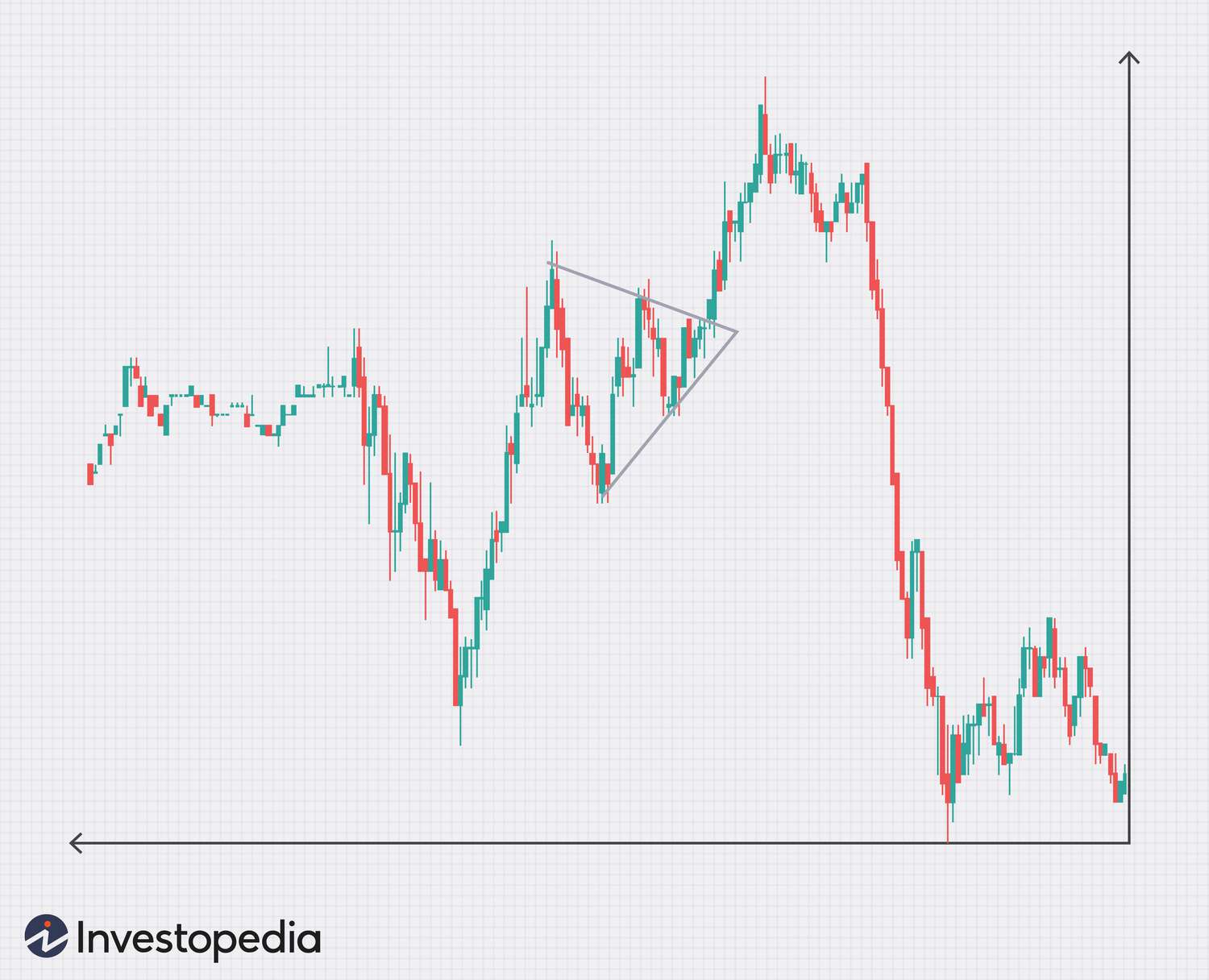
Stock Market Chart Patterns

The week’s events underscore a critical evolution in how different asset classes respond to economic data, revealing fault lines that could reshape investment strategies and risk management approaches for years to come. Understanding these dynamics isn’t just academic—it’s essential for anyone navigating the increasingly complex landscape where traditional finance and digital assets intersect.

The CPI Calm: When Good News Was Actually Good News

Tuesday, August 12th began with what markets had been eagerly anticipating: the July Consumer Price Index (CPI) report. In an environment where inflation data has become the primary driver of Federal Reserve policy and market sentiment, the numbers delivered exactly what investors wanted to hear [3].

The headline CPI rose 2.7% annually, coming in below the expected 2.8%, while the monthly increase of 0.2% met expectations precisely. More importantly, core CPI—which excludes volatile food and energy prices and is closely watched by Federal Reserve officials—increased 0.3% monthly and 3.1% annually, just slightly above the forecasted 3.0% [3]. These numbers represented a goldilocks scenario: inflation was cooling but not collapsing, providing the Federal Reserve with the flexibility to consider rate cuts without signaling economic distress.

The market reaction was swift and decisive. Stock market averages posted strong gains immediately following the release, while Treasury yields remained mixed as investors recalibrated their expectations for monetary policy [3]. The data reinforced growing confidence that the Federal Reserve would begin cutting interest rates at their September meeting, with traders ramping up bets on this outcome throughout the day.

What made this CPI report particularly significant was its treatment of tariff impacts. Despite widespread concerns that President Trump’s expanded tariff policies would drive inflation higher, the data showed only modest effects in tariff-sensitive categories. Household furnishings and supplies showed a 0.7% increase, but apparel prices rose just 0.1%, and core commodity prices increased only 0.2% [3]. This suggested that businesses were absorbing much of the tariff costs rather than immediately passing them through to consumers.

The benign inflation reading provided validation for the Federal Reserve’s patient approach to monetary policy. Fed officials had been expressing increasing concern about labor market weakness, and the CPI data gave them cover to shift focus from inflation fighting to economic support. Market-implied probabilities for a September rate cut jumped significantly, with traders also increasing bets on additional cuts later in the year.

For traditional equity markets, this represented an ideal scenario. Lower interest rates would reduce borrowing costs for corporations, potentially boosting earnings and making stocks more attractive relative to bonds. The technology-heavy Nasdaq was particularly responsive, as growth stocks tend to benefit disproportionately from lower discount rates applied to their future cash flows.

The PPI Shock: When Markets Chose Their Own Adventure

If Tuesday’s CPI report was a gentle breeze that lifted all boats, Thursday’s Producer Price Index (PPI) data was a hurricane that separated the wheat from the chaff. The numbers were nothing short of stunning in their deviation from expectations, and the divergent market reactions that followed would define the week’s narrative [4].

The PPI jumped 0.9% in July, compared to the Dow Jones estimate of just 0.2%—a massive miss that represented the biggest monthly increase since June 2022 [4]. Core PPI, excluding food and energy, rose 0.9% against forecasts of 0.3%, while the measure excluding food, energy, and trade services climbed 0.6%, the largest gain since March 2022 [4]. On an annual basis, headline PPI increased 3.3%, well above the Federal Reserve’s 2% inflation target and the biggest 12-month move since February.

The details behind these numbers were equally concerning. Services inflation provided much of the upward pressure, rising 1.1% for the largest gain since March 2022. Trade services margins climbed 2%, reflecting ongoing developments in tariff implementations. Machinery and equipment wholesaling surged 3.8%, while portfolio management fees jumped 5.4% and airline passenger services prices climbed 1% [4].

Economic Data Chart

This is where the story becomes fascinating from a market structure perspective. Traditional equity markets, which had celebrated the benign CPI data just two days earlier, largely shrugged off the PPI surprise. Stock market futures fell initially following the release, and shorter-duration Treasury yields moved higher, but the reaction was measured and contained [4]. The S&P 500 and Nasdaq continued their weekly gains, demonstrating remarkable resilience in the face of what should have been concerning inflationary data.

Cryptocurrency markets, however, told a completely different story. The PPI release triggered significant selling pressure across digital assets, with nearly $900 million in long positions liquidated as traders rushed for the exits [2]. The reaction was swift, brutal, and indiscriminate, affecting everything from Bitcoin to smaller altcoins. Funding rates, which had been falling generally across the crypto ecosystem, reflected the sudden shift in sentiment as leveraged positions were unwound.

This divergence reveals something profound about market structure and participant behavior. Traditional equity markets, dominated by institutional investors with longer time horizons and sophisticated risk management systems, were able to contextualize the PPI data within the broader economic picture. They recognized that producer prices often don’t translate directly to consumer prices, especially when businesses are absorbing costs to maintain market share.

Cryptocurrency markets, with their higher concentration of retail investors, algorithmic trading systems, and leveraged positions, reacted more viscerally to the inflation surprise. The 24/7 nature of crypto trading meant there was no circuit breaker, no closing bell to provide a pause for reflection. The result was a cascade of selling that fed on itself as stop-losses were triggered and margin calls forced additional liquidations.

Institutional Resilience vs. Retail Volatility

The contrasting reactions to the PPI data illuminate fundamental differences in market structure that extend far beyond simple asset class distinctions. Traditional equity markets have evolved over decades to incorporate sophisticated risk management systems, institutional oversight, and regulatory frameworks designed to prevent excessive volatility. When unexpected data emerges, there are mechanisms in place—both formal and informal—that encourage measured responses.

Institutional investors, who dominate traditional equity trading, typically operate with longer investment horizons and more comprehensive analytical frameworks. When the PPI data was released, these investors could quickly contextualize it within their existing economic models. They understood that producer price inflation doesn’t automatically translate to consumer price inflation, especially in an environment where businesses are facing competitive pressures and may choose to absorb costs rather than pass them through immediately.

The presence of professional risk managers, compliance departments, and fiduciary responsibilities also creates natural dampening effects on volatility. Institutional investors can’t simply panic-sell based on a single data point—they have processes, committees, and oversight mechanisms that encourage deliberate decision-making. This institutional infrastructure acts as a stabilizing force during periods of uncertainty.

Cryptocurrency markets, by contrast, operate in a fundamentally different ecosystem. While institutional participation has grown significantly over the past few years, the market structure remains heavily influenced by retail investors, algorithmic trading systems, and leveraged speculation. The absence of traditional market-making mechanisms and the 24/7 trading environment create conditions where volatility can amplify rapidly.

The role of leverage in cryptocurrency markets cannot be overstated. With many platforms offering 10x, 50x, or even 100x leverage, small price movements can trigger massive liquidation cascades. When the PPI data surprised to the upside, algorithmic systems programmed to respond to inflation concerns began selling, which triggered stop-losses and margin calls, which created additional selling pressure in a self-reinforcing cycle.
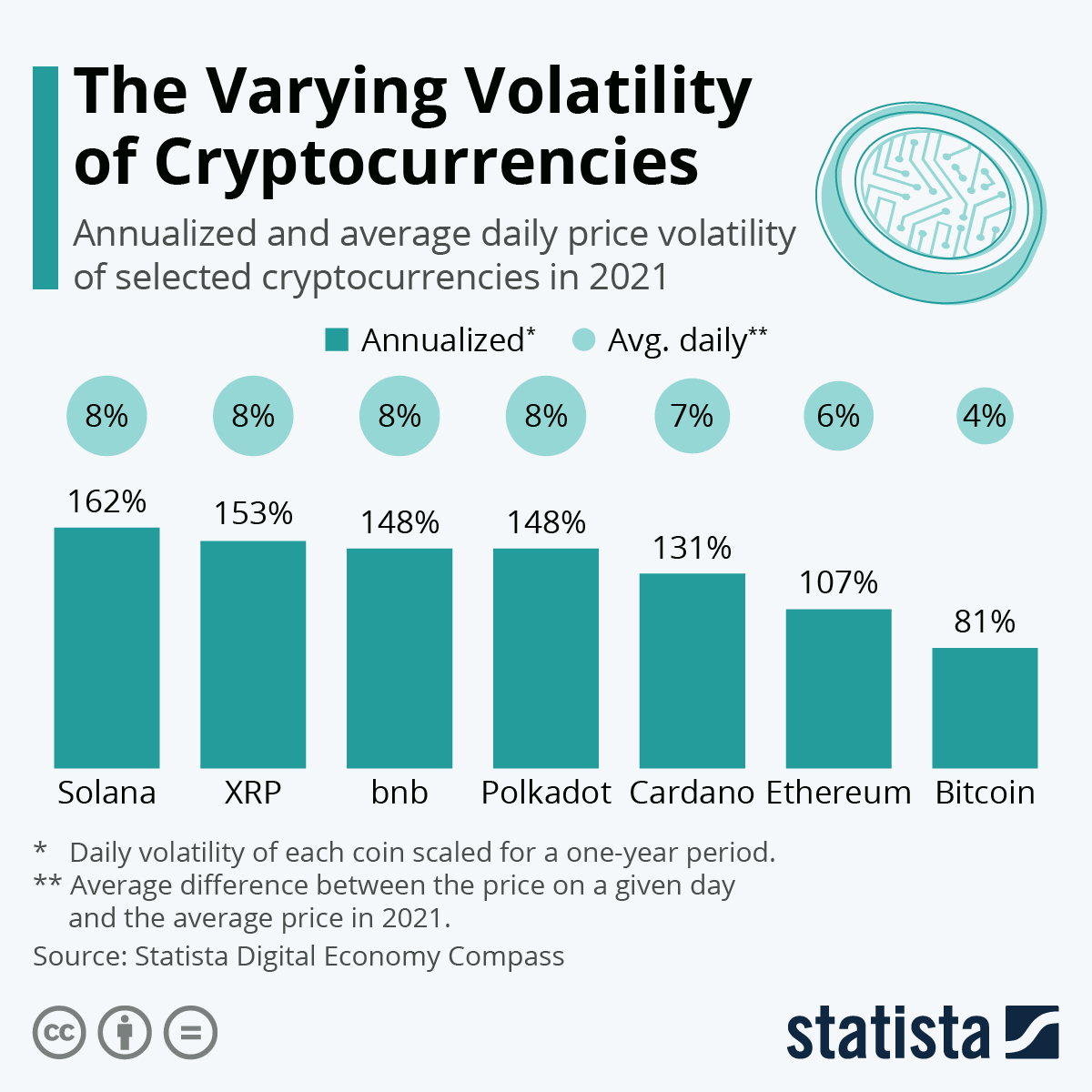
Cryptocurrency Volatility Chart

The psychological factors are equally important. Cryptocurrency investors, particularly retail participants, tend to be more sensitive to macroeconomic developments that could influence regulatory policy or institutional adoption. Inflation concerns raise the specter of more aggressive Federal Reserve action, which could reduce liquidity and risk appetite across all speculative assets. In a market where sentiment can shift rapidly, the PPI surprise was enough to trigger a broad reassessment of risk.

The Federal Reserve’s Delicate Balancing Act

The divergent market reactions to CPI and PPI data this week highlight the complex challenge facing Federal Reserve policymakers as they navigate between competing economic signals. The central bank finds itself in the unusual position of receiving mixed messages from different inflation measures, each telling a different story about underlying price pressures in the economy.

The benign CPI reading provided ammunition for Fed officials who have been advocating for rate cuts to support a weakening labor market. Consumer price inflation at 2.7% annually, while above the Fed’s 2% target, represents significant progress from the peaks reached in 2021 and 2022. The fact that core inflation came in only slightly above expectations, and that tariff impacts appeared contained, suggested that the disinflationary process remains intact.

However, the PPI surge complicates this narrative significantly. Producer prices are often considered a leading indicator of consumer price trends, as businesses eventually pass through higher input costs to customers. The 0.9% monthly jump in PPI, particularly the strength in services inflation, raises questions about whether the disinflationary trend is as durable as the CPI data suggests.

Fed officials now face the challenge of determining which measure provides a more accurate picture of underlying inflation dynamics. The divergence between CPI and PPI could reflect temporary factors—businesses absorbing tariff costs in the short term, seasonal adjustments, or measurement issues—or it could signal the beginning of a renewed inflationary cycle.

The market’s divergent reactions add another layer of complexity to the Fed’s decision-making process. Traditional equity markets are clearly pricing in rate cuts, with the expectation that the central bank will prioritize economic growth over inflation concerns. Cryptocurrency markets, however, are signaling greater concern about inflation persistence and the potential for more restrictive monetary policy.

This creates a communication challenge for Fed officials. Any signal that they’re taking the PPI data seriously could trigger broader market volatility, while dismissing producer price inflation could undermine their credibility if consumer prices begin accelerating later. The September Federal Open Market Committee meeting has become a critical inflection point where the Fed will need to balance these competing considerations.

Crypto’s Ethereum Outperformance: A Silver Lining in the Storm

While the broader cryptocurrency market struggled with the PPI-induced volatility, Ethereum’s remarkable 17.18% weekly gain stands out as a beacon of strength that deserves deeper analysis [2]. This outperformance occurred against a backdrop of significant market stress and provides important insights into the evolving dynamics within the cryptocurrency ecosystem.

Ethereum’s strength can be attributed to several converging factors that differentiate it from Bitcoin and other digital assets. The network’s transition to proof-of-stake consensus and the ongoing development of layer-2 scaling solutions have positioned it as the infrastructure backbone for decentralized finance (DeFi), non-fungible tokens (NFTs), and emerging Web3 applications. This utility-driven demand provides a different value proposition than Bitcoin’s store-of-value narrative.

The week’s news that BitMine Immersion Technologies, a leading Ethereum treasury company, filed for a $20 billion stock offering to accelerate their ETH purchases likely contributed to the positive sentiment [2]. This represents a significant institutional endorsement of Ethereum’s long-term prospects and demonstrates the growing trend of corporate treasury diversification into digital assets beyond Bitcoin.

Ethereum’s outperformance also reflects the network’s resilience during periods of market stress. While Bitcoin often trades more like a macro asset, correlating with traditional risk assets during periods of uncertainty, Ethereum’s price action is increasingly driven by network fundamentals and ecosystem development. The ongoing growth in DeFi total value locked, increasing transaction volumes, and expanding use cases provide fundamental support that can offset broader market concerns.

The technical infrastructure improvements continue to enhance Ethereum’s appeal to institutional investors. The successful implementation of EIP-1559, which introduced a fee-burning mechanism, has created deflationary pressure on ETH supply during periods of high network activity. Combined with the staking rewards available through proof-of-stake, Ethereum offers multiple sources of yield that are attractive in a low-interest-rate environment.

From a portfolio construction perspective, Ethereum’s outperformance during a week of crypto market stress demonstrates its potential role as a diversifier within digital asset allocations. While it remains correlated with broader crypto market movements, the magnitude and direction of its price action can differ significantly from Bitcoin and other cryptocurrencies, providing opportunities for active management and risk reduction.

The Liquidation Cascade: Anatomy of a Crypto Market Meltdown

The $900 million in long liquidations that occurred on Thursday represents one of the most significant single-day deleveraging events in recent cryptocurrency market history [2]. Understanding the mechanics of this cascade provides crucial insights into the structural vulnerabilities that continue to plague digital asset markets and the amplifying effects of excessive leverage.

The liquidation event began with the PPI data release at 8:30 AM Eastern Time on Thursday. Within minutes of the surprisingly high inflation reading, algorithmic trading systems began executing pre-programmed sell orders based on macroeconomic triggers. These initial sales created downward pressure on Bitcoin and other major cryptocurrencies, which in turn triggered the first wave of automated liquidations on leveraged positions.

Cryptocurrency derivatives markets, which have grown exponentially in recent years, played a central role in amplifying the selling pressure. Platforms offering perpetual futures contracts with high leverage ratios saw massive position closures as prices moved against highly leveraged long positions. The interconnected nature of these markets meant that liquidations on one platform quickly spread to others, creating a domino effect across the entire ecosystem.

The timing of the liquidations was particularly problematic from a market structure perspective. Thursday’s PPI release occurred during Asian trading hours for many cryptocurrency markets, when liquidity is typically lower than during U.S. or European sessions. This reduced liquidity environment meant that the same amount of selling pressure had a more pronounced impact on prices, accelerating the liquidation cascade.

Funding rates, which had been falling generally across the cryptocurrency ecosystem, provided an early warning signal of the stress building in the system [2]. As leveraged long positions accumulated throughout the week following the positive CPI data, funding rates began to normalize from previously negative levels. However, the rapid shift in sentiment following the PPI release caught many traders off-guard, particularly those who had increased their leverage based on the earlier positive inflation data.

The cascade also highlighted the role of cross-margining and portfolio-based risk management systems used by many cryptocurrency exchanges. When Bitcoin and Ethereum prices began falling rapidly, traders with diversified cryptocurrency portfolios found their entire positions at risk, not just their exposure to the specific assets that were declining. This forced additional selling across the entire cryptocurrency spectrum, including altcoins that had no direct relationship to the macroeconomic data that triggered the initial selling.

Traditional Markets: The Wisdom of Institutional Patience

The resilience demonstrated by traditional equity markets in the face of the PPI surprise offers valuable lessons about the benefits of institutional market structure and long-term investment approaches. While cryptocurrency markets were experiencing their liquidation cascade, the S&P 500 and Nasdaq continued their steady weekly gains, demonstrating a level of maturity and stability that comes from decades of institutional development.

Professional portfolio managers approached the PPI data with the context that comes from experience managing through multiple economic cycles. They understood that producer price inflation, while concerning, doesn’t automatically translate to consumer price inflation, especially in an environment where businesses are facing competitive pressures and may choose to absorb costs rather than pass them through immediately. This institutional knowledge prevented the kind of panic selling that characterized cryptocurrency markets.

The presence of sophisticated risk management systems also played a crucial role in maintaining stability. Institutional investors operate with position limits, diversification requirements, and oversight mechanisms that prevent excessive concentration in any single bet. When unexpected data emerges, these systems encourage measured responses rather than emotional reactions. Portfolio managers can’t simply liquidate entire positions based on a single data point—they have processes and procedures that encourage deliberate decision-making.

The longer investment horizons typical of institutional investors also contributed to market stability. While cryptocurrency traders often operate with daily or weekly time frames, institutional equity investors typically think in terms of quarters or years. From this perspective, a single month’s PPI reading, while noteworthy, doesn’t fundamentally alter long-term investment theses or require immediate portfolio adjustments.

Market-making mechanisms in traditional equity markets also provided crucial stability during the volatility. Designated market makers and high-frequency trading firms have obligations to provide liquidity even during periods of stress, which helps prevent the kind of air pockets that can develop in less mature markets. These mechanisms aren’t perfect, but they provide a foundation of liquidity that helps absorb selling pressure without causing excessive price dislocations.

The regulatory framework surrounding traditional equity markets also contributes to stability through transparency requirements, position reporting, and oversight mechanisms. While these regulations can sometimes be seen as burdensome, they create an environment where market participants have better information about underlying conditions and can make more informed decisions about risk management.

Looking Ahead: Implications for Multi-Asset Portfolios

The events of this week provide important insights for investors constructing portfolios that span both traditional and digital assets. The divergent reactions to the same economic data highlight the importance of understanding correlation dynamics and the potential for diversification benefits, even as they also reveal new sources of risk that require careful management.

For investors who maintain exposure to both traditional equities and cryptocurrencies, this week demonstrated both the benefits and challenges of such diversification. On one hand, the resilience of traditional markets provided a stabilizing influence during cryptocurrency volatility. Investors with balanced allocations would have experienced less overall portfolio volatility than those concentrated exclusively in digital assets.

However, the week also highlighted that correlations between asset classes can shift rapidly during periods of stress. While cryptocurrencies and traditional equities often move together during broad risk-on or risk-off periods, they can diverge significantly when reacting to specific types of economic data. This creates both opportunities and risks that require active monitoring and potentially dynamic allocation adjustments.

The role of leverage in amplifying volatility across different asset classes also deserves careful consideration. While traditional equity markets generally operate with lower leverage ratios, the availability of margin trading and derivatives means that excessive leverage can create similar cascade effects. The cryptocurrency market’s experience this week serves as a cautionary tale about the systemic risks that can emerge when leverage becomes too concentrated.

From a risk management perspective, the week’s events underscore the importance of position sizing and diversification across different types of assets and investment strategies. Investors who had concentrated their cryptocurrency exposure in highly leveraged positions experienced disproportionate losses, while those who maintained more conservative position sizes were better able to weather the volatility.

The different time horizons and market structures that characterize traditional and digital asset markets also suggest the need for different approaches to portfolio management. Strategies that work well in traditional equity markets may not be appropriate for cryptocurrency investments, and vice versa. This requires investors to develop expertise across multiple asset classes and investment approaches.

The Broader Economic Context: Inflation, Policy, and Market Evolution

This week’s market divergence occurred against the backdrop of broader economic and policy developments that continue to shape the investment landscape. The mixed signals from CPI and PPI data reflect the complex inflationary dynamics that policymakers and investors are grappling with as the economy navigates the aftermath of pandemic-era fiscal and monetary stimulus.

The tariff policies implemented by the Trump administration add another layer of complexity to inflation dynamics. While the CPI data suggested that tariff impacts have been relatively contained so far, the PPI surge raises questions about whether businesses will be able to continue absorbing these costs indefinitely. The divergence between consumer and producer prices may represent a temporary phenomenon that eventually resolves through higher consumer prices, lower business margins, or some combination of both.

Federal Reserve policy remains the crucial variable that will determine how these inflationary pressures ultimately resolve. The central bank’s September meeting has taken on heightened importance as officials weigh the competing signals from different inflation measures. The market’s divergent reactions to CPI and PPI data provide additional complexity, as Fed officials must consider not just the economic data but also the financial stability implications of their policy decisions.

The international context also matters significantly for both traditional and digital asset markets. Central banks around the world are grappling with similar inflation challenges, and policy coordination—or the lack thereof—can have significant implications for capital flows and currency dynamics. Cryptocurrency markets, in particular, are sensitive to regulatory developments in major jurisdictions, which can create additional sources of volatility beyond purely economic factors.

The ongoing evolution of market structure in both traditional and digital asset markets continues to create new dynamics that investors must navigate. The growth of algorithmic trading, the expansion of derivatives markets, and the increasing interconnectedness of global financial systems all contribute to the complexity of modern portfolio management.

Conclusion: Navigating the New Reality of Multi-Asset Investing

This week’s divergent market reactions to CPI and PPI data provide a compelling case study in the evolving dynamics of modern financial markets. The resilience of traditional equities in the face of concerning producer price inflation, contrasted with the violent reaction in cryptocurrency markets, highlights fundamental differences in market structure, participant behavior, and risk management approaches that investors ignore at their peril.

The $900 million liquidation cascade in cryptocurrency markets serves as a stark reminder of the amplifying effects of excessive leverage and the importance of understanding the structural vulnerabilities that exist in less mature markets [2]. While Ethereum’s 17.18% weekly gain demonstrates that opportunities exist even during periods of broader market stress, the overall cryptocurrency market’s reaction to the PPI surprise underscores the continued importance of careful risk management and position sizing.

For traditional equity investors, the week provided validation of the benefits that come from institutional market structure and long-term investment approaches. The S&P 500’s 1.78% gain and the Nasdaq’s 1.60% advance occurred despite economic data that could have justified significant concern about inflation persistence [1]. This resilience reflects the maturity and stability that comes from decades of institutional development and regulatory oversight.

The Federal Reserve faces an increasingly complex challenge as it navigates between competing economic signals and divergent market reactions. The September FOMC meeting will provide crucial insights into how policymakers weigh the benign CPI data against the concerning PPI surge, and how they factor in the different messages being sent by traditional and digital asset markets.

Looking ahead, investors must prepare for a world where correlation dynamics can shift rapidly and where different asset classes may react very differently to the same economic developments. The events of this week demonstrate both the potential benefits of diversification across traditional and digital assets, as well as the new sources of risk that such diversification can create.

The key to successful navigation of this environment lies in understanding the fundamental differences between asset classes, maintaining appropriate position sizes and leverage levels, and developing the expertise necessary to manage across multiple types of markets and investment strategies. As the lines between traditional finance and digital assets continue to blur, the ability to understand and manage these dynamics will become increasingly important for investment success.

The great divergence of this week may be just the beginning of a new era in which traditional and digital asset markets increasingly march to the beat of different drummers. Investors who can understand and adapt to these evolving dynamics will be best positioned to capitalize on the opportunities while managing the risks that this new reality presents.


References

[1] User-provided market data for week ending August 15, 2025

[2] User-provided cryptocurrency market data and liquidation information

[3] CNBC. “CPI inflation report July 2025.” CNBC Economy, August 12, 2025. https://www.cnbc.com/2025/08/12/cpi-inflation-report-july-2025.html

[4] CNBC. “PPI inflation report July 2025: Wholesale prices rose 0.9% in July, much more than expected.” CNBC Economy, August 14, 2025. https://www.cnbc.com/2025/08/14/ppi-inflation-report-july-2025-.html
Crypto Lending and Borrowing for Passive Income

Author: everythingcryptoitclouds.com

Published: August 2025

Featured Image:

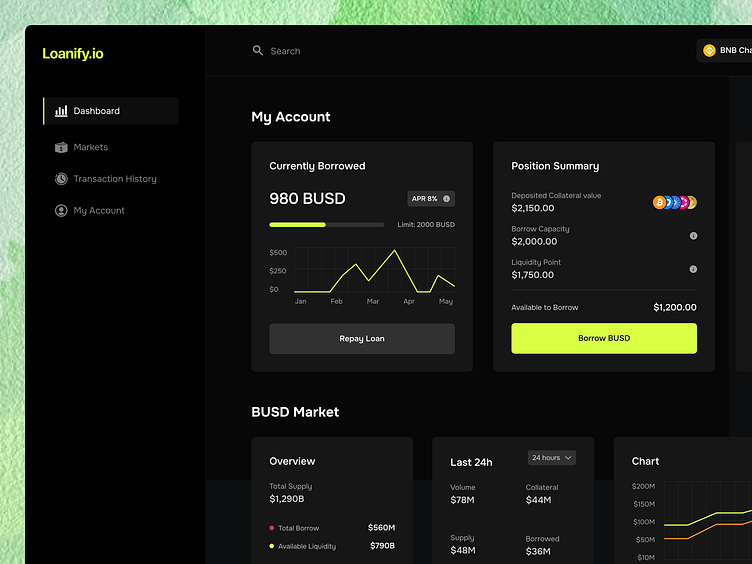
DeFi Lending Platform Interface
Professional DeFi lending platform showing lending and borrowing opportunities

The world of cryptocurrency lending has emerged as one of the most accessible and potentially lucrative ways to generate passive income from digital assets. Unlike traditional banking where savings accounts offer minimal returns, crypto lending platforms provide opportunities to earn substantial interest rates on your cryptocurrency holdings while maintaining exposure to potential price appreciation.

My personal journey into crypto lending began with skepticism about the seemingly high interest rates offered by various platforms. However, after careful research and gradual experimentation with different lending strategies, I’ve been able to generate consistent passive income that significantly exceeds traditional investment returns while learning valuable lessons about risk management and platform selection.

The crypto lending ecosystem has matured significantly since its early days, evolving from experimental DeFi protocols to sophisticated platforms that serve both retail and institutional clients. This evolution has created diverse opportunities for earning passive income, from simple savings accounts to complex lending strategies that can generate double-digit annual returns.

Understanding the mechanics, risks, and opportunities in crypto lending is crucial for anyone looking to maximize returns on their cryptocurrency holdings. This comprehensive guide explores the various types of crypto lending, analyzes the best platforms and strategies, and provides practical guidance for building a sustainable passive income stream through cryptocurrency lending and borrowing.

Understanding Crypto Lending: How It Works

Crypto lending operates on the fundamental principle of connecting borrowers who need cryptocurrency liquidity with lenders who want to earn interest on their holdings. This peer-to-peer or platform-mediated lending creates opportunities for passive income while serving important functions in the broader cryptocurrency ecosystem.

The basic mechanics involve depositing cryptocurrency into a lending platform, which then loans these assets to borrowers who pay interest for the privilege of using the funds. Borrowers might need cryptocurrency for trading, arbitrage opportunities, business operations, or to avoid selling their long-term holdings during temporary liquidity needs.

Image Placement: [Flowchart showing how crypto lending works from deposit to interest earnings]

Interest rates in crypto lending are determined by supply and demand dynamics, with rates fluctuating based on borrowing demand, available liquidity, and market conditions. Popular cryptocurrencies like Bitcoin and Ethereum typically offer lower but more stable rates, while smaller altcoins may provide higher rates due to limited supply and higher risk.

Collateralization is a key component of most crypto lending platforms, with borrowers required to deposit cryptocurrency worth more than the loan amount as security. This over-collateralization protects lenders from default risk but also means that borrowers must have significant cryptocurrency holdings to access loans.

The role of smart contracts in DeFi lending platforms automates many aspects of the lending process, including interest calculations, collateral management, and liquidation procedures. These automated systems can operate 24/7 without human intervention, providing continuous earning opportunities for lenders.

Yield generation mechanisms vary between platforms, with some offering fixed rates while others provide variable rates that adjust based on market conditions. Understanding these mechanisms helps lenders choose platforms and strategies that align with their risk tolerance and income objectives.

Liquidity considerations affect both lending returns and access to funds. Some platforms offer instant withdrawal of lent funds, while others may have lock-up periods or withdrawal restrictions. Balancing higher returns from locked deposits against liquidity needs is an important strategic consideration.

The concept of lending pools aggregates funds from multiple lenders to provide liquidity for borrowers. These pools often offer more stable returns and better liquidity than individual lending arrangements while spreading risk across multiple borrowers and loan types.

Risk management in crypto lending involves understanding counterparty risk, platform risk, smart contract risk, and market risk. Each type of risk requires different mitigation strategies and affects the overall risk-return profile of lending activities.

Regulatory considerations for crypto lending vary by jurisdiction and continue to evolve as authorities develop frameworks for digital asset lending. Understanding the regulatory environment helps ensure compliance and assess the long-term viability of different lending platforms and strategies.

Types of Crypto Lending Platforms

The crypto lending landscape encompasses various platform types, each with different risk profiles, return potential, and operational characteristics. Understanding these differences helps lenders select platforms that align with their investment objectives and risk tolerance.

Centralized lending platforms like BlockFi, Celsius (before its collapse), and Nexo operate similarly to traditional financial institutions, offering custody services and professional management of lending operations. These platforms typically provide user-friendly interfaces, customer support, and insurance coverage but require trusting the platform with custody of your assets.

The collapse of several major centralized lending platforms in 2022, including Celsius and BlockFi, highlighted the counterparty risks associated with these services. These failures resulted in significant losses for lenders and demonstrated the importance of due diligence and risk management when selecting centralized platforms.

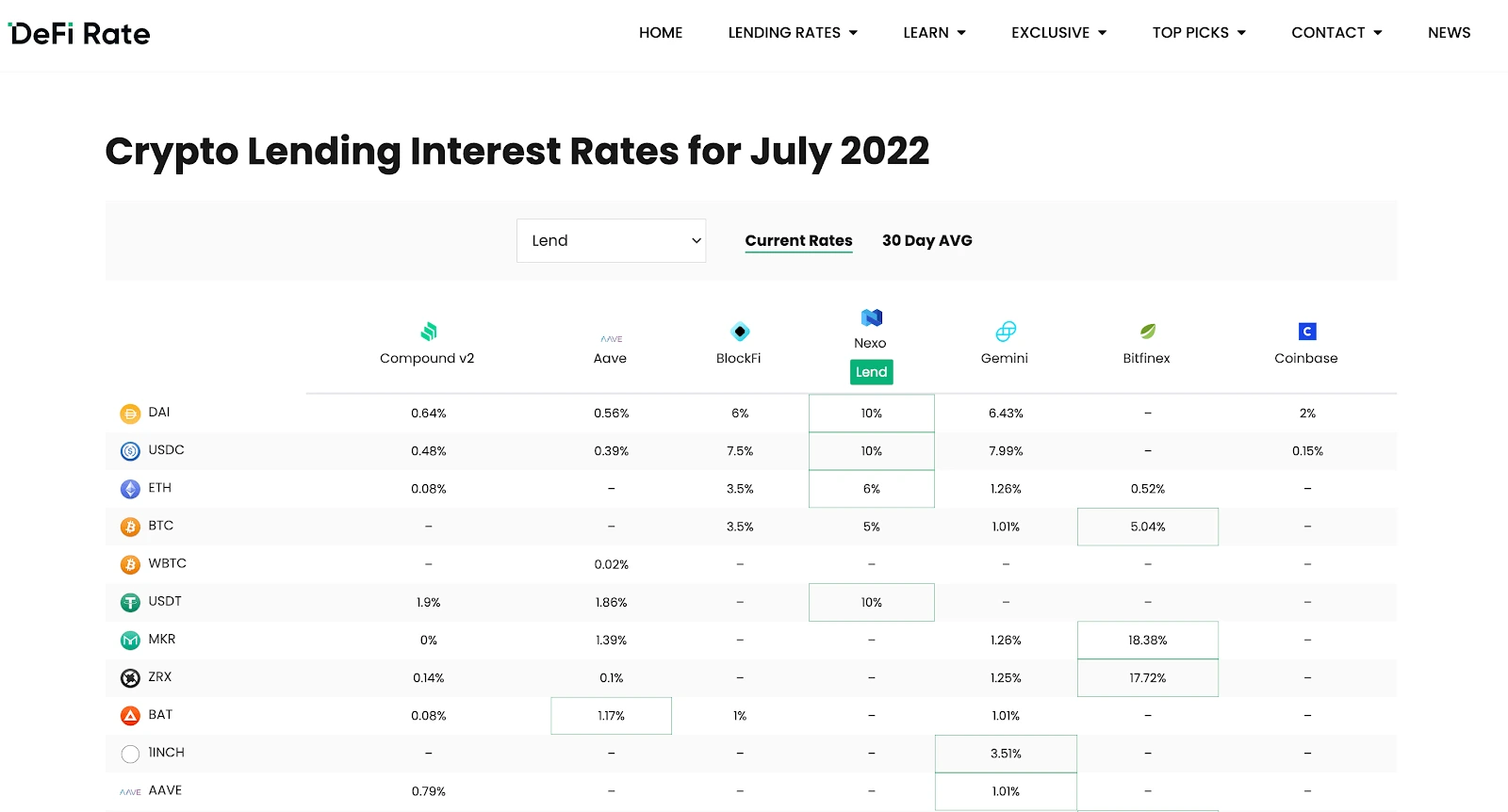
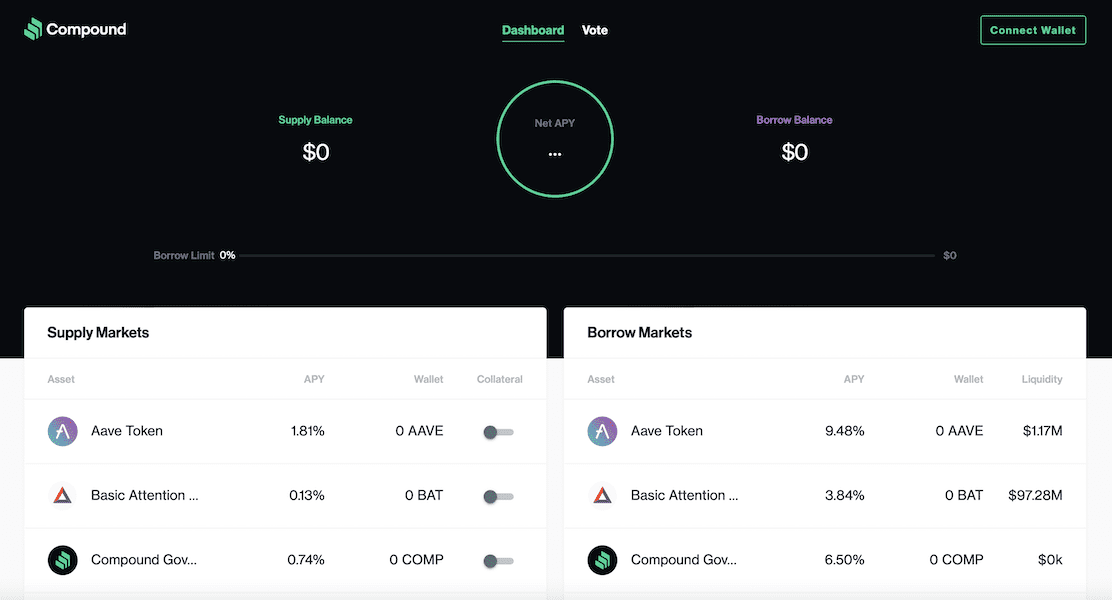
DeFi Lending Protocol Dashboard
Advanced DeFi lending protocol dashboard showing lending rates and available assets

Decentralized Finance (DeFi) lending protocols like Aave, Compound, and MakerDAO operate through smart contracts on blockchain networks, eliminating the need for traditional intermediaries. These platforms offer greater transparency and user control but require more technical knowledge and active management.

The advantages of DeFi lending include transparency of operations, non-custodial control of assets, and often higher yields due to reduced operational overhead. However, DeFi platforms also involve smart contract risks, higher gas fees, and more complex user interfaces that may challenge less technical users.

Exchange-based lending services offered by major cryptocurrency exchanges like Binance, Coinbase, and Kraken provide convenient access to lending opportunities for existing exchange users. These services often offer competitive rates and seamless integration with trading activities but involve the same custody risks as centralized platforms.

Peer-to-peer lending platforms facilitate direct lending between individuals, often offering more flexible terms and potentially higher returns. However, these platforms typically involve higher risk due to limited borrower screening and reduced platform oversight compared to institutional lending services.

Institutional lending platforms cater to high-net-worth individuals and institutional clients, offering sophisticated lending products and risk management services. These platforms often require significant minimum deposits but may provide better terms and additional services like tax optimization and portfolio management.

Stablecoin lending has become particularly popular due to the reduced volatility risk compared to lending volatile cryptocurrencies. Platforms specializing in stablecoin lending often offer attractive rates while minimizing exposure to cryptocurrency price fluctuations.

The emergence of cross-chain lending platforms allows users to lend and borrow across different blockchain networks, potentially accessing better rates or unique opportunities not available on single-chain platforms. However, cross-chain lending involves additional technical complexity and bridge risks.

Yield farming platforms combine lending with liquidity provision and token rewards, potentially offering higher returns through multiple income streams. These platforms often involve more complex strategies and higher risk but can provide substantial returns during favorable market conditions.

Best Platforms for Crypto Lending in 2025

Selecting the right lending platform is crucial for maximizing returns while managing risk. The platform landscape has evolved significantly following the failures of major players in 2022, with survivors implementing stronger risk management and transparency measures.

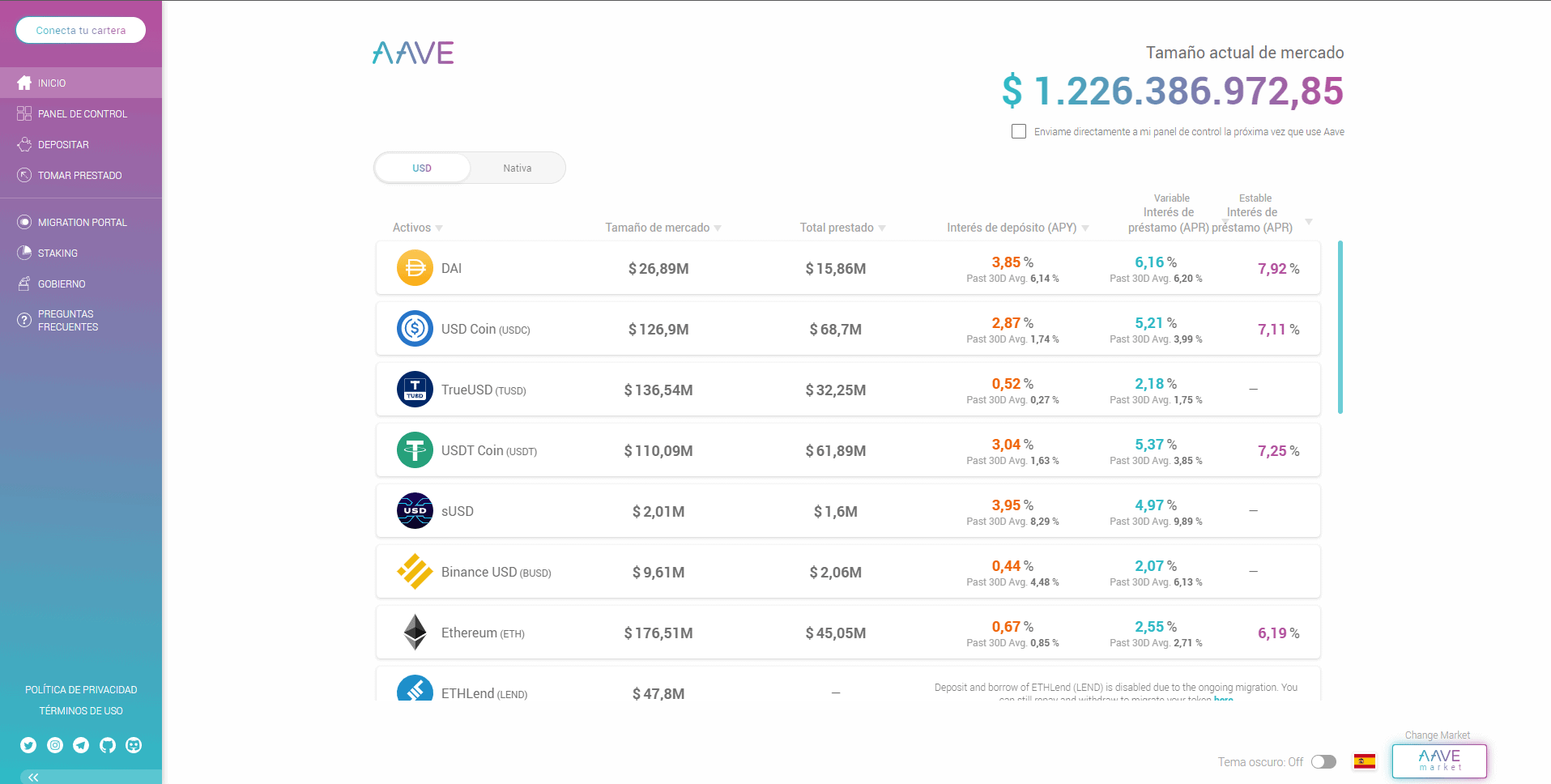
Aave stands out as one of the most established and trusted DeFi lending protocols, offering lending and borrowing across multiple cryptocurrencies and blockchain networks. The platform’s transparent operations, strong security track record, and innovative features like flash loans make it a popular choice for DeFi-savvy lenders.

Aave’s variable and stable rate options provide flexibility for different lending strategies. Variable rates fluctuate with market conditions and can provide higher returns during periods of high borrowing demand, while stable rates offer more predictable income streams for conservative lenders.

Aave Lending Platform
Aave platform interface showing current lending rates and available cryptocurrencies for lending

Compound Protocol pioneered many DeFi lending concepts and continues to offer reliable lending services with competitive rates. The platform’s governance token (COMP) distribution provides additional returns for lenders, though token rewards have decreased significantly from their peak levels.

Binance Earn provides a comprehensive suite of lending and savings products through one of the world’s largest cryptocurrency exchanges. The platform offers flexible savings, locked savings, and DeFi staking options with competitive rates and the backing of Binance’s substantial resources.

Kraken Staking offers lending-like returns through staking services for Proof of Stake cryptocurrencies. While technically different from lending, staking provides similar passive income opportunities with potentially lower risk since assets remain in your control.

Nexo has survived the 2022 lending platform crisis and continues to offer centralized lending services with competitive rates and insurance coverage. The platform’s focus on regulatory compliance and risk management has helped maintain user confidence despite industry challenges.

YouHodler provides lending services with unique features like multi-HODL (leveraged investing) and crypto-backed loans. The platform’s European regulatory compliance and insurance coverage appeal to users seeking regulated lending services.

Celsius Network’s bankruptcy in 2022 serves as a cautionary tale about centralized lending platform risks. The platform’s collapse resulted in significant losses for users and highlighted the importance of understanding platform risks and diversifying across multiple services.

DeFi protocols like Yearn Finance and Convex Finance offer automated yield optimization strategies that can include lending as part of broader yield farming approaches. These platforms can provide higher returns but involve additional complexity and smart contract risks.

The importance of platform diversification cannot be overstated following the industry consolidation of 2022. Spreading lending activities across multiple platforms helps reduce counterparty risk and provides access to different opportunities and rate structures.

Due diligence factors for platform selection include regulatory compliance, insurance coverage, transparency of operations, track record, and financial backing. Platforms with strong regulatory relationships and transparent operations generally offer better long-term prospects despite potentially lower rates.

Interest Rates and Risk Assessment

Understanding the relationship between interest rates and risk is fundamental to successful crypto lending. Higher rates often indicate higher risk, and sustainable lending strategies require balancing return potential against various risk factors that could impact both principal and earnings.

Interest rate determinants in crypto lending include supply and demand for specific cryptocurrencies, overall market conditions, platform operational costs, and risk premiums. Rates can fluctuate significantly based on market events, regulatory changes, or platform-specific factors.

Crypto Lending Interest Rates
Interest rate comparison chart showing rates across different cryptocurrencies and platforms over time

The concept of risk-adjusted returns helps evaluate whether higher interest rates justify additional risk exposure. A platform offering 15% APY with significant counterparty risk may be less attractive than a platform offering 8% APY with strong security and regulatory compliance.

Counterparty risk represents the possibility that lending platforms may fail to return deposited funds or pay promised interest. This risk became painfully apparent during the 2022 crypto lending crisis when several major platforms collapsed, resulting in significant losses for lenders.

Smart contract risk in DeFi lending involves the possibility of bugs, exploits, or governance attacks that could result in loss of funds. While DeFi platforms offer greater transparency and user control, they also expose lenders to technical risks that don’t exist with traditional financial services.

Market risk affects crypto lending through cryptocurrency price volatility, which can impact both the value of lent assets and borrower behavior. Significant price declines may trigger liquidations or platform stress that affects lending operations and returns.

Liquidity risk involves the possibility that lenders may not be able to withdraw funds when needed, either due to platform restrictions, high withdrawal demand, or technical issues. Understanding withdrawal terms and maintaining diversified liquidity sources helps manage this risk.

Regulatory risk encompasses the possibility that changing regulations could impact platform operations, force closures, or affect the legal status of lending activities. Platforms operating in multiple jurisdictions face complex regulatory environments that could change rapidly.

The relationship between lock-up periods and interest rates typically shows higher rates for longer commitment periods. However, longer lock-ups also increase liquidity risk and exposure to platform and market risks over extended periods.

Interest rate sustainability analysis helps identify platforms offering realistic returns versus those that may be using unsustainable business models. Rates significantly above market norms may indicate higher risk or unsustainable promotional offers.

Diversification strategies for crypto lending include spreading funds across multiple platforms, different cryptocurrencies, and various lending products. This approach helps reduce concentration risk while potentially accessing different rate opportunities.

Risk monitoring and management require ongoing attention to platform developments, market conditions, and regulatory changes. Successful crypto lenders regularly review their positions and adjust strategies based on changing risk-return profiles.

Strategies for Maximizing Lending Returns

Developing effective strategies for crypto lending involves more than simply depositing funds and collecting interest. Sophisticated approaches can significantly enhance returns while managing risk through diversification, timing, and optimization techniques.

The laddering strategy involves spreading deposits across different lock-up periods to balance higher returns from longer commitments with liquidity needs. This approach provides regular opportunities to reassess market conditions and platform performance while maintaining exposure to higher-rate products.

Image Placement: [Strategy diagram showing different lending approaches and their expected returns vs risk profiles]

Rate arbitrage opportunities arise when different platforms offer significantly different rates for the same cryptocurrency. Moving funds to platforms offering higher rates can increase returns, though transaction costs and platform risks must be considered in the analysis.

Compound interest optimization involves reinvesting earned interest to maximize long-term returns. Platforms that automatically compound interest provide convenience, while manual reinvestment allows for more strategic allocation decisions based on changing market conditions.

The barbell strategy combines high-risk, high-return lending opportunities with low-risk, stable-return options. This approach allows participation in potentially lucrative opportunities while maintaining a foundation of more secure investments.

Stablecoin lending strategies focus on USD-pegged cryptocurrencies to minimize volatility risk while earning attractive interest rates. This approach appeals to conservative investors who want crypto lending returns without exposure to cryptocurrency price fluctuations.

Yield farming integration combines traditional lending with liquidity provision and token rewards to maximize total returns. These strategies often involve more complexity and risk but can provide substantially higher returns during favorable market conditions.

Tax optimization considerations include timing of interest recognition, jurisdiction selection for platform usage, and coordination with other investment activities. Understanding tax implications helps maximize after-tax returns from lending activities.

Platform rotation strategies involve moving funds between platforms based on rate changes, promotional offers, or risk assessments. This active management approach can enhance returns but requires ongoing monitoring and analysis.

The importance of emergency reserves means maintaining some funds in highly liquid, low-risk options even when higher-return opportunities are available. This liquidity buffer provides flexibility to respond to opportunities or emergencies without disrupting long-term lending strategies.

Automated strategies using APIs or third-party services can help optimize lending returns by automatically moving funds to the highest-rate opportunities or rebalancing portfolios based on predetermined criteria. However, automation also introduces additional technical and security considerations.

Borrowing Strategies: Using Crypto as Collateral

Crypto-backed borrowing represents the other side of the lending equation, offering opportunities to access liquidity without selling cryptocurrency holdings. Understanding borrowing strategies helps complete the picture of crypto lending opportunities and can provide additional income generation methods.

The basic concept of crypto-backed borrowing involves depositing cryptocurrency as collateral to secure loans in stablecoins or fiat currency. This approach allows borrowers to maintain exposure to potential cryptocurrency appreciation while accessing needed liquidity for other purposes.

Image Placement: [Borrowing strategy flowchart showing how to use crypto collateral for various purposes]

Loan-to-value (LTV) ratios determine how much can be borrowed against cryptocurrency collateral, typically ranging from 25% to 75% depending on the platform and collateral type. Lower LTV ratios provide more safety margin against liquidation but reduce borrowing capacity.

Liquidation risks occur when collateral value falls below required thresholds, forcing automatic sale of collateral to repay loans. Understanding liquidation mechanics and maintaining adequate safety margins is crucial for successful borrowing strategies.

Tax advantages of borrowing versus selling include avoiding immediate capital gains recognition while accessing liquidity. Borrowed funds are generally not taxable income, making borrowing an attractive option for accessing cash without triggering tax liabilities.

Arbitrage opportunities using borrowed funds can generate returns that exceed borrowing costs. For example, borrowing stablecoins against Bitcoin collateral to invest in higher-yielding opportunities could generate net positive returns if the yield spread exceeds borrowing costs.

The concept of “cash and carry” strategies involves borrowing against cryptocurrency holdings to invest in risk-free or low-risk opportunities that generate returns exceeding borrowing costs. This approach can provide additional income while maintaining cryptocurrency exposure.

Leverage strategies use borrowed funds to increase cryptocurrency exposure, potentially amplifying returns but also increasing risk. These strategies require careful risk management and understanding of liquidation risks in volatile markets.

Business financing using crypto collateral allows entrepreneurs and businesses to access capital without selling cryptocurrency holdings. This approach can be particularly attractive for crypto-native businesses or individuals with significant cryptocurrency wealth.

Emergency liquidity access through crypto-backed borrowing provides a financial safety net without requiring asset sales. Maintaining pre-approved credit lines against cryptocurrency holdings can provide peace of mind and financial flexibility.

Interest rate optimization for borrowing involves comparing rates across platforms and choosing the most cost-effective borrowing options. Some platforms offer variable rates that may be attractive during certain market conditions, while others provide fixed rates for predictable costs.

Repayment strategies should consider market timing, tax implications, and opportunity costs. Early repayment may be attractive when borrowing rates are high or when collateral has appreciated significantly, while extending loans might be preferable during favorable rate environments.

Tax Implications of Crypto Lending

The tax treatment of crypto lending activities creates complex obligations that vary significantly between jurisdictions. Understanding these implications is crucial for accurate reporting and optimization of after-tax returns from lending activities.

Interest income from crypto lending is generally treated as ordinary income in most jurisdictions, requiring recognition at fair market value when received. This creates immediate tax liabilities even if interest is automatically reinvested or remains on the lending platform.

Image Placement: [Tax calculation example showing how crypto lending income is reported and taxed]

The timing of income recognition typically occurs when interest is credited to accounts, regardless of whether funds are withdrawn. This means lenders may owe taxes on interest earnings even if they haven’t converted cryptocurrency to fiat currency.

Record-keeping requirements for crypto lending include detailed transaction logs, interest payment records, and fair market value calculations at the time of each interest payment. Automated tracking tools can help manage these complex requirements.

Deduction opportunities may include platform fees, transaction costs, and other expenses directly related to lending activities. However, the deductibility of these expenses varies by jurisdiction and individual tax circumstances.

The treatment of lending platform failures and losses varies between jurisdictions, with some allowing deductions for losses while others may not recognize losses until final resolution of bankruptcy proceedings. The collapse of platforms like Celsius created complex tax situations for affected users.

International tax considerations become complex for users of platforms operating in multiple jurisdictions or for individuals with tax obligations in multiple countries. Transfer pricing rules and tax treaties may affect the treatment of cross-border lending activities.

Stablecoin lending may have different tax implications than lending volatile cryptocurrencies, particularly regarding foreign currency treatment and gain/loss recognition. Understanding these differences helps optimize tax treatment of different lending strategies.

The concept of constructive receipt may apply to interest earnings that are automatically reinvested or compounded, potentially creating tax obligations even when funds aren’t directly accessible to the lender.

Tax optimization strategies include timing of lending activities, jurisdiction selection for platform usage, and coordination with other investment activities to manage overall tax liability. However, tax considerations should not override sound investment principles.

Professional tax advice becomes essential for significant lending activities due to the complexity and evolving nature of cryptocurrency tax regulations. The cost of professional advice should be weighed against potential tax savings and compliance benefits.

Risk Management and Security Best Practices

Effective risk management is essential for successful crypto lending, as the industry’s relative immaturity and regulatory uncertainty create unique challenges that require careful attention and proactive mitigation strategies.

Platform diversification represents the most important risk management strategy, spreading funds across multiple lending platforms to reduce counterparty risk. The collapse of major platforms in 2022 demonstrated the importance of not concentrating all lending activities with a single provider.

Image Placement: [Risk management framework showing different types of risks and mitigation strategies]

Due diligence processes should include thorough research of platform backgrounds, regulatory compliance, insurance coverage, and financial backing. Regular monitoring of platform developments and financial health helps identify potential issues before they become critical.

Position sizing limits help manage exposure to any single platform or lending opportunity. Many experienced lenders limit exposure to any single platform to 10-25% of their total lending portfolio, regardless of the rates offered.

Security practices for crypto lending include using strong passwords, enabling two-factor authentication, regularly monitoring account activity, and maintaining secure storage of login credentials. Security breaches can result in total loss of funds regardless of platform legitimacy.

The importance of insurance coverage varies between platforms, with some offering comprehensive coverage while others provide limited or no protection. Understanding insurance terms and limitations helps assess the true risk profile of different lending opportunities.

Liquidity management involves maintaining adequate reserves in highly liquid assets to respond to opportunities or emergencies without disrupting long-term lending strategies. This liquidity buffer should be sized based on individual financial circumstances and risk tolerance.

Monitoring and alert systems help track platform performance, rate changes, and potential issues that could affect lending positions. Setting up automated alerts for significant changes helps ensure timely responses to developing situations.

Exit strategies should be planned in advance, including criteria for withdrawing funds from platforms and procedures for emergency situations. Having clear exit plans helps ensure rational decision-making during stressful market conditions.

The concept of “skin in the game” analysis examines whether platform operators have significant personal exposure to their own platforms. Platforms where operators have substantial personal investments may be more aligned with user interests.

Regular portfolio reviews help assess performance, risk exposure, and alignment with investment objectives. These reviews should consider changes in platform risk profiles, market conditions, and personal financial circumstances.

Future of Crypto Lending

The crypto lending industry continues to evolve rapidly, driven by regulatory developments, technological innovation, and lessons learned from the market disruptions of 2022. Understanding these trends helps inform long-term strategy and platform selection decisions.

Regulatory clarity is gradually emerging in major jurisdictions, with authorities developing frameworks for crypto lending activities. This regulatory development may reduce uncertainty but could also impose new requirements or restrictions on lending platforms and activities.

Image Placement: [Future trends chart showing projected evolution of crypto lending industry]

Institutional adoption of crypto lending continues to grow, with traditional financial institutions and investment funds exploring cryptocurrency lending opportunities. This institutional participation may bring additional liquidity and stability to lending markets while potentially reducing retail opportunities.

Technology improvements in DeFi lending protocols continue to enhance security, efficiency, and user experience. Innovations like cross-chain lending, automated risk management, and improved user interfaces may make DeFi lending more accessible to mainstream users.

The integration of traditional finance and crypto lending may create hybrid products that combine the benefits of both systems. Traditional banks offering crypto lending services or crypto platforms providing traditional financial products could reshape the competitive landscape.

Central Bank Digital Currencies (CBDCs) may impact crypto lending by providing government-backed digital alternatives to stablecoins and potentially changing the regulatory environment for private cryptocurrency lending.

Environmental considerations are increasingly influencing platform selection and investment decisions. Lending platforms that support environmentally sustainable cryptocurrencies or carbon-neutral operations may gain competitive advantages.

Market maturation trends suggest that crypto lending rates may gradually converge toward traditional financial market rates as the industry matures and competition increases. This normalization may reduce return potential but also decrease risk levels.

Innovation in lending products may include more sophisticated risk management tools, automated portfolio optimization, and integration with other DeFi services. These innovations could provide better risk-adjusted returns and more convenient user experiences.

The potential for consolidation exists as the industry matures and regulatory requirements increase. Smaller platforms may struggle to compete with larger, well-capitalized competitors, leading to industry consolidation that could affect platform choice and competition.

Global expansion of crypto lending services may provide access to new markets and opportunities while also creating additional regulatory complexity. Platforms that can successfully navigate multiple regulatory environments may gain significant competitive advantages.

Conclusion: Building Your Crypto Lending Strategy

Crypto lending offers compelling opportunities for generating passive income from cryptocurrency holdings, but success requires careful platform selection, risk management, and ongoing optimization. The industry’s evolution following the 2022 crisis has created a more mature but also more complex landscape that rewards informed and cautious participants.

The key to successful crypto lending lies in balancing return potential against various risk factors while maintaining diversification across platforms and strategies. No single approach works for all investors, and successful strategies must be tailored to individual risk tolerance, liquidity needs, and investment objectives.

Image Placement: [Strategy summary showing recommended approach for building a crypto lending portfolio]

Platform selection remains the most critical decision in crypto lending, with the choice between centralized and decentralized platforms involving trade-offs between convenience and control, returns and security. The most successful lenders often use a combination of platform types to optimize their risk-return profile.

Risk management cannot be overemphasized in crypto lending, where platform failures, smart contract bugs, and market volatility can quickly erode returns or principal. Diversification, position sizing, and ongoing monitoring are essential components of any sustainable lending strategy.

The regulatory environment for crypto lending continues to evolve, and staying informed about developments helps ensure compliance while identifying new opportunities. Platforms that proactively address regulatory requirements may offer better long-term prospects despite potentially lower short-term returns.

Tax considerations significantly impact the net returns from crypto lending activities, and understanding these implications helps optimize after-tax performance. Professional tax advice becomes valuable as lending activities grow in size and complexity.

The future of crypto lending appears bright despite recent industry challenges, with continued innovation, regulatory clarity, and institutional adoption likely to create new opportunities. However, the industry’s rapid evolution requires continuous learning and adaptation to maintain successful strategies.

For those considering crypto lending, starting small and gradually increasing exposure as experience and confidence grow provides a prudent approach to this potentially lucrative but complex investment strategy. The combination of attractive returns and the opportunity to learn about emerging financial technologies makes crypto lending an appealing option for many cryptocurrency holders.

Success in crypto lending ultimately depends on treating it as a serious investment activity that requires ongoing attention, analysis, and optimization rather than a passive set-and-forget strategy. Those who approach crypto lending with appropriate preparation and realistic expectations can build sustainable passive income streams that significantly enhance their overall investment returns.


Disclaimer: Cryptocurrency lending involves significant risks including platform failure, smart contract bugs, regulatory changes, and market volatility. Interest rates and platform availability can change rapidly, and past performance does not guarantee future results. This article is for educational purposes only and should not be considered financial advice. Always conduct thorough research and consider consulting with qualified financial advisors before engaging in crypto lending activities.

About the Author: everythingcryptoitclouds.com is a leading resource for cryptocurrency education and investment strategies, providing in-depth analysis and practical guidance for digital asset investors of all experience levels.

DeFi Yield Farming Explained: How I Made $10,000 in 6 Months

Author: everythingcryptoitclouds.com

Published: August 2025

Featured Image:

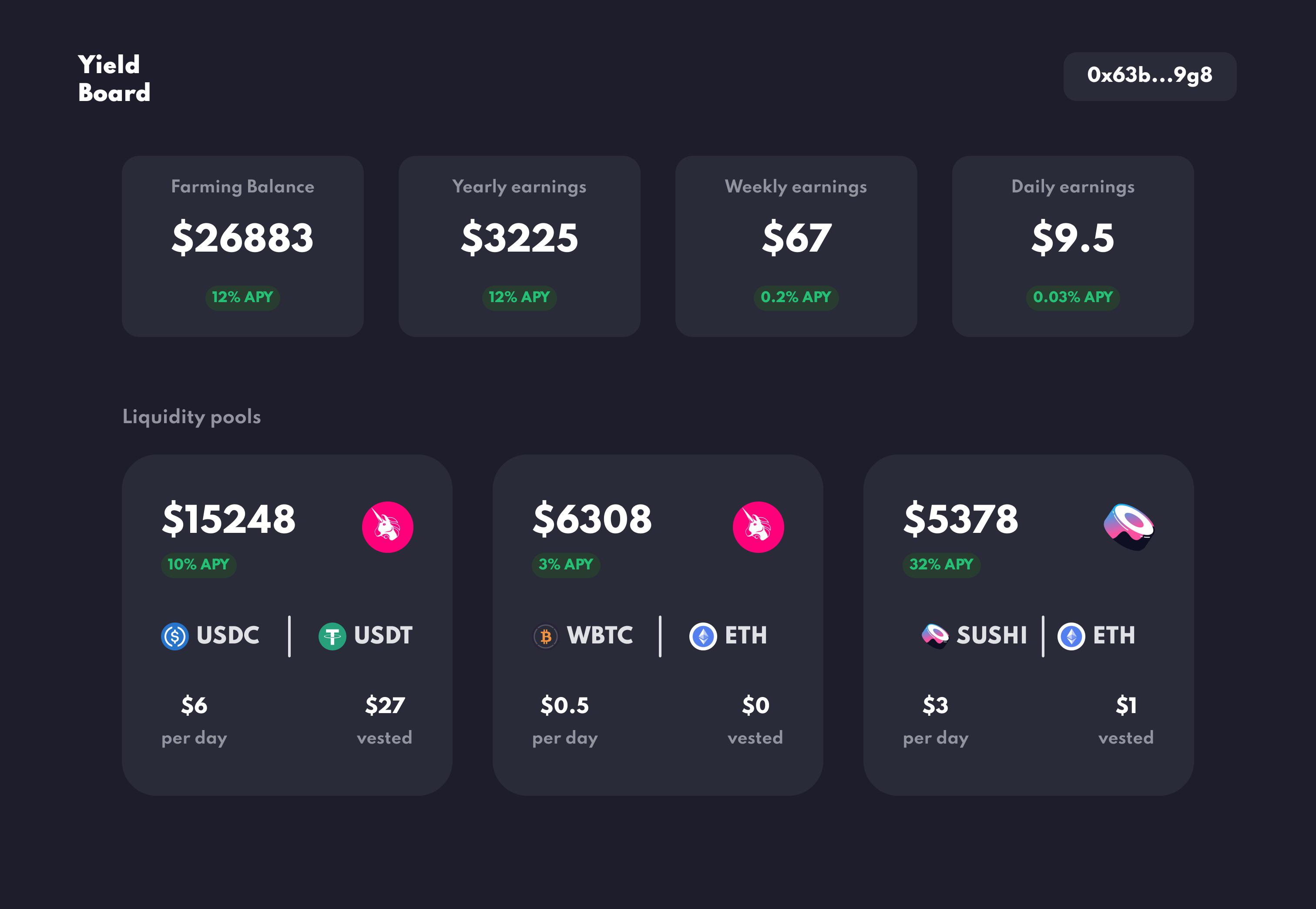
DeFi Yield Farming Dashboard
Advanced DeFi yield farming dashboard showing liquidity pools and earning opportunities

Six months ago, I embarked on a journey into the world of decentralized finance (DeFi) yield farming with a modest $5,000 investment. Today, that initial investment has grown to over $15,000, representing a remarkable 200% return in just half a year. This isn’t a story about getting lucky with a meme coin or timing the market perfectly – it’s about understanding the mechanics of DeFi yield farming and implementing a systematic approach to generating passive income through liquidity provision and strategic farming.

The world of DeFi yield farming can seem intimidating to newcomers, with its complex terminology, multiple protocols, and ever-changing landscape of opportunities. However, beneath the surface complexity lies a powerful set of tools that can generate substantial returns for those willing to learn and adapt. This comprehensive guide will walk you through my personal journey, the strategies I employed, and the lessons learned along the way.

Yield farming represents one of the most dynamic and potentially lucrative aspects of the cryptocurrency ecosystem. Unlike traditional staking, which involves simply holding tokens to earn rewards, yield farming requires active participation in DeFi protocols by providing liquidity, lending assets, or participating in governance mechanisms. The rewards can be substantial, but they come with increased complexity and risk that must be carefully managed.

Understanding DeFi Yield Farming Fundamentals

DeFi yield farming, also known as liquidity mining, is the practice of using cryptocurrency holdings to earn returns through various decentralized finance protocols. At its core, yield farming involves providing liquidity to DeFi platforms in exchange for rewards, which can come in the form of trading fees, governance tokens, or additional cryptocurrency distributions.

The concept emerged from the need to bootstrap liquidity for decentralized exchanges and lending platforms. Traditional financial markets rely on market makers and institutional liquidity providers, but DeFi protocols needed to incentivize individual users to provide this crucial service. Yield farming was the solution – offering attractive rewards to users who would lock their assets in smart contracts to facilitate trading and lending activities.

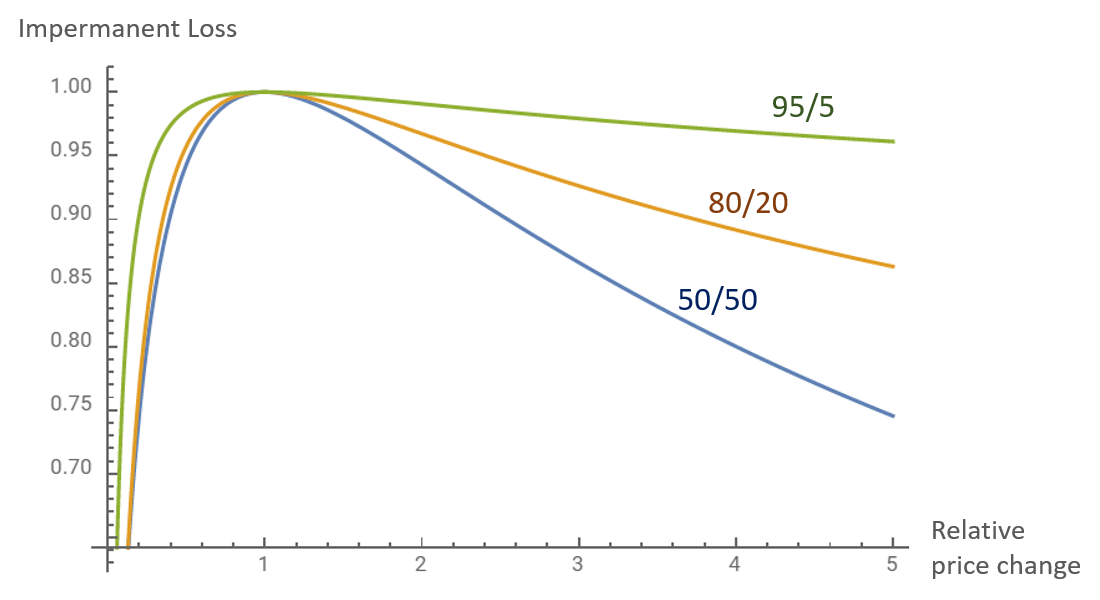
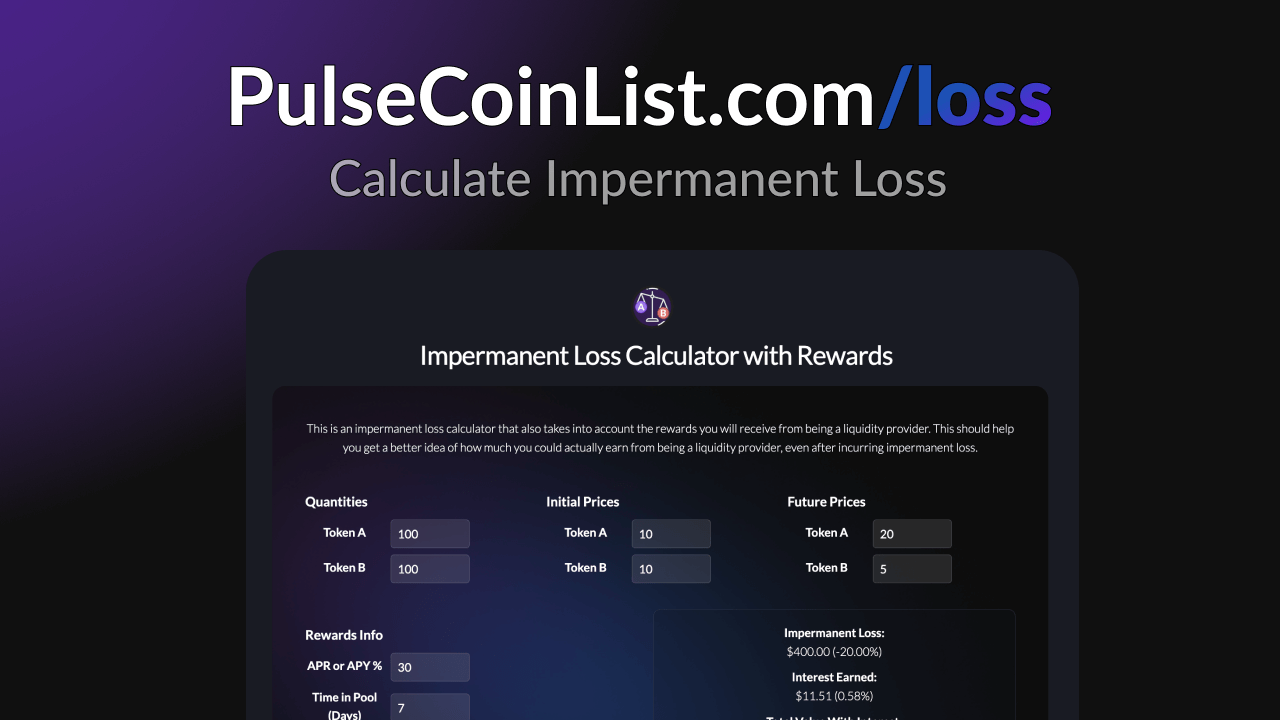
Impermanent Loss Chart
Understanding impermanent loss: how price changes affect liquidity provider returns

The mechanics of yield farming vary depending on the specific protocol and strategy employed. In its simplest form, you might provide two tokens to a liquidity pool on a decentralized exchange like Uniswap or SushiSwap. In return, you receive liquidity provider (LP) tokens representing your share of the pool. These LP tokens can then be staked in farming contracts to earn additional rewards, often in the form of the platform’s native governance token.

More complex yield farming strategies involve multiple layers of protocols and can include lending, borrowing, and leveraging positions across different platforms. For example, you might deposit USDC into a lending protocol like Compound to earn interest, then use the received cUSDC tokens as collateral to borrow other assets, which are then deployed in additional yield farming opportunities.

The rewards in yield farming come from several sources. Trading fees represent the most sustainable source of yield, as they’re generated by actual economic activity on the platform. Many decentralized exchanges distribute a portion of trading fees to liquidity providers proportional to their share of the pool. Additionally, many protocols distribute governance tokens to incentivize participation, creating additional yield opportunities.

Understanding Annual Percentage Yield (APY) calculations is crucial for evaluating yield farming opportunities. However, APY in DeFi can be misleading due to the volatile nature of reward tokens and the compounding effects of reinvesting rewards. What appears to be a 100% APY might actually result in lower returns if the reward token’s price declines significantly during the farming period.

Impermanent loss represents one of the most important concepts to understand in yield farming. When you provide liquidity to a trading pair, you’re exposed to the relative price movements between the two tokens. If one token significantly outperforms the other, you would have been better off simply holding the tokens rather than providing liquidity. This “loss” is called impermanent because it only becomes permanent when you withdraw your liquidity.

The DeFi ecosystem operates on the principle of composability, often referred to as “money legos.” This means that different protocols can be combined and stacked to create more complex strategies. Your LP tokens from one protocol can be used as collateral in another, which can then be leveraged to participate in additional farming opportunities. This composability is what makes DeFi so powerful but also increases the complexity and risk of yield farming strategies.

My Personal Journey: From $5,000 to $15,000

When I first decided to explore DeFi yield farming, I approached it with the same methodical research and risk management principles I apply to all my investments. I started by allocating $5,000 – an amount I could afford to lose completely if things went wrong. This conservative approach proved crucial as I navigated the learning curve and inevitable mistakes that come with any new investment strategy.

My initial strategy focused on established protocols with proven track records and reasonable risk profiles. I began with Compound Finance, one of the oldest and most trusted DeFi lending protocols. I deposited $2,000 worth of USDC into Compound, earning approximately 3% APY in COMP tokens plus the base lending rate. While the returns weren’t spectacular, this gave me hands-on experience with DeFi protocols and smart contract interactions.

The next step involved exploring liquidity provision on Uniswap V3. I allocated $1,500 to provide liquidity for the ETH/USDC pair, carefully selecting a price range that I believed would capture most trading activity. Uniswap V3’s concentrated liquidity feature allows liquidity providers to specify price ranges, potentially earning higher fees but requiring more active management.

Image Placement: [Portfolio tracking screenshot showing the progression from $5,000 to $15,000 over 6 months]

My breakthrough came when I discovered the potential of yield farming on layer 2 solutions, particularly Polygon (formerly Matic). The lower transaction costs on Polygon made it economically viable to implement more complex strategies and compound rewards more frequently. I bridged $1,000 worth of assets to Polygon and began farming on QuickSwap, earning QUICK tokens in addition to trading fees.

The real acceleration in my returns occurred during the third month when I began implementing more sophisticated strategies. I discovered Convex Finance, a protocol that optimizes Curve Finance yields by pooling user deposits and using the combined voting power to maximize CRV rewards. By depositing my Curve LP tokens into Convex, I was able to earn additional CVX tokens while still receiving boosted CRV rewards.

One of my most successful strategies involved farming on Olympus DAO during its early growth phase. I purchased OHM tokens and staked them in the protocol’s bonding mechanism, earning extremely high APY rates that exceeded 7,000% at times. While these rates were clearly unsustainable long-term, I was able to capitalize on the early growth phase before gradually reducing my exposure as the protocol matured.

Risk management played a crucial role throughout my journey. I never allocated more than 20% of my farming capital to any single protocol or strategy, and I maintained a portion of my portfolio in stablecoins to take advantage of new opportunities as they arose. I also set strict rules about when to take profits, typically harvesting 25% of my gains whenever a position doubled in value.

The importance of staying informed cannot be overstated in the rapidly evolving DeFi space. I spent considerable time following DeFi Twitter, joining Discord communities, and reading protocol documentation to stay ahead of new opportunities and potential risks. This research led me to early participation in several successful protocols, including early farming opportunities on Trader Joe (Avalanche) and SpookySwap (Fantom).

My portfolio allocation evolved significantly over the six-month period. What started as a conservative approach focused on established protocols gradually shifted to include more aggressive strategies on newer platforms. By month four, I was actively farming on five different blockchains (Ethereum, Polygon, Avalanche, Fantom, and Arbitrum) and participating in over a dozen different protocols.

The final two months of my journey involved optimizing my strategies based on lessons learned. I developed a systematic approach to evaluating new opportunities, focusing on factors like total value locked (TVL), team reputation, audit status, and tokenomics. This systematic approach helped me avoid several potential pitfalls while identifying genuinely promising opportunities.

Top DeFi Protocols for Yield Farming

The DeFi ecosystem offers numerous protocols for yield farming, each with unique features, risk profiles, and reward mechanisms. Understanding the strengths and characteristics of different protocols is essential for building a diversified and profitable yield farming strategy.

Uniswap remains the gold standard for decentralized exchanges and liquidity provision. Uniswap V3’s concentrated liquidity feature allows sophisticated liquidity providers to earn higher fees by providing liquidity within specific price ranges. The protocol’s deep liquidity, strong brand recognition, and continuous innovation make it a cornerstone of most yield farming strategies. However, the high gas fees on Ethereum can make smaller positions uneconomical.

Curve Finance specializes in stablecoin and similar-asset trading, offering some of the most efficient and low-slippage trading for these pairs. Curve’s unique bonding curve algorithm and vote-escrowed tokenomics create compelling yield farming opportunities. The protocol’s CRV token can be locked for veCRV, which provides boosted rewards and governance voting power. Convex Finance has built an entire ecosystem around optimizing Curve yields, making it easier for smaller users to access boosted rewards.

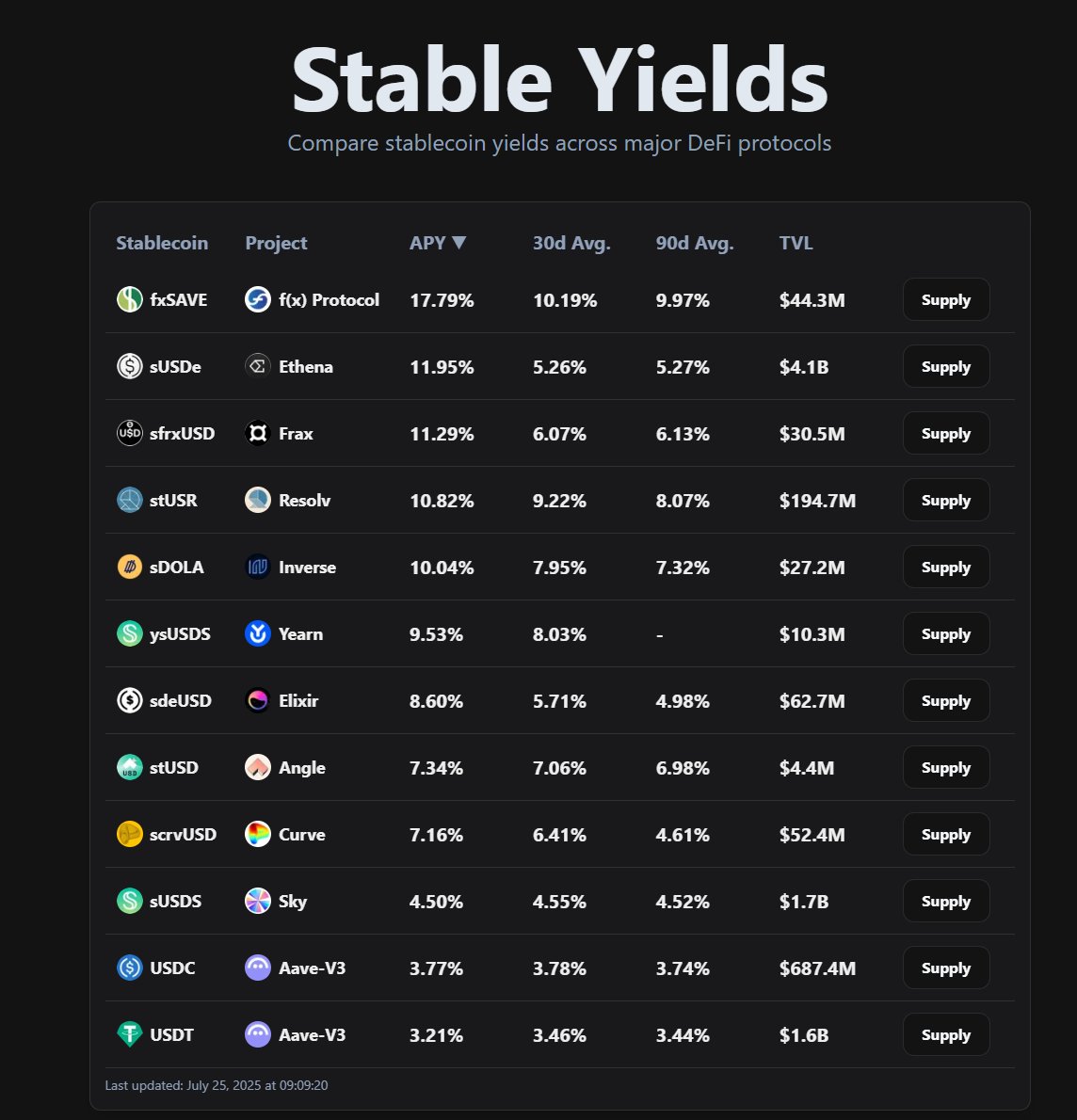
DeFi Protocol Comparison
Comprehensive comparison showing APY rates, TVL, and risk ratings for top DeFi protocols

Compound Finance pioneered the concept of algorithmic money markets in DeFi. Users can lend assets to earn interest or borrow against collateral, with interest rates determined by supply and demand dynamics. The protocol’s COMP token distribution created one of the first major yield farming opportunities, and it remains a reliable source of yield for conservative farmers. The protocol’s long track record and multiple security audits make it one of the safer options in DeFi.

Aave has emerged as Compound’s primary competitor, offering additional features like flash loans, credit delegation, and variable vs. stable interest rates. Aave’s multi-chain deployment across Ethereum, Polygon, Avalanche, and other networks provides opportunities to farm AAVE tokens while earning lending yields. The protocol’s Safety Module allows AAVE holders to stake their tokens to earn additional rewards while providing insurance for the protocol.

SushiSwap began as a Uniswap fork but has evolved into a comprehensive DeFi platform offering AMM trading, lending (Kashi), and yield farming (Onsen). The protocol’s SUSHI token provides governance rights and a share of platform fees through the SushiBar staking mechanism. SushiSwap’s multi-chain presence and innovative features like Miso (token launchpad) create diverse yield farming opportunities.

PancakeSwap dominates the Binance Smart Chain (BSC) ecosystem, offering high yields with lower transaction costs compared to Ethereum-based protocols. The platform’s CAKE token can be staked in Syrup Pools to earn various partner tokens, creating a diverse range of farming opportunities. While BSC has faced criticism for centralization, the lower costs make it accessible for smaller farmers.

Yearn Finance revolutionized yield farming through its automated vault strategies. Yearn’s vaults automatically compound rewards and optimize strategies across multiple protocols, making sophisticated yield farming accessible to average users. The protocol’s YFI token has become one of the most valuable governance tokens in DeFi, and the vault strategies consistently deliver competitive yields with minimal user intervention.

Olympus DAO introduced the concept of protocol-owned liquidity and (3,3) game theory to DeFi. While the protocol’s extremely high APY rates attracted significant attention, the sustainability of the model remains debated. The protocol’s bonding mechanism allows users to purchase OHM tokens at a discount in exchange for LP tokens or other assets, creating unique yield farming opportunities.

Layer 2 and alternative blockchain protocols have created new yield farming frontiers with lower costs and faster transactions. Polygon’s ecosystem includes protocols like QuickSwap, Aave, and Curve, offering similar yields to Ethereum with significantly lower transaction costs. Avalanche’s Trader Joe and Pangolin provide high yields in the rapidly growing Avalanche ecosystem.

Fantom’s ecosystem, anchored by SpookySwap and SpiritSwap, offers some of the highest yields in DeFi, though with correspondingly higher risks due to the newer ecosystem. The low transaction costs on Fantom make it ideal for active yield farming strategies that require frequent compounding and position adjustments.

When selecting protocols for yield farming, consider factors beyond just the advertised APY. Protocol security, audit history, team reputation, and tokenomics all play crucial roles in long-term success. Diversifying across multiple protocols and blockchains can help manage risks while capturing opportunities across the broader DeFi ecosystem.

Understanding and Managing Impermanent Loss

Impermanent loss represents one of the most misunderstood and potentially costly aspects of DeFi yield farming. This phenomenon occurs when the relative prices of tokens in a liquidity pool change compared to when you first deposited them. Understanding how impermanent loss works and implementing strategies to manage it is crucial for successful yield farming.

The mathematics behind impermanent loss are based on the constant product formula used by automated market makers (AMMs). When you provide liquidity to a 50/50 pool, the AMM automatically rebalances your position as prices change to maintain the constant product relationship. This rebalancing means you’ll end up with more of the token that decreased in price and less of the token that increased in price.

To illustrate impermanent loss with a concrete example, imagine you provide $1,000 worth of liquidity to an ETH/USDC pool when ETH is trading at $2,000. You would deposit 0.25 ETH and 500 USDC. If ETH’s price doubles to $4,000, the AMM rebalances your position to approximately 0.177 ETH and 707 USDC, maintaining the 50/50 value split. However, if you had simply held the original 0.25 ETH and 500 USDC, you would have $1,500 worth of assets instead of the $1,414 in the pool.

Impermanent Loss Calculator
Interactive impermanent loss calculator showing different scenarios and loss percentages

The severity of impermanent loss depends on the magnitude of price divergence between the paired tokens. A 25% price change results in approximately 0.6% impermanent loss, while a 100% price change (doubling) results in about 5.7% impermanent loss. Extreme price movements can result in much higher losses – a 500% price increase leads to approximately 25% impermanent loss.

Several strategies can help mitigate impermanent loss risks. Providing liquidity to stablecoin pairs eliminates impermanent loss since both tokens maintain similar values. Pairs like USDC/USDT or DAI/USDC on Curve Finance offer yields from trading fees without the risk of impermanent loss. However, these pairs typically offer lower yields compared to more volatile pairs.

Correlated asset pairs can reduce impermanent loss while still providing attractive yields. Pairs like ETH/stETH (Lido staked Ethereum) or wBTC/renBTC have minimal price divergence since they represent the same underlying asset. These pairs often offer competitive yields while maintaining low impermanent loss risk.

Concentrated liquidity strategies on Uniswap V3 can help manage impermanent loss by allowing you to provide liquidity within specific price ranges. By setting tight ranges around the current price, you can earn higher fees while limiting exposure to large price movements. However, this strategy requires active management as your liquidity becomes inactive if prices move outside your specified range.

Hedging strategies can offset impermanent loss through derivatives or options positions. Some sophisticated farmers use perpetual futures or options to hedge their liquidity positions, though this adds complexity and additional costs. The goal is to structure hedges that profit when impermanent loss occurs, offsetting the losses from liquidity provision.

Yield farming rewards often compensate for impermanent loss, making the overall strategy profitable despite the loss. Many protocols specifically design their reward structures to exceed expected impermanent loss, ensuring that liquidity providers remain profitable. When evaluating opportunities, consider the total return including both trading fees and farming rewards versus the potential impermanent loss.

Time horizon considerations are important for managing impermanent loss. Impermanent loss only becomes “permanent” when you withdraw your liquidity. If you believe the relative prices of your paired tokens will eventually revert, you might choose to wait rather than crystallizing the loss. However, this strategy requires conviction in your price predictions and tolerance for extended periods of unrealized losses.

Some newer protocols are experimenting with impermanent loss protection mechanisms. Bancor V2.1 introduced impermanent loss insurance that fully protects liquidity providers after 100 days of providing liquidity. While these protections come with trade-offs (often lower yields), they can be attractive for risk-averse farmers.

Monitoring tools and calculators can help you track impermanent loss in real-time. Platforms like APY.vision, DeBank, and Zapper provide detailed analytics on your liquidity positions, including current impermanent loss calculations. Regular monitoring allows you to make informed decisions about when to exit positions or adjust strategies.

Advanced Yield Farming Strategies

As the DeFi ecosystem has matured, sophisticated strategies have emerged that can significantly enhance returns for experienced yield farmers. These advanced techniques require deeper understanding of protocol mechanics and careful risk management but can provide substantial advantages over basic farming approaches.

Leveraged yield farming involves borrowing assets to increase your farming position size, amplifying both potential returns and risks. The strategy typically involves depositing collateral into a lending protocol, borrowing additional assets, and using those borrowed assets to farm yields that exceed the borrowing costs. Platforms like Alpha Homora and Leverage have built specialized infrastructure for leveraged yield farming.

A typical leveraged farming strategy might involve depositing ETH as collateral, borrowing USDC, providing ETH/USDC liquidity, and farming the resulting LP tokens. If the farming yields exceed the borrowing costs, you profit from the leverage. However, this strategy is extremely risky as liquidation can occur if your collateral value falls below the required threshold.

Image Placement: [Advanced strategy flowchart showing leveraged yield farming process]

Cross-chain yield farming has become increasingly popular as bridge technology has improved. This strategy involves moving assets between different blockchains to capture the highest yields available across the ecosystem. For example, you might farm on Polygon during high-yield periods, then bridge assets to Avalanche when better opportunities emerge there.

The key to successful cross-chain farming is understanding the costs and risks associated with bridging assets. Bridge fees, slippage, and potential smart contract risks must be weighed against the additional yields available on different chains. Some farmers maintain positions across multiple chains simultaneously to capture diverse opportunities.

Automated strategy platforms like Yearn Finance, Harvest Finance, and Beefy Finance have democratized access to sophisticated yield farming strategies. These platforms pool user funds and deploy them across multiple protocols using automated strategies that would be difficult or expensive for individual users to implement. While these platforms charge management fees, they often deliver superior risk-adjusted returns through professional strategy development and execution.

Governance token farming represents another advanced strategy that involves participating in protocol governance to earn additional rewards. Many protocols distribute governance tokens to active participants, and some offer additional rewards for voting or participating in governance proposals. This strategy requires staying informed about governance activities and actively participating in protocol decision-making.

Liquidity mining arbitrage involves identifying and exploiting temporary inefficiencies in reward distributions across different protocols. This might involve quickly moving liquidity to newly launched farming programs that offer temporarily inflated rewards, then exiting before rewards normalize. Success requires rapid execution and deep market knowledge.

Flash loan strategies enable sophisticated arbitrage and liquidation opportunities without requiring significant capital. Flash loans allow you to borrow large amounts of cryptocurrency within a single transaction, execute complex strategies, and repay the loan before the transaction completes. While technically challenging to implement, flash loan strategies can be extremely profitable for skilled practitioners.

Options strategies are beginning to emerge in DeFi, allowing farmers to hedge their positions or generate additional income through covered call strategies. Platforms like Opyn and Hegic enable sophisticated options strategies that can complement traditional yield farming approaches. These strategies require deep understanding of options mechanics and careful risk management.

Yield farming with synthetic assets opens up additional opportunities by providing exposure to assets that might not be directly available for farming. Platforms like Synthetix allow you to farm with synthetic versions of stocks, commodities, or other cryptocurrencies, potentially accessing unique yield opportunities while maintaining exposure to desired assets.

Multi-protocol strategies involve coordinating positions across multiple DeFi protocols to optimize returns and manage risks. This might involve using Compound for lending, Uniswap for liquidity provision, and Convex for Curve optimization simultaneously. The complexity of managing multiple positions requires sophisticated tracking and risk management systems.

When implementing advanced strategies, it’s crucial to thoroughly understand the risks involved and start with small positions while learning. Many advanced strategies that work well in favorable market conditions can become problematic during periods of high volatility or market stress. Continuous education and staying updated with the latest protocol developments are essential for long-term success.

Risk Management in DeFi Yield Farming

Effective risk management is the cornerstone of successful DeFi yield farming. The high-yield opportunities in DeFi come with correspondingly high risks that must be carefully identified, assessed, and managed to protect your capital and ensure sustainable returns over time.

Smart contract risk represents the most fundamental risk in DeFi yield farming. Every protocol you interact with relies on smart contracts that, despite thorough auditing, may contain bugs or vulnerabilities that could be exploited by malicious actors. The collapse of several high-profile DeFi protocols has demonstrated that even audited and seemingly secure contracts can fail catastrophically.

To mitigate smart contract risks, prioritize protocols with strong track records, multiple security audits, and significant total value locked (TVL). Newer protocols with unproven smart contracts should represent only a small portion of your portfolio, regardless of the attractive yields they might offer. Diversifying across multiple protocols can help limit the impact of any single contract failure.

Image Placement: [Risk assessment matrix showing different DeFi risks and mitigation strategies]

Liquidity risks can prevent you from exiting positions when needed, particularly during market stress. Some yield farming strategies involve locking tokens for extended periods, while others may face liquidity constraints during market downturns. Always maintain a portion of your portfolio in liquid assets and understand the exit mechanisms for each of your positions.

Oracle risks arise from the dependence of many DeFi protocols on external price feeds. Oracle manipulation or failures can trigger liquidations, cause incorrect pricing, or enable arbitrage attacks that drain protocol funds. Understanding how protocols source their price data and the potential vulnerabilities in their oracle systems is crucial for risk assessment.

Governance risks stem from the decentralized nature of DeFi protocols. Token holders typically have the power to change protocol parameters, upgrade smart contracts, or even drain treasury funds. Malicious governance proposals or the concentration of governance tokens in few hands can pose significant risks to protocol users.

Regulatory risks continue to evolve as governments worldwide develop frameworks for DeFi regulation. Changes in regulatory treatment could affect the legality, taxation, or accessibility of DeFi protocols. Staying informed about regulatory developments and maintaining compliance with local laws is essential for long-term participation in DeFi.

Market risks encompass the volatility of cryptocurrency prices and their impact on your farming positions. Sudden market movements can trigger liquidations in leveraged positions, cause significant impermanent loss, or reduce the value of reward tokens. Understanding your exposure to different market scenarios and maintaining appropriate position sizes is crucial.

Implementing a comprehensive risk management framework involves several key components. Position sizing should ensure that no single position can cause catastrophic losses to your overall portfolio. A common rule is to limit exposure to any single protocol to 10-20% of your total farming capital, with newer or riskier protocols receiving even smaller allocations.

Diversification across protocols, blockchains, and strategies can help reduce concentration risk. This might involve farming on multiple chains, using different types of strategies (lending, liquidity provision, governance farming), and maintaining exposure to various sectors of the DeFi ecosystem.

Regular monitoring and rebalancing of your portfolio can help optimize returns while managing risks. Set up alerts for significant changes in yields, protocol parameters, or market conditions. Consider taking profits periodically and reinvesting in different opportunities to maintain optimal diversification.

Emergency procedures should be established for various risk scenarios. This includes knowing how to quickly exit positions, having backup plans for bridge failures or network congestion, and maintaining emergency funds in stablecoins for new opportunities or risk mitigation.

Insurance options are beginning to emerge in DeFi, though coverage is still limited and expensive. Platforms like Nexus Mutual and Cover Protocol offer smart contract insurance for some protocols. While insurance can provide additional protection, it should be viewed as one component of a broader risk management strategy rather than a complete solution.

Continuous education and staying informed about protocol developments, security incidents, and market conditions are essential for effective risk management. The DeFi space evolves rapidly, and new risks emerge regularly. Participating in community discussions, following security researchers, and staying updated with protocol announcements can help you identify and respond to emerging risks.

Tools and Platforms for Tracking Performance

Successful DeFi yield farming requires sophisticated tracking and analysis tools to monitor performance, identify opportunities, and manage risks effectively. The complexity of DeFi strategies, with multiple protocols, tokens, and chains involved, makes manual tracking nearly impossible for serious farmers.

Portfolio tracking platforms have become essential infrastructure for DeFi participants. Zapper provides a comprehensive dashboard that aggregates positions across multiple protocols and chains, showing your total portfolio value, yield farming positions, and historical performance. The platform’s clean interface and broad protocol support make it popular among both beginners and experienced farmers.

DeBank offers similar portfolio tracking capabilities with additional features for analyzing DeFi positions. The platform provides detailed breakdowns of your positions across different protocols, tracks unclaimed rewards, and offers social features that allow you to follow successful farmers and learn from their strategies.

Image Placement: [Portfolio tracking dashboard showing multiple DeFi positions and performance metrics]

APY.vision specializes in liquidity pool analytics, providing detailed insights into impermanent loss, fees earned, and overall performance of your liquidity positions. The platform’s sophisticated analytics help you understand whether your liquidity provision strategies are profitable after accounting for impermanent loss and gas costs.

Yield farming aggregators like Yearn Finance, Harvest Finance, and Beefy Finance not only provide automated strategies but also offer excellent tracking tools for monitoring performance. These platforms typically provide detailed breakdowns of strategy performance, fee structures, and risk metrics.

DeFiPulse and DeFiLlama serve as essential resources for discovering new opportunities and tracking the overall DeFi ecosystem. These platforms provide comprehensive data on protocol TVL, yields, and trends that can help you identify emerging opportunities and assess the relative attractiveness of different farming options.

Tax tracking becomes increasingly complex with active yield farming strategies. Platforms like CoinTracker, Koinly, and TaxBit have developed specialized features for DeFi activities, automatically categorizing transactions, calculating impermanent loss, and generating tax reports. However, the complexity of DeFi often requires manual review and adjustment of automated calculations.

Custom spreadsheet solutions remain popular among sophisticated farmers who want complete control over their tracking and analysis. Building comprehensive spreadsheets that track positions, calculate returns, and model different scenarios can provide insights that aren’t available through standard platforms. However, this approach requires significant time investment and technical skills.

On-chain analytics tools like Dune Analytics and Nansen provide deeper insights into protocol performance and market trends. These platforms allow you to analyze transaction data, identify whale movements, and understand the broader market dynamics that might affect your farming strategies.

Mobile applications have become increasingly important for monitoring positions and responding to market changes. Most major platforms now offer mobile apps or mobile-optimized websites that allow you to check positions, claim rewards, and make adjustments while away from your computer.

Alert systems are crucial for active yield farming strategies. Setting up alerts for significant changes in yields, impermanent loss thresholds, or market conditions can help you respond quickly to changing circumstances. Many platforms offer built-in alert systems, while others integrate with services like IFTTT or Zapier for custom notifications.

Performance benchmarking helps you evaluate the success of your strategies relative to simpler alternatives. Comparing your yield farming returns to basic buy-and-hold strategies, traditional staking yields, or DeFi indices can help you assess whether the additional complexity and risk of yield farming is justified.

Risk monitoring tools help you track your exposure to different types of risks across your portfolio. This might include monitoring your exposure to specific protocols, tracking correlation between your positions, or analyzing your sensitivity to different market scenarios.

When selecting tracking tools, consider factors like protocol coverage, update frequency, user interface quality, and integration capabilities. The DeFi space evolves rapidly, so tools that quickly add support for new protocols and features are particularly valuable. Additionally, consider the privacy implications of using third-party tracking services and whether you’re comfortable sharing your wallet addresses and transaction data.

Conclusion and Future Outlook

My journey from $5,000 to $15,000 through DeFi yield farming demonstrates the significant potential of this emerging investment strategy. However, it’s important to emphasize that these results required substantial time investment, continuous learning, and careful risk management. Yield farming is not a passive investment strategy – it requires active monitoring, strategic thinking, and the ability to adapt quickly to changing market conditions.

The DeFi ecosystem continues to evolve rapidly, with new protocols, strategies, and opportunities emerging regularly. Layer 2 solutions are making yield farming more accessible by reducing transaction costs, while cross-chain bridges are creating new arbitrage and farming opportunities across different blockchains. The integration of traditional finance concepts like options, futures, and structured products into DeFi is creating even more sophisticated strategies for advanced users.

Looking ahead, several trends are likely to shape the future of DeFi yield farming. Institutional adoption is bringing more capital and sophistication to the space, potentially reducing yields but also increasing stability and legitimacy. Regulatory clarity will likely emerge in major jurisdictions, providing more certainty for long-term planning while potentially restricting some current practices.

The sustainability of high yields in DeFi remains an ongoing question. Many current yields are subsidized by token emissions and venture capital funding, which may not be sustainable long-term. However, as the ecosystem matures and generates more genuine economic value through trading fees and other activities, more sustainable yield sources are likely to emerge.

For those considering entering the DeFi yield farming space, start small and focus on learning rather than maximizing returns initially. The complexity and risks involved require substantial education and experience to navigate successfully. Begin with established protocols and simple strategies before progressing to more advanced techniques.

Risk management cannot be overstated in its importance. The high yields available in DeFi come with correspondingly high risks, and many farmers have lost significant amounts due to smart contract failures, liquidations, or market volatility. Never invest more than you can afford to lose, and always maintain diversification across protocols and strategies.

The future of DeFi yield farming looks promising, but it will likely become more competitive and sophisticated over time. Those who invest in education, develop strong risk management practices, and stay adaptable to changing conditions will be best positioned to succeed in this dynamic and evolving space.

My $10,000 profit in six months represents just one example of what’s possible in DeFi yield farming. With the right approach, continuous learning, and careful risk management, the opportunities in this space can provide substantial returns for those willing to put in the effort to understand and navigate this complex but rewarding ecosystem.


Disclaimer: This article describes personal experiences and should not be considered financial advice. DeFi yield farming involves significant risks, including the potential for total loss of capital. Smart contract failures, impermanent loss, and market volatility can result in substantial losses. Always conduct your own research and consider consulting with qualified financial advisors before making investment decisions. Past performance does not guarantee future results.

About the Author: everythingcryptoitclouds.com is a leading resource for cryptocurrency education and investment strategies, providing in-depth analysis and practical guidance for digital asset investors of all experience levels.

The Path to Wealth: Easy Steps for Real Results.

Step 1.

Create a budget: Start by creating a budget to get a clear understanding of your income and expenses. This will help you identify areas where you can cut back on spending and redirect those savings into investments.

Creating a budget is the process of outlining your income and expenses in order to gain a clear understanding of your financial situation. It is an essential step in achieving financial goals, such as becoming a millionaire.

To create a budget, you should start by listing all of your sources of income, such as your salary, any rental income, or any other sources of money that you receive on a regular basis. Once you have a clear understanding of your income, you should then list all of your expenses. This includes both fixed expenses, such as rent or mortgage payments, and variable expenses, such as groceries and entertainment.

There are several ways to create a budget. One method is to use a spreadsheet or budgeting software to track your income and expenses. Another option is to use the envelope method, where you physically allocate cash to different categories of expenses. Whichever method you choose, the goal is to have a clear picture of where your money is going each month.

Once you have a clear understanding of your income and expenses, you can start identifying areas where you can cut back on spending. For example, you may find that you are spending too much money on dining out or entertainment. By reducing these expenses, you can redirect the savings into investments. This could include contributions to your retirement account, investments in stocks or mutual funds, or even saving for a down payment on a house.

It’s also important to regularly review your budget, ideally on a monthly basis, to ensure that you are staying on track. This will help you make adjustments as needed and ensure that you are on track to achieve your financial goals.

Creating a budget is not a one-time activity, it’s a continuous process that you have to check and adjust as you go. It will also be easier to stick to a budget if you make it specific, measurable, achievable, relevant and time-bound (SMART)

PayPal Expands its Cryptocurrency Services to the UK

PayPal Holdings Inc announced that it will allow customers in the UK to buy, sell, and hold cryptocurrencies starting from this week. This is the first time that PayPal will launch its crypto services outside of the United States.

The backstory – PayPal announced its entry into the crypto sphere with an announcement in October 2020. Earlier this year, PayPal announced its plans to allow the buying, selling, and holding of cryptocurrencies on its network. The company also enabled its users to spend digital assets at millions of merchants on its network.

PayPal Offers Crypto Services in the UK

PayPal’s crypto service now extends to the UK where users can purchase cryptocurrencies including Bitcoin, Bitcoin Cash, Ether, Litecoin, etc. for as little as $1. These services resemble PayPal’s services in the U.S., though there are transaction limits for UK customers.

Jose Fernandez da Ponte, vice president and general manager for blockchain, crypto, and digital currencies at PayPal, mentioned that PayPal is committed to working continuously with the UK regulators and they would like to contribute to the digital currencies going to play in the future of global finance and commerce.

Looking ahead – We may likely witness several leading companies gradually expanding their footsteps considering client demand.

PayPal launches crypto checkout service

PayPal Holdings Inc will announce later on Tuesday that it has started allowing U.S. consumers to use their cryptocurrency holdings to pay at millions of its online merchants globally, a move that could significantly boost use of digital assets in everyday commerce.

Customers who hold bitcoin, ether, bitcoin cash and litecoin in PayPal digital wallets will now be able to convert their holdings into fiat currencies at checkouts to make purchases, the company said.

The service, which PayPal revealed it was working on late last year, will be available at all of its 29 million merchants in the coming months, the company said.

“This is the first time you can seamlessly use cryptocurrencies in the same way as a credit card or a debit card inside your PayPal wallet,” President and CEO Dan Schulman told Reuters ahead of a formal announcement.

Checkout with Crypto builds on the ability for PayPal users to buy, sell and hold cryptocurrencies, which the San Jose, California-based payments company launched in October.

The offering made PayPal one of the largest mainstream financial companies to open its network to cryptocurrencies and helped fuel a rally in virtual coin prices.

Bitcoin has nearly doubled in value since the start of this year, boosted by increased interest from larger financial firms that are betting on greater adoption and see it as a hedge against inflation.

PayPal’s launch comes less than a week after Tesla Inc said it would start accepting bitcoin payments for its cars. Unlike PayPal transactions where merchants will be receiving fiat currency, Tesla said it will hold the bitcoin used as payment.

Still, while the nascent asset is gaining traction among mainstream investors, it has yet to become a widespread form of payment, due in part to its continued volatility.

PayPal hopes its service can change that, as by settling the transaction in fiat currency, merchants will not take on the volatility risk.

“We think it is a transitional point where cryptocurrencies move from being predominantly an asset class that you buy, hold and or sell to now becoming a legitimate funding source to make transactions in the real world at millions of merchants,” Schulman said.

The company will charge no transaction fee to checkout with crypto and only one type of coin can be used for each purchase, it said.

Tesla now Accepts Bitcoin

Elon Musk, Tesla, and Bitcoin – it’s a match! Earlier this year, Tesla revealed its investment worth $1.5 billion in Bitcoin – the ripples of which vibrated through the entire cryptocurrency industry. During the same announcement, Tesla also revealed that it plans to accept Bitcoin as a payment method for buying its products conditioned upon the applicability of laws. This week, Tesla officially announced that it now accepts payment in Bitcoin. This service is currently reserved for its US clients.

The details – Tesla, the World’s leading automaker, which earlier announced that it plans to offer Bitcoin as a payment method, has now joined companies like Overstock and Starbucks in accepting Bitcoin for its products. Tesla will use only internal & open source software & operates Bitcoin nodes directly.

Tesla’s Plans to Offer Bitcoin

As per its official website, you will be able to pay Bitcoin from your wallet by scanning the QR code or copying Tesla’s Bitcoin address. To buy a Tesla with Bitcoin, you will need to pay the exact amount in a single transaction. The order will be confirmed via email within six hours.

After Tesla’s official announcement on its website, Elon Musk posted a tweet that stated: “Bitcoin paid to Tesla will be retained as Bitcoin, not converted to Fiat currency”. Currently, Tesla will only accept Bitcoin and no other cryptocurrencies.

Looking ahead – Tesla will offer its non-US clients the ability to pay with Bitcoin this year. The fact that Tesla is not converting its Bitcoin to fiat will likely positively affect the price as it is essentially lowering the Bitcoin supply by holding.

Facebook, Google CEOs suggest way to reform keys internet laws.

Facebook Chief Executive Mark Zuckerberg laid out steps to reform a key internet law on Wednesday, saying that companies should have immunity from liability only if they follow best practices for removing damaging material from their platforms.

In testimony prepared for a joint hearing before two House Energy and Commerce subcommittees on Thursday, Zuckerberg acknowledged the calls from lawmakers for changes to a law called Section 230 of the Communications Decency Act, which gives companies like Facebook immunity from liability over content posted by users.

The hearing titled ‘Disinformation Nation: Social media’s role in promoting extremism and misinformation’ is designed to address concerns Democrats have had about the spread of misinformation during the coronavirus pandemic and the presidential election.

It is also likely to discuss ways to hold tech platforms accountable by reforming the internet law. The chief executives of Google and Twitter will also testify at the hearing.

Google’s Sundar Pichai will make suggestions to reform the law but, unlike Zuckerberg, will not advocate for adoption of a set of best practices, according to his testimony. Twitter’s Jack Dorsey will lay out steps the platform has taken to tackle misinformation.

Zuckerberg and Pichai will also urge caution as Congress considers reforming the law.

“Platforms should not be held liable if a particular piece of content evades its detection — that would be impractical for platforms with billions of posts per day,” Zuckerberg wrote in his testimony.

Google’s Pichai also struck a similar note saying “without Section 230, platforms would either over-filter content or not be able to filter content at all.”

Pichai instead proposed solutions such as developing content policies that are clear and accessible, notifying people when their content is removed and giving them ways to appeal content decisions.