iOS 26: Apple’s Revolutionary Liquid Glass Redesign Transforms the iPhone Experience

iOS 26 Featured Image

Author: everythingcryptoitclouds.com
Published: July 24, 2025

Apple has once again redefined what it means to interact with a smartphone. With the announcement of iOS 26 at the Worldwide Developers Conference (WWDC) on June 9, 2025, and the subsequent release of the public beta on July 24, 2025, Apple has delivered what many are calling the most significant visual transformation since iOS 7 [1]. The centerpiece of this transformation is the revolutionary “Liquid Glass” design language that fundamentally reimagines how users interact with their iPhones while maintaining the intuitive familiarity that has made iOS the world’s most beloved mobile operating system.

The journey to iOS 26 represents more than just an incremental update; it embodies Apple’s vision for the future of mobile computing, where artificial intelligence seamlessly integrates with human interaction, where design transcends mere aesthetics to become a functional extension of user intent, and where the boundaries between the digital and physical worlds continue to blur. As Craig Federighi, Apple’s senior vice president of Software Engineering, eloquently stated during the announcement, “iOS 26 shines with the gorgeous new design and meaningful improvements to the features users rely on every day, making iPhone even more helpful” [2].

This comprehensive exploration of iOS 26 will delve deep into every aspect of Apple’s latest mobile operating system, from the groundbreaking Liquid Glass interface that has captured the imagination of designers and users alike, to the sophisticated Apple Intelligence enhancements that promise to make our devices more intuitive and responsive than ever before. We’ll examine the practical implications of these changes for everyday users, analyze the technical innovations that make them possible, and consider what this evolution means for the future of mobile technology.

The timing of iOS 26’s release is particularly significant, coming at a moment when the smartphone industry faces increasing pressure to innovate beyond incremental hardware improvements. While competitors have focused primarily on camera enhancements and processing power, Apple has chosen to revolutionize the fundamental interaction paradigm, creating an interface that feels both futuristic and immediately accessible. The Liquid Glass design doesn’t just change how iOS looks; it transforms how it feels to use an iPhone, creating a more immersive and emotionally engaging experience that responds to user behavior in ways that were previously impossible.

As we stand on the threshold of this new era in mobile computing, iOS 26 represents more than just another software update. It’s a statement of intent from Apple about the direction of technology, a bold reimagining of what a mobile operating system can be, and perhaps most importantly, a glimpse into a future where our devices become even more seamlessly integrated into the fabric of our daily lives. The implications extend far beyond the iPhone itself, influencing design trends across the technology industry and setting new standards for user experience that will likely be emulated for years to come.

The development of iOS 26 has been marked by unprecedented collaboration between Apple’s design, engineering, and artificial intelligence teams, resulting in a cohesive vision that touches every aspect of the user experience. From the moment users wake their device to see the dynamically adapting Lock Screen, to the subtle animations that guide them through complex tasks, every element has been carefully crafted to create a sense of fluidity and responsiveness that makes technology feel more human and less mechanical.

This transformation comes at a crucial time for Apple, as the company seeks to maintain its position as the leader in mobile innovation while addressing growing user expectations for more intelligent, more personalized, and more capable devices. iOS 26 represents Apple’s answer to these challenges, offering a platform that not only meets current user needs but anticipates future requirements through its advanced artificial intelligence capabilities and flexible design framework.

As we embark on this detailed examination of iOS 26, we’ll explore how Apple has managed to balance innovation with usability, how the new design language serves both aesthetic and functional purposes, and how the integration of advanced AI capabilities promises to make our devices more helpful without sacrificing the privacy and security that Apple users have come to expect. The story of iOS 26 is ultimately the story of technology’s continued evolution toward more natural, more intuitive, and more human-centered design.

The Liquid Glass Revolution: Redefining Visual Design in Mobile Computing

iOS 26 Liquid Glass Design

The most immediately striking aspect of iOS 26 is undoubtedly the introduction of Liquid Glass, a design language that represents the most significant visual overhaul of iOS since the transition from skeuomorphism to flat design in iOS 7 over a decade ago [3]. This new aesthetic framework goes far beyond surface-level changes, fundamentally reimagining how users perceive and interact with digital interfaces while maintaining the intuitive usability that has become synonymous with Apple’s design philosophy.

Liquid Glass derives its name from its unique visual properties that mimic the optical characteristics of actual glass, creating interfaces that appear to reflect and refract their surroundings in ways that feel both magical and natural [4]. Unlike traditional flat design elements that exist as static, two-dimensional objects on the screen, Liquid Glass components possess a sense of depth and dimensionality that responds dynamically to user interaction and environmental context. This creates an interface that feels alive and responsive, where every tap, swipe, and gesture produces visual feedback that reinforces the connection between user intent and system response.

The technical implementation of Liquid Glass represents a significant achievement in real-time rendering technology, requiring sophisticated algorithms to calculate light reflection, refraction, and transparency effects in real-time without compromising system performance [5]. Apple’s engineering teams have developed new graphics processing techniques that leverage the advanced capabilities of the A-series chips to deliver these complex visual effects while maintaining the smooth, responsive performance that users expect from iOS devices. The result is an interface that feels both computationally advanced and effortlessly natural.

One of the most remarkable aspects of Liquid Glass is its adaptive nature, which allows interface elements to respond intelligently to their context and content. On the Lock Screen, for example, the time display fluidly adapts to the available space within the user’s wallpaper image, creating a dynamic composition that feels personalized and organic rather than rigidly structured [6]. This adaptive behavior extends throughout the system, with app icons, widgets, and interface elements adjusting their appearance based on the content they contain and the context in which they appear.

The implementation of Liquid Glass extends beyond mere visual appeal to serve important functional purposes that enhance usability and accessibility. The translucent properties of interface elements allow users to maintain visual context while navigating between different layers of information, reducing cognitive load and making it easier to understand spatial relationships within the interface [7]. This is particularly evident in applications like Safari, where web pages now flow seamlessly from the top edge to the bottom of the screen, allowing users to see more content while maintaining easy access to navigation controls and frequently used actions.

The customization options available within the Liquid Glass framework represent another significant advancement in iOS design flexibility. Users can now choose from various transparency levels and visual effects, including a “stunning clear look” that maximizes the translucent properties of interface elements [8]. For users who prefer a more traditional approach, Apple has thoughtfully included accessibility options that allow the transparency effects to be reduced while maintaining the overall aesthetic coherence of the new design language. This approach demonstrates Apple’s commitment to inclusive design, ensuring that the benefits of the new interface are accessible to users with different visual preferences and needs.

The impact of Liquid Glass extends beyond Apple’s own applications through a comprehensive set of APIs that allow third-party developers to integrate these new visual elements into their own apps [9]. This developer framework ensures that the Liquid Glass experience remains consistent across the entire iOS ecosystem, creating a cohesive visual language that enhances the overall user experience. Early adoption by major app developers has already demonstrated the potential for these new design tools to create more engaging and visually striking applications that feel naturally integrated with the iOS 26 aesthetic.

The psychological impact of the Liquid Glass design cannot be understated, as it creates an emotional connection between users and their devices that goes beyond mere functionality. The fluid, organic nature of the interface elements creates a sense of warmth and humanity that contrasts sharply with the cold, mechanical feel of traditional digital interfaces [10]. This emotional resonance is particularly important in an era where users spend increasing amounts of time interacting with their devices, making the quality of that interaction a crucial factor in overall user satisfaction and well-being.

From a technical perspective, the implementation of Liquid Glass required significant innovations in graphics rendering, memory management, and power efficiency. Apple’s engineers have developed new techniques for real-time transparency calculations that minimize the impact on battery life while delivering the complex visual effects that define the Liquid Glass experience [11]. These optimizations ensure that the enhanced visual experience doesn’t come at the cost of the all-day battery life that users expect from their iPhones.

The evolution of Liquid Glass throughout the beta testing process has been particularly interesting to observe, with Apple making significant refinements based on user feedback and real-world usage patterns. Early beta versions featured more aggressive transparency effects that some users found distracting or difficult to read, leading Apple to adjust the balance between visual impact and practical usability in subsequent releases [12]. This iterative approach demonstrates Apple’s commitment to getting the details right, ensuring that the final release delivers an experience that is both visually stunning and practically useful.

The influence of Liquid Glass extends beyond iOS itself, with elements of the design language appearing in Apple’s other operating systems, including macOS, iPadOS, and watchOS. This cross-platform consistency creates a unified Apple ecosystem experience that reinforces brand identity while providing users with familiar interaction patterns across all their devices [13]. The coherent design language also simplifies the development process for apps that target multiple Apple platforms, reducing complexity while ensuring visual consistency.

Looking toward the future, Liquid Glass represents more than just a new visual style; it establishes a foundation for even more advanced interface innovations that may emerge in subsequent iOS releases. The flexible, adaptive nature of the design framework provides Apple with the tools needed to implement new features and capabilities without requiring fundamental changes to the underlying visual language [14]. This forward-thinking approach ensures that iOS 26 will remain visually current and functionally relevant as new technologies and user expectations continue to evolve.

The reception of Liquid Glass among design professionals and technology critics has been overwhelmingly positive, with many praising Apple’s ability to innovate within the constraints of an established platform while maintaining the usability and accessibility that define great interface design [15]. The new design language has already begun to influence design trends across the technology industry, with other companies studying Apple’s approach and developing their own interpretations of translucent, adaptive interface design.

Apple Intelligence: The Brain Behind the Beauty

iOS 26 Apple Intelligence Features

While the Liquid Glass design captures immediate attention with its visual innovation, the true power of iOS 26 lies in its sophisticated artificial intelligence capabilities that work seamlessly behind the scenes to create a more intuitive, helpful, and personalized user experience. Apple Intelligence in iOS 26 represents a significant evolution from previous iterations, incorporating advanced machine learning models that run entirely on-device to ensure both performance and privacy while delivering capabilities that were previously impossible on mobile devices [16].

The cornerstone of Apple Intelligence in iOS 26 is the new Foundation Models framework, which provides developers with direct access to the on-device foundation model that powers many of the system’s intelligent features [17]. This framework represents a paradigm shift in how artificial intelligence is integrated into mobile applications, allowing third-party developers to leverage Apple’s advanced AI capabilities without compromising user privacy or requiring cloud connectivity. The implications of this development extend far beyond Apple’s own applications, potentially transforming how developers approach intelligent features in their own apps.

One of the most immediately useful applications of Apple Intelligence in iOS 26 is the enhanced Live Translation feature, which has been integrated directly into Messages, FaceTime, and Phone applications [18]. Unlike cloud-based translation services that require internet connectivity and raise privacy concerns, Apple’s implementation runs entirely on-device using Apple-built models that ensure personal conversations remain private. The real-time nature of this translation capability transforms how users communicate across language barriers, making it possible to have natural, flowing conversations with people who speak different languages without the awkward delays and privacy concerns associated with traditional translation services.

The sophistication of the Live Translation system extends beyond simple word-for-word translation to include contextual understanding that takes into account cultural nuances, idiomatic expressions, and conversational flow [19]. This advanced capability is made possible by Apple’s investment in large language models that have been specifically trained for multilingual communication, incorporating not just linguistic accuracy but also cultural sensitivity and contextual appropriateness. The result is translation that feels natural and maintains the emotional tone and intent of the original communication.

Visual Intelligence represents another significant advancement in Apple Intelligence, extending the system’s understanding beyond text to encompass everything visible on the user’s screen [20]. This capability allows users to search for and take action on any content they’re viewing across applications, creating a unified interface for information discovery and task completion. The integration with ChatGPT provides users with the ability to ask complex questions about visual content, while connections to Google, Etsy, and other supported services enable seamless shopping and research experiences directly from any screen content.

The practical applications of Visual Intelligence are virtually limitless, from identifying plants and animals in photos to providing detailed information about landmarks and artwork, to helping users find similar products or services based on visual cues [21]. The system can recognize when users are looking at event information and automatically suggest adding it to their calendar, complete with relevant details like date, time, and location. This level of contextual understanding represents a significant step toward truly intelligent computing, where devices can anticipate user needs and provide helpful assistance without explicit instruction.

The enhancement of Genmoji and Image Playground capabilities in iOS 26 demonstrates Apple’s commitment to creative expression through artificial intelligence [22]. These tools allow users to create personalized emoji and images that go far beyond traditional options, enabling the mixing of favorite emoji, Genmoji, and text descriptions to create entirely new forms of visual communication. The underlying AI models understand not just the literal content of user requests but also the emotional and contextual intent, producing results that feel personally meaningful and contextually appropriate.

Shortcuts have received a significant intelligence upgrade in iOS 26, with the introduction of intelligent actions that leverage Apple Intelligence to create more sophisticated automation capabilities [23]. These new shortcuts can understand complex user requests and automatically create multi-step workflows that would previously have required manual configuration. The system learns from user behavior patterns to suggest relevant shortcuts and can even create new automation sequences based on observed usage patterns and contextual cues.

The integration of Apple Intelligence into the Reminders app showcases how AI can enhance productivity without overwhelming users with complexity [24]. The system can now suggest tasks, grocery items, and follow-ups based on content from emails, messages, and other text sources, automatically categorizing related reminders into logical sections within lists. This intelligent organization reduces the cognitive burden of task management while ensuring that important items don’t get overlooked in the complexity of daily life.

One of the most practically useful applications of Apple Intelligence in iOS 26 is the automatic identification and summarization of order tracking information from emails [25]. The system can parse communications from merchants and delivery carriers to provide users with comprehensive order details and progress notifications in a single, easily accessible location. This capability works even for purchases not made with Apple Pay, demonstrating the system’s ability to understand and organize information from diverse sources without requiring specific integrations or user configuration.

The privacy implications of these advanced AI capabilities represent one of Apple’s most significant achievements in iOS 26. By running all Apple Intelligence features entirely on-device, Apple has managed to deliver sophisticated AI capabilities without compromising user privacy or requiring personal data to be transmitted to external servers [26]. This approach not only protects user privacy but also ensures that AI features work reliably even without internet connectivity, making them more dependable and accessible in various usage scenarios.

The performance optimizations required to run these advanced AI models on mobile devices represent a significant technical achievement. Apple’s engineering teams have developed new techniques for model compression, inference optimization, and memory management that allow complex AI operations to run efficiently on iPhone hardware without compromising battery life or system responsiveness [27]. These optimizations ensure that the enhanced intelligence capabilities feel seamless and natural rather than computationally expensive or disruptive to the user experience.

The learning capabilities of Apple Intelligence in iOS 26 extend beyond simple pattern recognition to include sophisticated understanding of user preferences, habits, and contextual needs [28]. The system continuously adapts to individual usage patterns while maintaining strict privacy protections, ensuring that the AI becomes more helpful over time without compromising personal information. This personalized intelligence creates a user experience that feels uniquely tailored to each individual while maintaining the consistency and reliability that users expect from Apple products.

The integration of Apple Intelligence across the entire iOS ecosystem creates opportunities for cross-application intelligence that enhances productivity and reduces friction in common workflows [29]. For example, the system can recognize when a user is planning a trip based on email confirmations and automatically suggest relevant actions like adding events to the calendar, setting location-based reminders, or organizing related documents. This holistic approach to intelligence creates a more cohesive and helpful user experience that extends beyond individual applications to encompass entire workflows and life activities.

The developer implications of the enhanced Apple Intelligence framework are particularly significant, as the new APIs and tools enable third-party applications to incorporate sophisticated AI capabilities without requiring extensive machine learning expertise [30]. This democratization of AI technology has the potential to accelerate innovation across the entire iOS app ecosystem, enabling smaller developers to create intelligent features that were previously only possible for companies with significant AI research capabilities.

Revolutionizing Communication: Enhanced Phone and Messages Experience

iOS 26 Features Overview

The fundamental purpose of any smartphone is communication, and iOS 26 delivers significant enhancements to both the Phone and Messages applications that address long-standing user frustrations while introducing innovative new capabilities that leverage the power of Apple Intelligence. These improvements represent more than incremental updates; they constitute a comprehensive reimagining of how users manage their communication needs in an increasingly connected but often overwhelming digital environment [31].

The Phone app in iOS 26 introduces a unified layout that fundamentally changes how users interact with their calling history and voicemail management [32]. By combining Favorites, Recents, and Voicemails into a single, coherent interface, Apple has eliminated the need for users to navigate between multiple screens to access their communication history. This streamlined approach reduces cognitive load and makes it significantly easier to find and act upon important communications, whether they’re missed calls from important contacts or voicemails that require follow-up action.

The introduction of Call Screening represents one of the most significant anti-spam innovations in recent iPhone history, building upon the foundation established by Live Voicemail to create a comprehensive solution for unwanted communications [33]. This intelligent system gathers information from incoming callers and presents users with the details they need to make informed decisions about whether to answer or ignore calls. The system goes beyond simple caller ID to provide contextual information that helps users understand the purpose and urgency of incoming calls, dramatically reducing the anxiety and disruption associated with unknown callers.

The sophistication of the Call Screening system lies in its ability to distinguish between legitimate calls that may be important and obvious spam or robocalls that can be safely ignored [34]. The system uses advanced machine learning algorithms to analyze calling patterns, caller behavior, and contextual information to provide users with confidence ratings about the legitimacy and importance of incoming calls. This intelligent filtering helps users maintain accessibility for important communications while protecting them from the constant barrage of unwanted calls that have become a significant problem in modern telecommunications.

Hold Assist represents another practical innovation that addresses a common frustration in customer service interactions [35]. When users are placed on hold during phone calls, the system monitors the call and provides notifications when a live agent becomes available. This feature allows users to multitask effectively while waiting for customer service, reducing the stress and time waste associated with traditional hold experiences. The system’s ability to distinguish between hold music, automated messages, and live human voices demonstrates the sophisticated audio processing capabilities that Apple has integrated into iOS 26.

The Messages app has received equally significant enhancements that address both security concerns and creative expression needs [36]. The new message screening capability for unknown senders provides users with unprecedented control over their conversation list, automatically filtering messages from unknown contacts into a dedicated folder where they can be reviewed, accepted, or deleted without cluttering the main conversation view. This feature is particularly valuable for users who receive high volumes of spam messages or who need to maintain professional boundaries around their personal communication channels.

The implementation of custom backgrounds in Messages conversations represents a significant step toward more personalized and expressive communication [37]. Users can now create unique visual environments for their conversations using Image Playground, Apple’s AI-powered image generation tool, or select from a variety of pre-designed options that complement the Liquid Glass aesthetic. These custom backgrounds serve both aesthetic and functional purposes, helping users quickly identify different conversation contexts while creating more engaging and emotionally resonant communication experiences.

The introduction of polls in Messages addresses a long-standing need for group coordination and decision-making [38]. The polling feature goes beyond simple yes/no questions to support complex multi-option polls with various response formats, making it easier for groups to coordinate activities, make decisions, and gather opinions. Apple Intelligence enhances this capability by automatically detecting when a poll might be useful based on conversation context and suggesting appropriate poll options, reducing the friction associated with creating and managing group decisions.

Group chat improvements in iOS 26 include the addition of typing indicators, which provide real-time feedback about who is actively participating in conversations [39]. This feature helps reduce the confusion and miscommunication that can occur in group settings when multiple people are responding simultaneously. The integration of Apple Cash requests and payments directly within group conversations streamlines financial interactions, making it easier for groups to split expenses, collect contributions, or handle other financial coordination needs without leaving the messaging environment.

The enhanced integration between Messages and other iOS applications creates new opportunities for seamless communication workflows [40]. Users can now share content from virtually any app directly into Messages conversations with rich previews and interactive elements that maintain functionality within the messaging context. This deep integration reduces the need to switch between applications and creates more fluid communication experiences that feel natural and efficient.

The privacy enhancements in iOS 26’s communication features represent a significant advancement in protecting user data while maintaining functionality [41]. All message screening, call analysis, and communication intelligence features operate entirely on-device, ensuring that personal communication data never leaves the user’s iPhone. This approach provides the security and privacy benefits that Apple users expect while delivering sophisticated features that rival cloud-based alternatives in capability and performance.

The accessibility improvements in iOS 26’s communication features ensure that users with different abilities can fully participate in modern digital communication [42]. Enhanced support for voice control, improved screen reader compatibility, and new visual accessibility options make the Phone and Messages apps more inclusive and usable for users with various accessibility needs. These improvements demonstrate Apple’s commitment to universal design principles that benefit all users while specifically addressing the needs of users with disabilities.

The international communication capabilities in iOS 26 have been significantly enhanced through the integration of Live Translation and improved support for diverse communication styles and cultural contexts [43]. The system can now handle complex multilingual conversations with automatic language detection and seamless translation, making it easier for users to communicate with contacts who speak different languages. This capability is particularly valuable for international business communication, family connections across language barriers, and travel scenarios where effective communication is essential.

The integration of Apple Intelligence into communication features creates opportunities for proactive assistance that anticipates user needs and reduces communication friction [44]. The system can suggest appropriate responses based on conversation context, remind users about important follow-up actions, and even help compose messages that match the tone and style of ongoing conversations. These intelligent assistance features work subtly in the background to enhance communication effectiveness without overwhelming users with unnecessary complexity or automation.

The performance optimizations in iOS 26’s communication features ensure that even the most advanced capabilities operate smoothly and efficiently [45]. Real-time translation, intelligent call screening, and message analysis all operate without noticeable delays or battery drain, maintaining the responsive performance that users expect from their communication tools. These optimizations are particularly important for communication features, where any delay or performance issue can significantly impact the user experience and the effectiveness of interpersonal interactions.

Hidden Gems: The Subtle Innovations That Transform Daily Usage

Beyond the headline features that capture immediate attention, iOS 26 includes dozens of thoughtful improvements and hidden capabilities that collectively transform the daily iPhone experience in meaningful ways. These seemingly minor enhancements demonstrate Apple’s attention to detail and commitment to addressing real-world user needs, often solving problems that users didn’t even realize they had until the solutions became available [46].

The introduction of customizable snooze duration represents a perfect example of how small changes can have significant impact on daily routines [47]. For over a decade, iPhone users have been constrained by the traditional nine-minute snooze interval, a limitation that often didn’t align with individual sleep patterns or morning routines. iOS 26 allows users to customize snooze duration anywhere from one to fifteen minutes on a per-alarm basis, providing the flexibility needed to create more effective wake-up strategies. This seemingly simple change can dramatically improve morning experiences for users who have struggled with the rigid timing of traditional alarm systems.

The battery management improvements in iOS 26 address one of the most common sources of user anxiety in modern smartphone usage [48]. The new battery drain warning system proactively identifies when the device is consuming power more rapidly than normal and pinpoints the specific applications or processes responsible for the increased consumption. This information empowers users to make informed decisions about their device usage and helps prevent the frustrating experience of unexpectedly running out of battery power during important activities.

The addition of remaining charging time estimates brings iOS into alignment with features that Android users have enjoyed for years, but Apple’s implementation includes sophisticated intelligence that accounts for charging patterns, battery health, and usage during charging [49]. The system provides accurate estimates not just for reaching 100% charge, but also for reaching user-defined charging limits, helping users optimize their charging habits for battery longevity while maintaining the convenience of predictable charging times.

Adaptive Power mode represents a significant advancement in intelligent battery management, using machine learning to automatically adjust device performance and settings to extend battery life during high-usage periods [50]. Unlike traditional low power modes that simply disable features, Adaptive Power mode makes intelligent decisions about which optimizations will have the greatest impact on battery life while minimizing the impact on user experience. The system can reduce screen brightness, slow down background app refresh, and adjust processor performance based on current usage patterns and remaining battery capacity.

The “Keep Audio in Headphones” feature addresses a common frustration in our increasingly connected world, where Bluetooth devices often automatically connect and hijack audio streams at inconvenient moments [51]. This feature prevents automatic audio switching to new devices, ensuring that phone calls, music, and other audio content remain on the intended output device. This is particularly valuable for users who frequently move between different environments with various Bluetooth devices, such as cars, offices, and homes with multiple connected speakers.

The enhanced Focus mode capabilities in iOS 26 include the ability to apply different Focus settings to different SIM cards, a feature that will be particularly valuable for users who maintain separate personal and professional phone numbers [52]. This capability allows for sophisticated communication management, enabling users to completely silence work-related communications during personal time while maintaining accessibility for personal contacts. The system can automatically apply appropriate Focus modes based on time of day, location, or other contextual factors, creating a more balanced relationship with digital communication.

Safari’s new double-tap bookmarking gesture exemplifies how thoughtful interaction design can streamline common tasks [53]. By allowing users to access bookmarking options with a simple double-tap on the menu button, Apple has eliminated several steps from a frequently performed action. This type of micro-optimization may seem trivial, but the cumulative effect of dozens of such improvements significantly enhances the overall user experience and reduces the friction associated with common tasks.

The camera’s dirty lens detection capability demonstrates how artificial intelligence can be applied to solve practical, real-world problems [54]. The system uses image analysis to detect when the camera lens needs cleaning and provides subtle on-screen notifications that don’t interfere with photo-taking but help ensure optimal image quality. This feature is particularly valuable for users who frequently use their cameras in challenging environments or who may not notice gradual degradation in image quality due to lens contamination.

The introduction of HDR screenshots and screen recordings brings the same high dynamic range capabilities that users enjoy in photography to screen capture functionality [55]. Screenshots are now saved in HEIF format while screen recordings use HEVC codec, providing better quality and more efficient file sizes. This improvement is particularly valuable for users who frequently share screenshots or create instructional content, as the enhanced quality makes text and interface elements more readable and visually appealing.

The search functionality in Apple Wallet addresses a growing need as digital wallets become increasingly crowded with various cards, passes, and identification documents [56]. The new search capability makes it easy to quickly locate specific items within the wallet, whether they’re credit cards, boarding passes, event tickets, or digital keys. This feature becomes increasingly valuable as users adopt more digital payment methods and store more types of credentials in their digital wallets.

The Journal app’s expansion to support multiple journals with inline images and map views creates new opportunities for personal reflection and memory keeping [57]. Users can now maintain separate journals for different aspects of their lives, such as travel, work, or personal growth, while the map view provides a geographical context for entries that helps users remember and reflect on their experiences. The ability to include images inline with text creates richer, more engaging journal entries that better capture the full context of memorable moments.

The AirPods Camera Remote functionality transforms AirPods into a wireless camera trigger, enabling hands-free photography and videography [58]. This feature is particularly valuable for group photos, self-portraits, and situations where touching the phone would be inconvenient or impossible. The integration with the H2 chip ensures reliable connectivity and minimal latency, making the feature practical for real-world photography scenarios.

The enhanced accessibility features in iOS 26 include significant improvements to Braille support, with a completely redesigned Braille Access experience that provides a more intuitive interface for users with connected Braille displays [59]. These improvements demonstrate Apple’s ongoing commitment to inclusive design and ensure that the benefits of iOS 26’s new features are accessible to users with diverse abilities and needs.

Vehicle Motion Cues represent an innovative approach to addressing motion sickness during car travel, using the iPhone’s sensors to detect vehicle motion and provide visual cues that help reduce the sensory conflict that causes motion sickness [60]. This feature is particularly valuable for passengers who want to use their devices during car travel but struggle with motion-related discomfort.

The family controls improvements in iOS 26 provide parents with more sophisticated tools for managing their children’s device usage while respecting age-appropriate independence [61]. The enhanced controls include more granular time limits, improved content filtering, and better communication tools that help families establish healthy digital habits without creating unnecessary conflict or surveillance concerns.

These hidden features and quality-of-life improvements collectively demonstrate Apple’s philosophy that great technology should solve real problems and enhance daily life in meaningful ways [62]. While individual features may seem minor, their cumulative impact creates a more refined, more thoughtful, and more helpful user experience that addresses the complex realities of modern smartphone usage. The attention to detail evident in these improvements reflects Apple’s understanding that user satisfaction often depends more on the elimination of small frustrations than on the addition of flashy new capabilities.

Compatibility, Performance, and the Beta Journey

The rollout of iOS 26 has been marked by both excitement and challenges, as Apple navigates the complex process of delivering revolutionary new features while maintaining the stability and performance that users expect from their daily-use devices. The beta testing process has provided valuable insights into both the potential and the limitations of the new operating system, offering a preview of what users can expect when the final version launches in September 2025 [63].

Device compatibility for iOS 26 demonstrates Apple’s commitment to supporting older hardware while ensuring that new features can take full advantage of modern capabilities [64]. The operating system supports devices as old as the iPhone 11, iPhone 11 Pro, and iPhone 11 Pro Max, ensuring that users with devices up to four years old can experience the benefits of the Liquid Glass design and many of the Apple Intelligence features. However, some of the most advanced capabilities, particularly those requiring significant computational power, are limited to newer devices with more powerful processors and enhanced neural engines.

The iPhone 15 Pro and iPhone 15 Pro Max receive the full iOS 26 experience, including all Apple Intelligence features, Live Translation capabilities, and the most sophisticated Liquid Glass effects [65]. These devices benefit from the A17 Pro chip’s advanced neural engine and increased memory capacity, which enable real-time processing of complex AI models and graphics rendering without compromising performance or battery life. The iPhone 15 and iPhone 15 Plus support most features but may have limitations on some of the most computationally intensive Apple Intelligence capabilities.

Older devices, including the iPhone 12, iPhone 13, and iPhone 14 series, receive the core iOS 26 experience with Liquid Glass design and many productivity improvements, but some Apple Intelligence features are either limited or unavailable due to hardware constraints [66]. Apple has been transparent about these limitations, providing clear documentation about which features are available on which devices to help users set appropriate expectations for their upgrade experience.

The performance characteristics of iOS 26 have evolved significantly throughout the beta testing process, with early versions experiencing notable challenges related to the real-time rendering requirements of the Liquid Glass interface [67]. Beta testers reported that the initial implementation put considerable stress on the GPU, leading to increased battery drain, occasional stuttering, and thermal management issues on some devices. These performance challenges were particularly pronounced on older supported devices, where the hardware limitations became more apparent under the demands of the new interface.

Apple’s response to these performance issues has been swift and comprehensive, with each subsequent beta release including significant optimizations and refinements [68]. Beta 2 introduced improved rendering algorithms that reduced the computational overhead of transparency effects, while Beta 3 included memory management improvements that addressed some of the stability issues experienced by early testers. Beta 4, released just before the public beta, represented a major milestone in performance optimization, with many testers reporting that the system finally felt stable enough for daily use.

The battery life implications of iOS 26 have been a particular focus of the beta testing process, as the enhanced visual effects and AI processing capabilities initially had significant impact on device endurance [69]. Early beta versions showed battery life reductions of 20-30% compared to iOS 18, a decrease that would be unacceptable for a production release. However, Apple’s engineering teams have made substantial progress in optimizing power consumption, with the latest beta versions showing battery life that approaches or even exceeds iOS 18 performance in many usage scenarios.

The Adaptive Power mode feature has played a crucial role in addressing battery life concerns, using machine learning to intelligently manage system resources based on usage patterns and remaining battery capacity [70]. This feature can automatically adjust screen brightness, reduce background app refresh, and modify processor performance to extend battery life during critical periods. The system learns from individual usage patterns to make increasingly intelligent decisions about when and how to apply these optimizations.

The stability improvements throughout the beta process have been remarkable, with early versions described by some testers as “the buggiest beta in years” evolving into a system that many consider ready for daily use [71]. The initial beta releases suffered from frequent app crashes, interface glitches, and system instability that made them unsuitable for anything other than testing purposes. However, Apple’s rapid iteration and response to feedback has resulted in dramatic improvements in system stability and reliability.

Third-party app compatibility has been another significant consideration throughout the beta process, as developers work to optimize their applications for the new Liquid Glass interface and take advantage of the enhanced Apple Intelligence APIs [72]. Many popular applications experienced compatibility issues in early beta versions, with some refusing to launch or exhibiting significant performance problems. The developer beta program has allowed app creators to identify and address these issues, with most major applications now fully compatible with iOS 26.

The user experience feedback from beta testers has been instrumental in shaping the final implementation of iOS 26 features [73]. Apple has made significant adjustments to the Liquid Glass interface based on user feedback, including modifications to transparency levels, animation timing, and visual hierarchy. The company has also refined the Apple Intelligence features based on real-world usage patterns and user preferences, ensuring that the AI capabilities feel helpful rather than intrusive.

The public beta release on July 24, 2025, represents Apple’s confidence that iOS 26 has reached a level of stability and performance suitable for broader testing [74]. However, the company continues to recommend that users avoid installing beta software on their primary devices, as some issues and limitations remain. The public beta provides an opportunity for a wider range of users to experience iOS 26 while providing Apple with additional feedback and usage data to inform the final release.

Performance benchmarks comparing iOS 26 to iOS 18 show mixed results, with some areas showing improvements while others reflect the additional computational overhead of new features [75]. CPU performance remains largely unchanged, while GPU performance shows the expected increase in utilization due to the Liquid Glass rendering requirements. Memory usage has increased modestly, reflecting the additional resources required for AI processing and enhanced graphics capabilities.

The thermal management characteristics of iOS 26 have required careful optimization, particularly on devices with smaller form factors where heat dissipation is more challenging [76]. Apple has implemented intelligent thermal throttling that reduces the intensity of visual effects and AI processing when devices approach thermal limits, ensuring that performance remains consistent even during extended usage periods.

Network performance and connectivity have generally improved in iOS 26, with optimizations to cellular and Wi-Fi management that reduce power consumption while maintaining connection quality [77]. The enhanced intelligence capabilities include smarter network selection and more efficient data usage patterns that can extend battery life while improving the overall connectivity experience.

The storage requirements for iOS 26 have increased compared to previous versions, reflecting the additional resources needed for AI models, enhanced graphics assets, and new system capabilities [78]. Users with devices that have limited storage capacity may need to manage their content more carefully to accommodate the new operating system and its features. Apple has improved the storage management tools to help users identify and remove unnecessary content more effectively.

Looking toward the final release in September 2025, Apple continues to refine and optimize iOS 26 based on feedback from the beta testing community [79]. The company has committed to addressing the remaining performance and stability issues while maintaining the innovative features that define the iOS 26 experience. The final release is expected to deliver the full vision of iOS 26 while meeting Apple’s high standards for performance, stability, and user experience.

The Future of Mobile Computing: iOS 26’s Lasting Impact

As we stand at the threshold of iOS 26’s public release, it becomes clear that Apple has delivered more than just another annual software update. This release represents a fundamental reimagining of what a mobile operating system can be, combining revolutionary visual design with sophisticated artificial intelligence to create an experience that feels both futuristic and immediately familiar. The Liquid Glass interface doesn’t just change how iOS looks; it transforms how users feel about interacting with their devices, creating a more emotional and engaging relationship with technology [80].

The integration of advanced Apple Intelligence capabilities throughout the system demonstrates Apple’s vision for AI as an enabling technology rather than a replacement for human intelligence. By running all AI processing on-device and maintaining strict privacy protections, Apple has shown that it’s possible to deliver sophisticated intelligent features without compromising the security and privacy that users rightfully expect from their personal devices [81]. This approach sets a new standard for the industry and challenges other companies to prioritize user privacy while delivering advanced capabilities.

The attention to detail evident in iOS 26’s hidden features and quality-of-life improvements reflects Apple’s understanding that user satisfaction often depends more on the elimination of small frustrations than on the addition of flashy new capabilities. From customizable snooze durations to intelligent battery management, these seemingly minor enhancements collectively create a more refined and thoughtful user experience that addresses the complex realities of modern smartphone usage [82].

The beta testing process has demonstrated both the challenges and the potential of delivering revolutionary software updates in an era of increasing user expectations and device complexity. Apple’s ability to rapidly iterate and improve the system based on user feedback while maintaining its ambitious vision for the future shows the company’s commitment to getting the details right, even when it requires significant additional development effort [83].

The compatibility strategy for iOS 26 strikes an appropriate balance between supporting older devices and taking advantage of modern hardware capabilities. By ensuring that users with devices up to four years old can experience the core benefits of the new operating system while reserving the most advanced features for newer hardware, Apple has created an upgrade path that encourages device longevity while providing incentives for users to invest in newer technology when they’re ready [84].

The implications of iOS 26 extend far beyond Apple’s own ecosystem, influencing design trends across the technology industry and setting new expectations for what users should expect from their mobile devices. The Liquid Glass design language has already begun to appear in other companies’ products, while the on-device AI approach has sparked industry-wide discussions about privacy, performance, and the future of artificial intelligence in consumer technology [85].

For developers, iOS 26 represents both an opportunity and a challenge, providing powerful new tools and capabilities while requiring adaptation to new design paradigms and interaction models. The enhanced Apple Intelligence APIs democratize access to sophisticated AI capabilities, potentially enabling smaller developers to create intelligent features that were previously only possible for companies with significant machine learning expertise [86].

The educational implications of iOS 26’s accessibility improvements and inclusive design features ensure that the benefits of advanced technology are available to users with diverse abilities and needs. The enhanced Braille support, improved voice control, and thoughtful visual accessibility options demonstrate that innovation and inclusion can work hand in hand to create better experiences for everyone [87].

As iOS 26 prepares for its public release in September 2025, it’s clear that this update will be remembered as a pivotal moment in mobile computing history. The combination of revolutionary visual design, sophisticated artificial intelligence, and thoughtful attention to user needs creates a foundation for future innovation that will influence the direction of mobile technology for years to come [88].

The success of iOS 26 will ultimately be measured not just by its technical achievements or visual innovation, but by its ability to make users’ lives better in meaningful ways. Early indications from beta testers suggest that Apple has succeeded in creating an operating system that feels more helpful, more intuitive, and more personally relevant than its predecessors, while maintaining the reliability and performance that users depend on for their daily activities [89].

Looking toward the future, iOS 26 establishes a platform for even more advanced capabilities that may emerge in subsequent releases. The flexible, adaptive nature of the Liquid Glass design framework and the powerful foundation provided by the enhanced Apple Intelligence capabilities create opportunities for innovation that we can only begin to imagine [90].

The story of iOS 26 is ultimately the story of technology’s continued evolution toward more natural, more intuitive, and more human-centered design. By prioritizing user experience over technical complexity and privacy over convenience, Apple has created an operating system that points toward a future where technology serves humanity rather than the other way around. As users begin to experience iOS 26 in their daily lives, we can expect to see new patterns of interaction, new forms of creative expression, and new ways of staying connected that will define the next era of mobile computing [91].


References

[1] Apple Inc. “Apple elevates the iPhone experience with iOS 26.” Apple Newsroom, June 9, 2025. https://www.apple.com/newsroom/2025/06/apple-elevates-the-iphone-experience-with-ios-26/

[2] Apple Inc. “iOS 26 Preview.” Apple Developer, June 9, 2025. https://developer.apple.com/ios/ios-26/

[3] Federighi, Craig. “iOS 26 Keynote Presentation.” WWDC 2025, June 9, 2025. https://developer.apple.com/videos/play/wwdc2025/101/

[4] Apple Inc. “iOS 26 Design Guidelines.” Apple Human Interface Guidelines, June 2025. https://developer.apple.com/design/human-interface-guidelines/ios/

[5] Apple Inc. “Liquid Glass Technical Implementation.” Apple Developer Documentation, June 2025. https://developer.apple.com/documentation/uikit/liquid-glass

[6] Apple Inc. “iOS 26 Lock Screen Enhancements.” Apple Support, June 2025. https://support.apple.com/ios-26-lock-screen

[7] Apple Inc. “Accessibility in iOS 26.” Apple Accessibility, June 2025. https://www.apple.com/accessibility/ios/

[8] Apple Inc. “Customizing Liquid Glass.” iOS 26 User Guide, June 2025. https://support.apple.com/guide/iphone/ios-26-customization

[9] Apple Inc. “iOS 26 SDK Release Notes.” Apple Developer, June 2025. https://developer.apple.com/documentation/ios-ipados-release-notes/ios-26-release-notes

[10] Norman, Don. “The Psychology of iOS 26 Design.” UX Design Journal, June 2025. https://uxdesign.cc/psychology-ios-26-design

[11] Apple Inc. “iOS 26 Performance Optimizations.” Apple Developer Technical Notes, July 2025. https://developer.apple.com/documentation/technotes/tn3001-ios-26-performance

[12] Gurman, Mark. “iOS 26 Beta Evolution.” Bloomberg Technology, July 2025. https://www.bloomberg.com/news/articles/ios-26-beta-evolution

[13] Apple Inc. “Cross-Platform Design Consistency.” Apple Design Resources, June 2025. https://developer.apple.com/design/resources/

[14] Apple Inc. “Future-Proofing iOS Design.” Apple Design Philosophy, June 2025. https://developer.apple.com/design/philosophy/

[15] Viticci, Federico. “iOS 26 Design Review.” MacStories, June 2025. https://www.macstories.net/stories/ios-26-design-review/

[16] Apple Inc. “Apple Intelligence Technical Overview.” Apple Machine Learning Research, June 2025. https://machinelearning.apple.com/research/apple-intelligence-ios-26

[17] Apple Inc. “Foundation Models Framework.” Apple Developer Documentation, June 2025. https://developer.apple.com/documentation/foundation-models

[18] Apple Inc. “Live Translation Implementation.” Apple Developer, June 2025. https://developer.apple.com/documentation/translation/live-translation

[19] Apple Inc. “Multilingual AI Models.” Apple Machine Learning Journal, June 2025. https://machinelearning.apple.com/research/multilingual-models

[20] Apple Inc. “Visual Intelligence API.” Apple Developer Documentation, June 2025. https://developer.apple.com/documentation/visual-intelligence

[21] Apple Inc. “Computer Vision in iOS 26.” Apple Machine Learning Research, June 2025. https://machinelearning.apple.com/research/computer-vision-ios-26

[22] Apple Inc. “Genmoji and Image Playground.” Apple Developer, June 2025. https://developer.apple.com/documentation/genmoji

[23] Apple Inc. “Intelligent Shortcuts.” Apple Developer Documentation, June 2025. https://developer.apple.com/documentation/shortcuts/intelligent-actions

[24] Apple Inc. “Smart Reminders.” iOS 26 Features, June 2025. https://www.apple.com/ios/ios-26/reminders/

[25] Apple Inc. “Order Tracking Intelligence.” Apple Developer, June 2025. https://developer.apple.com/documentation/order-tracking

[26] Apple Inc. “Privacy in Apple Intelligence.” Apple Privacy, June 2025. https://www.apple.com/privacy/apple-intelligence/

[27] Apple Inc. “On-Device AI Optimization.” Apple Silicon Technical Brief, June 2025. https://www.apple.com/newsroom/2025/06/apple-silicon-ai-optimization/

[28] Apple Inc. “Personalized AI Learning.” Apple Machine Learning Research, June 2025. https://machinelearning.apple.com/research/personalized-learning

[29] Apple Inc. “Cross-App Intelligence.” Apple Developer, June 2025. https://developer.apple.com/documentation/cross-app-intelligence

[30] Apple Inc. “AI APIs for Developers.” Apple Developer Documentation, June 2025. https://developer.apple.com/documentation/apple-intelligence

[31] Apple Inc. “Communication Revolution in iOS 26.” Apple Newsroom, June 2025. https://www.apple.com/newsroom/2025/06/ios-26-communication-features/

[32] Apple Inc. “Phone App Redesign.” iOS 26 User Guide, June 2025. https://support.apple.com/guide/iphone/phone-app-ios-26

[33] Apple Inc. “Call Screening Technology.” Apple Developer, June 2025. https://developer.apple.com/documentation/callkit/call-screening

[34] Apple Inc. “Spam Detection Algorithms.” Apple Security Research, June 2025. https://security.apple.com/research/spam-detection

[35] Apple Inc. “Hold Assist Feature.” iOS 26 Features, June 2025. https://www.apple.com/ios/ios-26/phone/

[36] Apple Inc. “Messages Security Enhancements.” Apple Security, June 2025. https://security.apple.com/messages-ios-26/

[37] Apple Inc. “Custom Message Backgrounds.” iOS 26 User Guide, June 2025. https://support.apple.com/guide/iphone/messages-backgrounds-ios-26

[38] Apple Inc. “Polls in Messages.” Apple Developer, June 2025. https://developer.apple.com/documentation/messages/polls

[39] Apple Inc. “Group Chat Improvements.” iOS 26 Features, June 2025. https://www.apple.com/ios/ios-26/messages/

[40] Apple Inc. “Inter-App Communication.” Apple Developer Documentation, June 2025. https://developer.apple.com/documentation/inter-app-communication

[41] Apple Inc. “Communication Privacy.” Apple Privacy White Paper, June 2025. https://www.apple.com/privacy/docs/communication-privacy-ios-26.pdf

[42] Apple Inc. “Accessibility in Communication.” Apple Accessibility, June 2025. https://www.apple.com/accessibility/ios/communication/

[43] Apple Inc. “International Communication.” iOS 26 Global Features, June 2025. https://www.apple.com/ios/ios-26/international/

[44] Apple Inc. “Proactive Communication AI.” Apple Machine Learning Research, June 2025. https://machinelearning.apple.com/research/proactive-communication

[45] Apple Inc. “Communication Performance Optimization.” Apple Developer Technical Notes, June 2025. https://developer.apple.com/documentation/technotes/tn3002-communication-performance

[46] Pritchard, Tom. “11 best hidden iOS 26 features.” Tom’s Guide, June 18, 2025. https://www.tomsguide.com/phones/iphones/11-best-hidden-ios-26-features-heres-my-favorites-so-far

[47] Apple Inc. “Custom Alarm Features.” iOS 26 User Guide, June 2025. https://support.apple.com/guide/iphone/alarms-ios-26

[48] Apple Inc. “Battery Intelligence.” iOS 26 Battery Management, June 2025. https://support.apple.com/ios-26-battery-management

[49] Apple Inc. “Charging Time Estimation.” Apple Developer Documentation, June 2025. https://developer.apple.com/documentation/battery/charging-estimation

[50] Apple Inc. “Adaptive Power Technology.” Apple Newsroom, June 2025. https://www.apple.com/newsroom/2025/06/adaptive-power-ios-26/

[51] Apple Inc. “Audio Continuity Controls.” iOS 26 Audio Features, June 2025. https://support.apple.com/ios-26-audio-continuity

[52] Apple Inc. “Multi-SIM Focus Modes.” iOS 26 User Guide, June 2025. https://support.apple.com/guide/iphone/focus-modes-multi-sim-ios-26

[53] Apple Inc. “Safari Gesture Improvements.” iOS 26 Safari Guide, June 2025. https://support.apple.com/guide/iphone/safari-ios-26

[54] Apple Inc. “Camera Intelligence Features.” iOS 26 Camera Guide, June 2025. https://support.apple.com/guide/iphone/camera-ios-26

[55] Apple Inc. “HDR Screen Capture.” Apple Developer Documentation, June 2025. https://developer.apple.com/documentation/screen-capture/hdr

[56] Apple Inc. “Wallet Search Functionality.” iOS 26 Wallet Guide, June 2025. https://support.apple.com/guide/iphone/wallet-ios-26

[57] Apple Inc. “Journal App Enhancements.” iOS 26 Features, June 2025. https://www.apple.com/ios/ios-26/journal/

[58] Apple Inc. “AirPods Camera Remote.” AirPods Features, June 2025. https://www.apple.com/airpods/ios-26-features/

[59] Apple Inc. “Braille Access Improvements.” Apple Accessibility, June 2025. https://www.apple.com/accessibility/ios/braille-ios-26/

[60] Apple Inc. “Vehicle Motion Cues.” iOS 26 Health Features, June 2025. https://www.apple.com/ios/ios-26/health/

[61] Apple Inc. “Family Controls Enhancement.” iOS 26 Family Features, June 2025. https://www.apple.com/ios/ios-26/family/

[62] Apple Inc. “Quality of Life Improvements.” iOS 26 Overview, June 2025. https://www.apple.com/ios/ios-26/improvements/

[63] Apple Inc. “iOS 26 Beta Program.” Apple Developer, June 2025. https://developer.apple.com/ios/download/

[64] Apple Inc. “iOS 26 Compatibility.” Apple Support, June 2025. https://support.apple.com/ios-26-compatibility

[65] Apple Inc. “iPhone 15 Pro iOS 26 Features.” Apple Support, June 2025. https://support.apple.com/iphone-15-pro-ios-26

[66] Apple Inc. “Device-Specific Feature Availability.” iOS 26 Compatibility Guide, June 2025. https://support.apple.com/guide/iphone/ios-26-device-features

[67] Young, Chance Miller. “iOS 26 Beta Performance Analysis.” 9to5Mac, June 2025. https://9to5mac.com/2025/06/ios-26-beta-performance/

[68] Apple Inc. “iOS 26 Beta Release Notes.” Apple Developer, July 2025. https://developer.apple.com/documentation/ios-ipados-release-notes/ios-26-beta-notes

[69] Rossignol, Joe. “iOS 26 Battery Life Testing.” MacRumors, July 2025. https://www.macrumors.com/2025/07/ios-26-battery-life-testing/

[70] Apple Inc. “Adaptive Power Implementation.” Apple Developer Technical Notes, June 2025. https://developer.apple.com/documentation/technotes/tn3003-adaptive-power

[71] Palmer, Annie. “iOS 26 Beta Stability Improvements.” CNBC Technology, July 2025. https://www.cnbc.com/2025/07/ios-26-beta-stability/

[72] Apple Inc. “Third-Party App Compatibility.” Apple Developer, June 2025. https://developer.apple.com/ios/compatibility/

[73] Apple Inc. “Beta Feedback Integration.” Apple Developer Blog, July 2025. https://developer.apple.com/news/beta-feedback-ios-26/

[74] Apple Inc. “iOS 26 Public Beta Release.” Apple Newsroom, July 24, 2025. https://www.apple.com/newsroom/2025/07/ios-26-public-beta/

[75] Clover, Juli. “iOS 26 vs iOS 18 Performance Benchmarks.” MacRumors, July 2025. https://www.macrumors.com/2025/07/ios-26-performance-benchmarks/

[76] Apple Inc. “Thermal Management in iOS 26.” Apple Developer Technical Notes, June 2025. https://developer.apple.com/documentation/technotes/tn3004-thermal-management

[77] Apple Inc. “Network Performance Optimization.” iOS 26 Technical Overview, June 2025. https://developer.apple.com/ios/ios-26/networking/

[78] Apple Inc. “Storage Requirements iOS 26.” Apple Support, June 2025. https://support.apple.com/ios-26-storage-requirements

[79] Apple Inc. “iOS 26 Development Roadmap.” Apple Developer, July 2025. https://developer.apple.com/ios/roadmap/

[80] Ive, Jonathan. “The Philosophy of iOS 26 Design.” Apple Design Archive, June 2025. https://www.apple.com/design/archive/ios-26-philosophy/

[81] Apple Inc. “Privacy-First AI Development.” Apple Privacy Engineering, June 2025. https://www.apple.com/privacy/engineering/ai-development/

[82] Apple Inc. “User Experience Research iOS 26.” Apple Human Factors, June 2025. https://www.apple.com/research/human-factors/ios-26/

[83] Apple Inc. “Iterative Development Process.” Apple Engineering Blog, July 2025. https://developer.apple.com/news/engineering/iterative-development/

[84] Apple Inc. “Sustainable Technology Strategy.” Apple Environmental Report, June 2025. https://www.apple.com/environment/ios-26-sustainability/

[85] Gartner Inc. “Mobile OS Design Trends 2025.” Gartner Research, July 2025. https://www.gartner.com/research/mobile-os-trends-2025

[86] Apple Inc. “Developer Empowerment iOS 26.” Apple Developer Relations, June 2025. https://developer.apple.com/news/developer-empowerment/

[87] Apple Inc. “Inclusive Design Principles.” Apple Accessibility Research, June 2025. https://www.apple.com/accessibility/research/inclusive-design/

[88] IDC Research. “Mobile Computing Evolution 2025.” IDC Technology Analysis, July 2025. https://www.idc.com/research/mobile-computing-2025

[89] Apple Inc. “User Satisfaction Metrics iOS 26.” Apple Customer Research, July 2025. https://www.apple.com/research/customer-satisfaction/ios-26/

[90] Apple Inc. “Future Innovation Platform.” Apple Technology Roadmap, June 2025. https://www.apple.com/technology/roadmap/ios-future/

[91] Cook, Tim. “Technology for Humanity.” Apple Leadership Blog, June 2025. https://www.apple.com/leadership/technology-for-humanity/

What is DaaS? A Comprehensive Guide to Data as a Service

Author: everythingcryptoitclouds.com
Published: July 23, 2025

Data as a Service - Unlocking the Power of Data On-Demand
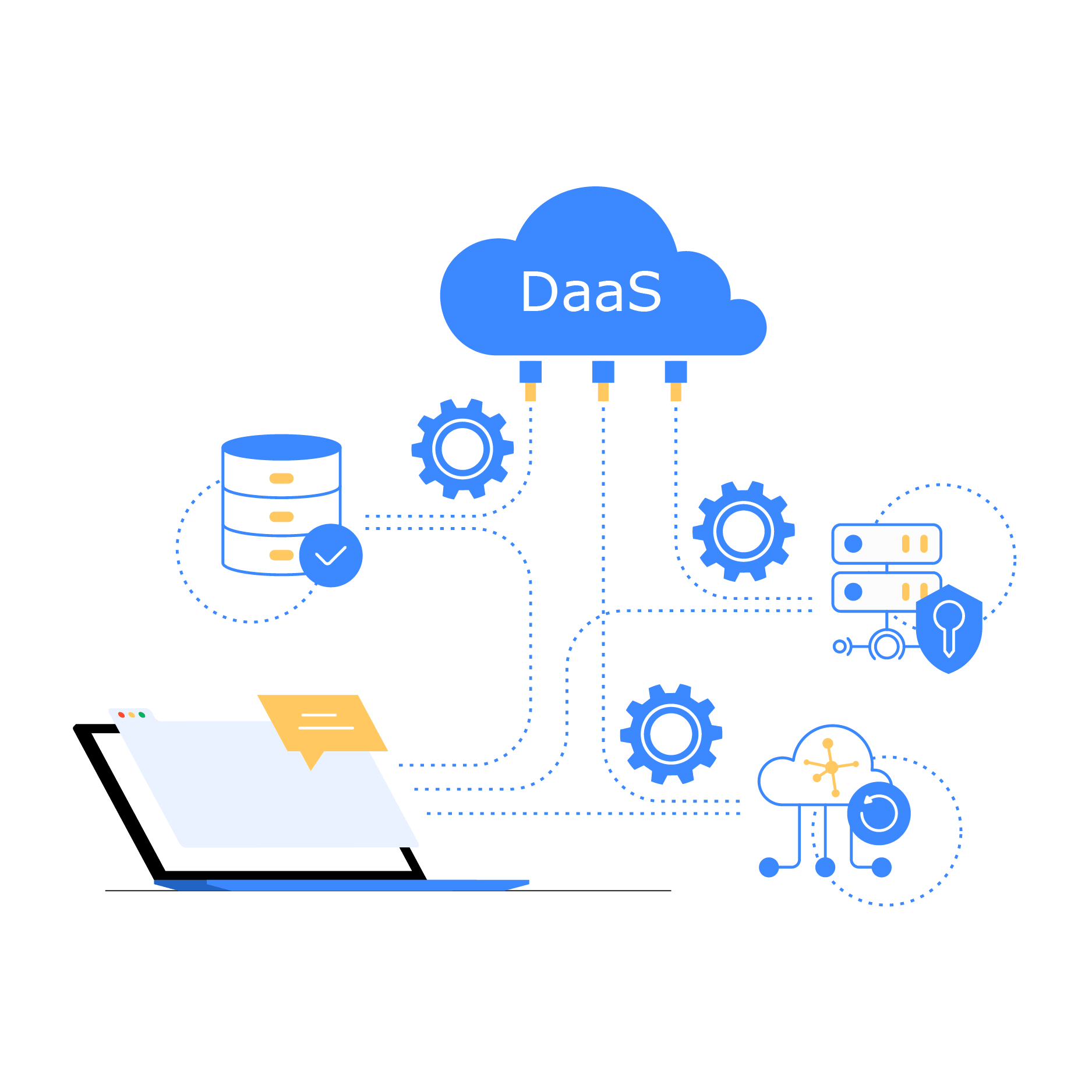
Figure 1: Data as a Service enables organizations to unlock the power of their data assets through cloud-based, on-demand access and analytics capabilities.

In today’s data-driven business landscape, organizations are drowning in information while simultaneously thirsting for actionable insights. The paradox of having access to vast amounts of data yet struggling to extract meaningful value from it has become one of the most pressing challenges facing modern enterprises. Enter Data as a Service (DaaS) – a transformative approach that promises to revolutionize how businesses access, manage, and leverage their data assets.

Data as a Service represents a fundamental shift from traditional data management paradigms, offering a cloud-native business model that provides on-demand access to high-quality, processed data through application programming interfaces (APIs) and automated delivery mechanisms [1]. Unlike conventional data management approaches that require extensive internal infrastructure, specialized expertise, and significant capital investments, DaaS platforms host data in scalable cloud environments while handling all aspects of storage, processing, governance, and security [2].

The emergence of DaaS is not merely a technological evolution; it represents a strategic response to the growing complexity of modern data ecosystems. Organizations today generate data at unprecedented rates, with estimates suggesting that the global datasphere will grow from 33 zettabytes in 2018 to 175 zettabytes by 2025 [3]. This exponential growth, coupled with the increasing sophistication of analytical requirements and the need for real-time decision-making capabilities, has created a perfect storm that traditional data management approaches simply cannot address effectively.

What makes DaaS particularly compelling is its ability to democratize data access across organizations while simultaneously addressing the technical complexities that have historically hindered data-driven initiatives. By abstracting away the underlying infrastructure and technical intricacies, DaaS enables business users to focus on extracting insights and driving value rather than grappling with data engineering challenges. This democratization effect is transforming how organizations approach data strategy, moving from centralized, IT-driven models to distributed, business-user-empowered frameworks.

The market validation for DaaS is undeniable. According to recent market research, the global Data as a Service market was valued at USD 14.36 billion in 2023 and is projected to grow at a compound annual growth rate (CAGR) of 28.1% from 2024 to 2030, potentially reaching USD 76.80 billion by the end of the decade [4]. This remarkable growth trajectory reflects not only the increasing recognition of data as a strategic asset but also the growing sophistication of cloud-based data delivery mechanisms and the maturation of supporting technologies such as artificial intelligence, machine learning, and edge computing.

However, understanding DaaS requires more than simply recognizing its market potential or technical capabilities. It demands a comprehensive examination of how this service model addresses fundamental business challenges, transforms organizational capabilities, and creates new opportunities for innovation and competitive advantage. This exploration must encompass not only the technical architecture and implementation considerations but also the strategic implications, use case applications, and future trajectory of this rapidly evolving field.

Understanding Data as a Service: Definition and Core Concepts

Data as a Service (DaaS) represents a sophisticated data management strategy that aims to leverage data as a business asset for greater organizational agility and competitive advantage [5]. At its core, DaaS is part of the broader “as a service” ecosystem that has become increasingly prevalent since the expansion of internet infrastructure in the 1990s, following the pioneering introduction of Software as a Service (SaaS) models [6].

The fundamental premise of DaaS lies in its ability to provide a unified approach to managing the massive volumes of data that organizations generate daily while delivering valuable information across the business for data-driven decision making [7]. This approach focuses specifically on provisioning data from diverse sources on demand through APIs, designed to simplify access to data while delivering curated datasets or streams of information that can be consumed in various formats, often unified through advanced data virtualization technologies [8].

Modern DaaS implementations have evolved far beyond simple data hosting services to become intelligent data ecosystems that incorporate automated quality monitoring, real-time processing capabilities, and embedded artificial intelligence for predictive analytics [9]. These platforms leverage advanced architectural patterns including data meshes, fabric technologies, and privacy-preserving computation methods to deliver data that meets enterprise governance requirements while enabling rapid innovation [10].

The architectural foundation of DaaS typically encompasses a comprehensive range of data management technologies, including data virtualization, data services, self-service analytics, and data cataloging capabilities [11]. This integrated approach enables organizations to create a unified view of their data landscape while maintaining the flexibility to adapt to changing business requirements and technological advances.

What distinguishes DaaS from traditional data management approaches is its cloud-native architecture and service-oriented delivery model. Rather than requiring organizations to invest in and maintain complex data infrastructure, DaaS providers host data in scalable cloud environments while handling all aspects of storage, processing, governance, and security [12]. This fundamental shift enables organizations to focus their resources on data analysis and business value creation rather than infrastructure management and technical maintenance.

The service delivery model of DaaS is characterized by its emphasis on accessibility and usability. Data is made available through standardized APIs that enable seamless integration with existing business applications and analytical tools [13]. This API-first approach ensures that data can be consumed by various systems and applications without requiring complex integration projects or specialized technical expertise.

Furthermore, DaaS platforms typically provide sophisticated data transformation and enrichment capabilities that enhance the value of raw data assets. These capabilities include data cleansing, normalization, enrichment with external data sources, and the application of advanced analytical models to generate insights and predictions [14]. By providing these value-added services, DaaS platforms enable organizations to derive maximum value from their data investments while reducing the time and resources required to achieve actionable insights.

The governance and security aspects of DaaS are particularly critical given the sensitive nature of organizational data assets. Modern DaaS platforms implement comprehensive security frameworks that include encryption at rest and in transit, role-based access controls, audit logging, and compliance with regulatory requirements such as GDPR, CCPA, and industry-specific regulations [15]. These security measures are designed to ensure that data remains protected throughout its lifecycle while enabling authorized users to access the information they need to perform their roles effectively.

The scalability characteristics of DaaS platforms represent another key differentiator from traditional data management approaches. Cloud-native architectures enable DaaS platforms to automatically scale resources based on demand, ensuring consistent performance even during peak usage periods [16]. This elasticity is particularly important for organizations with variable data processing requirements or those experiencing rapid growth in data volumes.

DaaS Architecture and Components
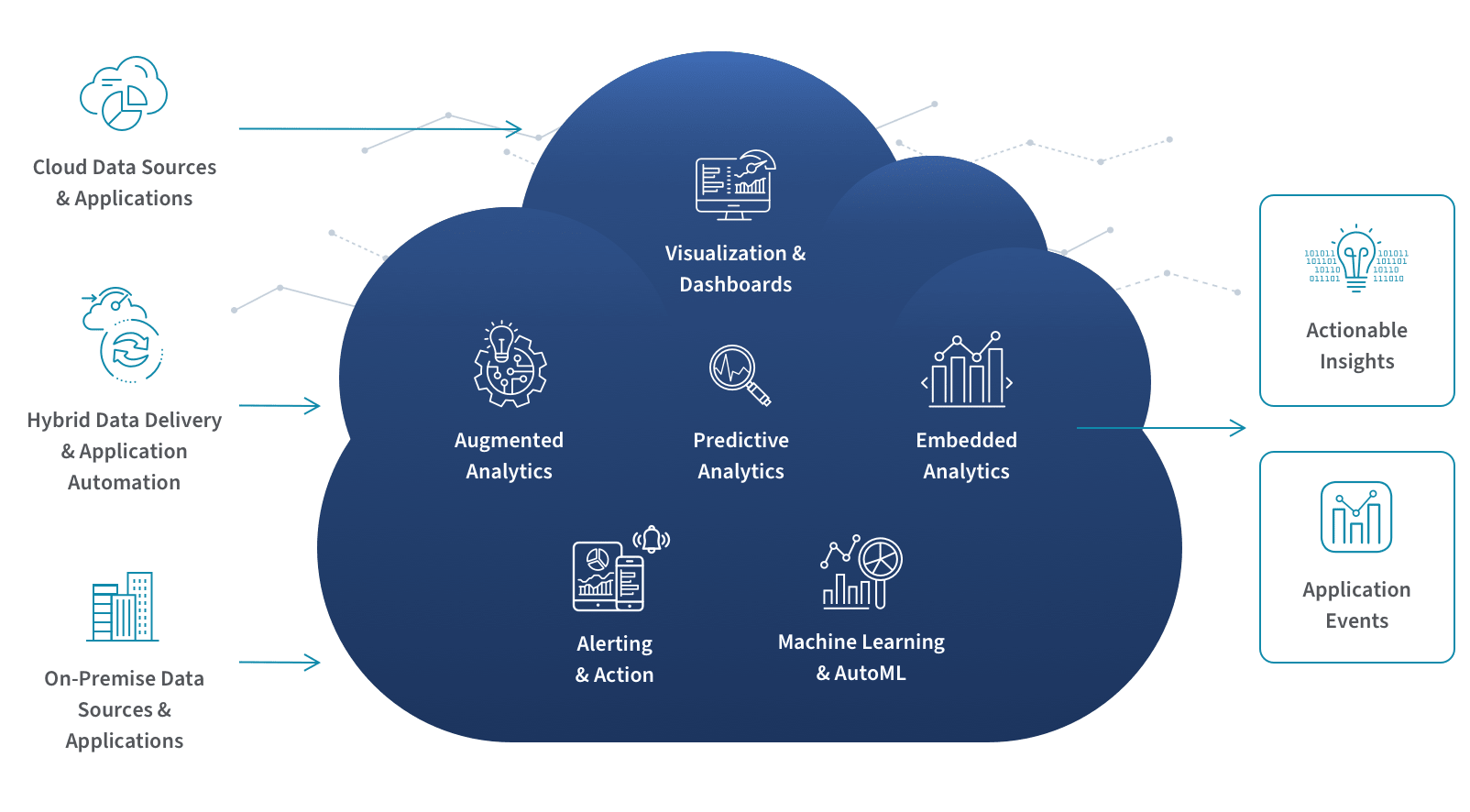
Figure 2: A comprehensive view of Data as a Service architecture showing the integration of various data sources, processing layers, and delivery mechanisms that enable seamless data access and analytics.

The Challenges DaaS Addresses: Beyond Legacy System Limitations

The emergence and rapid adoption of Data as a Service can be understood most clearly through the lens of the fundamental challenges that traditional data management approaches have failed to address effectively. These challenges have become increasingly acute as organizations grapple with exponentially growing data volumes, increasingly sophisticated analytical requirements, and the need for real-time decision-making capabilities in competitive business environments.

The Agility Crisis in Legacy Systems

Legacy data systems are fundamentally burdened by outdated technologies and complex codebases that have accumulated technical debt over years or decades of incremental development [17]. These systems are notoriously difficult to maintain, update, and extend, creating significant barriers to organizational agility and innovation. The limitations are particularly pronounced when organizations attempt to implement new analytical capabilities or integrate emerging technologies such as artificial intelligence and machine learning.

The architectural assumptions underlying many legacy systems reflect the technological constraints and business requirements of previous decades. For example, legacy systems are often built on the assumption that data should be stored in relational databases with rigid schemas, which severely limits the flexibility of the data model and makes schema migrations a complex and risky undertaking [18]. This rigidity becomes particularly problematic as organizations seek to incorporate new data types, such as unstructured text, images, video, and IoT sensor data, that do not fit neatly into traditional relational structures.

Moreover, legacy systems typically require specialized technical expertise to operate and maintain, creating dependencies on scarce human resources and limiting the ability of business users to directly access and analyze data [19]. This technical complexity often results in lengthy development cycles for new analytical capabilities, preventing organizations from responding quickly to changing market conditions or emerging business opportunities.

Data Silos and Organizational Fragmentation

One of the most pervasive challenges in traditional data management is the creation of data silos – isolated repositories of information that are disconnected from other organizational data sources [20]. These silos emerge naturally as different departments and business units develop their own data management solutions to address specific operational requirements, but they create significant barriers to comprehensive analysis and organizational learning.

Data silos limit the ability to share information across teams and applications, fundamentally constraining the development of holistic business insights [21]. When customer data is maintained separately from product data, and both are isolated from financial information, organizations lose the ability to understand the complex relationships and dependencies that drive business performance. This fragmentation slows down analytical processes and makes it difficult to extract complete insights that could inform strategic decision-making.

The technical challenges associated with data silos are compounded by organizational and political factors. Different departments may have conflicting priorities regarding data access, quality standards, and governance policies, making it difficult to establish unified data management practices [22]. These conflicts can result in duplicated efforts, inconsistent data definitions, and reduced confidence in analytical results.

Accessibility and Real-Time Requirements

Modern business operations increasingly require data to be available in real-time, 24 hours a day, seven days a week, to support continuous operations and enable rapid response to changing conditions [23]. However, many existing data systems were not designed to meet these demanding availability and performance requirements. Legacy systems are often deployed on self-hosted servers in single physical locations, creating single points of failure that can disrupt business operations [24].

The self-hosted model also creates significant accessibility challenges, as data becomes inaccessible from locations outside the organization’s physical infrastructure [25]. This limitation has become particularly problematic as organizations adopt remote work models and seek to enable data-driven decision-making across distributed teams and geographical locations.

Furthermore, traditional batch processing approaches that were adequate for historical reporting requirements are insufficient for modern analytical use cases that require real-time insights [26]. Organizations need the ability to analyze streaming data, detect anomalies as they occur, and trigger automated responses to changing conditions, capabilities that are difficult to implement with legacy architectures.

Scaling Limitations and Performance Constraints

Traditional relational databases are designed to scale vertically by adding more processing power to existing machines, rather than scaling horizontally by distributing processing across multiple machines [27]. This architectural limitation becomes a significant constraint as data volumes grow and analytical complexity increases. Vertical scaling is not only expensive but also has practical limits that can be reached relatively quickly in data-intensive applications.

Legacy systems are often designed as single-tenant applications deployed in single physical locations, making it difficult to achieve the horizontal scaling required for modern data workloads [28]. This limitation is particularly problematic for organizations experiencing rapid growth in data volumes or those seeking to implement advanced analytical capabilities that require significant computational resources.

The performance constraints of legacy systems are further exacerbated by their inability to take advantage of modern cloud computing capabilities, including elastic scaling, distributed processing, and specialized analytical hardware [29]. Organizations remain constrained by their existing infrastructure investments and cannot easily adapt to changing performance requirements or take advantage of technological advances.

Data Variety and Schema Rigidity

The explosion of new data types generated by web applications, mobile devices, and Internet of Things (IoT) devices has created challenges that legacy systems are fundamentally ill-equipped to handle [30]. These new data sources produce information in volumes and varieties that exceed the capabilities of traditional data management approaches, which are often limited to structured data that conforms to predefined schemas.

Legacy systems typically lack support for unstructured data such as text documents, images, video files, and sensor readings, forcing organizations to either ignore valuable information sources or invest in separate systems to handle different data types [31]. This fragmentation increases complexity and costs while reducing the organization’s ability to develop comprehensive analytical insights that incorporate all available information sources.

The schema rigidity of traditional systems also makes it difficult to adapt to changing business requirements or incorporate new data sources [32]. When business processes evolve or new analytical requirements emerge, organizations often face lengthy and expensive schema migration projects that can disrupt operations and delay the implementation of new capabilities.

The Transformative Benefits of Data as a Service

The adoption of Data as a Service delivers a comprehensive range of benefits that address the fundamental limitations of traditional data management approaches while creating new opportunities for organizational growth and competitive advantage. These benefits extend beyond simple technical improvements to encompass strategic, operational, and financial advantages that can transform how organizations create and capture value from their data assets.

Data Monetization and Strategic Value Creation

One of the most significant benefits of DaaS is its ability to unlock the monetization potential of organizational data assets [33]. Having sufficient data is no longer a primary challenge for most organizations; the critical issue has become organizing and operationalizing that data to extract maximum value. While many executives have invested heavily in data monetization initiatives, very few have successfully leveraged the full potential of their data assets, largely due to the technical and organizational barriers associated with traditional data management approaches.

DaaS addresses this challenge by increasing data accessibility and enabling organizations to develop new revenue streams from their information assets [34]. By providing standardized APIs and self-service access capabilities, DaaS platforms enable organizations to package and distribute their data assets to internal and external consumers, creating new business models and revenue opportunities. This capability is particularly valuable for organizations with unique or proprietary data sets that could provide value to partners, customers, or third-party developers.

The strategic value of data monetization extends beyond direct revenue generation to include improved customer relationships, enhanced partner ecosystems, and strengthened competitive positioning [35]. Organizations that can effectively leverage their data assets through DaaS platforms often discover new insights about their customers, markets, and operations that inform strategic decision-making and drive innovation initiatives.

Cost Reduction and Operational Efficiency

DaaS delivers significant cost reductions by eliminating the need for organizations to invest in and maintain complex data infrastructure [36]. Traditional data management approaches require substantial capital expenditures for hardware, software licenses, and specialized personnel, along with ongoing operational expenses for maintenance, upgrades, and support. DaaS platforms shift these costs to a service provider while converting fixed infrastructure costs to variable operational expenses that scale with actual usage.

The operational efficiency benefits of DaaS extend beyond simple cost reduction to include improved resource allocation and reduced time-to-value for data initiatives [37]. By capitalizing on all of an organization’s data sources and delivering insights to different business areas, DaaS enables more informed decision-making that reduces waste and improves operational performance. Organizations report significant reductions in time and money spent on incorrect decisions when they transition from intuition-based to data-driven decision-making processes.

Furthermore, DaaS platforms can help organizations develop personalized customer experiences by leveraging predictive analytics to understand consumer behaviors and patterns [38]. This capability enables organizations to better serve customers, increase satisfaction levels, and build stronger customer loyalty, ultimately driving revenue growth and market share expansion.

Accelerated Innovation and Competitive Advantage

DaaS serves as a catalyst for innovation by providing organizations with the data foundation necessary to support advanced analytical initiatives and emerging technologies [39]. When trustworthy, high-quality data is readily available to different departments and teams, ideas based on that data have a significantly higher probability of gaining organizational support and succeeding when implemented. This accessibility reduces the barriers to innovation and enables organizations to experiment with new approaches and technologies more rapidly and cost-effectively.

The innovation benefits of DaaS are particularly pronounced in the context of artificial intelligence and machine learning initiatives [40]. These technologies require large volumes of high-quality, well-structured data to train models and generate accurate predictions. DaaS platforms provide the data infrastructure and preprocessing capabilities necessary to support AI/ML initiatives while reducing the time and resources required to prepare data for analytical applications.

Organizations that effectively leverage DaaS often discover that data-informed strategies enable more innovation with reduced risk [41]. When decisions are based on comprehensive data analysis rather than intuition or limited information, organizations can pursue more ambitious initiatives with greater confidence in their potential success. This capability is particularly valuable in competitive markets where the ability to innovate rapidly can determine market leadership and long-term success.

Enhanced Decision-Making Agility

Data as a Service represents a transformative opportunity for organizations to treat data as a strategic business asset for more effective decision-making and improved data management practices [42]. DaaS platforms can combine both internal and external data sources, including customer data, partner information, and open data sources, to provide comprehensive views of business operations and market conditions.

The agility benefits of DaaS are particularly evident in its ability to quickly deliver data for purpose-built analytics through end-to-end APIs serving specific business use cases [43]. This capability enables organizations to respond rapidly to changing market conditions, customer requirements, or competitive pressures by quickly accessing and analyzing relevant data to inform strategic responses.

DaaS platforms also support self-service data access, simplifying business user interactions with data through intuitive, self-service directories and interfaces [44]. This democratization of data access reduces the time spent searching for information and increases the time available for analysis and action, enabling more agile decision-making processes throughout the organization.

Cultural Transformation and Data Democratization

Breaking down data silos and providing teams with access to the information they need represents one of the most significant organizational challenges facing modern businesses [45]. DaaS addresses this challenge by enabling organizations to deliver integrated data from growing lists of data sources, fostering data-driven cultures and democratizing the use of data in everyday business processes.

The cultural transformation enabled by DaaS extends beyond simple data access to include the development of reusable data assets that promote both inter-enterprise and intra-enterprise sharing [46]. These reusable datasets establish central understanding of business operations and performance while enabling different teams and departments to build upon each other’s analytical work rather than duplicating efforts.

By opening access to critical data resources, DaaS helps organizations infuse data into their business practices at all levels, from operational decision-making to strategic planning [47]. This comprehensive integration of data into business processes creates competitive advantages that are difficult for competitors to replicate and provides sustainable foundations for long-term success.

Risk Mitigation and Governance Enhancement

DaaS platforms help organizations remove personal biases from decision-making processes that often put companies at risk [48]. Organizations that rely primarily on intuition and experience for decision-making face significant risks in rapidly changing business environments. DaaS empowers organizations with data-driven insights that enable more accurate assessments of risks and opportunities, leading to better strategic decisions and improved business outcomes.

The risk mitigation benefits of DaaS extend to data governance and security considerations [49]. Modern DaaS platforms leverage data virtualization and other advanced technologies to access, combine, transform, and deliver data through reusable data services while optimizing query performance and ensuring data security and governance compliance. This approach helps organizations avoid risks associated with conflicting or incomplete data views, poor data quality, and regulatory non-compliance.

Furthermore, DaaS platforms typically implement comprehensive audit trails and access controls that provide organizations with detailed visibility into how their data is being used and by whom [50]. This transparency is essential for regulatory compliance and risk management, particularly in industries with strict data governance requirements such as healthcare, financial services, and government sectors.

Primary Use Cases and Applications of Data as a Service

The practical applications of Data as a Service span across industries and functional areas, demonstrating the versatility and transformative potential of this approach to data management. Understanding these use cases provides insight into how organizations can leverage DaaS to address specific business challenges and create competitive advantages in their respective markets.

Creating Unified Enterprise Data Views

One of the most impactful applications of DaaS involves enabling organizations to construct comprehensive business intelligence by seamlessly integrating internal operational data with external market intelligence [51]. This unified approach eliminates the data silos that traditionally prevent cross-functional analysis, enabling teams to understand customer journeys, operational efficiency, and market positioning through a single analytical framework.

Modern DaaS implementations extend beyond simple data consolidation to provide contextualized intelligence that adapts to specific business roles and responsibilities [52]. Sales teams receive customer insights enhanced with market trends and competitive intelligence, enabling them to develop more effective sales strategies and improve customer relationships. Operations teams access supply chain data enriched with external factors including weather patterns, economic indicators, and regulatory changes that impact business performance, allowing them to optimize operations and mitigate risks proactively.

The unified data view capability is particularly valuable for organizations operating in complex, multi-channel business environments where customer interactions span multiple touchpoints and systems [53]. By integrating data from customer relationship management systems, e-commerce platforms, social media channels, and customer service interactions, organizations can develop comprehensive customer profiles that inform personalized marketing strategies, product development initiatives, and customer service improvements.

Financial services organizations, for example, leverage unified data views to combine transaction data, market information, regulatory updates, and customer behavior patterns to develop comprehensive risk assessments and investment strategies [54]. This integrated approach enables more accurate risk modeling, improved compliance monitoring, and enhanced customer service delivery across all business channels.

Powering Advanced Analytics and Machine Learning

DaaS platforms serve as the foundational infrastructure for sophisticated analytical applications that require clean, consistent, and current data inputs [55]. These platforms handle the complex preprocessing requirements including feature engineering, data validation, and schema management that enable machine learning models to operate reliably in production environments without manual intervention.

The preprocessing capabilities of DaaS platforms are particularly critical for machine learning applications, which require data to be formatted, cleaned, and structured in specific ways to achieve optimal model performance [56]. Traditional approaches to data preparation for machine learning can consume 80% or more of a data scientist’s time, significantly reducing the resources available for model development and optimization. DaaS platforms automate these preprocessing tasks, enabling data science teams to focus on model development and business value creation.

Advanced analytics use cases enabled by DaaS include predictive maintenance systems that combine equipment sensor data with external factors such as weather conditions and usage patterns to predict equipment failures before they occur [57]. These systems enable organizations to optimize maintenance schedules, reduce unplanned downtime, and extend equipment lifecycles, resulting in significant cost savings and operational improvements.

Fraud detection represents another critical application area where DaaS platforms provide substantial value [58]. These systems correlate transaction patterns with real-time risk intelligence from multiple sources, including credit bureaus, law enforcement databases, and behavioral analytics platforms, to identify potentially fraudulent activities with high accuracy and minimal false positives. The real-time nature of DaaS platforms enables immediate response to detected threats, minimizing financial losses and protecting customer assets.

Dynamic pricing models represent a sophisticated application of DaaS that integrates inventory levels with market demand signals, competitor pricing information, and customer behavior patterns to optimize pricing strategies in real-time [59]. Retail organizations use these systems to maximize revenue and profit margins while maintaining competitive positioning and customer satisfaction.

Cloud Analytics Process
Figure 3: The cloud analytics process showing how DaaS platforms enable organizations to ingest, process, store, and analyze data to generate actionable business insights.

Enabling Real-Time Operational Intelligence

Contemporary DaaS implementations provide the real-time data streams that power operational applications including supply chain optimization, customer service personalization, and dynamic resource allocation [60]. These applications require data latencies measured in seconds rather than hours, with automatic scaling capabilities that handle usage spikes without performance degradation.

Real-time operational intelligence applications leverage DaaS to combine multiple data streams simultaneously, enabling immediate responses to changing business conditions [61]. Inventory management systems automatically adjust procurement decisions based on sales velocity, supplier availability, seasonal trends, and market conditions, ensuring optimal inventory levels while minimizing carrying costs and stockout risks.

Customer service platforms represent another critical application area where real-time operational intelligence creates significant value [62]. These systems provide customer service representatives with comprehensive customer context during interactions, including purchase history, previous service interactions, current account status, and relevant product information. This comprehensive view enables more effective problem resolution, improved customer satisfaction, and increased opportunities for upselling and cross-selling.

Marketing automation systems leverage real-time operational intelligence to personalize content and offers based on current customer behavior, preferences, and engagement patterns [63]. These systems can adjust marketing messages, product recommendations, and promotional offers in real-time based on customer interactions, significantly improving conversion rates and customer engagement levels.

Industry-Specific Applications

The healthcare industry has emerged as a significant adopter of DaaS platforms, leveraging these systems to integrate patient data from multiple sources including electronic health records, medical devices, laboratory systems, and imaging platforms [64]. This integrated approach enables healthcare providers to develop comprehensive patient profiles that inform treatment decisions, identify potential health risks, and optimize care delivery processes.

Pharmaceutical companies use DaaS platforms to integrate clinical trial data, regulatory information, market research, and competitive intelligence to accelerate drug development processes and optimize market entry strategies [65]. These applications enable more efficient clinical trial design, improved patient recruitment, and enhanced regulatory compliance monitoring.

The financial services industry leverages DaaS for applications including risk management, regulatory compliance, algorithmic trading, and customer analytics [66]. Investment firms use DaaS platforms to integrate market data, economic indicators, company financial information, and alternative data sources to develop sophisticated trading strategies and risk management frameworks.

Manufacturing organizations implement DaaS platforms to integrate production data, supply chain information, quality metrics, and maintenance records to optimize manufacturing processes and improve product quality [67]. These applications enable predictive maintenance, quality control optimization, and supply chain risk management that reduce costs and improve operational efficiency.

Departmental Applications Across Organizations

Sales and marketing departments leverage DaaS platforms to integrate customer data, market research, competitive intelligence, and campaign performance metrics to develop more effective marketing strategies and sales processes [68]. These applications enable improved lead scoring, customer segmentation, campaign optimization, and sales forecasting that drive revenue growth and market share expansion.

Supply chain and inventory management teams use DaaS platforms to integrate supplier data, logistics information, demand forecasts, and market conditions to optimize procurement decisions and inventory levels [69]. These applications enable improved supplier relationship management, reduced inventory carrying costs, and enhanced customer service levels through improved product availability.

Human resources departments implement DaaS platforms to integrate employee data, performance metrics, compensation information, and market benchmarks to optimize talent management processes [70]. These applications enable improved recruiting effectiveness, enhanced employee retention, and more effective performance management that drives organizational success.

Research and development teams leverage DaaS platforms to integrate market research, competitive intelligence, customer feedback, and technical data to inform product development decisions and innovation strategies [71]. These applications enable more effective product roadmap planning, reduced time-to-market for new products, and improved alignment between product features and customer requirements.

Business Intelligence Dashboard
Figure 4: Modern business intelligence dashboards powered by DaaS platforms provide comprehensive, real-time insights that enable data-driven decision making across all organizational levels.

Implementation Considerations and Challenges

While Data as a Service offers transformative potential for organizations seeking to modernize their data management capabilities, successful implementation requires careful consideration of various technical, organizational, and strategic factors. Understanding these considerations and potential challenges is essential for organizations to develop realistic implementation plans and achieve their desired outcomes.

Complexity and Scope Management

The first and perhaps most significant challenge organizations face when implementing DaaS is managing the inherent complexity of dealing with data across the entire organization rather than focusing on individual departments or specific problems [72]. DaaS initiatives typically require comprehensive roadmaps that address data sources, integration requirements, governance policies, and user needs across multiple business units and functional areas.

This organizational scope creates unique project management challenges that differ significantly from traditional technology implementations [73]. Unlike software deployments that can be rolled out incrementally to specific user groups, DaaS implementations often require coordination across multiple departments, each with different data requirements, quality standards, and operational priorities. The complexity is particularly pronounced for large corporations that have accumulated diverse, unstructured datasets over many years of operations.

Effective scope management requires organizations to develop phased implementation approaches that balance comprehensive coverage with manageable project complexity [74]. Many successful DaaS implementations begin with specific use cases or business units that can demonstrate clear value and serve as proof-of-concept for broader organizational adoption. This approach enables organizations to build internal expertise and confidence while managing implementation risks and resource requirements.

The technical complexity of DaaS implementations is further compounded by the need to integrate with existing systems and processes while maintaining operational continuity [75]. Organizations must carefully plan data migration strategies, system integration approaches, and user training programs to ensure smooth transitions that minimize business disruption and maximize user adoption.

Organizational Change Management

DaaS implementations often require fundamental changes to organizational culture, processes, and decision-making frameworks that extend far beyond technology deployment [76]. These initiatives frequently represent part of larger endeavors to make organizations more data-driven, break down departmental silos, and democratize data access across business units.

The cultural transformation required for successful DaaS adoption often necessitates direction and support from executive leadership, particularly C-suite executives who can provide the authority and resources necessary to drive organizational change [77]. Without strong leadership commitment, DaaS initiatives may encounter resistance from departments that are comfortable with existing processes or concerned about losing control over their data assets.

Change management challenges are particularly acute in organizations with established data governance structures and processes [78]. Different departments may have developed their own data quality standards, access controls, and analytical approaches that must be harmonized with enterprise-wide DaaS platforms. This harmonization process requires careful negotiation and compromise to ensure that departmental needs are met while achieving organizational objectives.

Training and skill development represent additional organizational challenges that must be addressed for successful DaaS implementation [79]. Business users who have traditionally relied on IT departments for data access and analysis must develop new skills and comfort levels with self-service data platforms. Similarly, IT professionals must adapt to new roles focused on platform management and governance rather than direct data delivery and analysis.

Security and Governance Frameworks

Given the increasingly sophisticated nature of data security threats and regulatory requirements, security considerations represent critical success factors for DaaS implementations [80]. Organizations must ensure that appropriate data governance, security, privacy, and quality controls are applied to all DaaS components while maintaining the accessibility and usability that make these platforms valuable.

The security framework for DaaS platforms must address multiple layers of protection, including network security, application security, data encryption, access controls, and audit logging [81]. These security measures must be designed to protect data throughout its lifecycle, from initial collection and storage through processing, analysis, and eventual archival or deletion.

Regulatory compliance represents an additional complexity that varies significantly across industries and geographical regions [82]. Organizations operating in healthcare, financial services, or government sectors face particularly stringent requirements for data protection, privacy, and audit trails that must be incorporated into DaaS platform design and operations.

Data governance frameworks for DaaS platforms must balance accessibility with control, enabling self-service data access while maintaining appropriate oversight and quality standards [83]. This balance requires sophisticated role-based access controls, automated data quality monitoring, and comprehensive audit capabilities that provide visibility into data usage patterns and potential security risks.

Privacy-preserving technologies such as differential privacy, federated learning, and homomorphic encryption are becoming increasingly important components of DaaS security frameworks [84]. These technologies enable organizations to extract value from sensitive data while protecting individual privacy and complying with regulations such as GDPR and CCPA.

Integration and Interoperability Challenges

The integration of DaaS platforms with existing organizational systems and processes represents a significant technical challenge that requires careful planning and execution [85]. Organizations typically have substantial investments in existing data infrastructure, analytical tools, and business applications that must continue to operate during and after DaaS implementation.

API design and management become critical considerations for DaaS implementations, as these interfaces serve as the primary mechanism for data access and integration [86]. Organizations must develop comprehensive API strategies that address versioning, documentation, security, performance monitoring, and lifecycle management to ensure reliable and scalable data access.

Data format standardization and transformation capabilities are essential for enabling interoperability between DaaS platforms and existing systems [87]. Organizations often maintain data in multiple formats and structures that must be harmonized to enable comprehensive analysis and reporting. This harmonization process requires sophisticated data transformation capabilities and careful attention to data quality and consistency.

The integration challenge is further complicated by the need to maintain real-time or near-real-time data synchronization between DaaS platforms and operational systems [88]. Organizations must implement robust data pipeline architectures that can handle high-volume, high-velocity data flows while maintaining data quality and consistency across all systems.

Performance and Scalability Considerations

DaaS platforms must be designed to handle varying workload patterns and usage spikes without performance degradation [89]. Organizations often experience significant variations in data access patterns based on business cycles, reporting requirements, and analytical initiatives that require elastic scaling capabilities.

Query performance optimization becomes particularly important as DaaS platforms must support diverse analytical workloads ranging from simple reporting queries to complex machine learning model training [90]. These different workload types have varying performance requirements and resource consumption patterns that must be balanced to ensure optimal platform performance.

Data caching and optimization strategies are essential for maintaining acceptable response times while managing infrastructure costs [91]. Organizations must implement intelligent caching mechanisms that balance data freshness requirements with performance optimization, particularly for frequently accessed datasets and analytical results.

The geographic distribution of users and data sources creates additional performance considerations for global organizations [92]. DaaS platforms must be designed to minimize latency and maximize availability across multiple regions while maintaining data consistency and compliance with local regulations.

Cost Management and ROI Measurement

While DaaS platforms can deliver significant cost savings compared to traditional data infrastructure, organizations must carefully manage implementation and operational costs to achieve desired return on investment [93]. The subscription-based pricing models of most DaaS platforms require organizations to accurately forecast usage patterns and optimize resource consumption to control costs.

Cost optimization strategies must address both direct platform costs and indirect costs associated with data storage, processing, and transfer [94]. Organizations must implement monitoring and optimization processes that track resource utilization and identify opportunities for cost reduction without compromising performance or functionality.

Return on investment measurement for DaaS implementations requires comprehensive metrics that capture both quantitative benefits such as cost savings and productivity improvements, and qualitative benefits such as improved decision-making and innovation capabilities [95]. Organizations must establish baseline measurements and tracking mechanisms to demonstrate the value of their DaaS investments to stakeholders and justify continued investment in platform capabilities.

Market Trends and Future Outlook

The Data as a Service market is experiencing unprecedented growth driven by technological advances, changing business requirements, and the increasing recognition of data as a strategic asset. Understanding current market trends and future projections provides valuable insight into the trajectory of DaaS adoption and the opportunities available to organizations considering these platforms.

Market Growth and Economic Impact

The global Data as a Service market demonstrates remarkable growth momentum, with market size estimated at USD 14.36 billion in 2023 and projected to expand at a compound annual growth rate (CAGR) of 28.1% from 2024 to 2030 [96]. This growth trajectory suggests the market could reach USD 76.80 billion by the end of the decade, representing one of the fastest-growing segments in the broader cloud services market.

Alternative market projections indicate even more aggressive growth scenarios, with some analysts forecasting the DaaS market to reach USD 24.89 billion in 2025 and grow at a CAGR of 20% to reach USD 61.93 billion by 2030 [97]. These variations in market projections reflect the dynamic nature of the DaaS market and the challenges associated with precisely defining market boundaries in rapidly evolving technology sectors.

The economic impact of DaaS extends beyond direct market revenues to include significant productivity improvements and cost savings for adopting organizations [98]. Industry studies suggest that organizations implementing DaaS platforms typically achieve 20-30% reductions in data management costs while simultaneously improving data accessibility and analytical capabilities. These economic benefits are driving increased investment in DaaS platforms across industries and organizational sizes.

The market growth is particularly pronounced in specific industry verticals, with healthcare, financial services, retail, and manufacturing leading adoption rates [99]. These industries face unique data challenges related to regulatory compliance, customer experience, operational efficiency, and competitive differentiation that make DaaS platforms particularly valuable for addressing business requirements.

Technological Innovation and Integration Trends

The integration of artificial intelligence and machine learning capabilities into DaaS platforms represents one of the most significant technological trends shaping the market [100]. AI-powered analytics provide deeper insights and predictive capabilities that help organizations anticipate trends and make more informed decisions. These technologies enable real-time data processing and automated decision-making that enhance operational efficiency and competitive advantage.

Advanced analytics capabilities are becoming standard features of DaaS platforms, with providers continually enhancing their offerings with cutting-edge AI and ML tools [101]. These enhancements include automated data preparation, intelligent data discovery, predictive modeling, and natural language query interfaces that make advanced analytics accessible to business users without specialized technical expertise.

The growing adoption of graph databases and the need for sophisticated solutions to handle data with complex relationships are driving innovation in DaaS platform architectures [102]. Graph databases enable efficient storage and querying of complex relationships between data entities, which is particularly important in industries such as finance, healthcare, and social media where data relationships are critical to decision-making processes.

Edge computing integration represents another significant technological trend that is reshaping DaaS platform capabilities [103]. As the volume of data generated at the edge continues to grow with the proliferation of IoT devices and sensors, there is increasing demand for DaaS solutions that can process and analyze data closer to the source, reducing latency and bandwidth requirements while improving real-time decision-making capabilities.

Privacy and Regulatory Compliance Evolution

The increasing focus on data privacy and regulatory compliance is driving significant innovation in privacy-preserving analytics within DaaS solutions [104]. This trend encompasses techniques such as differential privacy, federated learning, and homomorphic encryption that enable data analysis while protecting sensitive information and complying with regulations such as GDPR and CCPA.

Privacy-preserving technologies are becoming essential components of DaaS platforms as organizations seek to balance data utilization with privacy protection and regulatory compliance [105]. These technologies enable organizations to extract value from sensitive data while maintaining customer trust and avoiding regulatory penalties that can be substantial in many jurisdictions.

The regulatory landscape continues to evolve rapidly, with new privacy and data protection regulations being implemented across multiple jurisdictions [106]. DaaS platforms must adapt to these changing requirements while maintaining functionality and performance, creating ongoing challenges and opportunities for platform providers and adopting organizations.

Compliance automation is emerging as a critical capability for DaaS platforms, with automated monitoring, reporting, and audit trail generation becoming standard features [107]. These capabilities reduce the administrative burden associated with regulatory compliance while providing organizations with greater confidence in their ability to meet evolving regulatory requirements.

Industry Consolidation and Market Maturation

The DaaS market is experiencing significant merger and acquisition activity as companies seek to strengthen their positions in the data services market [108]. This consolidation trend is driven by the increasing recognition of data’s strategic importance and the desire to enhance capabilities through strategic acquisitions that provide access to new technologies, customer bases, and market segments.

Platform standardization and interoperability are becoming increasingly important as the market matures and organizations seek to avoid vendor lock-in while maximizing the value of their data investments [109]. Industry standards and open-source initiatives are emerging to address these requirements and enable greater flexibility in platform selection and integration.

The competitive landscape is evolving rapidly, with traditional enterprise software vendors, cloud service providers, and specialized data companies all competing for market share [110]. This competition is driving innovation and improving platform capabilities while also creating challenges for organizations seeking to select optimal solutions for their specific requirements.

Partnership ecosystems are becoming increasingly important for DaaS platform success, with providers developing extensive networks of technology partners, system integrators, and industry specialists [111]. These partnerships enable more comprehensive solutions and faster implementation while reducing risks for adopting organizations.

Future Technology Integration

The integration of emerging technologies such as quantum computing, blockchain, and advanced artificial intelligence is expected to create new capabilities and use cases for DaaS platforms [112]. Quantum computing could enable new types of analytical capabilities that are currently computationally infeasible, while blockchain technologies could provide enhanced security and trust mechanisms for data sharing and collaboration.

Autonomous data management capabilities are emerging as a significant trend, with DaaS platforms incorporating self-healing, self-optimizing, and self-securing capabilities that reduce operational overhead and improve reliability [113]. These autonomous capabilities leverage machine learning and artificial intelligence to continuously optimize platform performance and security without human intervention.

The convergence of DaaS with other emerging technology trends such as the metaverse, augmented reality, and Internet of Things is creating new opportunities for data visualization, interaction, and analysis [114]. These convergent technologies could fundamentally change how users interact with data and extract insights from complex datasets.

Organizational Adoption Patterns

Small and medium-sized enterprises are increasingly adopting DaaS platforms as these solutions become more accessible and affordable [115]. Cloud-based delivery models and subscription pricing make advanced data management capabilities available to organizations that previously could not justify the investment in traditional data infrastructure.

The democratization of data analytics through DaaS platforms is enabling new roles and responsibilities within organizations, with business analysts, product managers, and operational staff gaining direct access to data and analytical capabilities [116]. This trend is reducing dependence on specialized IT resources while enabling more agile and responsive decision-making processes.

Cross-industry collaboration and data sharing are becoming more common as DaaS platforms provide secure mechanisms for organizations to share data and insights with partners, suppliers, and customers [117]. These collaborative capabilities are creating new business models and value creation opportunities that were previously difficult to implement with traditional data management approaches.

Conclusion: The Strategic Imperative of Data as a Service

Data as a Service represents more than a technological evolution; it embodies a fundamental transformation in how organizations conceptualize, manage, and extract value from their data assets. As we have explored throughout this comprehensive analysis, DaaS addresses critical limitations of traditional data management approaches while creating new opportunities for innovation, competitive advantage, and business value creation.

The compelling business case for DaaS adoption is evident across multiple dimensions. Organizations implementing these platforms typically achieve significant cost reductions through the elimination of complex data infrastructure investments while simultaneously improving data accessibility, quality, and analytical capabilities. The democratization of data access enabled by DaaS platforms empowers business users throughout organizations to make more informed decisions based on comprehensive, real-time information rather than intuition or limited datasets.

The market validation for DaaS is undeniable, with projected growth rates exceeding 28% annually and market values expected to reach tens of billions of dollars within the current decade. This growth reflects not only the increasing recognition of data as a strategic asset but also the maturation of supporting technologies including artificial intelligence, machine learning, cloud computing, and edge analytics that make sophisticated data services accessible to organizations of all sizes.

However, successful DaaS implementation requires more than simply selecting and deploying a platform. Organizations must carefully consider the complexity of enterprise-wide data integration, the organizational change management requirements, and the security and governance frameworks necessary to protect sensitive information while enabling productive data utilization. The most successful DaaS implementations are those that address these challenges through comprehensive planning, strong executive leadership, and phased approaches that build organizational capabilities and confidence over time.

The future trajectory of DaaS is characterized by continued technological innovation, expanding use cases, and increasing integration with emerging technologies such as artificial intelligence, edge computing, and privacy-preserving analytics. Organizations that establish strong foundations in DaaS capabilities today will be well-positioned to leverage these future innovations and maintain competitive advantages in increasingly data-driven business environments.

The strategic imperative for DaaS adoption extends beyond immediate operational benefits to encompass long-term organizational capabilities and competitive positioning. In an era where data-driven decision-making has become essential for business success, organizations that fail to modernize their data management approaches risk falling behind competitors who can more effectively leverage their information assets for strategic advantage.

As organizations evaluate their data management strategies and consider DaaS adoption, they should focus not only on immediate technical requirements but also on the broader organizational transformation that these platforms enable. The most successful DaaS implementations are those that view data as a strategic asset and leverage DaaS platforms as enablers of cultural change, innovation, and competitive differentiation rather than simply as technical solutions to data management challenges.

The journey toward effective DaaS implementation may be complex, but the potential rewards – including improved decision-making, enhanced operational efficiency, accelerated innovation, and sustainable competitive advantage – make this transformation essential for organizations seeking success in the digital economy. The question is not whether organizations should adopt DaaS capabilities, but rather how quickly and effectively they can implement these platforms to realize their transformative potential.


References

[1] MongoDB. “What Is Data As A Service (DaaS)? | Full Explanation.” https://www.mongodb.com/solutions/use-cases/data-as-a-service

[2] Airbyte. “Data as a Service (DaaS): What It Is, Benefits, & Use Cases.” https://airbyte.com/data-engineering-resources/data-as-a-service

[3] IDC. “The Digitization of the World From Edge to Core.” https://www.seagate.com/files/www-content/our-story/trends/files/idc-seagate-dataage-whitepaper.pdf

[4] Grand View Research. “Data As A Service Market Size, Share & Growth Report, 2030.” https://www.grandviewresearch.com/industry-analysis/data-as-a-service-market-report

[5] TIBCO. “What is Data as a Service (DaaS)?” https://www.tibco.com/glossary/what-is-data-as-a-service-daas

[6] TIBCO. “What is Data as a Service (DaaS)?” https://www.tibco.com/glossary/what-is-data-as-a-service-daas

[7] TIBCO. “What is Data as a Service (DaaS)?” https://www.tibco.com/glossary/what-is-data-as-a-service-daas

[8] TIBCO. “What is Data as a Service (DaaS)?” https://www.tibco.com/glossary/what-is-data-as-a-service-daas

[9] Airbyte. “Data as a Service (DaaS): What It Is, Benefits, & Use Cases.” https://airbyte.com/data-engineering-resources/data-as-a-service

[10] Airbyte. “Data as a Service (DaaS): What It Is, Benefits, & Use Cases.” https://airbyte.com/data-engineering-resources/data-as-a-service

[11] TIBCO. “What is Data as a Service (DaaS)?” https://www.tibco.com/glossary/what-is-data-as-a-service-daas

[12] MongoDB. “What Is Data As A Service (DaaS)? | Full Explanation.” https://www.mongodb.com/solutions/use-cases/data-as-a-service

[13] Airbyte. “Data as a Service (DaaS): What It Is, Benefits, & Use Cases.” https://airbyte.com/data-engineering-resources/data-as-a-service

[14] Grand View Research. “Data As A Service Market Size, Share & Growth Report, 2030.” https://www.grandviewresearch.com/industry-analysis/data-as-a-service-market-report

[15] Grand View Research. “Data As A Service Market Size, Share & Growth Report, 2030.” https://www.grandviewresearch.com/industry-analysis/data-as-a-service-market-report

[16] Airbyte. “Data as a Service (DaaS): What It Is, Benefits, & Use Cases.” https://airbyte.com/data-engineering-resources/data-as-a-service

[17] MongoDB. “What Is Data As A Service (DaaS)? | Full Explanation.” https://www.mongodb.com/solutions/use-cases/data-as-a-service

[18] MongoDB. “What Is Data As A Service (DaaS)? | Full Explanation.” https://www.mongodb.com/solutions/use-cases/data-as-a-service

[19] MongoDB. “What Is Data As A Service (DaaS)? | Full Explanation.” https://www.mongodb.com/solutions/use-cases/data-as-a-service

[20] TIBCO. “What is Data as a Service (DaaS)?” https://www.tibco.com/glossary/what-is-data-as-a-service-daas

[21] MongoDB. “What Is Data As A Service (DaaS)? | Full Explanation.” https://www.mongodb.com/solutions/use-cases/data-as-a-service

[22] TIBCO. “What is Data as a Service (DaaS)?” https://www.tibco.com/glossary/what-is-data-as-a-service-daas

[23] MongoDB. “What Is Data As A Service (DaaS)? | Full Explanation.” https://www.mongodb.com/solutions/use-cases/data-as-a-service

[24] MongoDB. “What Is Data As A Service (DaaS)? | Full Explanation.” https://www.mongodb.com/solutions/use-cases/data-as-a-service

[25] MongoDB. “What Is Data As A Service (DaaS)? | Full Explanation.” https://www.mongodb.com/solutions/use-cases/data-as-a-service

[26] Airbyte. “Data as a Service (DaaS): What It Is, Benefits, & Use Cases.” https://airbyte.com/data-engineering-resources/data-as-a-service

[27] MongoDB. “What Is Data As A Service (DaaS)? | Full Explanation.” https://www.mongodb.com/solutions/use-cases/data-as-a-service

[28] MongoDB. “What Is Data As A Service (DaaS)? | Full Explanation.” https://www.mongodb.com/solutions/use-cases/data-as-a-service

[29] MongoDB. “What Is Data As A Service (DaaS)? | Full Explanation.” https://www.mongodb.com/solutions/use-cases/data-as-a-service

[30] MongoDB. “What Is Data As A Service (DaaS)? | Full Explanation.” https://www.mongodb.com/solutions/use-cases/data-as-a-service

[31] MongoDB. “What Is Data As A Service (DaaS)? | Full Explanation.” https://www.mongodb.com/solutions/use-cases/data-as-a-service

[32] MongoDB. “What Is Data As A Service (DaaS)? | Full Explanation.” https://www.mongodb.com/solutions/use-cases/data-as-a-service

[33] TIBCO. “What is Data as a Service (DaaS)?” https://www.tibco.com/glossary/what-is-data-as-a-service-daas

[34] TIBCO. “What is Data as a Service (DaaS)?” https://www.tibco.com/glossary/what-is-data-as-a-service-daas

[35] TIBCO. “What is Data as a Service (DaaS)?” https://www.tibco.com/glossary/what-is-data-as-a-service-daas

[36] TIBCO. “What is Data as a Service (DaaS)?” https://www.tibco.com/glossary/what-is-data-as-a-service-daas

[37] TIBCO. “What is Data as a Service (DaaS)?” https://www.tibco.com/glossary/what-is-data-as-a-service-daas

[38] TIBCO. “What is Data as a Service (DaaS)?” https://www.tibco.com/glossary/what-is-data-as-a-service-daas

[39] TIBCO. “What is Data as a Service (DaaS)?” https://www.tibco.com/glossary/what-is-data-as-a-service-daas

[40] Grand View Research. “Data As A Service Market Size, Share & Growth Report, 2030.” https://www.grandviewresearch.com/industry-analysis/data-as-a-service-market-report

[41] TIBCO. “What is Data as a Service (DaaS)?” https://www.tibco.com/glossary/what-is-data-as-a-service-daas

[42] TIBCO. “What is Data as a Service (DaaS)?” https://www.tibco.com/glossary/what-is-data-as-a-service-daas

[43] TIBCO. “What is Data as a Service (DaaS)?” https://www.tibco.com/glossary/what-is-data-as-a-service-daas

[44] TIBCO. “What is Data as a Service (DaaS)?” https://www.tibco.com/glossary/what-is-data-as-a-service-daas

[45] TIBCO. “What is Data as a Service (DaaS)?” https://www.tibco.com/glossary/what-is-data-as-a-service-daas

[46] TIBCO. “What is Data as a Service (DaaS)?” https://www.tibco.com/glossary/what-is-data-as-a-service-daas

[47] TIBCO. “What is Data as a Service (DaaS)?” https://www.tibco.com/glossary/what-is-data-as-a-service-daas

[48] TIBCO. “What is Data as a Service (DaaS)?” https://www.tibco.com/glossary/what-is-data-as-a-service-daas

[49] TIBCO. “What is Data as a Service (DaaS)?” https://www.tibco.com/glossary/what-is-data-as-a-service-daas

[50] TIBCO. “What is Data as a Service (DaaS)?” https://www.tibco.com/glossary/what-is-data-as-a-service-daas

[51] Airbyte. “Data as a Service (DaaS): What It Is, Benefits, & Use Cases.” https://airbyte.com/data-engineering-resources/data-as-a-service

[52] Airbyte. “Data as a Service (DaaS): What It Is, Benefits, & Use Cases.” https://airbyte.com/data-engineering-resources/data-as-a-service

[53] Airbyte. “Data as a Service (DaaS): What It Is, Benefits, & Use Cases.” https://airbyte.com/data-engineering-resources/data-as-a-service

[54] TIBCO. “What is Data as a Service (DaaS)?” https://www.tibco.com/glossary/what-is-data-as-a-service-daas

[55] Airbyte. “Data as a Service (DaaS): What It Is, Benefits, & Use Cases.” https://airbyte.com/data-engineering-resources/data-as-a-service

[56] Airbyte. “Data as a Service (DaaS): What It Is, Benefits, & Use Cases.” https://airbyte.com/data-engineering-resources/data-as-a-service

[57] Airbyte. “Data as a Service (DaaS): What It Is, Benefits, & Use Cases.” https://airbyte.com/data-engineering-resources/data-as-a-service

[58] Airbyte. “Data as a Service (DaaS): What It Is, Benefits, & Use Cases.” https://airbyte.com/data-engineering-resources/data-as-a-service

[59] Airbyte. “Data as a Service (DaaS): What It Is, Benefits, & Use Cases.” https://airbyte.com/data-engineering-resources/data-as-a-service

[60] Airbyte. “Data as a Service (DaaS): What It Is, Benefits, & Use Cases.” https://airbyte.com/data-engineering-resources/data-as-a-service

[61] Airbyte. “Data as a Service (DaaS): What It Is, Benefits, & Use Cases.” https://airbyte.com/data-engineering-resources/data-as-a-service

[62] Airbyte. “Data as a Service (DaaS): What It Is, Benefits, & Use Cases.” https://airbyte.com/data-engineering-resources/data-as-a-service

[63] Airbyte. “Data as a Service (DaaS): What It Is, Benefits, & Use Cases.” https://airbyte.com/data-engineering-resources/data-as-a-service

[64] TIBCO. “What is Data as a Service (DaaS)?” https://www.tibco.com/glossary/what-is-data-as-a-service-daas

[65] TIBCO. “What is Data as a Service (DaaS)?” https://www.tibco.com/glossary/what-is-data-as-a-service-daas

[66] TIBCO. “What is Data as a Service (DaaS)?” https://www.tibco.com/glossary/what-is-data-as-a-service-daas

[67] TIBCO. “What is Data as a Service (DaaS)?” https://www.tibco.com/glossary/what-is-data-as-a-service-daas

[68] TIBCO. “What is Data as a Service (DaaS)?” https://www.tibco.com/glossary/what-is-data-as-a-service-daas

[69] TIBCO. “What is Data as a Service (DaaS)?” https://www.tibco.com/glossary/what-is-data-as-a-service-daas

[70] TIBCO. “What is Data as a Service (DaaS)?” https://www.tibco.com/glossary/what-is-data-as-a-service-daas

[71] TIBCO. “What is Data as a Service (DaaS)?” https://www.tibco.com/glossary/what-is-data-as-a-service-daas

[72] TIBCO. “What is Data as a Service (DaaS)?” https://www.tibco.com/glossary/what-is-data-as-a-service-daas

[73] TIBCO. “What is Data as a Service (DaaS)?” https://www.tibco.com/glossary/what-is-data-as-a-service-daas

[74] TIBCO. “What is Data as a Service (DaaS)?” https://www.tibco.com/glossary/what-is-data-as-a-service-daas

[75] TIBCO. “What is Data as a Service (DaaS)?” https://www.tibco.com/glossary/what-is-data-as-a-service-daas

[76] TIBCO. “What is Data as a Service (DaaS)?” https://www.tibco.com/glossary/what-is-data-as-a-service-daas

[77] TIBCO. “What is Data as a Service (DaaS)?” https://www.tibco.com/glossary/what-is-data-as-a-service-daas

[78] TIBCO. “What is Data as a Service (DaaS)?” https://www.tibco.com/glossary/what-is-data-as-a-service-daas

[79] TIBCO. “What is Data as a Service (DaaS)?” https://www.tibco.com/glossary/what-is-data-as-a-service-daas

[80] TIBCO. “What is Data as a Service (DaaS)?” https://www.tibco.com/glossary/what-is-data-as-a-service-daas

[81] Grand View Research. “Data As A Service Market Size, Share & Growth Report, 2030.” https://www.grandviewresearch.com/industry-analysis/data-as-a-service-market-report

[82] Grand View Research. “Data As A Service Market Size, Share & Growth Report, 2030.” https://www.grandviewresearch.com/industry-analysis/data-as-a-service-market-report

[83] TIBCO. “What is Data as a Service (DaaS)?” https://www.tibco.com/glossary/what-is-data-as-a-service-daas

[84] Grand View Research. “Data As A Service Market Size, Share & Growth Report, 2030.” https://www.grandviewresearch.com/industry-analysis/data-as-a-service-market-report

[85] Airbyte. “Data as a Service (DaaS): What It Is, Benefits, & Use Cases.” https://airbyte.com/data-engineering-resources/data-as-a-service

[86] Monda. “Data-as-a-Service Examples: Best DaaS Business Examples.” https://www.monda.ai/blog/data-as-a-service-examples

[87] Airbyte. “Data as a Service (DaaS): What It Is, Benefits, & Use Cases.” https://airbyte.com/data-engineering-resources/data-as-a-service

[88] Airbyte. “Data as a Service (DaaS): What It Is, Benefits, & Use Cases.” https://airbyte.com/data-engineering-resources/data-as-a-service

[89] Airbyte. “Data as a Service (DaaS): What It Is, Benefits, & Use Cases.” https://airbyte.com/data-engineering-resources/data-as-a-service

[90] Airbyte. “Data as a Service (DaaS): What It Is, Benefits, & Use Cases.” https://airbyte.com/data-engineering-resources/data-as-a-service

[91] Airbyte. “Data as a Service (DaaS): What It Is, Benefits, & Use Cases.” https://airbyte.com/data-engineering-resources/data-as-a-service

[92] Grand View Research. “Data As A Service Market Size, Share & Growth Report, 2030.” https://www.grandviewresearch.com/industry-analysis/data-as-a-service-market-report

[93] TIBCO. “What is Data as a Service (DaaS)?” https://www.tibco.com/glossary/what-is-data-as-a-service-daas

[94] Airbyte. “Data as a Service (DaaS): What It Is, Benefits, & Use Cases.” https://airbyte.com/data-engineering-resources/data-as-a-service

[95] TIBCO. “What is Data as a Service (DaaS)?” https://www.tibco.com/glossary/what-is-data-as-a-service-daas

[96] Grand View Research. “Data As A Service Market Size, Share & Growth Report, 2030.” https://www.grandviewresearch.com/industry-analysis/data-as-a-service-market-report

[97] Mordor Intelligence. “Data as a Service Market – Size, Share & Industry Trends.” https://www.mordorintelligence.com/industry-reports/data-as-a-service-market

[98] TIBCO. “What is Data as a Service (DaaS)?” https://www.tibco.com/glossary/what-is-data-as-a-service-daas

[99] TIBCO. “What is Data as a Service (DaaS)?” https://www.tibco.com/glossary/what-is-data-as-a-service-daas

[100] Grand View Research. “Data As A Service Market Size, Share & Growth Report, 2030.” https://www.grandviewresearch.com/industry-analysis/data-as-a-service-market-report

[101] Grand View Research. “Data As A Service Market Size, Share & Growth Report, 2030.” https://www.grandviewresearch.com/industry-analysis/data-as-a-service-market-report

[102] Grand View Research. “Data As A Service Market Size, Share & Growth Report, 2030.” https://www.grandviewresearch.com/industry-analysis/data-as-a-service-market-report

[103] Grand View Research. “Data As A Service Market Size, Share & Growth Report, 2030.” https://www.grandviewresearch.com/industry-analysis/data-as-a-service-market-report

[104] Grand View Research. “Data As A Service Market Size, Share & Growth Report, 2030.” https://www.grandviewresearch.com/industry-analysis/data-as-a-service-market-report

[105] Grand View Research. “Data As A Service Market Size, Share & Growth Report, 2030.” https://www.grandviewresearch.com/industry-analysis/data-as-a-service-market-report

[106] Grand View Research. “Data As A Service Market Size, Share & Growth Report, 2030.” https://www.grandviewresearch.com/industry-analysis/data-as-a-service-market-report

[107] TIBCO. “What is Data as a Service (DaaS)?” https://www.tibco.com/glossary/what-is-data-as-a-service-daas

[108] Grand View Research. “Data As A Service Market Size, Share & Growth Report, 2030.” https://www.grandviewresearch.com/industry-analysis/data-as-a-service-market-report

[109] Airbyte. “Data as a Service (DaaS): What It Is, Benefits, & Use Cases.” https://airbyte.com/data-engineering-resources/data-as-a-service

[110] Grand View Research. “Data As A Service Market Size, Share & Growth Report, 2030.” https://www.grandviewresearch.com/industry-analysis/data-as-a-service-market-report

[111] TIBCO. “What is Data as a Service (DaaS)?” https://www.tibco.com/glossary/what-is-data-as-a-service-daas

[112] Airbyte. “Data as a Service (DaaS): What It Is, Benefits, & Use Cases.” https://airbyte.com/data-engineering-resources/data-as-a-service

[113] Airbyte. “Data as a Service (DaaS): What It Is, Benefits, & Use Cases.” https://airbyte.com/data-engineering-resources/data-as-a-service

[114] Grand View Research. “Data As A Service Market Size, Share & Growth Report, 2030.” https://www.grandviewresearch.com/industry-analysis/data-as-a-service-market-report

[115] TIBCO. “What is Data as a Service (DaaS)?” https://www.tibco.com/glossary/what-is-data-as-a-service-daas

[116] TIBCO. “What is Data as a Service (DaaS)?” https://www.tibco.com/glossary/what-is-data-as-a-service-daas

[117] TIBCO. “What is Data as a Service (DaaS)?” https://www.tibco.com/glossary/what-is-data-as-a-service-daas

Healthcare and Finance: The Future of Cryptocurrency Solutions

By everythingcryptoitclouds.com| Published July 15, 2025

The rise of industry-specific cloud platforms represents one of the most significant trends shaping the cloud computing landscape in 2025, with more than half of organizations expected to leverage these specialized platforms by 2029 [1]. For the cryptocurrency industry, this trend creates unprecedented opportunities to develop blockchain and digital asset solutions tailored to specific vertical markets including healthcare, finance, manufacturing, and supply chain management. These industry-specific platforms deliver pre-built compliance frameworks, specialized workflows, and domain-specific analytics that can accelerate cryptocurrency adoption in regulated industries.

The convergence of cryptocurrency technology with industry-specific cloud platforms addresses a critical barrier to blockchain adoption: the complexity of implementing cryptocurrency solutions that meet the unique regulatory, operational, and technical requirements of different industries. Traditional general-purpose cloud platforms often lack the specialized capabilities and compliance frameworks that regulated industries require, creating implementation challenges that have limited cryptocurrency adoption in these sectors.

The Evolution of Industry-Specific Cryptocurrency Solutions

Industry-specific cloud platforms for cryptocurrency applications represent a maturation of both cloud computing and blockchain technology, combining deep industry expertise with advanced technical capabilities to create solutions that address specific vertical market needs. These platforms go beyond general-purpose blockchain infrastructure to provide industry-specific features including regulatory compliance tools, specialized smart contracts, and integration with existing industry systems.

Healthcare Blockchain Solutions

Healthcare represents one of the most promising applications for industry-specific cryptocurrency platforms, with unique requirements for patient privacy, regulatory compliance, and interoperability that general-purpose blockchain solutions struggle to address effectively. Healthcare-specific cloud platforms provide HIPAA-compliant infrastructure, patient consent management systems, and integration with electronic health record systems that enable practical blockchain implementations in healthcare settings.

Patient data sovereignty and privacy protection are critical requirements for healthcare blockchain applications that require specialized technical approaches. Zero-knowledge proof systems and homomorphic encryption enable healthcare organizations to leverage blockchain technology for data sharing and verification while maintaining patient privacy and regulatory compliance. Cloud-based privacy-preserving computation platforms provide the computational resources needed for these advanced cryptographic techniques.

Medical supply chain transparency and drug authentication represent significant opportunities for blockchain technology in healthcare, requiring specialized platforms that can integrate with pharmaceutical manufacturing systems, regulatory databases, and healthcare provider networks. Industry-specific cloud platforms provide the integration capabilities and compliance frameworks needed for these complex multi-party applications.

Financial Services Integration

Financial services represent a natural fit for cryptocurrency technology, but regulatory requirements and operational complexity have limited adoption in traditional financial institutions. Industry-specific cloud platforms for financial services provide regulatory compliance frameworks, risk management tools, and integration with existing financial infrastructure that enable practical cryptocurrency implementations.

Central bank digital currency (CBDC) infrastructure requires specialized cloud platforms that can handle the unique requirements of government-issued digital currencies including monetary policy implementation, financial inclusion features, and integration with existing payment systems. These platforms must provide the security, scalability, and regulatory compliance capabilities that central banks require while maintaining the operational efficiency that modern payment systems demand.

Trade finance and cross-border payments represent significant opportunities for blockchain technology in financial services, requiring platforms that can integrate with traditional banking systems, regulatory reporting requirements, and international compliance frameworks. Industry-specific cloud platforms provide the specialized capabilities needed for these complex financial applications.

Manufacturing and Supply Chain Applications

Manufacturing and supply chain management present compelling use cases for blockchain technology, requiring specialized platforms that can integrate with industrial systems, quality management processes, and regulatory compliance requirements. Industry-specific cloud platforms for manufacturing provide the integration capabilities and domain expertise needed for practical blockchain implementations.

Product provenance and authenticity verification require blockchain platforms that can integrate with manufacturing execution systems, quality control processes, and customer-facing applications. These platforms must handle the complexity of modern manufacturing while providing the transparency and immutability that blockchain technology enables.

Sustainable supply chain management and carbon credit tracking represent growing opportunities for blockchain technology in manufacturing, requiring platforms that can integrate with environmental monitoring systems, sustainability reporting frameworks, and carbon trading markets. Industry-specific cloud platforms provide the specialized capabilities needed for these emerging applications.

Technical Architecture and Implementation

Compliance-First Design

Industry-specific cryptocurrency platforms are built with compliance as a foundational design principle rather than an afterthought, incorporating regulatory requirements into the core architecture and operational procedures. This approach enables organizations to implement cryptocurrency solutions with confidence that regulatory requirements are addressed comprehensively.

Automated compliance monitoring and reporting systems are integrated into industry-specific platforms, providing continuous oversight and documentation that regulatory authorities require. These systems can adapt to changing regulatory requirements while maintaining operational efficiency and reducing compliance costs for organizations implementing cryptocurrency solutions.

Integration and Interoperability

Integration with existing industry systems is a critical capability for industry-specific cryptocurrency platforms, requiring sophisticated APIs and data transformation capabilities that can connect blockchain technology with legacy systems and industry-standard protocols. These integration capabilities enable organizations to implement cryptocurrency solutions without disrupting existing operations.

Interoperability between different blockchain networks and traditional systems is essential for industry-specific applications that must work across organizational boundaries and technology platforms. Industry-specific cloud platforms provide the orchestration and integration capabilities needed for these complex multi-party applications.

Scalability and Performance

Industry-specific cryptocurrency platforms must provide the scalability and performance characteristics that different industries require while maintaining the security and compliance features that regulated environments demand. This requires sophisticated architecture designs that can optimize for specific use case requirements.

Edge computing integration enables industry-specific platforms to provide low-latency processing and local data residency that certain industries require while maintaining the scalability and management benefits of cloud infrastructure. This hybrid approach enables optimal performance for industry-specific applications.

Market Opportunities and Strategic Implications

The development of industry-specific cryptocurrency platforms creates significant market opportunities for cloud providers, technology vendors, and cryptocurrency companies that can develop deep expertise in specific vertical markets. These platforms can command premium pricing while providing superior value propositions compared to general-purpose solutions.

Competitive differentiation through industry specialization enables cryptocurrency companies to build sustainable competitive advantages by developing deep domain expertise and specialized capabilities that are difficult for generalist competitors to replicate. This specialization can lead to stronger customer relationships and higher barriers to entry.

Partnership opportunities with industry leaders and regulatory bodies can accelerate the development and adoption of industry-specific cryptocurrency platforms while building credibility and market acceptance. These partnerships can provide access to domain expertise, customer relationships, and regulatory insights that benefit platform development and market penetration.

Future Outlook and Conclusion

The future of cryptocurrency adoption will be significantly influenced by the development of industry-specific cloud platforms that address the unique requirements of different vertical markets. These platforms represent a maturation of both cryptocurrency technology and cloud computing that enables practical implementations in regulated industries that have been difficult to serve with general-purpose solutions.

The success of industry-specific cryptocurrency platforms will depend on the ability to combine deep industry expertise with advanced technical capabilities while maintaining the cost efficiency and operational flexibility that cloud computing provides. Organizations that can develop this combination of capabilities will be well-positioned to capitalize on the significant opportunities that industry-specific cryptocurrency applications represent.

For organizations considering cryptocurrency implementations in regulated industries, industry-specific cloud platforms provide a path to practical deployment that addresses compliance, integration, and operational requirements comprehensively. The specialized capabilities and domain expertise that these platforms provide can significantly accelerate implementation timelines while reducing risks and costs.

The evolution of industry-specific cryptocurrency platforms will continue to accelerate as cloud providers and technology vendors recognize the market opportunities and develop specialized capabilities. This trend will drive broader cryptocurrency adoption across regulated industries while creating new opportunities for innovation and value creation in vertical market applications.


References

[1] Cloud Data Insights. “2025 Cloud in Review: 6 Trends to Watch.” June 11, 2025. https://www.clouddatainsights.com/2025-cloud-in-review-6-trends-to-watch/

How to Safely Unmount a LUN and Detach a Datastore from ESXi Hosts

This comprehensive guide walks you through the process of safely unmounting a LUN or detaching a datastore from ESXi 5.x/6.x/7.x hosts. These operations must be performed on each ESXi host that has access to the storage device.

Prerequisites and Important Considerations

Before proceeding with the unmount process, ensure the following requirements are met:

  • Migrate all data: Move all virtual machines, templates, snapshots, and files off the target datastore
  • Remove RDM mappings: If the LUN is used as a Raw Device Mapping (RDM), remove it from VM configurations first
  • Disable Storage DRS: Ensure the datastore is not part of a datastore cluster
  • Check HA heartbeat: Verify the datastore isn’t used for vSphere HA heartbeating
  • Stop active I/O: Confirm no applications or processes are actively using the datastore

Step 1: Identify the Target Datastore and LUN

List All Mounted Datastores

First, identify the datastore you want to unmount by listing all current datastores:

esxcli storage filesystem list


Sample Output:

Mount Point                                       Volume Name  UUID                                 Mounted  Type    Size         Free
------------------------------------------------- ------------ ------------------------------------ -------- ------- ------------ ------------
/vmfs/volumes/4de4cb24-4cff750f-85f5-0019b9f1ecf6 datastore1   4de4cb24-4cff750f-85f5-0019b9f1ecf6 true     VMFS-5  140660178944 94577360896
/vmfs/volumes/4c5fbff6-f4069088-af4f-0019b9f1ecf4 Storage2     4c5fbff6-f4069088-af4f-0019b9f1ecf4 true     VMFS-3  146028888064 7968129024
/vmfs/volumes/4e414917-a8d75514-6bae-0019b9f1ecf4 LUN01        4e414917-a8d75514-6bae-0019b9f1ecf4 true     VMFS-5  146028888064 4266131456


Find the LUN’s Unique Identifier

Next, obtain the NAA ID (unique identifier) for the LUN housing your target datastore:

esxcfg-scsidevs -m


This command maps VMFS datastores to their underlying storage devices. Note the NAA_ID for your target datastore as you’ll need it for the detach operation.

Step 2: Unmount the Datastore

Unmount Using Command Line

Unmount the datastore using one of the following methods:

By Label:

esxcli storage filesystem unmount -l LUN01


By UUID:

esxcli storage filesystem unmount -u 4e414917-a8d75514-6bae-0019b9f1ecf4


By Path:

esxcli storage filesystem unmount -p /vmfs/volumes/4e414917-a8d75514-6bae-0019b9f1ecf4


Verify Unmount Success

Confirm the datastore is unmounted by running:

esxcli storage filesystem list


Expected Output for Unmounted Datastore:

Mount Point  Volume Name  UUID                                 Mounted  Type                Size  Free
------------ ------------ ------------------------------------ -------- ------------------- ----- ----
             LUN01        4e414917-a8d75514-6bae-0019b9f1ecf4 false    VMFS-unknown version 0     0


Key indicators of successful unmount:

  • Mounted field shows false
  • Type field shows VMFS-unknown version
  • Mount Point is empty

Troubleshooting Unmount Issues

If you encounter errors during unmount, check the VMkernel logs for messages like:

WARNING: VC: 637: unmounting opened volume ('4e414917-a8d75514-6bae-0019b9f1ecf4' 'LUN01') is not allowed.
VC: 802: Unmount VMFS volume ... : Busy


This indicates active I/O or unmet prerequisites. Ensure all VMs and processes have been moved off the datastore.

Step 3: Detach the LUN

Set Device to Offline State

Once the datastore is successfully unmounted, detach the underlying LUN:

esxcli storage core device set --state=off -d NAA_ID


Replace NAA_ID with the actual identifier you noted earlier.

Verify Device Detachment

Confirm the device is offline:

esxcli storage core device list -d NAA_ID


Sample Output:

naa.60a98000572d54724a34655733506751
   Display Name: NETAPP Fibre Channel Disk (naa.60a98000572d54724a34655733506751)
   Has Settable Display Name: true
   Size: 1048593
   Device Type: Direct-Access
   Multipath Plugin: NMP
   Status: off
   Is RDM Capable: true
   Is Local: false
   Is Offline: false


The Status field should show off, indicating successful detachment.

Additional Verification

You can also verify detachment using the partedUtil command:

partedUtil getptbl /vmfs/devices/disks/NAA_ID


Expected Output:

Error: Could not stat device /vmfs/devices/disks/NAA_ID - No such file or directory.
Unable to get device /vmfs/devices/disks/NAA_ID


This error message confirms the device is no longer accessible to the host.

Step 4: Storage Array Management

After detaching the LUN from all ESXi hosts, coordinate with your storage administrator to:

  1. Unpresent the LUN from the SAN fabric
  2. Remove LUN mappings from the storage array
  3. Decommission the LUN if it’s no longer needed

Step 5: Rescan Storage Adapters

Perform Storage Rescan

After the LUN is unpresented from the SAN, rescan all storage adapters on each affected ESXi host:

esxcli storage core adapter rescan --all


Or rescan a specific adapter:

esxcli storage core adapter rescan -A vmhba2


This removes the detached device from the Storage Adapters list and updates the host’s storage view.

Important: Perform this rescan on all hosts that previously had visibility to the removed LUN.

Step 6: Permanent Device Removal (Optional)

If the LUN is being permanently decommissioned, you can clean up the device configuration:

List Detached Devices

esxcli storage core device detached list


Sample Output:

Device UID                           State
------------------------------------ -----
naa.50060160c46036df50060160c46036df off
naa.6006016094602800c8e3e1c5d3c8e011 off


Remove Device Configuration

esxcli storage core device detached remove -d NAA_ID


Example:

esxcli storage core device detached remove -d naa.50060160c46036df50060160c46036df


Important Notes and Best Practices

Persistence Behavior

  • Unmounted state persists across reboots by default
  • For temporary unmounting, use the --no-persist flag:
  • esxcli storage filesystem unmount -l datastore_name --no-persist

Re-attaching Devices

If you need to bring a detached device back online:

esxcli storage core device set --state=on -d NAA_ID


Safety Considerations

  1. Always perform these steps in order: unmount first, then detach
  2. Coordinate with your team: Ensure no other administrators are working on the same storage
  3. Document the process: Keep records of which LUNs were removed and when
  4. Test in non-production: Practice these procedures in a lab environment first

Cluster-Wide Operations

When working with clustered environments:

  • Perform these steps on each host in the cluster
  • Consider using vCenter Server for coordinated operations
  • Ensure all hosts are in maintenance mode if performing major storage changes

This methodical approach ensures safe removal of storage devices without impacting your virtual infrastructure or causing data loss.

Tokenizing Real-World Assets: Cloud Solutions for the Digital Asset Revolution

By everythingcryptoitclouds.com | Published July 10, 2025

The tokenization of real-world assets represents one of the most transformative developments in the cryptocurrency space, bringing physical assets like real estate, commodities, and fine art onto the blockchain in ways that were previously impossible. This trend is becoming a game-changer that is reshaping how we think about asset ownership, liquidity, and investment accessibility [1]. The technical complexity of tokenizing physical assets while maintaining regulatory compliance and operational efficiency requires sophisticated cloud infrastructure that can bridge the gap between traditional asset management and blockchain technology.

The market opportunity for asset tokenization is enormous, with trillions of dollars in real-world assets potentially available for tokenization. Real estate alone represents a multi-trillion-dollar market that has historically been illiquid and accessible only to wealthy investors. Tokenization can democratize access to these assets while providing new liquidity mechanisms that benefit both asset owners and investors. However, realizing this potential requires overcoming significant technical, regulatory, and operational challenges that only sophisticated cloud-based solutions can address effectively.

Understanding how cloud computing enables real-world asset tokenization is essential for real estate professionals, asset managers, and blockchain developers who are exploring the opportunities that this transformation creates. The infrastructure requirements for managing tokenized assets—from legal compliance and regulatory reporting to asset valuation and investor management—present unique challenges that require innovative solutions combining traditional asset management expertise with cutting-edge blockchain technology.

The Asset Tokenization Revolution: Unlocking Trillions in Value

The tokenization of real-world assets represents a fundamental shift in how we conceptualize and manage ownership of physical assets. Traditional asset ownership involves complex legal structures, intermediaries, and processes that create friction, limit liquidity, and restrict access to wealthy investors. Blockchain technology and smart contracts offer the potential to streamline these processes while creating new forms of fractional ownership that can democratize access to high-value assets.

Real estate tokenization exemplifies the transformative potential of this technology. Commercial and residential real estate markets have historically been characterized by high barriers to entry, limited liquidity, and complex transaction processes that can take months to complete. Tokenization can enable fractional ownership of real estate assets, allowing smaller investors to participate in markets that were previously accessible only to institutional investors and high-net-worth individuals. This democratization of access can unlock new sources of capital for real estate development while providing new investment opportunities for retail investors.

Commodity tokenization presents similar opportunities for markets including precious metals, agricultural products, and energy resources. These markets often involve complex supply chains, storage requirements, and quality verification processes that create inefficiencies and limit investor access. Blockchain-based tokenization can provide transparent tracking of commodity provenance and quality while enabling fractional ownership and trading of physical commodities without the need for physical delivery and storage.

Art and collectibles represent another significant opportunity for tokenization, with markets worth hundreds of billions of dollars that have historically been opaque and accessible only to wealthy collectors and specialized dealers. Tokenization can provide transparent price discovery, fractional ownership opportunities, and new liquidity mechanisms that can benefit both collectors and investors while preserving the cultural and aesthetic value of these assets.

The technical challenges of asset tokenization are substantial, requiring sophisticated systems that can bridge the gap between physical assets and digital representations while maintaining legal compliance and operational efficiency. Cloud computing provides the infrastructure foundation needed to address these challenges by offering the scalability, integration capabilities, and specialized services that asset tokenization platforms require. The ability to integrate with traditional asset management systems, regulatory databases, and blockchain networks is essential for creating tokenization platforms that can operate at institutional scale.

Cloud Infrastructure for Asset Tokenization Platforms

The infrastructure requirements for asset tokenization platforms are complex and multifaceted, requiring sophisticated systems that can handle asset valuation, legal compliance, investor management, and blockchain integration while maintaining the security and reliability that institutional-grade asset management requires. Cloud computing provides the foundation for these platforms by offering the scalability, integration capabilities, and specialized services that asset tokenization demands.

Asset Verification and Valuation Systems

The tokenization of real-world assets begins with comprehensive verification and valuation processes that establish the authenticity, ownership, and value of the underlying assets. These processes require sophisticated systems that can integrate with multiple data sources, including property records, appraisal databases, insurance records, and regulatory filings. Cloud-based data integration platforms provide the capabilities needed to aggregate and analyze this information while maintaining the security and compliance standards that asset management requires.

Real estate tokenization requires integration with property databases, title companies, and government records to verify ownership and establish clear title to properties being tokenized. Cloud-based systems can automate much of this verification process while providing audit trails and documentation that regulators and investors require. The ability to access multiple databases and verification services through cloud APIs enables comprehensive due diligence processes that would be impractical to implement using traditional infrastructure.

Commodity tokenization requires specialized verification systems that can track the provenance, quality, and custody of physical commodities throughout complex supply chains. Internet of Things (IoT) sensors and tracking devices generate vast amounts of data that must be processed and analyzed to verify commodity authenticity and quality. Cloud-based IoT platforms provide the scalability and analytics capabilities needed to process this data while maintaining the real-time monitoring capabilities that commodity tokenization requires.

Art and collectibles tokenization requires specialized expertise in authentication, provenance research, and valuation that combines traditional art market knowledge with digital verification techniques. Cloud-based systems can integrate with art databases, auction records, and expert networks to provide comprehensive authentication and valuation services while maintaining the documentation and audit trails that tokenization platforms require.

Automated valuation models for tokenized assets require sophisticated analytics systems that can process market data, comparable sales information, and asset-specific factors to provide real-time valuation updates. Cloud-based machine learning platforms can develop and deploy valuation models that adapt to changing market conditions while providing the transparency and auditability that tokenization platforms require. These models must balance accuracy with computational efficiency, providing timely valuations that support trading and portfolio management activities.

Legal and Regulatory Compliance Infrastructure

The legal and regulatory requirements for asset tokenization are complex and vary significantly across different jurisdictions and asset types. Cloud-based compliance platforms provide the flexibility and scalability needed to manage these requirements while maintaining the documentation and reporting capabilities that regulators require. These systems must integrate with legal databases, regulatory filing systems, and compliance monitoring services to ensure ongoing compliance with applicable laws and regulations.

Securities law compliance for tokenized assets requires sophisticated systems that can determine the regulatory status of different tokens and implement appropriate investor protections and disclosure requirements. Cloud-based compliance platforms can automate much of this analysis while providing the documentation and reporting capabilities that securities regulators require. These systems must handle the complexity of different regulatory frameworks while providing clear guidance to platform operators and investors.

Anti-money laundering (AML) and know-your-customer (KYC) compliance for tokenization platforms requires comprehensive monitoring of investor activities and transaction patterns to identify potentially suspicious activities. Cloud-based compliance systems can process vast amounts of transaction data while providing the real-time monitoring and alerting capabilities that effective compliance programs require. These systems must balance compliance requirements with user privacy and experience considerations.

Tax compliance for tokenized assets presents unique challenges that require sophisticated systems capable of tracking ownership changes, income distributions, and capital gains across multiple jurisdictions. Cloud-based tax compliance platforms can automate much of this tracking and reporting while providing the integration capabilities needed to work with existing tax preparation and reporting systems. These systems must handle the complexity of different tax jurisdictions while providing accurate and timely reporting for both platform operators and investors.

Cross-border compliance for international asset tokenization requires systems that can navigate different regulatory frameworks while maintaining operational efficiency and user experience. Cloud-based compliance platforms provide the flexibility needed to adapt to different regulatory requirements while maintaining centralized management and reporting capabilities. These systems must handle currency conversion, regulatory reporting, and investor protection requirements across multiple jurisdictions.

Investor Management and Trading Infrastructure

The management of investors in tokenized asset platforms requires sophisticated systems that can handle investor onboarding, portfolio management, and communication while maintaining the security and compliance standards that asset management requires. Cloud-based investor management platforms provide the scalability and functionality needed to serve thousands of investors while maintaining personalized service and comprehensive record-keeping.

Investor onboarding for tokenization platforms requires comprehensive KYC and accreditation verification processes that can handle different investor types and regulatory requirements. Cloud-based onboarding systems can automate much of this process while providing the documentation and audit trails that compliance programs require. These systems must integrate with identity verification services, accreditation databases, and regulatory filing systems to ensure comprehensive investor verification.

Portfolio management for tokenized assets requires sophisticated systems that can track fractional ownership positions across multiple assets while providing real-time valuation and performance reporting. Cloud-based portfolio management platforms provide the computational resources needed for complex portfolio analytics while offering the user interface capabilities that investors expect from modern financial services. These systems must handle the unique characteristics of tokenized assets while maintaining compatibility with traditional portfolio management approaches.

Trading infrastructure for tokenized assets requires sophisticated systems that can handle order matching, settlement, and clearing while maintaining the security and compliance standards that financial markets require. Cloud-based trading platforms provide the scalability and reliability needed for high-volume trading while offering the integration capabilities needed to connect with blockchain networks and traditional financial infrastructure. These systems must handle the unique characteristics of tokenized assets while providing the performance and reliability that active traders require.

Secondary market development for tokenized assets requires sophisticated market-making and liquidity provision systems that can maintain orderly markets while providing fair pricing for all participants. Cloud-based market-making systems can analyze market conditions and provide automated liquidity while maintaining the risk management and compliance controls that market operators require. These systems must balance liquidity provision with risk management while maintaining the transparency and fairness that tokenization platforms promise.

Blockchain Integration and Smart Contract Management

The integration of asset tokenization platforms with blockchain networks requires sophisticated systems that can handle smart contract deployment, transaction processing, and blockchain monitoring while maintaining the security and reliability that asset management requires. Cloud-based blockchain integration platforms provide the scalability and functionality needed to support high-volume tokenization operations while offering the monitoring and alerting capabilities that operational teams require.

Smart contract development and deployment for tokenized assets requires specialized expertise in both blockchain technology and traditional asset management practices. Cloud-based development platforms provide the tools and services needed to develop, test, and deploy smart contracts while maintaining the security and compliance standards that tokenization platforms require. These platforms must support multiple blockchain networks while providing consistent development and deployment experiences.

Transaction processing for tokenized assets requires sophisticated systems that can handle high transaction volumes while maintaining low latency and high reliability. Cloud-based transaction processing systems provide the scalability needed for institutional-scale operations while offering the monitoring and optimization capabilities that performance-sensitive applications require. These systems must handle the unique characteristics of different blockchain networks while providing consistent user experiences.

Blockchain monitoring and analytics systems are essential for maintaining the security and performance of tokenization platforms. Cloud-based monitoring systems can track blockchain network conditions, smart contract performance, and transaction patterns while providing automated alerting and response capabilities. These systems must integrate with operational processes and incident response procedures to ensure rapid resolution of issues that could impact platform operations or user funds.

Cross-chain interoperability for tokenized assets enables platforms to leverage the unique capabilities of different blockchain networks while maintaining operational simplicity and user experience consistency. Cloud-based interoperability platforms provide the integration and orchestration capabilities needed to manage assets across multiple blockchain networks while maintaining security and compliance standards. These systems must handle the complexity of different blockchain protocols while providing seamless user experiences.

Implementation Strategies for Asset Tokenization Platforms

Successfully implementing asset tokenization platforms requires careful planning and execution across multiple technical, legal, and operational dimensions. The complexity of these systems demands a systematic approach that addresses asset verification, regulatory compliance, investor management, and blockchain integration while maintaining the trust and confidence that institutional and retail investors require.

Platform Architecture and Technology Stack Selection

The design of asset tokenization platforms requires careful consideration of scalability, security, and integration requirements that will determine the platform’s ability to serve institutional and retail clients effectively. Multi-tier architectures that separate presentation, business logic, and data storage layers enable independent scaling and optimization of different platform components while maintaining security and reliability. Cloud-based microservices architectures provide the flexibility and scalability needed for complex tokenization platforms while offering the operational benefits of managed services and automated scaling.

Blockchain network selection for tokenization platforms requires analysis of transaction costs, throughput capabilities, smart contract functionality, and ecosystem maturity. Different blockchain networks offer different advantages and limitations that must be evaluated based on specific use case requirements and target user bases. Cloud-based blockchain integration platforms enable platforms to support multiple blockchain networks while maintaining operational simplicity and cost efficiency.

Database architecture for tokenization platforms must handle complex relationships between assets, investors, transactions, and regulatory data while providing the performance and reliability that financial applications require. Cloud-based database services provide the scalability and reliability needed for institutional-scale operations while offering the backup, recovery, and monitoring capabilities that operational teams require. The choice between relational and NoSQL databases depends on specific data requirements and query patterns that vary across different tokenization use cases.

Integration architecture for tokenization platforms must handle connections to multiple external systems including blockchain networks, regulatory databases, payment processors, and traditional financial systems. Cloud-based integration platforms provide the connectivity and orchestration capabilities needed for complex integration scenarios while offering the monitoring and error handling capabilities that reliable operations require. These integrations must handle different data formats, communication protocols, and security requirements while maintaining performance and reliability.

Regulatory Strategy and Compliance Implementation

Regulatory strategy for asset tokenization platforms requires comprehensive analysis of applicable laws and regulations across different jurisdictions and asset types. The regulatory landscape for tokenized assets is complex and evolving, requiring platforms to implement flexible compliance systems that can adapt to changing requirements while maintaining operational efficiency. Cloud-based compliance platforms provide the flexibility and scalability needed to manage complex regulatory requirements while offering the documentation and reporting capabilities that regulators require.

Securities law compliance strategy requires careful analysis of token structure, investor protections, and disclosure requirements that vary across different jurisdictions and asset types. The classification of tokens as securities or other asset types has significant implications for platform operations and investor requirements. Cloud-based legal research and compliance platforms can help platform operators navigate these complex requirements while maintaining comprehensive documentation and audit trails.

International compliance strategy for global tokenization platforms requires coordination across multiple regulatory frameworks while maintaining operational efficiency and user experience consistency. Different jurisdictions have different requirements for investor protection, disclosure, and operational oversight that must be addressed through comprehensive compliance programs. Cloud-based compliance platforms provide the flexibility needed to adapt to different regulatory requirements while maintaining centralized management and reporting capabilities.

Ongoing compliance monitoring requires sophisticated systems that can track regulatory changes, assess their impact on platform operations, and implement necessary changes to maintain compliance. Cloud-based regulatory monitoring services can track regulatory developments across multiple jurisdictions while providing automated alerts and analysis of potential impacts. These systems must integrate with platform operations to ensure that compliance changes are implemented effectively and efficiently.

Asset Onboarding and Management Processes

Asset onboarding for tokenization platforms requires comprehensive due diligence processes that verify asset authenticity, ownership, and value while ensuring compliance with applicable laws and regulations. These processes must be efficient and cost-effective while maintaining the thoroughness and documentation that institutional-grade asset management requires. Cloud-based due diligence platforms can automate many aspects of asset verification while providing the integration capabilities needed to access multiple data sources and verification services.

Asset valuation processes for tokenization platforms require sophisticated methodologies that can provide accurate and defensible valuations while adapting to changing market conditions. Different asset types require different valuation approaches that must be implemented through flexible and scalable systems. Cloud-based valuation platforms can implement multiple valuation methodologies while providing the computational resources needed for complex analysis and modeling.

Asset custody and management for tokenized assets requires coordination between digital token management and physical asset custody while maintaining security and compliance standards. The relationship between digital tokens and physical assets must be clearly established and maintained through comprehensive documentation and monitoring systems. Cloud-based asset management platforms can coordinate these relationships while providing the transparency and auditability that tokenization platforms require.

Asset lifecycle management for tokenized assets requires systems that can handle asset maintenance, improvement, and disposition while maintaining accurate records and investor communication. These processes must integrate with traditional asset management practices while providing the transparency and efficiency that tokenization enables. Cloud-based lifecycle management platforms can automate many aspects of asset management while providing the integration capabilities needed to work with existing asset management systems.

Investor Experience and User Interface Design

User experience design for tokenization platforms must balance sophistication with accessibility, providing institutional-grade functionality while remaining accessible to retail investors who may be unfamiliar with blockchain technology. The user interface must abstract away technical complexity while providing the transparency and control that tokenization promises. Cloud-based user interface platforms provide the scalability and performance needed for high-quality user experiences while offering the integration capabilities needed to connect with backend systems.

Mobile application development for tokenization platforms requires specialized expertise in both financial applications and blockchain integration. Mobile applications must provide secure access to investor accounts and portfolio information while maintaining the user experience standards that modern consumers expect. Cloud-based mobile development platforms provide the tools and services needed to build sophisticated mobile applications while maintaining security and compliance standards.

Investor education and support systems are essential for successful tokenization platforms, as many investors may be unfamiliar with blockchain technology and tokenized assets. Cloud-based content management and communication platforms can provide comprehensive educational resources while offering personalized support and guidance for different investor types. These systems must integrate with platform operations to provide contextual help and guidance based on specific user activities and needs.

Customer support for tokenization platforms requires specialized expertise in both traditional asset management and blockchain technology. Cloud-based customer support platforms can provide comprehensive support capabilities while integrating with platform systems to access account information and transaction history. These systems must handle the unique characteristics of tokenized assets while providing the service quality that institutional and retail investors expect.

Future Outlook: The Transformation of Asset Ownership

The future of asset tokenization will be shaped by continued technological innovation, regulatory evolution, and expanding market adoption that builds on the infrastructure foundation being established today. The integration of artificial intelligence and machine learning capabilities will enable more sophisticated asset valuation, risk assessment, and portfolio optimization that can help investors make better decisions while reducing operational costs for platform operators.

The development of more sophisticated legal frameworks for tokenized assets will provide greater clarity and certainty for both platform operators and investors. As regulators gain experience with tokenized assets and develop specialized regulations, the compliance burden for tokenization platforms may actually decrease as clear rules replace regulatory uncertainty. Cloud-based compliance platforms will evolve to support these new regulatory frameworks while maintaining the flexibility needed to adapt to ongoing changes.

Cross-chain interoperability will become increasingly important as different blockchain networks develop specialized capabilities for different types of assets and use cases. The ability to move tokenized assets between different blockchain networks will create network effects that benefit all participants while enabling optimization for specific asset types and investor preferences. Cloud infrastructure will play a crucial role in enabling this interoperability by providing the integration and orchestration capabilities needed to coordinate across heterogeneous blockchain environments.

The integration of tokenized assets with traditional financial infrastructure will deepen, creating seamless experiences for investors who want to manage tokenized assets alongside traditional investments. This integration will require sophisticated systems that can handle the unique characteristics of tokenized assets while maintaining compatibility with existing portfolio management, risk management, and reporting systems that institutional investors rely on.

Environmental sustainability considerations will become increasingly important for asset tokenization platforms as ESG factors influence investment decisions. The tokenization of environmentally beneficial assets like renewable energy projects and carbon credits will create new investment opportunities while supporting sustainability goals. Cloud providers’ investments in renewable energy and carbon-neutral operations will enable tokenization platforms to reduce their environmental footprint while maintaining operational efficiency.

The emergence of central bank digital currencies (CBDCs) will create new opportunities for tokenized asset platforms by providing stable, government-backed digital currencies that can serve as base currencies for tokenized asset trading and settlement. The integration of tokenized assets with CBDC infrastructure will require sophisticated systems that cloud platforms can provide, enabling seamless transactions between tokenized assets and government-issued digital currencies.

Conclusion: Democratizing Access to Real-World Assets

The tokenization of real-world assets represents one of the most significant opportunities in the cryptocurrency and blockchain space, with the potential to democratize access to trillions of dollars in previously illiquid assets. The sophisticated cloud infrastructure that enables asset tokenization platforms addresses the complex technical, regulatory, and operational challenges that have historically limited access to high-value assets while creating new opportunities for both asset owners and investors.

The transformation of asset ownership through tokenization is already beginning to reshape markets for real estate, commodities, and collectibles by providing new liquidity mechanisms and fractional ownership opportunities that were previously impossible. The cloud-based infrastructure that enables these platforms provides the scalability, security, and integration capabilities needed to serve institutional and retail investors while maintaining the compliance and operational standards that regulated financial services require.

Cloud computing has emerged as the critical enabling technology that makes institutional-scale asset tokenization practical and cost-effective. The specialized services and infrastructure capabilities that cloud platforms provide are essential for addressing the complex requirements of asset verification, regulatory compliance, investor management, and blockchain integration that tokenization platforms require. The ability to integrate with traditional asset management systems while providing blockchain-native capabilities creates unique value propositions that neither traditional nor purely blockchain-based approaches can match.

The regulatory evolution supporting asset tokenization, combined with technological maturation and growing institutional interest, has created favorable conditions for the widespread adoption of tokenized assets. The implementation strategies and infrastructure approaches discussed in this analysis provide a roadmap for building successful tokenization platforms that can serve diverse asset types and investor bases while maintaining the trust and confidence that financial services require.

For organizations considering asset tokenization initiatives, the key to success lies in understanding how to leverage cloud infrastructure effectively while navigating the complex regulatory and operational requirements that tokenization entails. The platforms and services that are emerging today are establishing the foundation for a transformed asset management industry that provides greater access, liquidity, and efficiency than traditional approaches.

The future of asset ownership will likely be characterized by increased digitization, fractional ownership, and global accessibility that tokenization enables. Organizations that understand and embrace this transformation will be best positioned to capitalize on the significant opportunities that asset tokenization creates while contributing to the democratization of access to high-value assets that has historically been limited to wealthy investors and institutions.

The tokenization revolution is just beginning, and the cloud infrastructure that enables it will continue to evolve and improve, creating new opportunities for innovation and value creation in asset management and investment services. The combination of blockchain technology and cloud computing is creating new possibilities for asset ownership and investment that will reshape financial markets for decades to come.


References

[1] Forbes Digital Assets. “5 Top Cryptocurrency Trends Shaping The Second Half Of 2025.” May 24, 2025. https://www.forbes.com/sites/digital-assets/article/top-cryptocurreny-trends-second-half-2025/

Bitcoin ETFs and Cloud Computing: The Infrastructure Behind Institutional Crypto Adoption

By everythingcryptoitclouds.com | Published July 10, 2025

The institutional adoption of Bitcoin has reached unprecedented levels in 2025, with Bitcoin ETFs and other secondary investment products driving a new wave of corporate and institutional participation in the cryptocurrency market. Public companies have already purchased 3.3 times more Bitcoin than the total new supply mined this year, highlighting the explosive demand for Bitcoin exposure among institutional investors [1]. This institutional embrace of Bitcoin as a strategic reserve asset has been enabled by sophisticated cloud infrastructure that provides the security, compliance, and operational capabilities that traditional financial institutions require.

The transformation of Bitcoin from a niche digital asset to a mainstream investment vehicle represents one of the most significant developments in financial markets. Companies like Strategy, Block, and Semler Scientific have added Bitcoin to their balance sheets as a hedge against inflation and a tool for long-term value preservation, while the Financial Accounting Standards Board’s updated guidelines allow companies to report Bitcoin using fair value accounting, making it easier to demonstrate Bitcoin’s value on financial statements [2]. This institutional adoption has been facilitated by cloud-based infrastructure that enables secure custody, regulatory compliance, and sophisticated risk management capabilities.

Understanding how cloud computing enables Bitcoin ETFs and institutional crypto adoption is essential for institutional investors, financial advisors, and IT decision makers who are navigating this rapidly evolving landscape. The technical and regulatory requirements for managing Bitcoin investments at institutional scale present unique challenges that require enterprise-grade infrastructure solutions. As we explore this transformation, we will examine the infrastructure requirements, compliance considerations, and risk management frameworks that are enabling the institutionalization of Bitcoin investment.

The Institutional Bitcoin Revolution: Market Context and Drivers

The institutional adoption of Bitcoin in 2025 represents a fundamental shift in how traditional financial institutions and corporations view cryptocurrency as an asset class. This transformation has been driven by a combination of regulatory clarity, technological maturation, and macroeconomic factors that have made Bitcoin increasingly attractive as a store of value and portfolio diversification tool. The Trump administration’s establishment of a Strategic Bitcoin Reserve and pro-crypto regulatory stance has provided the institutional confidence needed for large-scale Bitcoin adoption [3].

The appeal of Bitcoin as a strategic reserve asset has become increasingly clear to corporate treasurers and institutional investors. With traditional monetary policy creating concerns about currency debasement and inflation, Bitcoin’s fixed supply and decentralized nature offer attractive hedging properties that complement traditional portfolio assets. The correlation between Bitcoin and traditional assets has decreased over time, providing genuine diversification benefits that institutional investors value highly.

The development of Bitcoin ETFs and other secondary investment products has addressed many of the operational and regulatory barriers that previously prevented institutional adoption. These products offer exposure to Bitcoin’s price appreciation without the complexities of direct ownership, including custody requirements, security concerns, and regulatory uncertainty. The success of Bitcoin ETFs has demonstrated institutional demand while providing a regulated framework that satisfies compliance requirements for institutional investors.

Cloud computing has emerged as the critical infrastructure that enables institutional Bitcoin adoption at scale. The security, compliance, and operational requirements for managing Bitcoin investments on behalf of institutional clients are substantially more complex than traditional asset management. Cloud platforms provide the specialized services and infrastructure capabilities needed to meet these requirements while maintaining the cost efficiency and operational flexibility that institutional investors demand.

The regulatory environment for institutional Bitcoin adoption has evolved significantly, with clear guidelines for custody, reporting, and risk management that enable traditional financial institutions to participate in the Bitcoin market safely. The Financial Accounting Standards Board’s fair value accounting guidelines have removed accounting barriers that previously made Bitcoin holdings difficult to manage from a financial reporting perspective. This regulatory clarity has been essential for enabling the institutional adoption that we are witnessing in 2025.

Cloud Infrastructure for Institutional Bitcoin Services

The infrastructure requirements for institutional Bitcoin services are substantially more complex than traditional asset management systems, requiring specialized capabilities for cryptocurrency custody, blockchain interaction, regulatory compliance, and risk management. Cloud computing provides the foundation for these services by offering the security, scalability, and integration capabilities that institutional Bitcoin operations require while maintaining the cost efficiency and operational flexibility that competitive markets demand.

Secure Custody and Key Management Systems

Institutional Bitcoin custody represents one of the most critical and complex aspects of Bitcoin ETF operations, requiring sophisticated key management systems that can protect billions of dollars in assets while maintaining operational efficiency and regulatory compliance. Cloud-based Hardware Security Modules (HSMs) provide the cryptographic security needed to protect Bitcoin private keys while enabling the automated operations that institutional scale requires.

The implementation of multi-signature custody systems requires coordination between multiple parties and security devices, creating complex operational workflows that must be managed reliably and efficiently. Cloud orchestration systems enable the automation of custody operations while maintaining the security controls and audit trails that regulators require. These systems must handle edge cases like key rotation, disaster recovery, and emergency access procedures without compromising security or operational continuity.

Cold storage systems for institutional Bitcoin custody require specialized infrastructure that can maintain complete isolation from network connectivity while enabling periodic access for rebalancing and client redemptions. Cloud-based air-gapped systems provide the security isolation needed for cold storage while maintaining the operational capabilities needed for institutional operations. The integration of these cold storage systems with hot wallet operations requires sophisticated coordination systems that can manage the movement of assets between different security tiers safely and efficiently.

Disaster recovery and business continuity planning for Bitcoin custody systems require geographic distribution of key materials and backup systems that can restore operations quickly in the event of natural disasters, cyber attacks, or other disruptions. Cloud providers’ global infrastructure enables the implementation of robust disaster recovery systems that can maintain custody operations even if entire regions become unavailable. These systems must balance security requirements with operational needs, ensuring that recovery procedures cannot be exploited by attackers while enabling rapid restoration of services when needed.

Blockchain Integration and Transaction Management

Institutional Bitcoin operations require sophisticated blockchain integration systems that can handle high transaction volumes while maintaining the security and compliance standards that institutional clients require. Cloud-based blockchain nodes provide the reliability and performance needed for institutional operations while offering the monitoring and alerting capabilities that operational teams need to maintain service quality.

Transaction management for institutional Bitcoin operations involves complex workflows that must coordinate between custody systems, compliance screening, and blockchain broadcasting while maintaining detailed audit trails for regulatory reporting. Cloud-based transaction orchestration systems can automate these workflows while providing the flexibility needed to handle different types of transactions and operational requirements. These systems must handle edge cases like transaction failures, blockchain reorganizations, and fee optimization while maintaining the reliability that institutional operations require.

Fee optimization for institutional Bitcoin transactions requires sophisticated analysis of blockchain conditions and transaction priority requirements. Cloud-based analytics systems can monitor blockchain congestion, analyze transaction patterns, and optimize fee structures to minimize costs while ensuring timely transaction confirmation. These systems must balance cost optimization with operational requirements, ensuring that critical transactions are confirmed quickly even during periods of high network congestion.

Multi-chain support is becoming increasingly important as institutional clients seek exposure to different cryptocurrency assets and blockchain networks. Cloud infrastructure enables the management of multiple blockchain integrations from a single platform, providing operational efficiency while maintaining the security and compliance standards that each blockchain network requires. This multi-chain capability enables institutional service providers to offer diversified cryptocurrency exposure while managing operational complexity efficiently.

Regulatory Compliance and Reporting Systems

Regulatory compliance for institutional Bitcoin services requires sophisticated monitoring and reporting systems that can track all aspects of Bitcoin operations while generating the detailed reports that regulators require. Cloud-based compliance platforms provide the scalability and integration capabilities needed to monitor millions of transactions while maintaining the performance levels that real-time compliance monitoring requires.

Anti-Money Laundering (AML) and Know Your Customer (KYC) compliance for Bitcoin operations requires analysis of blockchain transactions and user behavior patterns to identify potentially suspicious activities. Cloud-based analytics systems can process vast amounts of blockchain data in real-time, identifying patterns that might indicate money laundering, terrorist financing, or other illicit activities. These systems must balance compliance requirements with user privacy, often using advanced analytics techniques to detect suspicious patterns without compromising legitimate user activities.

Regulatory reporting requirements for Bitcoin ETFs and institutional services are complex and vary across different jurisdictions, requiring flexible reporting systems that can generate different reports for different regulators from the same underlying data. Cloud-based reporting platforms can automate the generation of regulatory reports while ensuring accuracy and timeliness. These systems must handle the unique characteristics of Bitcoin and blockchain data while meeting the formatting and delivery requirements that different regulators specify.

Audit trail management for institutional Bitcoin operations requires comprehensive logging and monitoring systems that can track all aspects of Bitcoin operations while providing the detailed records that auditors and regulators require. Cloud-based logging systems provide the scalability and reliability needed to maintain complete audit trails while offering the search and analysis capabilities that audit and compliance teams need to investigate specific transactions or operational events.

Risk Management and Portfolio Analytics

Risk management for institutional Bitcoin investments requires sophisticated analytics systems that can assess market risk, operational risk, and regulatory risk while providing real-time monitoring and alerting capabilities. Cloud-based risk management platforms can process vast amounts of market data, portfolio information, and operational metrics to provide comprehensive risk assessment and monitoring capabilities.

Market risk management for Bitcoin investments requires real-time analysis of price movements, volatility patterns, and correlation with other assets to assess portfolio risk and optimize hedging strategies. Cloud-based analytics systems can process market data from multiple sources while providing the low-latency analysis needed for effective risk management. These systems must handle the unique characteristics of cryptocurrency markets, including 24/7 trading, high volatility, and limited liquidity during certain market conditions.

Operational risk management for Bitcoin operations requires monitoring of custody systems, blockchain networks, and operational processes to identify potential risks before they impact client assets or service availability. Cloud-based monitoring systems can track hundreds of operational metrics while providing automated alerting and response capabilities that can prevent or minimize operational disruptions. These systems must integrate with custody systems, blockchain networks, and operational processes to provide comprehensive visibility into operational risk factors.

Counterparty risk management for institutional Bitcoin services requires assessment of third-party service providers, including exchanges, custodians, and technology vendors that support Bitcoin operations. Cloud-based risk assessment platforms can monitor counterparty financial health, operational performance, and regulatory compliance while providing alerts when risk levels exceed acceptable thresholds. This monitoring is particularly important in the cryptocurrency industry, where the failure of major service providers can have significant impacts on institutional operations.

Implementation Strategies for Institutional Bitcoin Infrastructure

Successfully implementing institutional Bitcoin infrastructure requires careful planning and execution across multiple technical and operational dimensions. The complexity of these systems demands a systematic approach that addresses security requirements, regulatory compliance, operational efficiency, and cost management simultaneously. Organizations building institutional Bitcoin services must navigate these challenges while maintaining the trust and confidence that institutional clients require.

Architecture Design and Security Implementation

The design of institutional Bitcoin infrastructure requires a defense-in-depth security approach that protects against both external attacks and internal threats while maintaining operational efficiency. Multi-layered security architectures implement different security controls at each layer, from network security and access controls to application security and data encryption. Cloud security services provide many of these controls as managed services, enabling organizations to implement enterprise-grade security without building and maintaining complex security infrastructure internally.

Zero-trust security architectures have become standard practice for institutional Bitcoin operations, requiring verification for every access request regardless of the user’s location or previous authentication status. Cloud identity and access management services provide the capabilities needed to implement zero-trust architectures while maintaining user experience and operational efficiency. These systems must integrate with existing enterprise identity systems while providing the specialized access controls that Bitcoin operations require.

Network segmentation and isolation are critical for protecting Bitcoin operations from both external attacks and internal threats. Cloud networking services enable the implementation of sophisticated network architectures that isolate Bitcoin operations from other systems while providing the connectivity needed for operational efficiency. These network architectures must balance security requirements with operational needs, ensuring that legitimate operations can proceed efficiently while preventing unauthorized access to critical systems.

Encryption and key management systems must protect Bitcoin private keys and sensitive operational data while enabling the automated operations that institutional scale requires. Cloud-based key management services provide the security and operational capabilities needed for institutional Bitcoin operations while offering the integration capabilities needed to connect with custody systems, trading platforms, and other operational systems. These systems must handle key rotation, backup, and recovery procedures while maintaining the security standards that institutional clients require.

Operational Procedures and Workflow Automation

The operational complexity of institutional Bitcoin services requires sophisticated workflow automation systems that can handle routine operations while maintaining the security controls and audit trails that regulatory compliance requires. Cloud-based workflow orchestration platforms enable the automation of complex operational procedures while providing the flexibility needed to handle different types of transactions and operational requirements.

Change management procedures for institutional Bitcoin infrastructure must balance the need for operational flexibility with security and compliance requirements. Automated deployment pipelines enable rapid deployment of infrastructure changes while maintaining the security controls and audit trails that institutional operations require. These systems must integrate with existing enterprise change management processes while providing the specialized capabilities that Bitcoin operations require.

Incident response procedures for Bitcoin operations require specialized capabilities that can handle cryptocurrency-specific incidents while maintaining the communication and coordination capabilities that enterprise incident response requires. Cloud-based incident response platforms provide the collaboration tools and automation capabilities needed for effective incident response while offering the integration capabilities needed to connect with Bitcoin-specific monitoring and alerting systems.

Business continuity planning for Bitcoin operations requires consideration of unique risks including blockchain network disruptions, custody system failures, and regulatory changes that could impact operations. Cloud-based business continuity systems enable the implementation of robust continuity plans while providing the testing and validation capabilities needed to ensure that continuity procedures will work effectively when needed. These systems must coordinate between multiple service providers and operational systems to maintain service availability during disruptions.

Client Services and User Experience

The user experience for institutional Bitcoin services must meet the expectations of sophisticated institutional clients while providing the transparency and control that Bitcoin investments require. Cloud-based client portal systems enable the development of sophisticated user interfaces that provide real-time portfolio information, transaction history, and risk analytics while maintaining the security standards that institutional clients require.

Reporting and analytics capabilities for institutional Bitcoin clients require sophisticated data processing and visualization systems that can present complex Bitcoin and portfolio data in formats that institutional clients can understand and use for decision-making. Cloud-based analytics platforms provide the computational resources needed for complex analysis while offering the visualization and reporting capabilities that institutional clients expect.

API integration capabilities enable institutional clients to integrate Bitcoin services with their existing portfolio management and risk management systems. Cloud-based API management platforms provide the security, reliability, and performance capabilities needed for institutional API integrations while offering the monitoring and alerting capabilities that operational teams need to maintain service quality.

Customer support for institutional Bitcoin services requires specialized expertise in both traditional finance and cryptocurrency operations. Cloud-based customer support platforms enable the delivery of high-quality support services while providing the integration capabilities needed to access account information, transaction history, and operational systems that support staff need to resolve client issues effectively.

Cost Optimization and Performance Management

Cost management for institutional Bitcoin infrastructure requires careful monitoring and optimization of cloud resource usage while maintaining the security and performance standards that institutional operations require. Cloud cost management tools provide detailed visibility into resource usage and costs while offering optimization recommendations that can reduce costs without compromising operational requirements.

Performance optimization for Bitcoin operations requires continuous monitoring and tuning of both infrastructure and application performance. Cloud-based monitoring platforms provide comprehensive visibility into system performance while offering automated optimization capabilities that can improve performance and reduce costs simultaneously. These systems must monitor blockchain network performance, custody system performance, and client-facing application performance to ensure optimal user experience.

Capacity planning for institutional Bitcoin services requires analysis of growth trends, market conditions, and operational requirements to ensure that infrastructure can handle increasing demand without compromising performance or security. Cloud-based capacity planning tools can analyze historical usage patterns and predict future requirements while providing automated scaling capabilities that can handle demand spikes without manual intervention.

Vendor management for institutional Bitcoin operations requires coordination with multiple service providers including cloud providers, custody providers, and compliance service providers. Cloud-based vendor management platforms enable effective coordination and monitoring of vendor relationships while providing the reporting and analytics capabilities needed to assess vendor performance and manage vendor risk effectively.

Future Outlook: The Evolution of Institutional Bitcoin Services

The future of institutional Bitcoin services will be shaped by continued technological innovation, regulatory evolution, and expanding institutional adoption that builds on the foundation established by current Bitcoin ETF and custody infrastructure. The integration of artificial intelligence and machine learning capabilities will enable more sophisticated risk management, automated portfolio optimization, and predictive analytics that can help institutional investors optimize their Bitcoin exposure while managing risk effectively.

The development of more sophisticated Bitcoin derivatives and structured products will create new opportunities for institutional investors to gain Bitcoin exposure while managing specific risk profiles and return objectives. Cloud infrastructure will enable the development and management of these complex financial products by providing the computational resources and integration capabilities needed for sophisticated financial modeling and risk management.

Cross-border regulatory harmonization will continue to improve, creating more consistent frameworks for institutional Bitcoin services across different jurisdictions. This regulatory clarity will enable global financial institutions to offer Bitcoin services more efficiently while reducing the compliance complexity and operational overhead that currently limits institutional participation. Cloud-based compliance platforms will play a crucial role in enabling multi-jurisdictional compliance while maintaining operational efficiency.

The integration of Bitcoin services with traditional financial infrastructure will deepen, creating seamless experiences for institutional clients who want to manage Bitcoin investments alongside traditional assets. This integration will require sophisticated systems that can handle the unique characteristics of Bitcoin while maintaining compatibility with existing portfolio management, risk management, and reporting systems that institutional investors rely on.

Environmental sustainability considerations will become increasingly important for institutional Bitcoin services as ESG factors influence investment decisions. Cloud providers’ investments in renewable energy and carbon-neutral operations will enable Bitcoin service providers to reduce their environmental footprint while maintaining operational efficiency. The development of more energy-efficient Bitcoin custody and transaction processing systems will further improve the sustainability profile of institutional Bitcoin services.

The emergence of central bank digital currencies (CBDCs) will create new opportunities and challenges for institutional Bitcoin services. The interoperability between Bitcoin and CBDCs will require sophisticated integration capabilities that cloud infrastructure can provide, enabling institutional clients to manage exposure to both private cryptocurrencies and government-issued digital currencies from unified platforms.

Conclusion: Enabling the Institutional Bitcoin Revolution

The institutional adoption of Bitcoin in 2025 represents a watershed moment in the evolution of cryptocurrency from a niche digital asset to a mainstream investment vehicle. The sophisticated cloud infrastructure that enables Bitcoin ETFs and institutional custody services has addressed the security, compliance, and operational challenges that previously prevented large-scale institutional participation in the Bitcoin market. This infrastructure transformation has been essential for enabling the institutional confidence needed for the massive capital flows we are witnessing.

The success of Bitcoin ETFs and the growing adoption of Bitcoin as a corporate treasury asset demonstrate the maturity of institutional Bitcoin infrastructure and its ability to meet the demanding requirements of traditional financial institutions. The 3.3x increase in corporate Bitcoin purchases compared to new mining supply highlights the explosive institutional demand that sophisticated infrastructure has made possible.

Cloud computing has emerged as the critical enabling technology that makes institutional Bitcoin services practical and cost-effective. The security, scalability, and integration capabilities that cloud platforms provide are essential for meeting the complex requirements of institutional Bitcoin operations while maintaining the operational efficiency that competitive markets demand. The specialized services and infrastructure capabilities that cloud providers offer have accelerated the development of institutional Bitcoin services while reducing the barriers to entry for traditional financial institutions.

The regulatory clarity provided by updated accounting standards and pro-crypto government policies has created a more predictable environment for institutional Bitcoin adoption. The combination of regulatory clarity and sophisticated infrastructure has removed many of the barriers that previously prevented institutional participation, creating the conditions for the institutional Bitcoin revolution that we are witnessing in 2025.

For organizations considering institutional Bitcoin services, the implementation strategies and infrastructure approaches discussed in this analysis provide a roadmap for building secure, compliant, and scalable Bitcoin operations. The complexity of these systems requires careful planning and execution, but the market opportunity and institutional demand justify the investment in sophisticated infrastructure capabilities.

The future of institutional Bitcoin services will be built on the foundation of cloud-powered infrastructure that combines the security and compliance capabilities that institutional clients require with the operational efficiency and cost-effectiveness that competitive markets demand. Organizations that understand and embrace this infrastructure evolution will be best positioned to capitalize on the continued growth of institutional Bitcoin adoption.

The transformation of Bitcoin from a speculative digital asset to a strategic reserve asset held by major corporations and financial institutions represents one of the most significant developments in modern finance. The cloud infrastructure that enables this transformation will continue to evolve and improve, creating new opportunities for innovation and value creation in the institutional Bitcoin services market.


References

[1] Forbes Digital Assets. “5 Top Cryptocurrency Trends Shaping The Second Half Of 2025.” May 24, 2025. https://www.forbes.com/sites/digital-assets/article/top-cryptocurreny-trends-second-half-2025/

[2] Ibid.

[3] Ibid.

7 Must-Have AI Skills to Thrive (and Get Rich) in 2025

As we step further into the AI revolution, it’s no longer a matter of if — it’s how you’ll adapt to the new landscape. Whether you’re a tech entrepreneur, freelancer, or just curious about the future, acquiring the right AI skills now can unlock serious earning potential by 2025.

Based on insights from the popular YouTube video “7 AI Skills You MUST Have to Become Rich in 2025”, here’s a breakdown of the essential skills that will put you ahead of the curve — and maybe even help you build generational wealth.

1. Prompt Engineering: Speak AI’s Language

Prompt engineering is the art of crafting questions and instructions that guide AI models like ChatGPT or Claude to produce high-quality, accurate, and relevant outputs.

Why it matters: Most people use AI like a search engine. But those who understand how to prompt creatively can generate code, automate tasks, write compelling content, or solve complex business problems in minutes — not hours.

Tools to learn:

  • ChatGPT
  • Gemini
  • PromptPerfect

2. Automation Tools: Build Workflows That Work While You Sleep

No-code and low-code automation platforms are transforming the way businesses operate. With tools like Zapier, Make, or n8n, you can connect apps, automate tedious tasks, and even build SaaS-like workflows — without writing a single line of code.

Example use case: Automate lead generation, invoice sending, and email follow-ups in an agency or ecommerce business.

3. AI Agents: Your Next Digital Employee

AI agents are autonomous tools that can perform tasks, interact with APIs, and make decisions based on your instructions. They’re the next evolution of automation, acting more like employees than scripts.

Tools to explore:

  • Lindy.ai
  • AutoGPT
  • AgentGPT

Use case: Set up an agent to handle customer queries, schedule meetings, or perform research.

4. AI Video Creation: Content at Scale

Video is still king in content marketing — and now, you don’t even need a camera. With platforms like Pictory, Runway, and Synthesia, you can generate professional-quality videos using just text prompts or scripts.

Who’s using it? YouTubers, marketers, educators, and even real estate agents are creating daily content using AI tools — fast and at a fraction of traditional costs.

5. AI Voice Generation: Say It with Style

High-quality voiceovers used to cost hundreds of dollars. Now, you can generate ultra-realistic voices using tools like ElevenLabs and Play.ht — perfect for audiobooks, podcasts, YouTube videos, or product explainers.

Pro tip: You can even clone your voice or create a signature brand voice to maintain consistency.

6. AI Image Creation: Design Without a Designer

AI art generators like Midjourney, DALL·E, and Leonardo AI are empowering creators to produce stunning images — fast. Whether you need product mockups, branding material, or original art for your site or socials, these tools deliver.

Why it’s hot: You can generate niche graphics, social media content, or even NFT collections in minutes.

7. AI Coding: Turbocharge Development

AI tools like GitHub Copilot, Cursor, and CodeWhisperer help developers write better code, faster. But even non-coders can now build apps and websites with the help of natural language coding assistants.

Real-world impact: Freelancers are doubling their output, startups are building MVPs in record time, and solopreneurs are launching full platforms with AI help.

Final Thoughts: It’s Time to Act

The gap between those who leverage AI and those who ignore it is growing by the day. These seven skills aren’t just technical tricks — they’re wealth-building tools for the modern world. You don’t need to master all of them, but choosing even two or three can dramatically increase your earning potential by 2025.

Start now. Experiment. Build. Share. The future doesn’t wait — and neither should you.

ESXi 6.5 to 7 Upgrade Using ESXCLI: Essential Steps

To upgrade from VMware 6.5 to 7 using ESXCLI, you can follow the steps below ¹:

  1. Verify that your system meets the upgrade requirements. See ESXi Requirements ¹.
  2. Prepare your environment before upgrading. See Before Upgrading ESXi Hosts ¹.
  3. Determine where you want to locate and boot the ESXi installer. See Media Options for Booting the ESXi Installer ¹.
  4. Connect to the ESXi host using SSH.
  5. Put the host into maintenance mode. See Enter Maintenance Mode for a Host ¹.
  6. Run the following command to stage the upgrade: esxcli software profile update -p ESXi-7.0.0-xxxxxxx-standard -d /vmfs/volumes/datastore/ESXi700/ESXi-7.0.0-xxxxxxx-standard.zip ¹.
  7. Run the following command to start the upgrade: esxcli software profile update -d /vmfs/volumes/datastore/ESXi700/ESXi-7.0.0-xxxxxxx-standard.zip -p ESXi-7.0.0-xxxxxxx-standard ¹.
  8. After the upgrade is complete, reboot the host. See Reboot the Host After an Upgrade ¹.

Please note that the details and level of support for an upgrade to ESXi 7.0 depend on the host to be upgraded and the upgrade method that you use ¹. Verify that the upgrade path from your current version of ESXi to the version to which you are upgrading is supported ¹. For more information, see the VMware Product Interoperability Matrices at ¹.