The UK government has announced a significant step into the digital future with a new, mandatory digital ID scheme. Set to be rolled out by the end of the current Parliament, this initiative aims to fundamentally change how individuals prove their identity, particularly for the crucial “Right to Work” checks that all employers must conduct. While promising to streamline access to government services and combat illegal employment, the plan has also sparked a nationwide debate about privacy, security, and the very nature of identity in the 21st century.
What is the Digital ID?
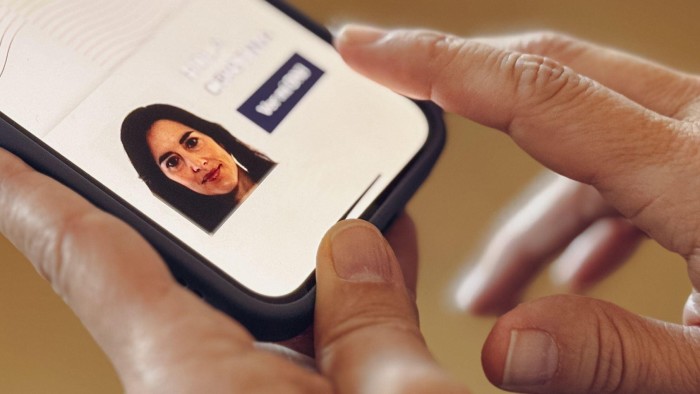
At its core, the new digital ID will be a free, secure application on your smartphone, similar to the NHS App or mobile banking apps. It will serve as an authoritative proof of identity, containing essential information such as your name, date of birth, nationality or residency status, and a biometric photo. The government is also considering including an address. This digital credential will replace the need for physical documents like passports and utility bills for many identity verification processes.
The Drive to Combat Illegal Working
The primary driver behind this mandatory scheme is the government’s stated goal of tackling illegal working. By making a digital ID the sole method for proving the Right to Work, the government aims to eliminate the use of forged documents and create a more robust, auditable system for employers. Prime Minister Keir Starmer has emphasized that this will “make it tougher to work illegally in this country, making our borders more secure” [1]. This move is part of a broader strategy to address illegal migration by removing the “pull factor” of employment.

Streamlining Services and Enhancing Security
Beyond immigration control, the government highlights numerous benefits for citizens. The digital ID promises to simplify access to a wide range of services, including applying for driving licences, accessing tax records, and claiming welfare benefits. The system is being designed with “state-of-the-art encryption and authentication technology” to protect user data [2]. A key security feature is that if a phone is lost or stolen, the digital ID can be instantly revoked and reissued, offering greater protection than physical documents. The system is also designed to enhance privacy by only sharing the specific information required for a given transaction, rather than exposing all the data on a physical ID.
A Contentious Debate: Privacy vs. Security
Despite the promised benefits, the digital ID proposal has been met with significant opposition. Civil liberties groups like Liberty and Big Brother Watch have raised alarms about the potential for mass surveillance and the creation of a centralized government database of personal information. A petition against the idea has already garnered over a million signatures [3]. Critics, including opposition parties, have expressed concerns about data security and the potential for the system to be used against law-abiding citizens. The history of ID card proposals in the UK is fraught with controversy, with a previous attempt by Tony Blair’s government being scrapped in 2010.
The Road Ahead
The government has stated its intention to launch a public consultation later this year to gather feedback on the scheme’s design and implementation. A key focus of this consultation will be ensuring inclusivity, with plans for outreach programs and face-to-face support for those who are not digitally native or do not own a smartphone. Following the consultation, legislation is expected to be introduced in Parliament early next year, with the mandatory requirement for Right to Work checks coming into effect by the summer of 2029 at the latest.
Conclusion
The UK’s new digital ID scheme represents a pivotal moment in the country’s approach to identity, security, and public services. It offers a vision of a more efficient, secure, and streamlined future. However, it also raises profound questions about privacy and the balance of power between the state and the individual. As the government moves forward with its plans, the ensuing public debate and consultation will be crucial in shaping a system that is not only technologically advanced but also commands the trust and confidence of the people it is designed to serve.
References
[1] GOV.UK. (2025, September 26). New digital ID scheme to be rolled out across UK. https://www.gov.uk/government/news/new-digital-id-scheme-to-be-rolled-out-across-uk
[2] GOV.UK. (2025, September 26). Digital ID scheme: explainer. https://www.gov.uk/government/publications/digital-id-scheme-explainer/digital-id-scheme-explainer
[3] BBC News. (2025, September 26). New digital ID will be mandatory to work in the UK. https://www.bbc.com/news/articles/cn832y43ql5o

 Crypto, IT & Cloud