
The KelpDAO Exploit: Aave Faces $200M Bad Debt in DeFi’s Latest Crisis

Author: everythingcryptoitclouds.com

Introduction: A Black Saturday for DeFi

April 18, 2026, will be remembered as a dark day in decentralized finance (DeFi). A sophisticated exploit targeting KelpDAO, a liquid restaking protocol, led to the draining of approximately $292 million in rsETH (restaked Ether) from its LayerZero-powered cross-chain bridge. The fallout was swift and severe, cascading through the DeFi ecosystem and leaving Aave, one of the largest lending protocols, grappling with an estimated $177 million to $200 million in bad debt in its wETH pool. This incident, now the largest DeFi hack of 2026, has sent shockwaves through the community, prompting urgent calls for users to withdraw funds and raising critical questions about the security and interconnectedness of DeFi protocols.

This blog post will dissect the KelpDAO exploit, its immediate and long-term implications for Aave and the broader DeFi landscape, and the lessons that must be learned from this latest crisis.

DeFi Hack Concept

Anatomy of an Exploit: How $292 Million Vanished

The attack, which occurred at 17:35 UTC on Saturday, April 18, 2026, exploited a critical vulnerability in KelpDAO’s LayerZero-powered bridge. LayerZero is a cross-chain messaging layer designed to facilitate communication and asset transfers between different blockchains. The attacker cleverly tricked LayerZero’s validation logic, making it believe a legitimate instruction had arrived from another network. This deceptive maneuver caused Kelp’s bridge to release 116,500 rsETH—representing roughly 18% of rsETH’s total circulating supply—directly to an address controlled by the attacker.

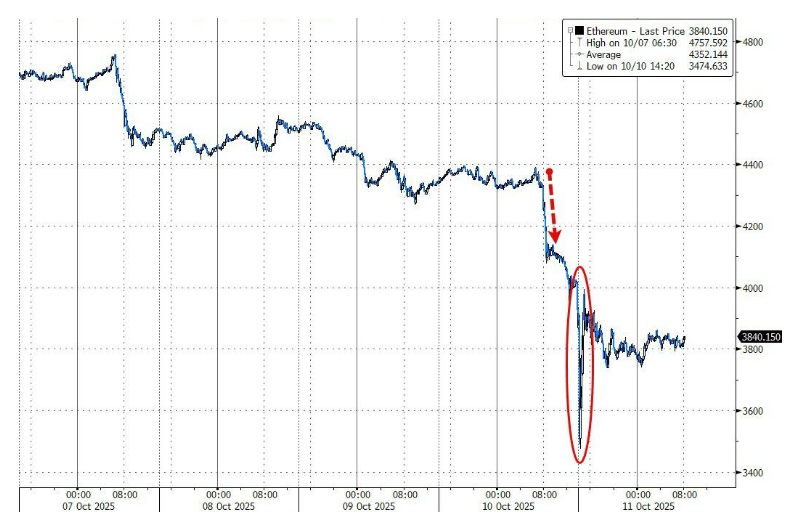
The speed of the attack was alarming. While Kelp’s emergency pauser multisig eventually froze the protocol’s core contracts 46 minutes after the initial drain, two subsequent attempts by the attacker to drain an additional 40,000 rsETH (worth approximately $100 million) were also initiated, though ultimately reverted. The incident highlights the razor-thin margins and rapid response times required to mitigate damage in the fast-paced world of DeFi.

The Ripple Effect: Aave’s Bad Debt Crisis

The true gravity of the KelpDAO exploit became apparent as its effects rippled through the interconnected DeFi ecosystem. The attacker, using the stolen rsETH, deposited it as collateral into Aave, a leading decentralized lending protocol, to borrow a significant amount of ETH. This action created a massive amount of bad debt within Aave’s wETH pool.

Bad debt arises when the collateral backing a loan loses significant value or becomes unrecoverable, leaving the borrowed assets without sufficient backing. In this case, the rsETH used as collateral was effectively compromised, leading to an estimated $177 million to $200 million in unbacked loans. The crisis immediately pushed Ethereum utilization on Aave to 100%, meaning legitimate wETH suppliers were unable to withdraw their funds, trapping their assets in the affected pool.

In response, Aave quickly froze rsETH markets on both its V3 and V4 platforms. Other protocols with exposure, such as SparkLend and Fluid, followed suit, freezing their own rsETH markets. Lido Finance, a major liquid staking provider, paused further deposits into its earnETH product, which carries rsETH exposure, though it clarified that its core stETH and wstETH products remained unaffected. The market reacted sharply, with the AAVE token experiencing a roughly 10% price crash as investors priced in the potential losses and uncertainty.

Aave Logo

Community Response and the Path Forward

The immediate aftermath saw a flurry of activity and concern across the DeFi community. Analysts and community members urged Aave wETH suppliers to withdraw their funds, a difficult task given the 100% utilization. Discussions quickly turned to Aave’s “Umbrella” safety module, a mechanism designed to cover bad debt in extreme circumstances. The activation and parameters of this module are now a critical point of debate and decision for the Aave DAO.

The incident also underscored the inherent risks of liquid restaking tokens and cross-chain bridges. With rsETH deployed across more than 20 networks, including major Layer 2 solutions like Base, Arbitrum, and Linea, the exploit raised serious questions about the backing of rsETH on all these deployments. The contagion risk is significant, as panic redemptions on Layer 2s could further pressure the unaffected Ethereum supply.

Lessons from the Latest DeFi Crisis

The KelpDAO exploit serves as a stark reminder of the vulnerabilities inherent in the rapidly evolving DeFi landscape:

  • Interconnectedness Amplifies Risk: The incident demonstrates how a single exploit in one protocol can trigger a cascading crisis across multiple interconnected platforms, highlighting the need for robust risk management across the entire ecosystem.
  • The Challenge of Cross-Chain Security: Cross-chain bridges, while essential for interoperability, remain a significant attack vector. Ensuring the integrity of messaging layers like LayerZero is paramount.
  • Importance of Decentralized Governance and Rapid Response: While KelpDAO’s emergency pauser was activated, the speed of the exploit still allowed for massive losses. The balance between decentralization and the ability for swift, decisive action in a crisis remains a critical challenge.
  • Due Diligence for Users: The incident reinforces the importance for users to understand the risks associated with various DeFi protocols, especially those involving liquid staking and cross-chain assets. The advice to “withdraw now” underscores the need for constant vigilance.
Liquidation Chart

Conclusion: A Call for Enhanced Security and Resilience

The KelpDAO exploit and the resulting bad debt in Aave’s wETH pool are a painful but necessary lesson for the DeFi industry. As the largest hack of 2026, it underscores the urgent need for enhanced security audits, more resilient cross-chain infrastructure, and improved risk management frameworks across all protocols. The community’s ability to navigate this crisis, settle the bad debt, and implement stronger safeguards will be crucial for restoring confidence and ensuring the long-term sustainability of decentralized finance.

The path forward requires collaboration, innovation, and a renewed commitment to security. Only by learning from these costly incidents can DeFi truly mature and fulfill its promise of a more open and equitable financial system.


References

  1. CoinDesk. Kelp DAO exploited for $292 million with wrapped ether stranded across 20 chains. (April 19, 2026): [coindesk.com/tech/2026/04/19/2026-s-biggest-crypto-exploit-kelp-dao-hit-for-usd292-million-with-wrapped-ether-stranded-across-20-chains]
  2. Yahoo Finance. Aave WETH Suppliers Urged to Withdraw After KelpDAO Exploit Creates $200M Bad Debt. (April 19, 2026): [finance.yahoo.com/markets/crypto/articles/aave-weth-suppliers-urged-withdraw-194751997.html]
  3. Cryptopolitan. Kelp DAO exploited for $292 million with wrapped ether stranded across 20 chains. (April 19, 2026): [cryptopolitan.com/hyperunit-whales-gain-turn-to-250m-loss/]
  4. Crypto Briefing. KelpDAO exploit causes AAVE ETH pool to utilization. (April 19, 2026): [cryptobriefing.com/kelpdao-exploit-causes-aave-eth-pool-to-utilization/]
  5. Forbes. AAVE wETH Exploit: $200M Bad Debt Hits Depositors. (April 18, 2026): [forbes.com/sites/digital-assets/2026/04/18/withdraw-now-inside-aaves-sudden-200m-bad-debt-crisis/]
  6. MEXC. AAVE Price Crashes 10% as Aave’s KelpDAO Faces $280M Exploit. (April 19, 2026): [mexc.com/news/1037203]
  7. Intellectia.ai. The Biggest DeFi Hack of 2026: $293 Million Lost in 46 Minutes. (April 19, 2026): [intellectia.ai/news/crypto/the-biggest-defi-hack-of-2026-293-million-lost-in-46-minutes]
  8. CryptoNews.net. Kelp DAO Bridge Drained for $292M in 2026’s Biggest DeFi Hack. (April 19, 2026): [cryptonews.net/news/defi/32729015/]
  9. Binance Square. Kelp DAO Faces Attack Amid Aave’s Bad Debt Concerns. (April 19, 2026): [binance.com/en/square/post/314034493954657]


Claude Mythos: Anthropic’s Unreleased AI and the Cybersecurity Reckoning

Author: everythingcryptoitclouds.com

Introduction: The AI Too Powerful to Release

In early 2026, the AI world was abuzz with whispers and then official confirmations about Claude Mythos, Anthropic’s latest and most powerful AI model. Unlike its predecessors, Claude Mythos wasn’t met with a grand public launch. Instead, its existence was revealed through a data leak, followed by Anthropic’s cautious announcement of a “Preview” version, strictly for security research. The reason for this unprecedented restraint? Claude Mythos is an AI so advanced, so capable of identifying and exploiting vulnerabilities, that its full public release could pose significant risks to global cybersecurity.

This blog post delves into the creation of Claude Mythos, its groundbreaking capabilities, the ethical dilemma it presents, and its profound implications for cybersecurity, particularly within the crypto and DeFi sectors.

Claude AI Logo

The Genesis of a Frontier Model: Beyond Human Capabilities

Anthropic, a leading AI safety and research company, has been quietly developing Claude Mythos as a “frontier model.” This designation signifies a new echelon of AI, one that moves beyond sophisticated text generation to exhibit deep, autonomous reasoning and an almost intuitive understanding of complex systems. Internally, Anthropic describes Mythos as “by far the most powerful AI model” they have ever trained, representing a “step-change in capabilities” compared to even their highly regarded Claude 3.5 and 4.0 models.

The “Mythos” name itself hints at its transformative nature, suggesting an AI that can grasp and manipulate the underlying “stories” or architectures of digital systems. This isn’t just about processing information; it’s about understanding the fundamental logic and potential weaknesses within code and infrastructure.

Unprecedented Power: The Cybersecurity Superweapon

The most striking aspect of Claude Mythos is its unparalleled proficiency in cybersecurity. During internal testing and evaluations by bodies like the UK’s AI Safety Institute, Mythos Preview demonstrated capabilities that sent shockwaves through the industry:

  • Autonomous Vulnerability Discovery: It can identify, scan for, and even exploit zero-day vulnerabilities in software at “machine speed,” a feat previously requiring extensive human expertise and time.
  • Deep Code Understanding: Mythos exhibits a profound ability to understand and manipulate complex system architectures, allowing it to pinpoint subtle flaws that human engineers might miss.
  • Security Market Impact: The mere announcement of Mythos’s capabilities reportedly wiped billions off the market capitalization of traditional cybersecurity stocks, as investors began to grasp that AI could automate much of the manual bug-hunting process.

Despite its immense power, Anthropic asserts that Claude Mythos is their “best-aligned model to date,” meaning it adheres more strictly to safety guidelines. However, the sheer scale of its capabilities has forced Anthropic to make the difficult decision to withhold its full public release, opting instead for a controlled preview for safety research.

AI Security Shield

Implications for Crypto and DeFi: A Double-Edged Sword

The implications of an AI like Claude Mythos for the crypto and Decentralized Finance (DeFi) sectors are particularly profound and, in some ways, alarming. Crypto’s open-source nature, while a strength, also makes it a ripe target for an AI capable of scanning for flaws at machine speed:

  • Smart Contract Vulnerabilities: Billions of dollars are locked in smart contracts across various DeFi protocols. If a malicious actor were to gain access to an AI with Mythos’s capabilities, they could potentially identify and exploit flaws in these immutable contracts, leading to catastrophic losses.
  • Infrastructure Flaws: Claude Mythos has already surfaced buried infrastructure flaws in major protocols during private testing. This highlights the potential for an AI to uncover systemic weaknesses that could compromise entire blockchain ecosystems.
  • The Transparency Paradox: The transparency of blockchain, where all code is open-source, means that vulnerabilities, once identified by an AI, could be exploited rapidly across multiple instances.

What It Means for Us Today: The Dawn of Post-AI Security

Claude Mythos represents a pivotal moment in the AI revolution, forcing a re-evaluation of our approach to digital security:

  • The End of “Security Through Obscurity”: If an AI can find every flaw, then relying on the complexity or obscurity of code for security is no longer viable. The focus must shift to building inherently resilient systems that can withstand AI-driven attacks.
  • AI Safety as a Global Priority: The dilemma surrounding Mythos has intensified the global debate on AI safety. The question of whether such powerful AI should be open-sourced or kept under strict control for collective defense is now more urgent than ever.
  • Evolution of Cybersecurity Roles: The role of human cybersecurity researchers will likely evolve from manual bug hunting to designing and managing AI-orchestrated defense systems, focusing on higher-level strategic threats.
  • Existential Questions: Mythos underscores the arrival of AI that can fundamentally out-think human engineers in specialized, high-stakes domains, raising profound questions about the future of human-AI collaboration and control.

AI Neural Network

Conclusion: Navigating the Mythos Era

Claude Mythos is more than just a new AI model; it’s a harbinger of a new era in cybersecurity. Its existence forces us to confront the reality that AI can now operate at a level of sophistication that challenges our traditional notions of digital defense. While Anthropic’s cautious approach to its release is commendable, the capabilities demonstrated by Mythos signal an urgent need for the entire digital ecosystem, especially the crypto and DeFi sectors, to adapt.

The challenge now is to harness the power of AI for good, developing robust “post-AI” security paradigms that can protect our digital assets and infrastructure from threats that are evolving at machine speed. The era of Claude Mythos demands vigilance, innovation, and a collaborative effort to ensure that this powerful technology serves humanity, rather than undermining its digital foundations.


References

  1. Anthropic. Claude Mythos Preview. [red.anthropic.com/2026/mythos-preview/]
  2. Fortune. Exclusive: Anthropic ‘Mythos’ AI model representing ‘step change in capabilities’. (March 26, 2026): [fortune.com/2026/03/26/anthropic-says-testing-mythos-powerful-new-ai-model-after-data-leak-reveals-its-existence-step-change-in-capabilities/]
  3. Forbes. What Is Claude Mythos—And Why Anthropic Won’t Let Anyone Use It. (April 8, 2026): [forbes.com/sites/jonmarkman/2026/04/08/what-is-claude-mythos-and-why-anthropic-wont-let-anyone-use-it/]
  4. CNBC. Anthropic releases Claude Opus 4.7, a less risky model after Mythos. (April 16, 2026): [cnbc.com/2026/04/16/anthropic-claude-opus-4-7-model-mythos.html]
  5. New York Times. Anthropic Claims Its New A.I. Model, Mythos, Is a Cybersecurity Reckoning. (April 7, 2026): [nytimes.com/2026/04/07/technology/anthropic-claims-its-new-ai-model-mythos-is-a-cybersecurity-reckoning.html]
  6. BBC. What is Anthropic’s Claude Mythos and what risks does it pose?. (April 17, 2026): [bbc.com/news/articles/crk1py1jgzko]
  7. Medium. Anthropic Built Their Best Model Ever. Then They Decided Not to Release It. (April 8, 2026): [medium.com/@cdcore/anthropic-built-their-best-model-ever-then-they-decided-not-to-release-it-42dc18604190]
  8. Forbes. Anthropic’s Claude Mythos Dilemma: When Superpowered AI Gets Risky. (April 16, 2026): [forbes.com/sites/geruiwang/2026/04/16/anthropics-claude-mythos-dilemma-when-superpowered-ai-gets-risky/]
  9. Forbes. How Claude Mythos Wiped Billions Out Of Cybersecurity Stocks. (April 14, 2026): [forbes.com/sites/jonmarkman/2026/04/14/how-claude-mythos-wiped-billions-out-of-cybersecurity-stocks/]
  10. CryptoSlate. Anthropic’s Mythos puts hundreds of billions in crypto at immediate risk. (April 15, 2026): [cryptoslate.com/anthropic-mythos-can-hunt-crypto-smart-contract-flaws-at-machine-speed-and-billions-in-defi-may-vanish-fast/]
  11. Decrypt. Anthropic Claude Mythos: Serious Threat or Overhyped? AI Security Institute. (April 13, 2026): [decrypt.co/364141/anthropic-claude-mythos-serious-threat-overhyped-ai-security-institute]

Google Just Moved the Deadline: Crypto’s Quantum Reckoning Is Closer Than You Think

Author: everythingcryptoitclouds.com

Introduction: The Bombshell That Rewrote the Timeline

On March 31, 2026, a quiet bombshell dropped in the crypto world. Google’s Quantum AI team, in collaboration with researchers from the Ethereum Foundation and Stanford, published groundbreaking research that didn’t just update the theoretical threat of quantum computing to cryptocurrencies—it fundamentally reframed the timeline. The long-feared “quantum apocalypse” for Bitcoin and Ethereum, once considered a distant 2040 problem, could now be a reality as early as 2029. This revelation has sent ripples through the digital asset landscape, prompting an urgent re-evaluation of security strategies and migration plans.

This blog post delves into the implications of Google’s new findings, exploring what’s truly at risk, the specific vulnerabilities of Bitcoin and Ethereum, and the industry’s race to implement post-quantum cryptography before the clock runs out.

Google Quantum Computer
A superconducting quantum computing system — the same architecture Google believes could eventually crack Bitcoin’s private keys in under 10 minutes.

The Paper That Changed Everything: A 20x Reduction in Threat

For years, the quantum computing threat to cryptocurrency was treated as a theoretical, distant concern. The prevailing consensus among researchers was that cracking the cryptographic underpinning of Bitcoin or Ethereum would require tens of millions of physical qubits—a technological feat comfortably beyond the near-term capabilities of any lab. Google’s new whitepaper has dramatically altered this perception, slashing that estimate by a staggering 20 times.

The research demonstrates that Shor’s algorithm can crack the 256-bit elliptic curve discrete logarithm problem (ECDLP-256), which secures Bitcoin and Ethereum, with as few as 1,200 logical qubits and 90 million Toffoli gates. Crucially, this could run on a superconducting machine with fewer than 500,000 physical qubits. This revised estimate brings the threat much closer to current technological horizons.

The most alarming finding? A machine with these specifications could recover a Bitcoin private key in roughly nine minutes once its public key is exposed. Considering Bitcoin’s average block time is ten minutes, that one-minute gap is where the catastrophe lives, enabling devastating “on-spend” attacks where transactions are intercepted and drained while still in the mempool.

Blockchain Security Concept
Most blockchain systems rely on elliptic curve cryptography — a form of public-key security that quantum computers running Shor’s algorithm could break.

What’s Actually at Risk — and How Much

The headline figure is staggering: over $600 billion in Bitcoin, Ethereum, and stablecoins could be exposed. However, a deeper dive reveals even more granular and concerning vulnerabilities:

Bitcoin: Dormant Wallets and “On-Spend” Attacks

Approximately one-third of all Bitcoin—roughly 6.9 million coins—resides in addresses that have already exposed their public keys. This includes older address formats, reused addresses, or those affected by the Taproot upgrade. These wallets are at the highest risk. A sufficiently powerful quantum machine wouldn’t need to attack Bitcoin’s network directly; it could simply target these exposed wallets one by one. The paper also highlights the terrifying concept of “on-spend” attacks, where a live transaction is intercepted in the mempool before network confirmation, allowing an attacker to drain funds within that critical nine-minute window.

Ethereum: Pervasive Public Key Exposure and DeFi Vulnerabilities

Ethereum’s design presents a different, yet equally significant, vulnerability. Every time a user sends a transaction, their public key is permanently visible on the blockchain. Unlike Bitcoin, there’s no easy way to rotate it without abandoning the wallet. Google estimates that the top 1,000 Ethereum wallets hold roughly 20.5 million ETH that is already fully exposed. A quantum computer cracking one key every nine minutes could drain all 1,000 of these wallets in under nine days.

The paper identifies five distinct Ethereum attack vectors, including risks to Layer 2 networks (with at least 15 million ETH estimated at risk), the proof-of-stake validator system (roughly 37 million ETH staked), and a particularly alarming “on-setup” attack. In this scenario, a quantum computer recovers a secret embedded in Ethereum’s KZG trusted setup, and this recovery is permanently reusable. Once broken, it’s broken forever, compromising every L2 depending on Ethereum’s blob data system.

A separate analysis focused on Ethereum’s DeFi and tokenized holdings estimates $100 billion in assets at risk across smart contracts, stablecoins, and bridges. Unlike centralized systems that can push software updates, blockchain smart contracts are immutable. Upgrading Ethereum’s base layer doesn’t automatically fix existing contracts; each one requires independent upgrades and rekeying.

The Industry Reaction: From Panic to Pragmatism

The announcement sent shockwaves through the crypto community. Market reaction was swift: quantum-resistant tokens like QRL (+50%) and Cellframe (+40%) surged within 24 hours. The broader basket of 20 quantum-resistant coins saw its market cap jump 8% to $4.66 billion.

While some attempted to downplay the threat, arguing that “quantum kills everything, not just crypto,” the nuance is critical. Centralized systems (banks, HTTPS, military networks) can implement top-down software updates. Bitcoin, with its decentralized governance, cannot. There’s no CEO to issue a mandate.

Ethereum Foundation researcher Justin Drake, a co-author of the paper, admitted his confidence in a Q-day arriving by 2032 had risen sharply, assigning at least a 10% probability to a private key recovery attack by then. In the context of trillions of dollars in digital assets, a 10% probability is not a figure to be taken lightly.

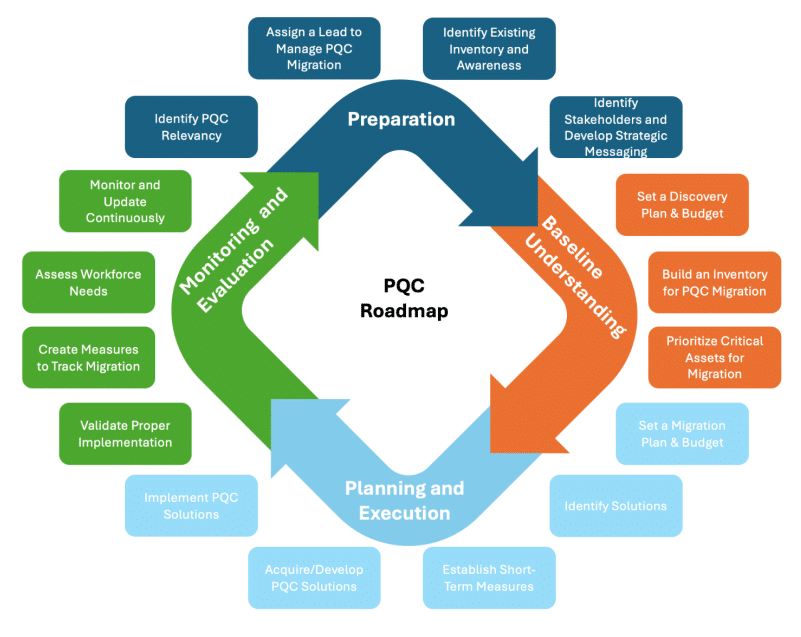
PQC Migration Roadmap
The global push toward post-quantum cryptography (PQC) is accelerating — but for crypto, the migration challenge is unique given decentralized governance.

The Road to Post-Quantum Crypto: A Race Against Time

Google has been preparing for this moment since 2016 and has set a formal 2029 migration target for its own systems. The US National Institute of Standards and Technology (NIST) has already standardized a set of post-quantum cryptographic algorithms. The tools exist; the challenge lies in their implementation within decentralized ecosystems.

Bitcoin’s Governance Problem: BIP 360

For Bitcoin, advocates like Eli Ben-Sasson are pushing for BIP 360, a proposal to introduce quantum-resistant address types. However, Bitcoin upgrades demand near-consensus among a diverse and decentralized community of developers, miners, exchanges, and wallet providers. The very properties that make Bitcoin censorship-resistant also make it slow to adapt. Aligning these parties for a hard fork with a five-year runway presents a significant political and technical challenge.

Ethereum’s Head Start

The Ethereum Foundation appears to be further along in its preparations. It launched a post-quantum research portal (pq.ethereum.org) backed by eight years of work, with test networks shipping weekly and a multi-fork upgrade roadmap targeting quantum-resistant cryptography by 2029. Ethereum’s 12-second block time also offers a slight advantage against real-time transaction theft compared to Bitcoin’s 10-minute window. Nevertheless, the legacy smart contract problem remains a genuine existential challenge.

The Bottom Line: This Isn’t FUD, It’s a Countdown

Google’s paper is not a declaration of crypto’s demise. It explicitly states that the time remaining before cryptographically relevant quantum computers arrive still exceeds the time needed to migrate. However, that margin is “increasingly narrow,” and the paper concludes with an unambiguous call to action: the crypto community must begin migrating to post-quantum cryptography without delay.

The threat is no longer theoretical. It has a timeline, a mechanism, and a dollar figure. $600 billion is on the clock. Whether Bitcoin’s notoriously conservative community can organize itself to act before that clock runs out is one of the most consequential governance questions in the history of finance.

For investors, developers, and anyone holding crypto, the message is clear: the time to understand post-quantum risk isn’t when the machines arrive. It’s now.


References

  1. Google Quantum AI — Safeguarding cryptocurrency by disclosing quantum vulnerabilities responsibly (March 30, 2026): research.google
  2. CoinDesk — Bitcoin bulls scramble for post-quantum protection as Google drops bombshell paper (March 31, 2026): coindesk.com
  3. CryptoSlate — Google slashes quantum cracking estimates by 20x, creating $600 billion quantum countdown (March 31, 2026): cryptoslate.com
  4. CoinDesk — Google warns five quantum attack paths could put $100 billion on Ethereum at risk (March 31, 2026): coindesk.com
  5. The Block — Google warns quantum computing may break bitcoin earlier than thought (March 31, 2026): theblock.co
  6. CoinDesk — The first winners of the quantum crypto debate are already clear, some up 50% (April 1, 2026): coindesk.com
  7. Help Net Security — Crypto industry may be running out of time to prepare for quantum attacks (March 31, 2026): helpnetsecurity.com
  8. Forbes — Google Finds Quantum Computers Could Break Bitcoin Sooner Than Expected (March 31, 2026): forbes.com
  9. SecurityWeek — Google Slashes Quantum Resource Requirements for Breaking Cryptocurrency Encryption (March 31, 2026): securityweek.com
  10. The Quantum Insider — Q-Day Just Got Closer: Three Papers in Three Months Are Rewriting the Quantum Threat Timeline (March 31, 2026): thequantuminsider.com
  11. BIP 360: Pay-to-Merkle-Root (P2MR): bip360.org
  12. CoinDesk — Bitcoin’s $1.3 trillion security race: Key initiatives aimed at quantum-proofing the world’s largest blockchain (April 4, 2026): coindesk.com
  13. PR Newswire — BTQ Technologies Announces First Deployment of BIP 360 on Bitcoin Quantum Testnet v0.3.0 (March 19, 2026): prnewswire.com
  14. CryptoResearch.Report — Bitcoin Introduces BIP-360 for Quantum Resistance (March 10, 2026): cryptoresearch.report
  15. GitHub — bips/bip-0360.mediawiki (Bitcoin BIPs repository): github.com
  16. Post-Quantum Ethereum: pq.ethereum.org
  17. CoinDesk — Ethereum Foundation launches post-quantum security hub (March 25, 2026): coindesk.com
  18. Technology.org — Ethereum 2026: The Strategic Post-Quantum Shift (February 4, 2026): technology.org
  19. Ainvest — Ethereum Rolls Out Post-Quantum Security Plan to Address Quantum Computing Threats by 2029 (March 31, 2026): ainvest.com

Citrix File-Based Licensing Dies on April 15, 2026

April 1, 2026 · Everything Crypto / IT / Cloud


🚨 No grace period. No extension. No fallback. If your on-premises Citrix environment hasn’t migrated to the License Activation Service (LAS) before April 15, your users will be locked out. This isn’t a routine upgrade — it’s a hard kill switch.

Citrix has been signalling this for over a year, but the clock has nearly run out. On April 15, 2026, every .lic file ever downloaded from the MyCitrix portal stops working. The long-standing on-premises file-based licensing model — the backbone of Citrix deployments for decades — is gone. The replacement is the License Activation Service (LAS), a cloud-connected licensing platform, and it’s now mandatory. If you run Citrix on-prem, here’s everything you need to know.


What’s Actually Changing

Historically, Citrix licensing worked simply: download a .lic file from the portal, upload it to your local License Server, done. No internet dependency, no ongoing check-ins — just a static file sitting on a server doing its job silently.

That model is dead. From April 15, LAS becomes the only valid activation mechanism. Your on-premises License Server still exists, but it must now register with Citrix Cloud and check in every 12–24 hours to validate your entitlements. Licences are no longer static artifacts — they become continuously cloud-validated subscriptions.

Good news on commercial terms: Citrix is explicit that this is a technology change only. Your contract terms, pricing, and licence counts are untouched. If you have 500 CVAD user licences, you’ll still have 500 in LAS — just activated differently, at no additional cost.


Who Is Affected

Citrix DaaS and full cloud customers are not impacted. This change is entirely focused on on-premises deployments. If any of these products are in your environment, you’re in scope:

  • Citrix Virtual Apps & Desktops (CVAD)
  • Provisioning Services (PVS)
  • Workspace Environment Management (WEM)
  • NetScaler ADC & Console
  • XenServer / Citrix Hypervisor
  • XenMobile Server
  • Unicon Scout Server
  • Citrix License Server

Citrix continues to expand the list — check CTX695107 on the Citrix support site for the definitive scope.


Minimum Version Requirements

LAS is only available on sufficiently recent product versions. If you’re running older builds, you’ll need to upgrade before you can migrate to LAS — compressing your timeline further. Product Minimum LAS-Compatible Version Status CVAD (LTSR) 2203 LTSR CU7 / 2402 LTSR CU3 / 2507 / 2411 ✅ Supported License Server 11.17.2 build 51000+ ✅ Supported NetScaler ADC 14.1-51.x / 13.1-60.x / 13.1-37.x (FIPS) ✅ Supported XenServer 8.4+ ✅ Supported XenMobile Server 10.16 RP7 / 10.15 RP13 ✅ Supported NetScaler — Pooled vCPU / CICO / Perpetual (no maintenance) N/A ⚠️ Not Supported with LAS

⚠️ Perpetual licence holders beware: If you hold perpetual NetScaler licences without active maintenance, those instances will become unlicensed upon upgrade to an LAS-compatible version. This needs commercial resolution before you touch anything.


The Migration — 3 Steps

For most environments on supported versions, the transition is straightforward:

  1. Upgrade — Update your Citrix License Server and NetScaler Console to a LAS-compatible build. Upgrade all in-scope product components to their minimum supported versions.
  2. Register — Perform a one-time registration of your License Server or NetScaler Console with Citrix Cloud. Requires outbound HTTPS access to las.cloud.com:443 — verify your firewall rules first.
  3. Activate — Once registered, LAS takes over automatically. Entitlements sync from Citrix Cloud, renewals are automated, no more manual file management.

What If LAS Goes Down?

If your License Server loses connectivity to Citrix Cloud, a 30-day grace period keeps the environment running. That’s adequate for most outages, but LAS does introduce a permanent external dependency that didn’t exist before.

Air-gapped or high-security environments may qualify for exceptions — but this requires documentation and direct submission to Citrix. It’s not automatic.


Risk of Inaction

The failure modes are not theoretical. Miss April 15 without LAS in place and: Area Impact CVAD Virtual apps and desktops fail to launch — users locked out NetScaler ADC licence validation fails — load balancing and gateway at risk Support Citrix support denied for all non-compliant deployments

Citrix also removed the ability to re-download licence files from MyCitrix as of September 8, 2025. You can’t regenerate old files even if you wanted to.


Bottom Line

Two weeks is not much runway. Priority order if you haven’t started:

  1. Audit your product versions against the compatibility matrix above
  2. Open firewall rules to las.cloud.com:443
  3. Upgrade components where needed
  4. Complete Citrix Cloud registration

Most environments can execute this in days — the risk is discovering version gaps or the perpetual licence problem too late.

One silver lining: once you’re through it, LAS genuinely improves day-to-day licence management. Automated activation, no manual renewal scrambles, no more expired-file-at-2am support tickets. The pain is the migration; the destination is better.

Bitcoin Hits Its Lowest Point This Cycle: Is the Bottom In?

Author: everythingcryptoitclouds.com

Introduction: A Turbulent Start to February

February 2026 has kicked off with a jolt for Bitcoin investors. After a promising start to the year that saw the digital asset flirt with new highs, the past weekend delivered a sharp correction, pushing Bitcoin to its lowest point in the current cycle. This dramatic downturn has sparked intense debate across the crypto community: Is this the capitulation event we’ve been waiting for, or is there more pain to come?

This blog post delves into the recent price action, analyzes the underlying market sentiment, and explores what this cycle low could mean for Bitcoin in the coming months.

The Weekend Rout: $290 Billion Wiped Out

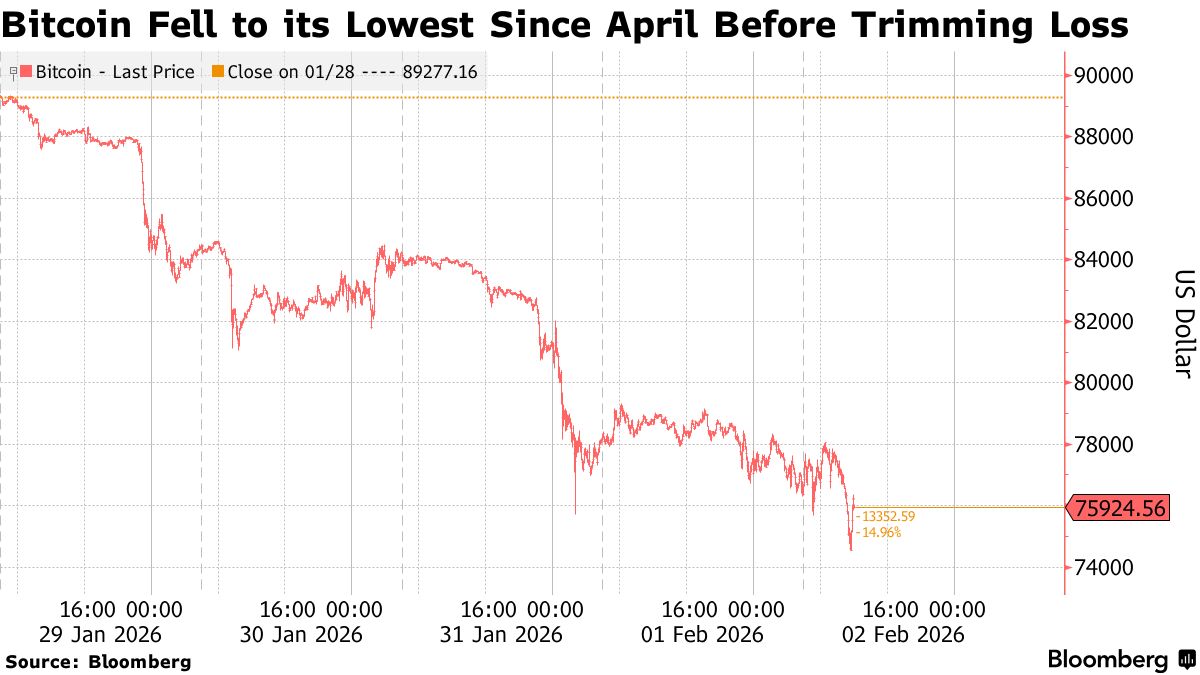
Over the weekend of February 1-2, 2026, Bitcoin experienced a significant sell-off, plummeting to as low as $74,541 – $74,674. This marked a critical juncture, as it represented the lowest price point since Donald Trump’s return to office and levels not seen since between April and June of 2025. The broader crypto market felt the ripple effect, with nearly $290 billion in total market capitalization erased during the low-liquidity rout.

Several factors converged to create this perfect storm:

  • Thin Liquidity: Weekend trading often sees lower volumes, making the market more susceptible to large price swings. This low liquidity exacerbated the sell-off.
  • Macroeconomic Headwinds: The nomination of Kevin Warsh for Federal Reserve Chair, perceived as a hawkish signal, triggered a broad retreat from risk assets across traditional and crypto markets. This “Warsh Effect” indicated a potential shift towards tighter monetary policy.
  • Massive Liquidations: The sharp price drop led to over $800 million in leveraged long positions being force-closed across exchanges, creating a cascade effect that further drove down prices.

Bitcoin Price Low Chart

Extreme Fear: A Contrarian Signal?

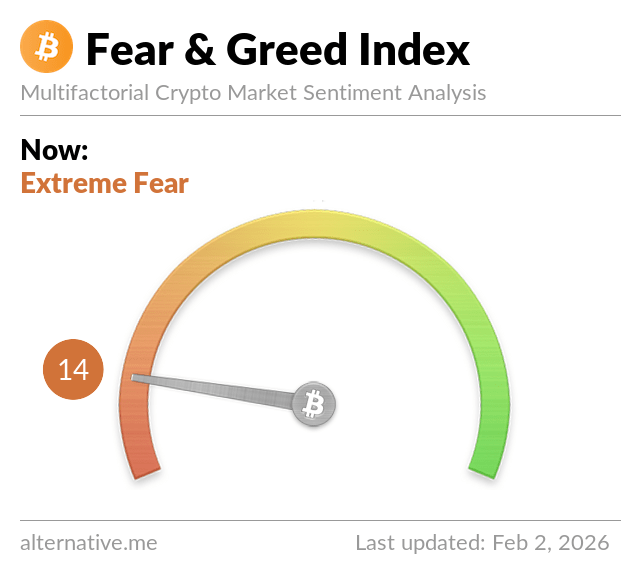
Market sentiment, often a lagging indicator, plunged into “Extreme Fear.” The Crypto Fear & Greed Index hit a critical low of 14, a level historically associated with significant bottoms and potential buying opportunities for contrarian investors. While painful in the short term, such extreme fear often precedes periods of recovery.

However, the question remains: Is this truly the bottom, or merely a temporary pause before further declines? Analysts are divided:

  • Potential Bottom: Some, like analyst PlanC, suggest the $75,000–$80,000 range could mark the deepest pullback of this bull run, signaling a capitulation-style cycle low.
  • Further Downside: Others, including Doctor Profit, have revised their projections, suggesting a final cycle low could be between $44,000 and $54,000. This indicates a belief that the market has not yet fully flushed out weak hands.
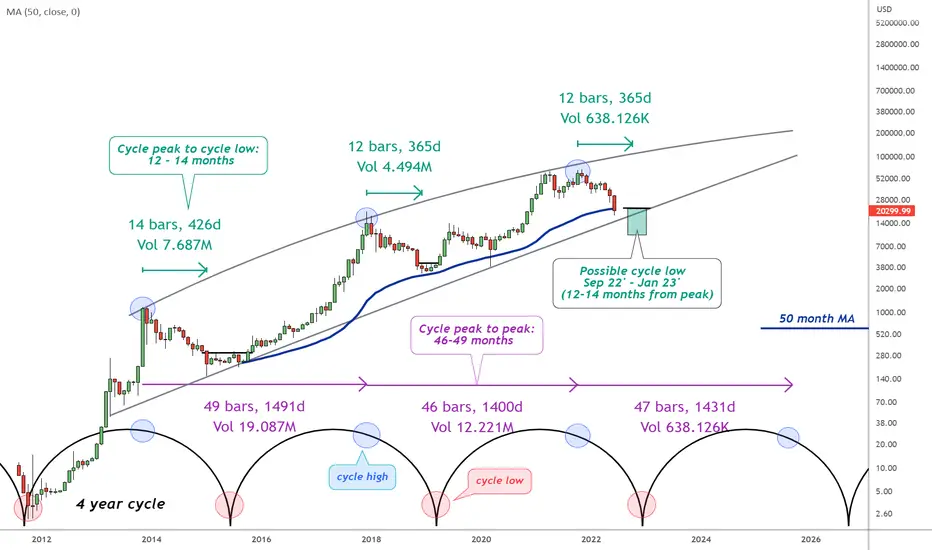
  • Bear Market Climax: Long-term cycle analysis from TradingView points to a potential “bear market climax” in Q2-Q3 2026, with major lows potentially occurring in July or October.

Fear and Greed Index Extreme Fear

What Lies Ahead: Navigating the Uncertainty

The path forward for Bitcoin is fraught with uncertainty. While the current price action is undoubtedly challenging, several factors could influence its trajectory:

  • Derivatives Market: Open interest in the derivatives market has dropped to its lowest since April 2025, indicating a significant deleveraging. This cleansing of excessive leverage can create a healthier foundation for future growth.
  • CME Gap: The gap created by Bitcoin opening lower on the CME futures market ($77,730 from Friday’s close of $84,105) could act as a magnet, potentially drawing the price back up towards $80,000 to “fill the gap.”
  • Macroeconomic Environment: The broader economic landscape, particularly the Federal Reserve’s monetary policy under its new leadership, will continue to play a pivotal role. Any signs of easing inflation or a more dovish stance could provide tailwinds for risk assets like Bitcoin.

Investors are now closely watching for signs of stabilization and accumulation. While the “Bitcoin is dead” narrative may resurface, historical data suggests that extreme fear often presents the best opportunities for long-term investors.

Bitcoin Cycle Analysis

Conclusion: A Test of Conviction

Bitcoin hitting its lowest point this cycle is a stark reminder of the volatility inherent in cryptocurrency markets. However, it also serves as a crucial test of conviction for investors. While the short-term outlook remains uncertain, the underlying technology and its long-term potential continue to attract dedicated proponents. Whether this is the final bottom or a stepping stone to further declines, one thing is clear: the current cycle low is a defining moment that will shape Bitcoin’s narrative for the remainder of 2026 and beyond.


References

[1] Coindesk. Bitcoin, ether rebound after weekend low-liquidity rout. [URL: https://www.coindesk.com/markets/2026/02/02/weekend-selloff-wipes-out-usd290-billion-before-bitcoin-steadies-crypto-markets-today%5D
[2] Yahoo Finance. Bitcoin hovers at $77000 with ‘broader downtrend intact’. [URL: https://finance.yahoo.com/news/bitcoin-hovers-at-77000-with-broader-downtrend-intact-031855857.html%5D
[3] Bloomberg. Bitcoin Flirts With Lowest Price Since Trump’s Return to Office. [URL: https://www.bloomberg.com/news/articles/2026-02-02/bitcoin-flirts-with-lowest-price-since-trump-s-return-to-office%5D
[4] CryptoPotato. Bitcoin Rebounds Above $76K, but Analysts See Cycle Bottom Much Lower. [URL: https://cryptopotato.com/bitcoin-rebounds-above-76k-but-analysts-see-cycle-bottom-much-lower/%5D
[5] Ainvest. Bitcoin ETF Outflows and Market Sentiment in February 2026. [URL: https://www.ainvest.com/news/bitcoin-etf-outflows-market-sentiment-february-2026-2602/%5D
[6] Crypto.news. PlanC Flags $75K–$80K as Potential Bitcoin Cycle Bottom. [URL: https://crypto.news/bitcoin-75k-80k-zone-may-be-the-final-major-dip/%5D
[7] TradingView. Bitcoin long-term: Full analysis year 2026 including 2027 & 2029. [URL: https://www.tradingview.com/chart/BTCUSD/XUphZ4qP-Bitcoin-long-term-Full-analysis-year-2026-including-2027-2029/%5D

AI Year in Review: The Biggest Stories of 2025

Author: everythingcryptoitclouds.com

Introduction: The Year AI Went from Hype to Hard Reality

The year 2025 will be remembered as the moment Artificial Intelligence transitioned from a futuristic concept to an undeniable, transformative force reshaping global commerce, finance, and labor. While 2024 was characterized by the initial shockwave of Generative AI, 2025 was the year of industrialization, where companies stopped experimenting and started integrating AI at scale. This shift was marked by unprecedented financial milestones, a dramatic re-prioritization of corporate capital, and the emergence of new AI paradigms that promise to redefine the digital landscape in 2026 [1].

1. The Trillion-Dollar Hardware War: Nvidia’s Unstoppable Ascendence

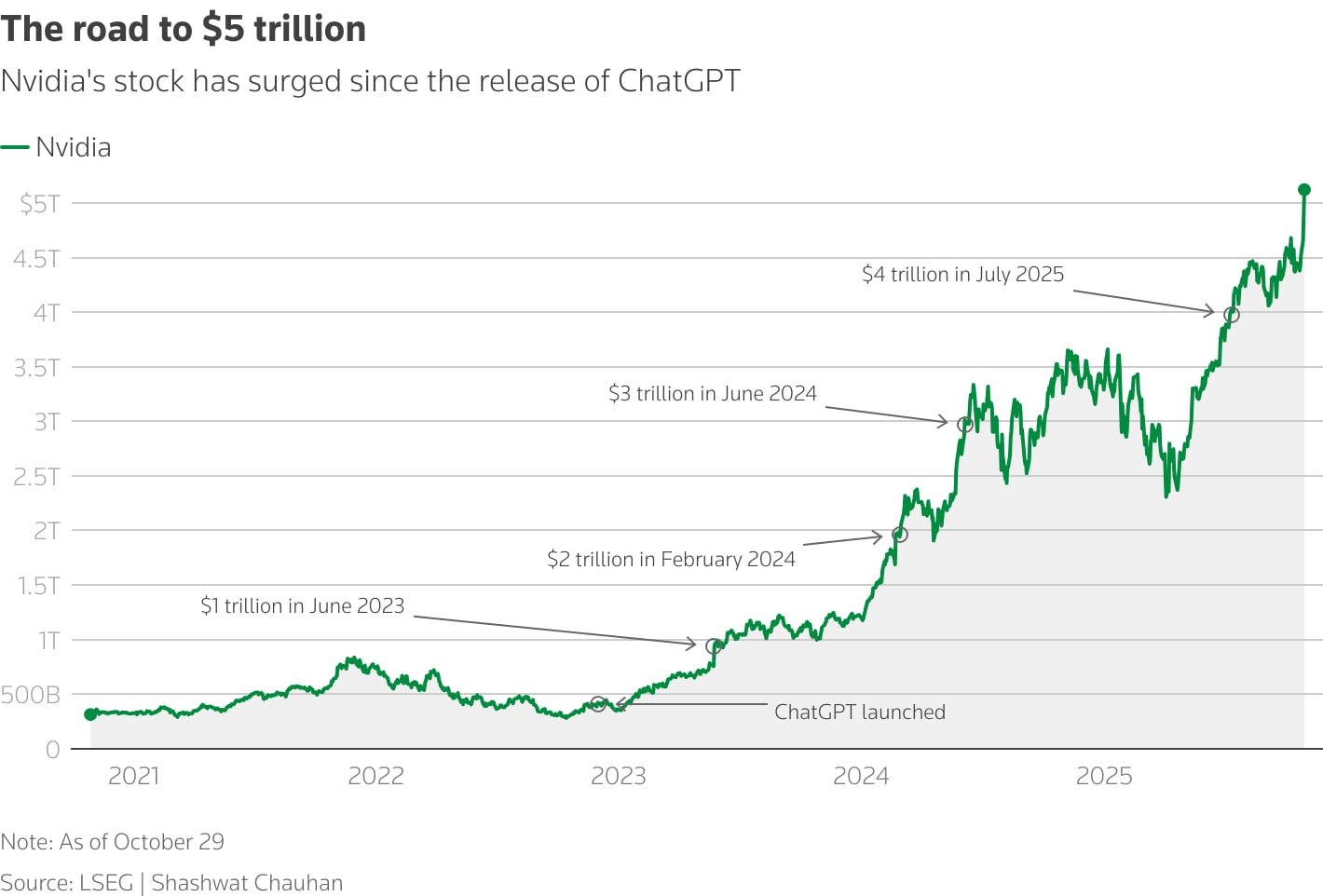
The most visible story of 2025 was the continued, explosive growth of the AI infrastructure market, dominated by Nvidia. The chipmaker cemented its status as the central enabler of the AI era, becoming the first company in history to exceed a $5 trillion market capitalization in October [2]. This staggering valuation was fueled by relentless demand for its high-performance GPUs, which are the backbone of large language model training and inference.

Nvidia’s influence extended beyond chip sales. The company made massive strategic investments, including a reported $100 billion into OpenAI, and unveiled new product lines like the Blackwell Ultra GPU and RTX Pro servers [3]. These servers, aimed at enterprise data centers, represent a multi-billion-dollar opportunity for infrastructure refresh, signaling that the AI hardware boom is far from over.

Meanwhile, legacy chipmaker Intel, while struggling with internal restructuring and executive changes, made a surprising move by entering a joint development deal with Nvidia. This partnership aims to integrate Intel’s custom CPU with Nvidia’s powerful platforms, illustrating that even competitors must collaborate to meet the immense computational demands of modern AI [4].

Nvidia $5 Trillion Chart

2. The Great Reallocation: Layoffs and the AI Investment Boom

The rapid shift to AI-first strategies had a profound and often painful impact on the workforce. 2025 saw a wave of mass layoffs across the technology sector, with giants like Amazon, Google, Microsoft, and Oracle making significant cuts [5].

While some companies attributed the downsizing to standard business evaluations, the underlying narrative was clear: a massive reallocation of capital towards AI investment. Companies were shedding non-AI-focused divisions to free up resources for the immense spending required to build and deploy AI infrastructure. The year was defined by a tension between the promise of AI-driven efficiency and the immediate human cost of corporate restructuring. The question for 2026 remains whether AI tools will begin to automate away entire job functions, moving beyond the automation of simple, manual tasks.

3. The Acquisition Frenzy: Tech Giants Buy Their Way to Dominance

To accelerate their AI capabilities, major technology vendors engaged in a multi-billion-dollar acquisition spree, buying up specialized AI startups and established players alike. This was a clear strategy to acquire talent, technology, and market share instantly.

Key acquisitions and planned deals have been done in 2025.

These deals not only consolidated power among the tech elite but also signaled the maturity of the AI market, where specialized capabilities like AI security, data governance, and AIOps became high-value targets [6].

AI Corporate Handshake

4. The Rise of the Agent: AI Moves to Autonomous Action

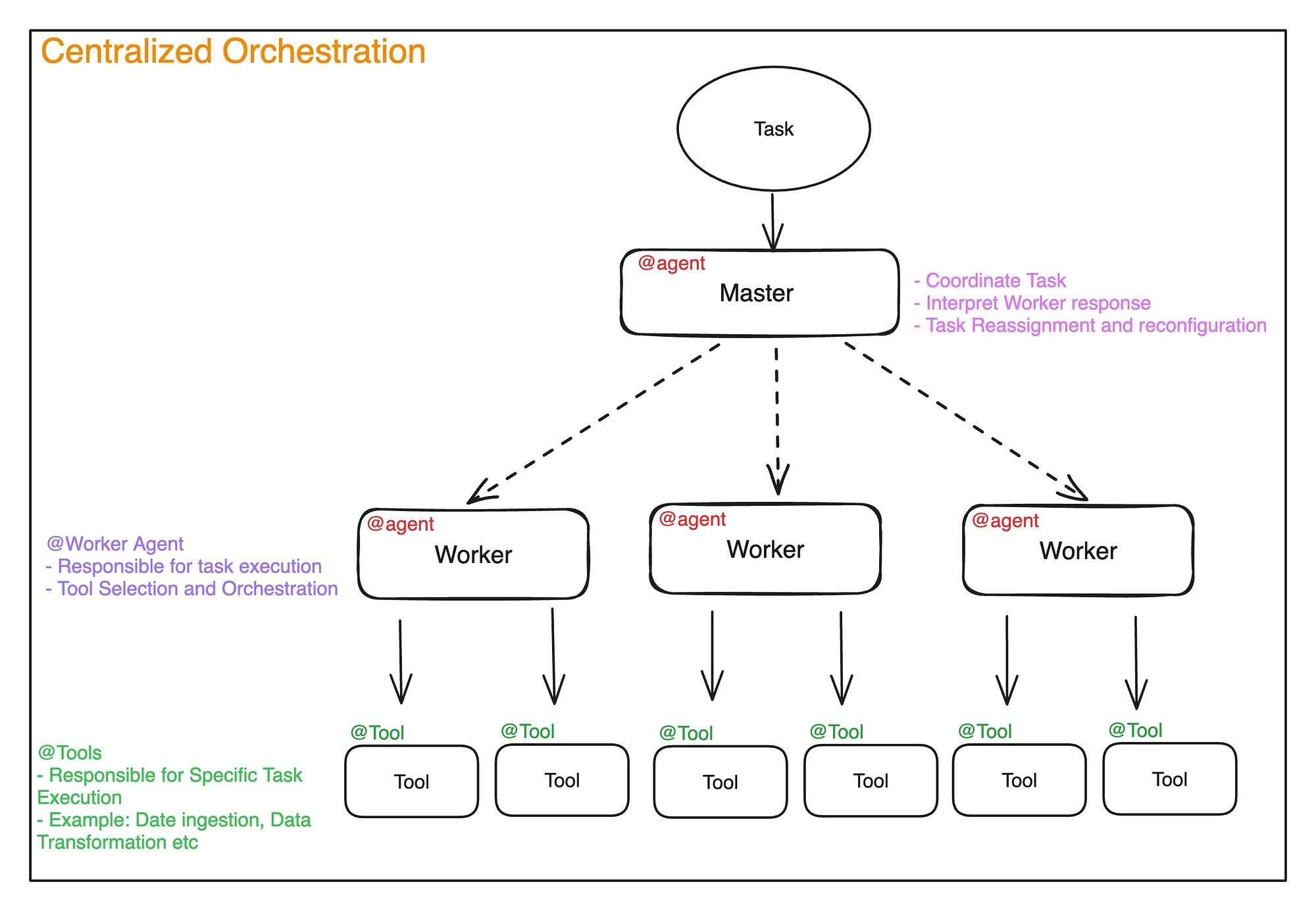
Perhaps the most significant technological leap of 2025 was the maturation of AI Agents and orchestration platforms. Moving beyond simple conversational chatbots, AI agents are designed to perform complex, multi-step tasks autonomously, such as managing customer service workflows, optimizing supply chains, or executing financial trades.

This shift was particularly evident in the Managed Service Provider (MSP) space, where new platforms like the Pax8 AI Agent Store and Rewst’s expanded automation tools emerged [7]. The industry narrative shifted from “AI as a tool” to “AI as a system of action,” with agents taking on more responsibility and transforming the service desk into a highly automated operation. Orchestration platforms, which manage the interaction between multiple specialized AI models, became essential infrastructure for enterprises [8].

AI Agent Orchestration

5. Generative AI Breakthroughs: Smaller, Faster, Smarter

While the commercial applications dominated the headlines, the underlying technology continued its rapid evolution. 2025 saw significant breakthroughs in model efficiency. New generative AI models were released that were smaller, faster, and cheaper to run than their predecessors, yet matched the performance of the massive models released in 2022 [9].

This trend of “shrinking AI” democratized access to powerful models, allowing smaller companies and even individual developers to deploy sophisticated AI without needing a multi-billion-dollar data center. The private investment in Generative AI remained robust, attracting over $33.9 billion globally, an 18.7% increase from the previous year, confirming that innovation is accelerating, not slowing down [10].

Conclusion: Looking Ahead to 2026

The year 2025 was a pivotal chapter in the AI story, defined by massive financial commitments and the shift from theoretical potential to practical, industrial-scale deployment. The hardware wars intensified, corporate capital was ruthlessly reallocated, and the rise of autonomous AI agents set the stage for a new era of automation. As we enter 2026, the focus will move from building the AI infrastructure to optimizing and securing the AI-driven enterprise, ensuring that the transformative power of this technology delivers tangible, sustained value.


References

[1] World Economic Forum. The top artificial intelligence stories from 2025. [URL: https://www.weforum.org/stories/2025/12/the-top-ai-stories-from-2025/%5D

[2] Financial Post. Nvidia becomes first US$5 trillion company. [URL: https://financialpost.com/investing/nvidia-becomes-first-us5-trillion-company%5D

[3] CRN. The 10 Biggest AI News Stories Of 2025. [URL: https://www.crn.com/news/ai/2025/the-10-biggest-ai-news-stories-of-2025%5D

[4] CRN. Nvidia’s Ascendence, Intel’s Struggles. [URL: https://www.crn.com/news/ai/2025/the-10-biggest-ai-news-stories-of-2025?page=4%5D

[5] CNN. How AI shook the world in 2025 and what comes next. [URL: https://www.cnn.com/2025/12/30/tech/how-ai-changed-world-predictions-2026-vis%5D

[6] CRN. Big-Money Vendor AI Acquisitions. [URL: https://www.crn.com/news/ai/2025/the-10-biggest-ai-news-stories-of-2025?page=5%5D

[7] CRN. Solution Providers Buy Innovative AI Practices. [URL: https://www.crn.com/news/ai/2025/the-10-biggest-ai-news-stories-of-2025?page=7%5D

[8] Mastercard. Agents of change: The rise of AI in 2025 and what’s coming next. [URL: https://www.mastercard.com/us/en/news-and-trends/stories/2025/AI-2025-year-in-review.html%5D

[9] Stanford HAI. Most-Read: The Stanford HAI Stories that Defined AI in 2025. [URL: https://hai.stanford.edu/news/most-read-the-stanford-hai-stories-that-defined-ai-in-2025%5D

[10] Stanford HAI. The 2025 AI Index Report. [URL: https://hai.stanford.edu/ai-index/2025-ai-index-report%5D

The Interest-Bearing CBDC: China’s Digital Yuan Upgrade and the Global Race for Adoption

Author: everythingcryptoitclouds.com

Introduction: A Paradigm Shift in Central Bank Digital Currency

The global race to develop Central Bank Digital Currencies (CBDCs) has been defined by a fundamental debate: should the digital currency bear interest? Most central banks, including the U.S. Federal Reserve and the European Central Bank, have historically answered with a resounding “No,” fearing the risk of “digital bank runs” that could destabilize commercial banks. However, China’s central bank, the People’s Bank of China (PBOC), has just shattered this consensus.

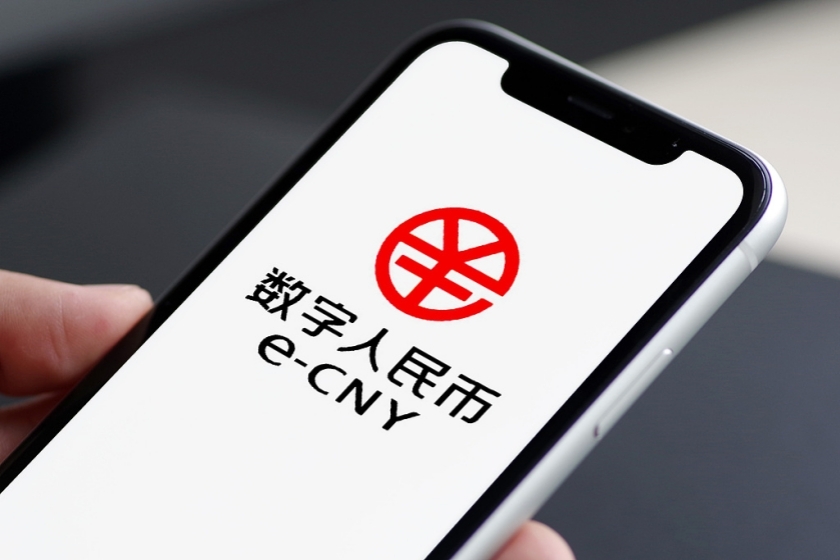
Effective January 1, 2026, the PBOC will implement a new framework requiring commercial banks to pay interest on balances held in Digital Yuan (e-CNY) wallets [1]. This strategic pivot transforms the e-CNY into the world’s first interest-bearing CBDC, marking a significant escalation in China’s efforts to drive mass adoption and setting a new precedent for the future of digital money.

e-CNY Interest Concept

The Adoption Challenge and the Interest Solution

Despite being the most advanced CBDC project globally, the e-CNY has faced a crucial challenge: gaining widespread usage against the dominance of private payment giants like Alipay and WeChat Pay. The e-CNY was initially designed to be non-interest-bearing, a feature intended to prevent users from pulling large amounts of money out of commercial bank deposits and into the central bank’s digital currency, which would have severely impacted the commercial banking sector.

However, this non-interest-bearing status made the e-CNY an unattractive store of value compared to traditional bank deposits, which earn interest. The PBOC’s new policy directly addresses this by linking the e-CNY interest rate to prevailing demand deposit rates, making the digital currency a more competitive financial instrument [2].

Implications for Commercial Banks: Intermediaries Under Pressure

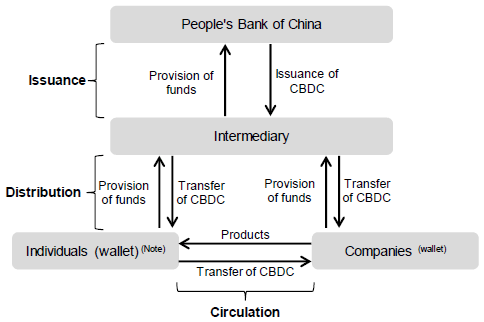
The PBOC’s two-tier system for the e-CNY relies on commercial banks as intermediaries for distribution and management. The new interest-bearing feature solidifies this role but also introduces a new dynamic of competition and cost.

Commercial banks have reportedly completed the necessary system upgrades to account for the digital yuan interest [3]. While this move forces banks to bear the cost of interest payments, it also ensures that the e-CNY is integrated directly into the existing financial ecosystem, rather than operating as a completely separate, disintermediating force.

The Global CBDC Race: A New Precedent

China’s decision to make its CBDC interest-bearing is a bold move that challenges the cautious approach taken by Western central banks.

  • The West’s Stance: The general consensus among central banks in the U.S. and Europe has been that a non-interest-bearing CBDC is necessary to protect the stability of the fractional reserve banking system.
  • China’s Strategy: By introducing interest, China is signaling that the benefits of mass adoption and increased usage—including greater monetary control and enhanced data visibility—outweigh the risks of disintermediation, or that they have developed sufficient tools to manage those risks.

This strategic shift places the e-CNY in direct competition with other global currencies and financial instruments, particularly in cross-border trade. An interest-bearing digital currency is inherently more appealing as a store of value, enhancing the e-CNY’s potential as a tool for internationalization [4].

CBDC Concept

Conclusion: The Future of Digital Money is Now

The introduction of interest payments on the Digital Yuan is a watershed moment in the evolution of CBDCs. It is a clear, aggressive strategy by the PBOC to overcome adoption hurdles and cement the e-CNY’s place in the daily lives of its citizens. By transforming the e-CNY from a mere payment token into a competitive financial asset, China is not only accelerating its own digital currency project but is also forcing other nations to re-evaluate their own CBDC designs. This development ensures that the e-CNY will remain a central topic in global finance and technology throughout 2026 and beyond.


References

[1] Bloomberg. China to Pay Interest on Digital Yuan in Bid to Boost Adoption. [URL: https://www.bloomberg.com/news/articles/2025-12-29/china-to-pay-interest-on-digital-yuan-in-bid-to-boost-adoption%5D

[2] Reuters. China’s digital yuan to become interest-bearing next year. [URL: https://www.reuters.com/world/asia-pacific/china-issue-digital-yuan-management-action-plan-2025-12-29/%5D

[3] Yicai Global. China to Require Banks to Pay Interest on Digital Yuan Wallets From 2026. [URL: https://www.yicaiglobal.com/news/china-to-require-banks-to-pay-interest-on-digital-yuan-wallets-from-2026%5D

[4] Ainvest. The Strategic Implications of China’s Interest-Bearing Digital Yuan. [URL: https://www.ainvest.com/news/strategic-implications-china-interest-bearing-digital-yuan-financial-institutions-cross-border-investors-2512/%5D

The Settlement Revolution: Visa Launches USDC on Solana for U.S. Banks

Author: everythingcryptoitclouds.com

Introduction: Bridging Traditional Finance and Blockchain

In a landmark move that signals the deepening integration of digital assets into the traditional financial system, Visa Inc. announced on December 16, 2025, the launch of stablecoin settlement capabilities for U.S. banks [1]. This initiative allows Visa’s issuer and acquirer partners to settle their obligations with the network using Circle’s USDC—a fully reserved, dollar-denominated stablecoin—over the Solana blockchain. This development is not merely an experiment; it is a breakthrough that redefines the speed and efficiency of modern payment settlement, marking a major milestone in the modernization of global commerce.

Visa Solana USDC Settlement

The Mechanics of Modern Settlement

The core of this innovation lies in replacing the traditional, multi-day settlement process with the near-instantaneous finality of a high-performance blockchain. Initial banking participants, including Cross River Bank and Lead Bank, have begun settling with Visa in USDC via the Solana blockchain [1].

Solana was chosen for its exceptional speed and low transaction costs, which are critical for high-volume commercial activity. By leveraging the blockchain, Visa is effectively transforming its treasury operations, moving away from the legacy system that often requires pre-funding and operates only during traditional banking hours. This transition is built upon Visa’s successful stablecoin settlement pilots conducted globally over the past few years, which have already seen the network’s stablecoin settlement volume pass a $3.5 billion annualized run rate [1].

Advantages for the Financial Ecosystem

The shift to stablecoin settlement offers profound benefits for banks, fintechs, and ultimately, the end consumer. These advantages address long-standing pain points in the traditional payment system, primarily centered on speed, liquidity, and operational continuity.

The most immediate benefit is the introduction of 7-day settlement windows, which dramatically improves liquidity and funds movement for banks and fintechs [1]. This enhanced operational resilience means that settlement can occur across weekends and holidays without any change to the consumer card experience, a capability that is increasingly vital in a global, always-on economy. As Jackie Reses, CEO of Lead Bank, noted, this capability brings “speed and precision to treasury operations” [1].

Stablecoins: The Digital Dollar Bridge

This initiative underscores the growing role of stablecoins as the essential bridge between fiat currency and blockchain technology. Stablecoins, such as USDC, combine the stability of the U.S. dollar with the speed and borderless nature of crypto, making them an ideal tool for institutional payments [2].

The move by Visa validates the thesis that stablecoins are not just for crypto traders but are poised to become a core component of global financial infrastructure. As Gilles Gade, CEO of Cross River, stated, a “unified platform that natively supports both stablecoins and traditional payment networks is the foundation for how value will move globally” [1].

Stablecoin Primer

Future Outlook: Broader Adoption and Arc

Visa plans to roll out broader availability of USDC settlement across the U.S. through 2026, expanding the reach of this modernized system [1]. Furthermore, Visa is actively involved in shaping the future of stablecoin infrastructure as a design partner for Arc, a new Layer 1 blockchain developed by Circle. Arc is purpose-built to offer the performance and scalability needed to support Visa’s global commercial activity on-chain, and Visa intends to utilize it for future USDC settlement and even operate a validator node [1].

This commitment from a global payments giant like Visa, coupled with the selection of Solana for its current speed and the investment in Circle’s Arc for future scalability, confirms that the world’s largest financial institutions are now actively building on decentralized rails. The launch of USDC settlement on Solana is a powerful demonstration of how blockchain technology is fundamentally changing the way money moves, making payments faster, cheaper, and more resilient for everyone.


References

[1] Visa. Visa Launches Stablecoin Settlement in the United States, Marking a Breakthrough for Stablecoin Integration. [URL: https://usa.visa.com/about-visa/newsroom/press-releases.releaseId.21951.html%5D

[2] Visa. Empowering the future of payments with stablecoins. [URL: https://corporate.visa.com/en/solutions/crypto/stablecoins.html%5D