
Claude Mythos: Anthropic’s Unreleased AI and the Cybersecurity Reckoning

Author: everythingcryptoitclouds.com

Introduction: The AI Too Powerful to Release

In early 2026, the AI world was abuzz with whispers and then official confirmations about Claude Mythos, Anthropic’s latest and most powerful AI model. Unlike its predecessors, Claude Mythos wasn’t met with a grand public launch. Instead, its existence was revealed through a data leak, followed by Anthropic’s cautious announcement of a “Preview” version, strictly for security research. The reason for this unprecedented restraint? Claude Mythos is an AI so advanced, so capable of identifying and exploiting vulnerabilities, that its full public release could pose significant risks to global cybersecurity.

This blog post delves into the creation of Claude Mythos, its groundbreaking capabilities, the ethical dilemma it presents, and its profound implications for cybersecurity, particularly within the crypto and DeFi sectors.

Claude AI Logo

The Genesis of a Frontier Model: Beyond Human Capabilities

Anthropic, a leading AI safety and research company, has been quietly developing Claude Mythos as a “frontier model.” This designation signifies a new echelon of AI, one that moves beyond sophisticated text generation to exhibit deep, autonomous reasoning and an almost intuitive understanding of complex systems. Internally, Anthropic describes Mythos as “by far the most powerful AI model” they have ever trained, representing a “step-change in capabilities” compared to even their highly regarded Claude 3.5 and 4.0 models.

The “Mythos” name itself hints at its transformative nature, suggesting an AI that can grasp and manipulate the underlying “stories” or architectures of digital systems. This isn’t just about processing information; it’s about understanding the fundamental logic and potential weaknesses within code and infrastructure.

Unprecedented Power: The Cybersecurity Superweapon

The most striking aspect of Claude Mythos is its unparalleled proficiency in cybersecurity. During internal testing and evaluations by bodies like the UK’s AI Safety Institute, Mythos Preview demonstrated capabilities that sent shockwaves through the industry:

  • Autonomous Vulnerability Discovery: It can identify, scan for, and even exploit zero-day vulnerabilities in software at “machine speed,” a feat previously requiring extensive human expertise and time.
  • Deep Code Understanding: Mythos exhibits a profound ability to understand and manipulate complex system architectures, allowing it to pinpoint subtle flaws that human engineers might miss.
  • Security Market Impact: The mere announcement of Mythos’s capabilities reportedly wiped billions off the market capitalization of traditional cybersecurity stocks, as investors began to grasp that AI could automate much of the manual bug-hunting process.

Despite its immense power, Anthropic asserts that Claude Mythos is their “best-aligned model to date,” meaning it adheres more strictly to safety guidelines. However, the sheer scale of its capabilities has forced Anthropic to make the difficult decision to withhold its full public release, opting instead for a controlled preview for safety research.
AI Security Shield

Implications for Crypto and DeFi: A Double-Edged Sword

The implications of an AI like Claude Mythos for the crypto and Decentralized Finance (DeFi) sectors are particularly profound and, in some ways, alarming. Crypto’s open-source nature, while a strength, also makes it a ripe target for an AI capable of scanning for flaws at machine speed:

  • Smart Contract Vulnerabilities: Billions of dollars are locked in smart contracts across various DeFi protocols. If a malicious actor were to gain access to an AI with Mythos’s capabilities, they could potentially identify and exploit flaws in these immutable contracts, leading to catastrophic losses.
  • Infrastructure Flaws: Claude Mythos has already surfaced buried infrastructure flaws in major protocols during private testing. This highlights the potential for an AI to uncover systemic weaknesses that could compromise entire blockchain ecosystems.
  • The Transparency Paradox: The transparency of blockchain, where all code is open-source, means that vulnerabilities, once identified by an AI, could be exploited rapidly across multiple instances.

What It Means for Us Today: The Dawn of Post-AI Security

Claude Mythos represents a pivotal moment in the AI revolution, forcing a re-evaluation of our approach to digital security:

  • The End of “Security Through Obscurity”: If an AI can find every flaw, then relying on the complexity or obscurity of code for security is no longer viable. The focus must shift to building inherently resilient systems that can withstand AI-driven attacks.
  • AI Safety as a Global Priority: The dilemma surrounding Mythos has intensified the global debate on AI safety. The question of whether such powerful AI should be open-sourced or kept under strict control for collective defense is now more urgent than ever.
  • Evolution of Cybersecurity Roles: The role of human cybersecurity researchers will likely evolve from manual bug hunting to designing and managing AI-orchestrated defense systems, focusing on higher-level strategic threats.
  • Existential Questions: Mythos underscores the arrival of AI that can fundamentally out-think human engineers in specialized, high-stakes domains, raising profound questions about the future of human-AI collaboration and control.

AI Neural Network

Conclusion: Navigating the Mythos Era

Claude Mythos is more than just a new AI model; it’s a harbinger of a new era in cybersecurity. Its existence forces us to confront the reality that AI can now operate at a level of sophistication that challenges our traditional notions of digital defense. While Anthropic’s cautious approach to its release is commendable, the capabilities demonstrated by Mythos signal an urgent need for the entire digital ecosystem, especially the crypto and DeFi sectors, to adapt.

The challenge now is to harness the power of AI for good, developing robust “post-AI” security paradigms that can protect our digital assets and infrastructure from threats that are evolving at machine speed. The era of Claude Mythos demands vigilance, innovation, and a collaborative effort to ensure that this powerful technology serves humanity, rather than undermining its digital foundations.


References

  1. Anthropic. Claude Mythos Preview. [red.anthropic.com/2026/mythos-preview/]
  2. Fortune. Exclusive: Anthropic ‘Mythos’ AI model representing ‘step change in capabilities’. (March 26, 2026): [fortune.com/2026/03/26/anthropic-says-testing-mythos-powerful-new-ai-model-after-data-leak-reveals-its-existence-step-change-in-capabilities/]
  3. Forbes. What Is Claude Mythos—And Why Anthropic Won’t Let Anyone Use It. (April 8, 2026): [forbes.com/sites/jonmarkman/2026/04/08/what-is-claude-mythos-and-why-anthropic-wont-let-anyone-use-it/]
  4. CNBC. Anthropic releases Claude Opus 4.7, a less risky model after Mythos. (April 16, 2026): [cnbc.com/2026/04/16/anthropic-claude-opus-4-7-model-mythos.html]
  5. New York Times. Anthropic Claims Its New A.I. Model, Mythos, Is a Cybersecurity Reckoning. (April 7, 2026): [nytimes.com/2026/04/07/technology/anthropic-claims-its-new-ai-model-mythos-is-a-cybersecurity-reckoning.html]
  6. BBC. What is Anthropic’s Claude Mythos and what risks does it pose?. (April 17, 2026): [bbc.com/news/articles/crk1py1jgzko]
  7. Medium. Anthropic Built Their Best Model Ever. Then They Decided Not to Release It. (April 8, 2026): [medium.com/@cdcore/anthropic-built-their-best-model-ever-then-they-decided-not-to-release-it-42dc18604190]
  8. Forbes. Anthropic’s Claude Mythos Dilemma: When Superpowered AI Gets Risky. (April 16, 2026): [forbes.com/sites/geruiwang/2026/04/16/anthropics-claude-mythos-dilemma-when-superpowered-ai-gets-risky/]
  9. Forbes. How Claude Mythos Wiped Billions Out Of Cybersecurity Stocks. (April 14, 2026): [forbes.com/sites/jonmarkman/2026/04/14/how-claude-mythos-wiped-billions-out-of-cybersecurity-stocks/]
  10. CryptoSlate. Anthropic’s Mythos puts hundreds of billions in crypto at immediate risk. (April 15, 2026): [cryptoslate.com/anthropic-mythos-can-hunt-crypto-smart-contract-flaws-at-machine-speed-and-billions-in-defi-may-vanish-fast/]
  11. Decrypt. Anthropic Claude Mythos: Serious Threat or Overhyped? AI Security Institute. (April 13, 2026): [decrypt.co/364141/anthropic-claude-mythos-serious-threat-overhyped-ai-security-institute]


Google Just Moved the Deadline: Crypto’s Quantum Reckoning Is Closer Than You Think

Author: everythingcryptoitclouds.com

Introduction: The Bombshell That Rewrote the Timeline

On March 31, 2026, a quiet bombshell dropped in the crypto world. Google’s Quantum AI team, in collaboration with researchers from the Ethereum Foundation and Stanford, published groundbreaking research that didn’t just update the theoretical threat of quantum computing to cryptocurrencies—it fundamentally reframed the timeline. The long-feared “quantum apocalypse” for Bitcoin and Ethereum, once considered a distant 2040 problem, could now be a reality as early as 2029. This revelation has sent ripples through the digital asset landscape, prompting an urgent re-evaluation of security strategies and migration plans.

This blog post delves into the implications of Google’s new findings, exploring what’s truly at risk, the specific vulnerabilities of Bitcoin and Ethereum, and the industry’s race to implement post-quantum cryptography before the clock runs out.

Google Quantum Computer
A superconducting quantum computing system — the same architecture Google believes could eventually crack Bitcoin’s private keys in under 10 minutes.

The Paper That Changed Everything: A 20x Reduction in Threat

For years, the quantum computing threat to cryptocurrency was treated as a theoretical, distant concern. The prevailing consensus among researchers was that cracking the cryptographic underpinning of Bitcoin or Ethereum would require tens of millions of physical qubits—a technological feat comfortably beyond the near-term capabilities of any lab. Google’s new whitepaper has dramatically altered this perception, slashing that estimate by a staggering 20 times.

The research demonstrates that Shor’s algorithm can crack the 256-bit elliptic curve discrete logarithm problem (ECDLP-256), which secures Bitcoin and Ethereum, with as few as 1,200 logical qubits and 90 million Toffoli gates. Crucially, this could run on a superconducting machine with fewer than 500,000 physical qubits. This revised estimate brings the threat much closer to current technological horizons.

The most alarming finding? A machine with these specifications could recover a Bitcoin private key in roughly nine minutes once its public key is exposed. Considering Bitcoin’s average block time is ten minutes, that one-minute gap is where the catastrophe lives, enabling devastating “on-spend” attacks where transactions are intercepted and drained while still in the mempool.

Blockchain Security Concept
Most blockchain systems rely on elliptic curve cryptography — a form of public-key security that quantum computers running Shor’s algorithm could break.

What’s Actually at Risk — and How Much

The headline figure is staggering: over $600 billion in Bitcoin, Ethereum, and stablecoins could be exposed. However, a deeper dive reveals even more granular and concerning vulnerabilities:

Bitcoin: Dormant Wallets and “On-Spend” Attacks

Approximately one-third of all Bitcoin—roughly 6.9 million coins—resides in addresses that have already exposed their public keys. This includes older address formats, reused addresses, or those affected by the Taproot upgrade. These wallets are at the highest risk. A sufficiently powerful quantum machine wouldn’t need to attack Bitcoin’s network directly; it could simply target these exposed wallets one by one. The paper also highlights the terrifying concept of “on-spend” attacks, where a live transaction is intercepted in the mempool before network confirmation, allowing an attacker to drain funds within that critical nine-minute window.

Ethereum: Pervasive Public Key Exposure and DeFi Vulnerabilities

Ethereum’s design presents a different, yet equally significant, vulnerability. Every time a user sends a transaction, their public key is permanently visible on the blockchain. Unlike Bitcoin, there’s no easy way to rotate it without abandoning the wallet. Google estimates that the top 1,000 Ethereum wallets hold roughly 20.5 million ETH that is already fully exposed. A quantum computer cracking one key every nine minutes could drain all 1,000 of these wallets in under nine days.

The paper identifies five distinct Ethereum attack vectors, including risks to Layer 2 networks (with at least 15 million ETH estimated at risk), the proof-of-stake validator system (roughly 37 million ETH staked), and a particularly alarming “on-setup” attack. In this scenario, a quantum computer recovers a secret embedded in Ethereum’s KZG trusted setup, and this recovery is permanently reusable. Once broken, it’s broken forever, compromising every L2 depending on Ethereum’s blob data system.

A separate analysis focused on Ethereum’s DeFi and tokenized holdings estimates $100 billion in assets at risk across smart contracts, stablecoins, and bridges. Unlike centralized systems that can push software updates, blockchain smart contracts are immutable. Upgrading Ethereum’s base layer doesn’t automatically fix existing contracts; each one requires independent upgrades and rekeying.

The Industry Reaction: From Panic to Pragmatism

The announcement sent shockwaves through the crypto community. Market reaction was swift: quantum-resistant tokens like QRL (+50%) and Cellframe (+40%) surged within 24 hours. The broader basket of 20 quantum-resistant coins saw its market cap jump 8% to $4.66 billion.

While some attempted to downplay the threat, arguing that “quantum kills everything, not just crypto,” the nuance is critical. Centralized systems (banks, HTTPS, military networks) can implement top-down software updates. Bitcoin, with its decentralized governance, cannot. There’s no CEO to issue a mandate.

Ethereum Foundation researcher Justin Drake, a co-author of the paper, admitted his confidence in a Q-day arriving by 2032 had risen sharply, assigning at least a 10% probability to a private key recovery attack by then. In the context of trillions of dollars in digital assets, a 10% probability is not a figure to be taken lightly.

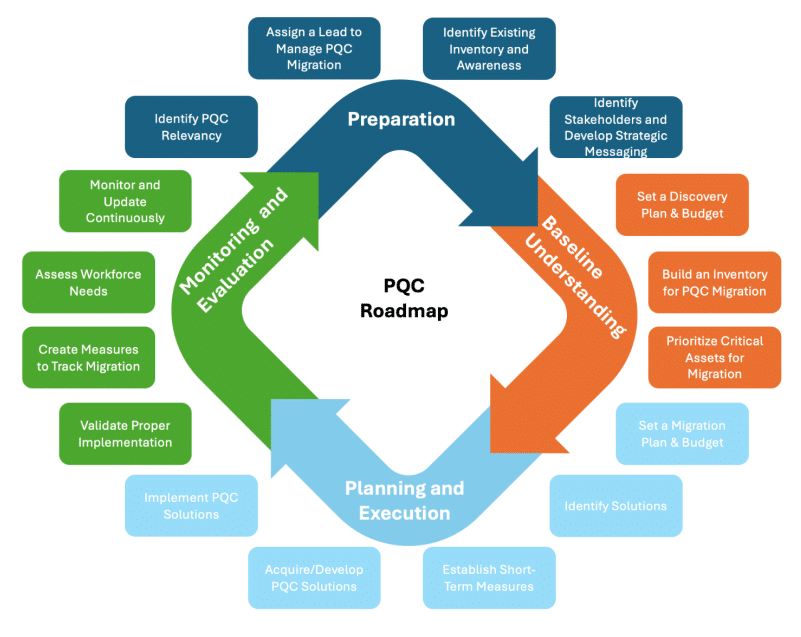
PQC Migration Roadmap
The global push toward post-quantum cryptography (PQC) is accelerating — but for crypto, the migration challenge is unique given decentralized governance.

The Road to Post-Quantum Crypto: A Race Against Time

Google has been preparing for this moment since 2016 and has set a formal 2029 migration target for its own systems. The US National Institute of Standards and Technology (NIST) has already standardized a set of post-quantum cryptographic algorithms. The tools exist; the challenge lies in their implementation within decentralized ecosystems.

Bitcoin’s Governance Problem: BIP 360

For Bitcoin, advocates like Eli Ben-Sasson are pushing for BIP 360, a proposal to introduce quantum-resistant address types. However, Bitcoin upgrades demand near-consensus among a diverse and decentralized community of developers, miners, exchanges, and wallet providers. The very properties that make Bitcoin censorship-resistant also make it slow to adapt. Aligning these parties for a hard fork with a five-year runway presents a significant political and technical challenge.

Ethereum’s Head Start

The Ethereum Foundation appears to be further along in its preparations. It launched a post-quantum research portal (pq.ethereum.org) backed by eight years of work, with test networks shipping weekly and a multi-fork upgrade roadmap targeting quantum-resistant cryptography by 2029. Ethereum’s 12-second block time also offers a slight advantage against real-time transaction theft compared to Bitcoin’s 10-minute window. Nevertheless, the legacy smart contract problem remains a genuine existential challenge.

The Bottom Line: This Isn’t FUD, It’s a Countdown

Google’s paper is not a declaration of crypto’s demise. It explicitly states that the time remaining before cryptographically relevant quantum computers arrive still exceeds the time needed to migrate. However, that margin is “increasingly narrow,” and the paper concludes with an unambiguous call to action: the crypto community must begin migrating to post-quantum cryptography without delay.

The threat is no longer theoretical. It has a timeline, a mechanism, and a dollar figure. $600 billion is on the clock. Whether Bitcoin’s notoriously conservative community can organize itself to act before that clock runs out is one of the most consequential governance questions in the history of finance.

For investors, developers, and anyone holding crypto, the message is clear: the time to understand post-quantum risk isn’t when the machines arrive. It’s now.


References

  1. Google Quantum AI — Safeguarding cryptocurrency by disclosing quantum vulnerabilities responsibly (March 30, 2026): research.google
  2. CoinDesk — Bitcoin bulls scramble for post-quantum protection as Google drops bombshell paper (March 31, 2026): coindesk.com
  3. CryptoSlate — Google slashes quantum cracking estimates by 20x, creating $600 billion quantum countdown (March 31, 2026): cryptoslate.com
  4. CoinDesk — Google warns five quantum attack paths could put $100 billion on Ethereum at risk (March 31, 2026): coindesk.com
  5. The Block — Google warns quantum computing may break bitcoin earlier than thought (March 31, 2026): theblock.co
  6. CoinDesk — The first winners of the quantum crypto debate are already clear, some up 50% (April 1, 2026): coindesk.com
  7. Help Net Security — Crypto industry may be running out of time to prepare for quantum attacks (March 31, 2026): helpnetsecurity.com
  8. Forbes — Google Finds Quantum Computers Could Break Bitcoin Sooner Than Expected (March 31, 2026): forbes.com
  9. SecurityWeek — Google Slashes Quantum Resource Requirements for Breaking Cryptocurrency Encryption (March 31, 2026): securityweek.com
  10. The Quantum Insider — Q-Day Just Got Closer: Three Papers in Three Months Are Rewriting the Quantum Threat Timeline (March 31, 2026): thequantuminsider.com
  11. BIP 360: Pay-to-Merkle-Root (P2MR): bip360.org
  12. CoinDesk — Bitcoin’s $1.3 trillion security race: Key initiatives aimed at quantum-proofing the world’s largest blockchain (April 4, 2026): coindesk.com
  13. PR Newswire — BTQ Technologies Announces First Deployment of BIP 360 on Bitcoin Quantum Testnet v0.3.0 (March 19, 2026): prnewswire.com
  14. CryptoResearch.Report — Bitcoin Introduces BIP-360 for Quantum Resistance (March 10, 2026): cryptoresearch.report
  15. GitHub — bips/bip-0360.mediawiki (Bitcoin BIPs repository): github.com
  16. Post-Quantum Ethereum: pq.ethereum.org
  17. CoinDesk — Ethereum Foundation launches post-quantum security hub (March 25, 2026): coindesk.com
  18. Technology.org — Ethereum 2026: The Strategic Post-Quantum Shift (February 4, 2026): technology.org
  19. Ainvest — Ethereum Rolls Out Post-Quantum Security Plan to Address Quantum Computing Threats by 2029 (March 31, 2026): ainvest.com

Citrix File-Based Licensing Dies on April 15, 2026

April 1, 2026 · Everything Crypto / IT / Cloud


🚨 No grace period. No extension. No fallback. If your on-premises Citrix environment hasn’t migrated to the License Activation Service (LAS) before April 15, your users will be locked out. This isn’t a routine upgrade — it’s a hard kill switch.

Citrix has been signalling this for over a year, but the clock has nearly run out. On April 15, 2026, every .lic file ever downloaded from the MyCitrix portal stops working. The long-standing on-premises file-based licensing model — the backbone of Citrix deployments for decades — is gone. The replacement is the License Activation Service (LAS), a cloud-connected licensing platform, and it’s now mandatory. If you run Citrix on-prem, here’s everything you need to know.


What’s Actually Changing

Historically, Citrix licensing worked simply: download a .lic file from the portal, upload it to your local License Server, done. No internet dependency, no ongoing check-ins — just a static file sitting on a server doing its job silently.

That model is dead. From April 15, LAS becomes the only valid activation mechanism. Your on-premises License Server still exists, but it must now register with Citrix Cloud and check in every 12–24 hours to validate your entitlements. Licences are no longer static artifacts — they become continuously cloud-validated subscriptions.

Good news on commercial terms: Citrix is explicit that this is a technology change only. Your contract terms, pricing, and licence counts are untouched. If you have 500 CVAD user licences, you’ll still have 500 in LAS — just activated differently, at no additional cost.


Who Is Affected

Citrix DaaS and full cloud customers are not impacted. This change is entirely focused on on-premises deployments. If any of these products are in your environment, you’re in scope:

  • Citrix Virtual Apps & Desktops (CVAD)
  • Provisioning Services (PVS)
  • Workspace Environment Management (WEM)
  • NetScaler ADC & Console
  • XenServer / Citrix Hypervisor
  • XenMobile Server
  • Unicon Scout Server
  • Citrix License Server

Citrix continues to expand the list — check CTX695107 on the Citrix support site for the definitive scope.


Minimum Version Requirements

LAS is only available on sufficiently recent product versions. If you’re running older builds, you’ll need to upgrade before you can migrate to LAS — compressing your timeline further. Product Minimum LAS-Compatible Version Status CVAD (LTSR) 2203 LTSR CU7 / 2402 LTSR CU3 / 2507 / 2411 ✅ Supported License Server 11.17.2 build 51000+ ✅ Supported NetScaler ADC 14.1-51.x / 13.1-60.x / 13.1-37.x (FIPS) ✅ Supported XenServer 8.4+ ✅ Supported XenMobile Server 10.16 RP7 / 10.15 RP13 ✅ Supported NetScaler — Pooled vCPU / CICO / Perpetual (no maintenance) N/A ⚠️ Not Supported with LAS

⚠️ Perpetual licence holders beware: If you hold perpetual NetScaler licences without active maintenance, those instances will become unlicensed upon upgrade to an LAS-compatible version. This needs commercial resolution before you touch anything.


The Migration — 3 Steps

For most environments on supported versions, the transition is straightforward:

  1. Upgrade — Update your Citrix License Server and NetScaler Console to a LAS-compatible build. Upgrade all in-scope product components to their minimum supported versions.
  2. Register — Perform a one-time registration of your License Server or NetScaler Console with Citrix Cloud. Requires outbound HTTPS access to las.cloud.com:443 — verify your firewall rules first.
  3. Activate — Once registered, LAS takes over automatically. Entitlements sync from Citrix Cloud, renewals are automated, no more manual file management.

What If LAS Goes Down?

If your License Server loses connectivity to Citrix Cloud, a 30-day grace period keeps the environment running. That’s adequate for most outages, but LAS does introduce a permanent external dependency that didn’t exist before.

Air-gapped or high-security environments may qualify for exceptions — but this requires documentation and direct submission to Citrix. It’s not automatic.


Risk of Inaction

The failure modes are not theoretical. Miss April 15 without LAS in place and: Area Impact CVAD Virtual apps and desktops fail to launch — users locked out NetScaler ADC licence validation fails — load balancing and gateway at risk Support Citrix support denied for all non-compliant deployments

Citrix also removed the ability to re-download licence files from MyCitrix as of September 8, 2025. You can’t regenerate old files even if you wanted to.


Bottom Line

Two weeks is not much runway. Priority order if you haven’t started:

  1. Audit your product versions against the compatibility matrix above
  2. Open firewall rules to las.cloud.com:443
  3. Upgrade components where needed
  4. Complete Citrix Cloud registration

Most environments can execute this in days — the risk is discovering version gaps or the perpetual licence problem too late.

One silver lining: once you’re through it, LAS genuinely improves day-to-day licence management. Automated activation, no manual renewal scrambles, no more expired-file-at-2am support tickets. The pain is the migration; the destination is better.

Liquidations Broke Records: The $2.2 Billion "Black Sunday II" Event

Author: everythingcryptoitclouds.com

Introduction: When Leverage Turns Deadly

February 1, 2026, will be remembered as “Black Sunday II”—the day when cryptocurrency futures markets experienced one of the largest single-day liquidation events in history. In just 24 hours, $2.2 billion in leveraged positions were forcibly closed, wiping out over 335,000 traders. This catastrophic event serves as a stark reminder of the dangers inherent in margin trading and the cascading effects that can occur when market conditions turn against overleveraged positions.

This blog post examines what happened, why it happened, and the critical lessons traders must learn to avoid becoming another statistic in the next liquidation cascade.

The Perfect Storm: How $2.2 Billion Evaporated

The liquidation event on February 1, 2026, was not a random market fluctuation. Rather, it was the result of several converging factors that created a perfect storm of selling pressure and forced position closures.

The Timeline of Destruction

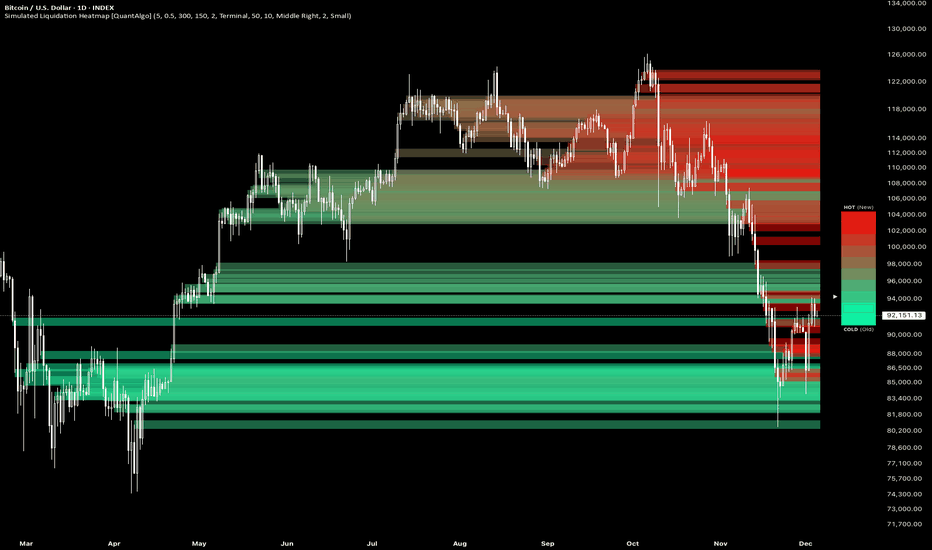
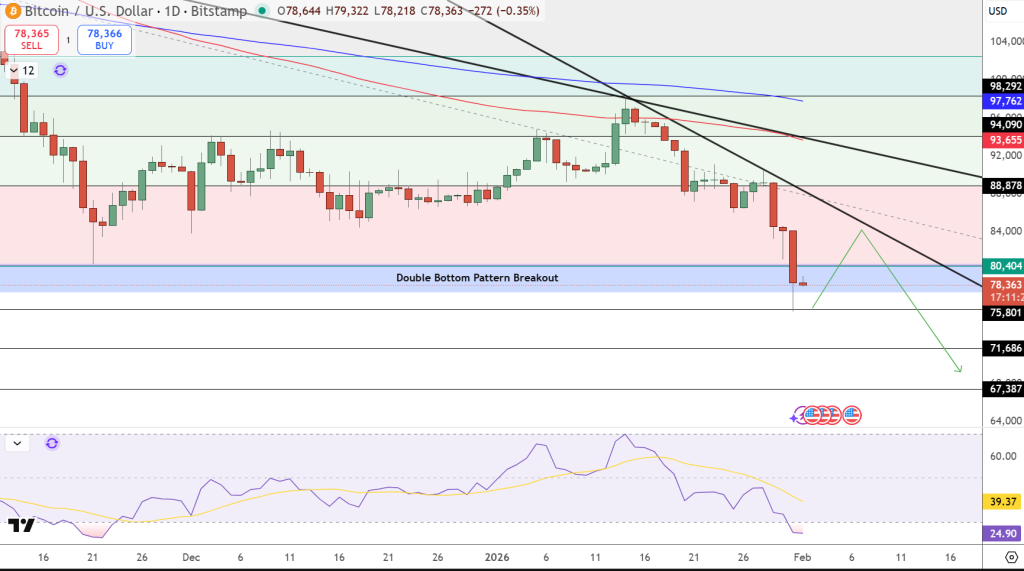
The most violent hour of the cascade occurred during the Asia/US session overlap, a classic window for liquidity vacuums and cascading stops. Bitcoin opened the day around $82,800 but rapidly descended to $77,400 during peak liquidation hours, eventually touching a low of $76,100. Ethereum, meanwhile, plummeted from $2,900 to below $2,800, with a low of $2,780. This rapid descent triggered a cascade of margin calls and forced liquidations across all major exchanges.

The timeline tells the story: between 06:00 and 12:00 UTC, approximately $1.18 billion in liquidations occurred, with peak-hour liquidations reaching $380 million. By the time the US session began, the damage was already catastrophic.

Liquidation Heatmap

The Breakdown: Which Assets Suffered Most?

The liquidation event was not evenly distributed across the crypto market. Ethereum bore the brunt of the damage, with $961 million (44% of total liquidations) wiped out. Bitcoin followed with $679 million (31%), while Solana accounted for $168 million (8%). Smaller altcoins like XRP, DASH, and others collectively saw another $392 million in liquidations.

What’s particularly striking is the composition of these liquidations: approximately 80–85% were long positions. This reveals a critical insight into market sentiment at the time—traders had been overwhelmingly bullish, with the majority holding leveraged long positions. When the market turned against them, the cascade was inevitable.

The Root Causes: Why Did This Happen?

Understanding the causes of the February 1 liquidation event is essential for predicting and potentially avoiding similar events in the future.

Macroeconomic Headwinds

The primary catalyst was a shift in macroeconomic sentiment. The nomination of Kevin Warsh for Federal Reserve Chair was perceived by markets as a hawkish signal, suggesting a potential continuation of higher interest rates and tighter monetary policy. This triggered a broad retreat from risk assets, affecting not just cryptocurrencies but also traditional equities and commodities.

Technical Breakdown and Stop-Hunting

Bitcoin’s breach of the critical $84,000–$85,000 support cluster triggered a cascade of algorithmic stop-loss orders. In the crypto market, where many traders use automated stop-losses at round numbers or key technical levels, this technical breakdown can act as a trigger for a waterfall of selling. Algorithms designed to hunt for these stops exacerbated the move, pushing prices lower and triggering more stops in a vicious cycle.

Extreme Leverage and Euphoria Washout

The December 2025 and January 2026 rally had created a complacent market filled with overleveraged longs. Many traders had entered positions with leverage ratios of 10×, 20×, or even higher, betting that the bull market would continue indefinitely. When the market turned, these positions became liabilities. A mere 5% adverse move on a 20× leveraged position results in a complete wipeout—and the market moved far more than 5%.

Liquidity Vacuum

Weekend and early-week Asian trading sessions are notoriously thin in liquidity. With fewer market participants and lower trading volumes, even modest selling pressure can result in outsized price moves. The timing of this event—occurring during a low-liquidity period—meant that the cascade was far more severe than it might have been during a well-liquidity session.

Stressed Trader

The Human Cost: 335,000 Traders Wiped Out

Behind the numbers lies a human tragedy. Over 335,000 traders saw their accounts liquidated, many of them retail investors who had risked money they could not afford to lose. The average retail trader, lacking the risk management discipline of professional traders, often enters positions with inadequate stop-losses or margin buffers, making them particularly vulnerable to liquidation cascades.

The psychological impact of such events cannot be overstated. Many traders who were liquidated on February 1 will likely exit the crypto market entirely, having suffered devastating losses. Others may return with a healthier respect for risk management, but the damage to their financial and emotional well-being is real.

Lessons for the Future: How to Avoid Liquidation

The February 1 liquidation event, while catastrophic, offers valuable lessons for traders seeking to protect themselves in volatile markets.

1. Use Conservative Leverage

The most critical lesson is to use conservative leverage. Professional traders typically limit themselves to 3–5× leverage at most, and many use even lower ratios. A 3× leverage position requires only a 33% adverse move to result in liquidation, providing a substantial margin of safety. In contrast, a 20× position liquidates on a 5% move—and in crypto, 5% moves happen regularly.

2. Always Set Hard Stop-Losses

Every trader should establish hard stop-losses before entering a position. These should be placed at technical support levels or at a predetermined percentage below entry, whichever is more conservative. Without stop-losses, a trader is essentially gambling that the market will never move against them—a bet that will eventually lose.

3. Monitor Your Liquidation Price

Every major exchange displays the exact liquidation price for open positions. Traders should calculate this price before entering a trade and ensure that it provides an adequate buffer from current market price. If the liquidation price is too close to the current price, the position is too leveraged.

4. Maintain a Margin Buffer

During high-volatility periods, traders should maintain 20–50% excess collateral in their accounts. This buffer absorbs temporary price wicks and prevents forced liquidations during normal market fluctuations. Many traders who were liquidated on February 1 likely had minimal margin buffers and were liquidated on temporary price spikes rather than sustained moves.

5. Avoid Overexposure During Low-Liquidity Periods

Traders should reduce position sizes or flatten positions entirely during weekends, holidays, and Asian session gaps when liquidity is thin. The risk/reward profile is unfavorable during these periods, and the potential for extreme price moves is elevated.

Bitcoin Price Crash

The Bigger Picture: What This Means for Crypto Markets

The $2.2 billion liquidation event is not an isolated incident but rather a symptom of a broader market dynamic. The crypto market continues to attract overleveraged retail traders who lack the discipline and experience of professional traders. Until this changes—either through education, regulation, or natural selection—we can expect to see similar liquidation cascades in the future.

However, from a contrarian perspective, such extreme liquidation events often mark local bottoms. When the Fear & Greed Index hits “Extreme Fear” (as it did on February 1), and when over 80% of liquidations are longs (indicating capitulation), historical patterns suggest that a recovery is often near. Indeed, Bitcoin rebounded to $79,000–$80,500 within hours of the low, suggesting that many traders were quick to accumulate at the depressed prices.

Conclusion: A Cautionary Tale

The “Black Sunday II” liquidation event of February 1, 2026, is a cautionary tale for all traders. It demonstrates the dangers of excessive leverage, the importance of risk management, and the brutal efficiency of markets in punishing those who ignore these principles. While the event was devastating for those caught on the wrong side, it also presented opportunities for disciplined traders who had maintained cash reserves and were ready to accumulate at depressed prices.

As you navigate the crypto markets, remember: the goal is not to make the biggest gains, but to survive long enough to compound those gains over time. Conservative leverage, hard stop-losses, and adequate margin buffers are not exciting, but they are the tools that separate successful traders from those who become liquidation statistics.


References

[1] Tapbit Blog. Crypto Futures Liquidations Hit $2.2 Billion on February 1, 2026 – Full Breakdown & Lessons. [URL: https://blog.tapbit.com/crypto-futures-liquidations-hit-2-2-billion-on-february-1-2026-full-breakdown-lessons/%5D
[2] Yahoo Finance. Crypto Liquidations Surge to $1.7 Billion Amid Heightened Market Volatility. [URL: https://finance.yahoo.com/news/crypto-liquidations-surge-1-7-041531574.html%5D
[3] Coindesk. Bitcoin price moves end up liquidating $1.7 billion in bullish crypto bets. [URL: https://www.coindesk.com/markets/2026/01/30/rollercoaster-bitcoin-price-moves-end-up-liquidating-usd1-7-billion-in-bullish-crypto-bets%5D
[4] KuCoin News. Crypto Market Sees $2.2B in Liquidations as Bitcoin Drops Below $76K. [URL: https://www.kucoin.com/news/flash/crypto-market-sees-2-2b-in-liquidations-as-bitcoin-drops-below-76k%5D
[5] AMBCrypto. Ethereum slides to $2,300 – $1.16B liquidations trigger whale buying. [URL: https://ambcrypto.com/ethereum-slides-to-2300-1-16b-liquidations-trigger-whale-buying/%5D

The Interest-Bearing CBDC: China’s Digital Yuan Upgrade and the Global Race for Adoption

Author: everythingcryptoitclouds.com

Introduction: A Paradigm Shift in Central Bank Digital Currency

The global race to develop Central Bank Digital Currencies (CBDCs) has been defined by a fundamental debate: should the digital currency bear interest? Most central banks, including the U.S. Federal Reserve and the European Central Bank, have historically answered with a resounding “No,” fearing the risk of “digital bank runs” that could destabilize commercial banks. However, China’s central bank, the People’s Bank of China (PBOC), has just shattered this consensus.

Effective January 1, 2026, the PBOC will implement a new framework requiring commercial banks to pay interest on balances held in Digital Yuan (e-CNY) wallets [1]. This strategic pivot transforms the e-CNY into the world’s first interest-bearing CBDC, marking a significant escalation in China’s efforts to drive mass adoption and setting a new precedent for the future of digital money.

e-CNY Interest Concept

The Adoption Challenge and the Interest Solution

Despite being the most advanced CBDC project globally, the e-CNY has faced a crucial challenge: gaining widespread usage against the dominance of private payment giants like Alipay and WeChat Pay. The e-CNY was initially designed to be non-interest-bearing, a feature intended to prevent users from pulling large amounts of money out of commercial bank deposits and into the central bank’s digital currency, which would have severely impacted the commercial banking sector.

However, this non-interest-bearing status made the e-CNY an unattractive store of value compared to traditional bank deposits, which earn interest. The PBOC’s new policy directly addresses this by linking the e-CNY interest rate to prevailing demand deposit rates, making the digital currency a more competitive financial instrument [2].

Implications for Commercial Banks: Intermediaries Under Pressure

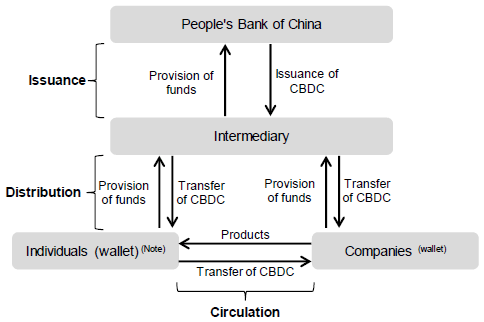
The PBOC’s two-tier system for the e-CNY relies on commercial banks as intermediaries for distribution and management. The new interest-bearing feature solidifies this role but also introduces a new dynamic of competition and cost.

Commercial banks have reportedly completed the necessary system upgrades to account for the digital yuan interest [3]. While this move forces banks to bear the cost of interest payments, it also ensures that the e-CNY is integrated directly into the existing financial ecosystem, rather than operating as a completely separate, disintermediating force.

The Global CBDC Race: A New Precedent

China’s decision to make its CBDC interest-bearing is a bold move that challenges the cautious approach taken by Western central banks.

  • The West’s Stance: The general consensus among central banks in the U.S. and Europe has been that a non-interest-bearing CBDC is necessary to protect the stability of the fractional reserve banking system.
  • China’s Strategy: By introducing interest, China is signaling that the benefits of mass adoption and increased usage—including greater monetary control and enhanced data visibility—outweigh the risks of disintermediation, or that they have developed sufficient tools to manage those risks.

This strategic shift places the e-CNY in direct competition with other global currencies and financial instruments, particularly in cross-border trade. An interest-bearing digital currency is inherently more appealing as a store of value, enhancing the e-CNY’s potential as a tool for internationalization [4].

CBDC Concept

Conclusion: The Future of Digital Money is Now

The introduction of interest payments on the Digital Yuan is a watershed moment in the evolution of CBDCs. It is a clear, aggressive strategy by the PBOC to overcome adoption hurdles and cement the e-CNY’s place in the daily lives of its citizens. By transforming the e-CNY from a mere payment token into a competitive financial asset, China is not only accelerating its own digital currency project but is also forcing other nations to re-evaluate their own CBDC designs. This development ensures that the e-CNY will remain a central topic in global finance and technology throughout 2026 and beyond.


References

[1] Bloomberg. China to Pay Interest on Digital Yuan in Bid to Boost Adoption. [URL: https://www.bloomberg.com/news/articles/2025-12-29/china-to-pay-interest-on-digital-yuan-in-bid-to-boost-adoption%5D

[2] Reuters. China’s digital yuan to become interest-bearing next year. [URL: https://www.reuters.com/world/asia-pacific/china-issue-digital-yuan-management-action-plan-2025-12-29/%5D

[3] Yicai Global. China to Require Banks to Pay Interest on Digital Yuan Wallets From 2026. [URL: https://www.yicaiglobal.com/news/china-to-require-banks-to-pay-interest-on-digital-yuan-wallets-from-2026%5D

[4] Ainvest. The Strategic Implications of China’s Interest-Bearing Digital Yuan. [URL: https://www.ainvest.com/news/strategic-implications-china-interest-bearing-digital-yuan-financial-institutions-cross-border-investors-2512/%5D

The Settlement Revolution: Visa Launches USDC on Solana for U.S. Banks

Author: everythingcryptoitclouds.com

Introduction: Bridging Traditional Finance and Blockchain

In a landmark move that signals the deepening integration of digital assets into the traditional financial system, Visa Inc. announced on December 16, 2025, the launch of stablecoin settlement capabilities for U.S. banks [1]. This initiative allows Visa’s issuer and acquirer partners to settle their obligations with the network using Circle’s USDC—a fully reserved, dollar-denominated stablecoin—over the Solana blockchain. This development is not merely an experiment; it is a breakthrough that redefines the speed and efficiency of modern payment settlement, marking a major milestone in the modernization of global commerce.

Visa Solana USDC Settlement

The Mechanics of Modern Settlement

The core of this innovation lies in replacing the traditional, multi-day settlement process with the near-instantaneous finality of a high-performance blockchain. Initial banking participants, including Cross River Bank and Lead Bank, have begun settling with Visa in USDC via the Solana blockchain [1].

Solana was chosen for its exceptional speed and low transaction costs, which are critical for high-volume commercial activity. By leveraging the blockchain, Visa is effectively transforming its treasury operations, moving away from the legacy system that often requires pre-funding and operates only during traditional banking hours. This transition is built upon Visa’s successful stablecoin settlement pilots conducted globally over the past few years, which have already seen the network’s stablecoin settlement volume pass a $3.5 billion annualized run rate [1].

Advantages for the Financial Ecosystem

The shift to stablecoin settlement offers profound benefits for banks, fintechs, and ultimately, the end consumer. These advantages address long-standing pain points in the traditional payment system, primarily centered on speed, liquidity, and operational continuity.

The most immediate benefit is the introduction of 7-day settlement windows, which dramatically improves liquidity and funds movement for banks and fintechs [1]. This enhanced operational resilience means that settlement can occur across weekends and holidays without any change to the consumer card experience, a capability that is increasingly vital in a global, always-on economy. As Jackie Reses, CEO of Lead Bank, noted, this capability brings “speed and precision to treasury operations” [1].

Stablecoins: The Digital Dollar Bridge

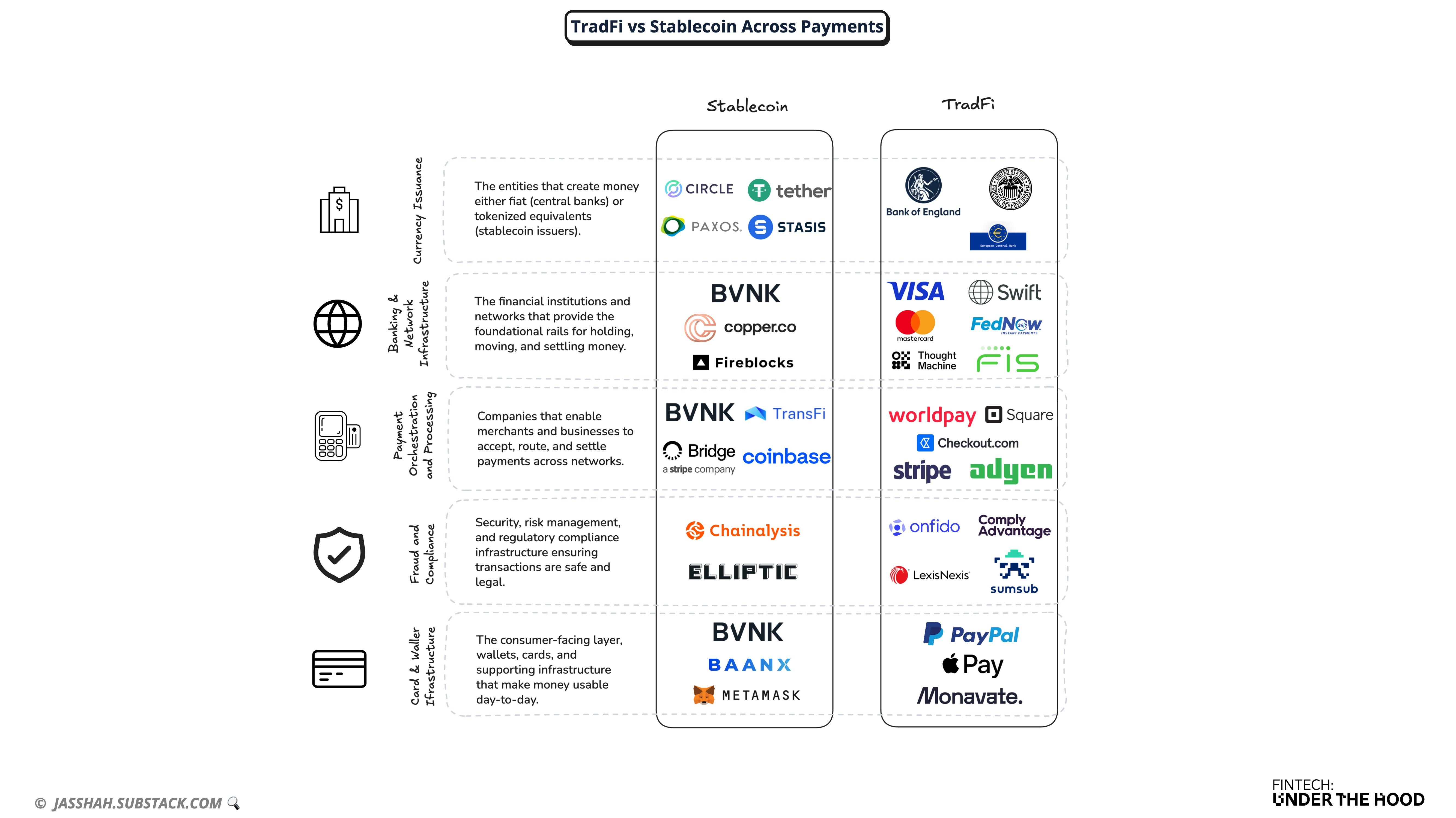
This initiative underscores the growing role of stablecoins as the essential bridge between fiat currency and blockchain technology. Stablecoins, such as USDC, combine the stability of the U.S. dollar with the speed and borderless nature of crypto, making them an ideal tool for institutional payments [2].

The move by Visa validates the thesis that stablecoins are not just for crypto traders but are poised to become a core component of global financial infrastructure. As Gilles Gade, CEO of Cross River, stated, a “unified platform that natively supports both stablecoins and traditional payment networks is the foundation for how value will move globally” [1].

Stablecoin Primer

Future Outlook: Broader Adoption and Arc

Visa plans to roll out broader availability of USDC settlement across the U.S. through 2026, expanding the reach of this modernized system [1]. Furthermore, Visa is actively involved in shaping the future of stablecoin infrastructure as a design partner for Arc, a new Layer 1 blockchain developed by Circle. Arc is purpose-built to offer the performance and scalability needed to support Visa’s global commercial activity on-chain, and Visa intends to utilize it for future USDC settlement and even operate a validator node [1].

This commitment from a global payments giant like Visa, coupled with the selection of Solana for its current speed and the investment in Circle’s Arc for future scalability, confirms that the world’s largest financial institutions are now actively building on decentralized rails. The launch of USDC settlement on Solana is a powerful demonstration of how blockchain technology is fundamentally changing the way money moves, making payments faster, cheaper, and more resilient for everyone.


References

[1] Visa. Visa Launches Stablecoin Settlement in the United States, Marking a Breakthrough for Stablecoin Integration. [URL: https://usa.visa.com/about-visa/newsroom/press-releases.releaseId.21951.html%5D

[2] Visa. Empowering the future of payments with stablecoins. [URL: https://corporate.visa.com/en/solutions/crypto/stablecoins.html%5D

The 2026 Imperative: Why HP Gen 12 Servers are the Cornerstone of Your IT Refresh

Author: everythingcryptoitclouds.com

Introduction: The New Era of Compute

The year 2026 marks a critical inflection point for enterprise IT infrastructure. With the relentless growth of data, the operationalization of Artificial Intelligence (AI), and the ever-present threat of cyberattacks, legacy server hardware is no longer a viable foundation for modern business. The need for a strategic server refresh has never been more urgent. At the forefront of this technological shift is the Hewlett Packard Enterprise (HPE) ProLiant Compute Gen12 server family, engineered specifically to meet the demands of this new era [1]. This post explores the transformative capabilities of the HP Gen 12 platform and outlines the compelling advantages of making 2026 the year for your comprehensive server refresh.

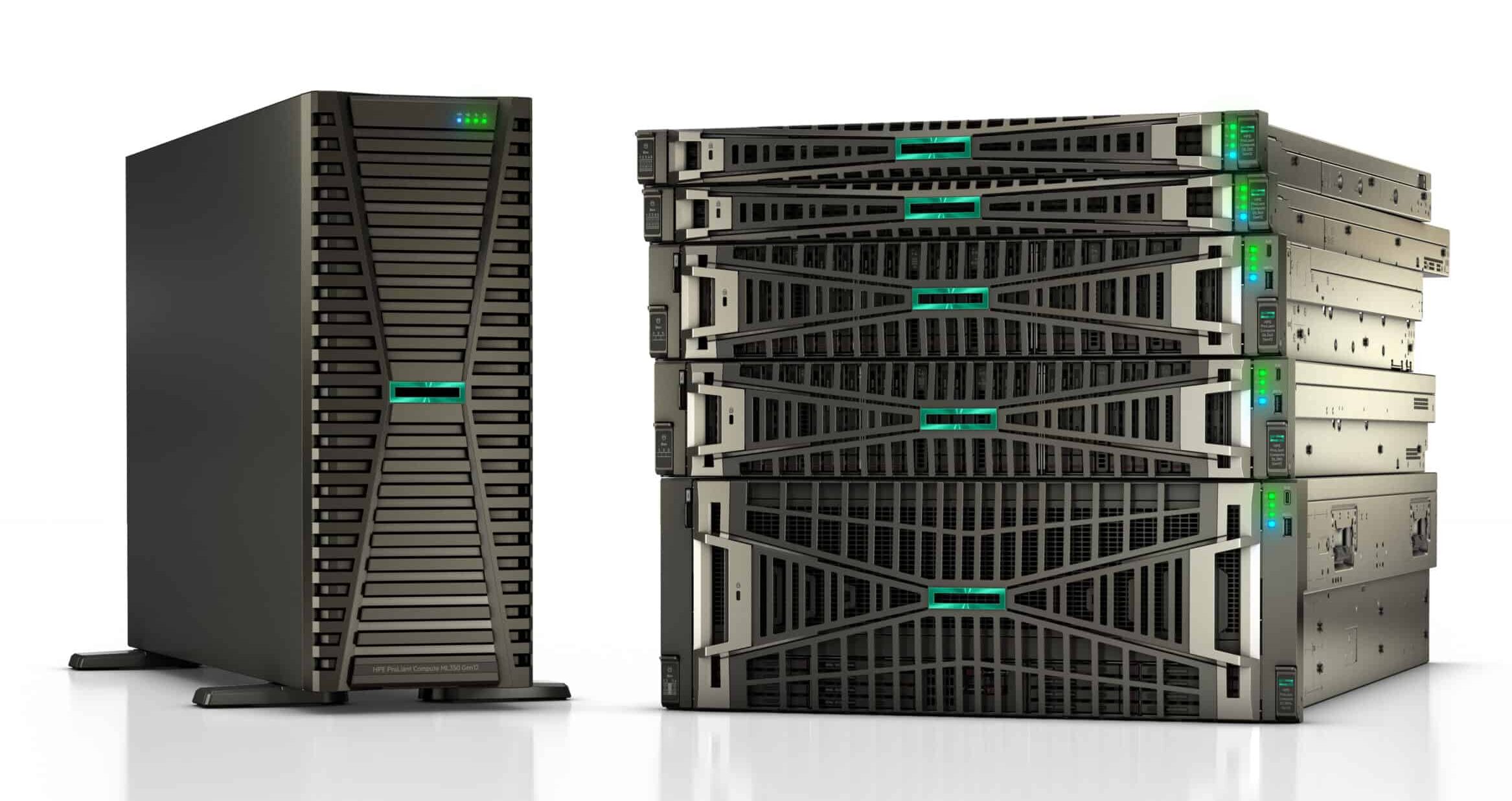
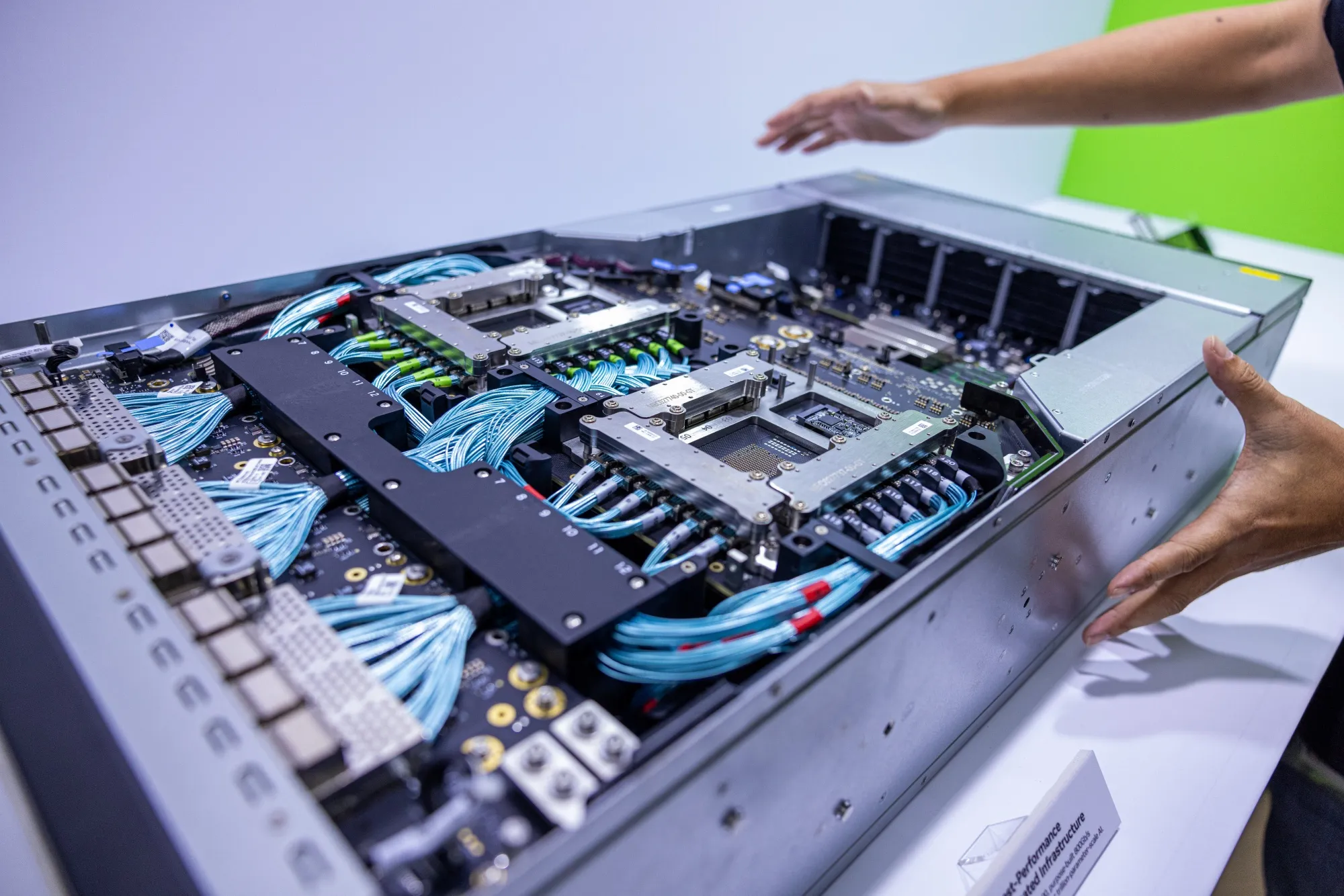
HPE ProLiant Gen12 Servers

HPE ProLiant Gen 12: Engineered for the AI-Driven Enterprise

Announced in early 2025, the HPE ProLiant Gen12 servers represent a significant leap in compute power, efficiency, and security [2]. These systems are designed not just to run applications, but to serve as the backbone for next-generation AI and data-intensive workloads.

Unprecedented Performance

The Gen 12 platform delivers a massive performance boost through its support for the latest processor and memory technologies. The servers offer a choice between two industry-leading architectures:

The integration of DDR5 memory and the high core counts of the Intel Xeon 6 and AMD EPYC 9005 processors (as shown in the image below) dramatically increase transaction throughput and reduce latency, making the Gen 12 platform ideal for virtualization, database management, and high-performance computing [3].

AMD EPYC CPU

AI and Security at the Core

The Gen 12 family is built with AI and security as foundational elements. Certain models, such as those optimized for AI, feature integration with accelerators like the NVIDIA GH200 NVL2, making them ready to handle complex machine learning and deep learning models out of the box [4].

On the security front, HPE has further enhanced its Silicon Root of Trust technology, providing an unchangeable fingerprint in the server’s silicon to prevent unauthorized firmware access. This advanced security posture is essential in a landscape where firmware attacks are becoming increasingly sophisticated.

The 2026 Server Refresh Imperative

Beyond the raw technical specifications, a server refresh in 2026 offers compelling strategic and financial advantages that directly impact a business’s bottom line and competitive standing.

1. Strategic AI Readiness

The most significant driver for a 2026 refresh is the need for AI readiness. As AI moves from pilot projects to core business processes, organizations require infrastructure capable of supporting these compute-intensive workloads. Older servers simply lack the necessary GPU support, high-speed interconnects, and memory bandwidth to run modern AI models efficiently. Adopting Gen 12 servers ensures that your IT roadmap is aligned with the future of business intelligence and automation.

2. Enhanced Operational Efficiency and Cost Control

While the initial investment in new hardware is substantial, the long-term operational savings are significant. Newer servers are dramatically more power-efficient, leading to lower energy consumption and reduced cooling costs in the data center [5]. Furthermore, a refresh allows organizations to consolidate workloads onto fewer, more powerful machines, reducing licensing fees, maintenance overhead, and the risk associated with aging hardware. This strategic adoption of advanced technology is key to building a cost-effective IT roadmap for 2026 [6].

Data Center Refresh

3. Mitigating Security and Compliance Risk

The security features of the Gen 12 servers are a crucial advantage. Running outdated hardware exposes organizations to significant security vulnerabilities, as older systems often fall out of vendor support and lack modern security features like the Silicon Root of Trust. A refresh mitigates this risk, ensuring compliance with increasingly stringent data protection regulations and safeguarding critical business assets.

Conclusion: Investing in the Future

The decision to perform a server refresh in 2026 is not merely a hardware upgrade; it is a strategic investment in the future resilience, performance, and intelligence of your organization. The HPE ProLiant Gen 12 servers, with their focus on AI, security, and next-generation compute power, provide the ideal platform for this transition. By embracing this refresh, businesses can move beyond simply maintaining their infrastructure and instead enable the scalable, high-performance environment necessary to thrive in the AI-driven economy of 2026 and beyond.


References

[1] HPE. HPE introduces next-generation ProLiant servers engineered for advanced security, AI, automation and greater performance. [URL: https://www.hpe.com/us/en/newsroom/press-release/2025/02/hpe-introduces-next-generation-proliant-servers-engineered-for-advanced-security-ai-automation-and-greater-performance.html%5D

[2] Forbes. HPE Launches Next-Generation ProLiant Compute Servers. [URL: https://www.forbes.com/sites/moorinsights/2025/02/12/hpe-launches-next-generation-proliant-compute-servers/%5D

[3] HPE. HPE ProLiant Compute DL325 Gen12 – Features & Specs. [URL: https://buy.hpe.com/us/en/compute/rack-servers/proliant-dl300-servers/proliant-dl325-server/hpe-proliant-compute-dl325-gen12/p/1014896093%5D

[4] Wikipedia. ProLiant. [URL: https://en.wikipedia.org/wiki/ProLiant%5D

[5] Meriplex. How to Build a Cost-Effective IT Roadmap for 2026. [URL: https://meriplex.com/how-to-build-a-cost-effective-it-roadmap-for-2026/%5D

[6] Dymin Systems. Budgeting for 2026: Why IT Planning Starts Now. [URL: https://www.dyminsystems.com/about/blogs/business-intelligence/budgeting-for-2026-why-it-planning-starts-now/%5D

AI Reality Check: What Last Week’s Stock Crash Means for Broadcom, AMD, Oracle, and Meta

Author: everythingcryptoitclouds.com

Introduction: The Jolt to the AI Trade

Last week, the seemingly unstoppable AI stock rally hit a major speed bump. A sharp selloff, triggered by disappointing news from key players, sent shockwaves through the market, raising the specter of an “AI bubble.” While the overall AI narrative remains robust, the correction served as a crucial reality check, reminding investors that even the most promising growth stories are subject to market scrutiny.

The focus of this correction centered on two major infrastructure providers: Broadcom (AVGO) and Oracle (ORCL). Their struggles quickly dragged down other AI-exposed giants, including Advanced Micro Devices (AMD) and Meta Platforms (META). This article breaks down the reasons behind the crash, analyzes the short-term outlook for the next four weeks, and provides a forecast for early 2026.

AI Crash Visualization

Anatomy of the Selloff: Broadcom and Oracle’s One-Two Punch

The market correction was primarily ignited by a one-two punch from two companies whose fortunes are deeply tied to the AI infrastructure buildout.

Broadcom’s Margin Scare: Despite reporting better-than-expected quarterly results and strong guidance, Broadcom’s stock plummeted by 11%. The core concern was a warning from management that gross margins would be lower in the short term. This is due to the higher up-front costs associated with producing complex custom AI chip systems and server racks. Furthermore, the CEO tempered expectations for a major deal with OpenAI in 2026, suggesting the immediate revenue boost might not be as explosive as investors had hoped.

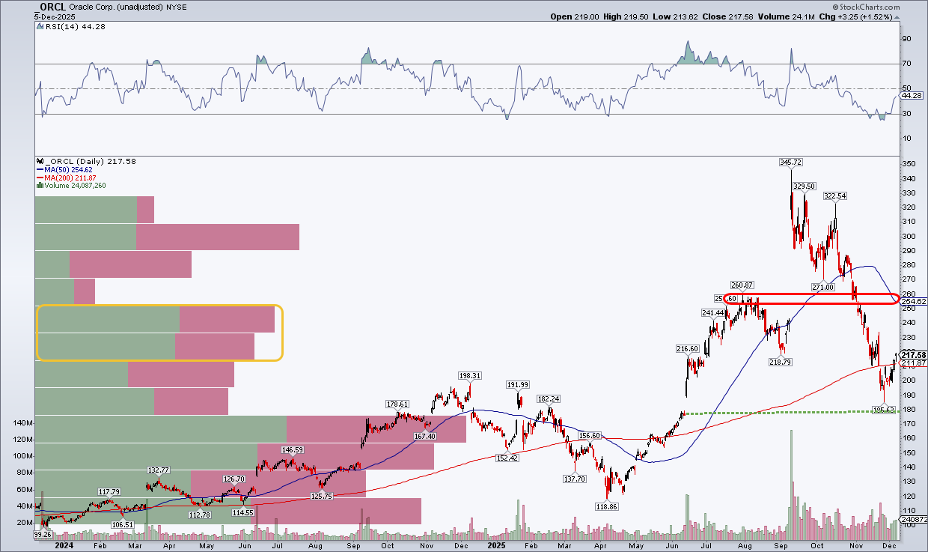
Oracle’s Financing Disappointment: Oracle’s stock had already plunged 10% before dropping another 4.5% in the wake of its mixed earnings report (beating on earnings per share but missing on revenue). Investors were particularly disappointed by the lack of detail on how the company plans to finance its massive, debt-fueled AI data center expansion. This raised questions about the sustainability and profitability of the aggressive infrastructure spending required to compete in the AI cloud space.

The combination of Broadcom’s margin concerns and Oracle’s financing uncertainty created a wave of “AI angst,” leading to a broader selloff in the sector.

Oracle Broadcom Chart

Short-Term Outlook: The Next Four Weeks

The next four weeks, often characterized by holiday trading and year-end portfolio adjustments, will be crucial for these stocks.

| Company | Crash Reason | Short-Term Outlook (Next 4 Weeks) |
| :— | :— | :— |
| Broadcom (AVGO) | Margin contraction on custom AI chips. | Analysts are largely recommending to “buy the dip,” viewing the selloff as an overreaction to short-term margin pressure. The underlying demand for their custom chips from hyperscalers remains robust. |
| Oracle (ORCL) | Missed revenue and financing uncertainty. | Volatility is likely as the market digests the debt concerns. A clear communication from management regarding their CapEx financing strategy could stabilize the stock, but until then, it remains under pressure. |
| Advanced Micro Devices (AMD) | General AI trade selloff. | Expected to stabilize quickly. The drop was largely collateral damage from the Broadcom/Oracle news. Strong demand for its EPYC CPUs and Instinct GPUs in the data center market provides a solid floor. |
| Meta Platforms (META) | General AI trade selloff. | Strongly positioned for a rebound. News of trimming the metaverse budget to prioritize AI spending is a positive signal for investors. The stock is likely to benefit from the “flight to quality” within the AI sector. |

Early 2026 Forecast: The Infrastructure Boom Continues

Despite the recent correction, the long-term forecast for the AI infrastructure sector remains overwhelmingly bullish, especially as we head into early 2026. The fundamental driver is the massive, non-negotiable capital expenditure (CapEx) being committed by the world’s largest tech companies.

Meta’s AI Commitment: Meta Platforms is a prime example of this long-term commitment. The company is aggressively shifting resources away from its metaverse division to focus on building out its AI capabilities. Analysts project Meta’s 2026 CapEx to reach an astonishing $109 billion, more than triple its 2023 spending. This colossal investment is primarily directed at AI infrastructure, including the purchase of chips and the construction of data centers.

The Demand for Silicon: This spending spree directly benefits chipmakers like Broadcom and AMD. Broadcom’s custom chip business, despite the short-term margin hit, is poised for massive growth as it supplies hyperscalers like Meta and Google. Similarly, AMD is forecast to see a 20%+ increase in revenue in 2026, driven by the insatiable demand for its high-performance EPYC and Instinct GPUs in the data center. The AI arms race is far from over, and these companies are the essential suppliers.

Oracle’s Long Game: While Oracle faces short-term financing questions, its long-term strategy hinges on becoming a major player in the AI cloud. The massive data center buildout, while costly, is a necessary step to capture future AI-driven revenue. If the company can effectively communicate its financing plan and execute on its AI pipeline, the stock could see a significant recovery in 2026.

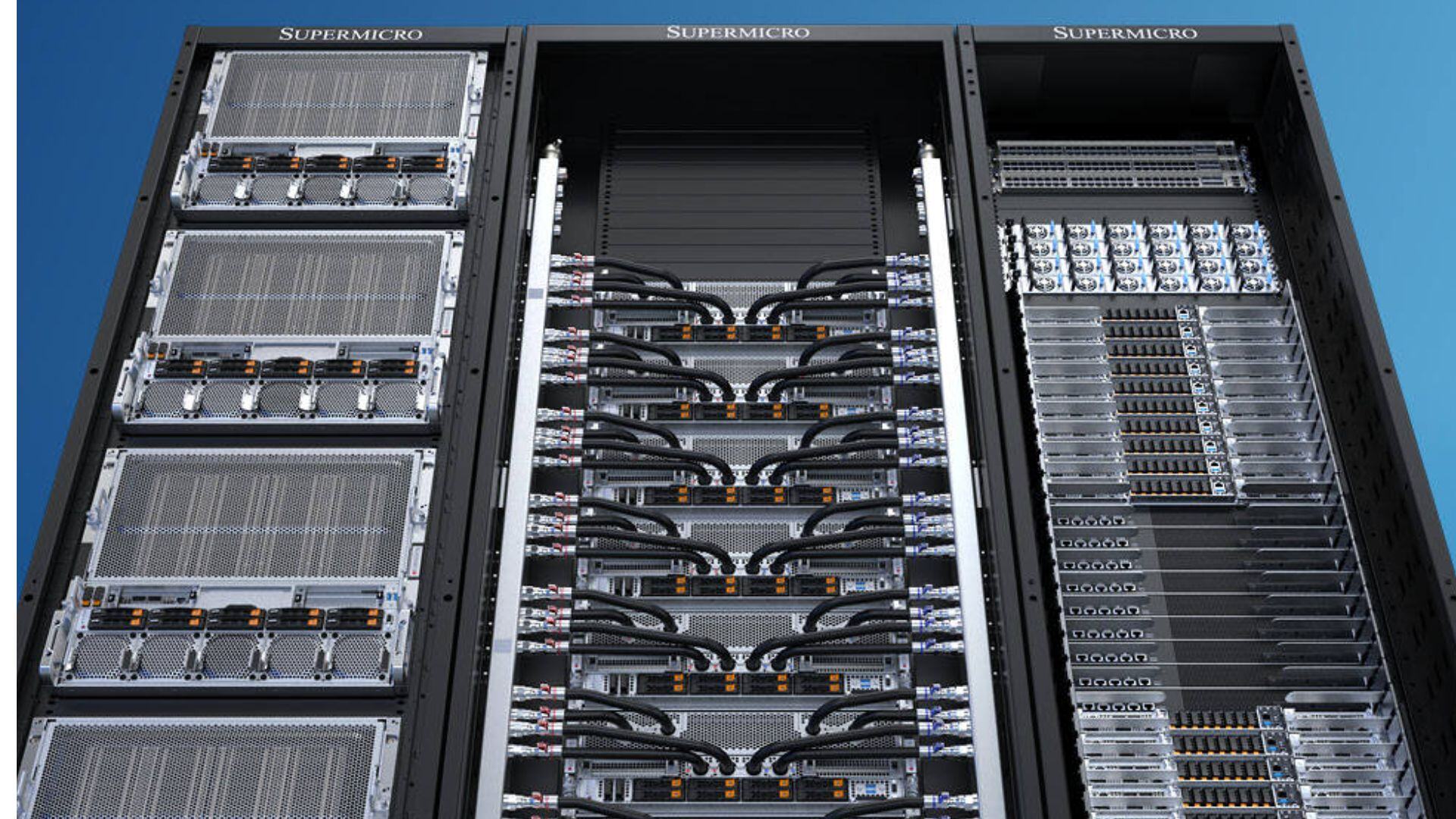
AI Data Center

Conclusion: A Correction, Not a Collapse

The recent AI stock selloff was a healthy, albeit painful, market correction. It was driven by specific, company-level concerns about margins and financing, not a collapse in the underlying demand for artificial intelligence.

For investors, the message is clear: the AI revolution is still in its early stages, and the long-term trend of massive infrastructure spending is intact. The next four weeks may see continued volatility as the market finds its footing, but the outlook for early 2026 remains bright. The companies that are the essential building blocks of the AI future—Broadcom, AMD, Oracle, and Meta—are poised to be the biggest beneficiaries of this sustained, multi-year boom.