Author: everythingcryptoitclouds.com

Professional woman working from home on laptop representing side hustles
The landscape of work has fundamentally transformed, and 2025 represents a pivotal moment for anyone looking to build additional income streams through side hustles. With more than 36% of Americans already engaged in side hustles outside their primary employment, and Generation Z leading the charge with nearly half (48%) pursuing supplementary income opportunities, the side hustle economy has evolved from a trend into a necessity for financial resilience.
The convergence of artificial intelligence, remote work technologies, and digital platforms has created unprecedented opportunities for individuals to monetize their skills, creativity, and expertise. However, success in the side hustle economy requires more than just enthusiasm—it demands strategic thinking, skill development, and an understanding of market dynamics that separate the top earners from those struggling to generate meaningful income.
This comprehensive guide explores the most lucrative side hustle opportunities available in 2025, backed by extensive research and real-world data. Whether you’re looking to supplement your current income, build a pathway to entrepreneurship, or achieve complete financial independence, the strategies and opportunities outlined here will provide you with the roadmap to success.
The Current State of the Side Hustle Economy
The side hustle economy has reached a critical mass that cannot be ignored by anyone serious about building wealth in the modern era. Recent research from TurboTax reveals a stark reality about income distribution among side hustlers: while 45% of participants earn less than $500 monthly from their side activities, and 27% generate between $500 and $1,000, only a select 2% achieve the coveted milestone of earning more than $5,000 per month.
This income disparity isn’t accidental—it reflects fundamental differences in approach, skill application, and strategic thinking. The top earners understand principles that the majority overlook, creating a significant opportunity for those willing to learn and apply proven methodologies.
The technological revolution has been the primary catalyst for this transformation. Artificial intelligence tools have democratized access to sophisticated business capabilities, while digital platforms have eliminated traditional barriers to market entry. Simultaneously, the shift toward remote work has normalized flexible employment arrangements, making side hustles more socially acceptable and practically feasible than ever before.

AI technology is revolutionizing side hustle opportunities
Corporate America has also adapted to this new reality. A growing 74% of executives now consider degrees irrelevant when hiring freelancers, focusing instead on demonstrated expertise and proven results. This shift represents a fundamental change in how value is assessed in the modern economy, creating opportunities for skilled individuals regardless of their educational background.
The data reveals another crucial trend: 78% of CEOs assert that their top freelancers contribute more value than degree-holding employees. This statistic underscores the potential for side hustlers to not only supplement their income but to build expertise that surpasses traditional employment in terms of both compensation and professional satisfaction.
The Four Most In-Demand Side Hustles for 2025
Based on comprehensive market analysis and industry reports, four side hustle categories have emerged as particularly lucrative and sustainable for 2025. These opportunities combine high demand with significant earning potential, making them ideal for individuals seeking to maximize their return on time investment.
1. Template Graphic Designer: Capitalizing on Content Creation Demand
The explosion of digital content across all business sectors has created an insatiable demand for graphic design templates. Every business, from local restaurants to multinational corporations, requires consistent visual content for their websites, social media platforms, blogs, TikTok videos, Instagram posts, LinkedIn updates, and YouTube channels.
Angelique Rewers, CEO of small business consulting firm BoldHaus, describes the current market conditions as “insane” in terms of the volume of graphic templates needed given the content creation requirements of modern businesses. This demand stems from the reality that businesses must maintain constant visibility across multiple digital channels to remain competitive.
The template graphic design side hustle involves creating reusable design assets that businesses can customize for their specific needs. These templates might include social media post designs, website headers, presentation slides, marketing materials, and branding elements. The key advantage of this approach is scalability—once created, templates can be sold repeatedly without additional time investment.
Successful template designers typically focus on specific niches or industries, developing expertise in particular aesthetic styles or business sectors. For example, a designer might specialize in minimalist templates for tech startups, vibrant designs for fitness brands, or professional layouts for financial services companies.
The earning potential in this field is substantial. Template packages on platforms like Etsy regularly sell for $72 or more, with successful designers creating multiple packages across different themes and styles. The platform economics are favorable, with Etsy charging only 20 cents per listing plus a 6.5% transaction fee, allowing designers to retain the majority of their revenue.
To succeed in template design, individuals need proficiency in design software such as Adobe Creative Suite, Canva Pro, or Figma. However, the barrier to entry is relatively low, as many online resources and tutorials can help beginners develop the necessary skills. The key to success lies in understanding current design trends, maintaining consistent quality, and developing a distinctive style that resonates with target customers.
2. AI Content Creator: Leveraging Artificial Intelligence for Content Production
The artificial intelligence revolution has created entirely new categories of side hustle opportunities, with AI content creation emerging as one of the most accessible and lucrative options. This field involves using AI tools to help businesses create, optimize, and distribute content across their digital channels.
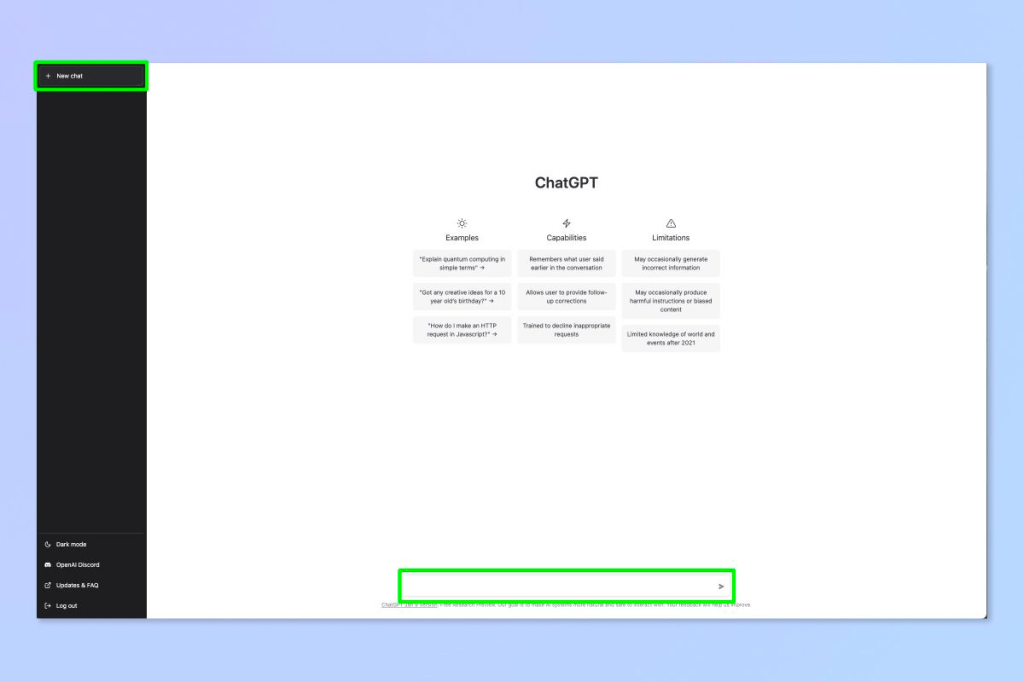
AI content creators work with existing business content—such as conference presentations, YouTube videos, media interviews, or blog articles—and use sophisticated AI tools like Jasper, Claude, and ChatGPT to generate fresh, engaging content for social media accounts, LinkedIn posts, newsletters, and other marketing channels. This process, known as content repurposing, allows businesses to maximize the value of their existing content investments while maintaining consistent communication with their audiences.
The beauty of AI content creation lies in its accessibility. Unlike traditional copywriting, which requires extensive writing experience and subject matter expertise, AI content creation focuses on prompt engineering, content strategy, and quality control. The AI tools handle the heavy lifting of grammar, sentence structure, and content generation, while the human operator provides strategic direction and ensures brand consistency.
Freelance platforms have recognized the value of these skills, with AI content creators on Upwork commanding rates as high as $200 per hour. This premium pricing reflects the specialized nature of the work and the significant value it provides to businesses struggling to maintain consistent content production.

Various content creation opportunities in the digital economy
The demand for AI content creators is driven by several factors. First, businesses recognize the importance of consistent content marketing but often lack the internal resources to produce content at the required volume and frequency. Second, the rapid evolution of AI tools means that many business owners feel overwhelmed by the technology and prefer to outsource this function to specialists. Third, the quality of AI-generated content has reached a level where it can effectively supplement or replace human-created content in many contexts.
To succeed as an AI content creator, individuals need to develop expertise in multiple AI platforms, understand content marketing principles, and maintain awareness of industry trends and best practices. The most successful practitioners combine technical proficiency with strategic thinking, helping clients not just create content but develop comprehensive content strategies that drive business results.
3. Podcast Assistant: Supporting the Booming Audio Content Industry
The podcasting industry continues its explosive growth trajectory, with projections indicating that 141 million Americans will listen to podcasts in 2025, representing an increase from 135.4 million in 2024. This growth has created substantial opportunities for individuals who can support podcast creators with the technical and administrative aspects of podcast production.

Professional podcast recording setup
Podcast assistants, also known as podcast managers or producers, handle a wide range of responsibilities that allow content creators to focus on their core competency: creating engaging audio content. These responsibilities include finding and booking guests, editing audio recordings, creating show notes, managing social media promotion, and handling the technical aspects of podcast distribution.
The role has evolved significantly with the shift toward video podcasting. Most podcasters now create video content for platforms like YouTube, adding a visual component to their shows. This trend has expanded the skill requirements for podcast assistants to include video editing, thumbnail creation, and multi-platform content optimization.
The earning potential for podcast assistants varies based on the scope of services provided and the success of the podcasts they support. Individual podcast producers on Fiverr charge up to $500 per project, while those offering comprehensive management services can command monthly retainers of several thousand dollars.
Success in this field requires a combination of technical skills and project management capabilities. Podcast assistants must be proficient in audio editing software such as Audacity, Adobe Audition, or Hindenburg Pro. Video editing skills using tools like Final Cut Pro, Adobe Premiere, or DaVinci Resolve are increasingly valuable. Additionally, understanding of podcast hosting platforms, RSS feeds, and distribution networks is essential.
The most successful podcast assistants develop expertise in specific podcast niches, such as business interviews, true crime, or educational content. This specialization allows them to understand the unique requirements and audience expectations of different podcast formats, making them more valuable to potential clients.
4. Short-term Rental Manager: Capitalizing on the Growing Hospitality Market
The short-term rental market represents one of the most robust growth opportunities in the side hustle economy, with industry analysts projecting 11.4% growth between 2025 and 2030. This expansion is driven by continued consumer preference for unique, personalized accommodation experiences and the ongoing growth of platforms like Airbnb and Vrbo.
Short-term rental management offers both remote and local opportunities, making it accessible to individuals regardless of their geographic location or travel preferences. Remote managers handle booking coordination, guest communication, review management, and administrative tasks, while local managers additionally provide on-site services such as property inspections, maintenance coordination, and guest support.
The scope of services provided by rental managers is comprehensive. They handle the entire guest experience from initial inquiry through post-stay follow-up, including booking management, pre-arrival communication, check-in coordination, during-stay support, and post-departure cleaning and maintenance scheduling. For property owners, this comprehensive service allows them to generate rental income without the time commitment and stress of day-to-day management.
Compensation structures for short-term rental managers vary by market and service level. In high-demand markets like South Florida, managers typically earn a percentage of booking revenue, with rates varying based on the level of service provided. For specific tasks such as property inspections or maintenance coordination, managers can charge hourly rates as high as $35 per hour.
The key to success in short-term rental management lies in developing systems and processes that ensure consistent, high-quality guest experiences. This includes creating detailed property guides, establishing relationships with reliable cleaning and maintenance services, and developing communication templates that address common guest questions and concerns.
Technology plays a crucial role in efficient rental management. Successful managers use property management software to automate booking confirmations, send pre-arrival instructions, coordinate cleaning schedules, and track financial performance. Popular platforms include Hostfully, Guesty, and Lodgify, each offering different features and pricing structures.
Three AI-Powered Side Hustles with Six-Figure Potential
The artificial intelligence revolution has created unprecedented opportunities for individuals to build substantial income streams that can rival or exceed traditional employment compensation. These AI-powered side hustles represent the cutting edge of the modern economy, combining technological innovation with human expertise to create exceptional value for businesses and organizations.
1. AI Consulting: Riding the $643 Billion Wave
AI consulting represents perhaps the most lucrative opportunity in the current side hustle landscape, with market projections that border on the extraordinary. According to BCC Research, the market for artificial intelligence consulting services is projected to grow from $11.3 billion in 2022 to $643.0 billion in 2028. This represents a staggering 5,590% increase in just six years, reflecting the urgent need for businesses to integrate AI technologies into their operations.
The demand for AI consulting is driven by a fundamental shift in business strategy. An AWS survey reveals that 92% of organizations plan to use AI-powered solutions by 2028, indicating that AI adoption is not optional but essential for competitive survival. However, most businesses lack the internal expertise to navigate this transformation effectively, creating substantial opportunities for knowledgeable consultants.
AI consultants work with businesses to develop comprehensive AI integration strategies, assess current technological capabilities, identify opportunities for AI implementation, and guide the development of AI-powered solutions. This work requires deep technical understanding combined with business acumen, as consultants must translate complex AI concepts into practical business applications.
The earning potential for AI consultants is exceptional, with project fees ranging from $8,000 to $175,000 per engagement. These premium rates reflect the specialized nature of the expertise and the transformational impact that effective AI implementation can have on business operations. For skilled consultants, this represents an opportunity to build a practice that generates substantial income while working with cutting-edge technology.
Success in AI consulting requires significant technical expertise, including understanding of machine learning algorithms, data science principles, and AI development frameworks. However, the investment in developing these skills can yield extraordinary returns, particularly for individuals who can combine technical knowledge with industry-specific expertise.
The most successful AI consultants focus on specific industries or business functions, developing deep expertise in how AI can address particular challenges or opportunities. For example, a consultant might specialize in AI applications for healthcare diagnostics, financial risk assessment, or supply chain optimization. This specialization allows consultants to command premium rates while building a reputation as a subject matter expert.
2. AI Content Reviewer: Ensuring Quality in the AI Era
As artificial intelligence becomes increasingly prevalent in content creation, the need for human oversight and quality control has become critical. AI content reviewers fill this essential role, fact-checking and improving AI-generated content to ensure accuracy, relevance, and quality. This emerging field represents a unique opportunity to earn substantial income while contributing to the responsible development of AI technology.
AI content reviewers work with companies developing AI models, helping to improve the accuracy and reliability of AI-generated responses. This work involves reviewing AI outputs, identifying errors or inaccuracies, providing feedback for model improvement, and ensuring that AI-generated content meets quality standards. The role is particularly important as businesses increasingly rely on AI for customer-facing content and communications.
Companies like Outlier have emerged as major employers in this space, offering remote freelance opportunities for experienced writers who want to make a meaningful impact in the AI industry. These positions typically require strong writing skills, attention to detail, and the ability to evaluate content across multiple dimensions including accuracy, relevance, and appropriateness.
The compensation for AI content reviewers reflects the specialized nature of the work and the value it provides to AI development companies. Outlier reports paying up to $27 per hour for experienced reviewers, with weekly payment schedules that provide consistent income flow. While this may seem modest compared to AI consulting rates, the steady nature of the work and the potential for scaling across multiple projects can result in substantial monthly earnings.
The field offers multiple specialization opportunities, including AI content trainer, AI STEM writing coach, AI English writing coach, and AI freelance writer and trainer. Each specialization requires different skill sets and offers different earning potential, allowing individuals to focus on areas that align with their expertise and interests.
Success as an AI content reviewer requires excellent writing skills, strong analytical capabilities, and the ability to work efficiently with AI-generated content. The most successful reviewers develop expertise in specific content types or subject areas, making them more valuable to AI companies developing specialized models.
3. AI-Powered Marketing Consulting: The $1.5 Trillion Opportunity
Marketing represents one of the most promising applications of artificial intelligence, with the marketing AI market estimated to reach $1.5 trillion by 2030. This massive market opportunity, combined with projected 8% growth in demand for marketing managers, creates exceptional opportunities for individuals who can combine marketing expertise with AI capabilities.
AI-powered marketing consultants help businesses leverage artificial intelligence tools to improve their marketing effectiveness, efficiency, and return on investment. This work involves using AI for customer analytics, campaign optimization, content personalization, lead scoring, and predictive modeling. The combination of marketing strategy with AI implementation creates exceptional value for clients while commanding premium consulting rates.
The role requires understanding of both marketing principles and AI technologies. Successful consultants use AI tools to analyze customer data, identify patterns and trends, develop targeted marketing campaigns, and optimize marketing performance across multiple channels. This data-driven approach to marketing provides measurable results that justify premium pricing.
AI-powered marketing consultants can structure their services in multiple ways, including hourly consulting, project-based engagements, or monthly retainers. Retainer arrangements are particularly attractive, as they provide predictable monthly income while allowing consultants to develop deep relationships with clients. Successful consultants often charge several thousand dollars per month for comprehensive AI-powered marketing services.
The field offers numerous specialization opportunities, including social media marketing, content marketing, email marketing, search engine optimization, and paid advertising. Each specialization requires different AI tools and techniques, allowing consultants to focus on areas where they can provide the greatest value.
Success in AI-powered marketing consulting requires staying current with rapidly evolving AI tools and marketing platforms. The most successful consultants continuously experiment with new technologies, measure results rigorously, and develop case studies that demonstrate their expertise and results. This evidence-based approach helps justify premium pricing while building a reputation for delivering measurable business results.
The Two Critical Strategies That Separate Top Earners from the Rest
While opportunity abounds in the side hustle economy, success is not guaranteed. The stark income disparity between the top 2% of side hustlers who earn over $5,000 monthly and the 72% who earn less than $1,000 monthly reflects fundamental differences in approach and strategy. Two key principles distinguish the highest earners from those struggling to generate meaningful income.

Strategic approach to entrepreneurship and side hustles
Strategy 1: Skill Stacking for Maximum Value Creation
Skill stacking represents one of the most powerful strategies for increasing earning potential in the side hustle economy. Rather than competing as a specialist in a single area, successful side hustlers combine multiple complementary skills to create unique value propositions that command premium pricing.
The concept of skill stacking recognizes that not all skills need to be performed at an expert level to create value. According to Indeed, skill stacking is “a process that individuals undertake to make themselves more valuable or relevant. During this process, an individual learns a variety of skills rather than focusing on one. This approach can provide professionals with additional opportunities in various sectors.”
The power of skill stacking lies in the multiplicative effect of combining different capabilities. For example, a freelancer with strong copywriting skills and basic SEO knowledge can position themselves as an SEO content strategist, commanding higher rates than either a pure copywriter or basic SEO practitioner. Similarly, someone combining brand strategy expertise with graphic design capabilities can offer comprehensive branding consultancy services, providing complete solutions rather than individual components.
Successful skill stacking combinations in the current market include:
Copywriting + SEO = SEO Content Strategist/Writer: This combination addresses the critical need for content that both engages readers and performs well in search engines. Businesses increasingly recognize that content must serve dual purposes, making this skill combination highly valuable.
Brand Strategy + Graphic Design = Branding Consultancy: Rather than offering design services alone, this combination provides complete brand development solutions, from strategic positioning through visual implementation. This comprehensive approach allows practitioners to charge significantly higher rates while providing greater value to clients.
Video Editing + Digital Marketing = Video Marketing Campaign Management: With video content becoming essential for business marketing, the combination of technical video skills with marketing strategy creates opportunities for comprehensive campaign management services.
The key to successful skill stacking is identifying complementary skills that address complete business needs rather than individual components. This approach allows side hustlers to position themselves as solution providers rather than service vendors, justifying premium pricing while reducing competition from specialists in individual areas.
Skill stacking also provides career resilience, as practitioners are not dependent on demand for any single skill. If one area experiences reduced demand, other skills can compensate, providing stability and flexibility in an evolving economy.
Strategy 2: Scalable Delivery Systems for Time Freedom
The second critical strategy that separates top earners from the rest is the development of scalable delivery systems. While many side hustlers remain trapped in time-for-money exchanges, the highest earners create systems that generate income with minimal ongoing time investment, essentially creating passive income streams within their side hustle activities.
Scalable delivery transforms side hustles from additional jobs into business systems that can grow without proportional increases in time commitment. This approach allows successful side hustlers to maintain their primary employment while building substantial additional income streams, or to transition completely to entrepreneurship with confidence in their income stability.
The most effective scalable delivery methods include:
Digital Products: Creating templates, e-books, courses, or software tools that can be sold repeatedly without additional production time. Once created, these products generate ongoing revenue with minimal maintenance requirements.
Online Courses and Training: Developing educational content that can be delivered to multiple students simultaneously. This approach leverages expertise once to serve many customers, creating significant leverage on time investment.
Workshops and Training Events: Conducting group training sessions that serve multiple clients simultaneously, rather than providing individual consulting services. This approach maintains the personal touch of consulting while dramatically improving time efficiency.
Team Building and Delegation: Hiring contractors or freelancers to handle routine tasks, allowing the side hustler to focus on high-value activities such as client acquisition and strategic development. This approach requires initial investment but can dramatically increase earning potential.
Automation and AI Integration: Using technology to handle routine customer interactions, content creation, and administrative tasks. This approach reduces time requirements while maintaining service quality, allowing for business growth without proportional time increases.
The most successful side hustlers combine multiple scalable delivery methods, creating robust systems that generate income from various sources. This diversification provides both increased earning potential and reduced risk, as income is not dependent on any single method or client relationship.
Implementing scalable delivery requires initial investment of time and often money, but the long-term benefits are substantial. Side hustlers who successfully implement these systems report not only higher income but also greater satisfaction and work-life balance, as they regain control over their time while building wealth.
The Most In-Demand Skills Driving Premium Rates in 2025
Understanding which skills command the highest rates and fastest growth is essential for anyone looking to maximize their side hustle potential. Upwork’s comprehensive analysis of their platform reveals significant trends that illuminate the most promising opportunities for skill development and specialization.
The AI Skills Revolution
The most dramatic trend in the freelance economy is the explosive growth of artificial intelligence-related skills. Generative AI modeling and AI data annotation have experienced growth rates as high as 220% year-over-year, reflecting the rapid integration of AI technologies across industries including healthcare, finance, and marketing.
This growth has created a fundamental shift in the freelance economy, with businesses prioritizing deep technical expertise over generalist capabilities. Freelancers specializing in generative AI modeling now command premium rates, earning up to 22% more on an hourly basis than traditional roles in AI and machine learning. This premium reflects both the scarcity of these skills and the exceptional value they provide to businesses implementing AI solutions.
The demand for AI skills extends beyond technical implementation to include data preparation and quality control. AI data annotation and labeling have emerged as critical functions, as businesses recognize that AI model performance depends heavily on the quality of training data. Knowledge representation, another rapidly growing field, involves structuring information in ways that AI systems can effectively process and utilize.
The Human-Centric Skills Surge
Paradoxically, as businesses embrace artificial intelligence, demand for distinctly human skills has also surged. Personal coaching has emerged among the fastest-growing skills on freelance platforms, with demand increasing by 74% year-over-year. This trend reflects businesses’ recognition that technological advancement must be accompanied by human development to achieve optimal results.
Career coaching and training and development roles have similarly experienced rapid growth, as organizations invest in helping their workforces navigate technological change. This trend underscores the growing importance of adaptability and continuous learning in the modern economy, creating opportunities for individuals who can guide others through professional transitions and skill development.
The surge in human-centric roles reflects a broader understanding that successful AI implementation requires not just technical expertise but also change management, training, and ongoing support. Businesses are recognizing that technology alone cannot drive transformation—human expertise is essential for successful adoption and optimization.
Technical Skills Commanding Premium Rates
Beyond AI-specific capabilities, several technical skill categories continue to command premium rates and demonstrate strong growth potential:
Scripting and Automation has emerged as the fastest-growing skill in coding and web development, reflecting businesses’ desire to streamline operations and reduce manual processes. This skill combines programming knowledge with business process understanding, creating opportunities for individuals who can identify and automate routine tasks.
Web Design and UX/UI Design continue to show strong demand as businesses recognize the critical importance of user experience in digital success. The shift toward mobile-first design and the increasing sophistication of user expectations have created ongoing opportunities for skilled designers.
Video Production has become essential as businesses embrace video content for marketing, training, and communication. The combination of technical video skills with understanding of business communication needs creates opportunities for comprehensive video production services.
Emerging Opportunities in Traditional Fields
Several traditional business functions have experienced renewed growth as businesses adapt to changing market conditions:
Supply Chain and Logistics Project Management has emerged as a critical skill, reflecting the ongoing challenges businesses face in managing complex supply networks. The combination of project management expertise with supply chain knowledge creates opportunities for specialized consulting services.
Qualitative Research has gained importance as businesses seek to understand changing customer behaviors and preferences. The ability to design and conduct research studies, analyze qualitative data, and provide actionable insights has become increasingly valuable.
Display Advertising and Campaign Management continue to show strong growth as businesses increase their digital marketing investments. The combination of creative skills with analytical capabilities creates opportunities for comprehensive advertising management services.
The Skills-Over-Degrees Revolution
Perhaps the most significant trend in the freelance economy is the declining importance of formal education credentials. A growing 74% of executives report that degrees are irrelevant when hiring freelancers, focusing instead on demonstrated expertise and proven results. This shift represents a fundamental change in how professional value is assessed and creates opportunities for skilled individuals regardless of their educational background.
This trend is reinforced by executive perceptions of freelancer value, with 78% of CEOs asserting that their top freelancers contribute more value than degree-holding employees. This statistic reflects the practical, results-oriented nature of freelance work and the premium placed on demonstrated capability over theoretical knowledge.
The implications of this trend are profound for side hustlers. Success depends not on credentials but on the ability to deliver measurable results for clients. This creates opportunities for individuals who can develop skills through practical application, online learning, and real-world experience, rather than formal education programs.
Getting Started: Your Roadmap to Side Hustle Success
Transforming side hustle opportunities into substantial income requires systematic approach and strategic execution. The following roadmap provides a structured path from initial skill assessment through income optimization, based on the strategies employed by the most successful side hustlers.

Comprehensive overview of home-based side hustle opportunities
Phase 1: Skills Assessment and Market Research
Before launching any side hustle, successful practitioners conduct thorough assessments of their existing capabilities and market opportunities. This foundation phase determines the most promising directions for skill development and business focus.
Begin by cataloging your current skills across all areas of expertise, including professional experience, personal interests, and informal knowledge. Consider both technical capabilities and soft skills, as the most successful side hustles often combine multiple skill areas. Pay particular attention to skills that complement each other, as these combinations often create the most valuable service offerings.
Simultaneously, research market demand for various skill combinations using freelance platforms like Upwork, Fiverr, and Freelancer. Analyze pricing trends, competition levels, and client requirements to identify opportunities where your skills align with market needs. This research phase should also include studying successful practitioners in your areas of interest, understanding their service offerings, pricing strategies, and client acquisition methods.
Phase 2: Skill Development and Specialization
Based on your assessment and market research, develop a focused skill development plan that emphasizes the most promising opportunities. Prioritize skills that complement your existing capabilities and address high-demand market needs.
For AI-related skills, begin with foundational understanding of artificial intelligence concepts and gradually develop expertise in specific tools and applications. Platforms like Coursera, Udemy, and LinkedIn Learning offer comprehensive courses in AI fundamentals, while hands-on experience with tools like ChatGPT, Claude, and Jasper provides practical application knowledge.
For creative skills like graphic design or video production, focus on mastering industry-standard software while developing a distinctive style or specialization. Build a portfolio that demonstrates your capabilities across different project types and client needs.
For consulting and coaching skills, develop expertise in specific industries or business functions. This specialization allows you to command premium rates while reducing competition from generalist practitioners.
Phase 3: Platform Selection and Profile Optimization
Choose freelance platforms that align with your skills and target market. Upwork tends to favor professional services and long-term client relationships, while Fiverr is better suited for standardized services and quick turnaround projects. LinkedIn can be effective for high-value consulting services, while industry-specific platforms may offer opportunities in specialized fields.
Optimize your profiles to highlight your unique value proposition and skill combinations. Use specific examples and quantifiable results to demonstrate your capabilities. Include relevant keywords that potential clients might use when searching for services, but ensure the content remains natural and engaging.
Develop a portfolio that showcases your best work across different project types and industries. For service-based offerings, create case studies that demonstrate your problem-solving approach and the results you’ve achieved for clients.
Phase 4: Service Development and Pricing Strategy
Structure your services to maximize value delivery while enabling scalable growth. Consider offering multiple service tiers that address different client needs and budget levels. This approach allows you to serve a broader market while providing upgrade paths for existing clients.
Develop pricing strategies that reflect the value you provide rather than simply competing on cost. Research competitor pricing, but focus on differentiating your offerings through superior quality, faster delivery, or additional value-added services.
Create service packages that combine multiple skills or deliverables, as these typically command higher rates than individual services. For example, a social media management package might include content creation, posting schedules, and performance analytics.
Phase 5: Client Acquisition and Relationship Building
Develop a systematic approach to client acquisition that combines multiple channels and strategies. This might include freelance platform bidding, direct outreach to potential clients, content marketing, and referral programs.
Focus on building long-term client relationships rather than pursuing one-time projects. Repeat clients provide more predictable income and typically pay higher rates as they become familiar with your capabilities and value.
Implement systems for client communication, project management, and quality control. These systems become increasingly important as your business grows and you begin working with multiple clients simultaneously.
Phase 6: Scaling and Optimization
As your side hustle grows, implement scalable delivery methods that allow you to increase income without proportionally increasing time investment. This might include creating digital products, developing online courses, or building a team of contractors to handle routine tasks.
Continuously analyze your business performance, identifying the most profitable services and clients. Focus your growth efforts on the areas that provide the highest return on time investment.
Consider transitioning from hourly billing to project-based or retainer pricing as your expertise and client relationships develop. These pricing models typically provide higher income and more predictable cash flow.
Quick-Start Opportunities for Immediate Income
For individuals seeking to generate income quickly while developing longer-term strategies, several side hustles offer relatively low barriers to entry and fast income potential:
Freelance Website Content Writing requires strong writing skills and basic understanding of web content principles. Many businesses need regular blog posts, website copy, and marketing materials, creating consistent demand for quality writers.
Resume Writing Services combine writing skills with understanding of hiring practices and industry requirements. This service addresses a universal need and can command premium rates for experienced practitioners.
Virtual Assistance leverages administrative and organizational skills to support busy professionals and small businesses. This broad category includes email management, scheduling, research, and various administrative tasks.
These opportunities provide immediate income potential while allowing individuals to develop more specialized skills and higher-value service offerings over time.
Conclusion: Your Path to Financial Freedom Through Strategic Side Hustles
The side hustle economy of 2025 presents unprecedented opportunities for individuals willing to approach income generation strategically and systematically. The convergence of artificial intelligence, remote work technologies, and changing business needs has created a landscape where skilled individuals can build substantial income streams that rival or exceed traditional employment compensation.
The key to success lies not in simply pursuing any available opportunity, but in understanding the fundamental principles that separate the top 2% of earners from those struggling to generate meaningful income. Skill stacking and scalable delivery systems represent the foundation of sustainable side hustle success, enabling practitioners to create unique value propositions while building systems that generate income with minimal ongoing time investment.
The most promising opportunities in 2025 combine technological proficiency with human expertise, addressing the complex needs of businesses navigating digital transformation. Whether through AI consulting, content creation, podcast support, or rental management, successful side hustlers position themselves as solution providers rather than service vendors, commanding premium rates while building long-term client relationships.
The shift away from degree-based hiring toward skills-based evaluation creates opportunities for individuals regardless of their educational background. Success depends on demonstrated capability, measurable results, and the ability to solve real business problems. This meritocratic approach rewards practical expertise and continuous learning over formal credentials.
For those ready to begin their side hustle journey, the roadmap is clear: assess your skills, research market opportunities, develop complementary capabilities, and implement scalable delivery systems. Start with quick-win opportunities to generate immediate income while building toward higher-value services that can provide substantial long-term wealth creation.
The side hustle economy is not a temporary trend but a fundamental shift in how work is structured and value is created. Those who understand and adapt to this new reality will find themselves well-positioned for financial success and professional fulfillment in the years ahead. The opportunities are substantial, the tools are available, and the time to begin is now.
Your financial freedom through strategic side hustles is not just possible—with the right approach and commitment to excellence, it’s inevitable.
References
[1] CNBC. (2024, December 18). 4 in-demand side hustles for 2025: One can pay $200 per hour. https://www.cnbc.com/2024/12/18/4-in-demand-side-hustles-for-2025-one-can-pay-200-per-hour-.html
[2] Forbes. (2025, March 26). How to Make $5K/Month from Side Hustles in 2025. https://www.forbes.com/sites/rachelwells/2025/03/26/how-to-make-5000month-from-side-hustles-in-2025/
[3] Upwork Inc. (2025, January 15). Upwork Unveils 2025’s Most In-Demand Skills. https://investors.upwork.com/news-releases/news-release-details/upwork-unveils-2025s-most-demand-skills
[4] Forbes. (2025, March 11). 3 AI Side Hustles That Pay Up To $100,000+ In 2025. https://www.forbes.com/sites/rachelwells/2025/03/11/3-ai-side-hustles-that-pay-up-to-100000–in-2025/






















 Crypto, IT & Cloud