The KelpDAO Exploit: Aave Faces $200M Bad Debt in DeFi’s Latest Crisis

Author: everythingcryptoitclouds.com

Introduction: A Black Saturday for DeFi

April 18, 2026, will be remembered as a dark day in decentralized finance (DeFi). A sophisticated exploit targeting KelpDAO, a liquid restaking protocol, led to the draining of approximately $292 million in rsETH (restaked Ether) from its LayerZero-powered cross-chain bridge. The fallout was swift and severe, cascading through the DeFi ecosystem and leaving Aave, one of the largest lending protocols, grappling with an estimated $177 million to $200 million in bad debt in its wETH pool. This incident, now the largest DeFi hack of 2026, has sent shockwaves through the community, prompting urgent calls for users to withdraw funds and raising critical questions about the security and interconnectedness of DeFi protocols.

This blog post will dissect the KelpDAO exploit, its immediate and long-term implications for Aave and the broader DeFi landscape, and the lessons that must be learned from this latest crisis.

DeFi Hack Concept

Anatomy of an Exploit: How $292 Million Vanished

The attack, which occurred at 17:35 UTC on Saturday, April 18, 2026, exploited a critical vulnerability in KelpDAO’s LayerZero-powered bridge. LayerZero is a cross-chain messaging layer designed to facilitate communication and asset transfers between different blockchains. The attacker cleverly tricked LayerZero’s validation logic, making it believe a legitimate instruction had arrived from another network. This deceptive maneuver caused Kelp’s bridge to release 116,500 rsETH—representing roughly 18% of rsETH’s total circulating supply—directly to an address controlled by the attacker.

The speed of the attack was alarming. While Kelp’s emergency pauser multisig eventually froze the protocol’s core contracts 46 minutes after the initial drain, two subsequent attempts by the attacker to drain an additional 40,000 rsETH (worth approximately $100 million) were also initiated, though ultimately reverted. The incident highlights the razor-thin margins and rapid response times required to mitigate damage in the fast-paced world of DeFi.

The Ripple Effect: Aave’s Bad Debt Crisis

The true gravity of the KelpDAO exploit became apparent as its effects rippled through the interconnected DeFi ecosystem. The attacker, using the stolen rsETH, deposited it as collateral into Aave, a leading decentralized lending protocol, to borrow a significant amount of ETH. This action created a massive amount of bad debt within Aave’s wETH pool.

Bad debt arises when the collateral backing a loan loses significant value or becomes unrecoverable, leaving the borrowed assets without sufficient backing. In this case, the rsETH used as collateral was effectively compromised, leading to an estimated $177 million to $200 million in unbacked loans. The crisis immediately pushed Ethereum utilization on Aave to 100%, meaning legitimate wETH suppliers were unable to withdraw their funds, trapping their assets in the affected pool.

In response, Aave quickly froze rsETH markets on both its V3 and V4 platforms. Other protocols with exposure, such as SparkLend and Fluid, followed suit, freezing their own rsETH markets. Lido Finance, a major liquid staking provider, paused further deposits into its earnETH product, which carries rsETH exposure, though it clarified that its core stETH and wstETH products remained unaffected. The market reacted sharply, with the AAVE token experiencing a roughly 10% price crash as investors priced in the potential losses and uncertainty.

Aave Logo

Community Response and the Path Forward

The immediate aftermath saw a flurry of activity and concern across the DeFi community. Analysts and community members urged Aave wETH suppliers to withdraw their funds, a difficult task given the 100% utilization. Discussions quickly turned to Aave’s “Umbrella” safety module, a mechanism designed to cover bad debt in extreme circumstances. The activation and parameters of this module are now a critical point of debate and decision for the Aave DAO.

The incident also underscored the inherent risks of liquid restaking tokens and cross-chain bridges. With rsETH deployed across more than 20 networks, including major Layer 2 solutions like Base, Arbitrum, and Linea, the exploit raised serious questions about the backing of rsETH on all these deployments. The contagion risk is significant, as panic redemptions on Layer 2s could further pressure the unaffected Ethereum supply.

Lessons from the Latest DeFi Crisis

The KelpDAO exploit serves as a stark reminder of the vulnerabilities inherent in the rapidly evolving DeFi landscape:

  • Interconnectedness Amplifies Risk: The incident demonstrates how a single exploit in one protocol can trigger a cascading crisis across multiple interconnected platforms, highlighting the need for robust risk management across the entire ecosystem.
  • The Challenge of Cross-Chain Security: Cross-chain bridges, while essential for interoperability, remain a significant attack vector. Ensuring the integrity of messaging layers like LayerZero is paramount.
  • Importance of Decentralized Governance and Rapid Response: While KelpDAO’s emergency pauser was activated, the speed of the exploit still allowed for massive losses. The balance between decentralization and the ability for swift, decisive action in a crisis remains a critical challenge.
  • Due Diligence for Users: The incident reinforces the importance for users to understand the risks associated with various DeFi protocols, especially those involving liquid staking and cross-chain assets. The advice to “withdraw now” underscores the need for constant vigilance.

Liquidation Chart

Conclusion: A Call for Enhanced Security and Resilience

The KelpDAO exploit and the resulting bad debt in Aave’s wETH pool are a painful but necessary lesson for the DeFi industry. As the largest hack of 2026, it underscores the urgent need for enhanced security audits, more resilient cross-chain infrastructure, and improved risk management frameworks across all protocols. The community’s ability to navigate this crisis, settle the bad debt, and implement stronger safeguards will be crucial for restoring confidence and ensuring the long-term sustainability of decentralized finance.

The path forward requires collaboration, innovation, and a renewed commitment to security. Only by learning from these costly incidents can DeFi truly mature and fulfill its promise of a more open and equitable financial system.


References

  1. CoinDesk. Kelp DAO exploited for $292 million with wrapped ether stranded across 20 chains. (April 19, 2026): [coindesk.com/tech/2026/04/19/2026-s-biggest-crypto-exploit-kelp-dao-hit-for-usd292-million-with-wrapped-ether-stranded-across-20-chains]
  2. Yahoo Finance. Aave WETH Suppliers Urged to Withdraw After KelpDAO Exploit Creates $200M Bad Debt. (April 19, 2026): [finance.yahoo.com/markets/crypto/articles/aave-weth-suppliers-urged-withdraw-194751997.html]
  3. Cryptopolitan. Kelp DAO exploited for $292 million with wrapped ether stranded across 20 chains. (April 19, 2026): [cryptopolitan.com/hyperunit-whales-gain-turn-to-250m-loss/]
  4. Crypto Briefing. KelpDAO exploit causes AAVE ETH pool to utilization. (April 19, 2026): [cryptobriefing.com/kelpdao-exploit-causes-aave-eth-pool-to-utilization/]
  5. Forbes. AAVE wETH Exploit: $200M Bad Debt Hits Depositors. (April 18, 2026): [forbes.com/sites/digital-assets/2026/04/18/withdraw-now-inside-aaves-sudden-200m-bad-debt-crisis/]
  6. MEXC. AAVE Price Crashes 10% as Aave’s KelpDAO Faces $280M Exploit. (April 19, 2026): [mexc.com/news/1037203]
  7. Intellectia.ai. The Biggest DeFi Hack of 2026: $293 Million Lost in 46 Minutes. (April 19, 2026): [intellectia.ai/news/crypto/the-biggest-defi-hack-of-2026-293-million-lost-in-46-minutes]
  8. CryptoNews.net. Kelp DAO Bridge Drained for $292M in 2026’s Biggest DeFi Hack. (April 19, 2026): [cryptonews.net/news/defi/32729015/]
  9. Binance Square. Kelp DAO Faces Attack Amid Aave’s Bad Debt Concerns. (April 19, 2026): [binance.com/en/square/post/314034493954657]

Claude Mythos: Anthropic’s Unreleased AI and the Cybersecurity Reckoning

Author: everythingcryptoitclouds.com

Introduction: The AI Too Powerful to Release

In early 2026, the AI world was abuzz with whispers and then official confirmations about Claude Mythos, Anthropic’s latest and most powerful AI model. Unlike its predecessors, Claude Mythos wasn’t met with a grand public launch. Instead, its existence was revealed through a data leak, followed by Anthropic’s cautious announcement of a “Preview” version, strictly for security research. The reason for this unprecedented restraint? Claude Mythos is an AI so advanced, so capable of identifying and exploiting vulnerabilities, that its full public release could pose significant risks to global cybersecurity.

This blog post delves into the creation of Claude Mythos, its groundbreaking capabilities, the ethical dilemma it presents, and its profound implications for cybersecurity, particularly within the crypto and DeFi sectors.

Claude AI Logo

The Genesis of a Frontier Model: Beyond Human Capabilities

Anthropic, a leading AI safety and research company, has been quietly developing Claude Mythos as a “frontier model.” This designation signifies a new echelon of AI, one that moves beyond sophisticated text generation to exhibit deep, autonomous reasoning and an almost intuitive understanding of complex systems. Internally, Anthropic describes Mythos as “by far the most powerful AI model” they have ever trained, representing a “step-change in capabilities” compared to even their highly regarded Claude 3.5 and 4.0 models.

The “Mythos” name itself hints at its transformative nature, suggesting an AI that can grasp and manipulate the underlying “stories” or architectures of digital systems. This isn’t just about processing information; it’s about understanding the fundamental logic and potential weaknesses within code and infrastructure.

Unprecedented Power: The Cybersecurity Superweapon

The most striking aspect of Claude Mythos is its unparalleled proficiency in cybersecurity. During internal testing and evaluations by bodies like the UK’s AI Safety Institute, Mythos Preview demonstrated capabilities that sent shockwaves through the industry:

  • Autonomous Vulnerability Discovery: It can identify, scan for, and even exploit zero-day vulnerabilities in software at “machine speed,” a feat previously requiring extensive human expertise and time.
  • Deep Code Understanding: Mythos exhibits a profound ability to understand and manipulate complex system architectures, allowing it to pinpoint subtle flaws that human engineers might miss.
  • Security Market Impact: The mere announcement of Mythos’s capabilities reportedly wiped billions off the market capitalization of traditional cybersecurity stocks, as investors began to grasp that AI could automate much of the manual bug-hunting process.

Despite its immense power, Anthropic asserts that Claude Mythos is their “best-aligned model to date,” meaning it adheres more strictly to safety guidelines. However, the sheer scale of its capabilities has forced Anthropic to make the difficult decision to withhold its full public release, opting instead for a controlled preview for safety research.

AI Security Shield

Implications for Crypto and DeFi: A Double-Edged Sword

The implications of an AI like Claude Mythos for the crypto and Decentralized Finance (DeFi) sectors are particularly profound and, in some ways, alarming. Crypto’s open-source nature, while a strength, also makes it a ripe target for an AI capable of scanning for flaws at machine speed:

  • Smart Contract Vulnerabilities: Billions of dollars are locked in smart contracts across various DeFi protocols. If a malicious actor were to gain access to an AI with Mythos’s capabilities, they could potentially identify and exploit flaws in these immutable contracts, leading to catastrophic losses.
  • Infrastructure Flaws: Claude Mythos has already surfaced buried infrastructure flaws in major protocols during private testing. This highlights the potential for an AI to uncover systemic weaknesses that could compromise entire blockchain ecosystems.
  • The Transparency Paradox: The transparency of blockchain, where all code is open-source, means that vulnerabilities, once identified by an AI, could be exploited rapidly across multiple instances.

What It Means for Us Today: The Dawn of Post-AI Security

Claude Mythos represents a pivotal moment in the AI revolution, forcing a re-evaluation of our approach to digital security:

  • The End of “Security Through Obscurity”: If an AI can find every flaw, then relying on the complexity or obscurity of code for security is no longer viable. The focus must shift to building inherently resilient systems that can withstand AI-driven attacks.
  • AI Safety as a Global Priority: The dilemma surrounding Mythos has intensified the global debate on AI safety. The question of whether such powerful AI should be open-sourced or kept under strict control for collective defense is now more urgent than ever.
  • Evolution of Cybersecurity Roles: The role of human cybersecurity researchers will likely evolve from manual bug hunting to designing and managing AI-orchestrated defense systems, focusing on higher-level strategic threats.
  • Existential Questions: Mythos underscores the arrival of AI that can fundamentally out-think human engineers in specialized, high-stakes domains, raising profound questions about the future of human-AI collaboration and control.

AI Neural Network

Conclusion: Navigating the Mythos Era

Claude Mythos is more than just a new AI model; it’s a harbinger of a new era in cybersecurity. Its existence forces us to confront the reality that AI can now operate at a level of sophistication that challenges our traditional notions of digital defense. While Anthropic’s cautious approach to its release is commendable, the capabilities demonstrated by Mythos signal an urgent need for the entire digital ecosystem, especially the crypto and DeFi sectors, to adapt.

The challenge now is to harness the power of AI for good, developing robust “post-AI” security paradigms that can protect our digital assets and infrastructure from threats that are evolving at machine speed. The era of Claude Mythos demands vigilance, innovation, and a collaborative effort to ensure that this powerful technology serves humanity, rather than undermining its digital foundations.


References

  1. Anthropic. Claude Mythos Preview. [red.anthropic.com/2026/mythos-preview/]
  2. Fortune. Exclusive: Anthropic ‘Mythos’ AI model representing ‘step change in capabilities’. (March 26, 2026): [fortune.com/2026/03/26/anthropic-says-testing-mythos-powerful-new-ai-model-after-data-leak-reveals-its-existence-step-change-in-capabilities/]
  3. Forbes. What Is Claude Mythos—And Why Anthropic Won’t Let Anyone Use It. (April 8, 2026): [forbes.com/sites/jonmarkman/2026/04/08/what-is-claude-mythos-and-why-anthropic-wont-let-anyone-use-it/]
  4. CNBC. Anthropic releases Claude Opus 4.7, a less risky model after Mythos. (April 16, 2026): [cnbc.com/2026/04/16/anthropic-claude-opus-4-7-model-mythos.html]
  5. New York Times. Anthropic Claims Its New A.I. Model, Mythos, Is a Cybersecurity Reckoning. (April 7, 2026): [nytimes.com/2026/04/07/technology/anthropic-claims-its-new-ai-model-mythos-is-a-cybersecurity-reckoning.html]
  6. BBC. What is Anthropic’s Claude Mythos and what risks does it pose?. (April 17, 2026): [bbc.com/news/articles/crk1py1jgzko]
  7. Medium. Anthropic Built Their Best Model Ever. Then They Decided Not to Release It. (April 8, 2026): [medium.com/@cdcore/anthropic-built-their-best-model-ever-then-they-decided-not-to-release-it-42dc18604190]
  8. Forbes. Anthropic’s Claude Mythos Dilemma: When Superpowered AI Gets Risky. (April 16, 2026): [forbes.com/sites/geruiwang/2026/04/16/anthropics-claude-mythos-dilemma-when-superpowered-ai-gets-risky/]
  9. Forbes. How Claude Mythos Wiped Billions Out Of Cybersecurity Stocks. (April 14, 2026): [forbes.com/sites/jonmarkman/2026/04/14/how-claude-mythos-wiped-billions-out-of-cybersecurity-stocks/]
  10. CryptoSlate. Anthropic’s Mythos puts hundreds of billions in crypto at immediate risk. (April 15, 2026): [cryptoslate.com/anthropic-mythos-can-hunt-crypto-smart-contract-flaws-at-machine-speed-and-billions-in-defi-may-vanish-fast/]
  11. Decrypt. Anthropic Claude Mythos: Serious Threat or Overhyped? AI Security Institute. (April 13, 2026): [decrypt.co/364141/anthropic-claude-mythos-serious-threat-overhyped-ai-security-institute]

Google Just Moved the Deadline: Crypto’s Quantum Reckoning Is Closer Than You Think

Author: everythingcryptoitclouds.com

Introduction: The Bombshell That Rewrote the Timeline

On March 31, 2026, a quiet bombshell dropped in the crypto world. Google’s Quantum AI team, in collaboration with researchers from the Ethereum Foundation and Stanford, published groundbreaking research that didn’t just update the theoretical threat of quantum computing to cryptocurrencies—it fundamentally reframed the timeline. The long-feared “quantum apocalypse” for Bitcoin and Ethereum, once considered a distant 2040 problem, could now be a reality as early as 2029. This revelation has sent ripples through the digital asset landscape, prompting an urgent re-evaluation of security strategies and migration plans.

This blog post delves into the implications of Google’s new findings, exploring what’s truly at risk, the specific vulnerabilities of Bitcoin and Ethereum, and the industry’s race to implement post-quantum cryptography before the clock runs out.

Google Quantum Computer
A superconducting quantum computing system — the same architecture Google believes could eventually crack Bitcoin’s private keys in under 10 minutes.

The Paper That Changed Everything: A 20x Reduction in Threat

For years, the quantum computing threat to cryptocurrency was treated as a theoretical, distant concern. The prevailing consensus among researchers was that cracking the cryptographic underpinning of Bitcoin or Ethereum would require tens of millions of physical qubits—a technological feat comfortably beyond the near-term capabilities of any lab. Google’s new whitepaper has dramatically altered this perception, slashing that estimate by a staggering 20 times.

The research demonstrates that Shor’s algorithm can crack the 256-bit elliptic curve discrete logarithm problem (ECDLP-256), which secures Bitcoin and Ethereum, with as few as 1,200 logical qubits and 90 million Toffoli gates. Crucially, this could run on a superconducting machine with fewer than 500,000 physical qubits. This revised estimate brings the threat much closer to current technological horizons.

The most alarming finding? A machine with these specifications could recover a Bitcoin private key in roughly nine minutes once its public key is exposed. Considering Bitcoin’s average block time is ten minutes, that one-minute gap is where the catastrophe lives, enabling devastating “on-spend” attacks where transactions are intercepted and drained while still in the mempool.

Blockchain Security Concept
Most blockchain systems rely on elliptic curve cryptography — a form of public-key security that quantum computers running Shor’s algorithm could break.

What’s Actually at Risk — and How Much

The headline figure is staggering: over $600 billion in Bitcoin, Ethereum, and stablecoins could be exposed. However, a deeper dive reveals even more granular and concerning vulnerabilities:

Bitcoin: Dormant Wallets and “On-Spend” Attacks

Approximately one-third of all Bitcoin—roughly 6.9 million coins—resides in addresses that have already exposed their public keys. This includes older address formats, reused addresses, or those affected by the Taproot upgrade. These wallets are at the highest risk. A sufficiently powerful quantum machine wouldn’t need to attack Bitcoin’s network directly; it could simply target these exposed wallets one by one. The paper also highlights the terrifying concept of “on-spend” attacks, where a live transaction is intercepted in the mempool before network confirmation, allowing an attacker to drain funds within that critical nine-minute window.

Ethereum: Pervasive Public Key Exposure and DeFi Vulnerabilities

Ethereum’s design presents a different, yet equally significant, vulnerability. Every time a user sends a transaction, their public key is permanently visible on the blockchain. Unlike Bitcoin, there’s no easy way to rotate it without abandoning the wallet. Google estimates that the top 1,000 Ethereum wallets hold roughly 20.5 million ETH that is already fully exposed. A quantum computer cracking one key every nine minutes could drain all 1,000 of these wallets in under nine days.

The paper identifies five distinct Ethereum attack vectors, including risks to Layer 2 networks (with at least 15 million ETH estimated at risk), the proof-of-stake validator system (roughly 37 million ETH staked), and a particularly alarming “on-setup” attack. In this scenario, a quantum computer recovers a secret embedded in Ethereum’s KZG trusted setup, and this recovery is permanently reusable. Once broken, it’s broken forever, compromising every L2 depending on Ethereum’s blob data system.

A separate analysis focused on Ethereum’s DeFi and tokenized holdings estimates $100 billion in assets at risk across smart contracts, stablecoins, and bridges. Unlike centralized systems that can push software updates, blockchain smart contracts are immutable. Upgrading Ethereum’s base layer doesn’t automatically fix existing contracts; each one requires independent upgrades and rekeying.

The Industry Reaction: From Panic to Pragmatism

The announcement sent shockwaves through the crypto community. Market reaction was swift: quantum-resistant tokens like QRL (+50%) and Cellframe (+40%) surged within 24 hours. The broader basket of 20 quantum-resistant coins saw its market cap jump 8% to $4.66 billion.

While some attempted to downplay the threat, arguing that “quantum kills everything, not just crypto,” the nuance is critical. Centralized systems (banks, HTTPS, military networks) can implement top-down software updates. Bitcoin, with its decentralized governance, cannot. There’s no CEO to issue a mandate.

Ethereum Foundation researcher Justin Drake, a co-author of the paper, admitted his confidence in a Q-day arriving by 2032 had risen sharply, assigning at least a 10% probability to a private key recovery attack by then. In the context of trillions of dollars in digital assets, a 10% probability is not a figure to be taken lightly.

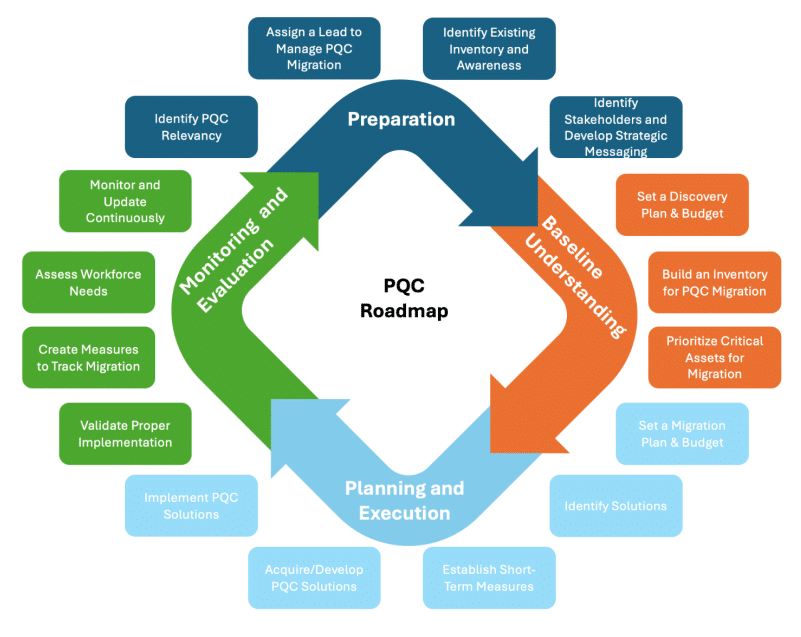
PQC Migration Roadmap
The global push toward post-quantum cryptography (PQC) is accelerating — but for crypto, the migration challenge is unique given decentralized governance.

The Road to Post-Quantum Crypto: A Race Against Time

Google has been preparing for this moment since 2016 and has set a formal 2029 migration target for its own systems. The US National Institute of Standards and Technology (NIST) has already standardized a set of post-quantum cryptographic algorithms. The tools exist; the challenge lies in their implementation within decentralized ecosystems.

Bitcoin’s Governance Problem: BIP 360

For Bitcoin, advocates like Eli Ben-Sasson are pushing for BIP 360, a proposal to introduce quantum-resistant address types. However, Bitcoin upgrades demand near-consensus among a diverse and decentralized community of developers, miners, exchanges, and wallet providers. The very properties that make Bitcoin censorship-resistant also make it slow to adapt. Aligning these parties for a hard fork with a five-year runway presents a significant political and technical challenge.

Ethereum’s Head Start

The Ethereum Foundation appears to be further along in its preparations. It launched a post-quantum research portal (pq.ethereum.org) backed by eight years of work, with test networks shipping weekly and a multi-fork upgrade roadmap targeting quantum-resistant cryptography by 2029. Ethereum’s 12-second block time also offers a slight advantage against real-time transaction theft compared to Bitcoin’s 10-minute window. Nevertheless, the legacy smart contract problem remains a genuine existential challenge.

The Bottom Line: This Isn’t FUD, It’s a Countdown

Google’s paper is not a declaration of crypto’s demise. It explicitly states that the time remaining before cryptographically relevant quantum computers arrive still exceeds the time needed to migrate. However, that margin is “increasingly narrow,” and the paper concludes with an unambiguous call to action: the crypto community must begin migrating to post-quantum cryptography without delay.

The threat is no longer theoretical. It has a timeline, a mechanism, and a dollar figure. $600 billion is on the clock. Whether Bitcoin’s notoriously conservative community can organize itself to act before that clock runs out is one of the most consequential governance questions in the history of finance.

For investors, developers, and anyone holding crypto, the message is clear: the time to understand post-quantum risk isn’t when the machines arrive. It’s now.


References

  1. Google Quantum AI — Safeguarding cryptocurrency by disclosing quantum vulnerabilities responsibly (March 30, 2026): research.google
  2. CoinDesk — Bitcoin bulls scramble for post-quantum protection as Google drops bombshell paper (March 31, 2026): coindesk.com
  3. CryptoSlate — Google slashes quantum cracking estimates by 20x, creating $600 billion quantum countdown (March 31, 2026): cryptoslate.com
  4. CoinDesk — Google warns five quantum attack paths could put $100 billion on Ethereum at risk (March 31, 2026): coindesk.com
  5. The Block — Google warns quantum computing may break bitcoin earlier than thought (March 31, 2026): theblock.co
  6. CoinDesk — The first winners of the quantum crypto debate are already clear, some up 50% (April 1, 2026): coindesk.com
  7. Help Net Security — Crypto industry may be running out of time to prepare for quantum attacks (March 31, 2026): helpnetsecurity.com
  8. Forbes — Google Finds Quantum Computers Could Break Bitcoin Sooner Than Expected (March 31, 2026): forbes.com
  9. SecurityWeek — Google Slashes Quantum Resource Requirements for Breaking Cryptocurrency Encryption (March 31, 2026): securityweek.com
  10. The Quantum Insider — Q-Day Just Got Closer: Three Papers in Three Months Are Rewriting the Quantum Threat Timeline (March 31, 2026): thequantuminsider.com
  11. BIP 360: Pay-to-Merkle-Root (P2MR): bip360.org
  12. CoinDesk — Bitcoin’s $1.3 trillion security race: Key initiatives aimed at quantum-proofing the world’s largest blockchain (April 4, 2026): coindesk.com
  13. PR Newswire — BTQ Technologies Announces First Deployment of BIP 360 on Bitcoin Quantum Testnet v0.3.0 (March 19, 2026): prnewswire.com
  14. CryptoResearch.Report — Bitcoin Introduces BIP-360 for Quantum Resistance (March 10, 2026): cryptoresearch.report
  15. GitHub — bips/bip-0360.mediawiki (Bitcoin BIPs repository): github.com
  16. Post-Quantum Ethereum: pq.ethereum.org
  17. CoinDesk — Ethereum Foundation launches post-quantum security hub (March 25, 2026): coindesk.com
  18. Technology.org — Ethereum 2026: The Strategic Post-Quantum Shift (February 4, 2026): technology.org
  19. Ainvest — Ethereum Rolls Out Post-Quantum Security Plan to Address Quantum Computing Threats by 2029 (March 31, 2026): ainvest.com

The 2026 Imperative: Why HP Gen 12 Servers are the Cornerstone of Your IT Refresh

Author: everythingcryptoitclouds.com

Introduction: The New Era of Compute

The year 2026 marks a critical inflection point for enterprise IT infrastructure. With the relentless growth of data, the operationalization of Artificial Intelligence (AI), and the ever-present threat of cyberattacks, legacy server hardware is no longer a viable foundation for modern business. The need for a strategic server refresh has never been more urgent. At the forefront of this technological shift is the Hewlett Packard Enterprise (HPE) ProLiant Compute Gen12 server family, engineered specifically to meet the demands of this new era [1]. This post explores the transformative capabilities of the HP Gen 12 platform and outlines the compelling advantages of making 2026 the year for your comprehensive server refresh.

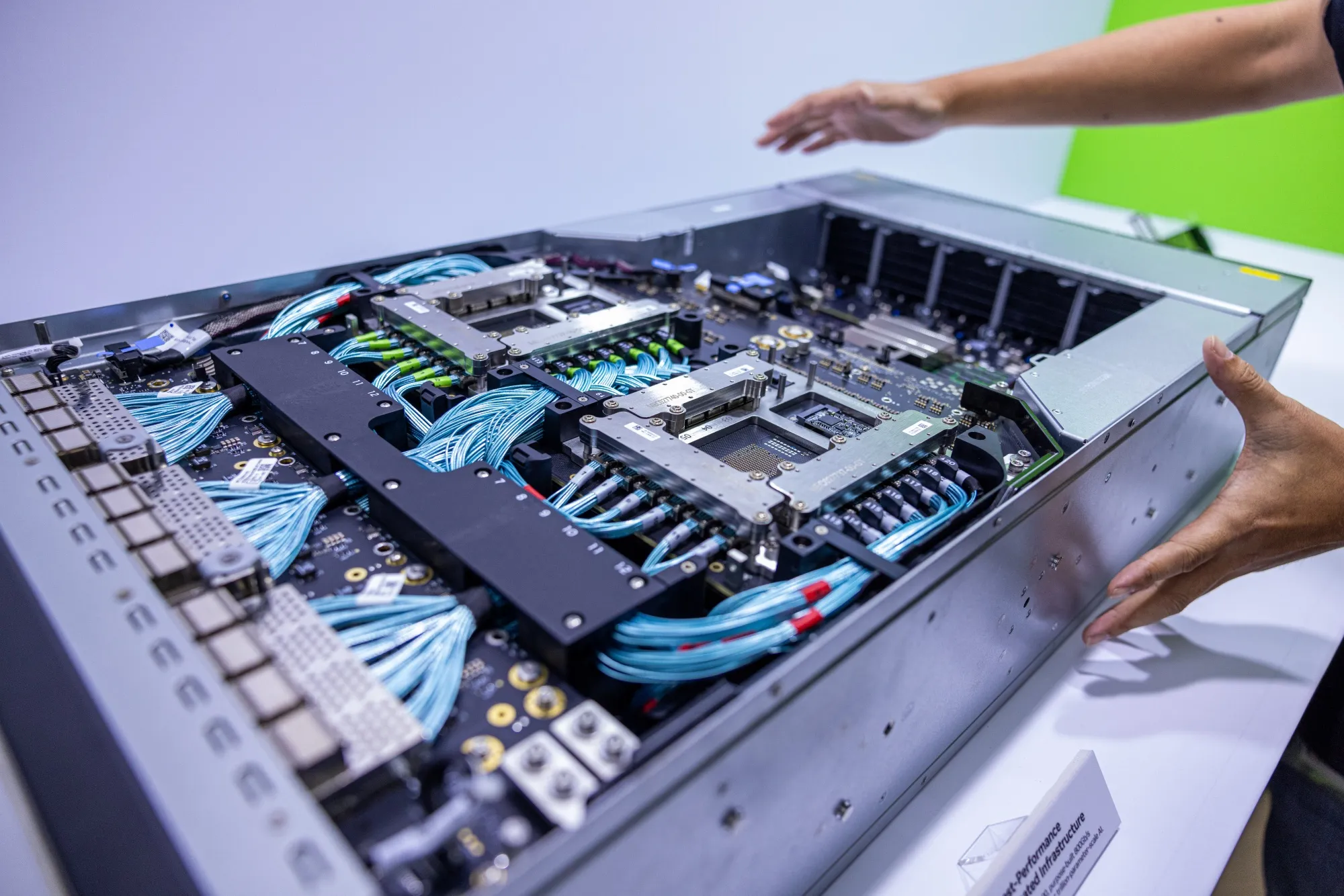
HPE ProLiant Gen12 Servers

HPE ProLiant Gen 12: Engineered for the AI-Driven Enterprise

Announced in early 2025, the HPE ProLiant Gen12 servers represent a significant leap in compute power, efficiency, and security [2]. These systems are designed not just to run applications, but to serve as the backbone for next-generation AI and data-intensive workloads.

Unprecedented Performance

The Gen 12 platform delivers a massive performance boost through its support for the latest processor and memory technologies. The servers offer a choice between two industry-leading architectures:

The integration of DDR5 memory and the high core counts of the Intel Xeon 6 and AMD EPYC 9005 processors (as shown in the image below) dramatically increase transaction throughput and reduce latency, making the Gen 12 platform ideal for virtualization, database management, and high-performance computing [3].

AMD EPYC CPU

AI and Security at the Core

The Gen 12 family is built with AI and security as foundational elements. Certain models, such as those optimized for AI, feature integration with accelerators like the NVIDIA GH200 NVL2, making them ready to handle complex machine learning and deep learning models out of the box [4].

On the security front, HPE has further enhanced its Silicon Root of Trust technology, providing an unchangeable fingerprint in the server’s silicon to prevent unauthorized firmware access. This advanced security posture is essential in a landscape where firmware attacks are becoming increasingly sophisticated.

The 2026 Server Refresh Imperative

Beyond the raw technical specifications, a server refresh in 2026 offers compelling strategic and financial advantages that directly impact a business’s bottom line and competitive standing.

1. Strategic AI Readiness

The most significant driver for a 2026 refresh is the need for AI readiness. As AI moves from pilot projects to core business processes, organizations require infrastructure capable of supporting these compute-intensive workloads. Older servers simply lack the necessary GPU support, high-speed interconnects, and memory bandwidth to run modern AI models efficiently. Adopting Gen 12 servers ensures that your IT roadmap is aligned with the future of business intelligence and automation.

2. Enhanced Operational Efficiency and Cost Control

While the initial investment in new hardware is substantial, the long-term operational savings are significant. Newer servers are dramatically more power-efficient, leading to lower energy consumption and reduced cooling costs in the data center [5]. Furthermore, a refresh allows organizations to consolidate workloads onto fewer, more powerful machines, reducing licensing fees, maintenance overhead, and the risk associated with aging hardware. This strategic adoption of advanced technology is key to building a cost-effective IT roadmap for 2026 [6].

Data Center Refresh

3. Mitigating Security and Compliance Risk

The security features of the Gen 12 servers are a crucial advantage. Running outdated hardware exposes organizations to significant security vulnerabilities, as older systems often fall out of vendor support and lack modern security features like the Silicon Root of Trust. A refresh mitigates this risk, ensuring compliance with increasingly stringent data protection regulations and safeguarding critical business assets.

Conclusion: Investing in the Future

The decision to perform a server refresh in 2026 is not merely a hardware upgrade; it is a strategic investment in the future resilience, performance, and intelligence of your organization. The HPE ProLiant Gen 12 servers, with their focus on AI, security, and next-generation compute power, provide the ideal platform for this transition. By embracing this refresh, businesses can move beyond simply maintaining their infrastructure and instead enable the scalable, high-performance environment necessary to thrive in the AI-driven economy of 2026 and beyond.


References

[1] HPE. HPE introduces next-generation ProLiant servers engineered for advanced security, AI, automation and greater performance. [URL: https://www.hpe.com/us/en/newsroom/press-release/2025/02/hpe-introduces-next-generation-proliant-servers-engineered-for-advanced-security-ai-automation-and-greater-performance.html%5D

[2] Forbes. HPE Launches Next-Generation ProLiant Compute Servers. [URL: https://www.forbes.com/sites/moorinsights/2025/02/12/hpe-launches-next-generation-proliant-compute-servers/%5D

[3] HPE. HPE ProLiant Compute DL325 Gen12 – Features & Specs. [URL: https://buy.hpe.com/us/en/compute/rack-servers/proliant-dl300-servers/proliant-dl325-server/hpe-proliant-compute-dl325-gen12/p/1014896093%5D

[4] Wikipedia. ProLiant. [URL: https://en.wikipedia.org/wiki/ProLiant%5D

[5] Meriplex. How to Build a Cost-Effective IT Roadmap for 2026. [URL: https://meriplex.com/how-to-build-a-cost-effective-it-roadmap-for-2026/%5D

[6] Dymin Systems. Budgeting for 2026: Why IT Planning Starts Now. [URL: https://www.dyminsystems.com/about/blogs/business-intelligence/budgeting-for-2026-why-it-planning-starts-now/%5D

AI Reality Check: What Last Week’s Stock Crash Means for Broadcom, AMD, Oracle, and Meta

Author: everythingcryptoitclouds.com

Introduction: The Jolt to the AI Trade

Last week, the seemingly unstoppable AI stock rally hit a major speed bump. A sharp selloff, triggered by disappointing news from key players, sent shockwaves through the market, raising the specter of an “AI bubble.” While the overall AI narrative remains robust, the correction served as a crucial reality check, reminding investors that even the most promising growth stories are subject to market scrutiny.

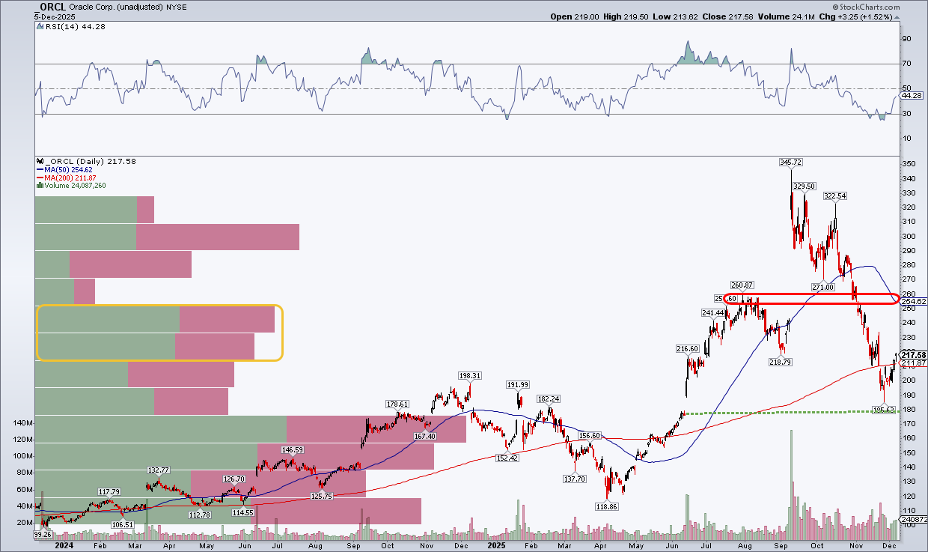
The focus of this correction centered on two major infrastructure providers: Broadcom (AVGO) and Oracle (ORCL). Their struggles quickly dragged down other AI-exposed giants, including Advanced Micro Devices (AMD) and Meta Platforms (META). This article breaks down the reasons behind the crash, analyzes the short-term outlook for the next four weeks, and provides a forecast for early 2026.

AI Crash Visualization

Anatomy of the Selloff: Broadcom and Oracle’s One-Two Punch

The market correction was primarily ignited by a one-two punch from two companies whose fortunes are deeply tied to the AI infrastructure buildout.

Broadcom’s Margin Scare: Despite reporting better-than-expected quarterly results and strong guidance, Broadcom’s stock plummeted by 11%. The core concern was a warning from management that gross margins would be lower in the short term. This is due to the higher up-front costs associated with producing complex custom AI chip systems and server racks. Furthermore, the CEO tempered expectations for a major deal with OpenAI in 2026, suggesting the immediate revenue boost might not be as explosive as investors had hoped.

Oracle’s Financing Disappointment: Oracle’s stock had already plunged 10% before dropping another 4.5% in the wake of its mixed earnings report (beating on earnings per share but missing on revenue). Investors were particularly disappointed by the lack of detail on how the company plans to finance its massive, debt-fueled AI data center expansion. This raised questions about the sustainability and profitability of the aggressive infrastructure spending required to compete in the AI cloud space.

The combination of Broadcom’s margin concerns and Oracle’s financing uncertainty created a wave of “AI angst,” leading to a broader selloff in the sector.

Oracle Broadcom Chart

Short-Term Outlook: The Next Four Weeks

The next four weeks, often characterized by holiday trading and year-end portfolio adjustments, will be crucial for these stocks.

| Company | Crash Reason | Short-Term Outlook (Next 4 Weeks) |
| :— | :— | :— |
| Broadcom (AVGO) | Margin contraction on custom AI chips. | Analysts are largely recommending to “buy the dip,” viewing the selloff as an overreaction to short-term margin pressure. The underlying demand for their custom chips from hyperscalers remains robust. |
| Oracle (ORCL) | Missed revenue and financing uncertainty. | Volatility is likely as the market digests the debt concerns. A clear communication from management regarding their CapEx financing strategy could stabilize the stock, but until then, it remains under pressure. |
| Advanced Micro Devices (AMD) | General AI trade selloff. | Expected to stabilize quickly. The drop was largely collateral damage from the Broadcom/Oracle news. Strong demand for its EPYC CPUs and Instinct GPUs in the data center market provides a solid floor. |
| Meta Platforms (META) | General AI trade selloff. | Strongly positioned for a rebound. News of trimming the metaverse budget to prioritize AI spending is a positive signal for investors. The stock is likely to benefit from the “flight to quality” within the AI sector. |

Early 2026 Forecast: The Infrastructure Boom Continues

Despite the recent correction, the long-term forecast for the AI infrastructure sector remains overwhelmingly bullish, especially as we head into early 2026. The fundamental driver is the massive, non-negotiable capital expenditure (CapEx) being committed by the world’s largest tech companies.

Meta’s AI Commitment: Meta Platforms is a prime example of this long-term commitment. The company is aggressively shifting resources away from its metaverse division to focus on building out its AI capabilities. Analysts project Meta’s 2026 CapEx to reach an astonishing $109 billion, more than triple its 2023 spending. This colossal investment is primarily directed at AI infrastructure, including the purchase of chips and the construction of data centers.

The Demand for Silicon: This spending spree directly benefits chipmakers like Broadcom and AMD. Broadcom’s custom chip business, despite the short-term margin hit, is poised for massive growth as it supplies hyperscalers like Meta and Google. Similarly, AMD is forecast to see a 20%+ increase in revenue in 2026, driven by the insatiable demand for its high-performance EPYC and Instinct GPUs in the data center. The AI arms race is far from over, and these companies are the essential suppliers.

Oracle’s Long Game: While Oracle faces short-term financing questions, its long-term strategy hinges on becoming a major player in the AI cloud. The massive data center buildout, while costly, is a necessary step to capture future AI-driven revenue. If the company can effectively communicate its financing plan and execute on its AI pipeline, the stock could see a significant recovery in 2026.

AI Data Center

Conclusion: A Correction, Not a Collapse

The recent AI stock selloff was a healthy, albeit painful, market correction. It was driven by specific, company-level concerns about margins and financing, not a collapse in the underlying demand for artificial intelligence.

For investors, the message is clear: the AI revolution is still in its early stages, and the long-term trend of massive infrastructure spending is intact. The next four weeks may see continued volatility as the market finds its footing, but the outlook for early 2026 remains bright. The companies that are the essential building blocks of the AI future—Broadcom, AMD, Oracle, and Meta—are poised to be the biggest beneficiaries of this sustained, multi-year boom.

Crypto in 2026: From Speculation to Financial Revolution

Author: everythingcryptoitclouds.com

Introduction

The year is 2026, and the cryptocurrency landscape has transformed in ways that few could have predicted. What was once a niche, speculative asset class has now firmly planted its roots in the global financial system. The conversation has shifted from “if” to “how” cryptocurrencies will be integrated into our daily lives. This is not just another bull run; it’s a fundamental rewiring of our financial infrastructure. In this post, we’ll explore the key trends shaping the crypto world in 2026, from the maturation of the market to the tokenization of real-world assets and the evolution of decentralized finance (DeFi).

Blockchain Fintech

The Great Convergence: Crypto Meets Mainstream Finance

The most significant development in the crypto space is its convergence with traditional finance (TradFi). Major institutional players like BlackRock and JPMorgan, once skeptics, are now actively involved in the market. This has brought a new level of legitimacy and stability to the industry. The launch of spot Bitcoin ETFs has opened the floodgates for institutional capital, and we are now seeing a hybrid financial system emerge where digital assets are seen as “better tools” for a wide range of financial activities.

Tokenization: The Next Frontier

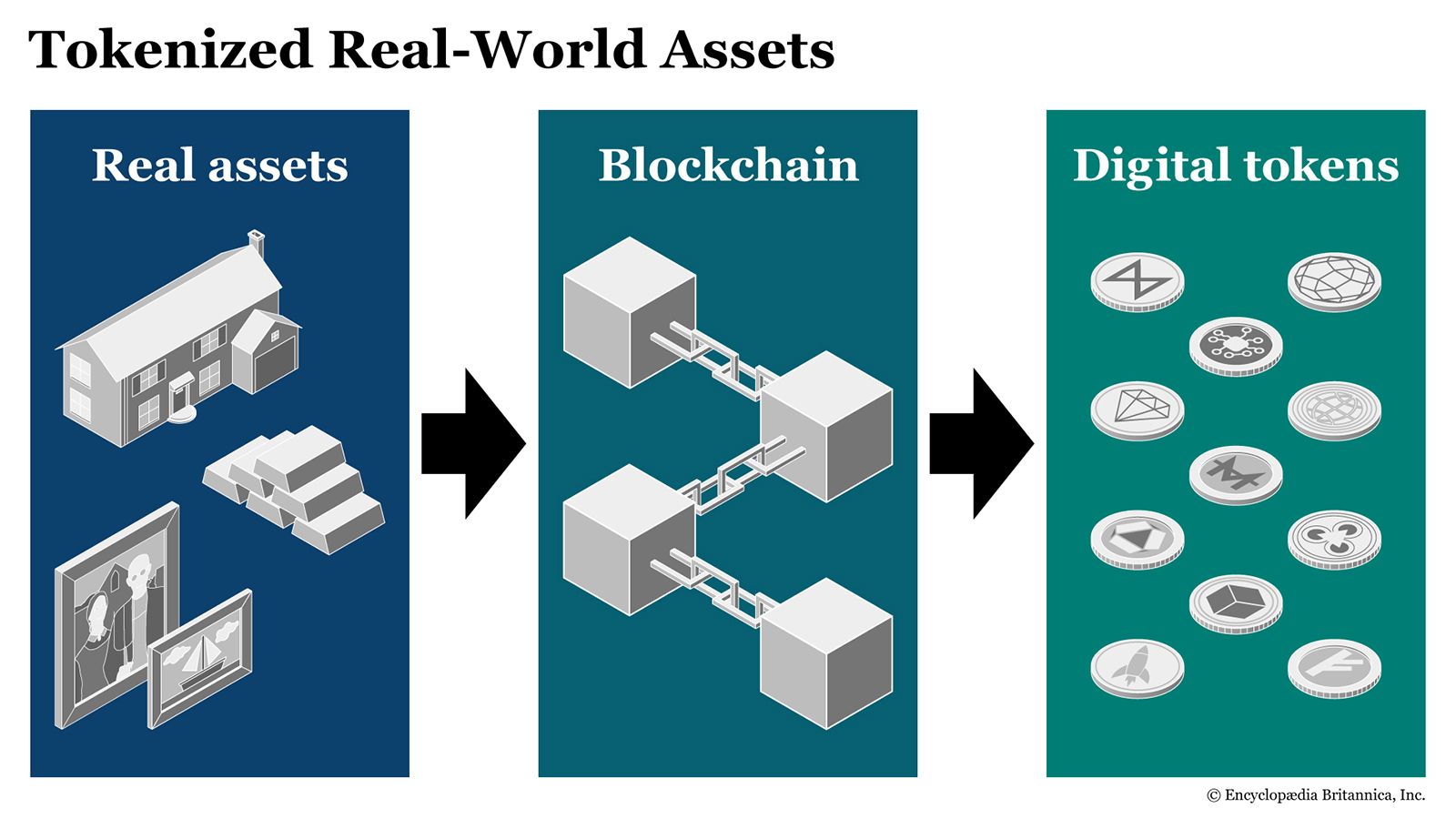
Tokenization, the process of converting real-world assets into digital tokens on a blockchain, is no longer a futuristic concept. It’s happening now, and it’s set to unlock trillions of dollars in value. From real estate to private credit, assets that were once illiquid are now being fractionalized and traded on-chain. This is democratizing access to investment opportunities and creating a more efficient and transparent financial system.

Asset Tokenization

DeFi 2.0: A More Mature and Regulated Ecosystem

Decentralized Finance (DeFi) has come a long way from its “wild west” days. In 2026, DeFi is a more mature and regulated ecosystem, with a focus on compliance and institutional-grade products. Stablecoins have become the new cash layer, facilitating seamless payments and cross-border transactions. The integration of AI is also making DeFi platforms more secure and efficient, with AI-driven risk management and automated yield optimization.

DeFi Concept

The Road Ahead: Scalability, AI, and Regulation

The crypto industry is still evolving, and there are several key developments that will shape its future. Layer 2 scaling solutions are making blockchains faster and cheaper to use, paving the way for mass adoption. Artificial intelligence is being integrated into every aspect of the crypto ecosystem, from security to trading. And finally, regulatory clarity is providing the certainty that businesses and investors need to confidently participate in the market.

Blockchain Network

What About the Price?

No discussion of crypto would be complete without mentioning the price. While the market remains volatile, the long-term outlook is bullish. Some analysts are predicting that Bitcoin could reach as high as $200,000 by the end of 2026, with other major cryptocurrencies like Ethereum also poised for significant growth. However, it’s important to remember that these are just predictions, and you should always do your own research before investing.

Conclusion

The crypto revolution is well underway. In 2026, we are witnessing the birth of a new financial system that is more open, transparent, and efficient than ever before. The journey has just begun, and the most exciting innovations are still to come. The future of finance is being built on the blockchain, and it’s a future that we can all be a part of.

How to Make Money with a Side Hustle in 2025: The Complete Guide to Financial Freedom

Author: everythingcryptoitclouds.com

Professional woman working from home on laptop representing side hustles

Professional woman working from home on laptop representing side hustles

The landscape of work has fundamentally transformed, and 2025 represents a pivotal moment for anyone looking to build additional income streams through side hustles. With more than 36% of Americans already engaged in side hustles outside their primary employment, and Generation Z leading the charge with nearly half (48%) pursuing supplementary income opportunities, the side hustle economy has evolved from a trend into a necessity for financial resilience.

The convergence of artificial intelligence, remote work technologies, and digital platforms has created unprecedented opportunities for individuals to monetize their skills, creativity, and expertise. However, success in the side hustle economy requires more than just enthusiasm—it demands strategic thinking, skill development, and an understanding of market dynamics that separate the top earners from those struggling to generate meaningful income.

This comprehensive guide explores the most lucrative side hustle opportunities available in 2025, backed by extensive research and real-world data. Whether you’re looking to supplement your current income, build a pathway to entrepreneurship, or achieve complete financial independence, the strategies and opportunities outlined here will provide you with the roadmap to success.

The Current State of the Side Hustle Economy

The side hustle economy has reached a critical mass that cannot be ignored by anyone serious about building wealth in the modern era. Recent research from TurboTax reveals a stark reality about income distribution among side hustlers: while 45% of participants earn less than $500 monthly from their side activities, and 27% generate between $500 and $1,000, only a select 2% achieve the coveted milestone of earning more than $5,000 per month.

This income disparity isn’t accidental—it reflects fundamental differences in approach, skill application, and strategic thinking. The top earners understand principles that the majority overlook, creating a significant opportunity for those willing to learn and apply proven methodologies.

The technological revolution has been the primary catalyst for this transformation. Artificial intelligence tools have democratized access to sophisticated business capabilities, while digital platforms have eliminated traditional barriers to market entry. Simultaneously, the shift toward remote work has normalized flexible employment arrangements, making side hustles more socially acceptable and practically feasible than ever before.

AI laptop with futuristic interface representing AI side hustles

AI technology is revolutionizing side hustle opportunities

Corporate America has also adapted to this new reality. A growing 74% of executives now consider degrees irrelevant when hiring freelancers, focusing instead on demonstrated expertise and proven results. This shift represents a fundamental change in how value is assessed in the modern economy, creating opportunities for skilled individuals regardless of their educational background.

The data reveals another crucial trend: 78% of CEOs assert that their top freelancers contribute more value than degree-holding employees. This statistic underscores the potential for side hustlers to not only supplement their income but to build expertise that surpasses traditional employment in terms of both compensation and professional satisfaction.

The Four Most In-Demand Side Hustles for 2025

Based on comprehensive market analysis and industry reports, four side hustle categories have emerged as particularly lucrative and sustainable for 2025. These opportunities combine high demand with significant earning potential, making them ideal for individuals seeking to maximize their return on time investment.

1. Template Graphic Designer: Capitalizing on Content Creation Demand

The explosion of digital content across all business sectors has created an insatiable demand for graphic design templates. Every business, from local restaurants to multinational corporations, requires consistent visual content for their websites, social media platforms, blogs, TikTok videos, Instagram posts, LinkedIn updates, and YouTube channels.

Angelique Rewers, CEO of small business consulting firm BoldHaus, describes the current market conditions as “insane” in terms of the volume of graphic templates needed given the content creation requirements of modern businesses. This demand stems from the reality that businesses must maintain constant visibility across multiple digital channels to remain competitive.

The template graphic design side hustle involves creating reusable design assets that businesses can customize for their specific needs. These templates might include social media post designs, website headers, presentation slides, marketing materials, and branding elements. The key advantage of this approach is scalability—once created, templates can be sold repeatedly without additional time investment.

Successful template designers typically focus on specific niches or industries, developing expertise in particular aesthetic styles or business sectors. For example, a designer might specialize in minimalist templates for tech startups, vibrant designs for fitness brands, or professional layouts for financial services companies.

The earning potential in this field is substantial. Template packages on platforms like Etsy regularly sell for $72 or more, with successful designers creating multiple packages across different themes and styles. The platform economics are favorable, with Etsy charging only 20 cents per listing plus a 6.5% transaction fee, allowing designers to retain the majority of their revenue.

To succeed in template design, individuals need proficiency in design software such as Adobe Creative Suite, Canva Pro, or Figma. However, the barrier to entry is relatively low, as many online resources and tutorials can help beginners develop the necessary skills. The key to success lies in understanding current design trends, maintaining consistent quality, and developing a distinctive style that resonates with target customers.

2. AI Content Creator: Leveraging Artificial Intelligence for Content Production

The artificial intelligence revolution has created entirely new categories of side hustle opportunities, with AI content creation emerging as one of the most accessible and lucrative options. This field involves using AI tools to help businesses create, optimize, and distribute content across their digital channels.

AI content creators work with existing business content—such as conference presentations, YouTube videos, media interviews, or blog articles—and use sophisticated AI tools like Jasper, Claude, and ChatGPT to generate fresh, engaging content for social media accounts, LinkedIn posts, newsletters, and other marketing channels. This process, known as content repurposing, allows businesses to maximize the value of their existing content investments while maintaining consistent communication with their audiences.

The beauty of AI content creation lies in its accessibility. Unlike traditional copywriting, which requires extensive writing experience and subject matter expertise, AI content creation focuses on prompt engineering, content strategy, and quality control. The AI tools handle the heavy lifting of grammar, sentence structure, and content generation, while the human operator provides strategic direction and ensures brand consistency.

Freelance platforms have recognized the value of these skills, with AI content creators on Upwork commanding rates as high as $200 per hour. This premium pricing reflects the specialized nature of the work and the significant value it provides to businesses struggling to maintain consistent content production.

Content creation infographic showing different types

Various content creation opportunities in the digital economy

The demand for AI content creators is driven by several factors. First, businesses recognize the importance of consistent content marketing but often lack the internal resources to produce content at the required volume and frequency. Second, the rapid evolution of AI tools means that many business owners feel overwhelmed by the technology and prefer to outsource this function to specialists. Third, the quality of AI-generated content has reached a level where it can effectively supplement or replace human-created content in many contexts.

To succeed as an AI content creator, individuals need to develop expertise in multiple AI platforms, understand content marketing principles, and maintain awareness of industry trends and best practices. The most successful practitioners combine technical proficiency with strategic thinking, helping clients not just create content but develop comprehensive content strategies that drive business results.

3. Podcast Assistant: Supporting the Booming Audio Content Industry

The podcasting industry continues its explosive growth trajectory, with projections indicating that 141 million Americans will listen to podcasts in 2025, representing an increase from 135.4 million in 2024. This growth has created substantial opportunities for individuals who can support podcast creators with the technical and administrative aspects of podcast production.

Two people recording a podcast with professional setup

Professional podcast recording setup

Podcast assistants, also known as podcast managers or producers, handle a wide range of responsibilities that allow content creators to focus on their core competency: creating engaging audio content. These responsibilities include finding and booking guests, editing audio recordings, creating show notes, managing social media promotion, and handling the technical aspects of podcast distribution.

The role has evolved significantly with the shift toward video podcasting. Most podcasters now create video content for platforms like YouTube, adding a visual component to their shows. This trend has expanded the skill requirements for podcast assistants to include video editing, thumbnail creation, and multi-platform content optimization.

The earning potential for podcast assistants varies based on the scope of services provided and the success of the podcasts they support. Individual podcast producers on Fiverr charge up to $500 per project, while those offering comprehensive management services can command monthly retainers of several thousand dollars.

Success in this field requires a combination of technical skills and project management capabilities. Podcast assistants must be proficient in audio editing software such as Audacity, Adobe Audition, or Hindenburg Pro. Video editing skills using tools like Final Cut Pro, Adobe Premiere, or DaVinci Resolve are increasingly valuable. Additionally, understanding of podcast hosting platforms, RSS feeds, and distribution networks is essential.

The most successful podcast assistants develop expertise in specific podcast niches, such as business interviews, true crime, or educational content. This specialization allows them to understand the unique requirements and audience expectations of different podcast formats, making them more valuable to potential clients.

4. Short-term Rental Manager: Capitalizing on the Growing Hospitality Market

The short-term rental market represents one of the most robust growth opportunities in the side hustle economy, with industry analysts projecting 11.4% growth between 2025 and 2030. This expansion is driven by continued consumer preference for unique, personalized accommodation experiences and the ongoing growth of platforms like Airbnb and Vrbo.

Short-term rental management offers both remote and local opportunities, making it accessible to individuals regardless of their geographic location or travel preferences. Remote managers handle booking coordination, guest communication, review management, and administrative tasks, while local managers additionally provide on-site services such as property inspections, maintenance coordination, and guest support.

The scope of services provided by rental managers is comprehensive. They handle the entire guest experience from initial inquiry through post-stay follow-up, including booking management, pre-arrival communication, check-in coordination, during-stay support, and post-departure cleaning and maintenance scheduling. For property owners, this comprehensive service allows them to generate rental income without the time commitment and stress of day-to-day management.

Compensation structures for short-term rental managers vary by market and service level. In high-demand markets like South Florida, managers typically earn a percentage of booking revenue, with rates varying based on the level of service provided. For specific tasks such as property inspections or maintenance coordination, managers can charge hourly rates as high as $35 per hour.

The key to success in short-term rental management lies in developing systems and processes that ensure consistent, high-quality guest experiences. This includes creating detailed property guides, establishing relationships with reliable cleaning and maintenance services, and developing communication templates that address common guest questions and concerns.

Technology plays a crucial role in efficient rental management. Successful managers use property management software to automate booking confirmations, send pre-arrival instructions, coordinate cleaning schedules, and track financial performance. Popular platforms include Hostfully, Guesty, and Lodgify, each offering different features and pricing structures.

Three AI-Powered Side Hustles with Six-Figure Potential

The artificial intelligence revolution has created unprecedented opportunities for individuals to build substantial income streams that can rival or exceed traditional employment compensation. These AI-powered side hustles represent the cutting edge of the modern economy, combining technological innovation with human expertise to create exceptional value for businesses and organizations.

1. AI Consulting: Riding the $643 Billion Wave

AI consulting represents perhaps the most lucrative opportunity in the current side hustle landscape, with market projections that border on the extraordinary. According to BCC Research, the market for artificial intelligence consulting services is projected to grow from $11.3 billion in 2022 to $643.0 billion in 2028. This represents a staggering 5,590% increase in just six years, reflecting the urgent need for businesses to integrate AI technologies into their operations.

The demand for AI consulting is driven by a fundamental shift in business strategy. An AWS survey reveals that 92% of organizations plan to use AI-powered solutions by 2028, indicating that AI adoption is not optional but essential for competitive survival. However, most businesses lack the internal expertise to navigate this transformation effectively, creating substantial opportunities for knowledgeable consultants.

AI consultants work with businesses to develop comprehensive AI integration strategies, assess current technological capabilities, identify opportunities for AI implementation, and guide the development of AI-powered solutions. This work requires deep technical understanding combined with business acumen, as consultants must translate complex AI concepts into practical business applications.

The earning potential for AI consultants is exceptional, with project fees ranging from $8,000 to $175,000 per engagement. These premium rates reflect the specialized nature of the expertise and the transformational impact that effective AI implementation can have on business operations. For skilled consultants, this represents an opportunity to build a practice that generates substantial income while working with cutting-edge technology.

Success in AI consulting requires significant technical expertise, including understanding of machine learning algorithms, data science principles, and AI development frameworks. However, the investment in developing these skills can yield extraordinary returns, particularly for individuals who can combine technical knowledge with industry-specific expertise.

The most successful AI consultants focus on specific industries or business functions, developing deep expertise in how AI can address particular challenges or opportunities. For example, a consultant might specialize in AI applications for healthcare diagnostics, financial risk assessment, or supply chain optimization. This specialization allows consultants to command premium rates while building a reputation as a subject matter expert.

2. AI Content Reviewer: Ensuring Quality in the AI Era

As artificial intelligence becomes increasingly prevalent in content creation, the need for human oversight and quality control has become critical. AI content reviewers fill this essential role, fact-checking and improving AI-generated content to ensure accuracy, relevance, and quality. This emerging field represents a unique opportunity to earn substantial income while contributing to the responsible development of AI technology.

AI content reviewers work with companies developing AI models, helping to improve the accuracy and reliability of AI-generated responses. This work involves reviewing AI outputs, identifying errors or inaccuracies, providing feedback for model improvement, and ensuring that AI-generated content meets quality standards. The role is particularly important as businesses increasingly rely on AI for customer-facing content and communications.

Companies like Outlier have emerged as major employers in this space, offering remote freelance opportunities for experienced writers who want to make a meaningful impact in the AI industry. These positions typically require strong writing skills, attention to detail, and the ability to evaluate content across multiple dimensions including accuracy, relevance, and appropriateness.

The compensation for AI content reviewers reflects the specialized nature of the work and the value it provides to AI development companies. Outlier reports paying up to $27 per hour for experienced reviewers, with weekly payment schedules that provide consistent income flow. While this may seem modest compared to AI consulting rates, the steady nature of the work and the potential for scaling across multiple projects can result in substantial monthly earnings.

The field offers multiple specialization opportunities, including AI content trainer, AI STEM writing coach, AI English writing coach, and AI freelance writer and trainer. Each specialization requires different skill sets and offers different earning potential, allowing individuals to focus on areas that align with their expertise and interests.

Success as an AI content reviewer requires excellent writing skills, strong analytical capabilities, and the ability to work efficiently with AI-generated content. The most successful reviewers develop expertise in specific content types or subject areas, making them more valuable to AI companies developing specialized models.

3. AI-Powered Marketing Consulting: The $1.5 Trillion Opportunity

Marketing represents one of the most promising applications of artificial intelligence, with the marketing AI market estimated to reach $1.5 trillion by 2030. This massive market opportunity, combined with projected 8% growth in demand for marketing managers, creates exceptional opportunities for individuals who can combine marketing expertise with AI capabilities.

AI-powered marketing consultants help businesses leverage artificial intelligence tools to improve their marketing effectiveness, efficiency, and return on investment. This work involves using AI for customer analytics, campaign optimization, content personalization, lead scoring, and predictive modeling. The combination of marketing strategy with AI implementation creates exceptional value for clients while commanding premium consulting rates.

The role requires understanding of both marketing principles and AI technologies. Successful consultants use AI tools to analyze customer data, identify patterns and trends, develop targeted marketing campaigns, and optimize marketing performance across multiple channels. This data-driven approach to marketing provides measurable results that justify premium pricing.

AI-powered marketing consultants can structure their services in multiple ways, including hourly consulting, project-based engagements, or monthly retainers. Retainer arrangements are particularly attractive, as they provide predictable monthly income while allowing consultants to develop deep relationships with clients. Successful consultants often charge several thousand dollars per month for comprehensive AI-powered marketing services.

The field offers numerous specialization opportunities, including social media marketing, content marketing, email marketing, search engine optimization, and paid advertising. Each specialization requires different AI tools and techniques, allowing consultants to focus on areas where they can provide the greatest value.

Success in AI-powered marketing consulting requires staying current with rapidly evolving AI tools and marketing platforms. The most successful consultants continuously experiment with new technologies, measure results rigorously, and develop case studies that demonstrate their expertise and results. This evidence-based approach helps justify premium pricing while building a reputation for delivering measurable business results.

The Two Critical Strategies That Separate Top Earners from the Rest

While opportunity abounds in the side hustle economy, success is not guaranteed. The stark income disparity between the top 2% of side hustlers who earn over $5,000 monthly and the 72% who earn less than $1,000 monthly reflects fundamental differences in approach and strategy. Two key principles distinguish the highest earners from those struggling to generate meaningful income.

Professional entrepreneur working in modern office

Strategic approach to entrepreneurship and side hustles

Strategy 1: Skill Stacking for Maximum Value Creation

Skill stacking represents one of the most powerful strategies for increasing earning potential in the side hustle economy. Rather than competing as a specialist in a single area, successful side hustlers combine multiple complementary skills to create unique value propositions that command premium pricing.

The concept of skill stacking recognizes that not all skills need to be performed at an expert level to create value. According to Indeed, skill stacking is “a process that individuals undertake to make themselves more valuable or relevant. During this process, an individual learns a variety of skills rather than focusing on one. This approach can provide professionals with additional opportunities in various sectors.”

The power of skill stacking lies in the multiplicative effect of combining different capabilities. For example, a freelancer with strong copywriting skills and basic SEO knowledge can position themselves as an SEO content strategist, commanding higher rates than either a pure copywriter or basic SEO practitioner. Similarly, someone combining brand strategy expertise with graphic design capabilities can offer comprehensive branding consultancy services, providing complete solutions rather than individual components.

Successful skill stacking combinations in the current market include:

Copywriting + SEO = SEO Content Strategist/Writer: This combination addresses the critical need for content that both engages readers and performs well in search engines. Businesses increasingly recognize that content must serve dual purposes, making this skill combination highly valuable.

Brand Strategy + Graphic Design = Branding Consultancy: Rather than offering design services alone, this combination provides complete brand development solutions, from strategic positioning through visual implementation. This comprehensive approach allows practitioners to charge significantly higher rates while providing greater value to clients.

Video Editing + Digital Marketing = Video Marketing Campaign Management: With video content becoming essential for business marketing, the combination of technical video skills with marketing strategy creates opportunities for comprehensive campaign management services.

The key to successful skill stacking is identifying complementary skills that address complete business needs rather than individual components. This approach allows side hustlers to position themselves as solution providers rather than service vendors, justifying premium pricing while reducing competition from specialists in individual areas.

Skill stacking also provides career resilience, as practitioners are not dependent on demand for any single skill. If one area experiences reduced demand, other skills can compensate, providing stability and flexibility in an evolving economy.

Strategy 2: Scalable Delivery Systems for Time Freedom

The second critical strategy that separates top earners from the rest is the development of scalable delivery systems. While many side hustlers remain trapped in time-for-money exchanges, the highest earners create systems that generate income with minimal ongoing time investment, essentially creating passive income streams within their side hustle activities.

Scalable delivery transforms side hustles from additional jobs into business systems that can grow without proportional increases in time commitment. This approach allows successful side hustlers to maintain their primary employment while building substantial additional income streams, or to transition completely to entrepreneurship with confidence in their income stability.

The most effective scalable delivery methods include:

Digital Products: Creating templates, e-books, courses, or software tools that can be sold repeatedly without additional production time. Once created, these products generate ongoing revenue with minimal maintenance requirements.

Online Courses and Training: Developing educational content that can be delivered to multiple students simultaneously. This approach leverages expertise once to serve many customers, creating significant leverage on time investment.

Workshops and Training Events: Conducting group training sessions that serve multiple clients simultaneously, rather than providing individual consulting services. This approach maintains the personal touch of consulting while dramatically improving time efficiency.

Team Building and Delegation: Hiring contractors or freelancers to handle routine tasks, allowing the side hustler to focus on high-value activities such as client acquisition and strategic development. This approach requires initial investment but can dramatically increase earning potential.

Automation and AI Integration: Using technology to handle routine customer interactions, content creation, and administrative tasks. This approach reduces time requirements while maintaining service quality, allowing for business growth without proportional time increases.

The most successful side hustlers combine multiple scalable delivery methods, creating robust systems that generate income from various sources. This diversification provides both increased earning potential and reduced risk, as income is not dependent on any single method or client relationship.

Implementing scalable delivery requires initial investment of time and often money, but the long-term benefits are substantial. Side hustlers who successfully implement these systems report not only higher income but also greater satisfaction and work-life balance, as they regain control over their time while building wealth.

The Most In-Demand Skills Driving Premium Rates in 2025

Understanding which skills command the highest rates and fastest growth is essential for anyone looking to maximize their side hustle potential. Upwork’s comprehensive analysis of their platform reveals significant trends that illuminate the most promising opportunities for skill development and specialization.

The AI Skills Revolution

The most dramatic trend in the freelance economy is the explosive growth of artificial intelligence-related skills. Generative AI modeling and AI data annotation have experienced growth rates as high as 220% year-over-year, reflecting the rapid integration of AI technologies across industries including healthcare, finance, and marketing.

This growth has created a fundamental shift in the freelance economy, with businesses prioritizing deep technical expertise over generalist capabilities. Freelancers specializing in generative AI modeling now command premium rates, earning up to 22% more on an hourly basis than traditional roles in AI and machine learning. This premium reflects both the scarcity of these skills and the exceptional value they provide to businesses implementing AI solutions.

The demand for AI skills extends beyond technical implementation to include data preparation and quality control. AI data annotation and labeling have emerged as critical functions, as businesses recognize that AI model performance depends heavily on the quality of training data. Knowledge representation, another rapidly growing field, involves structuring information in ways that AI systems can effectively process and utilize.

The Human-Centric Skills Surge

Paradoxically, as businesses embrace artificial intelligence, demand for distinctly human skills has also surged. Personal coaching has emerged among the fastest-growing skills on freelance platforms, with demand increasing by 74% year-over-year. This trend reflects businesses’ recognition that technological advancement must be accompanied by human development to achieve optimal results.

Career coaching and training and development roles have similarly experienced rapid growth, as organizations invest in helping their workforces navigate technological change. This trend underscores the growing importance of adaptability and continuous learning in the modern economy, creating opportunities for individuals who can guide others through professional transitions and skill development.

The surge in human-centric roles reflects a broader understanding that successful AI implementation requires not just technical expertise but also change management, training, and ongoing support. Businesses are recognizing that technology alone cannot drive transformation—human expertise is essential for successful adoption and optimization.

Technical Skills Commanding Premium Rates

Beyond AI-specific capabilities, several technical skill categories continue to command premium rates and demonstrate strong growth potential:

Scripting and Automation has emerged as the fastest-growing skill in coding and web development, reflecting businesses’ desire to streamline operations and reduce manual processes. This skill combines programming knowledge with business process understanding, creating opportunities for individuals who can identify and automate routine tasks.

Web Design and UX/UI Design continue to show strong demand as businesses recognize the critical importance of user experience in digital success. The shift toward mobile-first design and the increasing sophistication of user expectations have created ongoing opportunities for skilled designers.

Video Production has become essential as businesses embrace video content for marketing, training, and communication. The combination of technical video skills with understanding of business communication needs creates opportunities for comprehensive video production services.

Emerging Opportunities in Traditional Fields

Several traditional business functions have experienced renewed growth as businesses adapt to changing market conditions:

Supply Chain and Logistics Project Management has emerged as a critical skill, reflecting the ongoing challenges businesses face in managing complex supply networks. The combination of project management expertise with supply chain knowledge creates opportunities for specialized consulting services.

Qualitative Research has gained importance as businesses seek to understand changing customer behaviors and preferences. The ability to design and conduct research studies, analyze qualitative data, and provide actionable insights has become increasingly valuable.

Display Advertising and Campaign Management continue to show strong growth as businesses increase their digital marketing investments. The combination of creative skills with analytical capabilities creates opportunities for comprehensive advertising management services.

The Skills-Over-Degrees Revolution

Perhaps the most significant trend in the freelance economy is the declining importance of formal education credentials. A growing 74% of executives report that degrees are irrelevant when hiring freelancers, focusing instead on demonstrated expertise and proven results. This shift represents a fundamental change in how professional value is assessed and creates opportunities for skilled individuals regardless of their educational background.

This trend is reinforced by executive perceptions of freelancer value, with 78% of CEOs asserting that their top freelancers contribute more value than degree-holding employees. This statistic reflects the practical, results-oriented nature of freelance work and the premium placed on demonstrated capability over theoretical knowledge.

The implications of this trend are profound for side hustlers. Success depends not on credentials but on the ability to deliver measurable results for clients. This creates opportunities for individuals who can develop skills through practical application, online learning, and real-world experience, rather than formal education programs.

Getting Started: Your Roadmap to Side Hustle Success

Transforming side hustle opportunities into substantial income requires systematic approach and strategic execution. The following roadmap provides a structured path from initial skill assessment through income optimization, based on the strategies employed by the most successful side hustlers.

Infographic showing 35 side hustles at home

Comprehensive overview of home-based side hustle opportunities

Phase 1: Skills Assessment and Market Research

Before launching any side hustle, successful practitioners conduct thorough assessments of their existing capabilities and market opportunities. This foundation phase determines the most promising directions for skill development and business focus.

Begin by cataloging your current skills across all areas of expertise, including professional experience, personal interests, and informal knowledge. Consider both technical capabilities and soft skills, as the most successful side hustles often combine multiple skill areas. Pay particular attention to skills that complement each other, as these combinations often create the most valuable service offerings.

Simultaneously, research market demand for various skill combinations using freelance platforms like Upwork, Fiverr, and Freelancer. Analyze pricing trends, competition levels, and client requirements to identify opportunities where your skills align with market needs. This research phase should also include studying successful practitioners in your areas of interest, understanding their service offerings, pricing strategies, and client acquisition methods.

Phase 2: Skill Development and Specialization

Based on your assessment and market research, develop a focused skill development plan that emphasizes the most promising opportunities. Prioritize skills that complement your existing capabilities and address high-demand market needs.

For AI-related skills, begin with foundational understanding of artificial intelligence concepts and gradually develop expertise in specific tools and applications. Platforms like Coursera, Udemy, and LinkedIn Learning offer comprehensive courses in AI fundamentals, while hands-on experience with tools like ChatGPT, Claude, and Jasper provides practical application knowledge.

For creative skills like graphic design or video production, focus on mastering industry-standard software while developing a distinctive style or specialization. Build a portfolio that demonstrates your capabilities across different project types and client needs.

For consulting and coaching skills, develop expertise in specific industries or business functions. This specialization allows you to command premium rates while reducing competition from generalist practitioners.

Phase 3: Platform Selection and Profile Optimization

Choose freelance platforms that align with your skills and target market. Upwork tends to favor professional services and long-term client relationships, while Fiverr is better suited for standardized services and quick turnaround projects. LinkedIn can be effective for high-value consulting services, while industry-specific platforms may offer opportunities in specialized fields.

Optimize your profiles to highlight your unique value proposition and skill combinations. Use specific examples and quantifiable results to demonstrate your capabilities. Include relevant keywords that potential clients might use when searching for services, but ensure the content remains natural and engaging.

Develop a portfolio that showcases your best work across different project types and industries. For service-based offerings, create case studies that demonstrate your problem-solving approach and the results you’ve achieved for clients.

Phase 4: Service Development and Pricing Strategy

Structure your services to maximize value delivery while enabling scalable growth. Consider offering multiple service tiers that address different client needs and budget levels. This approach allows you to serve a broader market while providing upgrade paths for existing clients.

Develop pricing strategies that reflect the value you provide rather than simply competing on cost. Research competitor pricing, but focus on differentiating your offerings through superior quality, faster delivery, or additional value-added services.

Create service packages that combine multiple skills or deliverables, as these typically command higher rates than individual services. For example, a social media management package might include content creation, posting schedules, and performance analytics.

Phase 5: Client Acquisition and Relationship Building

Develop a systematic approach to client acquisition that combines multiple channels and strategies. This might include freelance platform bidding, direct outreach to potential clients, content marketing, and referral programs.

Focus on building long-term client relationships rather than pursuing one-time projects. Repeat clients provide more predictable income and typically pay higher rates as they become familiar with your capabilities and value.

Implement systems for client communication, project management, and quality control. These systems become increasingly important as your business grows and you begin working with multiple clients simultaneously.

Phase 6: Scaling and Optimization

As your side hustle grows, implement scalable delivery methods that allow you to increase income without proportionally increasing time investment. This might include creating digital products, developing online courses, or building a team of contractors to handle routine tasks.

Continuously analyze your business performance, identifying the most profitable services and clients. Focus your growth efforts on the areas that provide the highest return on time investment.

Consider transitioning from hourly billing to project-based or retainer pricing as your expertise and client relationships develop. These pricing models typically provide higher income and more predictable cash flow.

Quick-Start Opportunities for Immediate Income

For individuals seeking to generate income quickly while developing longer-term strategies, several side hustles offer relatively low barriers to entry and fast income potential:

Freelance Website Content Writing requires strong writing skills and basic understanding of web content principles. Many businesses need regular blog posts, website copy, and marketing materials, creating consistent demand for quality writers.

Resume Writing Services combine writing skills with understanding of hiring practices and industry requirements. This service addresses a universal need and can command premium rates for experienced practitioners.

Virtual Assistance leverages administrative and organizational skills to support busy professionals and small businesses. This broad category includes email management, scheduling, research, and various administrative tasks.

These opportunities provide immediate income potential while allowing individuals to develop more specialized skills and higher-value service offerings over time.

Conclusion: Your Path to Financial Freedom Through Strategic Side Hustles

The side hustle economy of 2025 presents unprecedented opportunities for individuals willing to approach income generation strategically and systematically. The convergence of artificial intelligence, remote work technologies, and changing business needs has created a landscape where skilled individuals can build substantial income streams that rival or exceed traditional employment compensation.

The key to success lies not in simply pursuing any available opportunity, but in understanding the fundamental principles that separate the top 2% of earners from those struggling to generate meaningful income. Skill stacking and scalable delivery systems represent the foundation of sustainable side hustle success, enabling practitioners to create unique value propositions while building systems that generate income with minimal ongoing time investment.

The most promising opportunities in 2025 combine technological proficiency with human expertise, addressing the complex needs of businesses navigating digital transformation. Whether through AI consulting, content creation, podcast support, or rental management, successful side hustlers position themselves as solution providers rather than service vendors, commanding premium rates while building long-term client relationships.

The shift away from degree-based hiring toward skills-based evaluation creates opportunities for individuals regardless of their educational background. Success depends on demonstrated capability, measurable results, and the ability to solve real business problems. This meritocratic approach rewards practical expertise and continuous learning over formal credentials.

For those ready to begin their side hustle journey, the roadmap is clear: assess your skills, research market opportunities, develop complementary capabilities, and implement scalable delivery systems. Start with quick-win opportunities to generate immediate income while building toward higher-value services that can provide substantial long-term wealth creation.

The side hustle economy is not a temporary trend but a fundamental shift in how work is structured and value is created. Those who understand and adapt to this new reality will find themselves well-positioned for financial success and professional fulfillment in the years ahead. The opportunities are substantial, the tools are available, and the time to begin is now.

Your financial freedom through strategic side hustles is not just possible—with the right approach and commitment to excellence, it’s inevitable.

References

[1] CNBC. (2024, December 18). 4 in-demand side hustles for 2025: One can pay $200 per hour. https://www.cnbc.com/2024/12/18/4-in-demand-side-hustles-for-2025-one-can-pay-200-per-hour-.html

[2] Forbes. (2025, March 26). How to Make $5K/Month from Side Hustles in 2025. https://www.forbes.com/sites/rachelwells/2025/03/26/how-to-make-5000month-from-side-hustles-in-2025/

[3] Upwork Inc. (2025, January 15). Upwork Unveils 2025’s Most In-Demand Skills. https://investors.upwork.com/news-releases/news-release-details/upwork-unveils-2025s-most-demand-skills

[4] Forbes. (2025, March 11). 3 AI Side Hustles That Pay Up To $100,000+ In 2025. https://www.forbes.com/sites/rachelwells/2025/03/11/3-ai-side-hustles-that-pay-up-to-100000–in-2025/


7 Must-Have AI Skills to Thrive (and Get Rich) in 2025

As we step further into the AI revolution, it’s no longer a matter of if — it’s how you’ll adapt to the new landscape. Whether you’re a tech entrepreneur, freelancer, or just curious about the future, acquiring the right AI skills now can unlock serious earning potential by 2025.

Based on insights from the popular YouTube video “7 AI Skills You MUST Have to Become Rich in 2025”, here’s a breakdown of the essential skills that will put you ahead of the curve — and maybe even help you build generational wealth.

1. Prompt Engineering: Speak AI’s Language

Prompt engineering is the art of crafting questions and instructions that guide AI models like ChatGPT or Claude to produce high-quality, accurate, and relevant outputs.

Why it matters: Most people use AI like a search engine. But those who understand how to prompt creatively can generate code, automate tasks, write compelling content, or solve complex business problems in minutes — not hours.

Tools to learn:

  • ChatGPT
  • Gemini
  • PromptPerfect

2. Automation Tools: Build Workflows That Work While You Sleep

No-code and low-code automation platforms are transforming the way businesses operate. With tools like Zapier, Make, or n8n, you can connect apps, automate tedious tasks, and even build SaaS-like workflows — without writing a single line of code.

Example use case: Automate lead generation, invoice sending, and email follow-ups in an agency or ecommerce business.

3. AI Agents: Your Next Digital Employee

AI agents are autonomous tools that can perform tasks, interact with APIs, and make decisions based on your instructions. They’re the next evolution of automation, acting more like employees than scripts.

Tools to explore:

  • Lindy.ai
  • AutoGPT
  • AgentGPT

Use case: Set up an agent to handle customer queries, schedule meetings, or perform research.

4. AI Video Creation: Content at Scale

Video is still king in content marketing — and now, you don’t even need a camera. With platforms like Pictory, Runway, and Synthesia, you can generate professional-quality videos using just text prompts or scripts.

Who’s using it? YouTubers, marketers, educators, and even real estate agents are creating daily content using AI tools — fast and at a fraction of traditional costs.

5. AI Voice Generation: Say It with Style

High-quality voiceovers used to cost hundreds of dollars. Now, you can generate ultra-realistic voices using tools like ElevenLabs and Play.ht — perfect for audiobooks, podcasts, YouTube videos, or product explainers.

Pro tip: You can even clone your voice or create a signature brand voice to maintain consistency.

6. AI Image Creation: Design Without a Designer

AI art generators like Midjourney, DALL·E, and Leonardo AI are empowering creators to produce stunning images — fast. Whether you need product mockups, branding material, or original art for your site or socials, these tools deliver.

Why it’s hot: You can generate niche graphics, social media content, or even NFT collections in minutes.

7. AI Coding: Turbocharge Development

AI tools like GitHub Copilot, Cursor, and CodeWhisperer help developers write better code, faster. But even non-coders can now build apps and websites with the help of natural language coding assistants.

Real-world impact: Freelancers are doubling their output, startups are building MVPs in record time, and solopreneurs are launching full platforms with AI help.

Final Thoughts: It’s Time to Act

The gap between those who leverage AI and those who ignore it is growing by the day. These seven skills aren’t just technical tricks — they’re wealth-building tools for the modern world. You don’t need to master all of them, but choosing even two or three can dramatically increase your earning potential by 2025.

Start now. Experiment. Build. Share. The future doesn’t wait — and neither should you.