AI Reality Check: What Last Week’s Stock Crash Means for Broadcom, AMD, Oracle, and Meta

Author: everythingcryptoitclouds.com

Introduction: The Jolt to the AI Trade

Last week, the seemingly unstoppable AI stock rally hit a major speed bump. A sharp selloff, triggered by disappointing news from key players, sent shockwaves through the market, raising the specter of an “AI bubble.” While the overall AI narrative remains robust, the correction served as a crucial reality check, reminding investors that even the most promising growth stories are subject to market scrutiny.

The focus of this correction centered on two major infrastructure providers: Broadcom (AVGO) and Oracle (ORCL). Their struggles quickly dragged down other AI-exposed giants, including Advanced Micro Devices (AMD) and Meta Platforms (META). This article breaks down the reasons behind the crash, analyzes the short-term outlook for the next four weeks, and provides a forecast for early 2026.

AI Crash Visualization

Anatomy of the Selloff: Broadcom and Oracle’s One-Two Punch

The market correction was primarily ignited by a one-two punch from two companies whose fortunes are deeply tied to the AI infrastructure buildout.

Broadcom’s Margin Scare: Despite reporting better-than-expected quarterly results and strong guidance, Broadcom’s stock plummeted by 11%. The core concern was a warning from management that gross margins would be lower in the short term. This is due to the higher up-front costs associated with producing complex custom AI chip systems and server racks. Furthermore, the CEO tempered expectations for a major deal with OpenAI in 2026, suggesting the immediate revenue boost might not be as explosive as investors had hoped.

Oracle’s Financing Disappointment: Oracle’s stock had already plunged 10% before dropping another 4.5% in the wake of its mixed earnings report (beating on earnings per share but missing on revenue). Investors were particularly disappointed by the lack of detail on how the company plans to finance its massive, debt-fueled AI data center expansion. This raised questions about the sustainability and profitability of the aggressive infrastructure spending required to compete in the AI cloud space.

The combination of Broadcom’s margin concerns and Oracle’s financing uncertainty created a wave of “AI angst,” leading to a broader selloff in the sector.
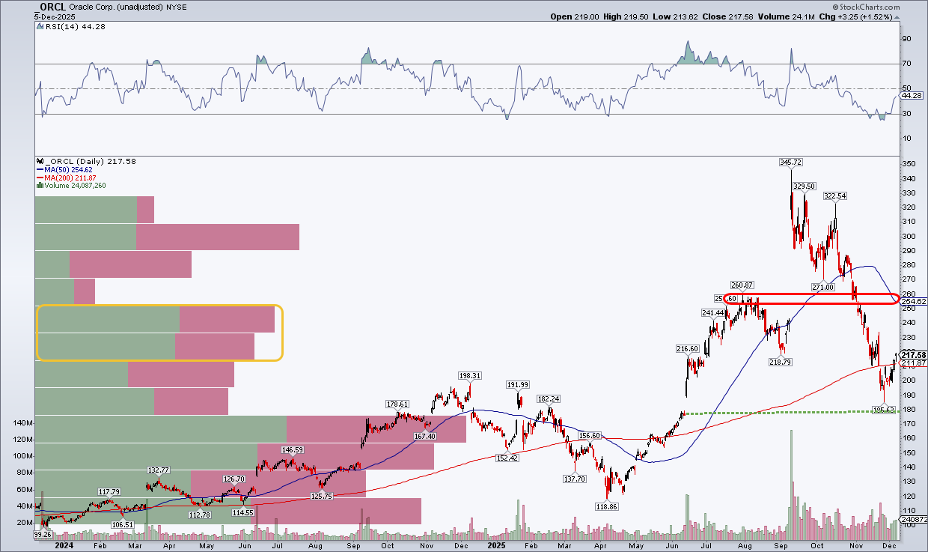
Oracle Broadcom Chart

Short-Term Outlook: The Next Four Weeks

The next four weeks, often characterized by holiday trading and year-end portfolio adjustments, will be crucial for these stocks.

| Company | Crash Reason | Short-Term Outlook (Next 4 Weeks) |
| :— | :— | :— |
| Broadcom (AVGO) | Margin contraction on custom AI chips. | Analysts are largely recommending to “buy the dip,” viewing the selloff as an overreaction to short-term margin pressure. The underlying demand for their custom chips from hyperscalers remains robust. |
| Oracle (ORCL) | Missed revenue and financing uncertainty. | Volatility is likely as the market digests the debt concerns. A clear communication from management regarding their CapEx financing strategy could stabilize the stock, but until then, it remains under pressure. |
| Advanced Micro Devices (AMD) | General AI trade selloff. | Expected to stabilize quickly. The drop was largely collateral damage from the Broadcom/Oracle news. Strong demand for its EPYC CPUs and Instinct GPUs in the data center market provides a solid floor. |
| Meta Platforms (META) | General AI trade selloff. | Strongly positioned for a rebound. News of trimming the metaverse budget to prioritize AI spending is a positive signal for investors. The stock is likely to benefit from the “flight to quality” within the AI sector. |

Early 2026 Forecast: The Infrastructure Boom Continues

Despite the recent correction, the long-term forecast for the AI infrastructure sector remains overwhelmingly bullish, especially as we head into early 2026. The fundamental driver is the massive, non-negotiable capital expenditure (CapEx) being committed by the world’s largest tech companies.

Meta’s AI Commitment: Meta Platforms is a prime example of this long-term commitment. The company is aggressively shifting resources away from its metaverse division to focus on building out its AI capabilities. Analysts project Meta’s 2026 CapEx to reach an astonishing $109 billion, more than triple its 2023 spending. This colossal investment is primarily directed at AI infrastructure, including the purchase of chips and the construction of data centers.

The Demand for Silicon: This spending spree directly benefits chipmakers like Broadcom and AMD. Broadcom’s custom chip business, despite the short-term margin hit, is poised for massive growth as it supplies hyperscalers like Meta and Google. Similarly, AMD is forecast to see a 20%+ increase in revenue in 2026, driven by the insatiable demand for its high-performance EPYC and Instinct GPUs in the data center. The AI arms race is far from over, and these companies are the essential suppliers.

Oracle’s Long Game: While Oracle faces short-term financing questions, its long-term strategy hinges on becoming a major player in the AI cloud. The massive data center buildout, while costly, is a necessary step to capture future AI-driven revenue. If the company can effectively communicate its financing plan and execute on its AI pipeline, the stock could see a significant recovery in 2026.
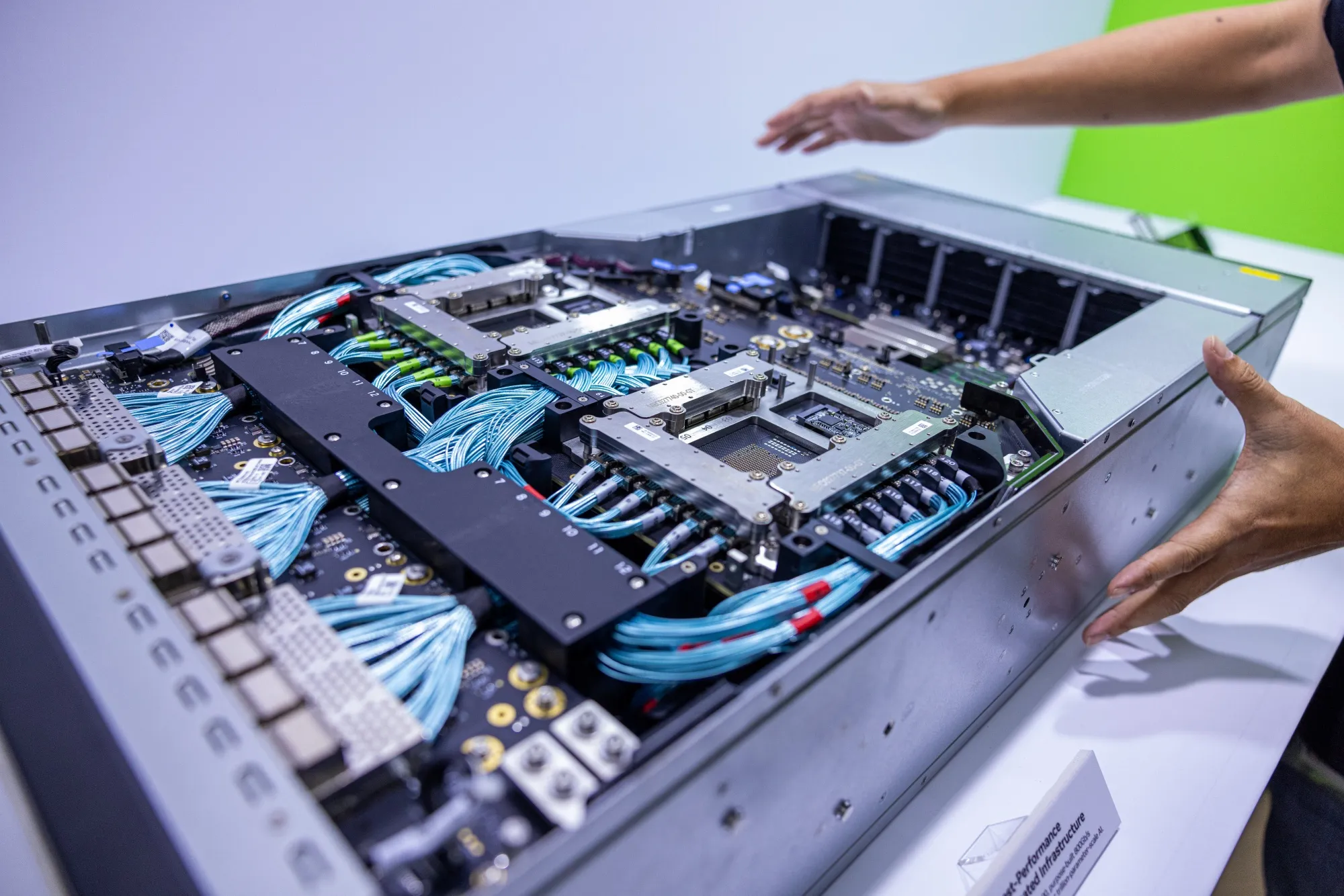
AI Data Center

Conclusion: A Correction, Not a Collapse

The recent AI stock selloff was a healthy, albeit painful, market correction. It was driven by specific, company-level concerns about margins and financing, not a collapse in the underlying demand for artificial intelligence.

For investors, the message is clear: the AI revolution is still in its early stages, and the long-term trend of massive infrastructure spending is intact. The next four weeks may see continued volatility as the market finds its footing, but the outlook for early 2026 remains bright. The companies that are the essential building blocks of the AI future—Broadcom, AMD, Oracle, and Meta—are poised to be the biggest beneficiaries of this sustained, multi-year boom.


The Ultimate Guide to Crypto Airdrops in 2026: How to Earn Free Tokens with Testnets and Airdrop Hunting

The cryptocurrency landscape is constantly evolving, and with the anticipated bull run of 2026, a new wave of opportunities is emerging for savvy crypto enthusiasts. Among the most exciting of these are crypto airdrops and testnet rewards, which offer a way to earn free tokens by participating in the growth of new blockchain projects. This guide will provide a comprehensive overview of airdrop hunting, testnet participation, and the strategies you need to maximize your earnings in 2026.

What are Crypto Airdrops and Testnets?

A crypto airdrop is a marketing strategy employed by new blockchain projects to distribute their native tokens to a wide audience. The goal is to bootstrap a community of users and generate awareness for the project. These tokens are often distributed for free to users who meet certain criteria, such as holding a specific cryptocurrency or interacting with the project’s platform.

Testnets, on the other hand, are experimental versions of a blockchain network where developers can test new features and applications without risking real assets. To incentivize participation and gather valuable feedback, projects often reward testnet users with airdrops of their native tokens once the main network (mainnet) launches. This creates a symbiotic relationship where users get to experiment with new technology risk-free and are rewarded for their contributions, while projects get to battle-test their systems before a full-scale launch.

Crypto Airdrop Guide

Why 2026 is the Year of the Airdrop Hunter

The crypto market is cyclical, and all signs point to 2025-2026 being a significant growth period. This extended cycle, driven by institutional investment and structural market changes, is fostering a fertile ground for new projects to launch. As competition for users and attention intensifies, more projects will turn to airdrops as a powerful tool for community building. For the diligent airdrop hunter, this translates into a target-rich environment with unprecedented opportunities to accumulate a diverse portfolio of new and promising tokens.

A Step-by-Step Guide to Participating in Testnets

Engaging with testnets is one of the most reliable ways to qualify for airdrops. Here’s a step-by-step guide to get you started:

Step 1: Find and Join a Testnet

  • Research: Start by exploring new and upcoming blockchain projects. Follow crypto news sites, influencers, and airdrop-specific platforms like Bankless Airdrop Hunter and DappRadar.
  • Join the Community: Most projects announce their testnets on their official social media channels, such as Discord or Telegram. Joining these communities is often a prerequisite for participation.
  • Wallet Setup: You will need a Web3 wallet like MetaMask. It is highly recommended to use a separate, dedicated wallet for airdrop hunting to protect your primary assets.

Step 2: Active Participation

  • Get Testnet Tokens: Once you’ve joined a testnet, you’ll need testnet tokens (which have no real-world value) to interact with the platform. These are usually available for free through a “faucet” provided by the project.
  • Test Everything: The goal is to use the platform as extensively as possible. This includes swapping tokens, providing liquidity, minting NFTs, and testing every available feature.
  • Provide Feedback: Actively report any bugs or user interface issues you encounter. This is a valuable contribution that projects often reward.

Step 3: Build Your On-Chain Reputation

  • Be Consistent: Daily participation is key. Projects often track user activity and reward the most consistent and engaged participants.
  • Engage Socially: Participate in community discussions, ask thoughtful questions, and help other users. This demonstrates your commitment to the project’s success.
  • Incentivized Quests: Many projects offer incentivized testnet quests that guide you through specific tasks. Completing these is a great way to ensure you meet the airdrop criteria.

Airdrop Parachute Coins

Airdrop Hunting Strategies for 2026

Beyond testnets, there are several other strategies to maximize your airdrop rewards:

| Strategy | Description |
| :— | :— |
| Interact with Protocols Without Tokens | Use established platforms that have not yet launched a native token. These are often prime candidates for future retroactive airdrops. |
| Stake on Emerging Blockchains | Staking tokens on new Layer 1 or Layer 2 blockchains can often make you eligible for airdrops from projects building on that ecosystem. |
| Specialize in a Niche | Focus on a specific category of projects, such as DePIN (Decentralized Physical Infrastructure), Layer 2s, or tap-to-earn applications. This allows you to develop expertise and identify promising opportunities early. |
| Use Multiple Wallets (Carefully) | While some hunters use multiple wallets to increase their allocation, be aware that projects are actively developing methods to detect and disqualify such “Sybil” attacks. |

Hot Airdrop Categories for 2026

  • Layer 1s (e.g., Monad): New base-layer blockchains that aim to improve upon existing technologies.
  • Layer 2s (e.g., Linea): Scalability solutions built on top of existing blockchains like Ethereum.
  • DePIN (e.g., Grass, Dawn): Projects that use token incentives to build real-world physical infrastructure networks.
  • Tap-to-Earn (e.g., Sidekick, Midas): Mobile applications that reward users for simple, gamified interactions.

Airdrop Hunting

A Word of Caution: Beware of Scams

As with any lucrative opportunity in the crypto space, airdrops are a magnet for scammers. Be vigilant and follow these safety tips:

  • Never Share Your Private Keys: No legitimate airdrop will ever ask for your private keys or seed phrase.
  • Verify Official Links: Always double-check that you are interacting with the project’s official website and social media channels.
  • Be Wary of Unsolicited DMs: Scammers often impersonate project team members and send direct messages with malicious links.
  • Don’t Pay for an Airdrop: Legitimate airdrops are free. If a project asks you to send funds to receive an airdrop, it is a scam.

Conclusion: The Future is Free (If You Work for It)

Crypto airdrops and testnet rewards offer a unique and exciting way to earn free tokens and become an early adopter of the next wave of blockchain innovation. While the potential rewards are significant, they require diligence, consistency, and a healthy dose of skepticism. By following the strategies outlined in this guide, you can position yourself to capitalize on the airdrop opportunities of 2026 and build a diverse and promising crypto portfolio from the ground up.

Disclaimer: This article is for informational purposes only and does not constitute financial advice. Always conduct your own research before participating in any airdrop or testnet program.

Ocado Q1 revenues soar 40% amid latest Covid lockdown.

No recommendation No news or research item is a personal recommendation to deal.

(Sharecast News) – Online supermarket Ocado Retail said it expects positive revenue growth in the second quarter after reporting a 40% rise in sales for the 13 weeks to the February 28 as more Britons had their groceries delivered during the current national Covid lockdown.

Revenue over the period, which included the Christmas holidays, came in at £599m against £428.8m a year earlier, the company said on Thursday. Average orders per week rose 2.5% to 329,000.

Melanie Smith, chief executive of Ocado Retail said the second quarter of 2021 represented the one year anniversary of the start of the Covid-19 pandemic which accelerated the demand for online groceries.

“While this year’s quarterly sales figures will reflect the year-on-year comparisons with periods of full lockdown, we expect strong growth over the coming years as we continue to lead the charge in changing the UK grocery landscape, for good,” she said.

The average order cost £147 as shoppers spent more on home deliveries as stricter coronavirus restrictions were suddenly announced in England, forcing many people to alter their Christmas plans at short notice and during the national lockdown that followed quickly in January.

Group chief executive Tim Steiner repeated his belief that the pandemic had permanently changed shopping habits. “Millions of customers have experienced online grocery shopping through the pandemic and many of them will not be going back to bricks and mortar,” he said.

Ocado Retail, a joint venture between Ocado Group and Marks & Spencer, said it planned to open opening two standard sized customer fulfilment centres (CFC) in fiscal 2021, having opened a mini warehouse in Bristol as it mapped out plans for expansion of CFC sites.

A minimum of 12 new micro sites are being sought, mainly in London, to support the roll-out of the “Ocado Zoom immediacy concept” which offers deliveries within one hour of ordering, it added.

“A second mini CFC will open in 2022 and progress is being made securing sites for further standard sized CFCs,” Ocado said.

Hargreaves Lansdown analyst Sophie Lund-Yates said future comparisons against last year when people were stockpiling “will be a lot tougher”.

“As such, retail revenue and profits are expected to grow at a slower rate. That’s to be expected, but Ocado’s banking on the pandemic having triggered a long-term increase in demand for online groceries. With capacity being ramped up, it’s important there’s enough demand to match.”

“Ocado and M&S’ higher-end proposition sets it apart from other online supermarket offerings, and having a unique selling point in the uber competitive grocery market should hold the group in good stead. Let’s not forget this is important for M&S too – which is in the middle of trying to rejuvenate growth.”

Lund-Yates added that Ocado’s share price valuation “is still some way above the ten-year average” and supporting the share will depend more on brokering new partnerships in its warehouse solutions business and less on the retail business, “which is more of a nice-to-have than a strategic lynch pin”.