Author: everythingcryptoitclouds.com
Introduction: Bridging Traditional Finance and Blockchain
In a landmark move that signals the deepening integration of digital assets into the traditional financial system, Visa Inc. announced on December 16, 2025, the launch of stablecoin settlement capabilities for U.S. banks [1]. This initiative allows Visa’s issuer and acquirer partners to settle their obligations with the network using Circle’s USDC—a fully reserved, dollar-denominated stablecoin—over the Solana blockchain. This development is not merely an experiment; it is a breakthrough that redefines the speed and efficiency of modern payment settlement, marking a major milestone in the modernization of global commerce.
The Mechanics of Modern Settlement
The core of this innovation lies in replacing the traditional, multi-day settlement process with the near-instantaneous finality of a high-performance blockchain. Initial banking participants, including Cross River Bank and Lead Bank, have begun settling with Visa in USDC via the Solana blockchain [1].
Solana was chosen for its exceptional speed and low transaction costs, which are critical for high-volume commercial activity. By leveraging the blockchain, Visa is effectively transforming its treasury operations, moving away from the legacy system that often requires pre-funding and operates only during traditional banking hours. This transition is built upon Visa’s successful stablecoin settlement pilots conducted globally over the past few years, which have already seen the network’s stablecoin settlement volume pass a $3.5 billion annualized run rate [1].
Advantages for the Financial Ecosystem
The shift to stablecoin settlement offers profound benefits for banks, fintechs, and ultimately, the end consumer. These advantages address long-standing pain points in the traditional payment system, primarily centered on speed, liquidity, and operational continuity.
The most immediate benefit is the introduction of 7-day settlement windows, which dramatically improves liquidity and funds movement for banks and fintechs [1]. This enhanced operational resilience means that settlement can occur across weekends and holidays without any change to the consumer card experience, a capability that is increasingly vital in a global, always-on economy. As Jackie Reses, CEO of Lead Bank, noted, this capability brings “speed and precision to treasury operations” [1].
Stablecoins: The Digital Dollar Bridge
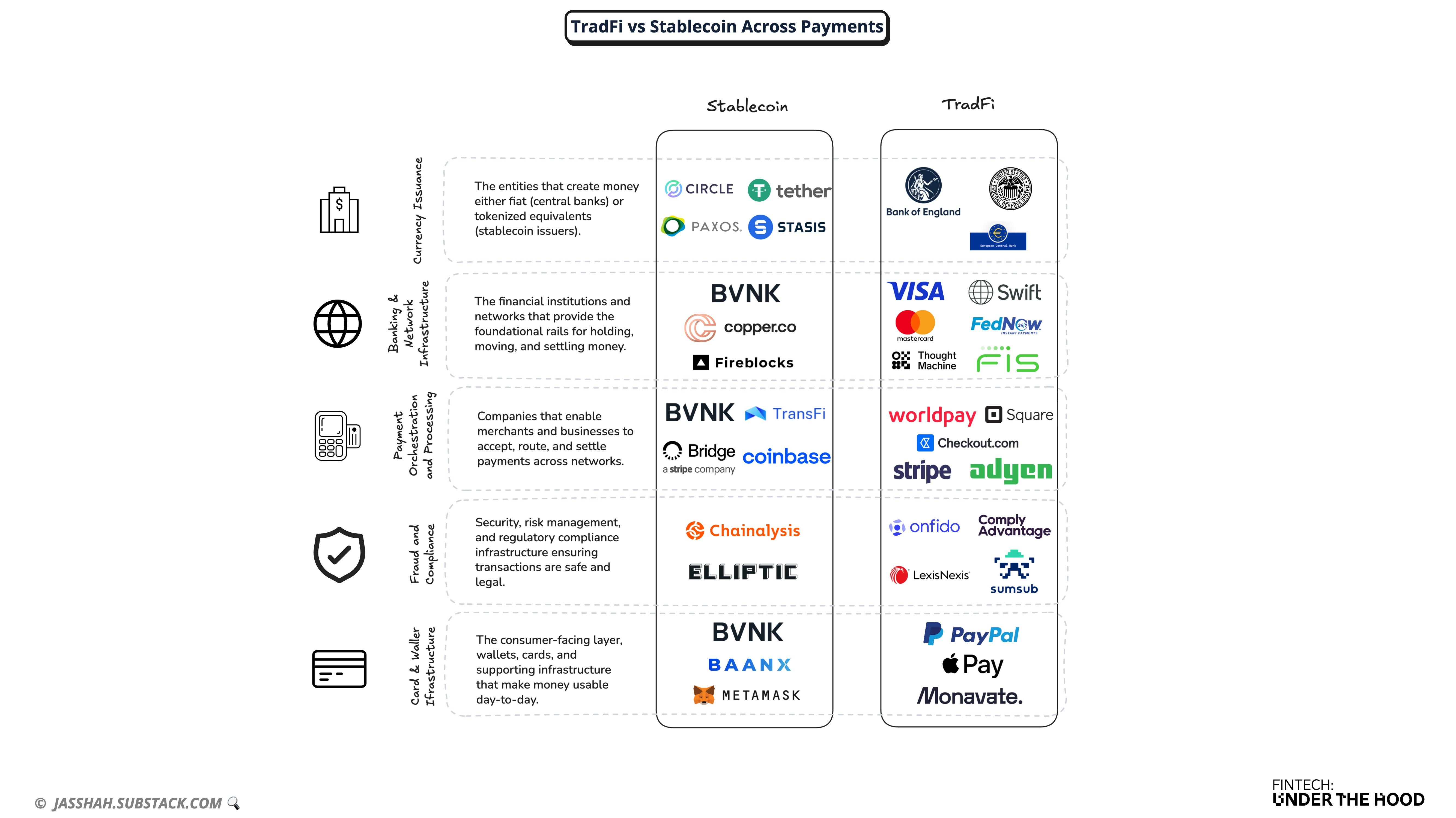
This initiative underscores the growing role of stablecoins as the essential bridge between fiat currency and blockchain technology. Stablecoins, such as USDC, combine the stability of the U.S. dollar with the speed and borderless nature of crypto, making them an ideal tool for institutional payments [2].
The move by Visa validates the thesis that stablecoins are not just for crypto traders but are poised to become a core component of global financial infrastructure. As Gilles Gade, CEO of Cross River, stated, a “unified platform that natively supports both stablecoins and traditional payment networks is the foundation for how value will move globally” [1].
Future Outlook: Broader Adoption and Arc
Visa plans to roll out broader availability of USDC settlement across the U.S. through 2026, expanding the reach of this modernized system [1]. Furthermore, Visa is actively involved in shaping the future of stablecoin infrastructure as a design partner for Arc, a new Layer 1 blockchain developed by Circle. Arc is purpose-built to offer the performance and scalability needed to support Visa’s global commercial activity on-chain, and Visa intends to utilize it for future USDC settlement and even operate a validator node [1].
This commitment from a global payments giant like Visa, coupled with the selection of Solana for its current speed and the investment in Circle’s Arc for future scalability, confirms that the world’s largest financial institutions are now actively building on decentralized rails. The launch of USDC settlement on Solana is a powerful demonstration of how blockchain technology is fundamentally changing the way money moves, making payments faster, cheaper, and more resilient for everyone.
References
[1] Visa. Visa Launches Stablecoin Settlement in the United States, Marking a Breakthrough for Stablecoin Integration. [URL: https://usa.visa.com/about-visa/newsroom/press-releases.releaseId.21951.html%5D
[2] Visa. Empowering the future of payments with stablecoins. [URL: https://corporate.visa.com/en/solutions/crypto/stablecoins.html%5D

 Crypto, IT & Cloud